
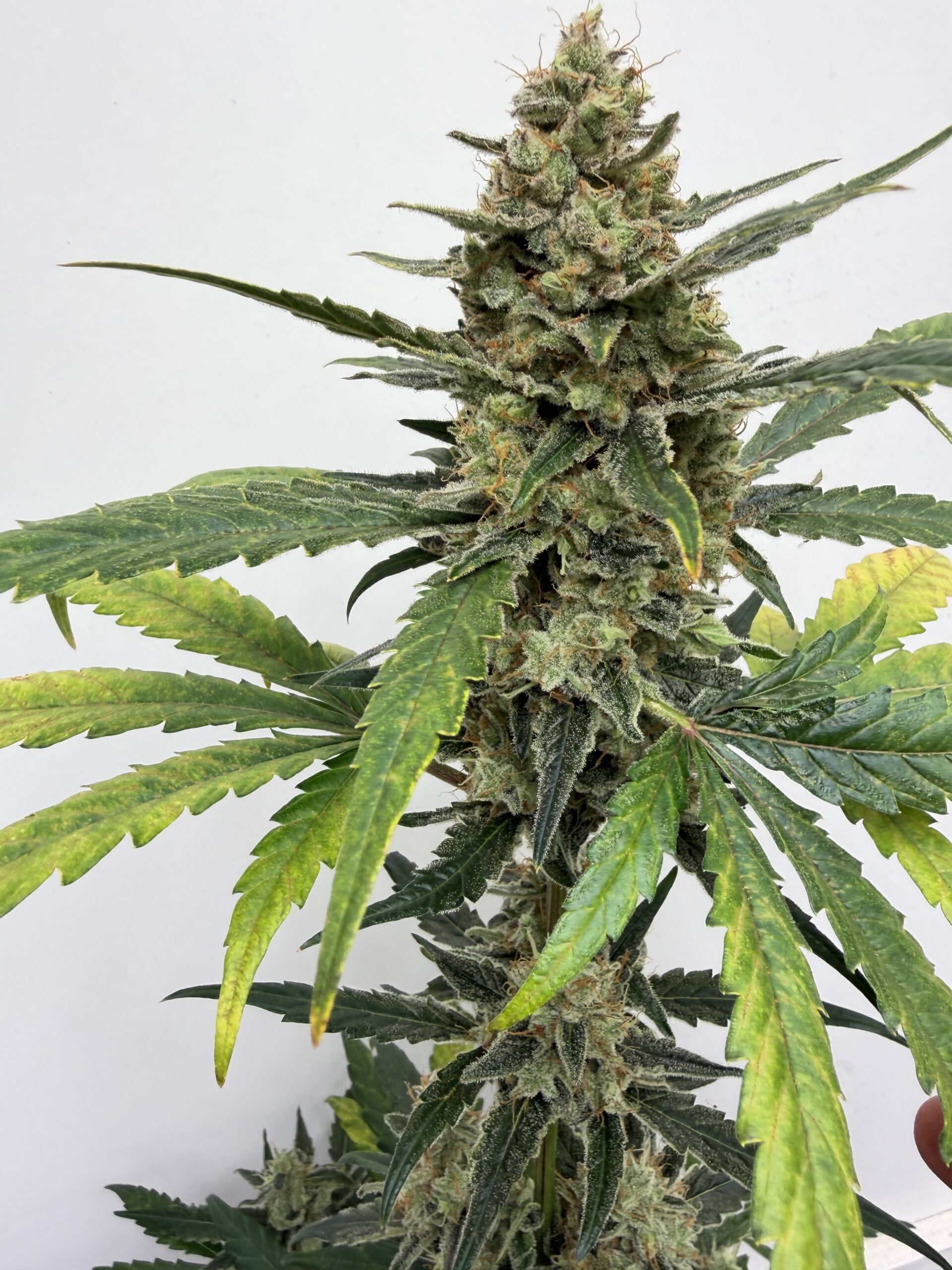
Notes from the Grower(s):
The Cursed Coast Auto is a cross of the generationally-stable Banana Daddy IBL (Ethos) and Dirty Bird Genetic’s own, Skull Island Auto. It is the newest installment in Dirty Bird’s autoflowering catalog which utilized all of the strengths of the beloved Banana Daddy Auto by Ethos as its primary building block. Two generations of the Banana Daddy Auto are featured here: We have the IBL (in-bred line) mother, and we have the Banana Daddy RBx2 Auto which we crossed with our prized Strawberry Gorilla pollen to make the Skull Island father of this cultivar.
With Banana Daddy genetics running deep, it’s unsurprising that the Cursed Coast Auto shares deep ties to Ethos’ original work, in addition to excellent uniformity, potent and improved terpenes, and high vigor and yields thanks to the addition of the mouth-watering, cup-winning Strawberry Gorilla genetics.
The terpenes of the Cursed Coast are incredibly complex and compelling, evolving to new heights at every interval along the way. Some plants took longer to fully realize their potential, but all of the plants that we tested inevitably showcased a strong and tangy sour base with varying degrees of petroleum, pepper, pine, citrus, fennel, licorice, and baby ointment peppered into the mindbending mix.
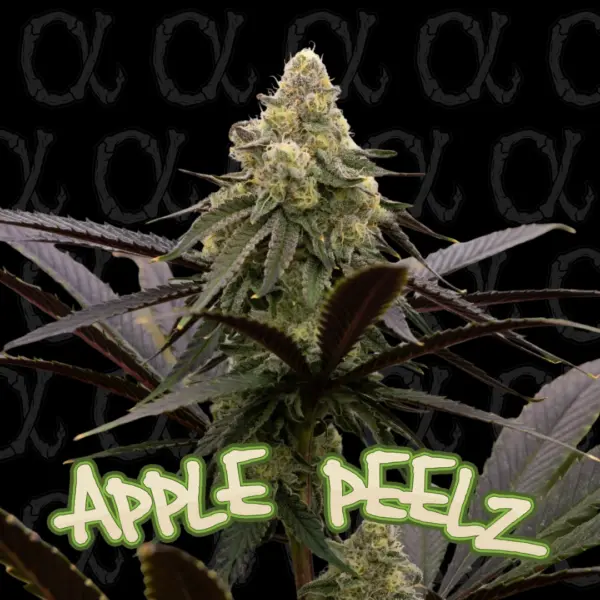
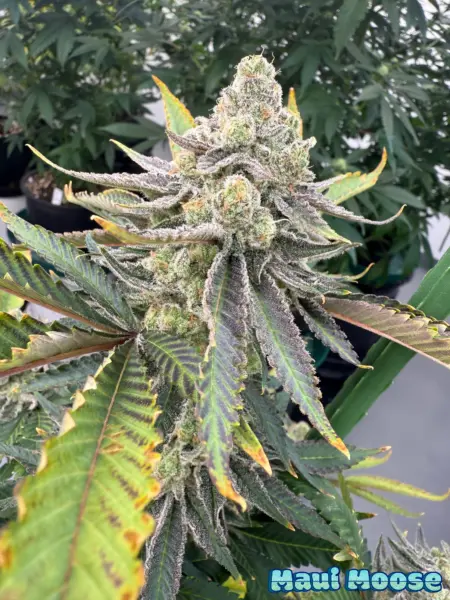
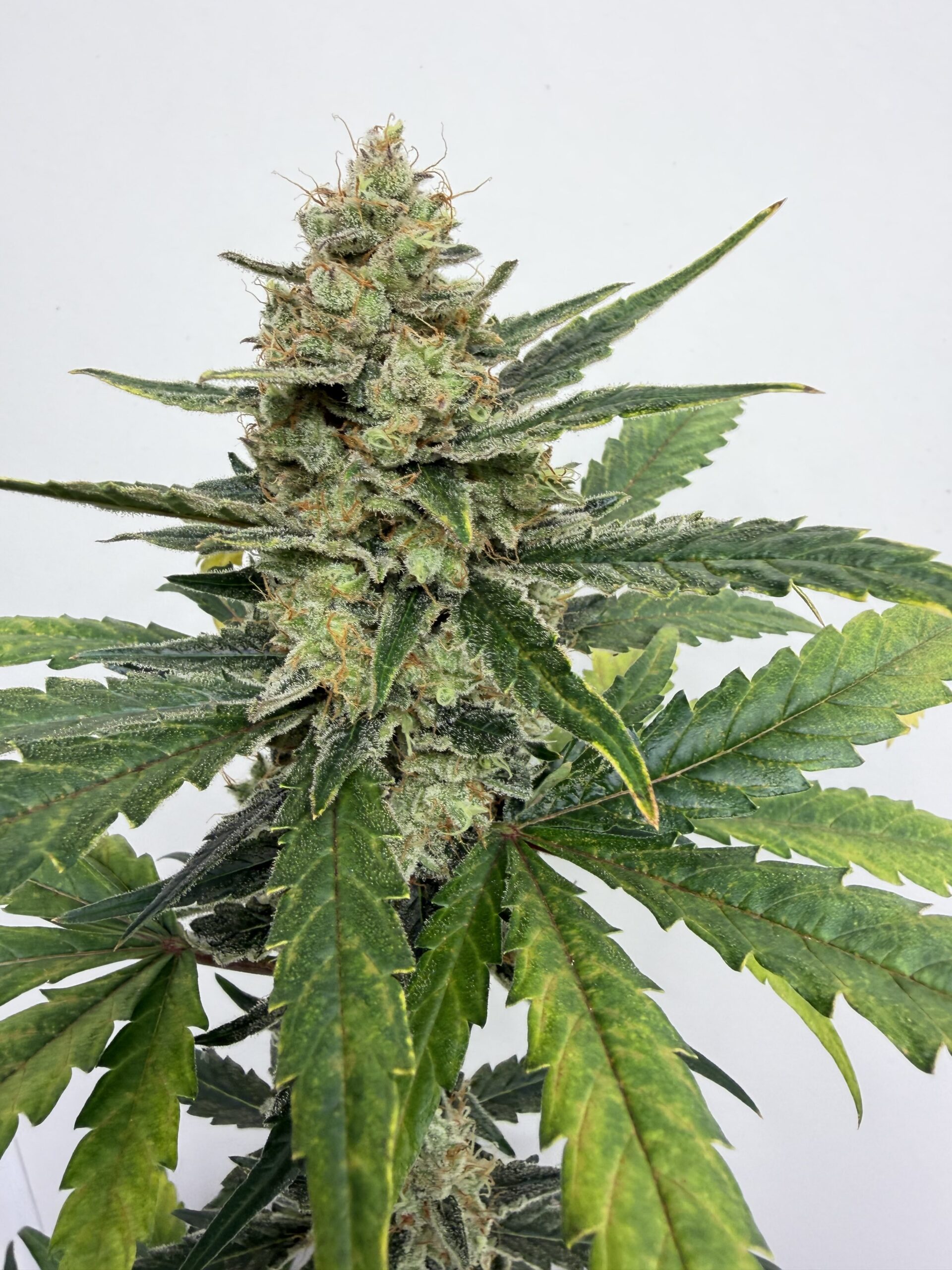
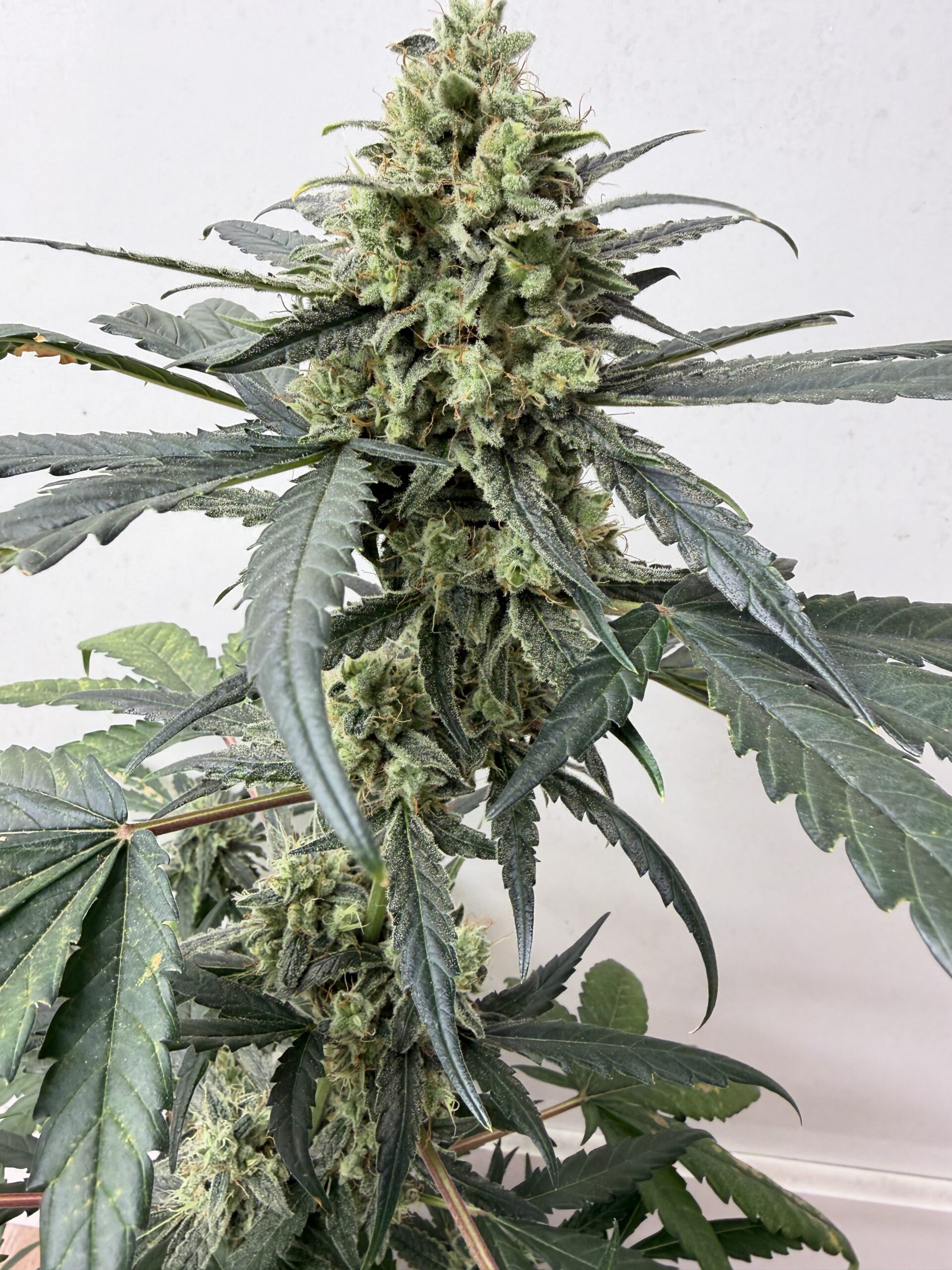
Bracts (aka calyxes) are large, swollen, and highly granular in structure, and they stack to form oversized, conical colas. Flowers remain a mint green throughout their lifecycle with above-average trichome and terpene production. Trichomes were primarily gritty to the touch, so we will be anxiously awaiting feedback from the extractors in our midst.
We chose not to top or train any of the Cursed Coast plants we tested because it was clear very early on that they were going to grow vertically and fill out like the tanks that they are. As such, we expect the Cursed Coast to excel in any Sea of Green or SCROG setup, filling out every inch of space they occupy with high yields and a foliage volume that optimally balances photosynthetic capacity, airflow, light penetration, and easy (albeit sticky) manicuring.
Phenotypic variation is overall very low here, though we did observe some divergence in density and height. The loosest of the plants were still medium-high density, so we were very happy with that overall. Height variances will be the most noticeable around the time floral initiation takes off, but it will become much less noticeable as the plants start filling in with flower. Approximately half of the plants we tested were 50-75% taller than the other half of their cohort, and they had noticeably longer internodal spacing. In the early days of flower, it’s easy to assume that the taller pheno will not fill out as efficiently as the shorter, tankier pheno; however, do not be fooled. When all is said and done, every plant finished with massive colas and very little wasted space. Don’t be afraid to push these plants 80 - 85 days if you have the time to spare. While they might be ready to harvest earlier than that, we found that they continue to put on weight straight through day 85 - 90.
Feminized Autoflowering