
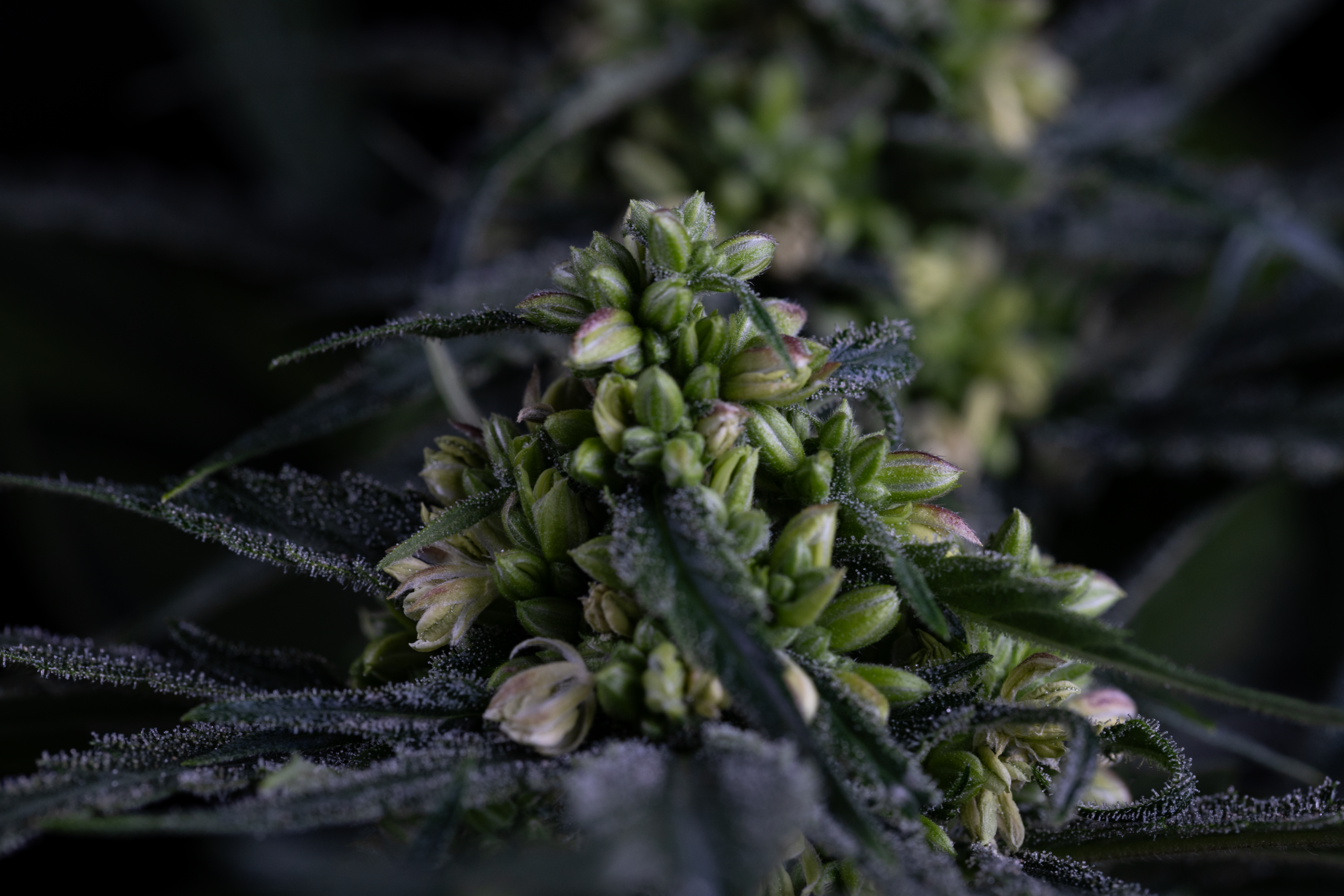
When it comes to Cannabis breeding, most attention is focused on the females
and the desirable traits they express but it is also critically important to pay close
attention to the other half of the seed equation: the males. Many people breed with
feminized plants but there are still quite a few breeders who understand the power of
breeding regular cannabis plants. For those interested in reg breeding, the traits
exhibited by the male cannabis plant are just as important as the traits exhibited by the
female cannabis plant, even if those traits the male possesses aren’t as obvious at first
glance.
Male cannabis plants don’t readily show their colors, what female progeny flower
morphology may look like, nor do they give off the large quantity of terpenes that female
plants do during their flowering stage. Male cannabis also produces way less trichomes
which can make it hard to determine what its contribution to the next generation’s
trichome accumulation will be. Despite the difficulties in determining what traits males
may pass along, there are several factors we look for when selecting a keeper male for
breeding stock.
Maturity Time:
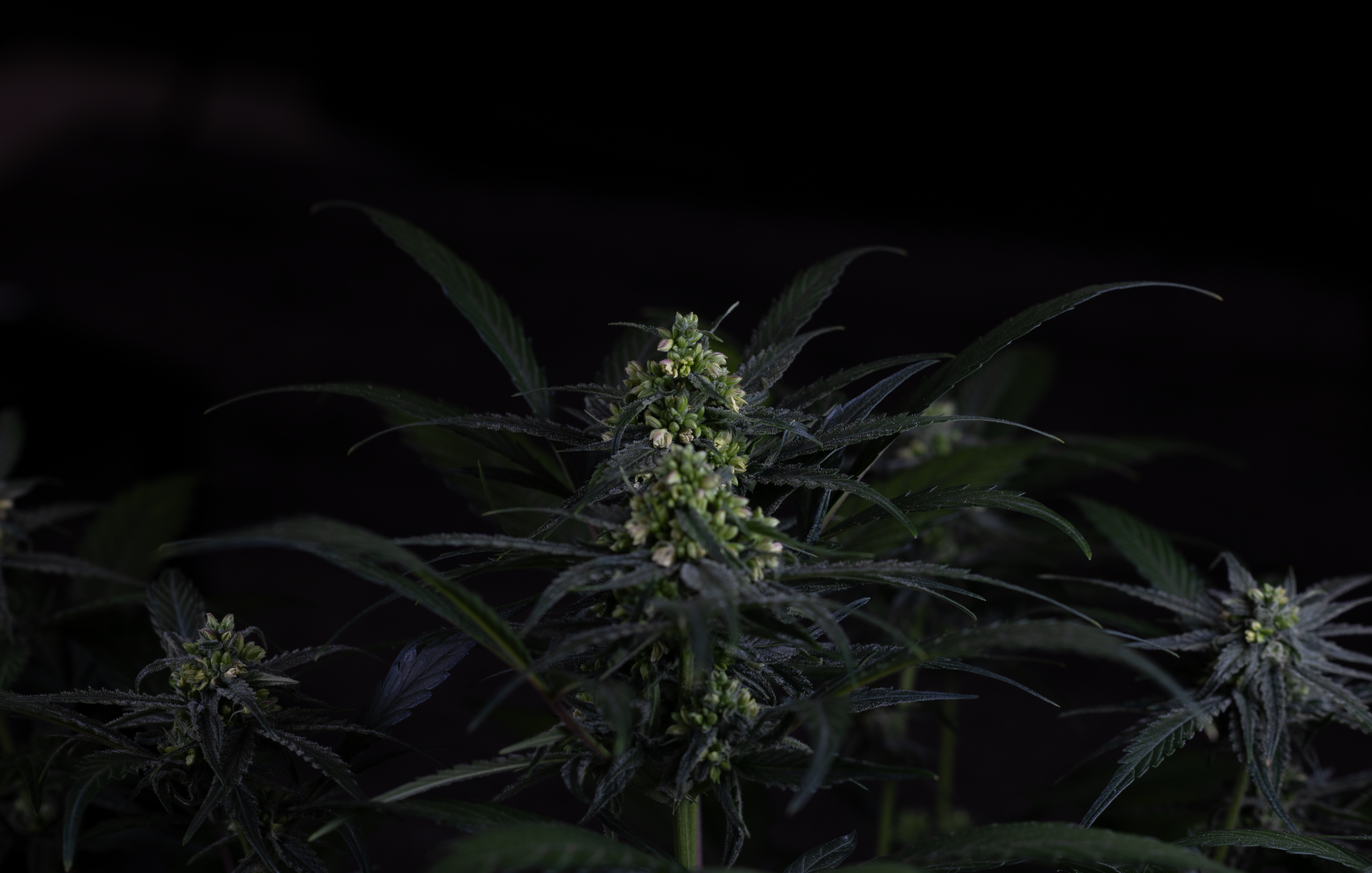
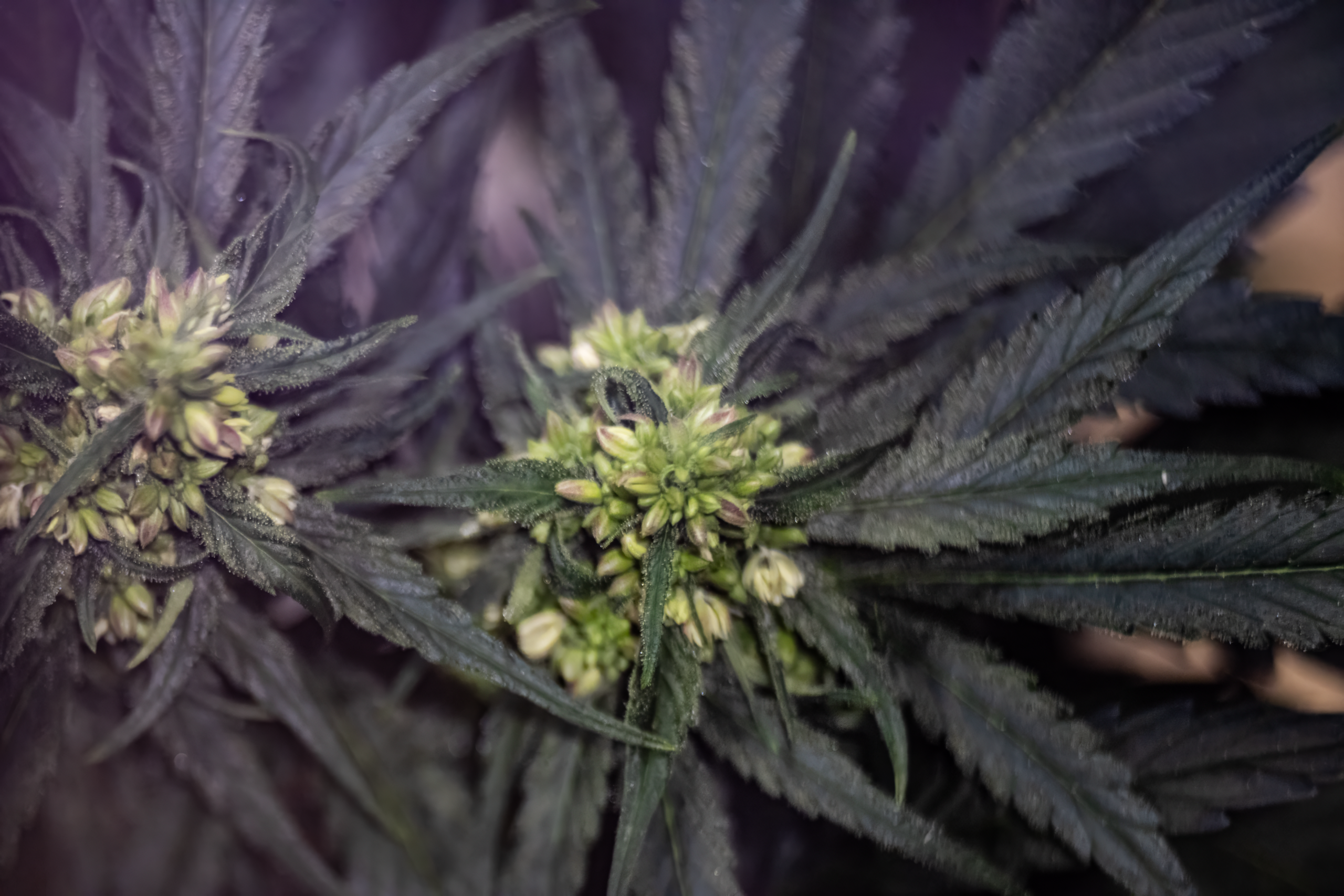
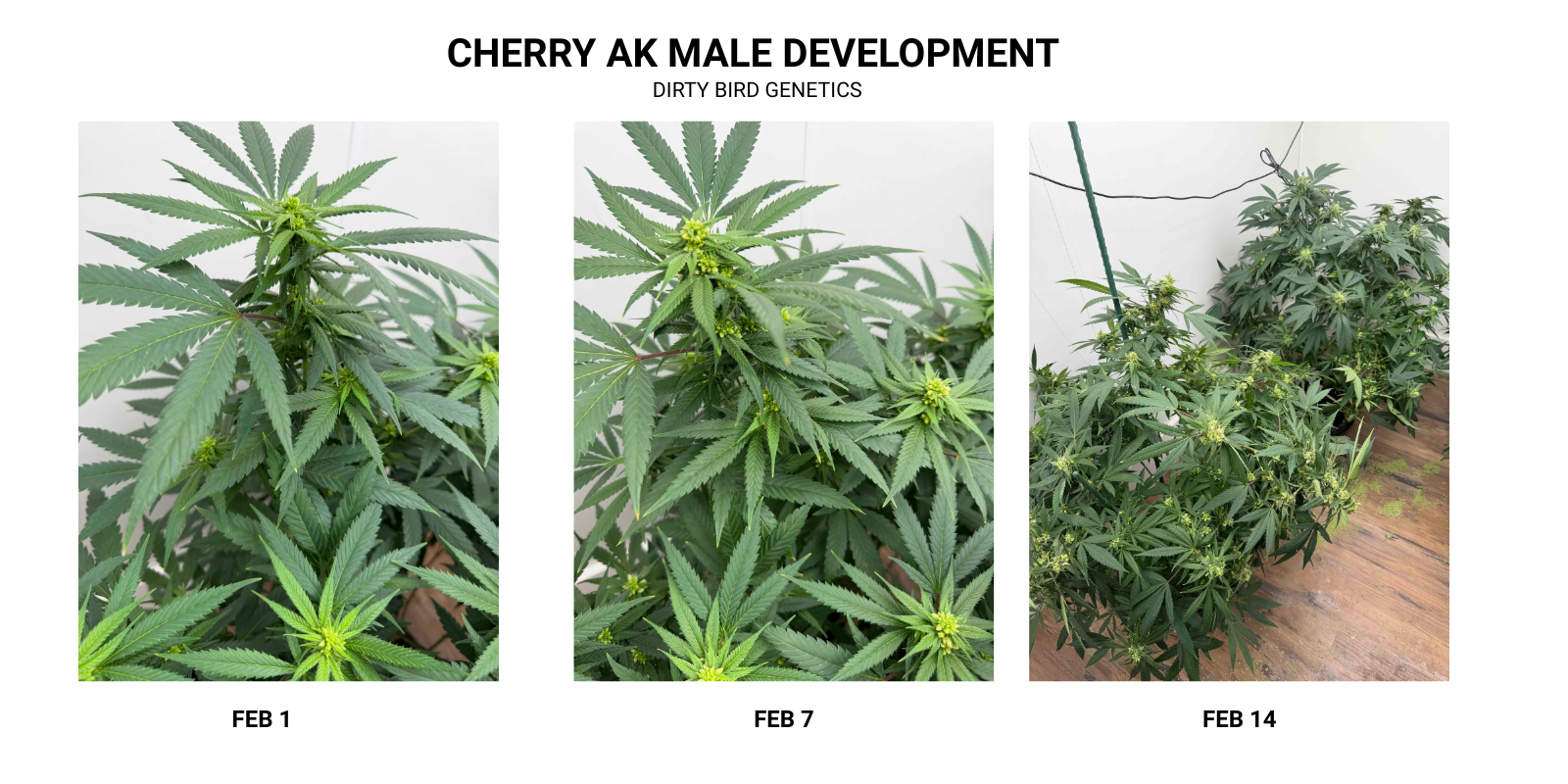
One major trait that can be observed is the time it takes for the males to initiate
flowering as well as the total flowering time until mature pollen is released from the
anthers as they dehisce. The males that flower earlier and produce pollen sooner can
translate to female progeny that has faster flower onset and quicker flowering time. This
trait can be a two-edged blade as early flower development and shorter flowering time
can be a great boon for outdoor growers in wetter climates as they may be able to reap
their harvest before mold sets in during the colder months of September and October.
Certain cannabinoids and terpenes take longer to synthesize and concentrate in large
quantities in the interior of the sticky trichome heads. If flowering time is too short, you
may risk losing some potency and/or terpenes that may have been expressed in greater
quantities with an extra week or few weeks of flower development. Ultimately this is
cultivar specific as there are many strains available on the market that do have rapid
flower onset and short flowering times that still reach approximately 30% THCA
concentrations, as well as high total cannabinoid concentrations.
When selecting males for our breeding program we watch and document flower
onset, latency of dehiscence (i.e. how long does it take from seeing initial anthers/male
flowers until the anthers start opening and releasing pollen), how long the males produce pollen for, and total flower yield. Growing the males out until all the plants you
selected to hunt from have completed this part of their cycle is very important as many
of the males who didn’t flower first may end up having larger flower yields if left to run
the course of their flowering stage. By not immediately pulling the trigger on selecting
the males fastest to release pollen you may see other males in the selection pool that
actually have larger yields, which can translate to larger female progeny flower yields.
These metrics help us determine which male may have the traits desired for a
given project, although project goals change slightly between different cultivar lines.
With some lines we are looking for faster flower onset and maturity and thus look at the
earliest flowering, and then ultimately pollen producing, males. With other lines the
flowering time/ flower onset isn’t as much of a focus and increasing the yield of the next
generation is the targeted trait. With a breeding project aimed at increasing yield,
growing all the males out until flower yield can be determined is imperative for making
the best choice of pollen donor.
Stalk Strength/Overall Plant Morphology:
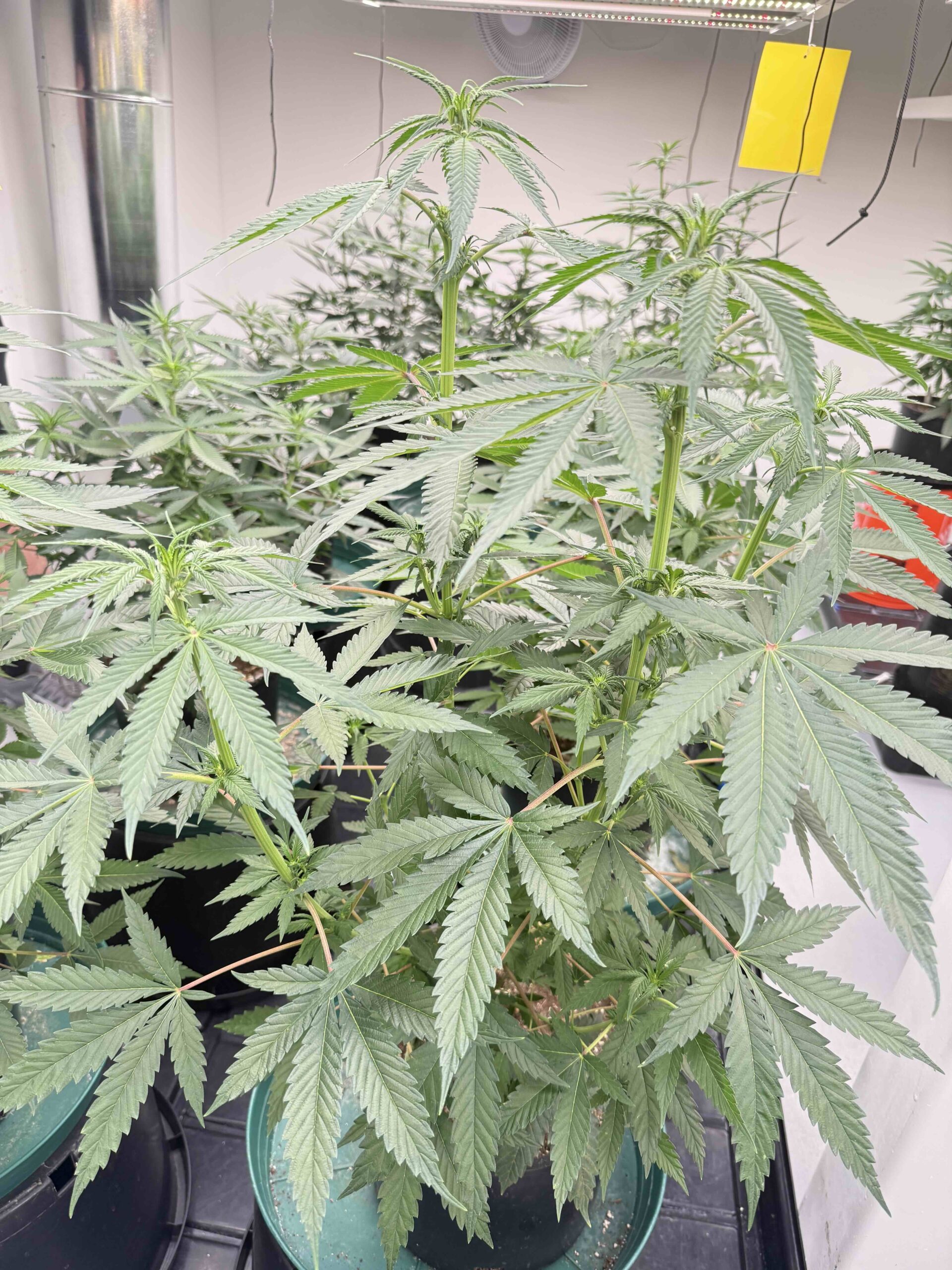
Stalk strength is one of the most easily observable traits in male cannabis plants.
Watching how they grow and seeing if they need any staking throughout their lives is a
big tell to us whether that pollen will help to strengthen the next generation’s stalks. By
applying light pressure on the middle of some lateral branches on the male plants we
can determine if the lateral stalks will be strong or weak. Obviously strong stalks are
desired as this may translate to stronger stalks in their female offspring, which is a
bonus especially when those future female stalks/branches start being tested under the
weight of developing female flowers. Males observed with weak lateral and/or apical
stalks are removed from the selection pool and only those that can hold themselves and
their lateral branches up remain to be chosen from for future breeding.
The overall morphology of the male matters a lot too. Does it grow many leaves
that face in towards the apical stalk? Does it have tight node clustering with short
internodal distance or long internodal distance? Do its lateral branches grow in
alternating patterns to maximize light penetration to the lower branches or not? Did it
stretch a normal amount in flower? More or less stretch than what is normally
observed? The answers to these questions also help us determine which male to keep
as a male with tight internodal spacing, moderate to low leaf coverage, and an
alternating branch structure is highly desirable for increased yield as well as decreased
maintenance (i.e. less defoliation required). The overall morphology of the male plant
can help a breeder determine how it may pair with the female pollen receiver they have
selected. Does the male look like the female in vegetative structure? Does it look
different in a beneficial way? If we have a female cannabis plant that has many great. traits but is a bit too leafy, selecting a male with moderate to low leaf:flower (anther)
ratio may help in clearing out the shaggy appearance of the female pollen receiver in
the next generations offspring.
The Brunch F1 (Peanut Butter Breath -Thug Pug x Mimosa -Symbiotic) original
used a natural male Mimosa cultivar from Symbiotic in its creation. The Mimosa male
was selected as the winner of its cohort largely due to its incredibly strong stalks and
good internodal spacing, as well as a desirable plant morphology that allowed much
light penetration at all heights of the plant. We have seen the strength of that Mimosa
male in many of the Brunch F1’s as well as in many of the Brunch crosses that
developed from that original F1.
Terpenes:
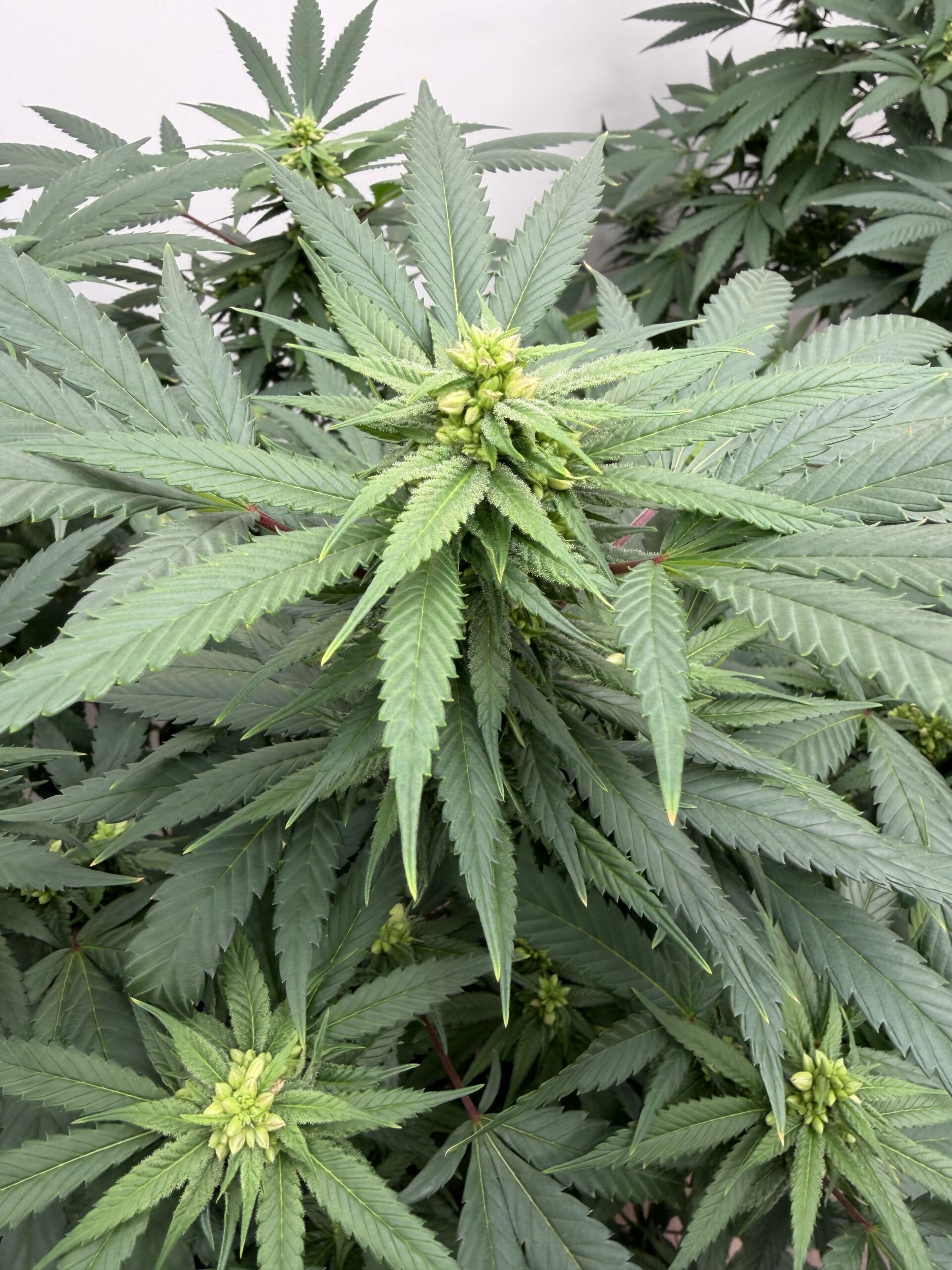
Male cannabis plants do produce trichomes, just nowhere near the quantity
generated by female cannabis plants. This can make terpene profile somewhat difficult
to determine on many male cannabis plants. By allowing the male plants to flower for
their full cycle, and by checking on them weekly if not daily, a breeder can observe if
terps are developing and what kinds of aromas the males may pass along. By rubbing
the stems and/or the lateral stalks of the male cannabis plant, a breeder can get a pretty
good idea of the terpene profile that male could contribute to the next generation.
The Mimosa male, mentioned above, also had a strong terpene profile, for a
male, during the initial hunt. By rubbing the apical stalk, one could easily get a citrus,
pine, fruit profile and we have observed this culminate in the sweet-apple like terpene
profile exhibited by most Brunch F1’s and resulting crosses. This highly detectable
terpene profile found in the Mimosa keeper male was another reason for its selection as
the pollen donor for the original Brunch.
Color:
Some cultivars are purely green, and others have a range of purples that vary in
expressivity from flecks in the calyxes or the edges of leaves all the way to full leaf
and/or calyx purpling. In some cultivars, this coloration can be seen on the males as
well. If purple color is a trait you are looking for when breeding regular photoperiod
cannabis, then paying close attention to what males, if any, in a pheno hunt develop
color and to what degree they develop that color is very important.
Progeny:
The absolute test of what traits your chosen male passes along are the traits you
observe in its offspring (progeny). As long as you know the traits of the mother plant, by
taking consistent and detailed notes on her over multiple grows in multiple settings, you
can deduce what traits the progeny received from the male pollen donor. This is
invaluable in determining if you have selected the correct male to pass along traits that
hit the goals of your specific breeding project.
We usually keep 2 or 3 males that seem the most promising from a hunt and then
breed all three (in separate rooms and/or at separate times) into clones of the same
mother plant. Using this method we can track the traits passed along by each male by
observing the traits in the offspring for 2 or 3 separate lineages. If the offspring from the
first male line look better than the offspring from the second or third lines, we may
determine that the male that donated pollen for line 1 is superior as far as the traits it
imparts. It takes time, patience, and meticulous note taking but is worth the effort to
determine the best pollen donor for your future projects. Growing out as many of the
progeny as you can will only increase your chances of truly seeing what traits exist in
that new gene pool and is highly recommended for breeders looking to more fully
understand what traits exist in that new resulting cross.
Summary:
Although it is difficult to gauge exactly what traits a male cannabis plant will pass
along to the next generation there are observable characteristics that can be
determined and tracked to have a better idea of the traits you will see in the resulting
progeny. By paying attention to flower onset and maturity time, overall plant morphology,
stalk strength (apical and lateral), coloration, any terpene profile exhibited, and the traits
seen in the resulting offspring, a breeder can get a better picture of the value of a male
cannabis plants' genes.
HAPPY GROWING!