Common Cannabis Mutations Part 1

Cannabis is a fascinating plant that, when grown properly, can exhibit a variety of
morphological expressions between the multitude of cultivars available for cultivation.
Sometimes, however, despite one’s best-efforts, strange growth patterns or colorations
can occur. Sometimes this is the result of environmental stress, sometimes it is the
underlying genetics, and sometimes it is the interaction between the two. Many of these
abnormalities can be described as mutations. In this article, we present some of the
most common, and some not so common, mutations growers see in their cannabis
gardens.


Whorled Phyllotaxy:

Have you ever grown a cannabis plant that grew 3 leaves per internode instead
of the normal 2 leaves per internode? If so, then you have seen first-hand what is
known as “whorled phyllotaxy.” “Whorled” just means spiral in appearance essentially
and “phyllotaxy” is a botanical term referring to the arrangement of leaves.

Usually cannabis exhibits alternate (one leaf per node) or opposite phyllotaxy (2
leaves per node on opposite sides of the apical stalk). If your seedling or older veg plant
is showing 3 or more leaves originating from the same node then that seedling can be
described as having a whorled phyllotaxy.

Whorled phyllotaxy is caused by underlying genetics in a cultivar but is known as
a somatic mutation as this trait cannot, as far as we currently know, be inherited by
offspring. Although genetic in origin, whorled phyllotaxy can be induced by stress or
other environmental factors, yet this is uncommon. In some strains, especially those of
tropical origin, heat, nutrient imbalances, and light stress can cause whorled phyllotaxy
to appear. In many cases the plant outgrows this 3 leaf pattern as it continues to grow
and as environmental stressors are reduced or eliminated.

Whorled phyllotaxy itself is quite uncommon and is often confused with
polyploidy. Where polyploidy refers to an abnormal number of complete sets of
chromosomes inherited from the parent plants, whorled phyllotaxy is caused by a
genetic mutation that results in an altered balance between auxins and cytokinins (2 of
the most important plant hormones). This imbalance affects what are known as the
PLETHORA genes (specifically PLT1 and PLT2) which regulate the polar transport of auxins as well as the leaf arrangement at the nodes. Because whorled phyllotaxy is caused by an underlying somatic genetic anomaly involving the interaction of auxin and
cytokinin signaling, the trait is unstable and hard to breed for stability.

Whorled phyllotaxy is largely just an aesthetic trait as results are not conclusive
regarding increased or decreased yields from plants with this trait. Some growers have
found that the increased number of leaves per node allows for bushier plants with
potentially more bud sites and more photosynthetic function. Other growers have
observed that the increase in leaf coverage reduces air flow and may lead to increased
chances of bud rot or fungal growth within the plant. Some growers sit somewhere in
the middle of these opinions and state that the yield increase is only minimal and only if
the plant is trained appropriately with techniques such as SCROG. Some cultivators
appreciate the aesthetic value of this trait while others see the extra leaf per node as
more work throughout the grow cycle and during harvest.

Regardless, having a plant with a whorled phyllotaxy doesn’t mean that there is
necessarily anything wrong with that plant if your environment is dialed in and the plant
hasn’t received too much or too little nutrients. It just means that it is a little bit special, if
only visually.


Fasciation:

Fasciation is a very interesting mutation that causes stems and/or flowers to
appear “smushed” or much wider than usual. Fasciation can make flowers or a stem
look like they have been mirrored in some pretty bizarre and cool looking displays.
Fasciation can sometimes make a plant look alien due to the abnormal growth pattern
of stalk and/or flower cells.

The cause of fasciation is a disruption, or disruptions, in the apical meristem
(growing tip) of a plant which results in the flattened, ribbon-like or mirrored appearance
of flowers and stems. In a normal plant, growth in the apical meristem occurs at a single
point, which produces cylindrical growth. Fasciation causes an elongation of the apical
meristem so that flattened, ribbon-like, or mirrored growth is produced instead.
Sometimes this growth is also known as “crested” growth.

There are several causes of the disruption to apical meristem growth resulting in
a fasciated appearance to stems and flowers. One such cause is genetic factors such
as recessive genes that confer this growth structure. Other causes include
environmental stressors such as exposure to extreme heat or cold as well as hormone
imbalances within the plant, specifically auxin and cytokinin imbalances. Physical
damage from mechanical means (pruning, cutting for clones, etc.) or from insects
feeding can also sometimes cause this growth disruption.

Fasciation is not considered a trait that can be stabilized through breeding,
although some cannabis cultivators have managed to replicate it with cloning of a
fasciated plant.

What does fasciation mean for your plant’s health and your final yield? A
fasciated flower, despite looking much larger, isn’t as desirable as one may think. Often
fasciation leads to crowding of cannabis buds which can lead to secondary issues such
as botrytis or powdery mildew due to lack of proper air flow throughout the plant.
Fasciated stems are often weaker than stems under normal growth conditions and can
lead to the plant appearing as if it is wilting due to the inability of some fasciated stalks
to hold up the increasing weight of maturing cannabis flowers. Fasciation can also lead
to a higher stem to bud ratio for your plant. While rare, fasciation has also been
reportedly induced in plants by bacterial pathogens (e.g. Rhodococcus fascians) and
plant viruses (e.g. grapevine fanleaf virus (GFLV) in grapes).

For the reasons stated above fasciation generally decreases yield in cannabis as
stems are not what we are looking to harvest, nor is moldy bud anything anyone would
want to smoke. It is also doubtful that anyone would want to finish flowering out a plant
they know to have bacterial or other pathogenic issue without treating said pathogen.

Prevention methods of fasciation include maintaining a stable growing
environment, maintaining healthy nutrient levels and avoiding over-fertilization, and
avoidance of physically damaging the plant.

Many growers prefer to “top” their plants to increase the number of apical stalks
that will generate large colas. This is a fine practice and usually does not result in
fasciation but, as with all organisms, this can sometimes cause an issue if there are
underlying genetic factors or pre-existing stress conditions so reducing plant stress
however possible is key in preventing fasciation. This same idea applies to defoliation,
which is sometimes necessary to prevent mold outbreaks. As long as a grower doesn’t
overdo it and defoliate too much or too often then the vast majority, if not all, of their
cannabis plants will not show fasciated traits.


Variegation:

Have you ever noticed a leaf or leaves on your cannabis plant that have two
distinct colors on either side of the primary vein down the center (i.e. the midrib)? This
could be a case of localized chlorosis or it could be indicative of a condition known as
“variegation.”

Variegation is a condition where plant material displays abnormal patterns of
color due to a lack or excess of chlorophyll which results in patches or streaks of white, yellow, or other colors like light green (in contrast with the darker greens of the “normal”
side of the leaf). Variegation can sometimes cause mosaic patterns in addition to
streaks on plant foliage.

Variegation is most often caused by genetic mutations affecting the chloroplasts
(parts of the plant cell responsible for photosynthesis). It can also be caused by stress
from extreme temperatures, viral infections, or exposure to toxins.

One of the main genetic causes of variegation in cannabis is chimeric mutations.
This refers to the presence of two or more genetically distinct cell types within the same
organism. In cannabis this often means a combination of genetically normal cells
(green) and mutated cells producing less, or lacking, chlorophyll (white, yellow, very
light green) all contained within the same leaf.

Generally speaking, variegation is generally harmless if localized and not from a
toxin or virus in the plant. If variegation is widespread this will affect the plant’s ability to
photosynthesize and thus will affect the final yield and resin production of the plant but
again, this is rare.

It is due to the interruption and/or diminishing of photosynthesis that variegation
is seen as undesirable in cannabis despite it being desirable in ornamental plants where
final yield is not considered a factor in the reasons for said plant’s growth.

That said, variegation can make cannabis plants look quite striking and, if
localized or not on the majority of leaf surfaces, it usually doesn’t affect final yield or
resin production.

It should be noted that one or two leaves showing odd coloration doesn’t always
mean variegation. It could be localized chlorosis due to underlying genetic factors or
localized stress at the affected leaf site(s).

Due to the chance of diminished photosynthesis, and the inability to guarantee a
localized or minimal expressivity of this trait, variegation is not usually seen as a
desirable trait for breeding in cannabis.

To avoid or minimize the risk of variegation in your cannabis plants maintain
healthy growth by maintaining a consistent grow environment (temp, CO2, air
movement, light, appropriate feeding) and avoid exposing plants to extreme
temperatures.

What should you do with a variegated cannabis plant? Whatever you want! It is
not a trait that can generally be spread to other plants, and you will still get a yield from
that variegated cultivar so it is not a threat to the rest of your grow. If you have the
space, let it finish its flowering cycle if you want. If you are looking to save time and space, then discard the plant and let the others have that space to grow. The decision really comes down to personal preference and need.


Check out more educational posts:


HAPPY GROWING!
Male Selection in Cannabis Breeding

When it comes to Cannabis breeding, most attention is focused on the females
and the desirable traits they express but it is also critically important to pay close
attention to the other half of the seed equation: the males. Many people breed with
feminized plants but there are still quite a few breeders who understand the power of
breeding regular cannabis plants. For those interested in reg breeding, the traits
exhibited by the male cannabis plant are just as important as the traits exhibited by the
female cannabis plant, even if those traits the male possesses aren’t as obvious at first
glance.
Male cannabis plants don’t readily show their colors, what female progeny flower
morphology may look like, nor do they give off the large quantity of terpenes that female
plants do during their flowering stage. Male cannabis also produces way less trichomes
which can make it hard to determine what its contribution to the next generation’s
trichome accumulation will be. Despite the difficulties in determining what traits males
may pass along, there are several factors we look for when selecting a keeper male for
breeding stock.


Maturity Time:
One major trait that can be observed is the time it takes for the males to initiate
flowering as well as the total flowering time until mature pollen is released from the
anthers as they dehisce. The males that flower earlier and produce pollen sooner can
translate to female progeny that has faster flower onset and quicker flowering time. This
trait can be a two-edged blade as early flower development and shorter flowering time
can be a great boon for outdoor growers in wetter climates as they may be able to reap
their harvest before mold sets in during the colder months of September and October.
Certain cannabinoids and terpenes take longer to synthesize and concentrate in large
quantities in the interior of the sticky trichome heads. If flowering time is too short, you
may risk losing some potency and/or terpenes that may have been expressed in greater
quantities with an extra week or few weeks of flower development. Ultimately this is
cultivar specific as there are many strains available on the market that do have rapid
flower onset and short flowering times that still reach approximately 30% THCA
concentrations, as well as high total cannabinoid concentrations.
When selecting males for our breeding program we watch and document flower
onset, latency of dehiscence (i.e. how long does it take from seeing initial anthers/male
flowers until the anthers start opening and releasing pollen), how long the males produce pollen for, and total flower yield. Growing the males out until all the plants you
selected to hunt from have completed this part of their cycle is very important as many
of the males who didn’t flower first may end up having larger flower yields if left to run
the course of their flowering stage. By not immediately pulling the trigger on selecting
the males fastest to release pollen you may see other males in the selection pool that
actually have larger yields, which can translate to larger female progeny flower yields.
These metrics help us determine which male may have the traits desired for a
given project, although project goals change slightly between different cultivar lines.
With some lines we are looking for faster flower onset and maturity and thus look at the
earliest flowering, and then ultimately pollen producing, males. With other lines the
flowering time/ flower onset isn’t as much of a focus and increasing the yield of the next
generation is the targeted trait. With a breeding project aimed at increasing yield,
growing all the males out until flower yield can be determined is imperative for making
the best choice of pollen donor.

Stalk Strength/Overall Plant Morphology:
Stalk strength is one of the most easily observable traits in male cannabis plants.
Watching how they grow and seeing if they need any staking throughout their lives is a
big tell to us whether that pollen will help to strengthen the next generation’s stalks. By
applying light pressure on the middle of some lateral branches on the male plants we
can determine if the lateral stalks will be strong or weak. Obviously strong stalks are
desired as this may translate to stronger stalks in their female offspring, which is a
bonus especially when those future female stalks/branches start being tested under the
weight of developing female flowers. Males observed with weak lateral and/or apical
stalks are removed from the selection pool and only those that can hold themselves and
their lateral branches up remain to be chosen from for future breeding.
The overall morphology of the male matters a lot too. Does it grow many leaves
that face in towards the apical stalk? Does it have tight node clustering with short
internodal distance or long internodal distance? Do its lateral branches grow in
alternating patterns to maximize light penetration to the lower branches or not? Did it
stretch a normal amount in flower? More or less stretch than what is normally
observed? The answers to these questions also help us determine which male to keep
as a male with tight internodal spacing, moderate to low leaf coverage, and an
alternating branch structure is highly desirable for increased yield as well as decreased
maintenance (i.e. less defoliation required). The overall morphology of the male plant
can help a breeder determine how it may pair with the female pollen receiver they have
selected. Does the male look like the female in vegetative structure? Does it look
different in a beneficial way? If we have a female cannabis plant that has many great. traits but is a bit too leafy, selecting a male with moderate to low leaf:flower (anther)
ratio may help in clearing out the shaggy appearance of the female pollen receiver in
the next generations offspring.
The Brunch F1 (Peanut Butter Breath -Thug Pug x Mimosa -Symbiotic) original
used a natural male Mimosa cultivar from Symbiotic in its creation. The Mimosa male
was selected as the winner of its cohort largely due to its incredibly strong stalks and
good internodal spacing, as well as a desirable plant morphology that allowed much
light penetration at all heights of the plant. We have seen the strength of that Mimosa
male in many of the Brunch F1’s as well as in many of the Brunch crosses that
developed from that original F1.

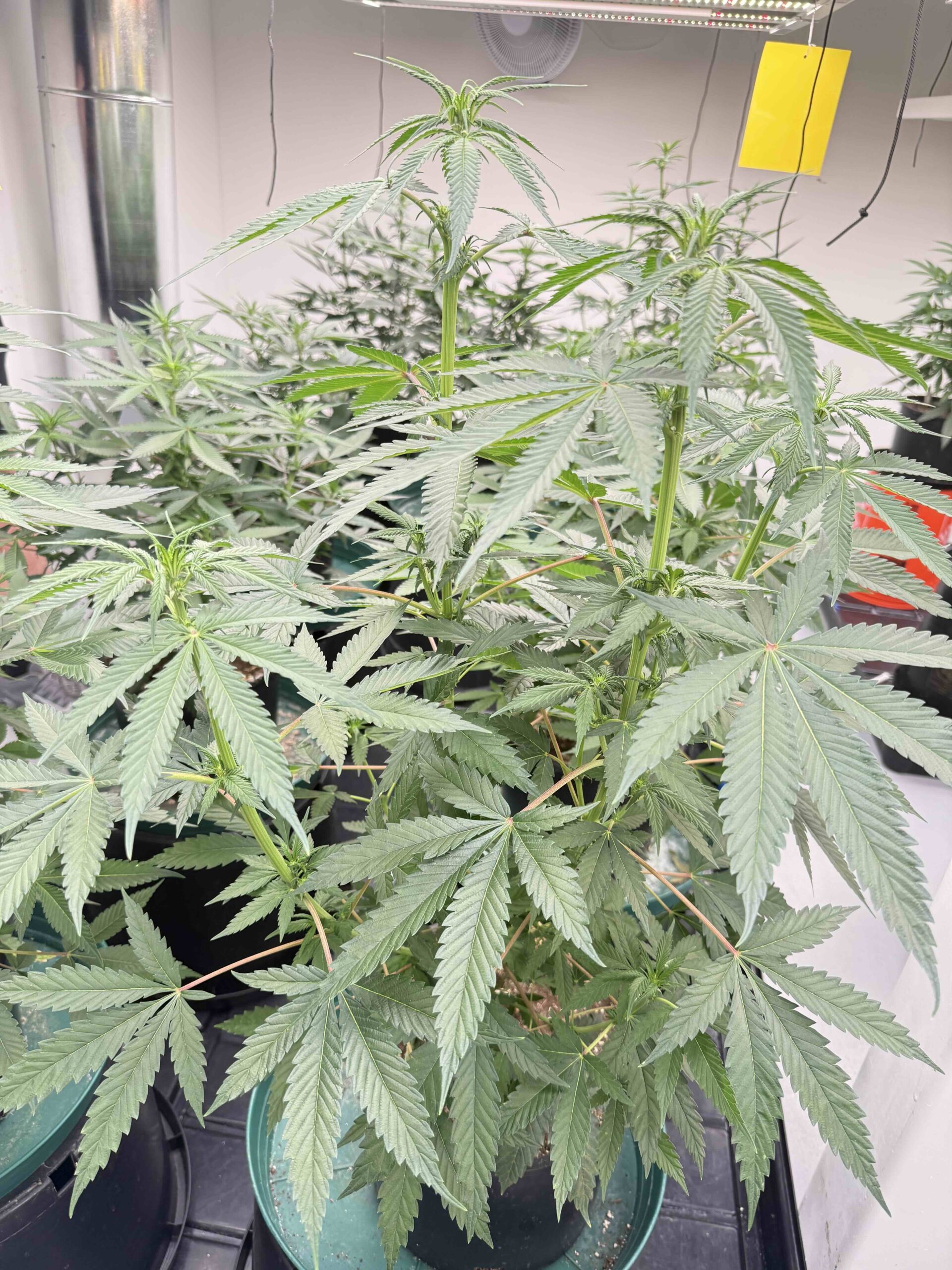
Dirty Bird's Sour Moose F1 keeper cut exhibiting exceptional stalk strength, great internodal spacing, and desirable overall morphology. 

Terpenes:
Male cannabis plants do produce trichomes, just nowhere near the quantity
generated by female cannabis plants. This can make terpene profile somewhat difficult
to determine on many male cannabis plants. By allowing the male plants to flower for
their full cycle, and by checking on them weekly if not daily, a breeder can observe if
terps are developing and what kinds of aromas the males may pass along. By rubbing
the stems and/or the lateral stalks of the male cannabis plant, a breeder can get a pretty
good idea of the terpene profile that male could contribute to the next generation.
The Mimosa male, mentioned above, also had a strong terpene profile, for a
male, during the initial hunt. By rubbing the apical stalk, one could easily get a citrus,
pine, fruit profile and we have observed this culminate in the sweet-apple like terpene
profile exhibited by most Brunch F1’s and resulting crosses. This highly detectable
terpene profile found in the Mimosa keeper male was another reason for its selection as
the pollen donor for the original Brunch.

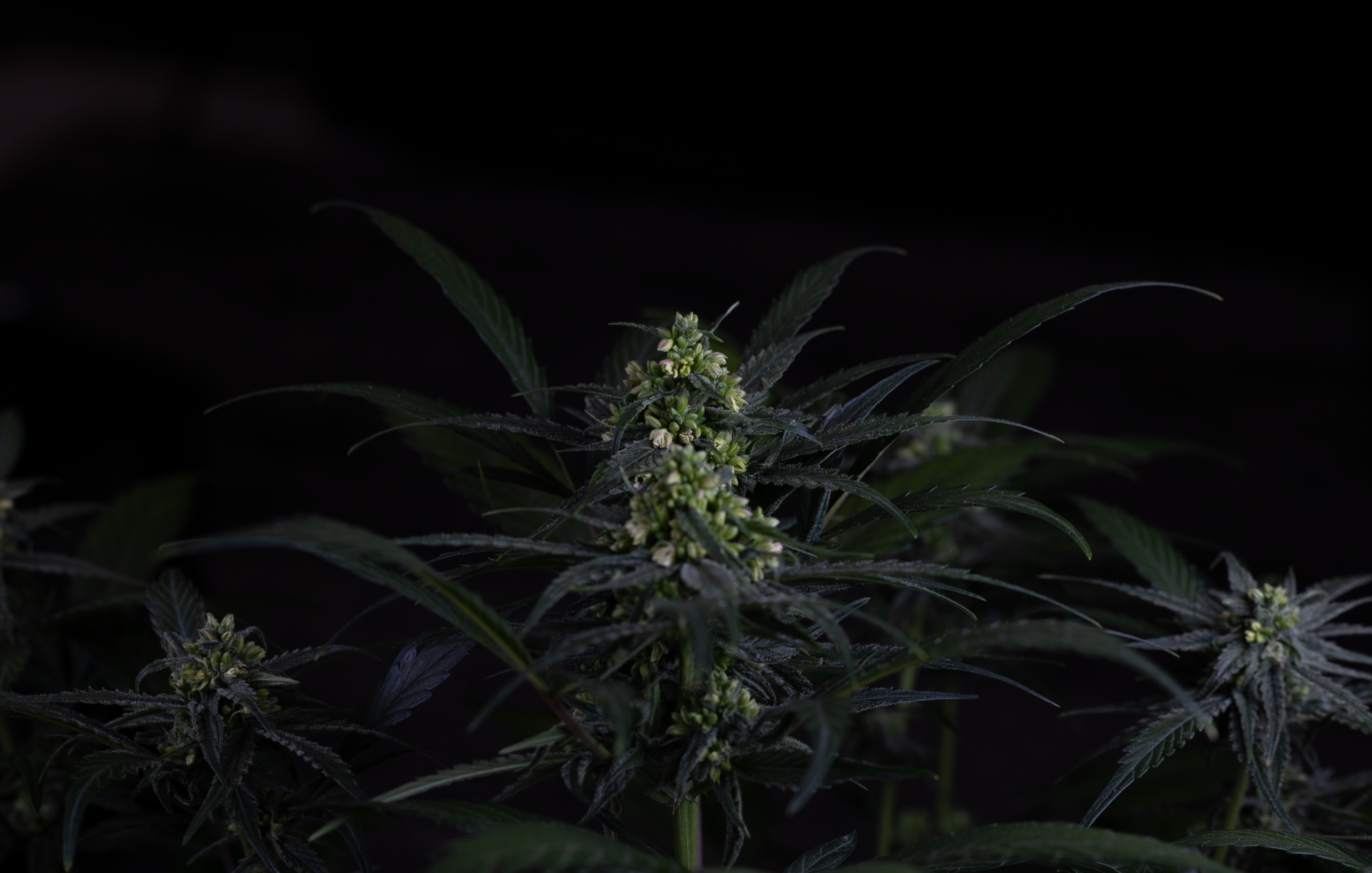
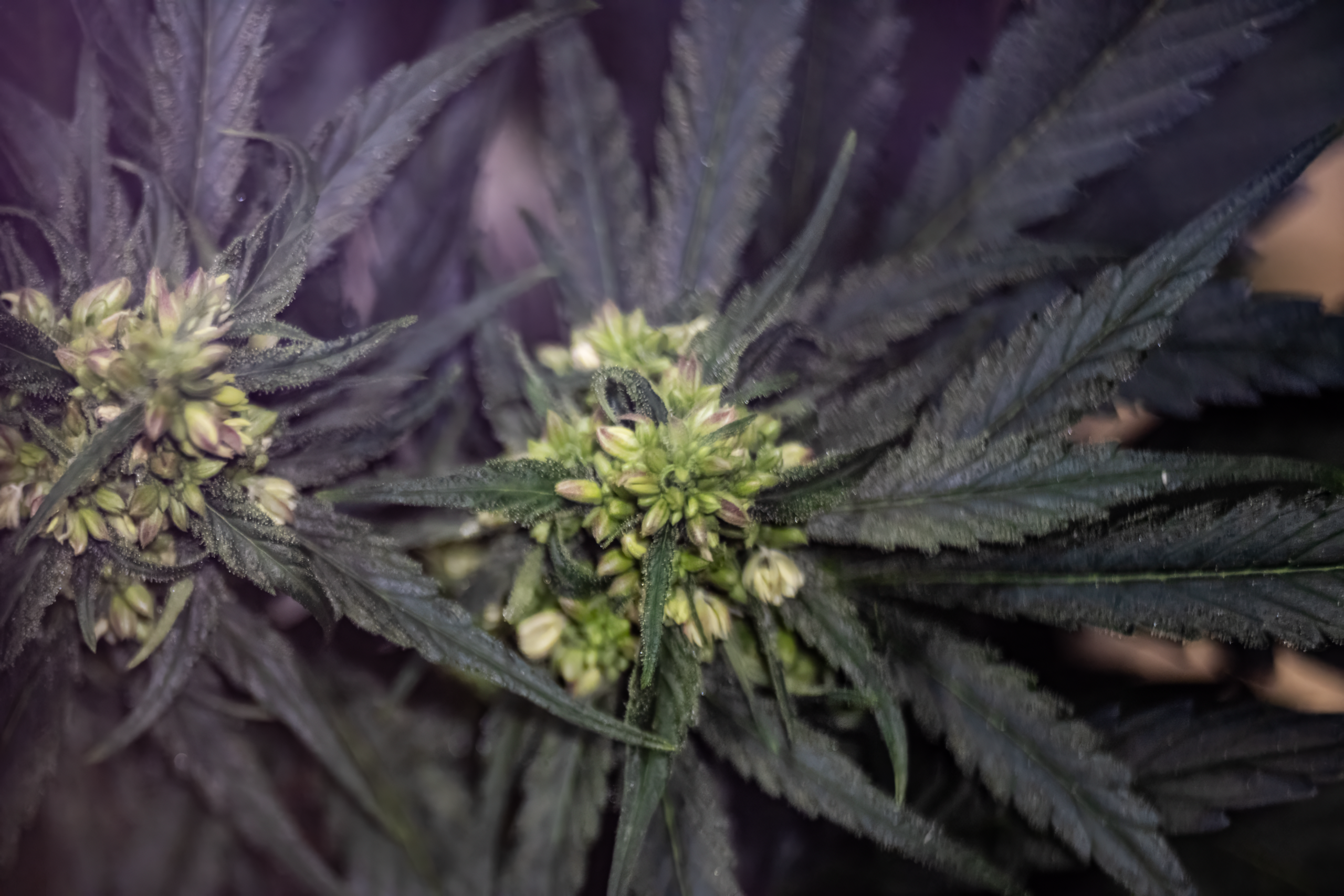
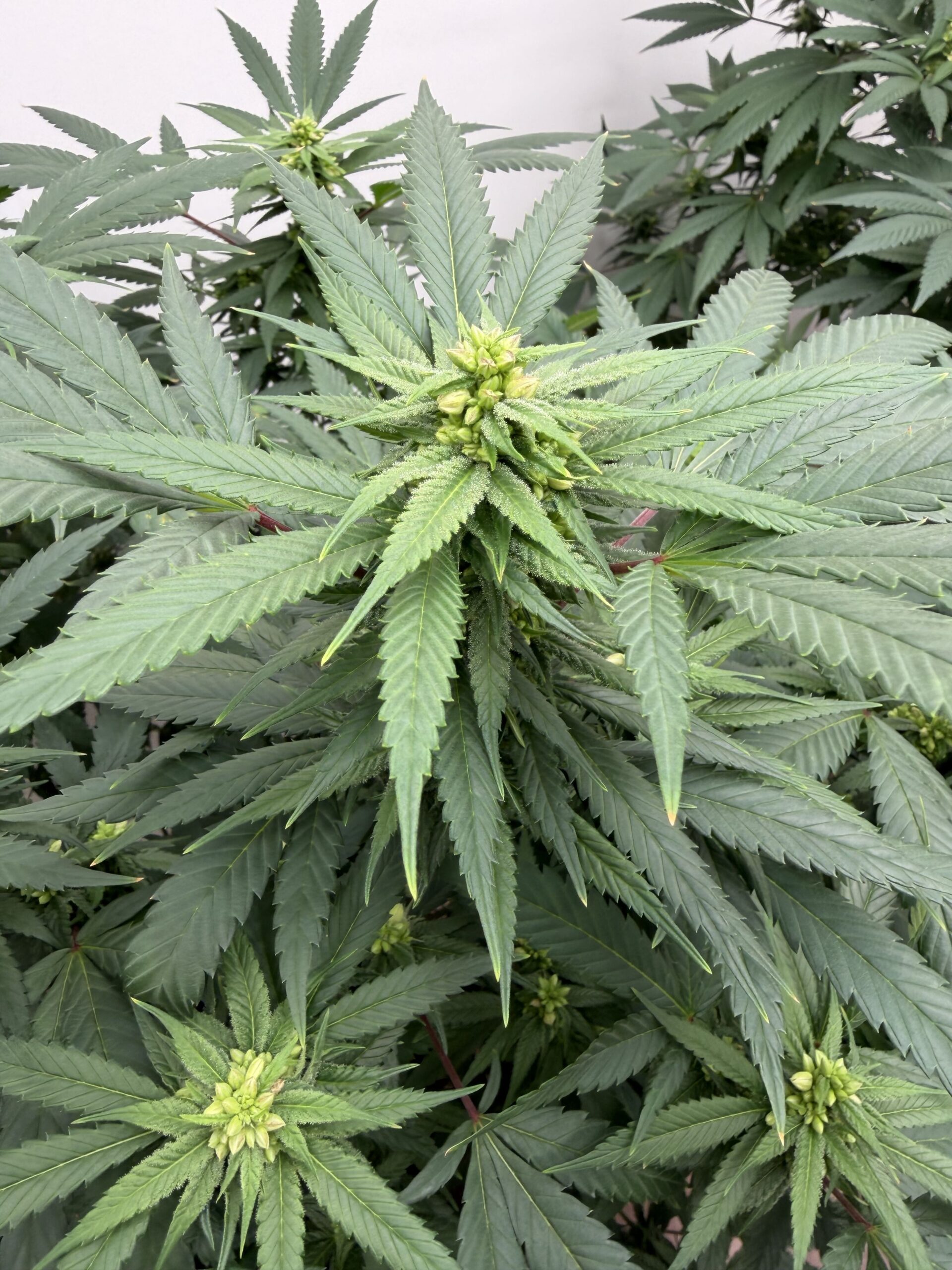
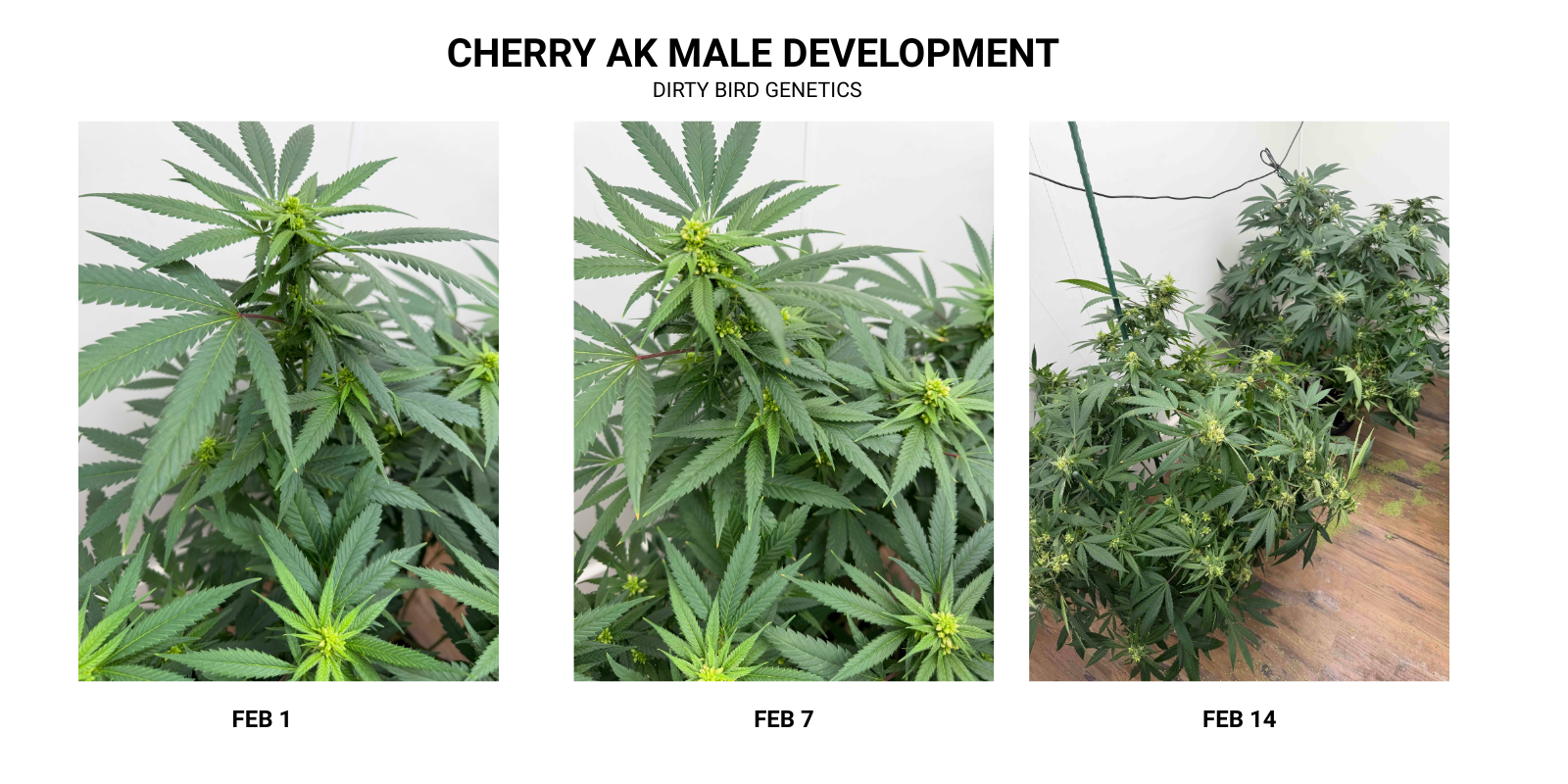
Cherry AK male plant + pollen donor at Dirty Bird Genetics as it develops over two weeks. 

Color:
Some cultivars are purely green, and others have a range of purples that vary in
expressivity from flecks in the calyxes or the edges of leaves all the way to full leaf
and/or calyx purpling. In some cultivars, this coloration can be seen on the males as
well. If purple color is a trait you are looking for when breeding regular photoperiod
cannabis, then paying close attention to what males, if any, in a pheno hunt develop
color and to what degree they develop that color is very important.

Progeny:

The absolute test of what traits your chosen male passes along are the traits you
observe in its offspring (progeny). As long as you know the traits of the mother plant, by
taking consistent and detailed notes on her over multiple grows in multiple settings, you
can deduce what traits the progeny received from the male pollen donor. This is
invaluable in determining if you have selected the correct male to pass along traits that
hit the goals of your specific breeding project.
We usually keep 2 or 3 males that seem the most promising from a hunt and then
breed all three (in separate rooms and/or at separate times) into clones of the same
mother plant. Using this method we can track the traits passed along by each male by
observing the traits in the offspring for 2 or 3 separate lineages. If the offspring from the
first male line look better than the offspring from the second or third lines, we may
determine that the male that donated pollen for line 1 is superior as far as the traits it
imparts. It takes time, patience, and meticulous note taking but is worth the effort to
determine the best pollen donor for your future projects. Growing out as many of the
progeny as you can will only increase your chances of truly seeing what traits exist in
that new gene pool and is highly recommended for breeders looking to more fully
understand what traits exist in that new resulting cross.

Summary:
Although it is difficult to gauge exactly what traits a male cannabis plant will pass
along to the next generation there are observable characteristics that can be
determined and tracked to have a better idea of the traits you will see in the resulting
progeny. By paying attention to flower onset and maturity time, overall plant morphology,
stalk strength (apical and lateral), coloration, any terpene profile exhibited, and the traits
seen in the resulting offspring, a breeder can get a better picture of the value of a male
cannabis plants' genes.


HAPPY GROWING!

Contact Us

Email:
[email protected]

Mailing Address:
PO Box 2724
Waterville, ME 04903

Frequently Asked Questions

Customer Service:
Mon. to Fri.: 9am to 4pm EST

Shipping:
Monday – Friday


Disclaimer: Cannabis seeds are sold as souvenirs, and collectibles only. They contain 0% THC. It is imperative that you check your state and local laws before attempting to purchase seeds, and we are not liable for what you do with seeds after receiving them. The statements on this website and its products have not been evaluated by the Food and Drug Administration. These products are not intended to diagnose, treat, cure or prevent any disease. Consult your doctor before use. North Atlantic Seed Company assumes no legal responsibility for your actions once the product is in your possession and is not liable for any resulting issues, legal or otherwise, that may arise.