Learn more about the Keep Seeds Legal Issue by reading American Seed Innovation & Growth Alliance's Technical Brief.
Issue Brief: Section 781’s Seed Exclusion Threatens America’s Seed Industry, Hemp Farmers, and Innovation.
ASIGA Issue Brief (2-page PDF) ASIGA White Paper (7-page PDF)
Buried in the FY2026 Agriculture Appropriations Act, signed into law November 12, 2025 and coming
into effect on November 12, 2026, is a provision that quietly redefines how cannabis seed is regulated
under federal law. Section 781(1)(C)(i) would, in an unprecedented manner, disrupt the U.S. hemp seed
supply chain by classifying seeds as a federally controlled substance based on the THC content of the
parent plant, regardless of the chemistry of the seed itself. The provision is unnecessary to accomplish
the stated purpose of Section 781, which separately restricts intoxicating cannabinoid products through
targeted product-level limits. The seed provision would unnecessarily hamstring American farmers,
researchers, breeders, small businesses, and medical patients by criminalizing seeds, ceding the global
hemp cannabis genetics market to international competitors.
The provision regulates seed by lineage and traceback, not chemistry and subjects seeds to DEA
jurisdiction.
Section 781(1)(C)(i) excludes from the federal hemp definition “any viable seeds from a Cannabis sativa
L. plant that exceeds a total tetrahydrocannabinols concentration (including tetrahydrocannabinolic
acid) of 0.3 percent in the plant on a dry weight basis,” with the result that seeds would be controlled
substances (mandating seed destruction and DEA penalties). For the first time in U.S. hemp law, a
material’s legal status is determined not by what it is, but by where it came from. Cannabis seeds do not
produce THC — cannabinoid biosynthesis is localized exclusively to glandular trichomes, tissues that
seeds do not contain. Yet under Section 781(1)(C)(i), even though a seed tests below the 0.3% total THC
threshold, it can be criminalized and classified as a DEA Schedule I controlled substance because of the
parent plant’s chemistry. No other agricultural commodity in active U.S. commerce is regulated this way.
No federal regulation evaluates wheat seed by the alcohol content of the beer it could be brewed into;
no federal regulation evaluates corn seed by the aflatoxin level of its parent field. Section 781(1)(C)(i)
breaks from this established principle without precedent.
The compliance standard cannot be met.
The statute is too vague for USDA’s successful implementation. The statute requires traceback from the
seed to the parent plant, and the parent plant must in turn be tested and shown to be below 0.3% THC
by dry weight (as a living plant, testing is dependent on field location, temperature, days to harvest, etc.,
and is virtually impossible to enforce as part of a traceback system). A full traceback system would
require, at a minimum, significant new regulations and appropriations for USDA. In addition, jurisdiction
would be shared with DEA, which would have a role enforcing penalties and managing destruction of
criminalized seeds, requiring new funding for DEA.
Implementation of the statute would result in the loss of U.S. seed banks and genetic material passed
down for centuries. For germplasm already in lawful possession on the effective date, parental THC
history cannot be reconstructed at any cost — the parent plant no longer exists to be tested. No
regulation USDA could issue can supply a compliance pathway for material already in lawful commerce.
Without congressional action, a seed bank or research institution that lawfully holds tens of thousands
of seeds on November 12, 2026 becomes subject to the Schedule I framework.
The provision harms patients, veterans, and Americans.
Implementation of the provision would restrict access by patients, veterans, and Americans to the
genetics needed for home and state-licensed cultivation. As of 2024, 47 states, the District of Columbia,
and three territories allow medical cannabis use. Approximately 25 jurisdictions authorize home
cultivation, where registered patients reproduce specific cultivars from seed to maintain consistency of
cannabinoid and terpene profile — including CBD:THC ratios used in seizure management and low-THC,
high-CBG cultivars used in inflammatory and neuropathic pain management. Section 781(1)(C)(i)
withdraws the federally compliant pathway by which seed for those cultivars moves interstate, at the
same moment that federal rescheduling under AG Order No. 6754-2026 expands medical recognition.
Veterans accessing alternative therapies, patients treating seizure conditions, and Americans using
cannabis for chronic pain and sleep lose access to the specific genetics on which their stabilized care
depends. Implementation of the provision would interfere with state laws, federal laws, and the
direction of policy to provide access for patients to needed inputs for home cultivation.
The provision cedes the global cannabis genetics market to foreign competitors and ends U.S.
interstate commerce.
No global trade competitor’s jurisdiction regulates and criminalizes cannabis seed by parental plant THC
traceability. At a time when other countries are opening up their seed markets and deregulating to
obtain competitive advantage, the U.S. would impose a compliance burden no major trading partner
imposes, hobbling our U.S. dominance. At the same time, the provision would balkanize our own U.S.
market among 50 states, ending interstate commerce when a domestic market is needed. Federal law
governs interstate commerce, and Section 781 will make seeds federally illegal scheduled products —
based on a vague, unenforceable standard — thus chilling interstate commerce in seeds. Without a
national market, investment in seed innovation and commercialization will be severely set back.
The economic stakes are real and growing.
Hemp grown specifically for seed production was valued at $41.5 million in 2021 (USDA NASS, 2022),
contracted sharply in 2023 to $2.9M, and has since rebounded — reaching $16.9 million in 2024 and
$49.7 million in 2025, surpassing the 2021 peak (USDA NASS National Hemp Report, April 2026). Total
U.S. industrial hemp production value reached $739 million in 2025.
Classification of seed as a controlled substance has deep-reaching negative impacts for small rural
businesses, investments, financial institutions, credit card processing, and banking services. American
breeders are well-positioned to lead the global cannabis genetics market. Section 781(1)(C)(i) hands that
opportunity to international competitors at precisely the moment when U.S. operators are scaling to
compete. The overarching result would be unnecessary job loss through misguided and excessive
regulation.
Congress should act before the November 12, 2026 deadline.
ASIGA’s proffered remedy is to strike Section 781(1)(C)(i) in its entirety. Seeds are already covered by
the base hemp definition under the 2018 Farm Bill — if a seed tests at or below 0.3% THC, it is hemp
under federal law. Section 781(1)(C)(i) is not needed to accomplish Section 781’s stated purpose;
Sections 781(1)(C)(ii) through (iv) already restrict intoxicating products directly by regulating the final
consumer product. Congress must take urgent action to protect America’s seed future for growth and innovation.
For more information visit asiga.org or donate directly at https://www.gofundme.com/f/protect-us-innovation-genetics-and-leadership
By purchasing one of the following items, you can help fund the legal future of cannabis seeds! Donation options also available at checkout!
Products by Category
-
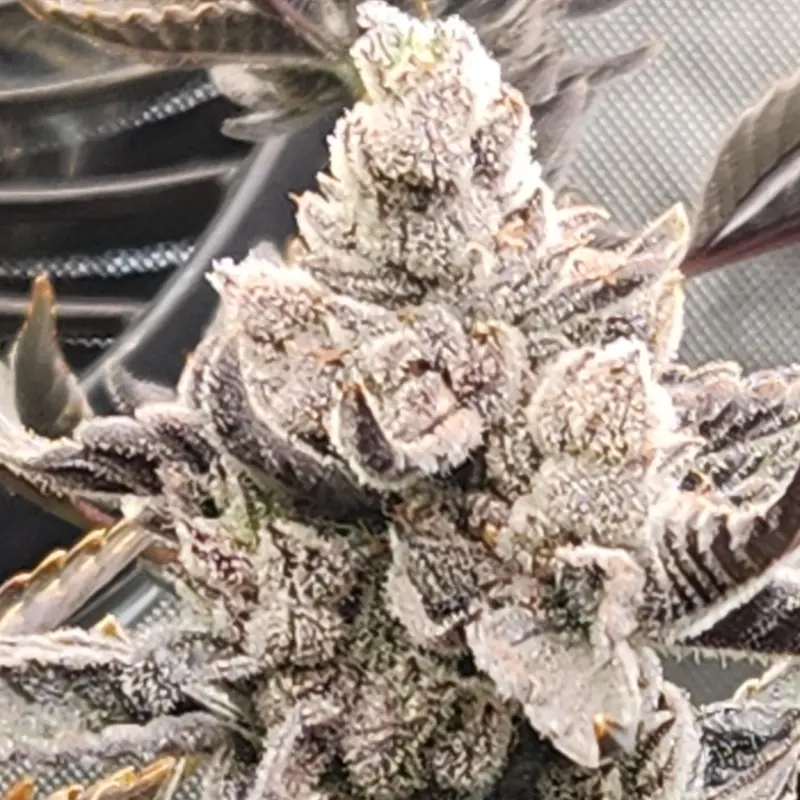
Bruddah Killo R1 (F)
$30.00 -
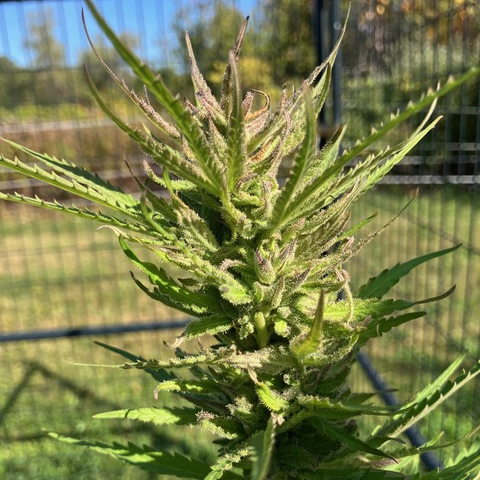
Class Clown (R)
-10%$54.00$60.00 -
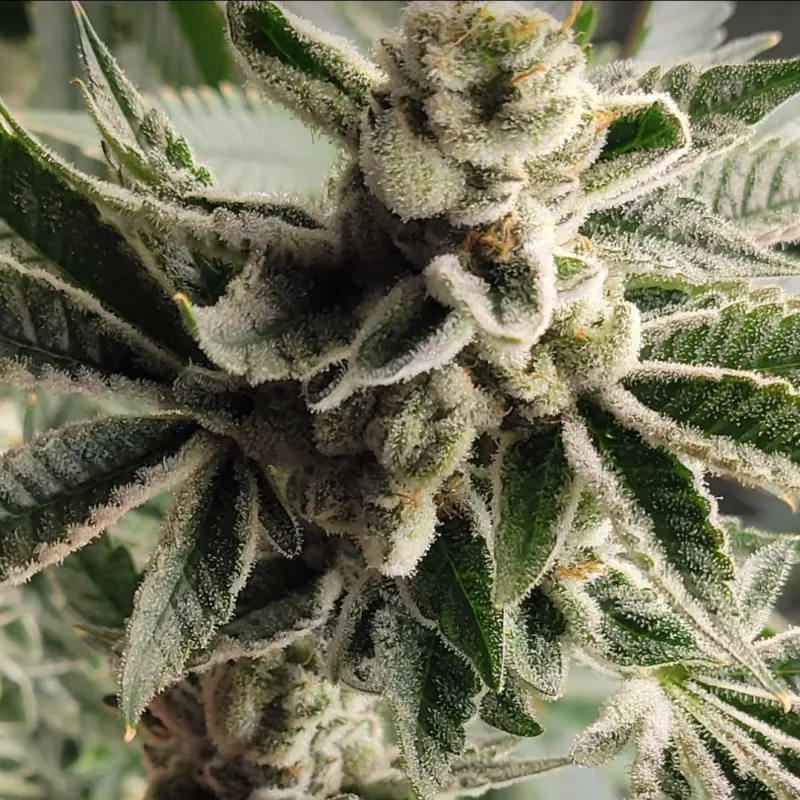
F.U. 11/27 (R)
$40.00 -
Faze FTC (F)
$30.00 -
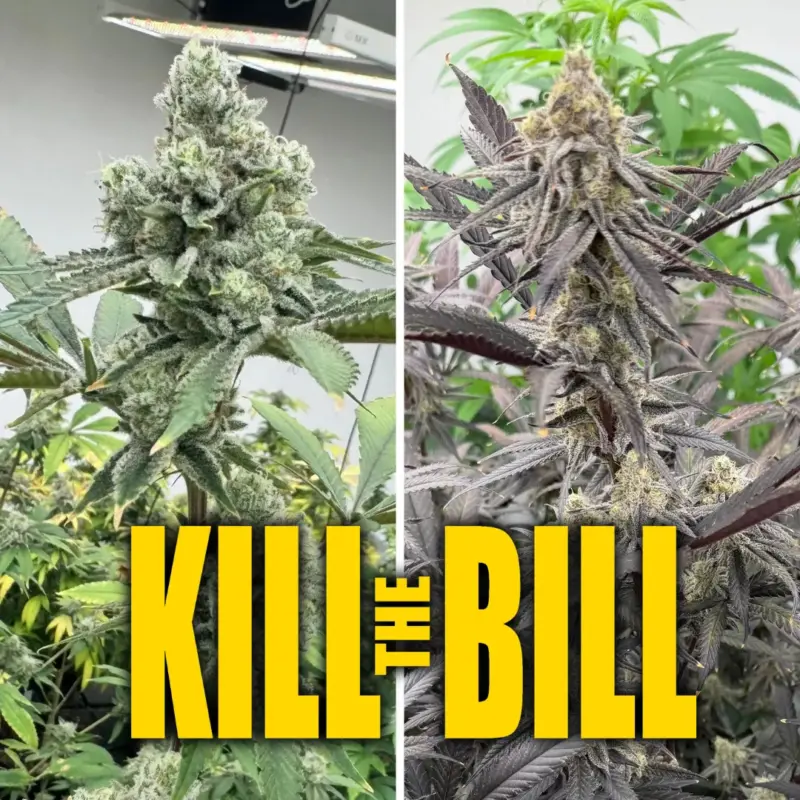
Kill the Bill (F)
$35.00 -
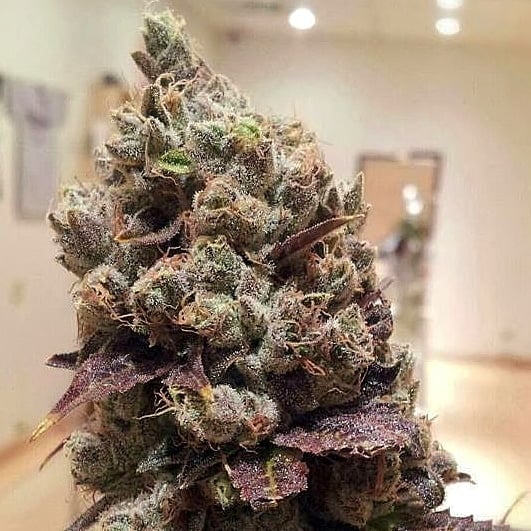
Lee Roy (R)
$100.00 -
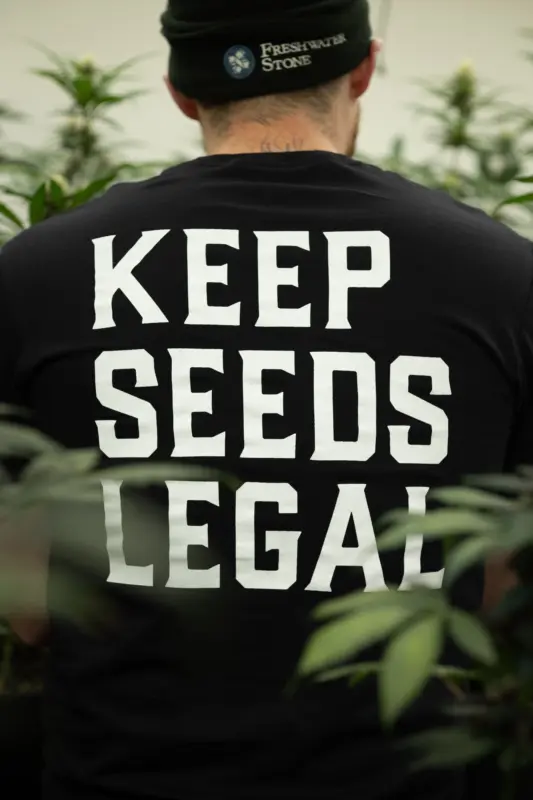
NASC Keep Seeds Legal T-Shirt
-20%$20.00$25.00 -
Original Pepper Pack (R) [KEEP SEEDS LEGAL]
$60.00 -
Pippa (R)
$100.00