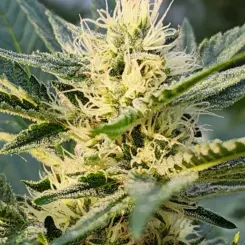
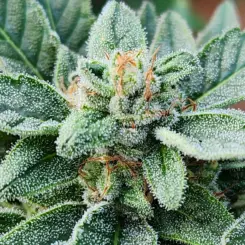
Moroccan Peaches and the Rise of the Sativa Hash Plant, story provided by Purple City Genetics
Hash has lived in a narrow lane for a long time. Heavy. Sedative. Indica-dominant. The plants that wash well are almost always the ones that put you down. Dense resin, strong returns, predictable results. And for years, that tradeoff was accepted. If you wanted yield, you gave up energy. If you wanted lift, you gave up washability. Two different worlds.
The Constraint
Sativa plants have always carried some of the most compelling terpene profiles in cannabis. Citrus, tropical fruit, bright, volatile expressions that jump out of the jar. They also tend to fail where hash begins. Loose trichome structure. Lower return. Poor mechanical separation. So they get pushed out of the category. Distillate inputs. Flavor contributors. Not centerpiece hash. Meanwhile, the hash world optimized around what worked. The result: technically strong, but creatively limited.
El Krem: A Different Objective
El Krem was built to break that constraint. Not by chasing THC. Not by chasing yield alone. By selecting for expression first. The goal was to create plants that could sit on a table with dozens of jars and still stand out. Lime, orange, peach. Layered terpene profiles that don’t flatten out after extraction. At the same time, every cultivar had to function in the real world. Flower or hash. Jar or wash. Because growers don’t get to specialize anymore. They need optionality. This is what defines the El Krem line: dual-use genetics built for both flavor and function
Moroccan Peaches
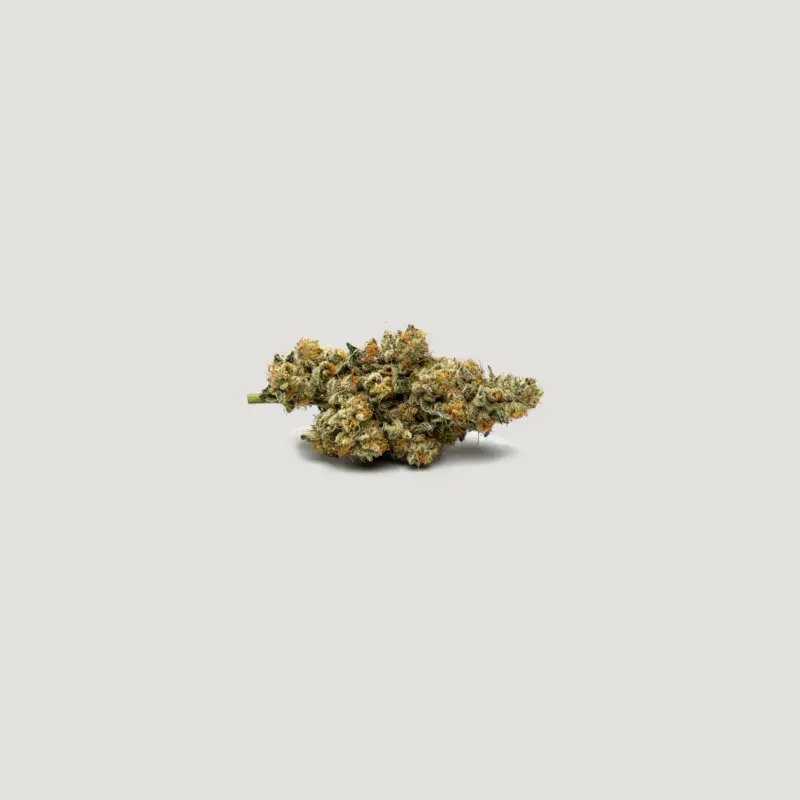
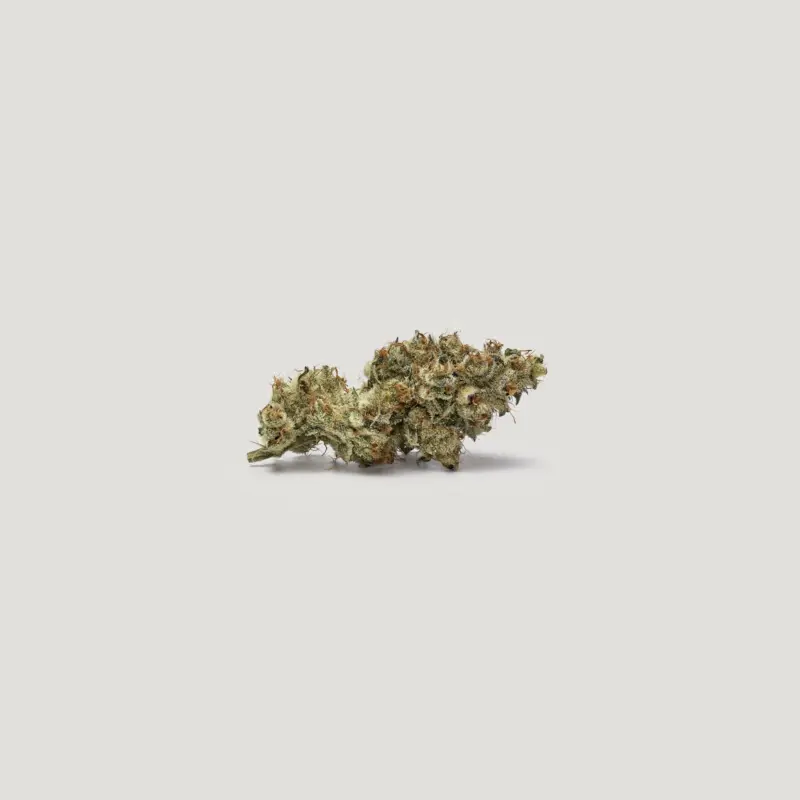
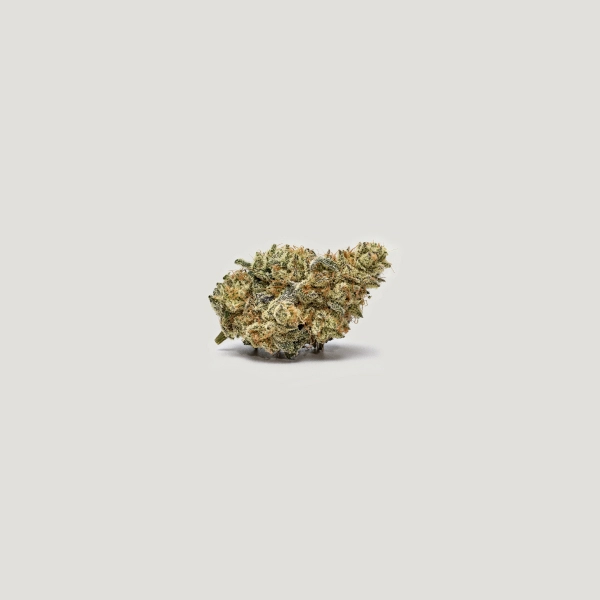
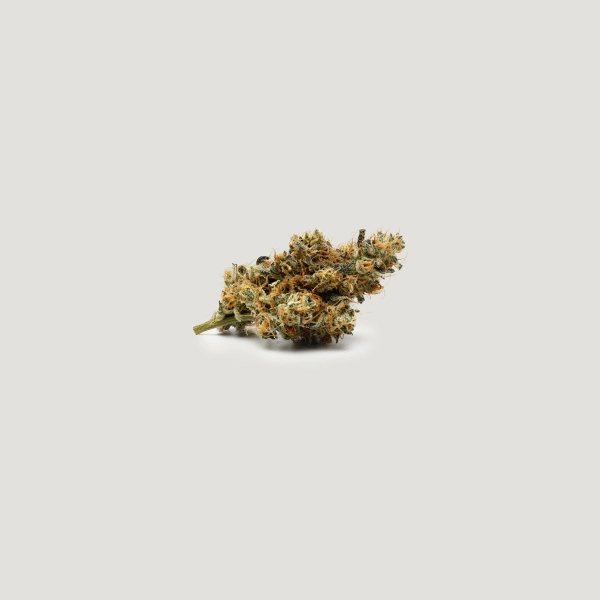
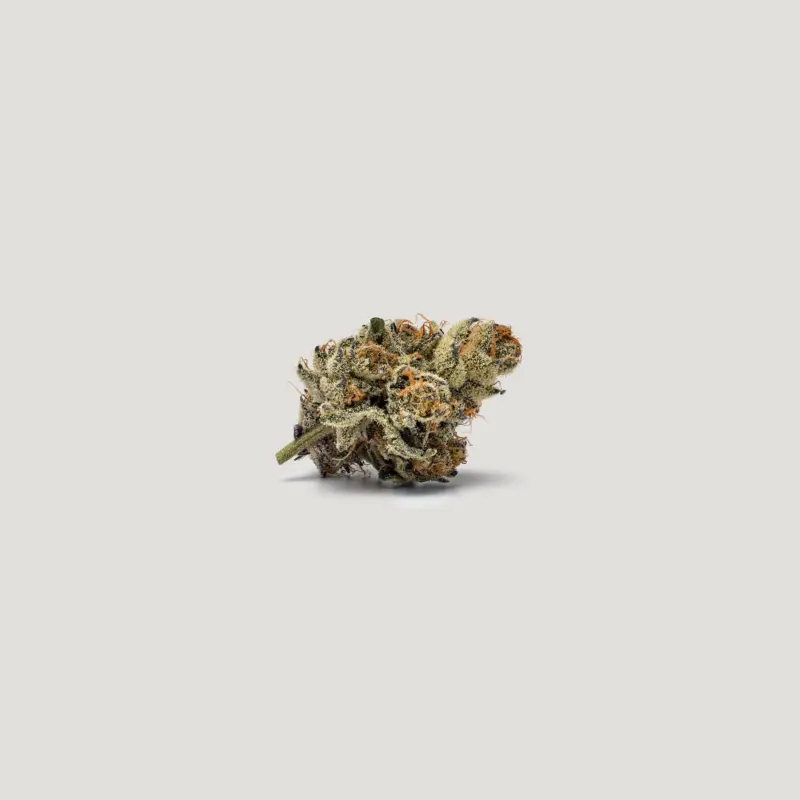
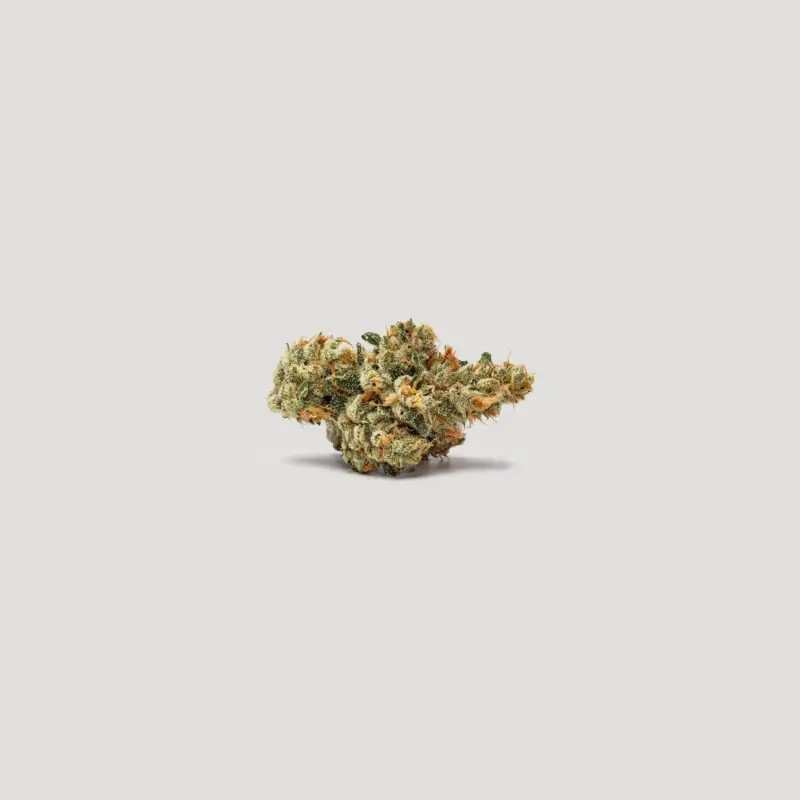
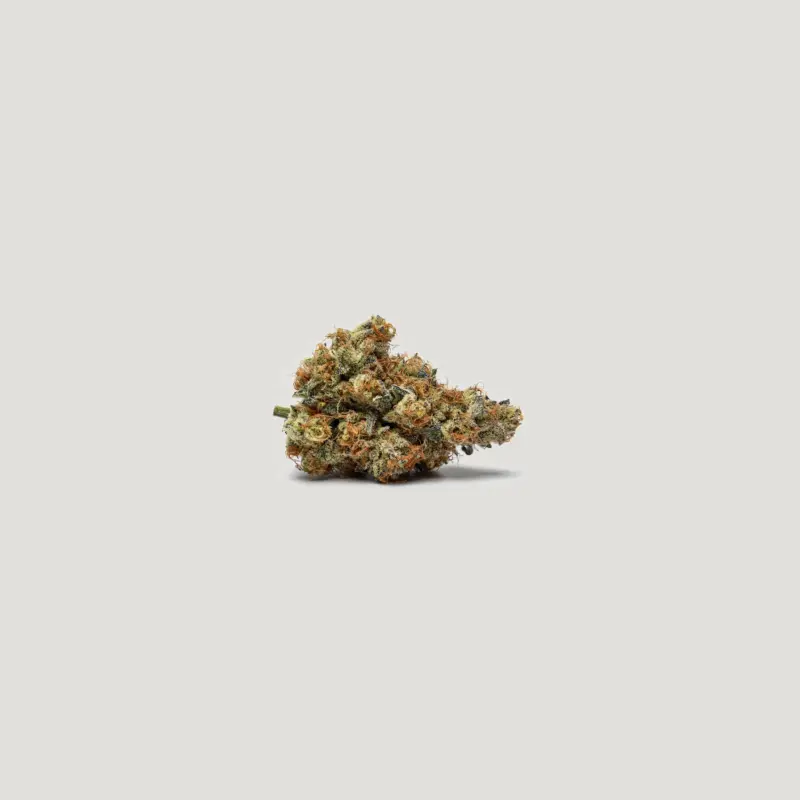
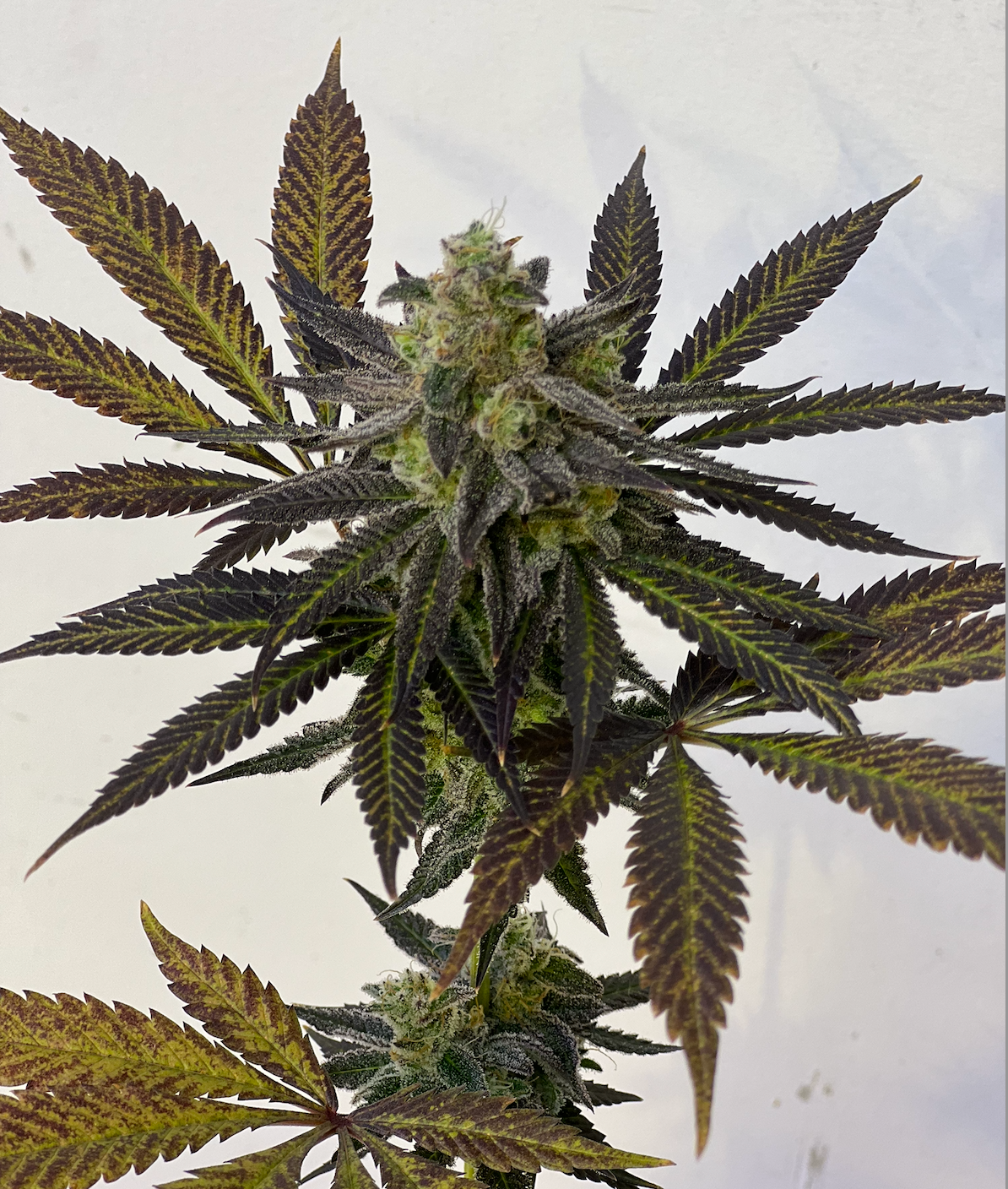
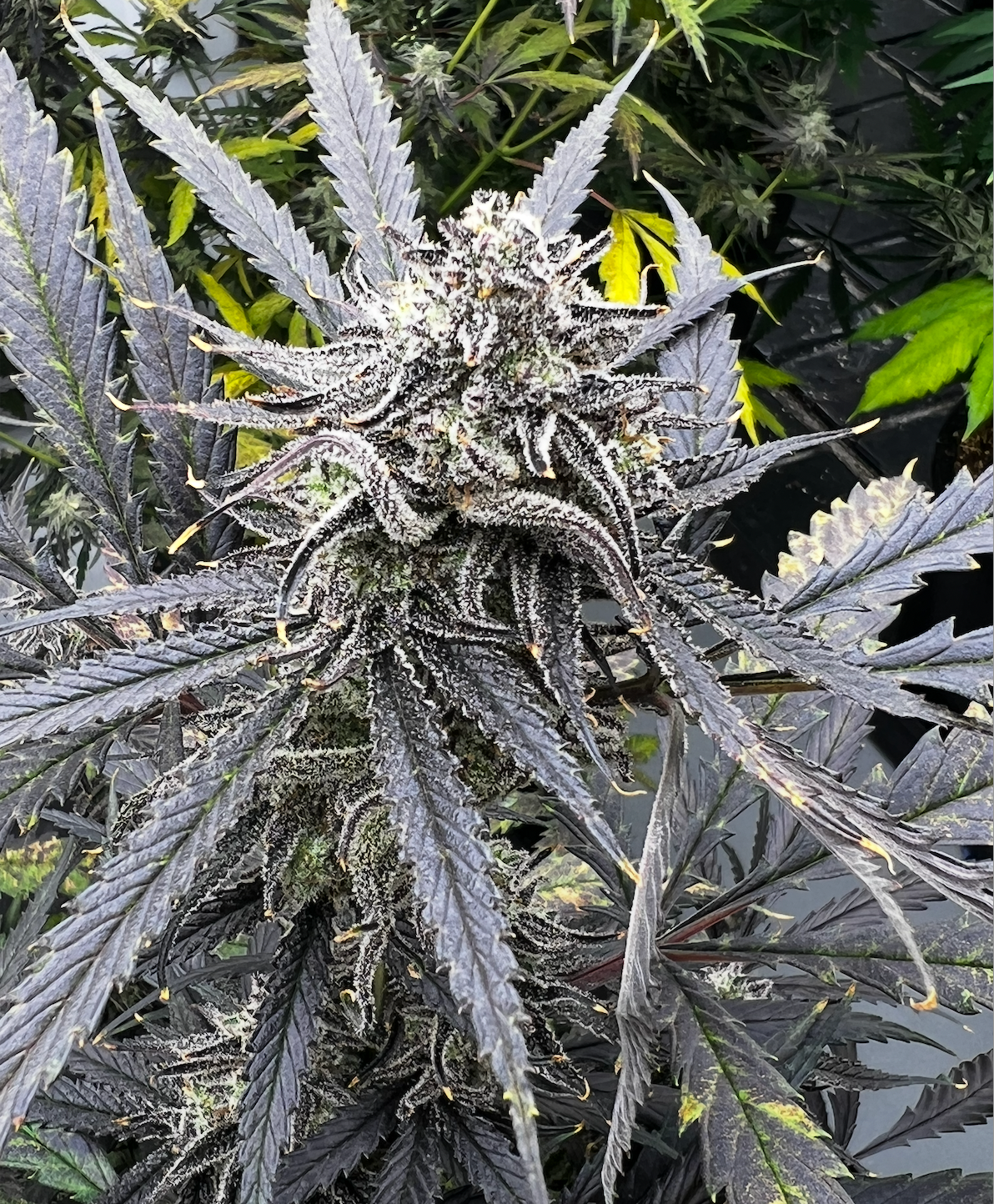
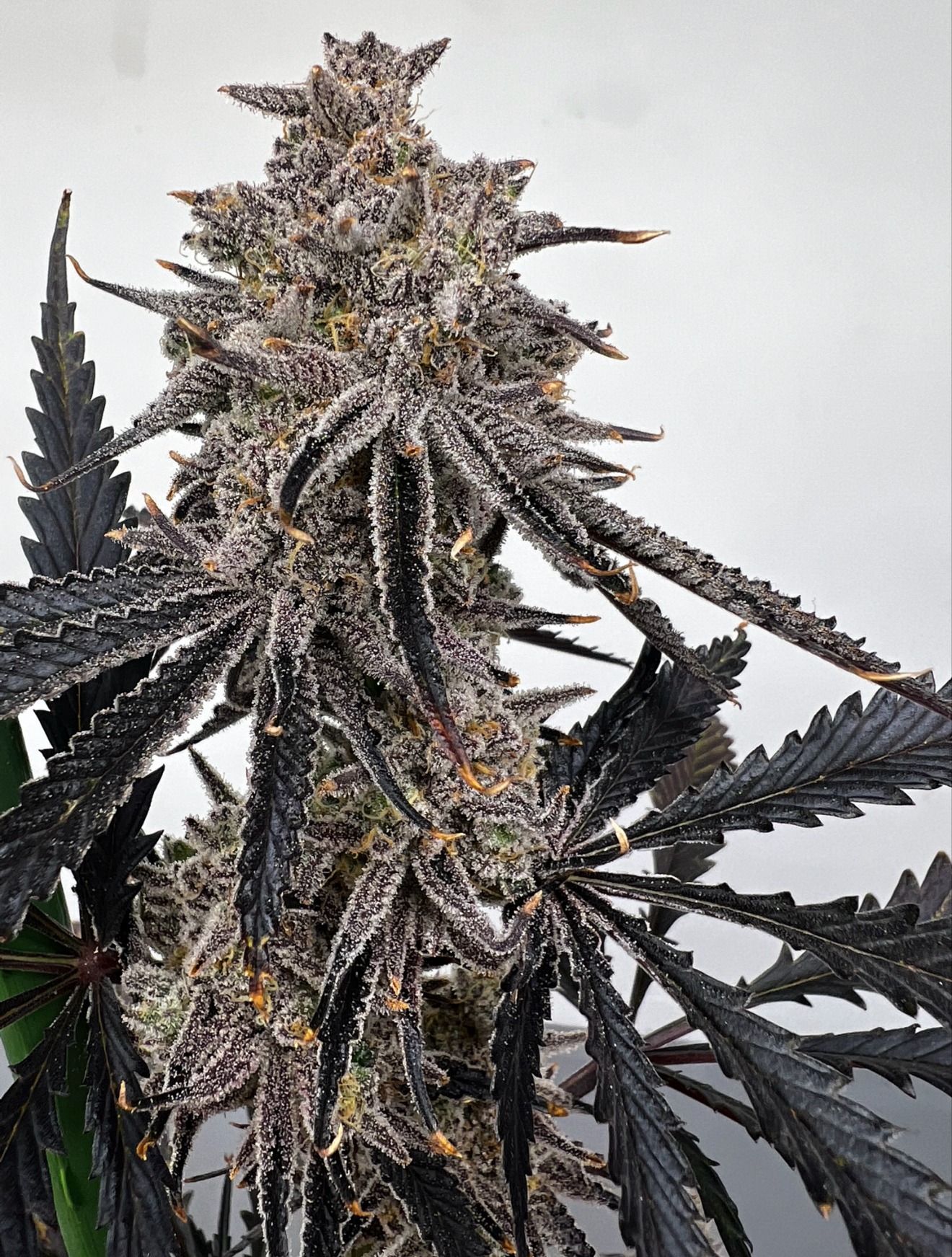
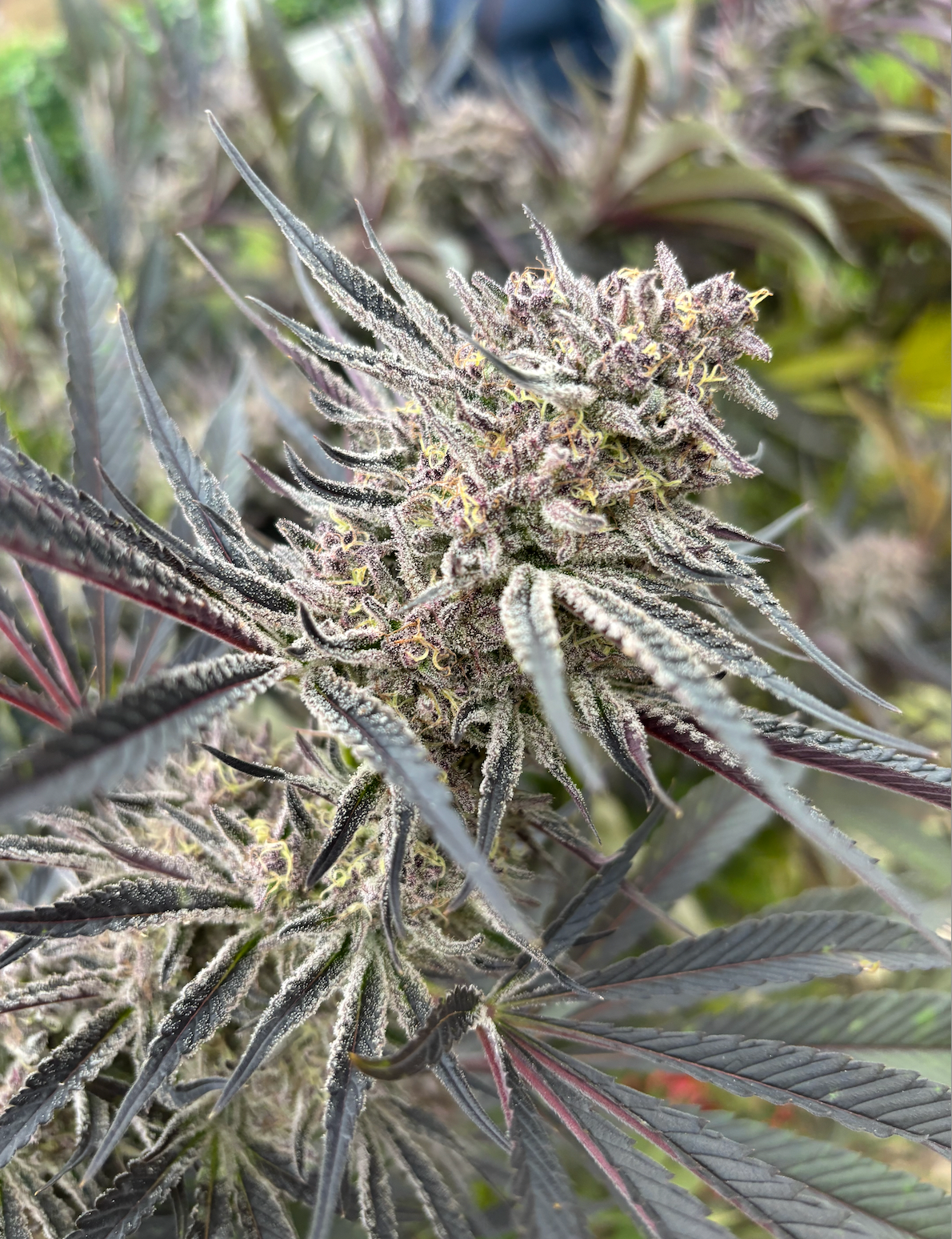
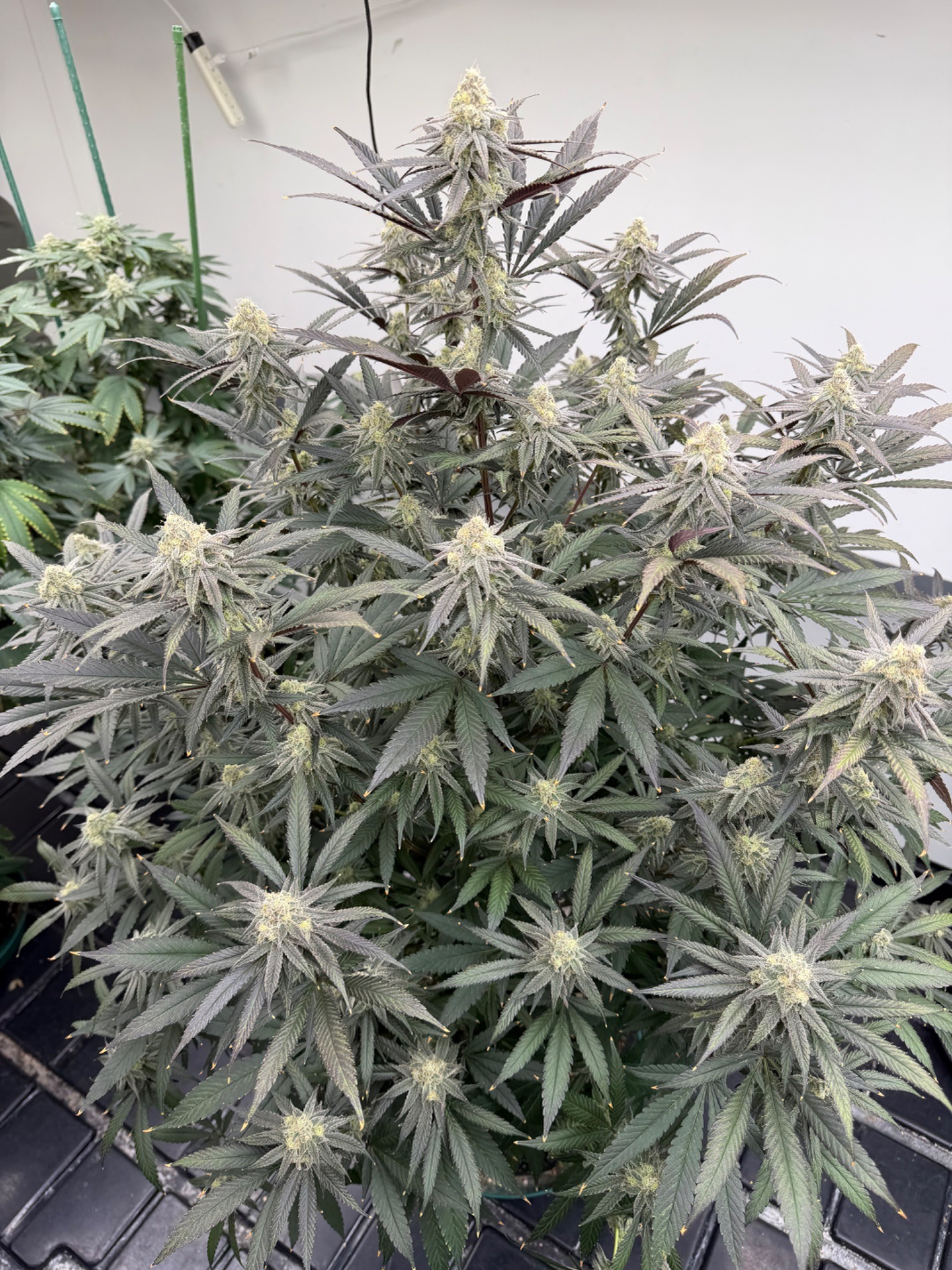
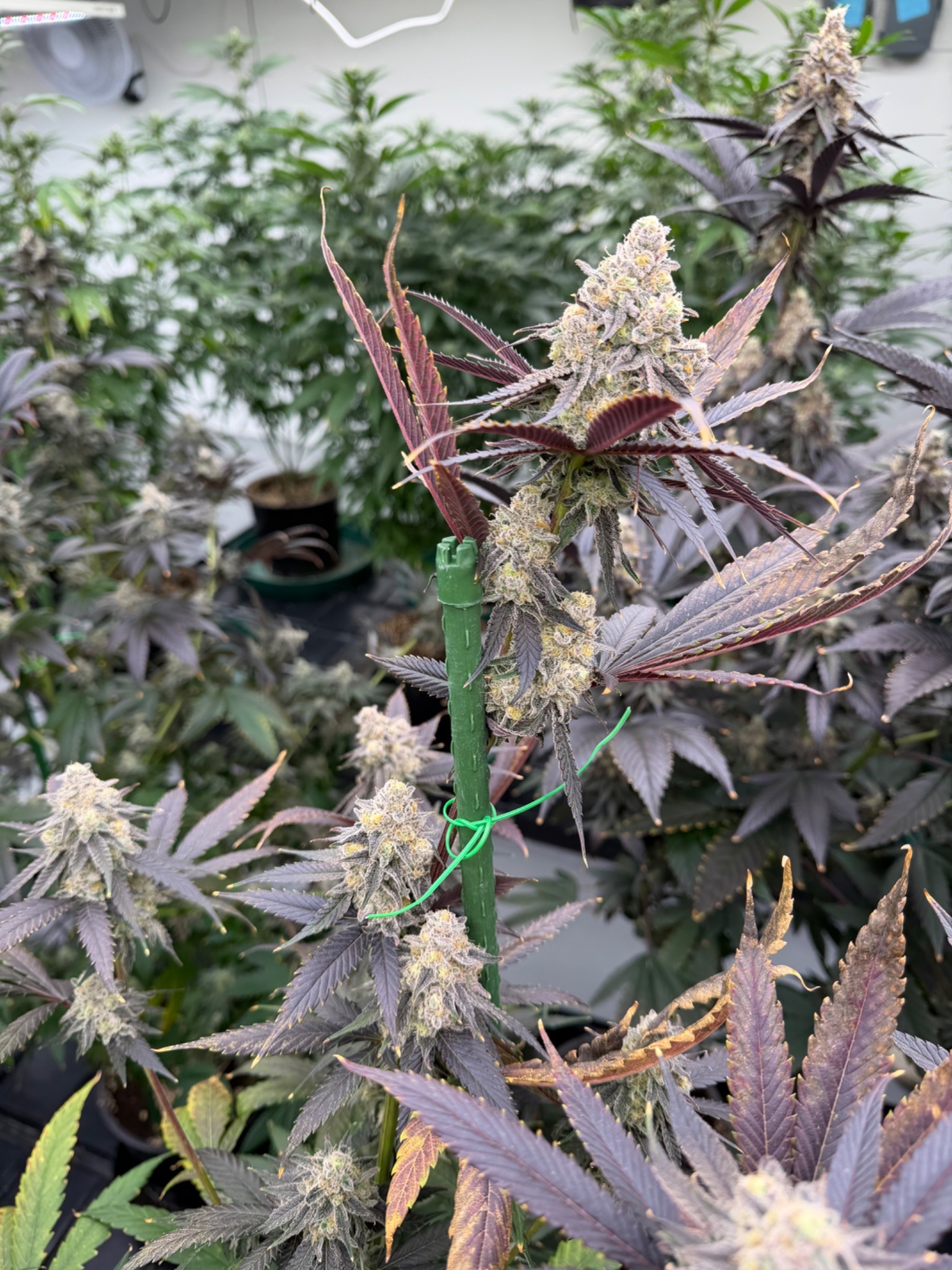
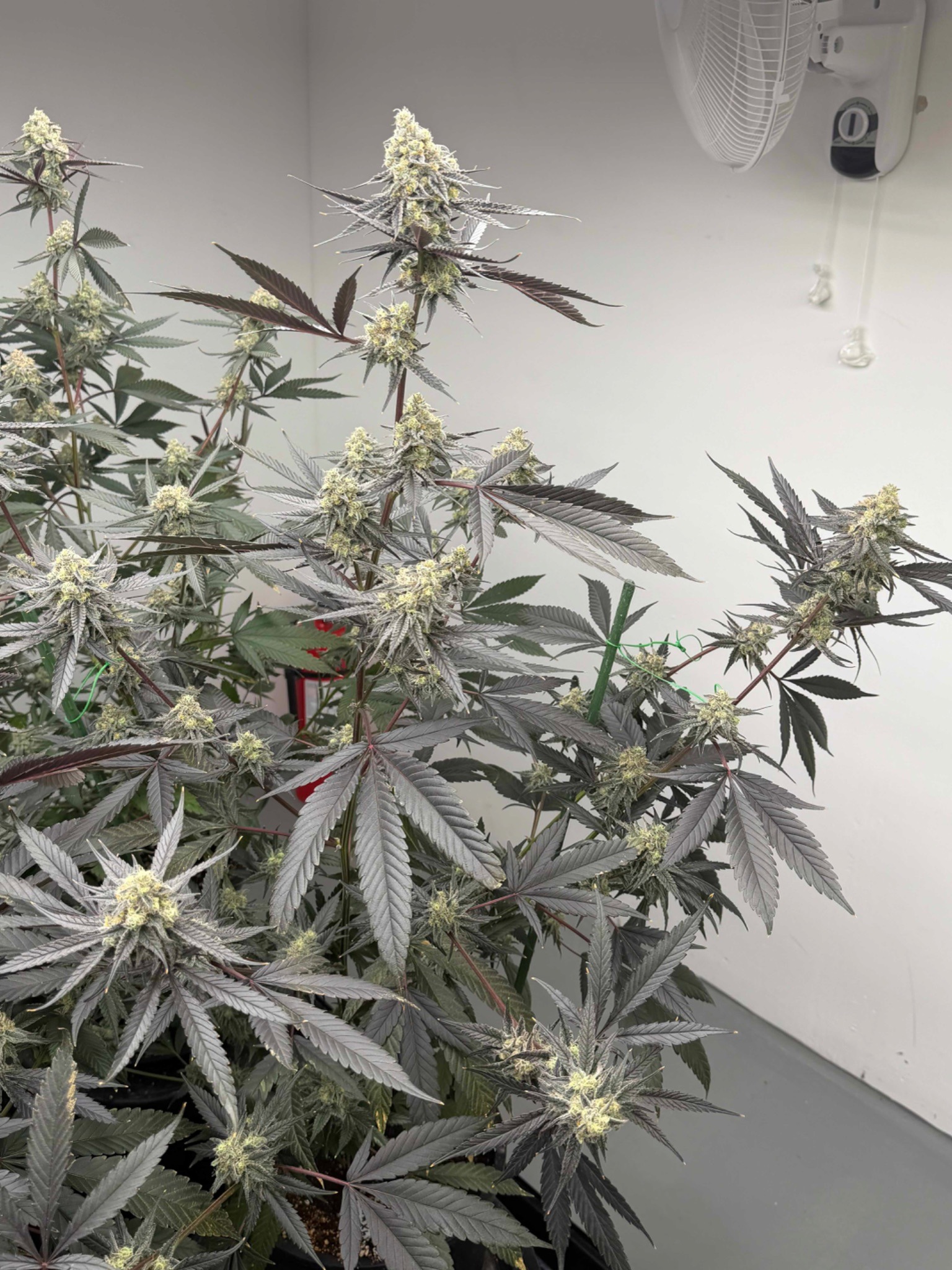
Moroccan Peaches didn’t arrive quietly. From the start, it stood out for combining two traits that rarely coexist: Effect and washability. A sativa-leaning hybrid with loud lemon, orange, and peach terpenes. Bright, expressive, immediately recognizable. But what made it different wasn’t just the flavor. It was how that flavor behaved. Across crosses, peach showed up consistently. It held its signal. It carried through different pairings without collapsing into sameness. More importantly, it didn’t flatten everything around it. It organized it. Part of what makes that possible is structural. The peach-leaning expressions we’ve selected tend to carry dense, uniform resin heads and a terpene profile that reads clearly even after processing. That combination matters. It means the signal doesn’t just. of stability is present, it stops behaving like a note and starts behaving like a framework. That’s when you can actually build around it. Peach became a baseline strong enough to pressure-test everything it touched. Traits paired with it had to hold their ground. The ones that did started to define the edges of the expression: citrus on one side, gas on another, candy and sour filling in between. The ones that didn’t got absorbed. That’s how the range sharpens instead of getting muddy. Underneath that, structure. Resin that actually separates. Trichomes that hold. A plant that returns when you wash it. That alone would have made it notable. The effect made it different. Upward. Energetic. Engaging. Not the slow descent most hash delivers. That combination changed how people thought about what hash could be.
Why It Stuck
Most hype strains fade. Moroccan Peaches didn’t. Because it solved a real problem. It gave extractors something new to work with. It gave smokers a different kind of experience. It gave growers a plant that could perform in both lanes. That’s rare. And when it shows up, you build around it.
The 2026 El Krem Peaches Collection
For 2026, Moroccan Peaches became a foundation. Not a single release. A breeding block. The goal was to expand its core traits across a wider spectrum without losing what made it work. Each cross explores a different edge of the same structure: ● Fez: peach nectarine layered with incense and citrus depth ● Habibi: peach and Z-driven structure with strong bag appeal ● Moroccan Zowah: extraction-forward with candy and sour gas undertones ● Saffron: shorter cycle while holding the peach-forward identity ● Cheri Granada: full-spectrum fruit expression with floral and wood notes Different directions. Same backbone.
Beyond the Pack
Seedlings and clone releases pushed the work further. Different pairings. Different environments. Different outcomes. Some leaned tropical. Some leaned gas. Some sharpened citrus. Others pulled deeper into kush structure. Not every expression needs to last. But every expression adds resolution. This is the same philosophy behind the seedling program: early looks into where the line is going, not just finished products
The Shift
El Krem represents a change in how hash is evaluated. From yield to experience. From output to expression. Moroccan Peaches sits at the center of that shift. Not because it’s louder. Because it expands the range without losing structure.
The Point
Cannabis isn’t supposed to exist in one lane. Not in flower. Not in hash. Not in experience. El Krem is built to preserve that range on the extraction side of the plant. Because once you start narrowing what works, you don’t just lose options. You lose entire categories of experience. Written by Eric Rosen, Purple City Genetics
Breeding Cannabis from F1 to IBL with Dirty Bird Genetics
by: Beth Mathieu
First and foremost, I want to send a heartfelt Happy Mother’s Day to all of the mothers here at NASC + Dirty Bird Genetics, to our own mothers, grandmothers, and maternal figures, and to all of the beautiful mothers out there who have been a part of this community with us for the past 10+ years. We see you, we appreciate you, we LOVE you, and we want to acknowledge and celebrate how beautiful the maternal instinct is.
Last year for Mother’s Day, I sat down to write a blog about a plant mother that is near and dear to me personally, and to our NASC/Dirty Bird family: The Brunch. As someone whose career was built upon plant mothers, it seemed fitting on Mother’s Day. The article detailed the filial evolution of this flagship strain that the Dirty Bird Genetics team had created. It was the very first cultivar we bred that really shined, and it really propelled us into this new venture breeding. Looking back now, it’s fascinating to consider how much those first creations (like the Brunch) influenced the genetics to come, much like the generational connections that run through families. The Brunch now sits atop many Dirty Bird Genetics family trees; she’s a mother, a grandmother, and even a great grandmother to many.
This Mother’s Day 2026, I want to pick up where I left off one year ago today, filling in another year of progress as we work our way to the end goal of creating a Brunch IBL (In-Bred Line).
The Brunch F1
The original Brunch F1–a regular, male/female iteration of the F1 strain still found on our menu today–will unfortunately never be recreated because we lost the Peanut Butter Breath mother that was used in the original project back in the early 2020’s. It was a mother I had preserved for almost a decade prior, selected from a revered pack of seeds made by Thug Pug Genetics. These seeds were gold back in the day, and this cut was a favorite of many clone customers I worked with. She created incredibly dense, striking flowers with vibrant greens, dark purples, and bold oranges. Her bud was as top shelf as it comes–easy to manicure, high test, colorful and dense–but her morphology left a few things to be desired. While she wasn’t prohibitively tall, she did have very long internodal spacing, and she was definitely a plant that wanted to grow vertically. Her floral sites were spread out across long stems, meaning she wasn’t the best yielder. Her terpenes were self-referential: Nutty and earthy. We knew there was likely more to draw out here.
The Peanut Butter Breath cut #3 by Thug Pug used to create the Brunch F1
The Mimosa father, selected from a pack of Mimosa by Symbiotic, had beautiful morphology and strong, tangy terps that came through even on a stem rub of the vegetative male plant. He was vigorous, sturdy, and a well-suited, well-proportioned match to compensate for the Peanut Butter Breath’s shortcomings.
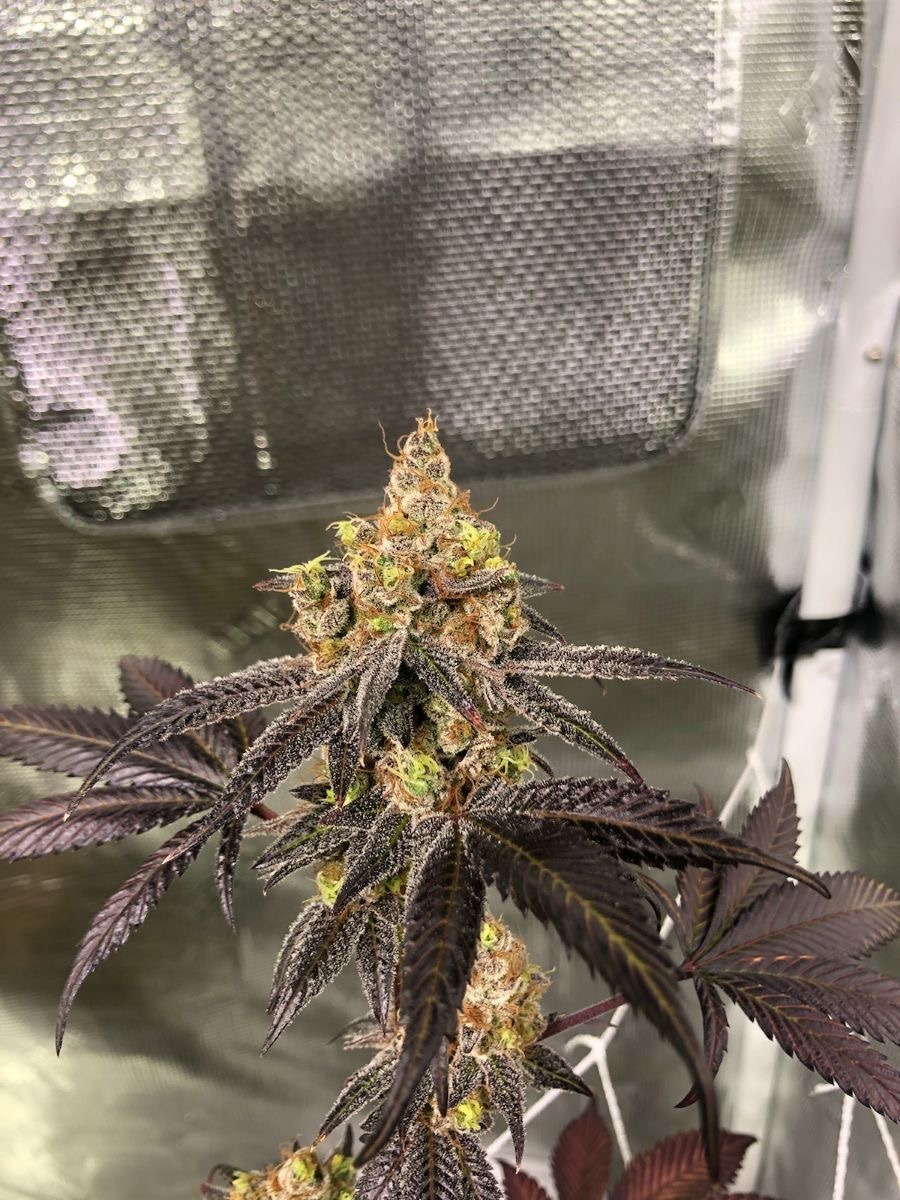
In our first test run of the Brunch (PBB x Mimosa) progeny, we selected two keeper phenotypes: the Brunch F1 #5 and the Brunch F1 #8. They weren’t perfect, but they stood out as special to us for several reasons. They were dripping in trichomes, testing between 25-30% THC / 1-3% CBG, they had insane, dark purple coloring with a gorgeous yellow fade, and to our surprise and delight, a unique apple terpene profile was seeming to emerge. We knew there was still work to do–we needed to bulk her flower up, and we needed to tighten her internodal spacing–but this was now a much stronger palette to work from than what we’d had previously.
The Brunch F1 #5
The Brunch F1 #8
The Brunch S1 (Feminized Iteration)
In order to create our first release, we knew it’d be beneficial to feminize our work, and that would also give us the opportunity to take the first step toward locking in some of the features we loved in the male/female test stock. To do this, we took the Brunch F1 #5 and the Brunch F1 #8 and we crossed them and selfed them across several different breeding projects, testing the progeny of each to determine who was the strongest, and which genetics we would move forward with. When all was said and done, and all of the seed lots were tested, we selected two cuts to mother in order to breed the Brunch lineage further. These cuts were named the Brunch - Dark Horse Cut (#8 x #8 - #3) and the Brunch - Lover’s Cut (#5 x #8 - #5) (aka the Arugula Cut).
The Brunch 88 #3 - Dark Horse Cut
The Brunch 58 #5 - Lover’s Cut aka “Arugula Cut”
Breeding and feminizing our favorite phenotypes of the Brunch F1 created some drop dead gorgeous feminized Brunch S1 genetics. The coloration had darkened from purple to almost black, and the yield and morphology was beginning to trend in the right direction: Less stretch and more flower. It was very hard to choose our keeper cuts from these seed lots, but we realized that was a good problem to have. It was at that time that we decided that the Brunch S1 would become our first Dirty Bird Genetics - Volume 1 release. Exciting! You’ll still find these seeds on the Dirty Bird Genetics Volume 1 menu today (although I’ll warn you guys, when they sell out, they will almost certainly be gone for good). You’ll also find this s1/f1 iteration of the Brunch in many of our genetic family trees, including staff favorites:
Dirty Mimosa: A Brunch backcross and outdoor champion that clocks in with a lightening fast 43-47 day flowering time
Dirty Mimosa pictured outdoors in a local Maine garden.
Bad Apple: Probably my personal favorite Brunch-related strain, and a cultivar that has only continued to impress me more as we’ve bred with it. The Bad Apple has pungent terpenes that range from rotten Apple to gym sock funk, and our keeper “Sugar Mill” cut is the single most trichome-laden plant I’ve grown in my 15 year career. In 2026, this Brunch-child created two of my favorite strains we’ve bred to-date: Apple Peelz and Candy Apple Kush.
Bad Apple - Sugar Mill Cut (Day 42)
Apple Peelz (Day 49)
Candy Apple Kush (Day 44)
The Brunch F2
We knew early on that the Brunch was a project that we wanted to fully realize the potential of by creating a stabilized Brunch IBL (in-bred line). Now that we’d created and tested several iterations of the Brunch genetics, we were able to formulate a set of goals for the project:
Preserve Apple Terpene Profile: It’s unique to the Brunch and we love it.
Morphology: Shorten internodal spacing, select for lateral growth, preserve high calyx-to-leaf ratio, and retain a foliage volume that is ideal for air flow, light penetration, and outdoor cultivation.
Yield: Improve yield by selecting cuts that stack well, have dense flower, and yield respectably.
Flowering Time: Ideally, under 56 days.
Color: Preserve the dark purples and maroons that are signature to the Brunch.
Effect: Retain the social, happy effect that is signature to the Brunch.
Using the Brunch F1 #5 and a Brunch F1 male that we labeled #12, we made the Brunch F2. In cannabis breeding, the F2 filial generation is known to contain the largest number of phenotypes and the most genetic diversity of any other generation. We found this to be true with the Brunch F2. We saw divergence in color (purple/green), terpenes (apple/earthy meh), and in both flower and plant morphology. Speaking generally though, these plants grew much more laterally than their F1 counterparts thanks to our parental selections. We were also able to eliminate the “scraggly” phenotype that appeared in about 10% of our F1 seed population. These F2 plants had stronger, more bushy structure as a whole, accompanied by a higher volume of foliage, more compact, golf ball shaped flowers, and tighter internodal spacing.
After carefully watching our F2s grow, we whittled our selection down to two winning cuts that we would use for our F3 breed: The Brunch F2 #7 and #13. They each had something we loved, but neither had everything. The #7 had the most incredible, vibrant, apple terpene profile; there was something that smelled distinctly more “appley” about this plant than any we’d smelled previously, and we were confident this was the direction we wanted to go with the terpene profile. The #7 plant wasn’t perfect though: it stayed vividly green way longer than we would have liked, purpling in the final week of flower, long after we’d written it off as a green pheno. This was something we felt cautious about because color was one of the goals we’d set for the project. The #13, on the other hand, took on a beautiful, deep purple color early in flower–something we loved–but it lacked an exciting terpene profile, leaning more towards the subdued, nutty, earthy profile of the Peanutbutter Breath.
The Brunch F3
Brunch f3
V79 have better floral mass . Long intermodal spacing and classic brunch nugs, small leaves
139 #1 - Apple terps.
**V79 #1 - stacking the most - best floral mass. Striped maroon and purple and yellow leaves.
V79 _#2 - shorter but similar burgundy and purple and sugar/ apple terps
V79 #5- Apple gas Peanutbutter - very purple but not a great yield
Brunch 139
Biggest nugs yet. long and skinny and tie together up the stem
*3- Apple cheese. Tall. Long stacked buds. Very impressive stacking and yield - double floral mass of what we normally see, and very high calyx to leaf ratio
4- more arugula look. Apple smell.
When it came time to make our Brunch F3 seeds, we had a choice to make: We had to decide whether to breed our F2 #9 male with the wonderfully appley #7, or the spectacularly purple #13. This choice proved to be an impossible one, so we decided we would take the more intensive path and breed in both directions. Over the course of the next year, two Brunch F3 seed lots were created: The Brunch F3 v79 (made with our #9 male and our purple F2 #7 cut) and the Brunch F3 v139 (made with our #9 male the wonderfully appley F2 #13 mom).
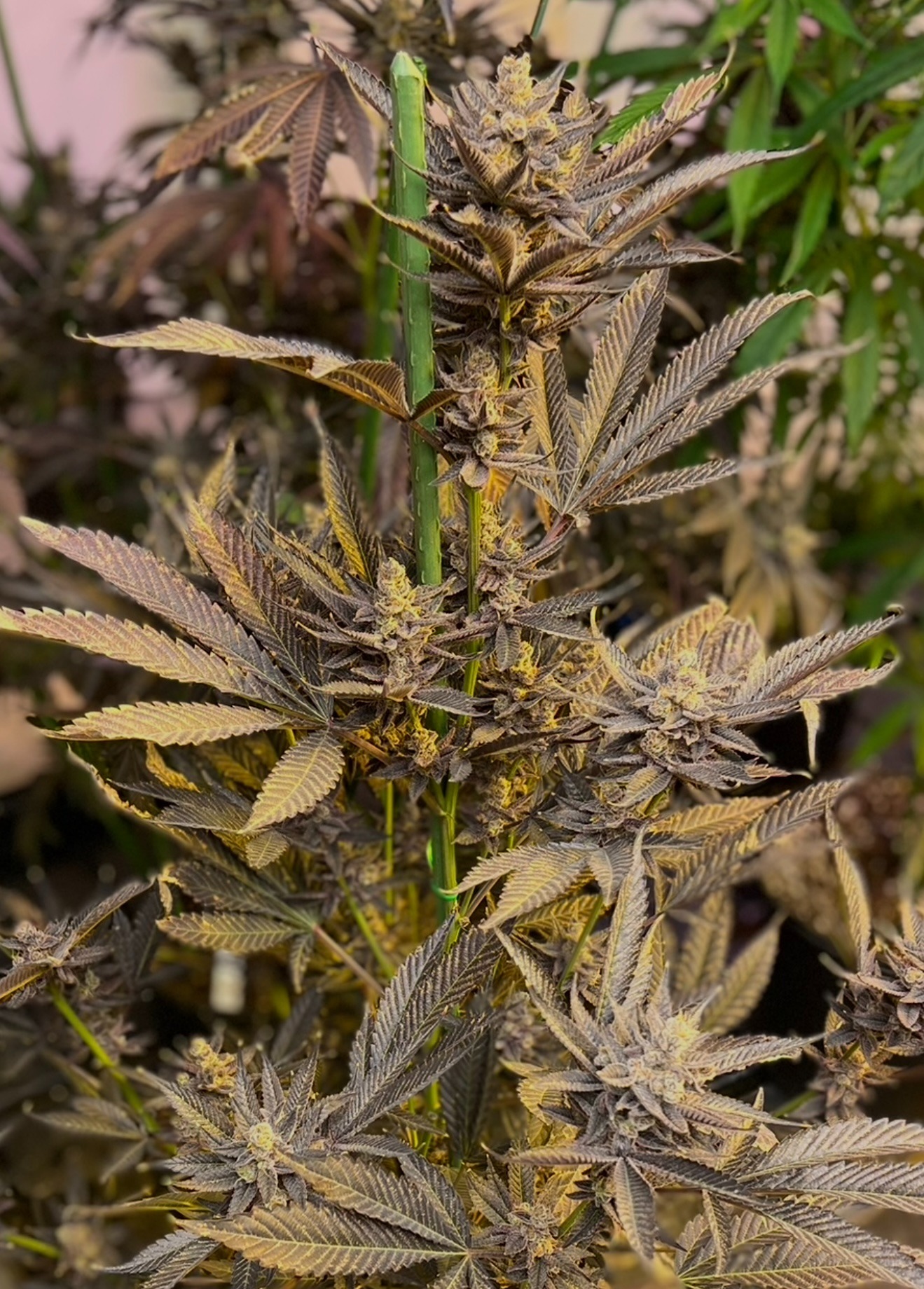
In testing these two Brunch F3 lines we’d created, we saw the genetics take the most marked strides forward to-date. Most notably, the plants were stacking better than ever before, yields were improving, colors were popping (though continuing to diverge a bit between green, maroon and purple), and we were really starting to hone in on a consistent terpene profile. While the apple terpenes were predictably more dominant in the v79 seed population, we ultimately chose a cut from the v139 population to move the line forward to F4 (see pictured below). The Brunch F3 v139 #3 boasted the biggest colas we’d seen in a Brunch to-date. They were long, dense, and they tied together beautifully up the central stalk creating a long, beautiful arm of purple, funky, apple Brunch. The #3 cut had close to double the floral mass of any Brunch we’d seen before. It had an incredibly high calyx-to-leaf ratio, purple flowers, and its terpene profile was pungent and unmistakably apple. It checked all of the boxes, so the choice was a remarkably straight forward one.
Brunch F3 v139 #3
Brunch F3 v139 #3
The Brunch F4
In early 2026, we were able to test the Brunch F4s that we had made using only the F3 v139 #3 cut. This was the first time we had chosen to advance the Brunch line through a process called selfing (crossing a plant with itself through reversal). The v139 mother cut had so much to offer, and we were curious to see how this choice would evolve the line, so we created and tested our first population of feminized F4 seeds.
It has only been a month since we harvested our Brunch F4 test plants, and the project is still fresh in my mind. The F4s were easily the most exciting yet. The diversity we saw in the F4 generation was markedly different from what we’d seen previously. To use an analogy, imagine crossing a black lab with a poodle. The Brunch F2 + F3s were what I’ll call Bloodles; they were mutts. Their traits were messy and indistinguishable, resembling their parents in some ways while also blending together to form strange iterations of curly, black-and-white Bloodle soup. We saw countless combinations of traits–some that we liked and some that we didn’t–all unpredictably smooshed together. The F4 population was different. The traits we were selecting for were finally segregated in an easily observable way. Phenotypes were so much more identifiable. To circle back to our genius analogy: The Golden Doodle was born, alongside pups that looked remarkably black lab, and pups that looked remarkably Poodle.
While we did observe a little bit of inbreeding depression in our F4s–which is to be expected–overall the plants had several consistent qualities: They had an extremely short 50-day flowering time, a remarkably high calyx-to-leaf ratio, very compact, long, conical flowers, medium internodal spacing, 1.5x stretch, ideal foliage volume for air flow and light penetration, high trichome density, balanced vertical and lateral growth, and overall they were healthy, self-supporting, easy-to-grow plants.
One of the most interesting things about the Brunch F4 was that we finally saw a purely green phenotype emerge in 20% of the population. The 80% majority were purple: 50% solid, dark purple in both foliage and flower, and 30% predominantly purple with a little green fade. The terpenes were consistently apple-dominant–exactly what we wanted–and we were so excited to find that the apple smells were only deepening further, evolving into more of a complex, warm-yet-tart apple pie. For the first time, we did note some sour gas smells coming through on a slim minority of plants, with one plant exhibiting sour gas only; no apple.
The biggest obstacle we’ve faced in choosing our winning cut(s) of the Brunch F4s has been deciding what to do with the visual feast that is the green phenotype. We’d been very intentionally selecting for purple coloring from the outset of this multi-year project, and yet these green plants were hard to turn away from.
Thank you so much for reading about the journey we’ve gone on to create the Brunch, one of our most beloved plant-mothers. I’d like to wish all the mothers out there a very Happy Mother’s Day. Know that you are seen, loved, and celebrated every day!
Sticky Finger Seeds is a Cannabis genetic collective that specializes (takes pride) in growing and breeding heirloom and landrace cannabis genetics. Now closing in on five decades of cannabis farming and breeding cannabis enthusiast Will Grinnell has been seeking, trading, purchasing and collecting a variety of the best cannabis genetics possible, along with the Sticky Finger Seeds collective of heritage craft farmers and their seed collections.
The NASC Cast Crew had the pleasure of sitting down with Will of Sticky Finger Seeds. Listen to what he has to say below, and follow us on Vimeo for even more content!
Disclaimer: Cannabis seeds are sold as souvenirs, and collectibles only. They contain 0% THC. It is imperative that you check your state and local laws before attempting to purchase seeds, and we are not liable for what you do with seeds after receiving them. The statements on this website and its products have not been evaluated by the Food and Drug Administration. These products are not intended to diagnose, treat, cure or prevent any disease. Consult your doctor before use. North Atlantic Seed Company assumes no legal responsibility for your actions once the product is in your possession and is not liable for any resulting issues, legal or otherwise, that may arise.
Are you 21 or older?
You must be 21+ to enter this site.
Sorry, you must be 21 or older to enter this site.