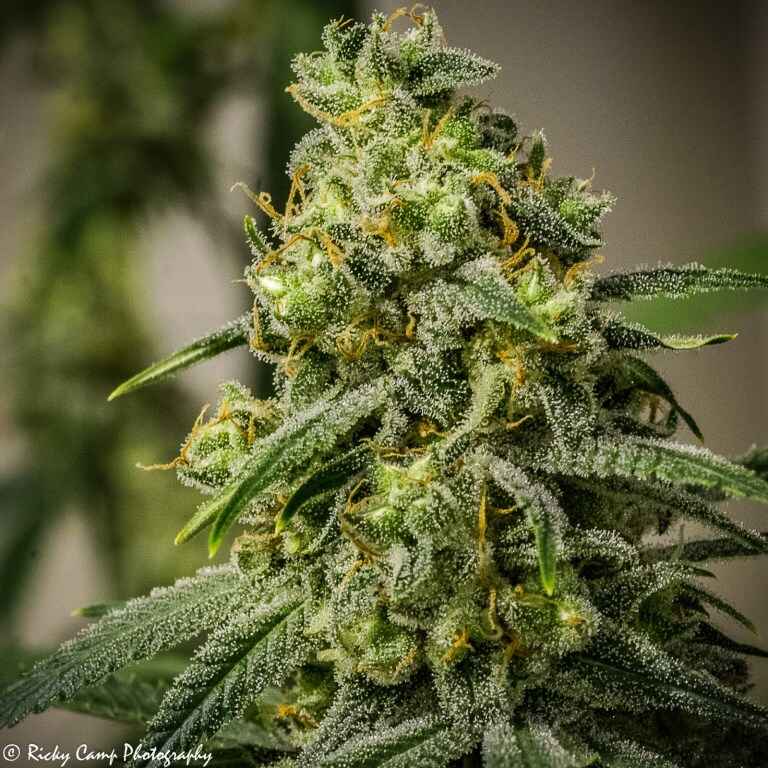
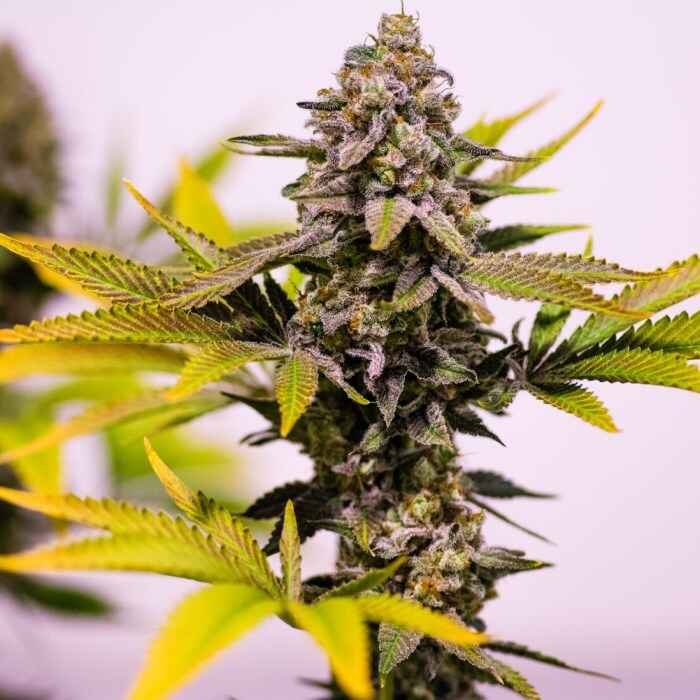
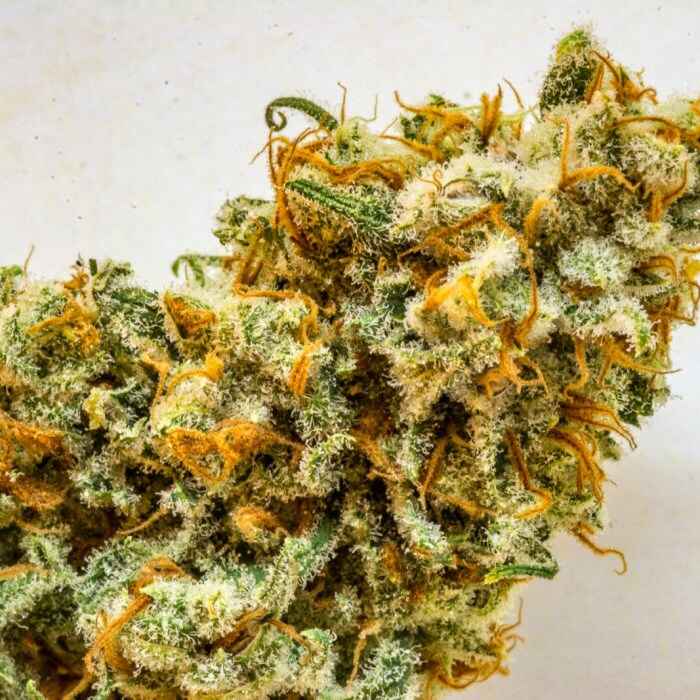
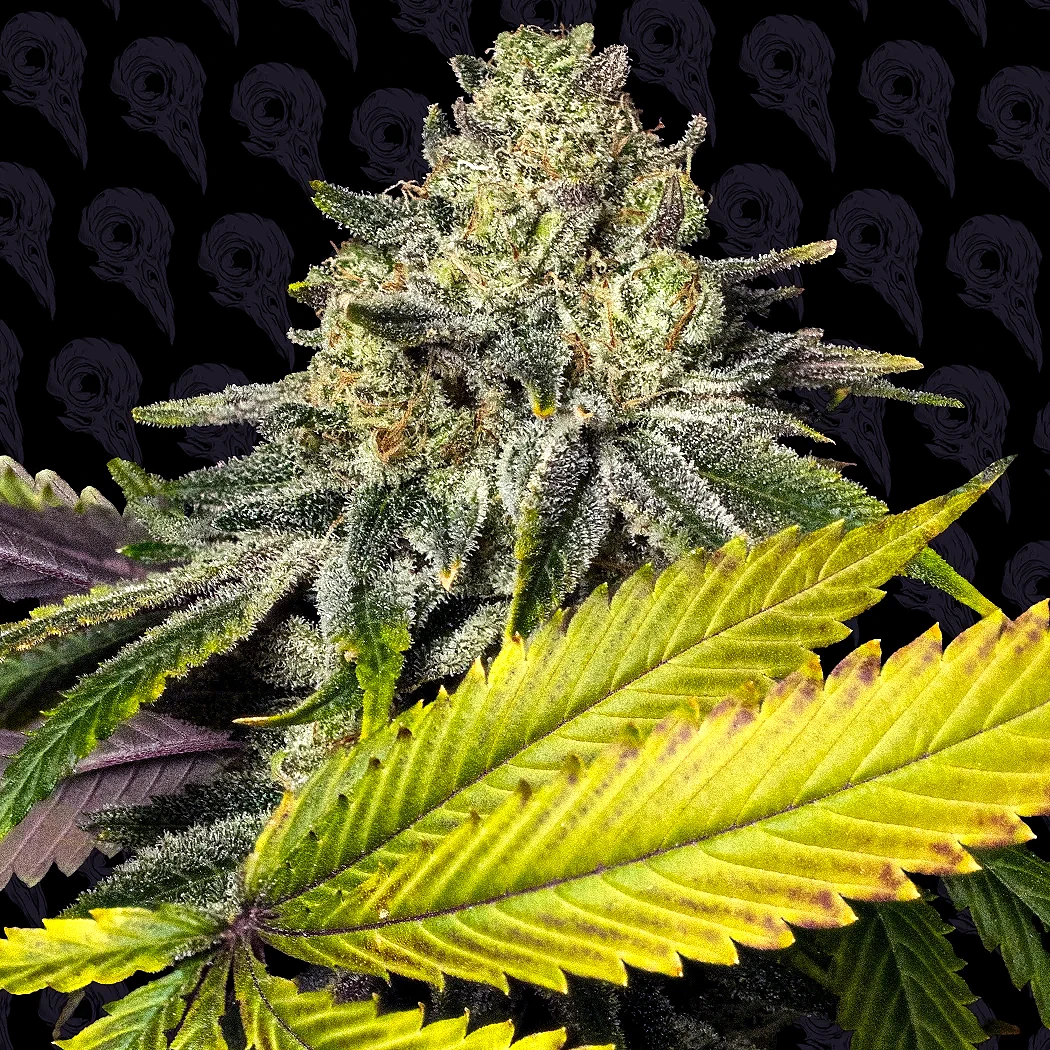
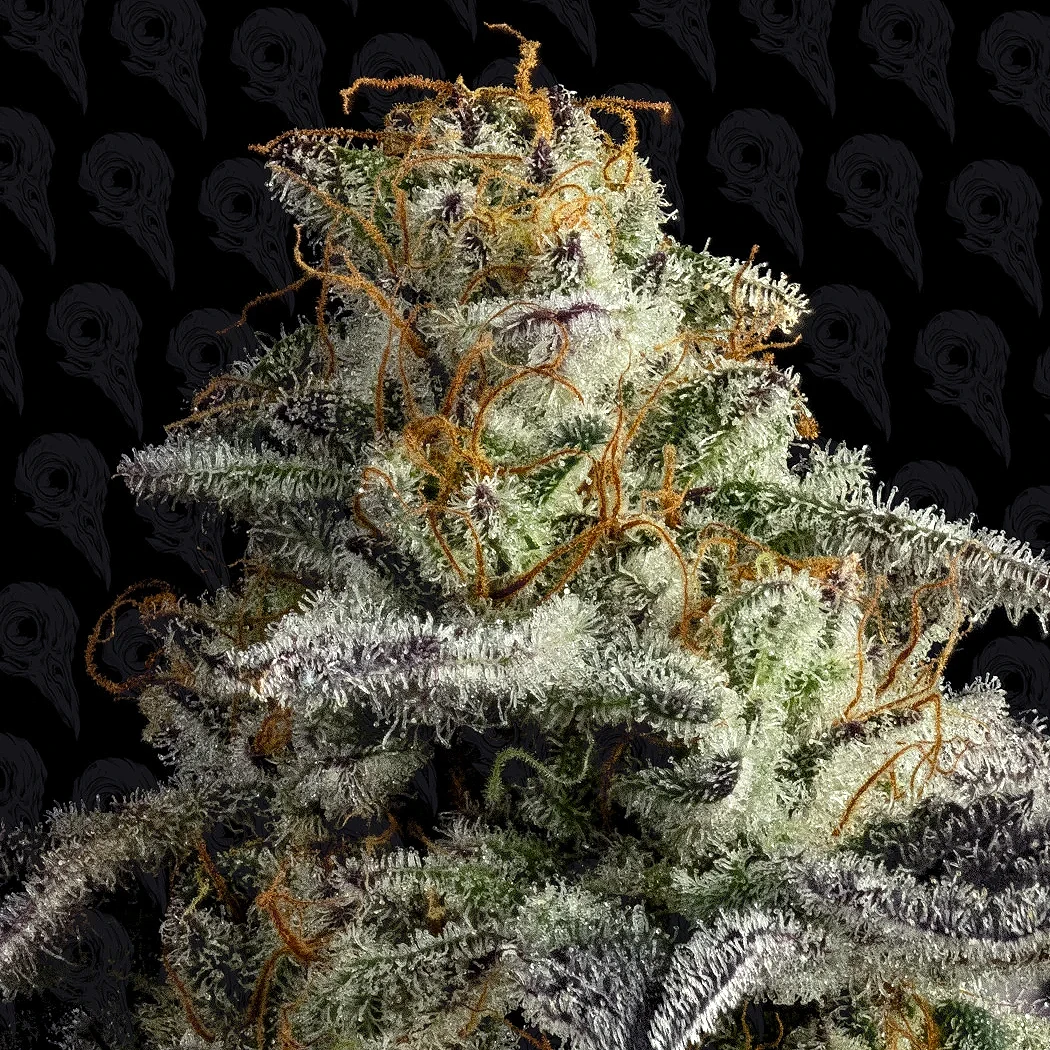
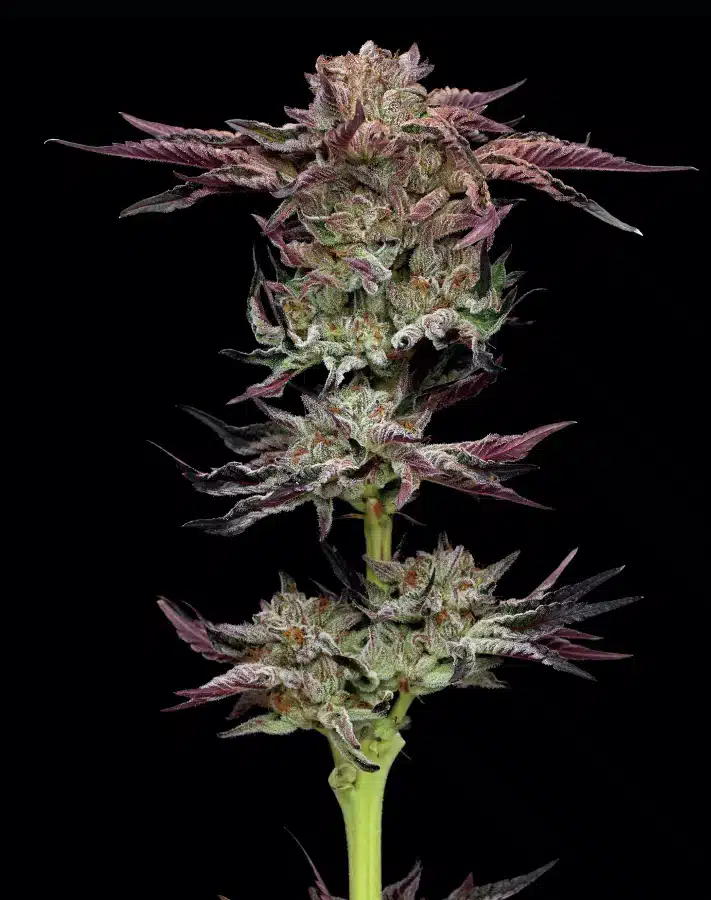
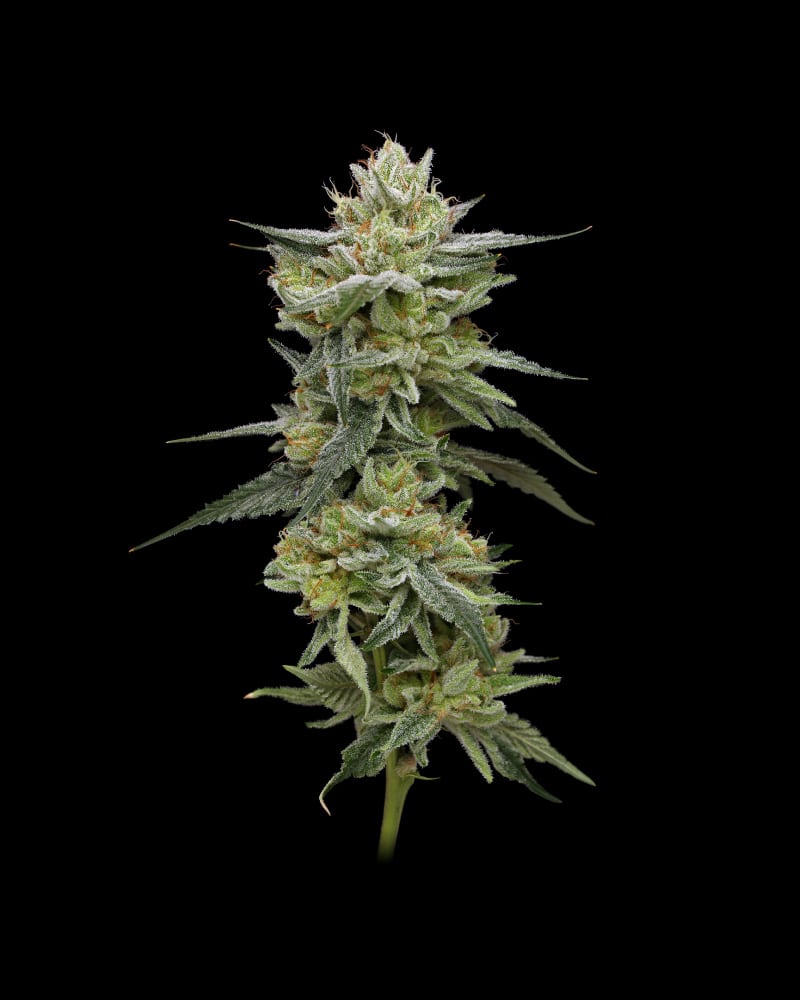
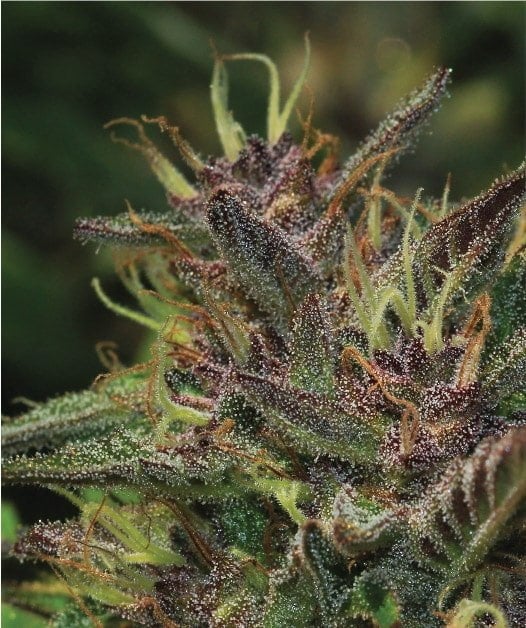
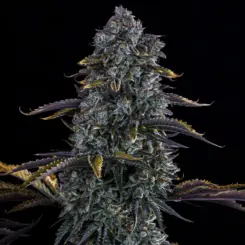
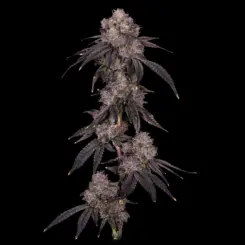
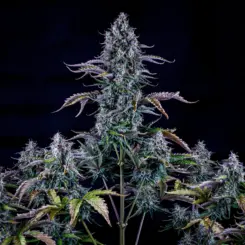
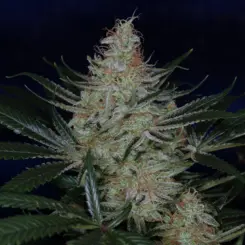
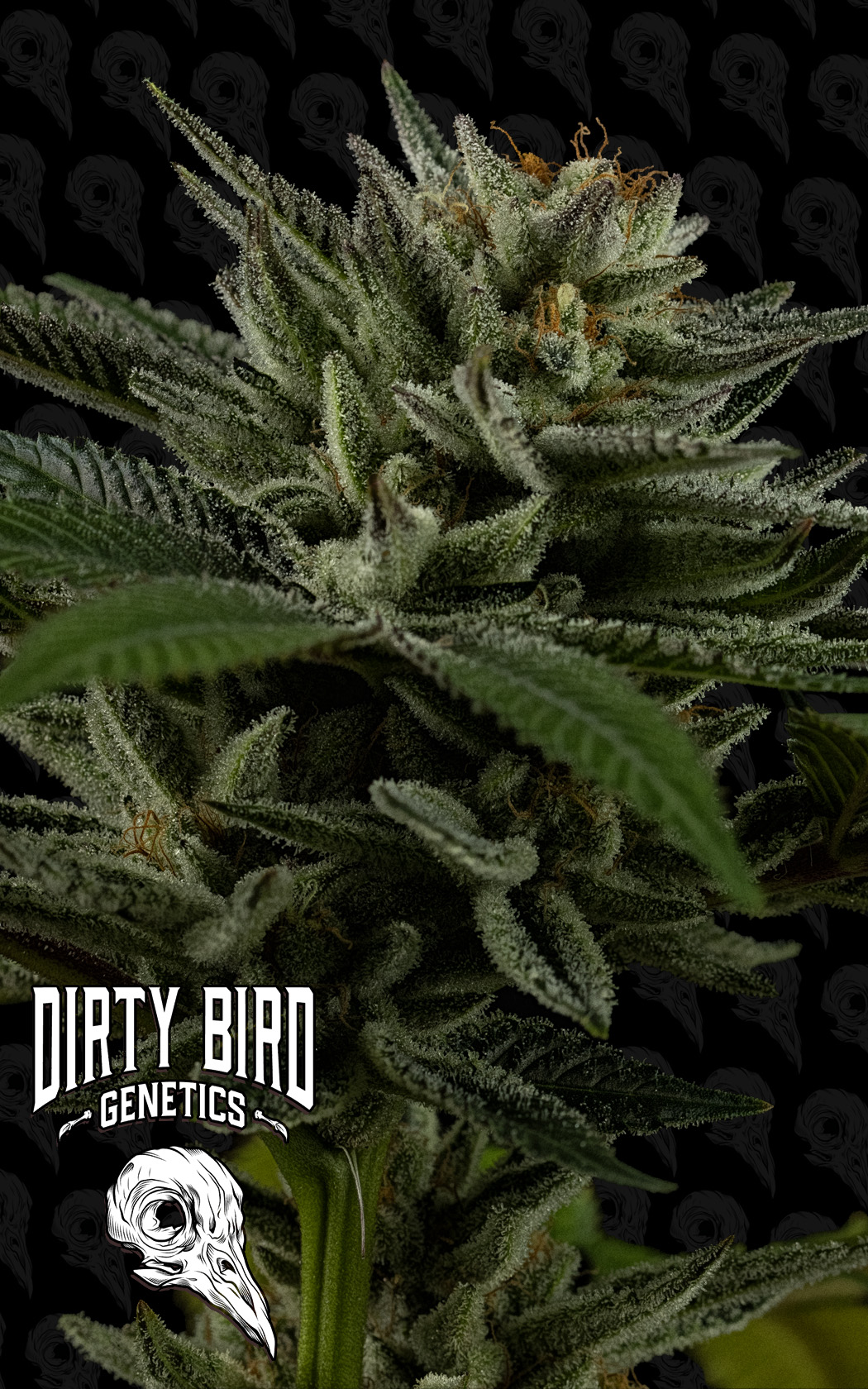
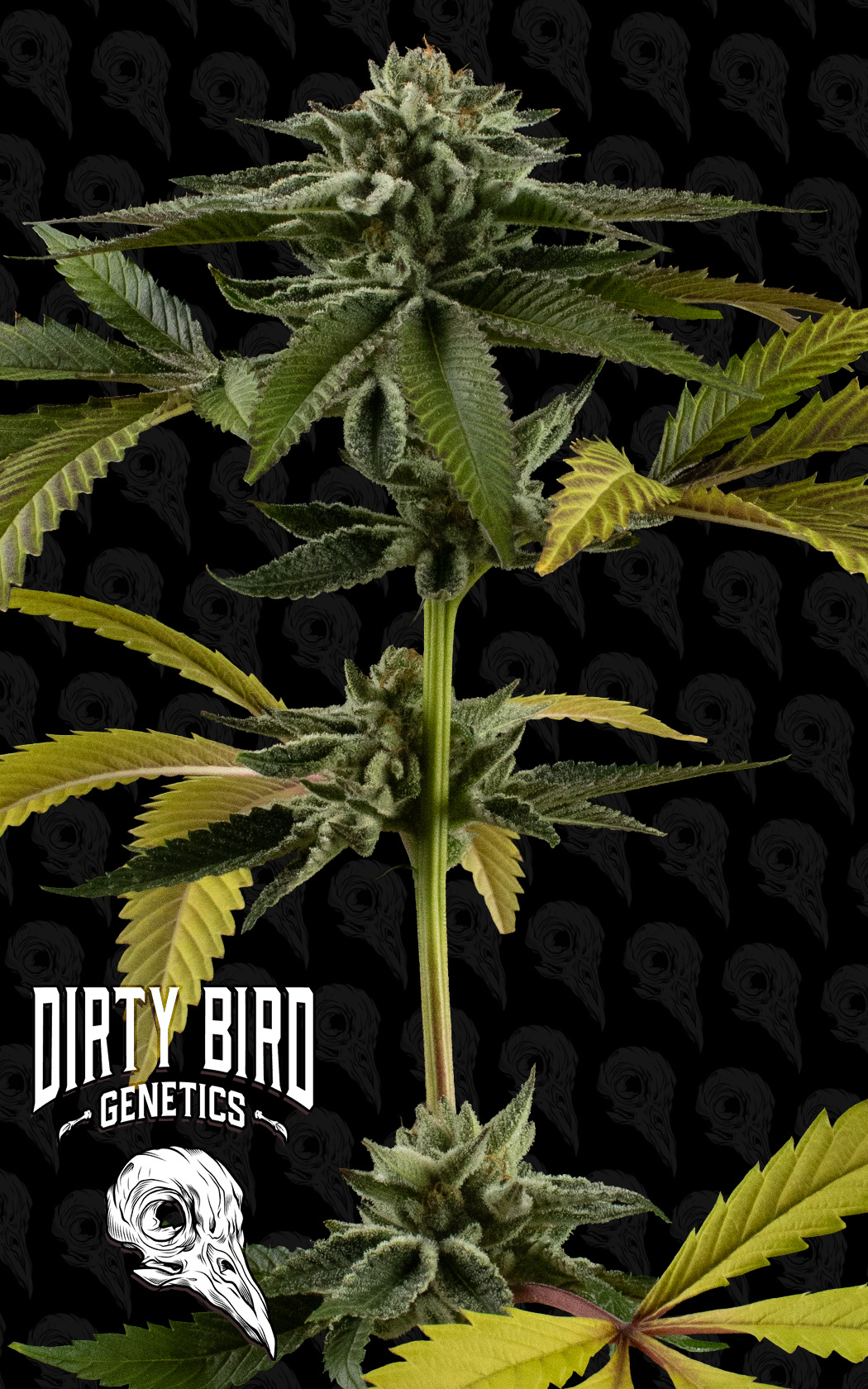
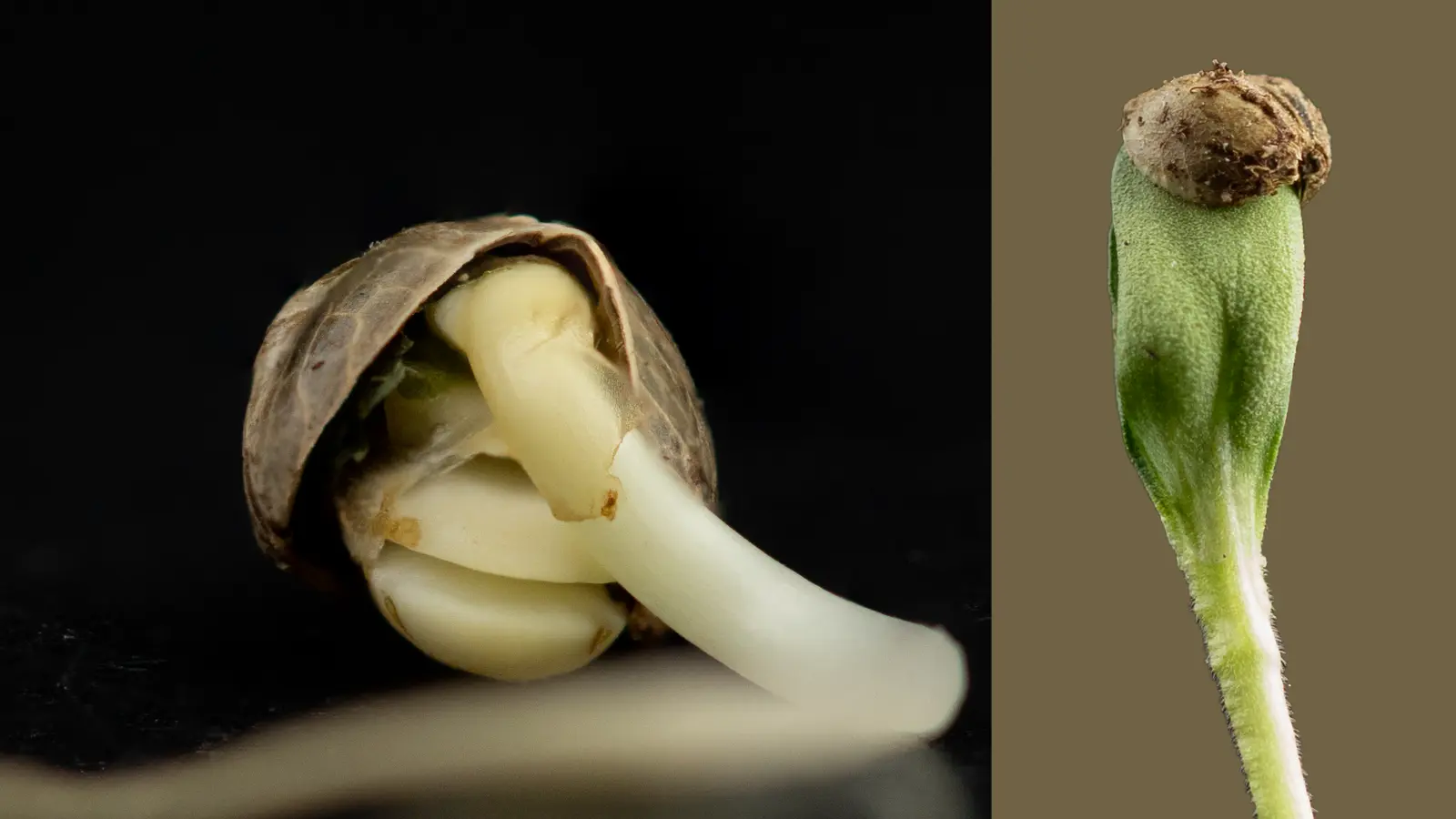
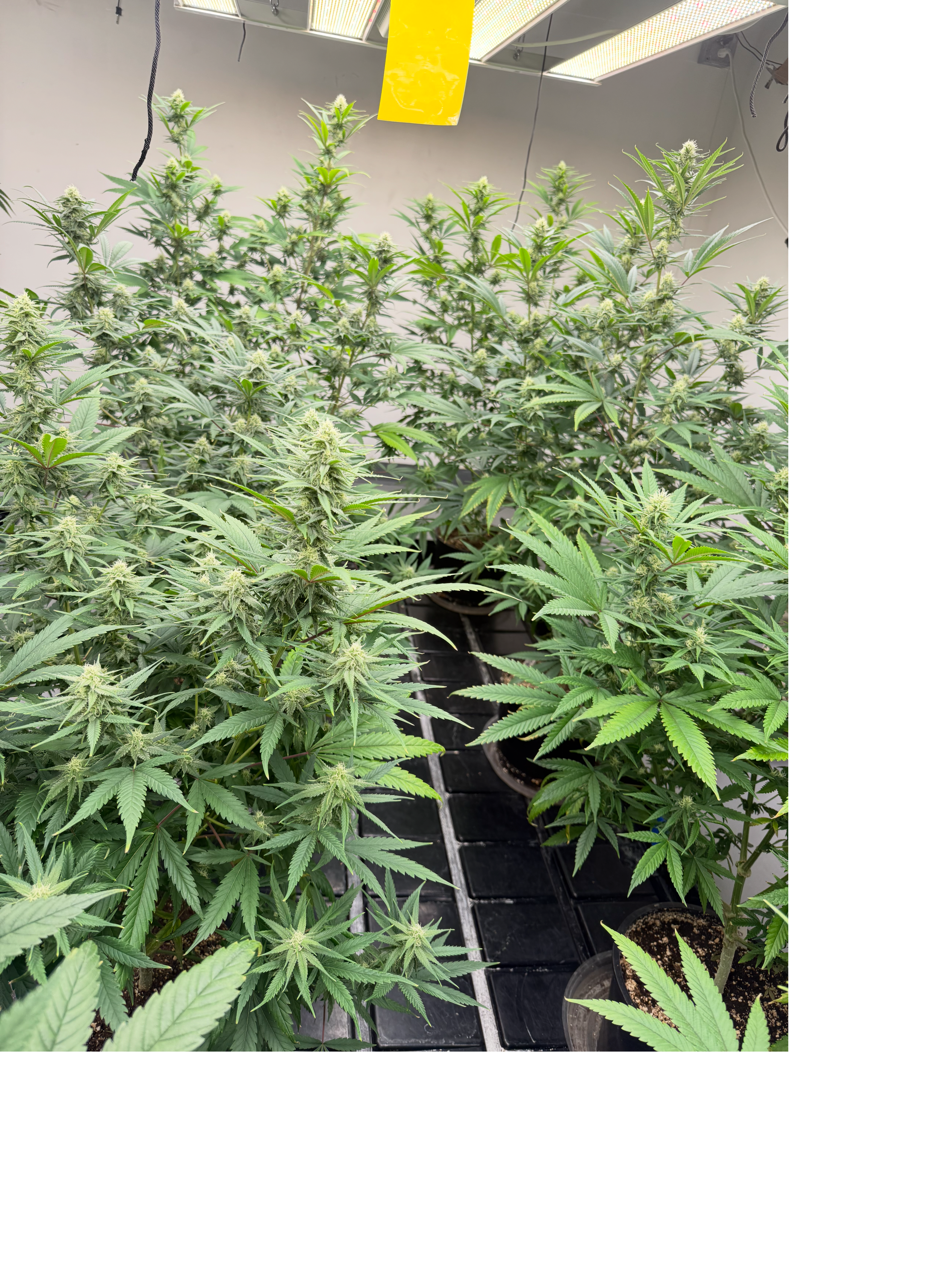
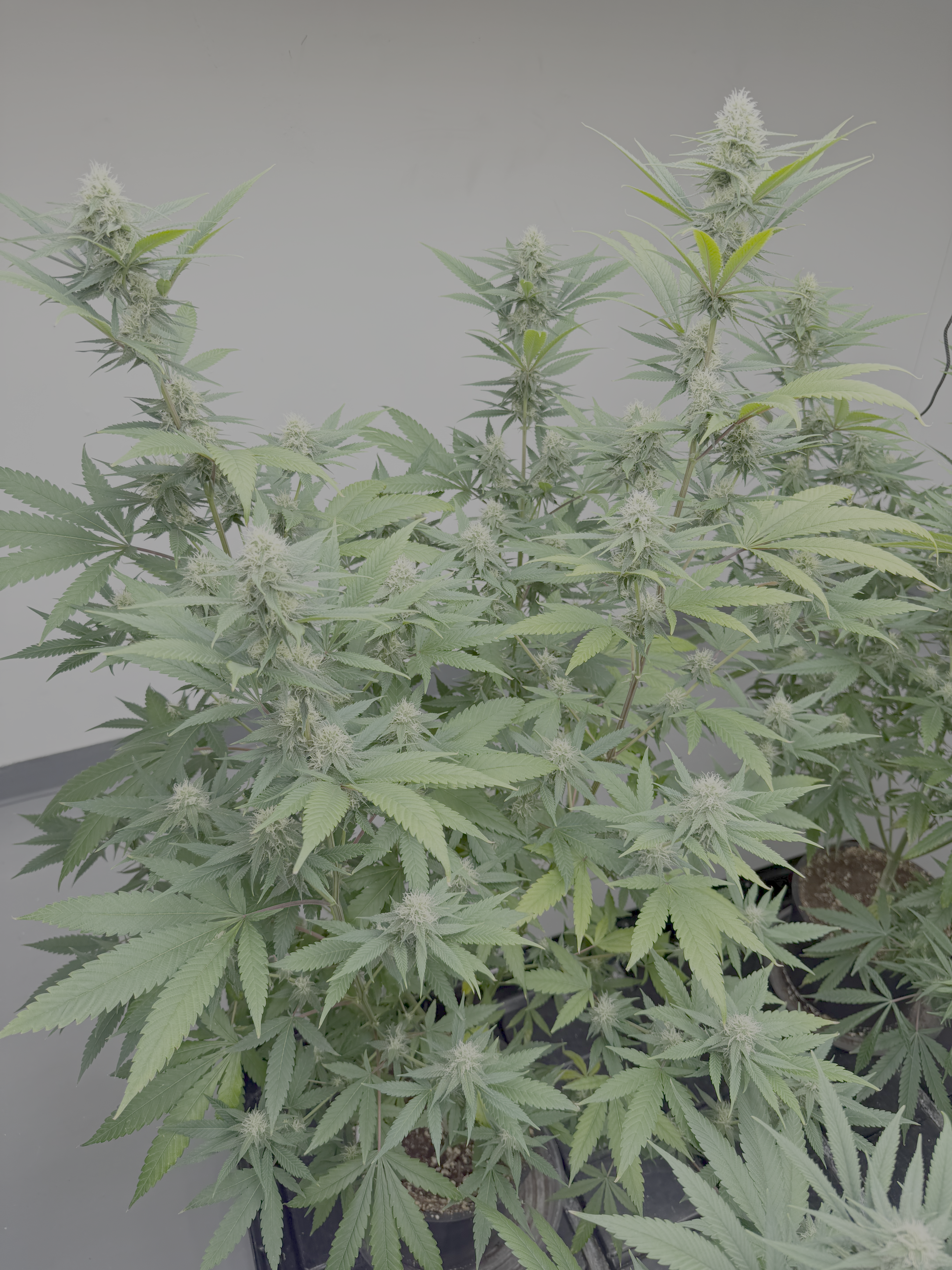
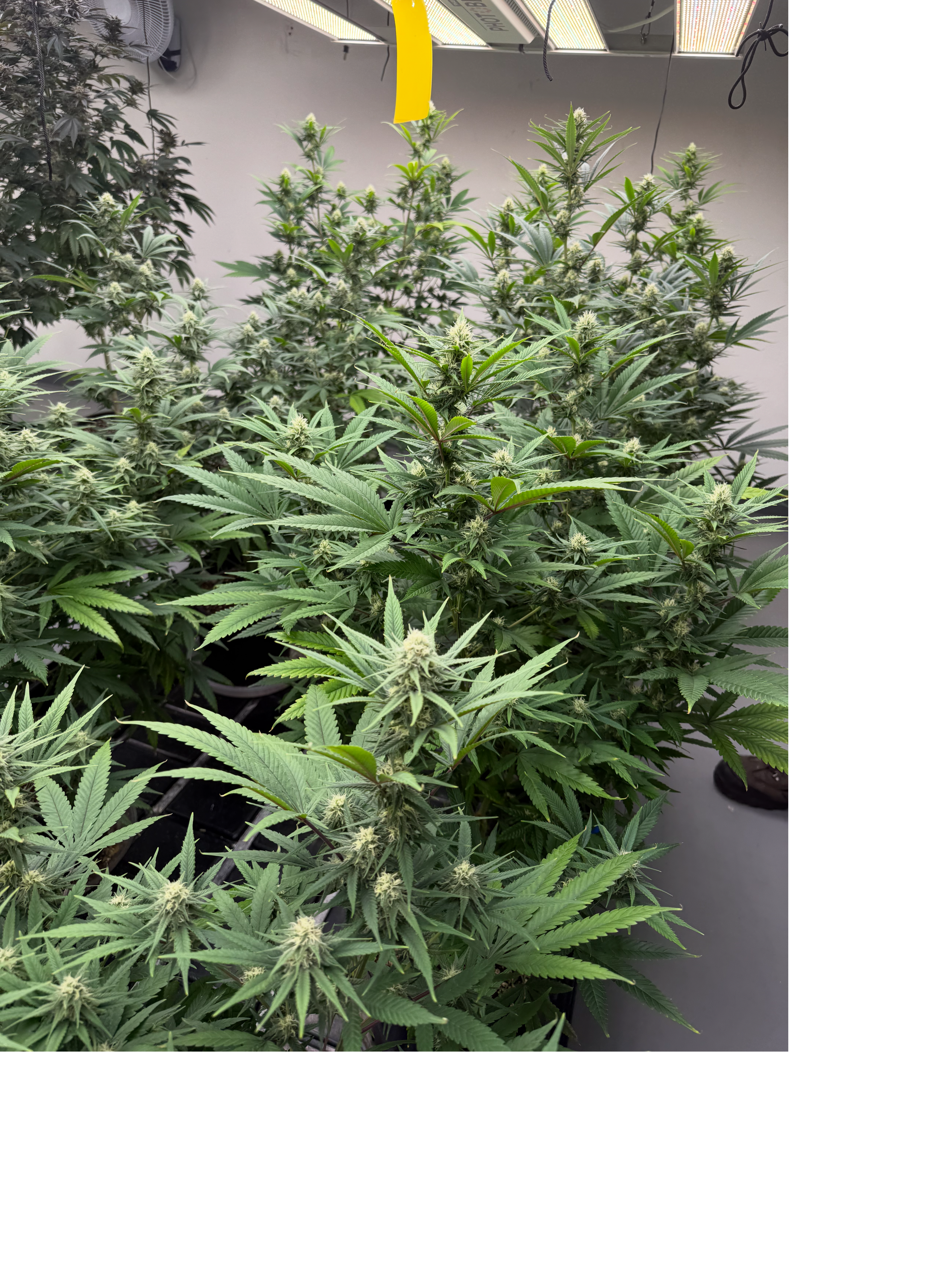
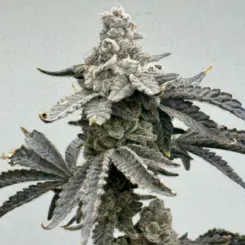
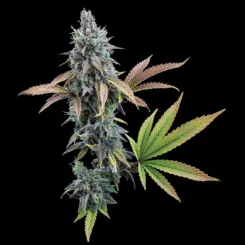
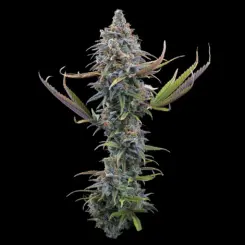
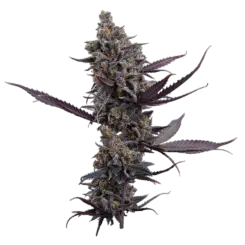
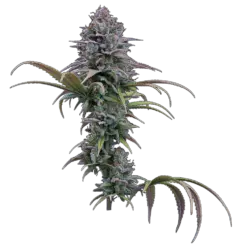
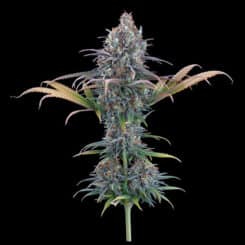
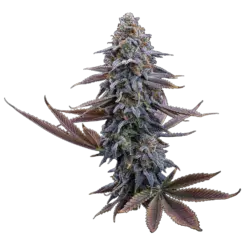
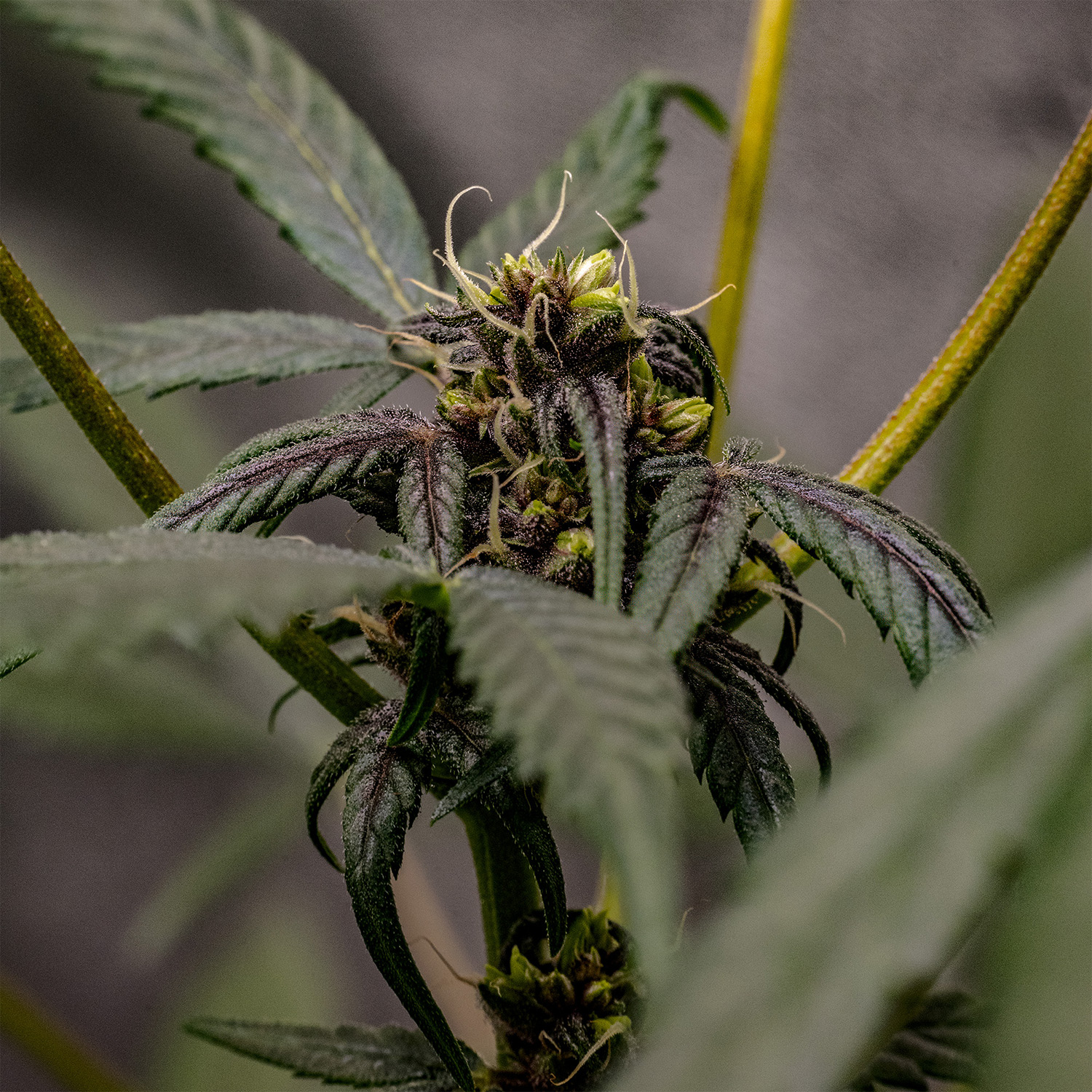
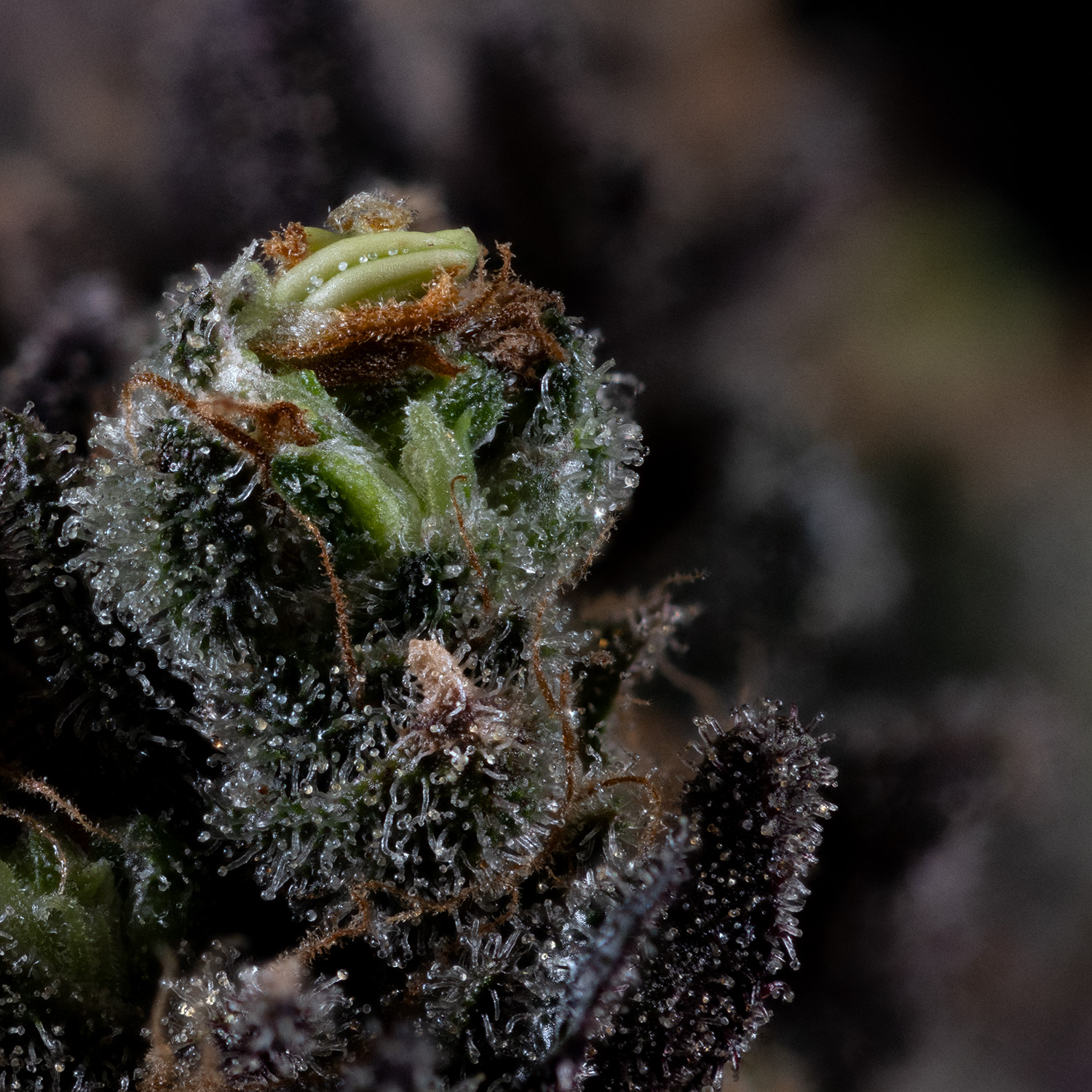
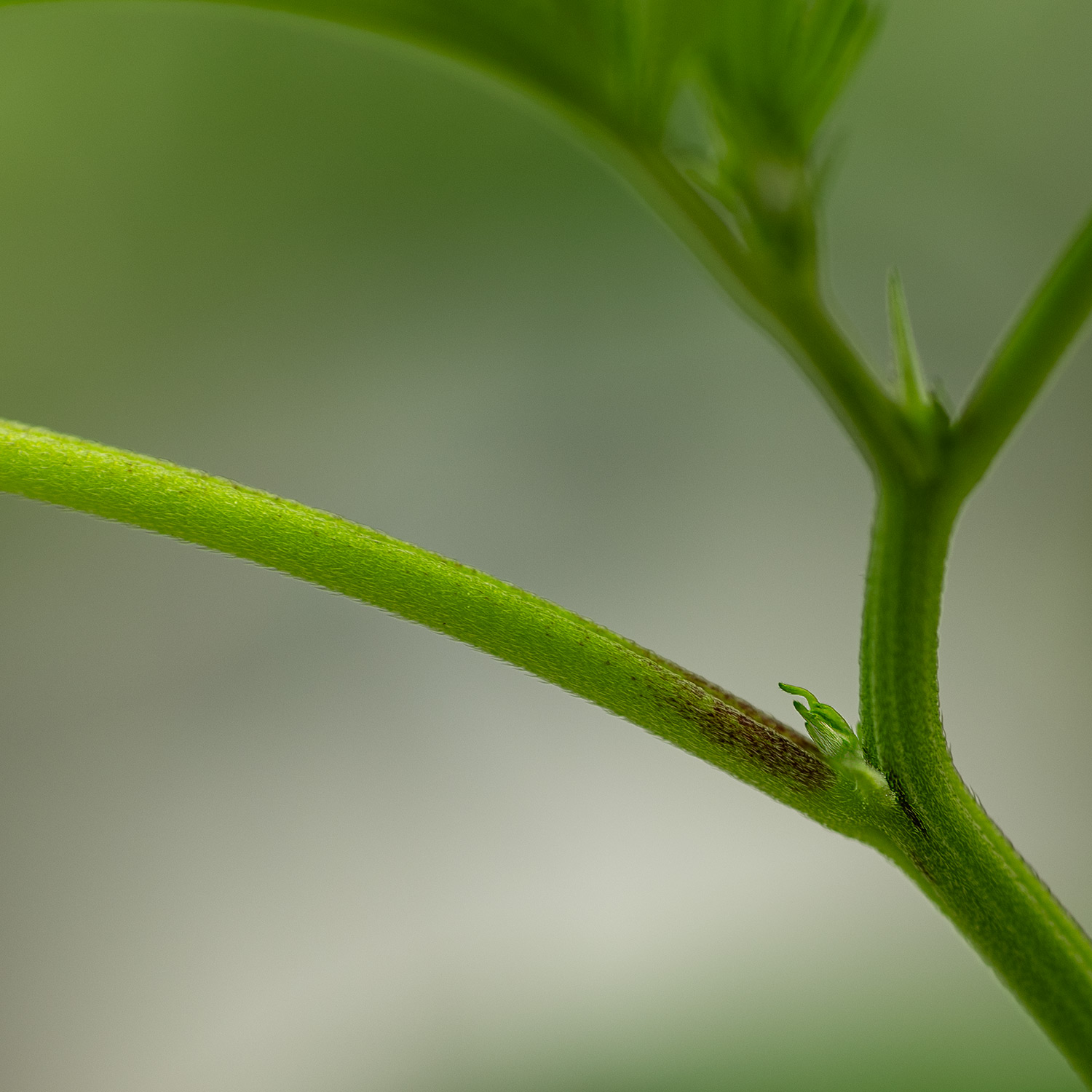
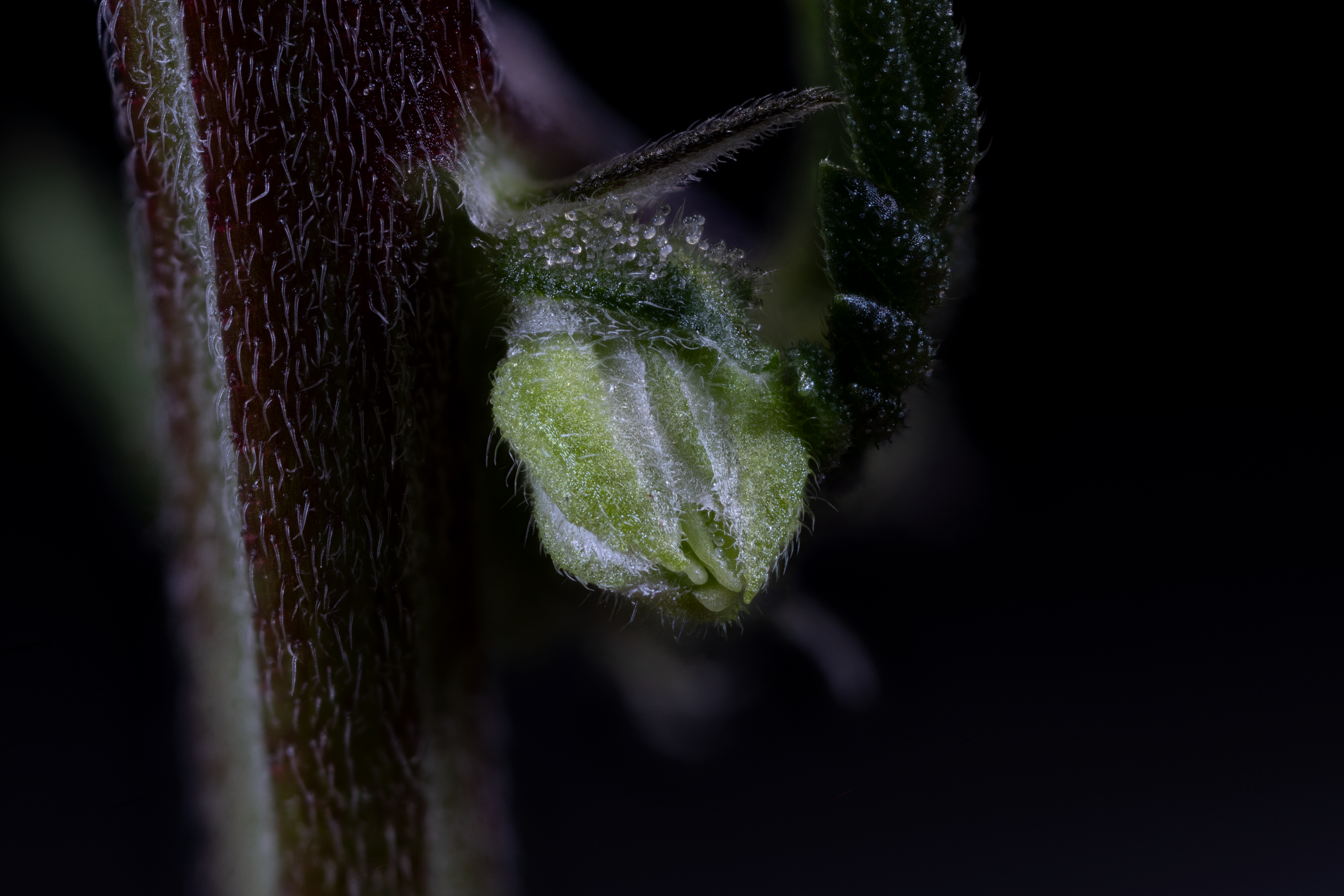
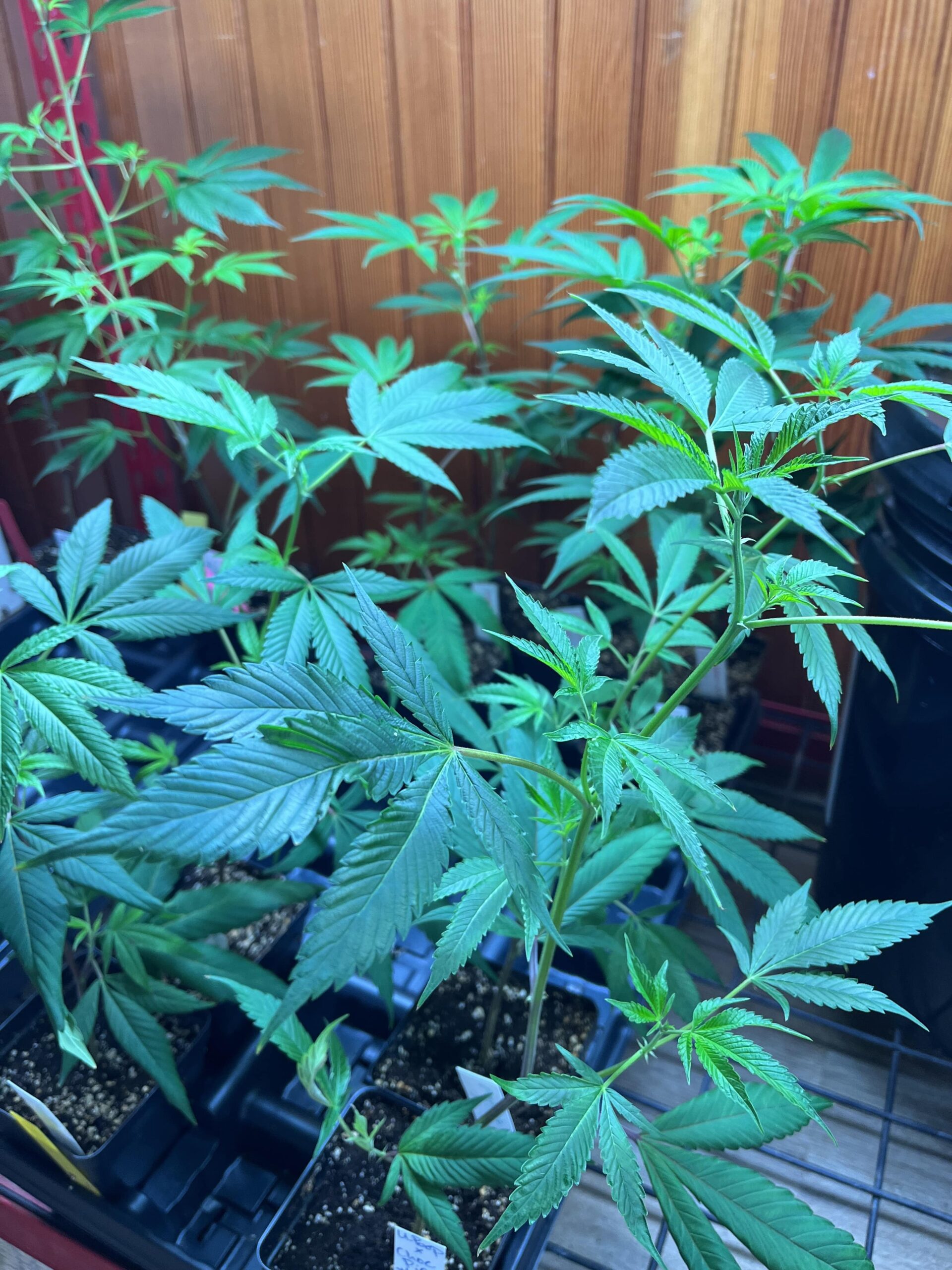
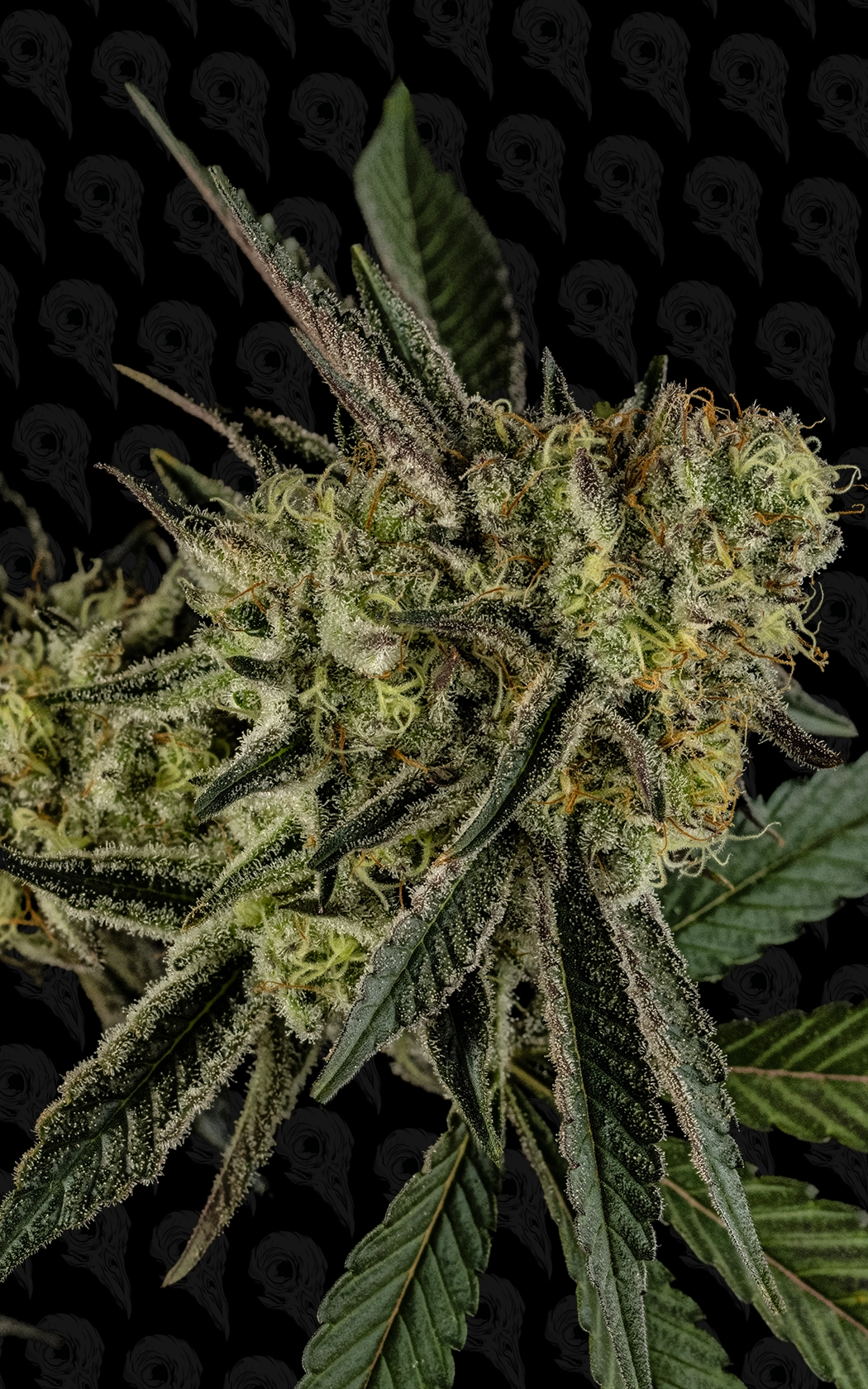
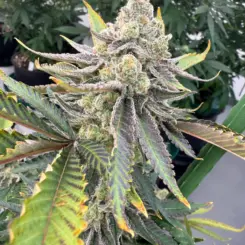
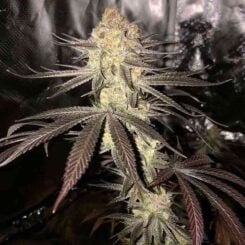
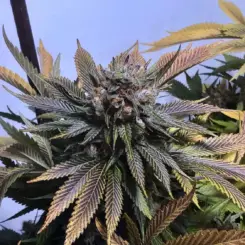
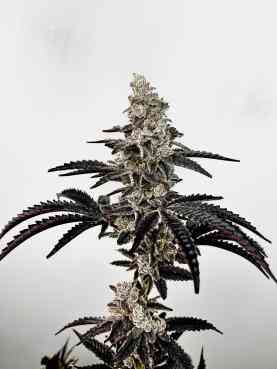
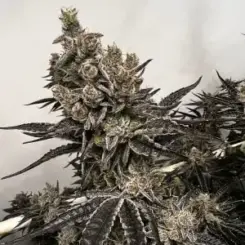
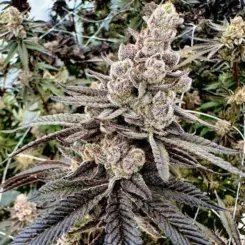
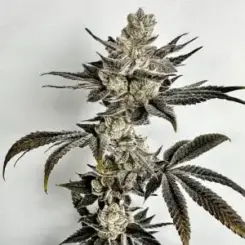
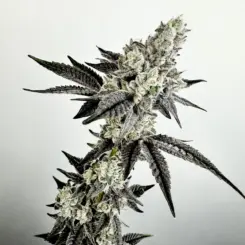
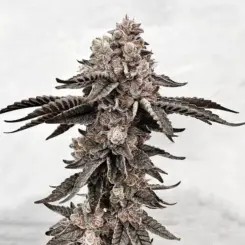
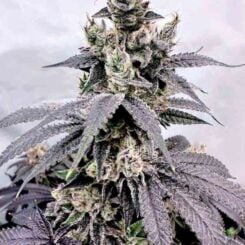
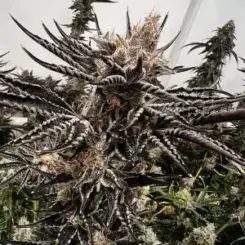
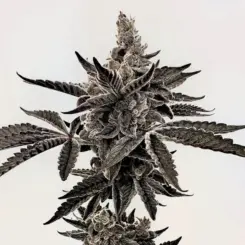
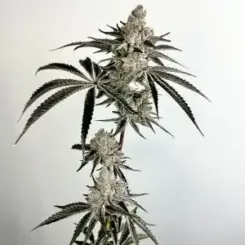
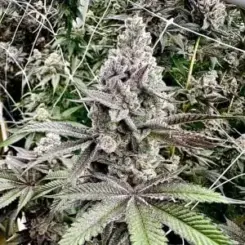
Topping a plant is a very simple process, but understanding exactly when, where and why to top a plant can be overwhelming for the beginner grower, so I’d like to share our process for topping plants here at Dirty Bird Genetics + NASC.
How to Top a Cannabis Plant:
You will need: A clean razor + clean hands - that’s it!
Gather your sterile razor and the plant you wish to cut.
PRO TIP: We keep a cup of bleach near our cloning station and throw used razors into the bleach after we take cuts from each plant. We use one razor per plant and never reuse a razor when moving on to a new plant. This helps stop the spread of disease in the grow space, which often, we are not privy to until it’s too late.
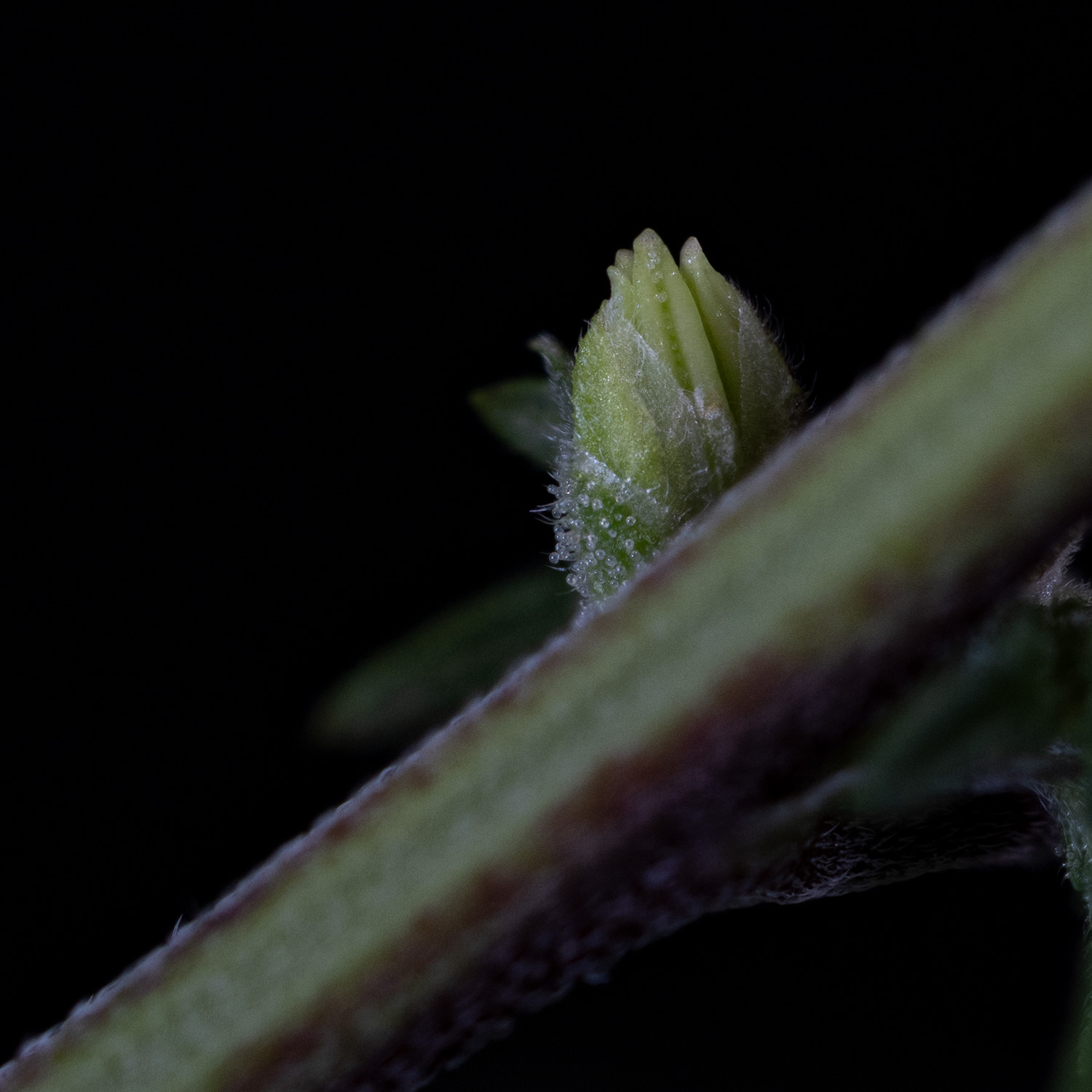
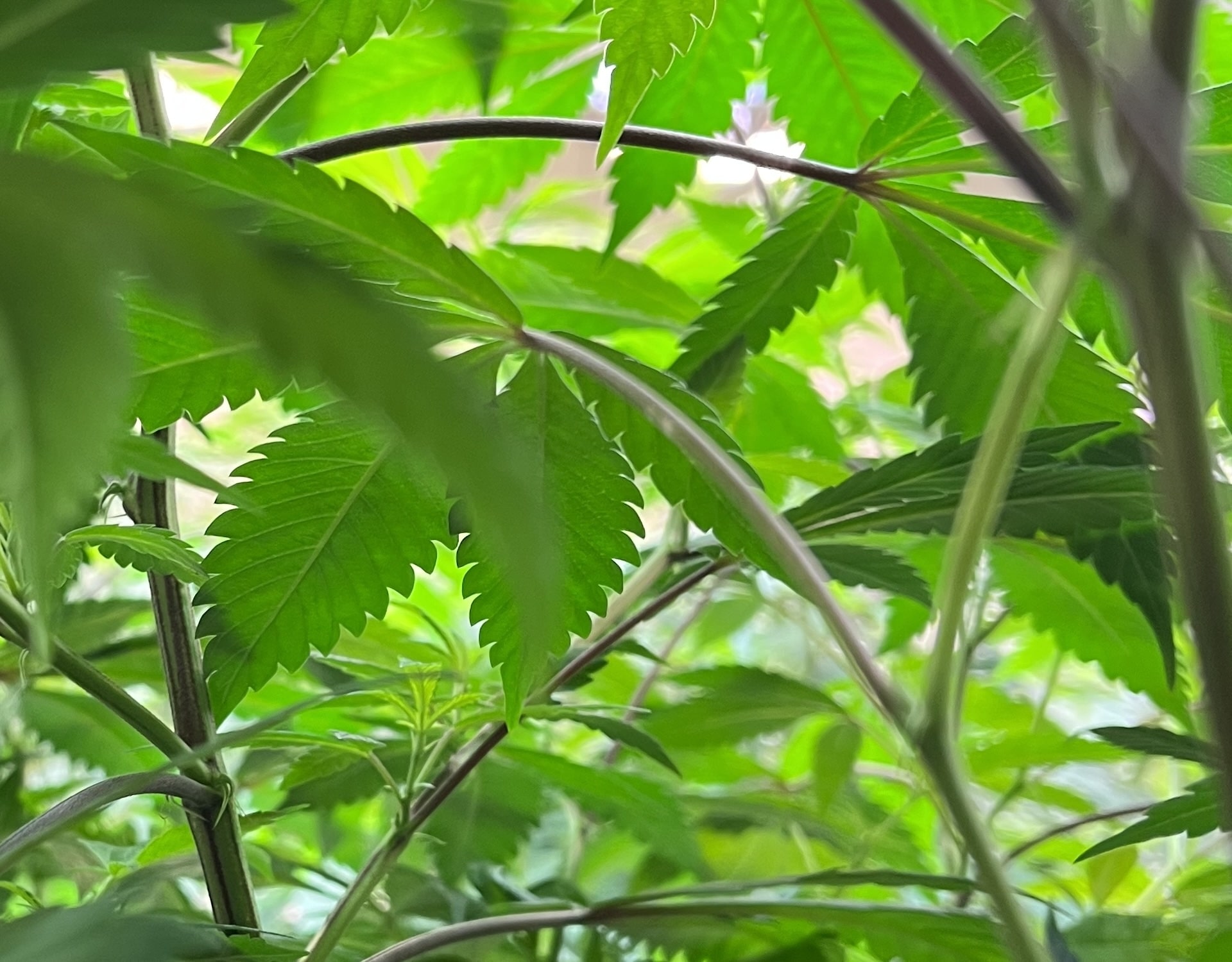
Take your cut off of the main stem, above an internode, but as close to the internode as you can get without harming the foliage below.
PRO TIP: You want at least two full sets of leaves (not counting the cotyledon) before you top the plant. This will allow 2-4 new colas to develop.
Now let your plant rest and recover! It’s as simple as that.
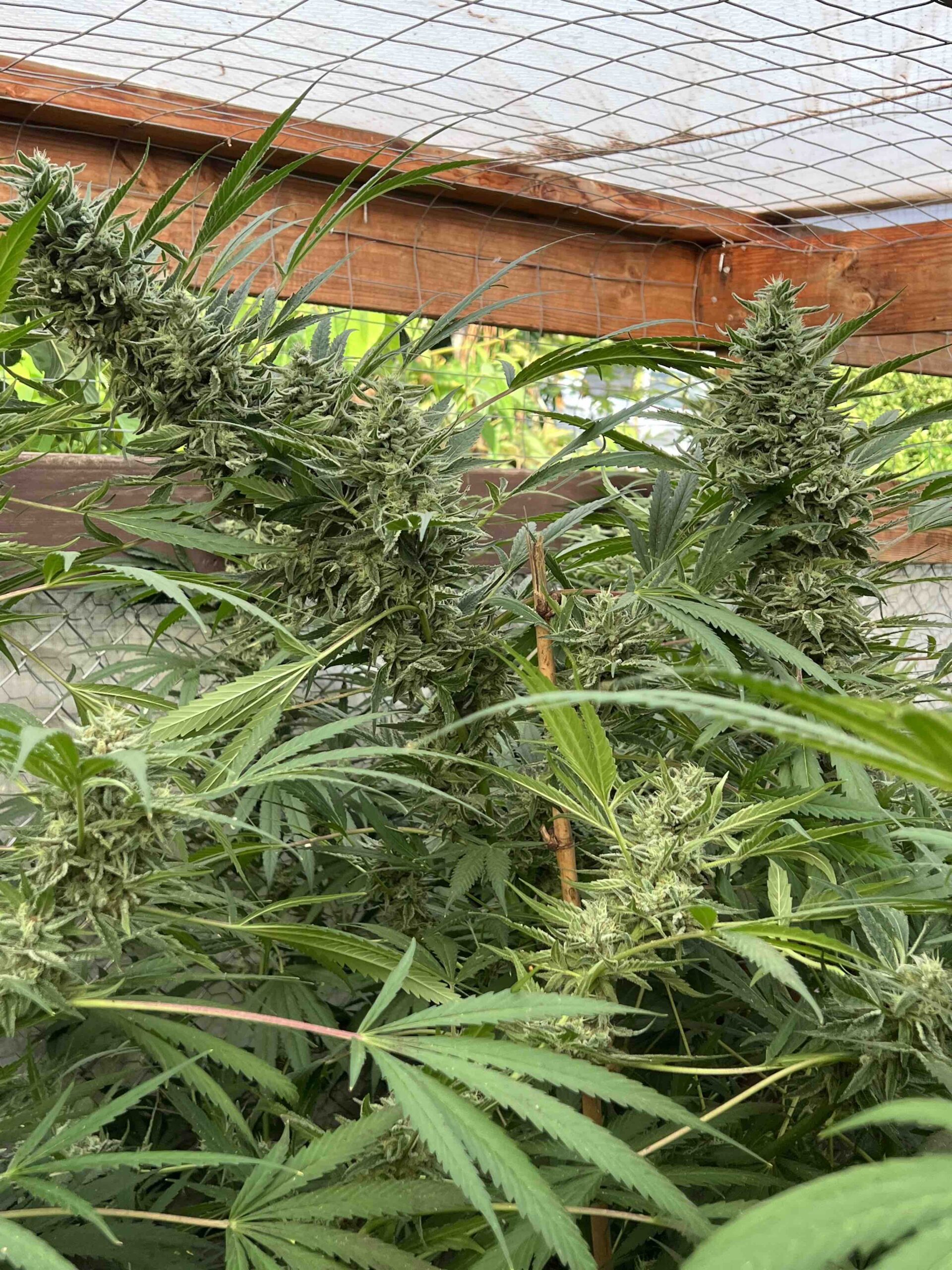
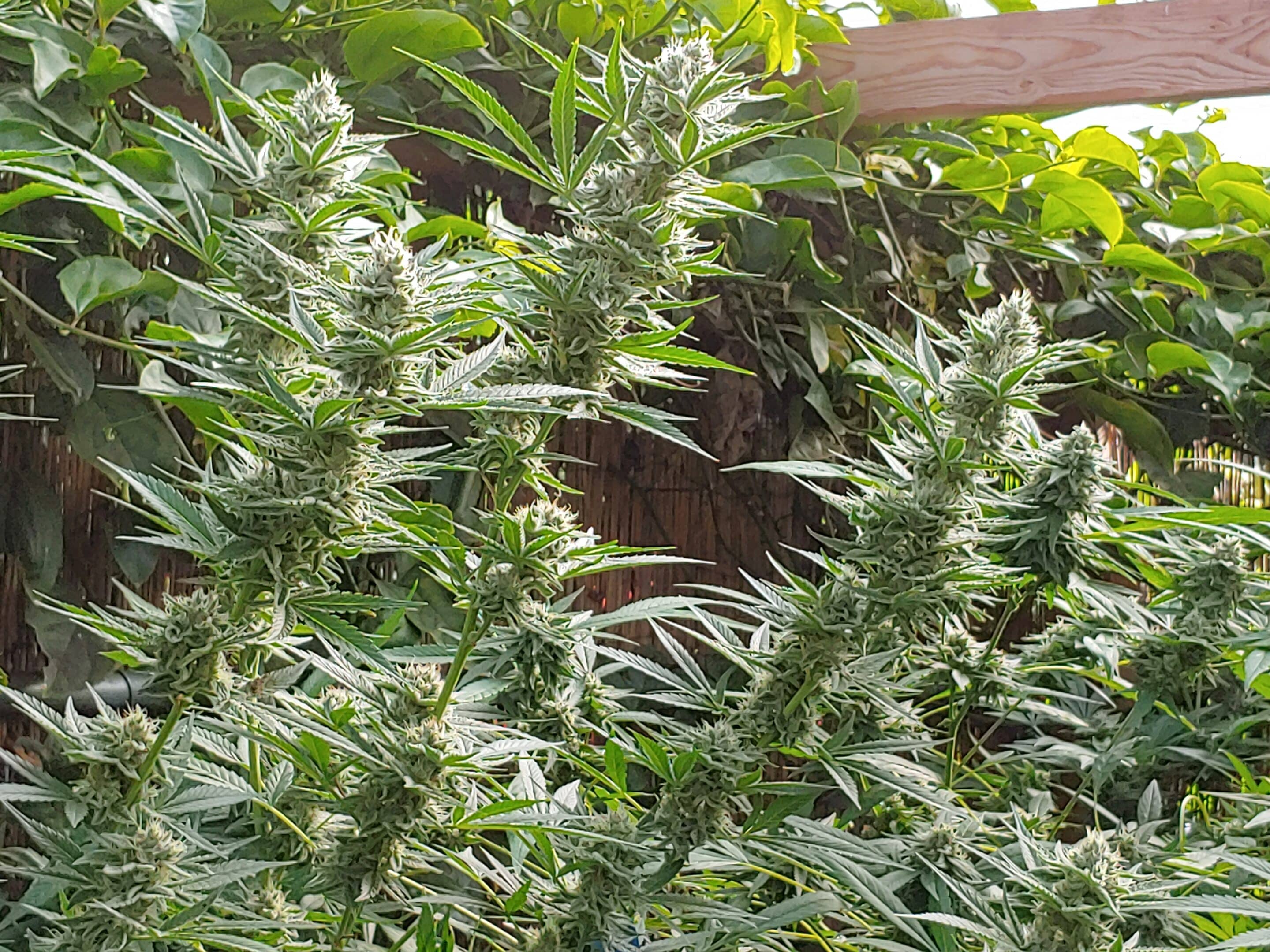
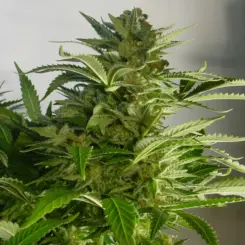
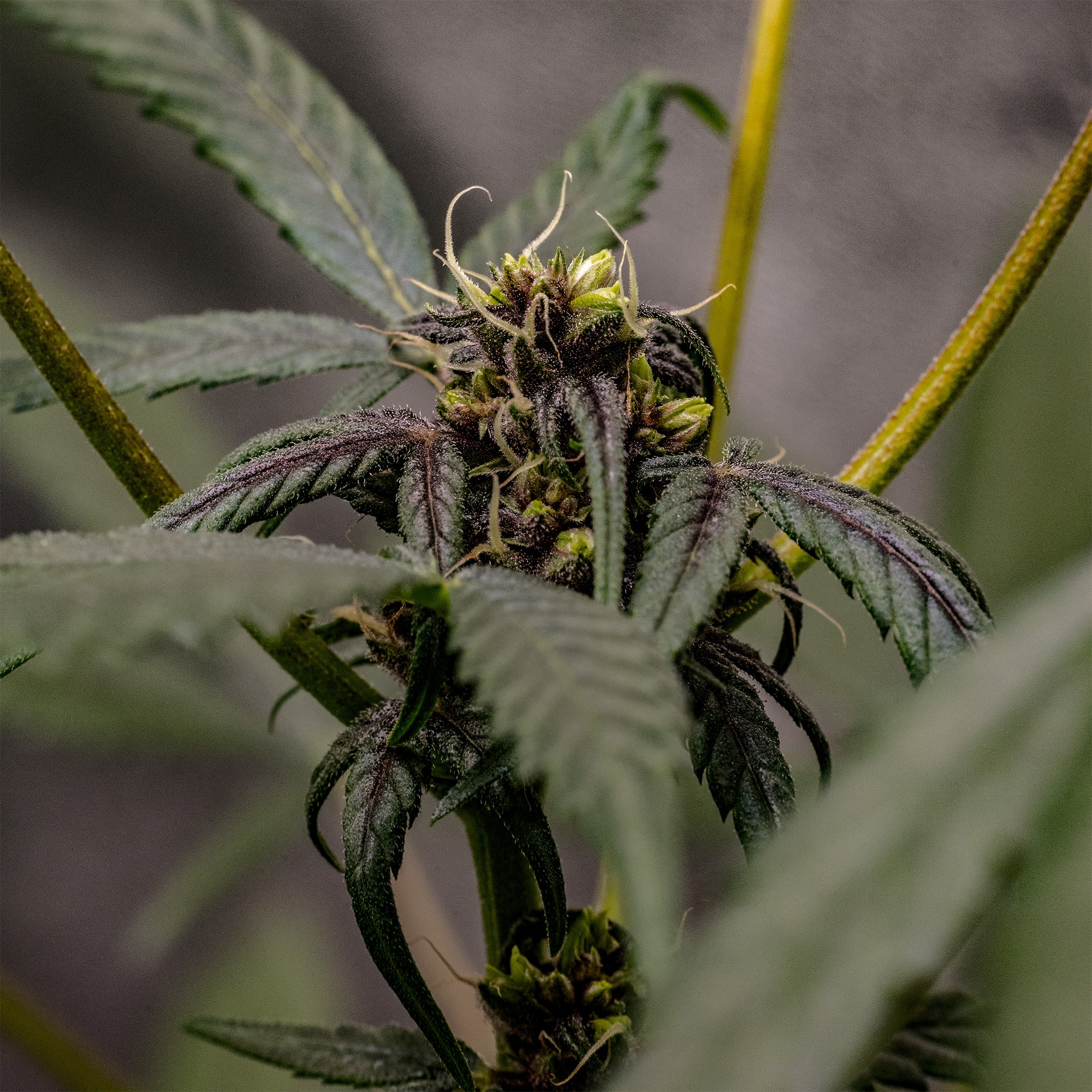
Before long, you will see 2-4 new colas emerging and developing.
When + Why to Top a Cannabis Plant
Choosing whether to top a plant or not is a personal decision, and one that should be made with genetics and your end goals in mind.
The primary reasons to top a cannabis plant include:
Height + growth control: If you have limited vertical space, topping your cannabis plant at the right time can help the plant fill out laterally versus vertically.
Yield: Each time you top a plant, if done correctly and timed correctly, you turn one main cola into 2 - 4 new main colas. Main colas, also known as apical buds, are located at the top of the plant's canopy and develop into the largest flowers on the plant. You can really increase yields on most cannabis plants by selectively topping them. You definitely don’t want to go hacking away willy-nilly. That will cause unnecessary stress to the plant. Intention and timing is key here.
Even canopy: Topping and training plants can create a nice even canopy once your plants are placed into their final home for flowering. An even canopy is desirable because it allows for optimal light placement and penetration, and optimal yields.
When to Top a Cannabis plant:
DO: While you could feasibly top a cannabis plant once you have two full sets of leaves (not counting the cotyledon), we prefer to wait until we have 3 sets of leaves or more before topping our plants so that we don’t stress the plants out too much during their critical first couple of weeks of life.
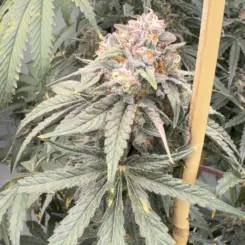
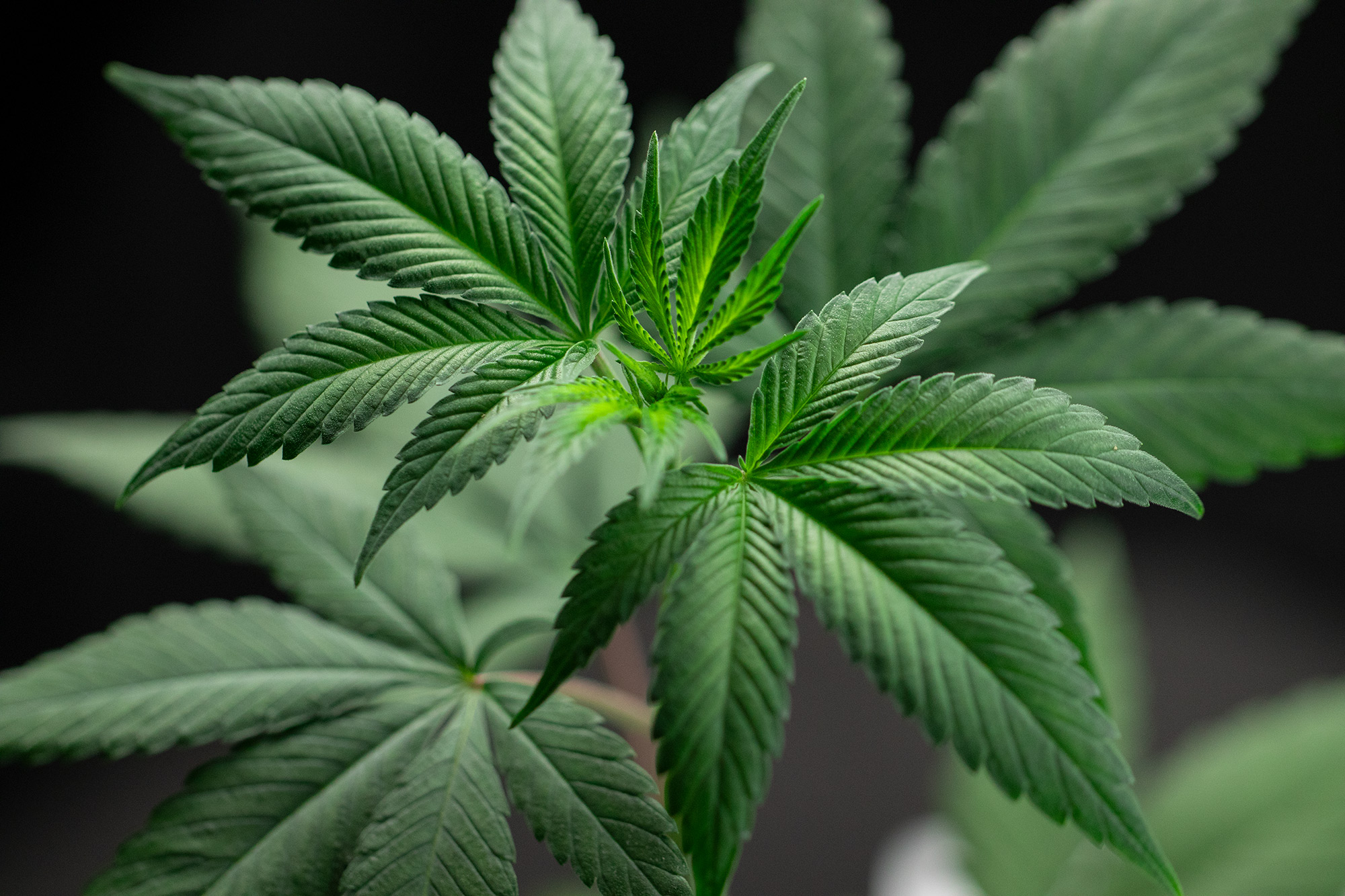
A freshly topped plant with several sets of leaves below the cut point.
DO NOT: If you’re growing a photoperiod plant, we do not recommend topping or training your plant in the two weeks before you initiate flowering (12/12 light cycle). If you’re growing an auto, I wouldn’t recommend topping once you start seeing pistil development. Once flowering begins, you really want your plant focusing its energy on developing flowers, not on vegetative repair; this will help maximize yields in bloom.
Most plants do very well topped once along the apical meristem (the main stalk of the plant). A second round of topping can be applied for larger cannabis plants with a longer veg. If you choose to top your plant again, you will want to allow the 2-4 new main-stalks to grow up large enough that there is at least one internode and leaf set to top from.
Should I top an autoflower plant?
Jury is out on whether topping an autoflower plant does more harm than good, and I’m certainly not an all-knowing authority on autos; however, we have experimented with this a lot in-house trying to answer this very question. In my experience, it comes down to the overall vigor of the plant. Some auto genetics are more vigorous in veg than others, and those tend to do better topped than a plant that has less vigorous vegetative growth. Height might be another consideration. If you find yourself with a tall, lanky autoflower, I think it’s reasonable to top it so long as floral initiation hasn’t begun. The slower-growing the plant is, the less I’d recommend topping because you really want all of that plant’s energy going into the growth of the plant. Ultimately, topping a plant does cause a flesh wound, and the plant will have to divert some of its energy to repairing that wound. It’s up to you to weigh whether that loss of energy is worth it.
Sour Lime Haze x Moose n Lobsta
I hope this guide on how to top a cannabis plant was helpful to our beginner growers out there! Happy Growing, and stay tuned for more beginner friendly content to come!
Shop Low Maintenance Strains Here! Recommended by Breeder Product Description!
Let’s start at the beginning—what was your first connection to cannabis, and how did that evolve into breeding?
I had two older brothers that first introduced me to Cannabis at a young age. I began to grow my own plants indoors in my late 20s from seeds ordered out of Marc Emery;s Cannabis Culture Magazine. Once I began growing regular sex seeds were the only thing on the market and discovering males led to personal projects to try and make my own seed as well as make crosses out of the seeds I was buying and the clones I was able to trade for.
Before you were working with cannabis, you bred reptiles—how did that experience translate (if at all) to working with plant genetics?
Yes I was in the reptile business during my late teens and into my 20's. I did importing and selling, private shows and parties for children and breeding large constrictors in my basement. Snake genetics and plant genetics are similar in the way we phenotype and isolate dominant and recessive traits. Colors, patterns, features can be found in certain genetic make ups and selective breeding in snakes or fish or dogs, or anything really, brings those traits to dominance. Once you have a stable version expressing the traits you desire, it's a matter of math and numbers to hit that desired genetic makeup. With seeds the life cycle is quicker then with an animal and the feedback is very fast. This allows the breeder to be able to move through many generations of parents and progeny and have a very large number of plants to sift through to look for what they want. Naturally the seeds became more interesting to me and the hunt was addictive.
Was there a particular strain or experience that solidified your love for cannabis? Any mentors that helped guide the beginning of your journey?
Over the years there have been a few stand outs. I think every 10 years or so a strain comes around that just seems to check all the boxes for the end user, or they make some special memories around that strain and it becomes a favorite. I believe this is universal and I've had a few standouts that hold great memories for me. Blue Moonshine was my first seed purchase alone with Skunk no.1. Great White Shark and White Rhino spent a couple years with me cutting my teeth and learning to grow at a bigger scale. Cutting clones and keeping mothers was learned in the White family. I had a mentor during this time in my life who would show me the ins and outs of illegal indoor cultivation and buy all the seedless product each run. I would get serious about actually developing a brand and breeding for the public a decade later and meet Mike Trichome from Stone Age seeds over social media. A friendship began and he sent me my first real genetic material that started to change things for me. Mike ended up passing away and I have continued to line breed the material he set me up with in his honor. Another fallen friend was a great up and coming breeder, Jimmy Gemelli from Beyond Top Shelf who unfortunately passed just as he was about to crack into bigger things.
FROM CANADA TO NASC
You're based in Ontario, right? How has the Canadian cannabis scene influenced your work, especially with all the changes to legalization and medical access over the years?
It is really hard to operate in Canada for a recreational seed breeder. I don't promote here anymore or do events here and prefer to travel to the USA for Omuerta. The laws here, although federally legal, prohibit me from having a business bank account or having a line of credit. As the landscape changed here from illegal to federally legal across the country, the black market imploded for a while and things got really nasty out there as people realized they were going to be out of work. I chose to retreat to my grow room and concentrate on breeding and diving into the work.
We’ve been lucky to carry your work at NASC for a few years now. I think you first met Beth at a trade show—do you remember how that relationship started?
I have scratched my head and thought about that day many times since. My only answer is destiny or fate or karma returned. I had emailed NASC a few times trying to speak to someone and offer a sales pitch but I am really not good with selling myself. I tend to be very hard on myself and my own worst critic at times. I was at my little table when Beth walked up and introduced herself. She told me she had heard about Omuerta Genetix all day from people at the show and so she came over to investigate and thankfully she liked my pitch and offered to carry OG at NASC. I have had a great relationship with Beth and some of the people over at NASC since.
BREEDING PRACTICES AND PHILOSOPHY
Omuerta is all about regular photoperiod seeds—no fems at all. Why stick to regs in a market that often pushes feminized everything?
Honestly for me at the time it was what I knew. I come from a time where intersex plants were killed off and not let to muddy the genepool. They were shunned as inferior and a problem. My personal opinion on fem seeds is they are a great way to bank a cutting in stasis, to bring a cultivar back to stable neutral seed form for storage to back up a strain. The market has shifted and demanded feminized seeds for ease of use with smaller plant counts and more numbers of new growers coming into the hobby. The age of fast and easy is upon us and people don't want to waste time growing males. They don't have the space or desire to use a male plant and so feminized seeds are more attractive to new consumers. But I believe for procreating purposes, a male is always needed to either bring in vigor or reestablish traits that are beginning to drift. I wanted to breed for breeders knowingly putting strong high quality males out there for people to use and do exactly what I was doing when I started. make their own seeds and play around with crossing stuff. That's my legacy. That was the idea anyway.
Many of your strains are developed to F3 and beyond, or IBL. Why is that kind of genetic stability important to you?
Anything that is F3 and above, I really like and linebreeding was a way to preserve the seed as well as a personal stroke to my self esteem to continue to raise the bar on myself. I long ago ripped off the rear view mirror and stopped watching what everyone else was doing. I compete with myself to get better, to show my work and to still be passionate about projects and not just turn out what I think will sell or what's hot right now.
You also use probiotic and organic practices in your breeding—how do those methods impact the final product and the health of the genetics?
I am very proud to state that I have not owned a PH meter for years. All Omuerta plants are raised probiotically and organically in living soil. I was turned onto this method of growing by Alan Adkisson who runs the Probiotic Farmers Alliance and has a product called Grokashi that promotes mycelium growth and is a secret weapon for overall plant health. The use of probiotic techniques with organic teas and living soils produces a stronger seed that is resistant to pathogens and has a stronger immunity for those first few weeks of life. The parental stock, their parental stock have never seen a salt based nutrient. It is my philosophy that healthy roots bear tastier fruits.
You’ve mentioned that THC isn’t your focus—that you care more about the full experience, including minor cannabinoids and terpenes. How do you think the industry’s obsession with THC numbers is affecting breeding?
Honestly I think we are quickly running off a cliff with all these clone reversals pollinating other offspring of clone reversals. By chasing a high THCA number for a market that is beginning to be trained to buy only the highest number, we are going to lose a lot of great Cannabis that has taste, effect and medicinal properties for a selling point. I often offer this analogy when speaking about cannabinoids. Imagine going to see your favorite band and only the lead singer is plugged in... That's THCA. Now imagine up close and personal with your favorite band playing in a warm auditorium where the sound is crisp and the bass you can feel in your chest.. That's all the cannabinoids working together at different levels to bring you depth and effect.
PHENO-HUNTING AND STRAIN SELECTION
This one comes from Ben at Dirty Bird—he’s a huge fan of your work and wanted to ask: What traits do you prioritize in pheno hunting? Yield, terps, plant strength, etc.?
Thank you Ben , I am honored sir! First thing I do is research the 2 parental strains I am considering working with. I want to know everything in their genetic make-up history and see if there are any similarities or genetic matches in the background. My theory is like an organ transplant, if you got a liver from your cousin it may work better than a liver taken from a stranger and not be rejected as easy. Then I look for the chassis or structure of the plant. I want vigor and health so that I know I'm getting the plant's true expression, or close to it. If I have that the terpenes and anthocyanins should be very active and expressing as well. Then I go by my feelings. Some breeds will not turn out. Some seeds will take too long or the plants aren't receptive to the pollen and take a couple doses. You can do everything right but sometimes a little luck comes into play as well.
If you’re selecting for terpenes, do you use a certain scale or method to evaluate them, or is it more of a gut feeling?
100% Gut feeling... If I like it or if I think I could compliment it I chase it. I do look at terpenes sort of like the colors on a color wheel and try to match scents and tastes that compliment instead of clash. Some people ask me why I haven't crossed Thousand Oaks with 72 Virgins?! And I think eww sounds like a gross combination, you do it yourself.
GRASSROOTS CANNABIS & INDUSTRY THOUGHTS
You’ve been a medical patient for over 20 years. How has that shaped your understanding of what cannabis should do for people?
I think Medical needs to come first as we got recreational and legal status off of their backs. They opened the doors and went to prison for us decades before we had the option to drive down to the corner dispo and buy a preroll. But I also think medical cannabis isn't the end all / fix all for most people. I think a healthy diet and physical exercise combined with a proper sleep schedule as well as proper medication and a Dr's input is probably the more responsible way to go. For people that are on extreme pain drugs or can ease their afflictions by a little cannabis, I think it should be a human right.
You’ve got deep roots in the grassroots community—and even risked a lot to provide access in the early days through your dispensary. What does grassroots cannabis mean to you today, in an era of big money and corporate weed?
It still exists in pockets of America but it will end soon as the corporate machine moves in with more money and lawyers. The Canadian model is unfortunately coming for everyone. Large corporations with subpar product and governments charging exorbitant taxes on it.
What’s something you think the cannabis world is doing right—and what’s something you’d love to see change?
I love the fact that its considered normal now in Canada and no one cares where you smoke, I;d like to see the packaging rules change and get away from the disposable plastic tubes and cans that seem to litter the parks and forests recently. I would like to see a path forward for ma and pa shops that wish to grow and sell their own. I would like to see farmers markets and nurseries carrying live clones for purchase. There is still an area left to push the envelope.
You work with growers of all experience levels when testing your strains. What’s one piece of advice you’d give to someone just starting out as a grower?
Internet is great, there is a wealth of information out there in videos and podcasts and online articles and AI engines. But a few good books on Cannabis botany is my preferred source of knowledge and avenue of advice.
GOALS, PASSION PROJECTS & LEGACY
Of all the strains you’ve worked on, is there one that’s especially close to your heart or that tells a personal story?
Haydens Strain, Named after my daughter. Gunners Gift, Named after my dog. Quetzalcoatl as it was my first real release under Omuerta and 72 Virgins as it was the starter material gifted to me by Mike Trichome.
What’s next for you and Omuerta Genetix—are there any new projects or directions you’re excited about right now?
Well, funny you should ask that. As I just got done trashing fem seeds in some people's eyes, I have just released my first feminized seeds and will start going through the catalog with the plan to offer feminized seeds and crosses of all my IBLs. The market has demanded it and to stay relevant I must offer them alongside our regular sex seed drops.
What kind of legacy do you hope to leave behind in the cannabis space?
From day one I have said I envision my legacy to be seeds. Hopefully I have put out enough seeds and will continue to flood the public with seeds, so that one day long after I am dead and in the ground, Someone's kid or grandkid might find an old Altoids tin in a box in the basement. They open it and find a vial of tiny tiger striped seeds and decide to add a few drops of water to them. That's my Legacy.. In the wind.
If you had to sum up Omuerta Genetix in three words, what would they be?
We Build Soldierz
RAPID FIRE - JUST FOR FUN
If you could only grow one strain for the rest of your life, what would it be and why?
Gorilla Glue No.4 Its super easy to grow and just cruises through to finish. It always looks nasty and yields nice and the terps are like driveway sealant,,,, yumm.
What’s something about you that people might not expect?
I do not use a seed shucker or counter. I find the ritual of deseeding plants by hand and sifting them myself, hand counting and inspecting each seed before it is packaged and sealed, to be very therapeutic to me. I think it's very important for me to have that personal relationship with every seed that goes out with my name attached to it. It's not only the ultimate quality and assurance step but it has a very relaxing and satisfying effect on my mental state. I will continue to do things this way for as long as people will let me.
And finally—if you had to build a grow room with only what you could fit in a backpack, what are the first three things going in there?
A 315 watt LEC, the newest genetic release from Omuerta genetix. and a roll of red contractors "Tuck tape"
ENJOY MORE FROM OMUERTA GENETIX!
Omuerta Genetix
Omuerta Genetix is bred for a higher quality for the grower who demands the best… Tested rigorously by growers of varying skill levels and grown out from seed to full term by us BEFORE we decide if they will go on to you. All strains are pretested by real world growers in real world conditions under a variety of different scenarios before being chosen to release or rework. Designer strains of traced lineage cannabis bred for performance and long term husbandry. Many strains available in F3 and IBL status as Omuerta follows eugenics in cannabis preservation as well as creation.
NASC CAST x OMUERTA GENETIX INTERVIEW VIDEO: WATCH ON VIMEO
The evolution of the Brunch, Dirty Bird’s flagship strain
Take a look behind the scenes at the evolution of Dirty Bird Genetics signature strain, The Brunch.
Happy Mother’s Day to all the mothers here at NASC + Dirty Bird, to our own mothers, and to all of the beautiful mothers who have supported us over the years. We LOVE you! Today though, I’d like to talk about the evolution of one particular mother that really started it all for Dirty Bird Genetics: The Brunch (Peanut Butter Breath x Mimosa).
The mother of mothers, and the launching point for Dirty Bird Genetics back in the early 2020’s, The Brunch was the first breeding project that our team tested and unanimously, conclusively felt really good about: her apple terps, her gorgeous purple and maroon coloring, and her high-test, top shelf cannabis flower. She was more than the sum of her parts. The Peanut Butter Breath mother and the Mimosa father had come together in unexpected ways.
This original creation of The Brunch f1 will never be recreated because we’ve lost the Peanut Butter Breath mother that was used in the project. It was a mother I had preserved for many years, selected from a pack of Peanut Butter Breath by Thug Pug Genetics. These seeds were gold back in the day, and this cut was a favorite of many clone customers we worked with. She created incredibly dense, striking flowers with vibrant greens, purples, and oranges. Her bud was as top shelf as it comes, but her morphology left a few things to be desired. While she wasn’t tall, per se, she had very long internodal spacing and was prone to growing vertically much more than laterally. She wasn’t the best yielder, but the flower she did produce was phenomenal. Her terps could be best described by her name: nutty and earthy, but we knew there was more to draw out here.
The Peanut Butter Breath cut #3 by Thug Pug used to create the Brunch F1
The Mimosa father, chosen from a pack of Mimosa by Symbiotic, had beautiful morphology and strong, tangy terps that came through even on the vegetative plant. He was vigorous, sturdy, and perfectly proportioned.
In our test run of the PBB x Mimosa (Brunch F1) progeny, we selected two keeper phenotypes: the Brunch F1 #5 and the Brunch F1 #8. They weren’t perfect, but they were special. They were dripping in trichomes, testing between 25-30% THC and 1-3% CBG, and they had a wonderfully unique apple terpene profile with eye-stopping coloration and fade. We knew there was still work to do: we needed to bulk her flower up a bit, and we needed to tighten her internodal spacing, but she provided a great palette to work from.
The Brunch F1 #5
The Brunch F1 #8
The Brunch s1 - Feminized iteration
In order to create our first release, we took the Brunch F1 #5 and the Brunch F1 #8 and we crossed them and selfed them in various ways, testing the progeny of each to determine who was the strongest, and which genetics we would move forward. When all was said and done, we chose two cuts: The Dark Horse cut (#8 x #8) and the Lover’s Cut (#5 x #8) to continue the line with:
The Brunch 88 #3: Dark Horse cut
The Brunch 58 #5: Lover’s Cut
Crossing and feminizing our winning phenotypes of the Brunch f1 created some gorgeous feminized Brunch s1 genetics. The coloration had darkened from purple to almost black, and the yield and morphology was beginning to trend in the right direction. It was very hard to choose our keepers, but that was a good problem to have, and we decided that we would launch this version of the Brunch in our first Dirty Bird Genetics - Volume 1 release. These are seeds you’ll find on our current menu, and the genetics you’ll find in several of our earliest crosses, including the staff favorite, outdoor champion, and breeding powerhouse: Dirty Mimosa.
Dirty Mimosa outdoor in a local Maine garden.
Dirty Mimosa Bx2 Indoor Selection
Volume and Tester strains featuring Brunch genetics!
The Brunch F2, F3 and Beyond:
We didn’t stop here with the Brunch. We knew early on that this was a project that we wanted to fully realize the potential of by creating a fully stabilized IBL (in-bred line). As of this writing in April 2025, we are currently working on our F4 iteration of the Brunch. As we’ve worked the Brunch, we’ve been able to completely eliminate the 1-in-10 scraggly phenotypes that appeared in its earlier iterations, and we’ve been able to improve on its yield and morphology significantly. The traits we are selecting for are as follows:
Terps: The Apple terpene profile. It’s unique to the Brunch and we love it.
Yield: We are trying to improve the yield of the brunch by selecting winning phenotypes that put on the most weight in flower, while recognizing it’ll always be a boutique strain and quality comes before quantity.
Time: A flowering time under 60 days, and this has never been an issue with the Brunch.
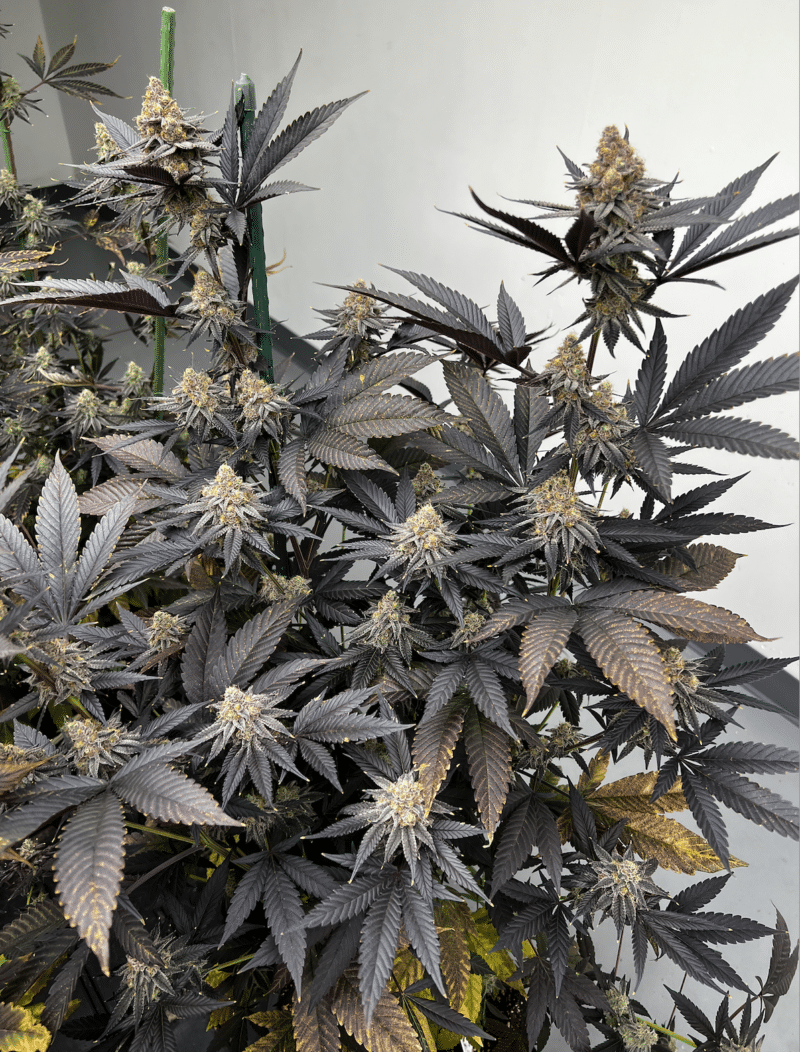
Color: we want to preserve the dark purples and maroons that dominate the Brunch.
Effect: The incredible, social, happy effect that we love so much about the Brunch genetic line.
Homogeneity: While this comes with an IBL, it is our goal to produce a Brunch that is reliably colorful, reliably apple, and has reliable quality while not sacrificing yields too greatly.
The Brunch F2
*Don’t mind the leaf burn on the tips
The Brunch F3
In testing the Brunch F3 genetics, we saw the biggest strides forward thus far. To create the F3, we worked two different lines of Brunch F2 females, crossing them both with a single F2 male, in order to find out which line had the most potential for the F4 generation. The two lines we phenohunted were dubbed the Brunch F3 v139 and the Brunch F3 v79. After observing each of their progeny, we chose to move the Brunch F3 139 line forward because its yield and stacking were superior to anything we’d seen thus far, while also maintaining great apple terps and some beautiful maroons and purples. Pictured below is the winning F3 cut that we are currently using to create the Brunch F4:
The Brunch F3 v139 #3:
And that brings us to the Brunch F4, which is in the works as I write this. In the next two generations, we hope to fully stabilize the Brunch, locking in all of the great qualities we love so much about the Brunch.
Thank you so much for reading about the journey we’ve gone on to create the Brunch, one of our most beloved plant-mothers, and I’d like to wish all the mothers out there a very Happy Mother’s Day, and happy growing! - Beth
For the last six years, cannabis has been a part of my daily life. My experience has mostly revolved around consumption, recreationally and medically, and recommending cannabis products as a budtender here in Maine. I’ve wanted to grow my own plants for years, but having no experience in gardening, the whole idea seemed daunting. After joining NASC about a year ago, I was easily inspired by the growers of both NASC and Dirty Bird Genetics, as well as the shelves and shelves of seeds of many strains that were familiar and unfamiliar. With light expectations, I decided to give growing a try.
Before getting started, I decided that my only goals would be keeping the plant alive and making it to harvest. I was also determined to do this in the easiest and most financially feasible way possible. I purchased a standing 200W full spectrum LED light, a 5 gallon plastic bucket, and Indicanja, a super soil by Purple Cow Organics. I chose this soil because it has components that will give the plant its necessary nutrients by just adding water. I drilled holes at the bottom of the bucket for water drainage. These were the three main items that I used for this first attempt at growing.
The seed that I chose was a Banana OG Auto Phenohunter by Humboldt Seed Co. After germinating the seed in a cup of water, I placed it directly in the soil in the bucket. The light was on a schedule of 18 hours on and 6 hours off. I followed a simple rule of watering the plant when the top inch of soil was dry. This plant was living in a room in my basement and the conditions were not ideal, especially during the winter. The temperature was on the cooler side and the humidity was on the dryer side. I occasionally used a space heater to warm the room. After consulting with an experienced colleague, I eventually changed the light schedule to 14 hours on and 10 hours off to push along the flowering phase. From seed to harvest, it took about four and a half months.
Overall, the experience was successful and easily manageable. The plant was small, maybe a little taller than a foot, and it produced about an ounce of flower. The cost of my current setup was less than $100. Now that this first experience is under my belt, I plan on continuing to experiment with growing while slowly changing certain variables like using a tent, stronger lighting, and different soils and nutrients. This is truly an “if I can do this, so can you,” moment. Even with no prior experience, I am confident that any beginner can have a successful grow.
Check out other Phenohunter packs and Autoflowering options by Humboldt Seed Co.
Learn exactly how the team at Dirty Bird Genetics clones their cannabis plants.
With 15 years of experience under our belts, I am here to share the process that we use at Dirty Bird Genetics + NASC to clone our cannabis plants. This procedure works great, both in a home grow setting as well as in a small-to-mid sized commercial setting, and if you follow the steps below, I’m confident you will find success cloning your own plants.
Cloning is vital to any photoperiod grow that wishes to preserve mother plants. A mother plant is a special cultivar that you take cuts from for cloning, breeding, growing, genetic preservation, or whatever the purpose may be. The clones that come off a mother plant are genetic replicas of the mother, preserving both her good and her bad genetic traits. You can clone male plants exactly as you’d clone a female plant, though males are generally less desirable unless you are breeding.
Can Auto’s be Cloned?
Cloning is unique to photoperiod plants because a photoperiod plant can live indefinitely under 18-24 hour light per day. Autoflower plants cannot be cloned. While it’s technically possible to root a cut taken from an autoflower, by the time that cut was rooted, it would be flowering. This is because autoflowering plants begin flowering automatically around week 5 of their life cycle, and because a clone is a genetic replica of its mother, the clone will initiate floral development at the same time its mother does.
Healthy Mother = Healthy Baby
At Dirty Bird, we clone our mother plants every few months, cycling in fresh mothers and discarding old ones. We do this to keep the mother plants healthy and thriving. While it is possible for a single mother to live indefinitely, it’s recommended you cycle out your mother plants with a fresh copy of itself somewhat regularly so that the plant and its rootzone stay as vigorous as possible. Do note, however, that if the mother plant is infected with diseases like HLVd, it will pass on to the clone, so you want to ensure your mother is healthy before taking cuts. It is absolutely critical to use a fresh, sterilized razor every time you cut a new plant so that you do not pass on diseases that may be lurking beneath the surface, but more on this below.
What’s the Difference between a Cut and a Clone?
The words ‘cut’ and ‘clone’ are often used interchangeably. In our business, a cut becomes a clone once it is rooted. Once that cut is rooted, it is a clone.
Materials List for Cloning:
Sterile razors, for taking the cut
Solo cup with clean water, for holding the cut
Great White Shark, or any similar rooting gel/powder
EZ-Clone Plant Cloning Machine, for rooting the cut
EZ-Clone Clear Rez, 1 oz per 5/gal water -Water treatment for your EZ-Clone machine
Small pots, for planting the rooted clone (we use 3.5” x 3.5” pots, but 1 gals also work well)
Soil, we use Promix BX as we find it has a good balance of soil and perlite
Transplant solution*, our recipe as follows:
Sensi Grow pt A + B, 7.5ml/ gal
B52, 7.5ml/gal
Voodoo juice, 7.5/gal
Optional: Sensizyme, 7.5/gal
Optional: Bud Candy, 7.5/gal
Optional: Rhino Skin, 7.5/gal
*Note on the Transplant Solution: You do not have to useall of these items; even just a little water will do the trick; however, if you are already using the Advanced Nutrients regimen for your veg and flower feedings, then why not make the healthiest and most vigorous clones possible? As a business that sells clones, that’s what we shoot for, and this “Transplant Solution” is what we use.
Taking a Cut:
Prepare one clean solo cup half-filled with water for each mother plant you plan to take cuts from.
Gather your sterile razor and the plant you wish to cut. PRO TIP: We keep a cup of bleach near our cloning station and throw used razors into the bleach after we take cuts from each plant. We use one razor per plant and never reuse a razor when moving on to a new plant. This helps stop the spread of disease, which often, we are not privy to until it’s too late.
Take a cut that is about 8” long off the apical meristem of the plant, cutting as close to a node as possible, and at a diagonal.
PRO TIP: Bonus points if your cut has 1-2 node sites on it that you can cut off, exposing the flesh of the stalk. Long internodal spacing can make this difficult to achieve on some cultivars, so don’t stress if this isn’t feasible.
Cut any foliage/stem off the lower stalk so that you have one long stem to submerge in the cloner. Any foliage should be above the cloning collar; you do not want any leaf material submerging into the water as that will cause mold, mildew and/or rot to form.
Once the cut is taken and prepared, place it into the solo cup of water so that it stays fresh and doesn’t wilt. At this point, you can prepare to put the cut into your cloner, or you can proceed cutting other mothers and gathering all of the cuts you’d like to take.
Rooting a Cut
Dip the bottom 2” of your cut into Great White Shark or any other rooting gel or rooting powder.
Make sure your cloner is filled and turned on. We use EZ-Clone Clear Rez mixed into our water in order to keep the water and the system as clean as possible. Place the cut into the cloning collar, making sure that all foliage sits above the cloning collar to avoid mildew, mold, and rot. Place the cloning collar and the cut into the cloner.
It will take approximately 7-10 days for your cut to grow roots. Check in on it daily by lifting the lid of the EZ-Clone machine. Once you see roots that are at least 2-3” long, preferably 6”, it is time to pot the rooted cut into your medium of choice.
These roots are 3-6” long, the perfect length for stable transplanting. Roots can discolor in the cloner, especially if you add anything to your cloner water, but as long as nothing is rotting, they should take hold quickly and easily in the new medium.
Potting a Cut
Set up your potting station with soil, pots, and “Transplant Solution” or water.
Prefill your pots ⅔ full with soil.
Carefully take your clone out of the cloner and place the roots into the soil while supporting the cut with one hand. Grab some soil with your free hand and fill the rest of the pot with soil, gently covering the base and the roots until the clone is self-supporting, the roots are buried, and the pot is full. Don’t pack the soil tightly; you want to allow good airflow down to the roots as roots thrive off of oxygen.
Gently water the freshly potted cut with water, transplant solution (recipe above), or your product of choice. Be careful not to overwater. You want enough water to penetrate the roots, but you do not want to totally soak all of the soil in the pot. It’s easy for small root systems to get water logged and stunted. It’s better to water a small amount every day, or every other day, than a large amount once a week. Keep a close eye on this as your plant stabilizes and the roots take hold.
Light for your freshly potted clone
We choose to keep our clones out of direct light for 24-72 hours so they can acclimate. This isn’t necessary, however, if you do choose to put your clone directly under light, we recommend a T5, or an LED strip light designed for clones and seedlings; nothing that is too strong.
After 24-48 hours, we put our clones under T5 or LED strip lights until they’re ready to transplant and move in with the larger vegetative plants under high intensity LED’s or Metal Halides. This is optional. If you only have one light, use that light, just keep the plant further from the light when it’s smaller.
And there you have it! I hope you enjoyed this step-by-step guide on how Dirty Bird + NASC make clones. Stay tuned for more step-by-step guides, and for a more visual guide, please enjoy this video about cloning that we made in-house at Dirty Bird: Click to Watch!
As we gear up for our busiest time of the year, we want to share some important shipping updates and set clear expectations for order delivery—especially in light of ongoing USPS delays.
Updated Shipping Timelines:
Since the start of the year, USPS delivery times have been slower than usual across the country. To keep things transparent, we’ve updated our estimated delivery windows:
Ground Advantage: 7–14 business days
Priority Mail: 4–8 business days
Priority Express: 2 business days (this is the only USPS service with a delivery guarantee)
Please note that only Priority Express shipping costs are eligible for refunds. All other timelines are estimates and not guaranteed by USPS.
If Your Package Is Delayed:
We're here to help. If your package seems delayed or goes missing, we’ll never leave you without support.
If your package has been in transit for 7 or more days, we recommend:
Filing a Missing Mail Claim through USPS.
You’ll need our mailing address—reach out to our customer service team here and we’ll be happy to provide it or walk you through the process.
If it’s been 14 or more business days and your package still hasn’t arrived, you may be eligible to file a Delivery Insurance Claim.
Ordering for the Grow Season? Plan Ahead.
We know timing matters, especially this time of year. If you're planning a spring grow, we recommend ordering well in advance to account for potential delays. Giving your package the full 14-day window to arrive is the safest way to ensure you stay on schedule.
We’re Exploring Shipping Alternatives!
We’re actively looking into additional shipping options to provide our customers with faster, affordable delivery solutions. We’re committed to finding options that meet your needs—it just takes a little time to get it right.
Thank You!!
Thank you to all our incredible customers for your continued patience, kindness, and support. We’re grateful to grow with you, and we’re always here if you need us.
Seed and Soil is the newest addition to NASC's breeder line-up, and one that we can vouch for first hand! Beth had the pleasure of visiting their farm last season, and just knew there was something special there.
A Note from Ben and Betsy:
"Providing Midcoast Maine and beyond with cannabis seeds, cannabis plants, herb/flower/vegetable plants & seeds, worms & worm compost, and whatever other farm goodies happen to be ripe at the time. Core ethics of ours are environmental sustainability and sharing. All of the domesticated organisms that support us humans have passed down through human generations and horizontally across ethnicities, traditions, and geographies. As we co-create our agroecosystem with the land and discover synergies, we are committed to support the generative will of all the organisms at play by providing offspring to anyone inspired to steward them. For cannabis and beyond, we favor plants and animals that delight us and don’t require too much pampering, which instead thrive by instinct in our environment. Here's to our wild gardens - Enjoy!"
Seed and Soil is the life's work of Ben and Betsy Samuelson. They are not just cannabis breeders, their integrated farm stewards many garden species. Seed production is core to their farm, but bees, sheep, and treefruit are also part of the system. They release a carefully crafted, story-rich seed catalog each winter. Find the 2025 digital version here.
After putting in the work introgressing the sharp fruit and sweet cream aromas of Raspberry Parfait into an autoflower, the recipe for this "quick version" was a no-brainer! We used Raspberry Parfait Auto pollen [gritty trichome selection] on Raspberry Parfait Photo moms. Given the excellence and fidelity of aroma in our auto version, and the inconvenient lateness of the photo version, this Quick is a tidy option for the outdoor garden. You can bet that we’ll be packing our field with it. Our harvest goes to extraction, and terpene diversity of approximately 20 detectable terpenes makes this extract very lovely and complex. For washing live, there's a real chance of having acceptable yields, and a certainty of making some spectacular hash. However, it would be prudent to make a selective harvest and have uses for some of the plants who won't give up their heads so easily. Nobody agrees on effects, some report clean-the-house type energy while others are taught the oneness of all creation through the wisdom of the couch.
This project began with our niche pursuit of "regularizing" some of our favorite fem-only strains. Blessed by Humboldt Seed Company with a few seeds from the original regular cross of Blueberry Muffin and a Tangie cut which gave rise to Squirt, we began using those males on the fem-only squirt line. Tangie in the Sun earned its name when that first backcross to the F1 male resulted in a plant that stood apart from the sparkling grapefruit vibe with a more juicy passionfruit aroma than its Squirt sisters, deadringers for the eponymous grapefruit soda. That mom deserved, and got, some sibling male pollen, and the next generation doubled down with another delightfully passionfruity mom, parent to our ‘23 release. Our ‘24 garden revealed this release to have the passionfruit note pretty dialed in. At long last, seed from a gorgeous passion-fruity mom from a feminized seed chamber will be released for you tangie sommeliers out there. Expect tropical fullness from the “Tangie in the Sun” that will turn a lot of heads. It's quite like the Squirt, but we've put in quite a bit of love under the Maine Sun with it and the resilience to septoria seems to have benefitted.
The Omaha Jazz seed line is a dragon quest seeking the memory of the legendary “Sweet Jazz” clone-only strain. These layered complex flavors come to you from the jam band scene of Betsy’s homeland of Omaha, Nebraska circa 2010. It is the hands-down best smoke in the opinion of many seasoned revelers. One doob burning in a crowd of other doobies is said to have an unmistakable perfume begging the question “who’s got that Jazz?”. As a clone-only strain, it existed in only in the super secret indoor grows of Omaha Nebraska, not an early adopter of cannabis normalization! We offer it with humility and gratitude for the “traditional” market, people who took real risks to carry cannabis genetics forward when it was illegal. A Jamaican bag seed female (supposedly Lambs Bread) was crossed to Sweet Tooth and the Sweet Jazz unicorn was hunted from that cross. It has been said, “Sweet Jazz is like nothing else”. We agree that it cannot be described in much of a useful way... it has a floral note, and a camp-fuel lime-like twang. Even just a sniff is intoxicating. Terpinolene, Humulene and Bisabolol all appear in roughly equal concentration, together accounting for about 50% of total terpenes, while pungent Farnesene carries 10% of total terpenes. Farnesene while somewhat uncommon in cannabis, is the most abundant aroma compound in gardenias. Most eccentric of all, the Myrcene load in Omaha Jazz is a microscopic 3% of total. Effects are balanced - musical and dancey but without being too speedy. Omaha Jazz does quite well in our field. It grows very large plants without many inner branches, leaving plenty of airflow. It puts on weight and benefits from trellis. For the late finisher slot, there is no more reliable offering than this one. On average, later harvest means greater risk of mold or frost injury. But Omaha Jazz breaks this trend, reliably finishing thick colas with very little bud rot at the last minute in October. Mostly all green with some plants expressing light purple tips or, rarely, completely lavender colas. Septoria? Unquestionably our most resilient strain. One mustn't say resistant, because that's supposed to mean the plant can't get the disease, Omaha Jazz leaves any few pimples behind on the lower inner fans and doesn't miss a beat.
Lemon Pez Candy | Skunk| Earth | Uniformity 7/10 | 90 Days from Sprout Harvest |
Etrog Auto is a Seed and Soil original introgression. This means that we crossed an auto to a photo and selected for three subsequent generations from LOTS of plants, about 1000 in this case. These introgressions are our proudest work! Lemongrass is Etrog Auto’s photoperiod ancestor and its rounded lemony gas clearly shines through. Expect a narrow range of gassy lemon, to sour green apple, to shimmering lemon pez aroma. An etrog is a type of citron, a big ass lemon, used in the Jewish harvest festival of Sukkot. It has a wonderful citrus aroma – makes a martini special for the Fall season. A nod to the tribe, Kosher Kush will welcome a new friend to chief with.
The genetics offered by Seed and Soil are proven, tested strains, uniquely suitable to the Maine outdoor climate. All across the vast cannabis grower spectrum - from the beginner grower right through to commercial farmer - we are confident Seed and Soil has something to offer. I personally cannot wait to try them out!
Are you as intrigued as we are? Check out the current strains we carry below!
Are you a commercial grower looking to purchase in bulk for a top performing outdoor farm this season?
Contact our Wholesale Department for bulk special ordering today! Additional Seed and Soil strains featured - more information to come!
Explore more exciting Outdoor Selections from NASC Staff!
Maine Outdoor Selections
Our favorite strains to grow outdoor in Maine. We absolutely think attentive beginners growing in New England would enjoy a successful outdoor harvest from any one of these strains! Visit our NASC Journal to learn more!
You know the saying, “If I can do it, you can too!”? I don’t know about you, but my Mom and Dad sure did echo that sentiment to me growing up. It comes as no surprise, then, that my early years of growing cannabis started right in their backyard. I started growing cannabis outdoors in Maine in 2012. It was the early days of medical marijuana legalization in the great state of Maine, and I found myself between careers, having moved back to my roots with a vested interest in the blooming cannabis industry in Maine. Legality was a gamechanger for me - bringing to life dreams and ideas of cannabis as a career. I was young, opportunistic, and excited for the support of my friends and family; starry eyed at the thought of my professional career crossing over into one of my very favorite pastimes.
I embarked on my first cannabis growing adventure with the direct support and guidance of our very own Beth and Siobhann. My backyard was right around the corner; the Maine Clone Company growing space inside, mine being outside. It’s funny - the core principles and practices of growing remain the same for both indoor and outdoor; but the outdoor environment brought a factor to the table that I simply, albeit naively, did not predict.
The Maine climate proves brutal, not at all for the faint of heart, and I truly believe offers what can only be described as an intense hazing experience in outdoor growing. We were committed to learning, down for nothing less than 101% effort in doing so, and boy did we learn the hard lessons in those early days. I spent several years growing in my familiar childhood backyard, learning and improving and harvesting better cannabis year after year.
When my wife Siobhann and I bought our home together in 2016, we took the opportunity to secure a property that allowed for my home hobby to truly flourish into our professional careers in the cannabis industry today. We have delighted in testing Dirty Bird Genetics outdoors for the past few years - both the genetics chosen for their breeding projects, and the resulting cultivars.
As I reflect on my most recent outdoor harvests now that we both have years of solid experience under our belts, the lessons learned in my first few outdoor seasons have certainly stood the test of time, remaining steadfastly essential for a successful outdoor harvest.
Getting the Strain Right - Strain Selection for a New England Outdoor Grow:
Flowering Time: A healthy cannabis plant can withstand 1 frost, maybe 2, some may even prefer a light frost to finish up nicely; however, no plant can withstand several frosts, ongoing freezing temps, and simply not enough hours of daylight. I would recommend steering away from any plant that finishes later than early-mid October in Northern regions, and one would have to make sure that was a truly hardy plant! Late September-early October is a sweet spot for Northern and New England climates. Late September runs the risk of not quite gaining the bud density after a particularly humid summer, but by and large a strain with that flowering time would harvest well! A strain referencing a 7-8 week flowering time will yield the most successful harvest outdoors, 8-9 is a decently safe range; tread much more critically with strains listing 9+ on the approximations for flowering time.
Resistance: With only flowering time in mind, a wide variety of strains offer the opportunity for an outdoor harvest; however, select strains can really stand out from the crowd through resistance to common outdoor problems such as mold, mildew, septoria, and pests. Plant morphology, which I will speak to later, plays a huge role in resistance(s). It is inherent to the genetic composition of some strains to be naturally resistant to disease and pests, which truly sets those cultivars apart when selecting a strain for outdoor growing. In consideration of resistance, the pool of strains narrows significantly, albeit necessarily.
Seed Type: For the beginner grower, I would caution against putting regular seeds in your garden without sex testing. A burst pollen sack outside is infinitely more detrimental to other plants in stages of flower than a similar situation inside, simply due to natural winds and air movement. All that being said, feminized seeds do still require ardent checking for sex sites, but the risk is much less. I always suggest checking plants as frequently as possible - checking for signs of plant sex sites every day, multiple times at the start of flower, if possible.
Fem: Pistils start to show
Fem: Pistil and stigmas stack
Male: Pollen sacks bursting
Location: know where you are growing, and plan accordingly. Do you live where your plant will live? Is your backyard particularly windy? No protection from the elements? Shade during certain times of the year? All of these are important questions to ask yourself when considering if you have the right space to grow plants, and in which way to grow them. Open air or greenhouse? In pots, raised beds, or in the ground? The size of the space, as well as the environment it lends itself to are important considerations. Open air requires a more sturdy plant, or a more skilled staker. Open air provides more air flow and circulation, but also has zero protection against the elements. Greenhouses do run the risk of pests and mildew running rampant, but I would venture the pest situation likely would not be any worse - just different. The bud rot, however, is much riskier in a greenhouse - maximum air flow required! Greenhouses with open bottoms and ends, and solid upper ventilation that allow for a combination of raised bed, potted plants, and in ground planting is absolutely a great set up; however, open growing is where I have proven most experienced and effective. It seems most reasonable and wide spread of a method - inside of a fence, in some combo of potted and in ground. When growing this way, sturdiness and hardiness becomes a key consideration, as does flowering time. Sun and shade shifting over the changing seasons is another important consideration. If you find the plants will largely be in shaded areas if planted in the ground, I urge you to plant in pots and move the pots around the space accordingly. If planting in pots is necessary, be sure to transplant early, in a medium with solid aeration, and in a size that is manageable for shifting with the sun’s exposure. I use a wagon to move my 10 gallon pots around!
Low Maintenance, High Return: Plants that respond well to an uncontrolled environment are imperative - not requiring proactive preventative measures or round the clock monitoring, but rather thriving naturally without needing additional training. An uncontrolled environment calls for a plant that does not require much controlling. Plant morphology that prunes and trains itself, forming strong sturdy lateral branching, wide internodal spacing to allow for airflow, and not a leafy vegetative presentation during bloom; naturally suited to the environment. If size and space is a concern, it is important to note this and plan accordingly for when and where to transplant and top. If you need to top plants, or train plants with low stress techniques, it is important to keep in mind that stressors should be spaced out - as in I would not suggest transplanting when the daylight hours are set to start to shift into flower, as that is multiple stressors compounded.
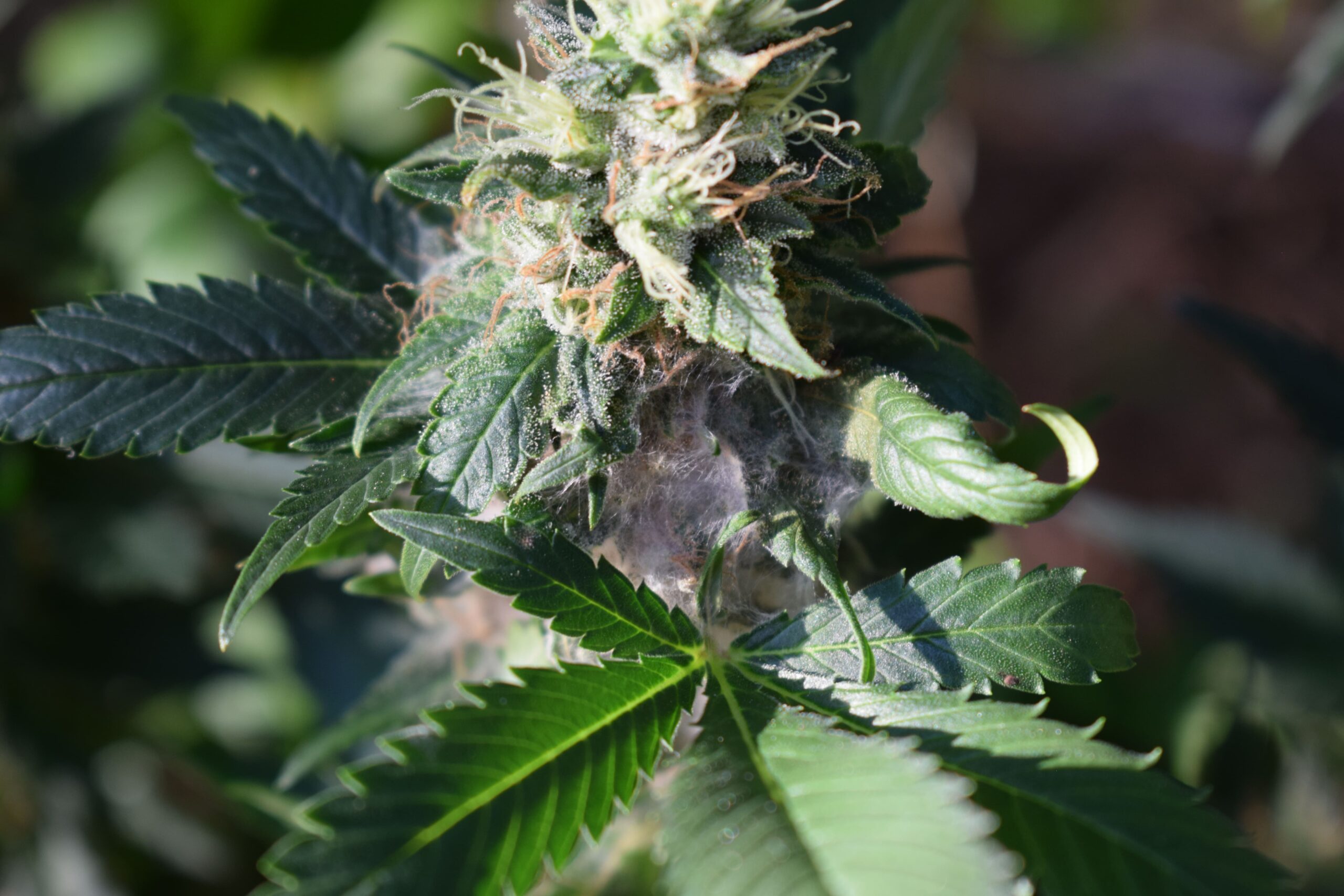
Eagle Eye: As a plant nears the end of the flowering cycle it is prudent to check as frequently as possible for any signs of bud rot. Any signs of dying leaves or bud, and the area must be cut out of the plant entirely; bud rot is ruthless and lethal, and spreads rapidly when unchecked. Pests such as spiders also have a way of burrowing into buds and forming webs - be sure to check and remove any pests daily. Powdery mildew can also spread quickly, ruining otherwise harvestable buds. It is, of course, important to do these things at every stage of plant growth, but it becomes that much more imperative due to the lack of visibility that occurs as a plant fills in and matures for harvest. Pulling the plant back and looking in the way pictured below is great for visibility. Be careful not to damage while doing so, though!
Timing is everything: Warm temperatures do not mean it is time to put your plants out! If you start your seeds inside, which I do recommend simply for sprouts to not get eaten by slugs or birds, it is important to keep the seedlings under a light to allow for enough hours of exposure to remain in vegetative growth stage. If the plant is put outside too early in the season the plant will either fully flower, preflower and then quickly revert to vegetative cycle while stunting any growth in the process, or simply die due to lack of light and probable cooler evening temps. In Maine I choose to put my plants outside in the first week of June. Any earlier than Memorial Day is just asking for preflowering or chilled roots troubles! Expect plants to naturally start flowering in mid-August when the daylight exposure starts to shift to fewer than 15 hours of daylight. Full flowering should be in swing no later than the third week of August!
To cut, or not to cut: As the season comes to a close, monitor frost and be sure to harvest wisely. If the plant is near harvest - cloudy trichomes but not yet any amber - I normally make the judgment call to harvest the plant rather than run the risk of bud rot following a particularly strong frost.Once you’ve decided that a plant is finished, the urge is always there to simply go ahead and harvest the whole dang plant. I find that outdoors it might make sense to harvest a plant in rounds, where the top buds are harvested and the remainder of the plant is left a bit longer to finish up. I find this is a solid practice for plants with very large or dense top colas that clearly have cloudy and amber trichomes, and run a bit higher of a risk of bud rot due to dew and exposure. I encourage use of a scope to ultimately base the final decision on a combination of the environmental factors listed above and the buds’ trichome count and color!
The above suggestions and considerations are not meant to overwhelm or deter, but to rather help and narrow down what is a wide variety of quality cultivars! Cannabis seeds come in many shapes, sizes, flavors, colors, you name it. Over the years some have proved much more suitable to outdoor conditions than others, and it is by asking the questions and following the considerations above that growers may select the best strain for their early growing seasons, and beyond!
At this point I have a solid list of top strains that I love to grow outside, and would recommend to any grower. My absolute favorite of all time is the Dirty Mimosa. I took the time to put together a collection for our readers. I absolutely think attentive beginners would enjoy a successful harvest from any one of the strains on my list!
Check out some of my Maine Outdoor Selections below!
This season I am most excited to grow the Roadside Haze outside, which was just released this year and is a cross between two of Dirty Birds strains that do well outdoor; the Sour Lime Haze and Skunch!! I am also super pumped for the Dirty Mimosa Bx2 and CANNOT WAIT to grow some new D.Mim genetics outside a third season in a row!
By: Ben Morris, Head Breeder at Dirty Bird Genetics
To know when to harvest your cannabis can be tricky. We’ve created this guide to help you identify the major signs of harvest readiness to help you get the most out of your buds. To begin let’s have a quick review of the four major growth stages of cannabis.
Growth Stages
Germination: 2-10 days Seedling: 2-3 weeks Vegetative (‘Veg’): 3-15 weeks (or more depending on factors such as desired size, cultivar (strain) type, environmental variables such as RH, temp., light, and more) Flower: 7-12 weeks (Can be up to 16 weeks for some sativa strains)
Germination
Germination refers to the time when the seed shell is softened by moisture and the tap root is emerging. There are several methods of germinating seeds including the paper towel method, placing seeds in a small cup of water, starting seed in pulp from untreated paper/cardboard, and many more. Regardless of which method you use, the seed will need a dark, damp place to allow the tap root to emerge.
Seedling
Once the tap root emerges and can be planted in soil, or another medium of your choice, it has now entered the seedling stage. At this stage it has two small, flat leaves called cotyledon that are the main source of photosynthesis and food for the young plant. Very little to no nutrients are usually required at early parts of this growth stage. If adding nutrients, be cautious with your dilution rates as these little plants are easy to stress out with over feeding.
Veg
The Vegetative or Veg stage is when you will see the most explosive growth from your plant(s). Roots, branches, and leaves are produced in high quantities as the plant continues to grow and absorb nutrients, light, and carbon dioxide. At this stage the plant will need an increasing amount of nutrients which can be provided with chemical means such as liquid nutrient feeds, slow-release pellets, etc. Increased nutrient availability can also be achieved through bacterial and fungal inoculation of the soil commonly applied through compost teas. These microorganisms will provide the plant with whatever it needs provided there are enough of the right kinds of bacterial and fungal species in the soil. During this stage, cannabis plants need more nitrogen than they do during the flowering stage.
At this stage you can grow your plant(s) out to the desired size before flowering. Some people prefer to flower with very little vegetative time to reduce the ‘stretch’ or the height increase the plant(s) will exhibit while others will let their plants go for many weeks to maximize stalk and branch growth. Different cultivars of cannabis will exhibit different levels of stretching (vertical height increase) depending on factors such as environmental conditions and underlying genetic composition.
Flower
The Flowering stage is the stage at which the cannabis plant exhibits reproductive organs, i.e. pistils and stamens. This stage is initiated by a change in lighting schedule for photoperiod cannabis plants. When receiving approximately 12 hours of light and 12 hours of darkness, photoperiod plants will begin to transition to their flowering stage. Auto-flowering plants will initiate this change regardless of light schedules due to their genetic composition.
At this stage, cannabis plants will use more phosphorus (P) and potassium (K) than nitrogen, although nitrogen is still needed.
Male plants will exhibit stamens which are composed of anthers and filaments. These anthers look like pods or bananas and produce the pollen required for reproduction.
The females will exhibit pistils which are usually first noticed when long, slender, white hairs called stigmas start forming from the bracts of the plant. These areas with the stigmas will become the female flower or buds that will contain the cannabinoid and terpene rich trichomes we all get excited about.
The flowering stage can last anywhere from 7-12 weeks on average. Cultivars with more of an indica lineage tend to be ready for harvest sooner (5-8 weeks) than cultivars with more of a sativa lineage (10+ weeks). These are averages that stay consistent with most indoor grows.
Outdoor harvest time is harder to predict due to geographical differences in cultivation sites and is also very cultivar or strain dependent. For many people in climates with cold or snowy winters, sometime in September through October is usually when most cannabis grown outdoors is harvested. Finding out which USDA Plant Hardiness Zone you are in and looking up breeder/seller estimated timelines for flower can help you determine a more accurate estimation of how long your crop will take to mature.
Visual Cues
Knowing when to harvest comes down to a few parameters: desired approximate effect of ingestion (how smoking/eating/vaping the flower will make you feel) and visual cues from the plant.
Sativa leaning plants usually will require a longer time to flower than indica leaning plants due to their genetic make-up. Seed breeders and sellers usually provide rough estimates of the number of days or weeks in flower each strain will require on average.
The main visual cues for harvest are the stigmas and the trichomes.
Stigmas
Stigmas are the long white hairs that grow from the buds of a female cannabis plant. These hairs are used to catch pollen and transfer it down through the style into the ovary of a female cannabis flower where a seed is made.
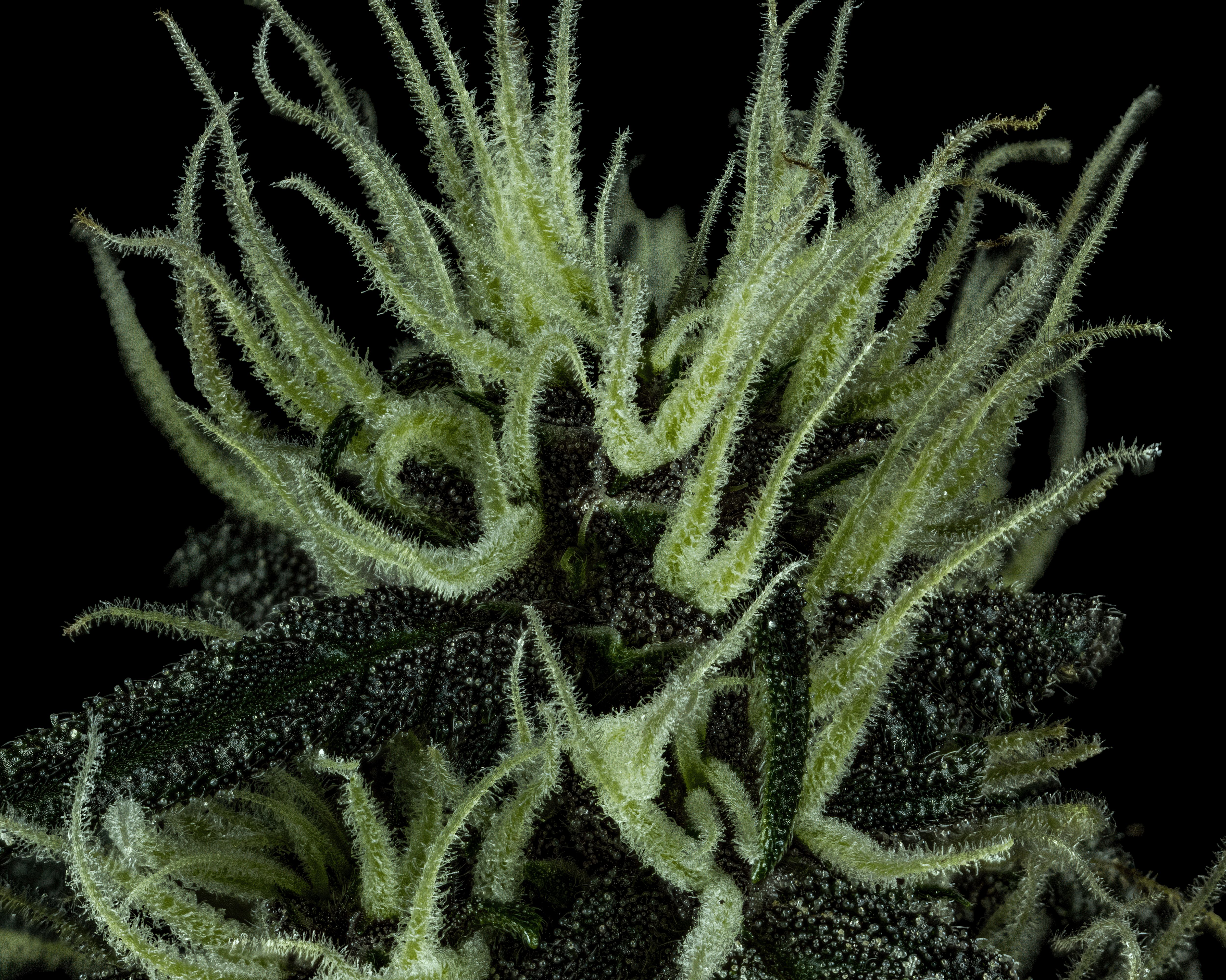
Stigmas will change their color and shape as they mature. They start out as slender white hairs that increase in length until a certain point in flower. At this point the stigmas will begin to curl and change color from white to yellow, orange, and/or brown starting at the tips and moving down toward the bud. Some cultivars express reddish and/or purple tints in their stigmas which can lend itself to gorgeous visual aesthetics before harvest.
Young stigmas all pure white. This coloration indicates the flower is still immature and will need quite a few more weeks to reach full maturity.
Developing stigmas. Note the increasingly orange ‘hairs’ and the reduction of white indicating increased stigma maturity.
Fully orange/brown-orange colored stigmas. These are more than fully developed and have dried and shriveled but that’s a good thing if you’re wanting seedless flower!
Orange or browns stigmas in high relative proportions indicate the plant’s flowers are reaching their full maturity whereas white stigmas in high relative proportions indicate the plant’s flowers are still immature.
Trichomes
There are a few kinds of trichomes produced by cannabis, but the ones growers are interested in are the ball or spherical blobs that sit atop small, cylindrical stalks. These are called capitate-stalked trichomes and they house the greatest quantity of terpenes (that help to produce the smell of a cultivar or strain) and the greatest quantity of cannabinoids such as THC and CBD.
Trichomes will look transparent or clear when young and will take a cloudy or milky appearance as they mature. Eventually trichomes will become an amber or honey color if left to mature for a long time.
Capitate stalked trichomes with clear heads. The translucence indicates the trichomes are still immature and will have a cannabinoid content mainly of CBGA.
Trichomes with cloudy or milky heads. This opacity (cloudiness) indicates higher levels of THCA and CBDA as the CBGA has turned into these more active and desirable compounds. These trichomes indicate the plant is ready or just about ready for harvest.
A mix of cloudy and amber trichomes. The amber color in some of these indicates that some of the THCA and/or CBDA has been converted into CBNA. If the majority of the trichomes are amber then it may mean the flower was harvested too late. This can be a matter of preference though. More on that later.
Trichomes are barely visible with the naked eye, so a magnifier of some kind is helpful in determining trichome color. There are several options available out there including a basic hand magnifying glass, a jeweler’s loupe, or a digital USB microscope.
-Hand magnifying glasses can work perfectly fine provided there is enough light in the environment.
-Jeweler’s loupes have their own light source which can really help to pinpoint how transparent or how cloudy your trichome heads are.
-Digital USB microscopes are also a great option for more accurately assessing your trichomes. These devices can plug straight into your phone and produce pictures as well as video in high resolution of the plant surfaces you want to closely inspect. There are many cheap options financially for these (most around $30 on average) without sacrifice in the quality required to accurately assess trichome transparency/opacity.
Harvest Time Preferences
Early Harvest:
Some growers prefer to harvest when most of the trichomes on their plant are clear and only about ~40-60% of the stigmas have darkened. This will usually produce a “speedier” or “energetic” high as opposed to a sedative or “couch-lock” high when ingested.
Many growers looking for these effects will harvest when approximately 40% or less of the trichomes have turned cloudy and the rest are clear (60-70%). Clear trichomes indicate higher levels of CBG (another cannabinoid like THC and CBD) rather than other cannabinoids. This is because CBG turns into THC and CBD over time thus transparent trichome heads indicate less THC and CBD.
The stigmas are about 50% or more orange with a significant amount of white stigmas still remaining. If harvested now it may be a ‘speedier’, less THC heavy high when ingested.
~40% cloudy trichomes with ~60% clear trichomes. These are prime for an early harvest and are close to the clear/cloudy ratio commonly desired for most normal harvest.
‘Normal’ Harvest:
Most growers will harvest when 50% or more of the trichomes are cloudy and the rest are clear with few to zero amber heads showing. The cloudy trichomes indicate higher levels of THC and/or CBD as the CBG has converted into these more desirable cannabinoids.
Some growers prefer to wait until 70% or more of their trichomes are cloudy to harvest as this means higher quantities of THC and CBD. Regardless of percentages, the higher the amount of cloudy trichomes with lower amounts of clear trichomes, and little to no amber trichomes, indicates the highest THC/CBD levels.
Don’t sweat it if only around 50% of your trichomes have turned cloudy if you are growing outdoors and running out of time for grow season but wanted a higher percentage of opaque trichome heads. It is always better to pull your crop slightly early than to let it get hit hard by torrential rains late in the season and risk mold or freeze to death after multiple frosts.
This obviously depends upon the season, the climate, and other factors in the environment the cannabis is grown in which varies from location to location. Keep an eye on your weather reports and inspect your grow daily to ensure your plants are getting what they need and are healthy before harvest.
As far as stigmas are concerned, many people will harvest when approximately 70-90% have darkened and curled inward. This is in addition to when 50% or more of the trichomes have become cloudy or milky as previously stated.
Late Harvest:
Some growers that prefer the “couch-lock” effect or a more sedative effect will usually harvest when there are almost no clear trichomes and many amber colored trichomes. The high number of amber colored heads indicates that the THC/CBD (cloudy trichomes) has converted into CBN. Many growers have reported that this later harvested cannabis induces drowsiness and helps with sleep.
When 90-100% of the pistils have darkened and 30-40% or more of the trichomes are amber, with the rest being cloudy, cannabis will have much higher amounts of CBN and lower amounts of THC/CBD.
90% or more of the stigmas have darkened and turned a brown-orange.
Many amber heads (40% or more) with some cloudy and a few clear trichome heads. The relative abundance of amber trichomes indicates this will be a more CBN heavy and possibly sedative experience when ingested.
Summary:
Early Harvest
“Normal” Harvest
Late Harvest
Pistils
~ 40-65% darkened
~ 70-90% darkened
~ 90-100% darkened
Trichomes
~60% or more clear, 40% or less cloudy heads
~50-70%+ cloudy, 50% or less clear, little to no amber heads
~70% or less cloudy, 30% or more amber, little to no clear heads
The optimal time to harvest is during the early morning before the lights in your room have turned on or before the sun has come up, if growing outdoors. This is because during the day the cannabis plant uses metabolites in photosynthesis that can harm the overall taste of the flower once dried and cured. The metabolites are great for your plant’s growth but not the best for your enjoyment when consuming the final product. If cannabis is harvested before the lights come on/sun comes up it will have less of these metabolites and will usually have a more desirable taste.
A note: Not all buds mature at the same time. Often the buds higher on the plant and closest to the outside of the plant (i.e. those that received the most photosynthetically active light) will mature faster than those lower on the plant or within the plant. Some growers will disregard this due to preference and convenience at harvest and still harvest their entire plant while others will harvest their plant(s) in stages to allow all buds to fully mature. Neither method is better than the other as it is all a matter of taste and/or necessity.
Some growers will flower their plants using the Screen Of Green (ScrOG) method in which they stretch out the plant’s branches into a mesh screen to increase light penetration to buds that would otherwise be obscured by leaves and inflorescences higher on the plant. This method can increase yields by allowing more light to a higher number of buds and thus driving higher amounts of photosynthetic reactions more evenly throughout the plant.
Methods of Harvest
Once you have the rough percentage of cloudy trichomes and darkened pistils you prefer it is time to harvest your plant. There are a few ways of doing this and each grower prefers their method for their own reasons. Below is a brief description of some of these methods.
Wet Trim vs Dry Trim:
Wet trimming involves cutting the large fan leaves off and trimming the sugar leaves (small leaves closest to bud covered in trichomes) right after the plant is cut for harvest. This allows for a fast trim as all the leaves are still turgid (rigid with water) and are easily cut. This method usually also results in faster drying time for the flower as there is less water in the overall plant to evaporate out.
Dry trimming involves cutting and hanging the plant as a whole or in large branches with all the leaves still on it. After a few days to a week, the fan leaves are removed, and the sugar leaves are trimmed. This will result in a longer drying time due to the increased amount of water needing to evaporate out from the fan and full sugar leaves. This also makes trimming slightly harder as the leaves will either be crispy or will stick to the bud.
A branch of freshly trimmed bud. This would be an example of a wet trim as the fan leaves and non-trichome covered parts of the smaller leaves have been removed before the bud was dry. This will lead to a faster drying time.
A bud that is ready for dry-trimming. Note that many of the leaves were left on the buds during drying. This method can help improve flavor and taste due to a slower drying time which may protect volatile terpenes from evaporating.
Both methods have pros and cons:
Wet trimming allows for fast trimming and fast drying times but may decrease the overall smell and taste of the final product.
Dry trimming takes longer and makes trimming more difficult but can help in retaining the smell and taste of the final product. This is because the larger leaves and slower evaporation rate of water can help to shield volatile terpenes and keep them within the trichomes rather than evaporating into the air to be lost.
Hand Trim vs Machine Trim
Hand trimming refers to trimming and shaping the buds by hand with sharp, fine point scissors or trimmers. This is the method usually employed by growers with smaller grows and by small businesses as the amount of flower produced in those instances usually is not enough to warrant the investment of a trimming machine, which can be quite costly.
Hand trimming, if done correctly, usually produces better looking buds in the bag or the jar since the person trimming can tailor the cuts needed to the unique scenarios presented by every bud. They can create aesthetically pleasing flowers without wasting much of the valuable, trichome rich material.
Hand trimming does have some drawbacks for some scenarios. It takes much longer than machine trimming which can be disadvantageous if a grower has a large-scale operation with large amounts of flower to process and trim. On average it takes at least a day (sometimes two!) to trim 1 pound of dried flower which may not be financially feasible for large operations.
Machine trimming simply means the trimming is automated by a machine. There are many kinds of machine trimmers available commercially at a range of prices and varying levels of quality.
Machine trimming has its own advantages such as a faster processing time for your flower. Faster trimming/processing time means you can get your buds to market (if selling) faster which will hopefully yield faster profits. It also means that you can enjoy the fruits of your labor much more quickly as well, even if you just grew your cannabis to smoke/vape/eat it yourself.
Machine trimming also has its drawbacks such as higher amounts of bud wasted due to some machines taking too much mass out when trimming. This can result in lower potency buds that also don’t look as visually appealing and can lead to an increase in loss of trichomes which affects the smell and taste of the final product. Machine trimmers are also usually quite costly which can be too big of a financial burden for the home grower or small business.
Neither machine nor hand trimming fits every scenario and it is the unique needs of individual circumstances that dictate which route makes the most sense.
Perfectly cloudy trichomes on this bud with only a hint of the beginning of amber in 1 or 2 of the heads. This flower is in a great spot for a ‘normal’ harvest.
More developed trichomes with amber colored heads in increasing proportion. This may end up a bit more sedative than if it had been harvested before the increased presence of amber trichomes but that may not be a bad thing at all depending on your preferences!
Ultimately it is up to the grower to determine which method(s) of harvest they prefer, or which method is required by necessity as everyone’s tastes, needs, and grow/dry space parameters are different. Regardless of which method(s) you employ it is important to use clean scissors or trimmers to avoid any chance of introducing mold to your flower. A 10% bleach solution or cleaning vinegar can be used to clean trimming/cutting implements between use. Isopropyl alcohol can also be used but is not as effective at killing mold spores as bleach or vinegar.
If machine trimming, consult the user manual that came with your trimmer to learn how to properly clean and maintenance it between runs.
Harvest time is usually the most exciting part of the growing process (aside from ingesting the final product of course!) and it can be tricky to know when to cut down the plant(s) you’ve put so much work into. By using visual cues, such as pistil color and shape as well as trichome transparency/opacity, you can be more confident in knowing you’ve chosen the opportune time to harvest.
We hope this guide has been helpful. Happy Harvest!
The breeders over at Dirty Bird Genetics have been experimenting with autos as of late as they work to select cultivars for upcoming breeding projects. The team selected a number of strains, one being the Pineapple Express Auto by Fast Buds. I had the opportunity to smoke test the strain when first dry from the branch, and again now that it has cured up nicely. Much like the growers were happy with the performance, I sure was pleased with my results for R&D!
I’ve found over the years that much like food and drink, the flavor profile of any given strain can prove unique to the individual; however, there have been strains over the years that have proven their flavor profile as ubiquitous across all smokers. I could easily name a handful of these strains, and have had fun over the years testing out our own harvests with my fellow smokers, seeing if there might be any that would live up to the same sort of hype. The Pineapple Express is one of those strains - known across the community as one true to its name. For this reason, among others, I just had to try it out! We were nothing less than satisfied, happy to confidently say the strain lived up to its reputation.
If you haven’t had the opportunity to smoke the Pineapple Express Auto, I encourage you to do so; if for no reason other than the fact that I think it is one of those strains to live up to its name in flavor profile and effect. The taste is truly straight pineapples with an effect that hits you fast and boosts you into excited action - much like the tang of a pineapple excites the tastebuds, you’ll find yourself jazzed up for life and asking the farmer for seeds to grow the same yourself!
The Pineapple Express is definitely one of those strains that can be enjoyed over breakfast or as an after dinner dessert treat as you settle in for a stress free evening of socializing; a truly lovely sativa hybrid that brings zero anxiety or uppity feeling while encouraging socialization, excited conversation, and joyful focus on having fun with those around you or settling into your favorite solo pastime.
The overall experience of smoke testing the Pineapple Express earned the strain a spot on my 2025 grow list. I cannot wait to grow the strain and enjoy the fruits of my own labors! Nothing like the pride and joy that comes from growing your own!
Pineapple Express Auto
FASTBUDS > PINEAPPLE EXPRESS AUTO
Description
All aboard the Pineapple Express! This unique combination of spices and flavors, reminiscent of a fine Brandy, is a strain created for those who want the most out of life. Don’t tell the other strains, but this is secretly our best autoflower yet.
Written by Don, Owner and Head Breeder of Sin City Seeds, please enjoy the origin story of their flagship strain Blue Power!
Brief History of Sin City Seeds:
Founded in 2010 in the city of Las Vegas, Nevada, Sin City Seeds is a cannabis seed company internationally known for award-winning, top-notch genetics. With a focus on unique flavor combinations, medicinal effects, and resin development, Sin City Seeds has created one of the most complete libraries available. From CBD and other lesser-known cannabinoids to wild terpene profiles and amazing hash plants, Sin City Seeds has something for every type of grower, enthusiast and consumer of high-quality cannabis / extracts.
Genetic Backstory and Lineage Breakdown:
Like a lot of great strains Blue Power has a lineage shrouded in somewhat mysterious and extremely unlikely origins.
For the mystery we start with the mother in this hybrid, a clone that goes by many names originally obtained under the name Power from a clone shop named Progressive Options. This was a Prop 215 Medical Shop in the San Fernado Valley just north of Burbank California that specialized in Elite Clones. Progressive Options claimed the lineage of Power was (Sour Double x Master Kush) and this is what we have always listed as that was the original story, but about a year after we got the clone we heard a story that the cut being passed out as “Power” was actually just the cup winning cut of Sour Double aka Sour Dubb that wasn’t supposed to be given out. Rumor has it a certain individual at Progressive Options was paid a visit and punched in the face for the distrust. Anyway, this did add some hype to the clone, but the story was never 100% confirmed. The Power clone also goes by the name P.O #1 (Progressive Options changed the name at some point for unknown reasons) and Riddler OG (Claimed to be the Power clone but not 100% confirmed).
The father / pollen donor of this hybrid was also sourced in Southern California but this time in the city of Sante Fe Springs where future Jungle Boys owner Ivan had teamed up with LA breeder OG Raskal to do an exclusive release of hand selected seedlings directly from OG Raskal and featuring his long sold out White hybrids (White Fire OG, White Strawberry, White Urkle ect). This release had me waiting in the rain for hours, but I was able to secure one of the only White Moonshine (The White x Blue Moonshine) plants being offered that day. Now since this plant was selected directly by the breeder, I figured I was good to go and immediately vegged this plant for several weeks with intentions of flowering it. Unfortunately for me at the time the plant I had been counting on for a huge yield ended up being a massive full-blown male.
Breeding of Blue Power:
Having just invested countless hours and significant money into this extremely coveted plant I decided to go ahead and pollenate the remaining plants I had planned to flower alongside the White Moonshine. These plants included the Power clone, Chocolope, Blue Dream and Sour Alien among others. Regrettably I only pollenated a small branch on each plant so the seeds produced were extremely limited. In 2010 we harvested the first Sin City Seeds and immediately went to work testing the crosses.
Unique Attributes and Qualities:
Selling seeds for a living was never my intention to be completely honest, but once we harvested our first test round of Blue Power, I knew we had something extremely special. Even grown poorly for the first time everyone who saw it was blown away. The smell and taste were like something no one had seen before and the indica dominated effects were just right! The combination of Sweet Kush, Sour Diesel, Creamy Blueberries and Smooth Vanilla is absolutely intoxicating and something so unique I just had to share it. From then on Blue Power has been our Flagship strain and is still to this day my all-time favorite strain both for its amazingly unique kush flavor and its powerful pain relieving and mood elevating effects.
Genetic Contributions:
Blue Power has been used in some of our most popular and award-winning hybrids such as SinMint Cookies (HighTimes Top Ten Strain of The Year 2014), Tangerine Power, Over The Moon Kush (HighTimes Top Ten Strain Of The Year 2017), Papaya Power and more!
In addition to our own strains, Blue Power has also been used to help create some of the most popular strains of today’s modern US genetics. Such as Apples N Bananas, Now N Laterz, Wedding Cake, Kush Mints, Animal Mints, Ice Cream Cake, and many more. From breeders to hash makers to those looking for that little something extra to add to a cross or seedline, Blue Power delivers time and time again.
14 Years Later and Better Than Ever!
Our new IX2 Feminized release encapsulates over a decade of selective breeding, offering a new generation of growers the opportunity to cultivate one of the most celebrated Indica hybrids of all time. Blue Power continues to impress growers and smokers worldwide, and we will continue to work hard to keep its legacy alive for many more years to come!
Shop the Sin City Seeds Blue Power IX Drop today!!
Are you looking something new to grow that will impress your senses? For this round, Crystal smokes and gives feedback on the Brainstorm by Dirty Bird Genetics.
Brainstorm is another visual spectacle by Dirty Bird Genetics. She has immense bag appeal, displaying some really dense and dark, purple buds. After cracking one of these chunky nugs open, the aroma was mostly sweet and earthy, but slightly peppery and floral, too. You can taste the same profile on the exhale, sweet and earthy with an overarching, peppery glaze. It is a really satisfying combination of savory and sweet.
Brainstorm is an indica leaning strain that is made up of Slurricane #7 x The Brunch F1 #5.
The effect of Brainstorm was extremely appealing and I enjoyed smoking this one. It was intensely calming and soothing, but without that feeling of being a sunken anchor. The feeling of contentment was next level and I definitely did not mind the lack of motivation. It put me into a quiet existence without anxiety or racing thoughts. This would be the perfect strain to enjoy while lounging at the beach, cozying up by a fire, or soaking in a hot tub. Brainstorm has the power to wipe a stressful day away.
Brainstorm grows like a champ! The various hues of purple in the leaves and the dense buds caked with trichomes will leave you in awe. She thrives outside and would make a great addition to your garden this year!
First I wanna give a massive shoutout to the folks at North Atlantic, and to Dirty Bird Genetics. This crop has been a dream to watch mature. With my last purchase, I received a few Lover's Moon seeds along with my order back last July(ish).
One of the phenos caught my attention early in flower. By week 6, I noticed something I’ve never seen before with a photoperiod. Fully cloudy trichs. High calyx:leaf ratio. Insanely loud sweet, red wine terps. This last one gives off an unmistakable “dessert wine” aromas. Harvested on day 37 with 10% amber trichs. Not a typo, 37 days. Two runs complete and this lady finishes in 6 weeks. Experimenting with fresh frozen/extracts and the rosin from this is to die for. Waiting to hear back for a COA on the flower.
Here’s a couple pics of this 37 day pheno of your Lover’s Moon:
Going into my second year as a legal cultivator in NY, and I want to give you guys a big shout out for your genetics bringing big attention to my garden! I’ve got people blowing me up trying to get this cut, and the exclusiveness of this makes it that much more special to me (this is a first as far as I know). This crop has been insanely sentimental to me, as the (original) main star of the room was a pheno hunt of a cross of some old TGA Subcool Chernobyl x Black Raspberry Zkittles. Chernobyl was the first strain I ever grew back in 2010, gifted by my father who passed away last November. Lover's moon quickly stole the show, and my heart 100% with those beautiful colors and aromas.
Top 5 Characteristics of the Lover's Moon:
Extremely vigorous in veg, lots of lateral growth with medium internodal spacing.
Top Shelf bag appeal. 10/10 frost.
Offensively obnoxious loud terps. Berry/sweet red wine aroma with noticeable pine on the back end.
A dream for extractions. The red wine aromas are so outrageously strong from lovers moon hash rosin, and it throws down a hefty yield.
High Calyx : Leaf Ratio
Like what you see? Awesome! Interested in unique, exclusive, unreleased genetics? Purchase Dirty Bird Genetics Volume today and choose from a variety of strain options!
Our Wholesale Commercial Grower program offers licensed commercial growers a variety of cultivars available for bulk purchase from well known and trusted breeders. Our Team is proud to work with the best cannabis seed breeders in the industry to offer our customers sought after quality, reliable genetics suitable for commercial outdoor growing.
The following collection of recommendations was sourced straight from the minds (and gardens) of some of our most sought after US Breeders: Twenty20 Mendocino, Brothers Grimm Seeds, Dirty Bird Genetics, Humboldt Seed Company, and Sticky Finger Seeds.
Twenty20 Has a deep rooted connection to outdoor cultivation. Our origins date back to the prohibition era of cannabis in Northern California and have transcended through multiple iterations of the murky waters of legalization. We pride ourselves on our relentless support of R&D and our continual desire to never stop pushing the envelope as we evolve with the ever-changing demands of the cannabis industry. In 2024 we expanded to Michigan with a full time facility dedicated to R&D and breeding. This move, coupled with our pre-existing relationship with large farms in the state has bolstered our ability to selectively breed at a scale never seen before. We are proud to say that we have a multi year relationship as the sole genetics provider for one of the largest farms in the US, with over 300,000 plants and a canopy size of over 200 acres. As the fungal pathogen Septoria has been rampantly devastating outdoor cannabis farms throughout the country, our well established relationships with large farms has enabled us to quickly breed resistant cultivars while continuing to keep our sights on yield, potency, hardiness, and mold resistance. Our recent development of a new line of Hybridized Earlies has further fostered our relationship with outdoors farmers by providing them with a lineup of September ripening cultivars that enable farms to beat the cold, beat the fall and beat the odds. If there is one promise we can make, Twenty20 will never stop working at chasing the ever evolving needs of farms, home growers, and the cannabis community.
EXTREMELY uniform. full term but still harvests around October 1st, very outdoor worthy. The Snow-G is an F-3 that had been hunted in MI for multiple generations. It is a high yield, highly resistant variety that performs very well for concentrates (both solventless and solvent). Home run winner for almost every farm that grows them.
EXTREMELY uniform. harvests early October, extremely Septoria resistant strain that was grown and hunted in MIchigan in 2023 and 2024. Limonada is more of a Sativa and will likely yield more biomass than any other variety in the entire field but the potency is a bit less. Homerun winner for almost every farm that grows them.
(SnowG F3 Photoperiod x Honey Badger F7 Autoflower)
by Twenty20 Mendocino
Proven by a very large farm in Michigan last year and this farm plans to grow them again this year. Potency is high 20's and ready for harvest in mid September. Out of the earliers it is the most uniform and was the first to be harvested.
(Jack Herer female x STS-induced Cinderella 99 female)
by Brothers Grimm
Won top 10 strains in the world in high times 2018. Our highest yielding plant, our most medicinal strain, high in thcv 4.+, CBD and CBGA THC 25-30%, over 330 growers in the Australian grow off right now growing Rosetta
(Genius female x Cinderella 99 female pollen donor)
by Brothers Grimm
The Apollo strain is famous because of its potent and long-lasting uplifting effects, often described as creative and mentally stimulating, similar to the Greek god Apollo who is associated with inspiration and the arts; this makes it a popular choice for users seeking a focused and energetic high. It also highest thc 31%- 33%
Dirty Bird Genetics hails from the north-eastern climate of Maine, a climate characterized by one of the most challenging growing seasons in the US, and yet a climate that for decades has produced some of the best flower in the country. We take our Outdoor seriously here. If you don't know someone who reads bedtime books to their plants for eight nerve-wracking weeks a year, then you probably don't live in Maine. As a group of cannabis enthusiasts with deep roots in the clone industry, one of our initial goals when we first conceptualized Dirty Bird was to breed genetics that would thrive in our finicky and unpredictable climate. We saw the demand; and if they could thrive here, they could thrive anywhere in the US, we hypothesized. One thing that really set us apart at Dirty Bird is the insane genetics catalogue at our fingertips. With strong breeder relationships, we've pheno-hunted genetic lines for 15 years, and we've gotten feedback on these genetics, both indoor and out, from thousands of growers in the community around us. While we still continue on this lifelong journey of developing cultivars that are supremely viable outdoors, both commercially and for home growers, we are tremendously proud of the work we have done thus far, and eager to share it. We come to the table with experience and an unrelenting dedication to quality, transparency and integrity, and we are passionate about learning and growing with the community around us.
(Mimosa x The Brunch [Peanut Butter Breath x Mimosa])
by Dirty Bird Genetics
Siobhann says:
An absolute winner outdoors, as an early October finishing sativa strain. Super easy to grow and maintain, with lots of consistency across the seed population
Beth Says:
The Dirty Mimosa is my single best recommendation for outdoor grows, especially in Northern climates with a short growing season like we have in Maine. She is an incredibly early finisher, both indoors and out, and she is colorful and beautiful. It's one of the few cultivars we've grown that can achieve indoor-quality flowers in an outdoor environment.
Has already won 2 outdoor competitions that we know of! A NASC's Discord picture contest - Outdoor Category and the Ohio Farmer's Cup (outdoor indica). A combination of 2 powerful indicas - Bubba Whip and Grease Monkey - that have both excelled in Maine's short/cold grow season.
Beth says:
The Necromancer Kush is one of the strongest testers we have, and this year, she surpassed our expectations in outdoor gardens across the country, even winning 1st place in the Indica Outdoor category at a harvest cup in Ohio. This cultivar has that classic kush structure but with great stacking, intense sugar, and amazing pine/gas terpenes.
(Grape Jelly* x Platinum Kush Breath Remix) *Jelly Breath x Chocolate Pie
by Dirty Bird Genetics
Siobhann says:
A little more phenotypic variation than the other 2 strains, but very high quality. Very unique creamy lemon and gas/pine terps. About 50/50 purple to green ratio. Boutique quality with commercially viable yields. A stretchier plant in bloom, so while supports are needed outside, Pine Tree Kush has ideal growth for optimal airflow, especially in high humidity regions.
Beth says:
The Pine Tree Kush was one of our favorite cultivars of 2024. Her sharp and complex meyer lemon, pine, and berry terpene profile and her extremely dense, colorful bud structure make her stand out in any garden. It can handle a harsh environment and it produces high quality, colorful, terpy flowers.
Bred In Nature, Perfected By Science. For over two decades, Humboldt Seed Company has defined cannabis excellence from the heart of Northern California’s legendary growing region.At Humboldt Seed Company, quality isn’t just a priority—it’s a promise. Founded in 2001 by scientists in California, we began by breeding seeds for patients under Prop. 215 and have since expanded to serve both recreational and medical growers worldwide. With over 20 years of expertise, we are proud to be California’s largest licensed cannabis seed provider, offering a diverse selection of feminized, autoflower, triploid, and regular seeds. Our products undergo rigorous lab testing and extensive annual phenotype hunts, vetted by California’s top cannabis farmers, ensuring stable genetics, high germination rates, and exceptional performance.
(Jelly Donutz (#160 x #17) x Hella Jelly x White Runtz)
by Humboldt Seed Company
We specifically bred Jelly D for that candy gas terp that everyone's loving these days! It's made from the Emerald Cup winning cut that made Runtz go viral!
(Jelly Ranger Bx3 X Notorious T.H.C. X Very Cherry)
by Humboldt Seed Company
The Candy terp strain that tests in the thirties, finishes in mid Sep. and pretty much grows itself! Resilient to many pests and pathogens H. Jelly is both a farmer fav and a flavor fav!
When I created/discovered the Blueberry Muffin strain in 2009 on our NE Humboldt medicinal farm I knew it was special. A trimmer actually called out the name and it was like a light shone down upon the plant and a chorus of ganja angels sang her praises, so I grabbed some cuts lol. Anyways over the years since, we've engineered (naturally) Blueberry Muffin seeds that 100% breed true for that original unicorn (that's our thing) and in the 15 years since, it's become a beloved strain all over the planet known for it's flavor, growing ease, early finish, and its anti-anxiety effect!!!!
Sticky Finger Seeds is a collective of Maui’s Medical Marijuana growers that have joined to breed the best medical cannabis genetics possible. Creative founder, Will Grinnell has been collecting and breeding cannabis genetics for over 48 years locally here in Hawaii and around the globe. Sticky Finger Seeds is a Cannabis genetic collective that specializes (takes pride) in growing and breeding heirloom and landrace cannabis genetics. Now closing in on five decades of cannabis farming and breeding cannabis enthusiast Will Grinnell has been seeking, trading, purchasing and collecting a variety of the best cannabis genetics possible, along with the Sticky Finger Seeds collective of heritage craft farmers and their seed collections.
(Hawaiian Dream (50 yr Maui Hierloom x Blue Dream x Grandaddy Kush) x KY Jealousy (Ziplock Seeds 'Sinful' Cut Watermelon Mimosa X Jealousy))
by Sticky Finger Seeds
This plant has been pure magic since day one. I was lucky enough to be gifted this old Hawaiian heirloom cultivar in 2010. I still use it as one of my primary parent plants for breeding as well as for current flower production. Hawaiian Dream is a monster grower (see attached pic) For me it is easier to grow outdoors in the open because it needs the space. It's a very stable and robust plant. The name "Hawaiian Dream" has a double meaning. When I was gifted this plant in 2010 I was having serious issues with my personal garden and strains (Root Aphids!) I had to start all over and this was the plant I used. Its success eventually allowed me to live the "Hawaiian Dream" again.
Probably my most fun and robust entourage crosses I have made. The stability and simplicity of this cross is divine with only Hawaiian Dream and Royal Blood as the parents. These 2 cultivars created spectacular characteristics together with the Hawaiian Dream's vitality and the Royal Blood's vanilla terps with gas. The Maui True Blood plants will bleed a blood red sap when cut. This novelty is lots of fun and seems to add a unique brix to the plants.
Another fun one that is a monster grower. I was super lucky to get these old Hawaiian "sock drawer" seeds and have a few pop and live. Over the past 30 years here on Maui I have had many Hawaiian friends gift me old Maui Wowie seeds that were long lost in a sock drawer or somewhere but they would never germinate. I then finally I got just a few to pop and that was the new start to the Maui Wowie legacy that we now call Maui Wowie 2.0. The parent lineage of this plant going back 60 years was entirely outdoor guerilla grow in the jungle so it is always ready to produce in a big outdoor farm.
(Hawaiian Dream x Blueberry Muffin (Humboldt Seed Co.))
by Sticky Finger Seeds
A perfect combo cross with Hawaiian Dream and Blueberry Muffin by Humboldt Seed Co. This simple cross made some magic. A very robust and large producer in the sun. This strain makes the entire neighborhood smell like a granny's having a blueberry bake off.
Interested in our Commercial Grower Wholesale Program?
Are you looking for your next gassy grow-journey? For this round, Crystal smokes and gives feedback on the sticky Grease Truck by Dirty Bird Genetics.
While out and about one day, I stopped at a local medical dispensary here in Waterville, Maine. While browsing the flower options at Green Thumb Organics, I noticed that they had Grease Truck, a strain bred by Dirty Bird Genetics. Seeing Dirty Bird strains in local shops is always exciting and I was eager to try their take on Grease Truck.
Grease Truck is an indica strain that is made by crossing Milk Truck and Grease Monkey.
The jar that was placed in front of me had chunky and dense nugs that were both green and purple. For the aroma, I like to do a pinch test, where I pinch and crumble a bud between my fingers. The fuel stench on this one was so pungent, not to mention, the stickiness of this strain is pretty unforgettable. It definitely reminds me of the parent strain, Grease Monkey. The effect of Grease Truck is heavily relaxing. The folks at Dirty Bird describe it as mind-numbing, physically relaxing, and narcotic; an herbal lobotomy. After a long day of being on my feet, Grease Truck was the company I needed for a calm night of movies and pizza.
Smoking Grease Truck was very enjoyable, but on top of that, she is an easy plant to grow with minimal effort. The folks at Dirty Bird say she is a big yielder with a perfect and uniform structure and is a great choice for growers of all levels. Whether you want to smoke the gas or grow the gas, I would not pass on this!
A brief, simple step-by-step guide to the germination method proven most successful for our team through trial and error over the years.
The following is a guide on successful seed germination:
NOTE: Seeds purchased through North Atlantic Seed Co are intended to be souvenirs/collectibles ONLY. Please do not attempt to germinate seeds if you live in a state in which germination is illegal. NASC assumes no liability for what you do with your purchase after it's in your possession.
GatherMaterials:
Seeds
Disposable red solo cup shot glasses (or a small sterile cup of any kind)
Bottled water, room temperature
Disposable gloves or tweezers, optional
Shoe box, optional
Pots (solo cup sized or 4x4" square pots)
Medium of choice (Soil, coco coir, etc)
Germination Instructions:
Fill the sterile, unused cup with room temperature bottled water. Drop the seeds into the cup, being careful not to contaminate the water with your fingers or anything else.
Place the cup in a dark, temperate space. We recommend taking a shoe box, poking some holes in it, and setting the cup of seeds into the shoebox. Leave the seeds in a space that is warm but not hot (anywhere in the 70-80F range is great), if possible. Temperatures can affect germination dramatically. If it is too cold, germination rates go down. If it is too hot, not only is it a breeding ground for bacteria (so keep those fingers out of the water!), but it can negatively affect germination rates also.
Leave the seeds in the water until the tap root is 1" long. Do not touch the water as the bacteria on your hands can quickly cause issues. We strongly suggest you do not try to pot the seeds until the tap root is 1/2" long at a minimum; your success rates will go up with a stronger tap root. Allow 7-10 days as every seed can germinate at different rates. Once you have a healthy taproot emerging, it is time to pot!
Potting Instructions:
Fill a small pot with your medium of choice (for the sake of this tutorial, we will use soil as our medium). We use a 4x4" square pot. If you are planting auto seeds and are trying to avoid transplanting, you may want to use a peat pot, which will disintegrate when you eventually put it into a larger pot of soil. We don't recommend trying to pot seedlings into large pots unless you are experienced because it is very easy to overwater them in a large pot.
Water the soil lightly where the seed will be placed. Do not soak the whole pot with water as the seedling will have no chance to suck all that water up and will likely rot and/or die. Airflow to the rootzone is critical.
Poke a hole in the soil that is about 1.5" deep, give or take. This is where the seedling will be placed.
Gently remove the seedling from the water with clean/gloved hands or tweezers, being cautious not to touch the taproot, if possible. Examine the seed and notice that the crack in the seed is V-shaped. If you look closely enough you may see where the first set of leaves will emerge from. Note this as it is important. Orient the seed in the soil so that the first leaves are facing upward. If you can’t see the spot where the leaves will emerge, that is okay. They will emerge from the top of the "V" so the seed should be placed into the soil with that in mind, regardless of which way the taproot is shooting. The taproot will naturally go down once potted. Gently push the soil to cover the taproot and almost all of the seed. The very top of the seed should just barely be visible. It is okay to dust the top of it with soil, but it shouldn't be buried deep in there.
Set the pot out of intense, direct light. A T5 would be about as strong as you’d want to go in these beginning days. Once the seedlings have popped up from the soil and are starting to grow up, put them under whatever grow light you intend to use. Keep a close eye on your water levels. They will suck up water quite slowly at first so be very careful not to overwater them, while also ensuring they don’t dry out entirely as they will shrivel up and die quite fast. At this stage, less water, more frequently is better, as a general rule of thumb.
Over at Dirty Bird we are currently growing Rosetta Stone by Brothers Grimm Seeds and they’re looking very promising! The plants are young, just 30 days into bloom cycle, but you can see they’re already proving to be very homogenous and stable. They resemble the morphology of a classic sativa but without the sativa stretch, showing approximately a 20% stretch rate from veg to bloom. Her terpene profile is very unique and vibrant, ranging from pine to melon to rhubarb, and complimented by the bright sweetness you would expect from a classic sativa. Some phenos present with a more thin, traditional sativa bud structure while other phenos are slightly bulkier; all phenos are stacking well, forming colas up the length of the branch.
We took the opportunity to snap some shots in the bloom room we want to share here! Looking forward to what this promising cultivar can offer our upcoming breeding projects.
Stay tuned for a harvest update next month! Stoked to share how these ladies finish up!
Unsurprisingly the Rosetta Stone was recommended directly by Mr. + Mrs. Soul at Brothers Grimm when we reached out asking for commercial outdoor cannabis seed recommendations! Check out NASC Journal's feature here!
Additionally, NASC Cast had the pleasure of featuring Mr. Soul in our most recent Breeder Spotlight Series! Check in out here!
Already know and love Brothers Grimm? Like what you see and want to give them a try? Checkout more listings from their cultivar catalog here!
As told by Rick, Owner of Mosca Seeds, this is the triumphant cultivation story of their very own Root Beer Mac S1! Enjoy!
The Beginning: The Collaboration
Capulator Collaboration (2019):Mosca Seeds was collaborating with Capulator on High Chew, a combination of Indiana Bubble Gum and Mac. Bubble Gum was the first strain Cap ever grew. Capulator's influence is known for producing the infamous MAC (Miracle Alien Cookies) strain, which has become a staple in the cannabis scene, especially for its frosty, resin-drenched buds and potent effects. The decision to use MAC #11 male pollen from Capulator’s work would bring that incredible resin production and potency to the Root Beer Mac.
The Key Ingredients: Root Beer & MAC #11
Root Beer: Mean Gene of Mendocino’s Root Beer strain was a spectacular cultivar to bring into the mix. Mean Gene gifted us a pack of his Root Beer. Root Beer is known for its distinctive, sweet, and spicy aroma, resembling the soda it's named after. This unique terpene profile brings a nostalgic, flavorful touch that’s both refreshing and intoxicating. The creamy and smooth root beer notes with hints of vanilla are what made this strain a standout.
MAC #11 Male: The MAC line is renowned for its dense, trichome-rich buds and potent effects. By using pollen from the MAC #11 male, we’ve introduced a layer of resin-heavy genetics that would amplify the frosty appearance and powerful effects in the offspring. The MAC influence adds a high amount of potency, structure, and a bit of funk to the flavor, which, when combined with Root Beer, creates a truly unique combination.
The Breeding Process: Perfecting the Expression
Selection Process: After receiving the Root Beer genetics from Mean Gene and growing them out, Team Mosca selected the best two females, which is an important part of any successful breeding project. The goal was clear: to create a strain that had frosty resin-crusted buds and that special Root Beer terpene profile. We then pollinated these selected female with the MAC#11 pollen. Over the next few years, we grew out batches of the offspring and pheno-hunted keepers from every trial. We then tested the keepers against each other until we found the best of the best females.
Selfing & Backcrossing:
To create stable genetics and the best expressions, we chose to self the best female (creating an S1 generation) and backcross the most potent female to the most fragrant female(creating a Bx generation).
Selfing: This allows you to lock in the desired traits of your best female, making sure those qualities are passed down consistently in the offspring.
Backcrossing(Bx): This is another method of reinforcing certain traits by breeding the offspring back with one of the original parents. By using the most potent female and backcrossing to the most fragrant female, we ensured the strain would not only pack a punch in terms of potency but also maintain the signature root beer flavor and aroma.
The Outcome: Root Beer Mac
Frosty, Resin-Covered Buds: With the combination of the MAC #11 genetics and the Root Beer terps, the result is a strain that produces heavily resin-coated buds, perfect for both smoking and concentrate production.
Flavor Profile: The Root Beer terps stand out with that sweet, creamy, and slightly spicy flavor you’re after, delivering a refreshing and nostalgic taste. The MAC influence adds additional complexity, with hints of earthy, gassy, and funky notes, which balance out the sweetness of the Root Beer and create a unique and unforgettable flavor profile.
Potent Effects: With the powerful resin production from the MAC genetics, combined with the Root Beer’s relaxing yet uplifting effects, you’ll experience a balanced high that’s both euphoric and soothing. Whether it’s a good time to chill or you need something to help relieve stress, the high is both enjoyable and powerful. Root Beer Mac has tested at 26+ %.
Final Thoughts: A Labor of Love
This five year process of careful selection and testing really shows the dedication that went into creating Root Beer Mac. Our vision of frosty, resin-rich buds with a one-of-a-kind flavor profile has come to fruition, offering a strain that’s both refreshing and potent. Whether you're a grower or consumer, Root Beer Mac is a true standout with its complex terpenes and heavy resin production.
If you’re a fan of unique flavors and terpene profiles, this is one to try—root beer fans (and cannabis connoisseurs) will appreciate the creativity behind it. Enjoy the fruits of our labor.
In our newest entry to the NASC Breeder Spotlight Series, Beth + Caitlyn interview Mr. Soul, the brains and the brawn behind the legendary Brothers Grimm Seeds.
Mr. Soul has traveled the world breeding, growing, and smoking cannabis. With decades of experience in the industry, you are sure to learn a lot from this in-depth conversation.
Whether you are a novice or an expert grower you have probably heard of “reg” or “regular” cannabis seeds and “fem” or “feminized” cannabis seeds, and having an understanding of regular versus feminized cannabis seeds is paramount to understanding breeding and feminization. Both reg and fem seeds produce cannabis plants when germinated, but with one big difference: feminized or fem seeds have a 99% chance of producing female flowers. This fact is massively important for many cannabis cultivators who don’t have time to sex plants or have such a volume of crop growing that the genetic insurance of 99% female plants is integral to a bountiful harvest.
With regular seeds you have a 50/50 chance of getting a male or a female plant. This requires constant vigilance in checking your plants daily once in their flowering stage, or opting for third party lab testing of leaf material, to ensure a male doesn’t grow out anthers and release unintended pollen into the grow room, facility, or outdoor field/garden.
There are pros and cons to both feminized and regular seeds. Which kind of seed to grow is a choice growers must make with their harvest goals in mind. A person interested in breeding may want natural male plants to use in the creation of their new strain, thus with this goal in mind, reg seeds would be the best option for this grower. A person interested in maximizing their yields and filling their grow space with cannabis that will produce female flowers only may want to consider feminized seeds if they won’t have time to meticulously check their crop for males.
The Biology of Feminized vs Regular Seed Breeding:
You have probably heard about ‘X’ and ‘Y’ chromosomes at some point in your early education. These refer to ‘sex’ chromosomes that determine the plant’s biological sex. A female cannabis plant has two ‘X’ sex chromosomes (XX) whereas a male cannabis plant has one ‘X’ and one ‘Y’ chromosome (XY). The ‘X’ and ‘Y’ chromosomes don’t necessarily look like the letters and are just named that due to the ‘Y’ chromosome being discovered after the ‘X’ chromosome. The researchers who discovered this decided to use an alphabetical naming convention since ‘Y’ follows ‘X’ in those 26 letters we all know so well.
Regular Cannabis Seed Breeding
With regular cannabis, a male (XY) plant creates anthers that house and store pollen. Pollen is the genetic material passed from male flowers to female flowers that, when combined with female reproductive cells (gametes) in the ovary, creates a cannabis seed. Normally anthers open up like a small hand and release pollen which is then largely wind blown onto female (XX) plants. The sticky white hairs on female cannabis flowers, known as stigmas, catch this pollen on their surface. The pollen, if viable, then creates a pollen tube which penetrates the stigma and grows down into the style, a tube-like structure that connects the stigmas to the ovary, and then down into the ovary where the male and female gametes create a zygote, a fertilized egg cell. This zygote will become a seed that will be able to be harvested roughly 6-8 weeks after successful pollination (although some differences in seed maturation do exist between different cultivars of cannabis). Since male and female reproductive cells are mixed, there is a 50% chance of the resulting progeny (new seed) being either male (XY) or female (XX).
Feminized Cannabis Seed Breeding
All cannabis has the potential to create male flowers and intersex traits (male and female flowers on the same plant) due to evolutionary drives for the species’ survival. With feminized cannabis a female (XX) plant is forced to create male flowers through one of several processes. Once a biological female (XX) is forced to produce male flowers it also produces active pollen, albeit much less pollen than a biological male (XY) cannabis plant would. This pollen does not contain a ‘Y’ chromosome thus the resulting seeds will all be ‘XX’ or female with their resulting sex chromosomes. If there is no ‘Y’ chromosome to pass on, then the crop should all be female when those seeds are grown.
Intersex Traits
Intersex traits (male and female flowers) can still be expressed by feminized seed due to evolutionary survival drives at the genetic level. This is why it is critically important for anyone breeding feminized cannabis to repeatedly test their pollen donors and their pollen receivers (seed mothers) to see if those cultivars have high or low chances of ‘herming’ or developing intersex traits. If a parent plant has a high chance of herming then usually its offspring will too. If parent plants solidly show only male or female traits on one plant after repeated grows in multiple environments, then they may be good parental choices for passing on low herm rates (or the tendency to express only biological sex) to the offspring. This is obviously very valuable to growers and breeders as it ensures 99% female plants in their grow with little chance of their crop going to seed which can reduce cannabinoid and terpene content in trichomes significantly. Image shows a Cannabis flower showing both male and female parts. The wispy, white hairs are the stigmas of the female sex organ (Carpel if singular, pistil if multiple carpels fused together) and the bulbous green masses are the anthers of the male sex organ (stamen).
How to ‘Feminize’ or ‘Reverse’ Female Cannabis Plants:
Rodelization Method
There are several methods for making biologically female (XX) cannabis plants express male flowers and create pollen. The oldest method is known as rodelization where the female plant is left to ‘over-ripen’ or grow far beyond its normal harvest date. This stress can lead the plant to expressing intersex traits in order to produce some seed to keep its genetic line going. Sometimes severe physical stress, drought stress, or overwatering stress can produce this effect. Light stress can also produce this effect if cannabis plants are exposed to light for long enough at some point during their 12 hours of darkness in the flowering stage. This method has largely been discontinued as it requires the pollen donor plant to express intersex traits rather than full male flowers, thus the tendency of the offspring to herm is greatly increased.
Silver Thiosulfate aka STS Method
There are several solutions that can be sprayed on female cannabis plants in order to create male pollen sacs through the suppression of the female plant hormone, ethylene. One of the most commonly used methods, and the method that we use here at Dirty Bird Genetics, requires a substance known as Silver Thiosulfate (Ag2S2O3). This substance can be made by combining silver nitrate and sodium thiosulfate in the right proportions to make STS spray.
Cannabis, like many living organisms, has hormones that regulate important biological processes for the plant. Ethylene is one such hormone that promotes female floral initiation in cannabis. Silver Thiosulfate suppresses the female plant hormone, ethylene, by binding to it and inhibiting its action. When this occurs for long enough (over enough days) the female plant, due to evolutionary survival mechanisms, switches to producing male flowers in order to continue the genetic line. It’s that simple.
With Silver Thiosulfate in an aqueous solution (mixed with water), the female cannabis plant to be reversed is given foliar sprays of STS solution. The spray is focused more on the flower sites forming in the vertices of the branches and nodes of the plant rather than the leaves. To initiate flowering, the spray is usually done once a day in darkness, or right before the lights in the grow space go out. This allows the spray to settle on the plant without causing leaf or shoot burn from the intense lighting. This also allows the Silver Thiosulfate to bind to the ethylene released by the plant instead of it being evaporated too quickly by the heat and intensity of the grow lights in the area.
This image is showing a node where a new inflorescence will grow (the small protrusion in the vertex of the branches). If left alone this will become a female flower. If sprayed with STS this will become a male flower (anther) and will produce pollen. This is the kind of area to target when spraying STS as it will bind to the ethylene being released at these spots.
After 2-3 weeks of foliar sprays, the female plant should exhibit male flowers. Once the male flowers are growing and obviously male (little bulbous sacs without white hairs) the foliar spray is stopped to allow the plant to create the pollen it has been driven to create. After another 1-2 weeks or more of growth under flowering conditions (12/12 light schedule) pollen should be produced and ready to use.
Many companies use different schedules for their foliar spray and Silver Thiosulfate dilution rates, and many of those companies also give this knowledge to the public. I do not suggest attempting this without thorough knowledge of both chemicals, and without researching the process first. Do your research before attempting anything to ensure the safety of you, other people and animals, your plants, and the environment.
Tips, Tricks, and Takeaways:
-Regular plants produce the most pollen: Feminized or reversed plants can produce a good volume of usable pollen but they often produce far less pollen than regular, biologically male (XY) plants. This does not mean they can’t be viable in breeding programs, just that more reversed females may be required to make the volume of pollen to get the seed yield a breeder or seed producer wishes to harvest.
-Steer clear of intersex traits when breeding: It is advisable to breed with plants that do not show intersex traits, when untreated, to limit the chance of hermaphroditism in the resulting seed.
-Keep pollen contained: All pollen has the ability to travel great distances, so it is important to keep effective separation and isolation of different breeding projects if they occur simultaneously in separate rooms within the same location. Some breeders will stagger their pollination in different projects so only one kind of pollen is being actively produced and spread at a time. Other breeders will have entirely separate locations for their feminized vs regular breeding projects to ensure isolation. If breeding outdoors, it is critically important to use good judgment and try to limit the spread of your pollen to other grower’s fields. Some outdoor breeders will use collected pollen and ‘paint’ it onto the stigmas of their females so no open pollen release from males occurs. This limits the spread of pollen to neighboring fields/grows and is just part of being a good neighbor. Just because you wanted seed didn’t mean the grower a mile down the road did.
-Pollen is damaged by water: It is advisable to spray yourself down with clean water (especially your hair and clothes) from a spray bottle after completing a pollination to ensure you are not trailing viable pollen everywhere you go. The picture above is a cannabis plant grown outdoors that could be affected by improper or negligent pollen harvest/release.
Summary:
Both regular and feminized seeds will yield cannabis plants when germinated and grown. Feminized plants will have a 99% chance of being female and, if the parental selection was done appropriately/the plant is grown appropriately without undue stress, should yield only female flowers (buds). Regular seed has a 50% chance of being male or female when grown and will need to be watched to see if male traits are exhibited when entering the flowering stage. Some growers do not have the time to wait and watch for this nor do they want to invest time and money into supplies growing a plant they will just discard half way through its life. Other growers do enjoy using regular seed in order to get viable male plants to create new cultivars and some swear by anecdotally reported increased vigor and quality of regular seed over feminized.
Both regular and feminized seed can show inter-sex traits (herming) so initial selection of the parent plants is paramount in increasing the stability of the sexual expression of the offspring. It should also be noted that utilizing appropriate and effective growing techniques will decrease the chances of intersex traits being expressed.
Neither regular nor feminized seed is better for all growers as the type of seed used is largely dependent on the intentions and goals of the grower. Feminized seed is produced largely the same way regular seed is produced, using pollen to combine with female gametes in the ovary on a female flower to make a zygote and then a seed. The major difference is that the pollen donor that makes feminized seeds is a female that has been driven to express male flowers, through rodelization or chemical means, thus having no ‘Y’ chromosome to pass along to the next generation of seed when pollinating other females.
Whether you grow regular or feminized seeds is entirely up to you. Both can produce amazing cultivars that create the cannabinoids and terpenes we love as well as stunning plants that are impressive even in their vegetative stages. It’s all about a grower’s intention, harvest goals, and preferences so get to planning, do your research, and grow your crop with confidence. I hope this guide has been helpful in illustrating some of the differences between feminized and regular seed. Happy Harvest!
Key:
Regular M/F Cannabis Seed: A cannabis seed that was bred from one male parent (XY) and one female parent (XX). Regular male/female cannabis seeds have roughly a 50% chance of being female versus male.
Feminized Cannabis Seed: Feminized cannabis seeds have a 99% chance of being female as both their parents are females (XX/XX).
Reversing: By suppressing the female plant hormone, ethylene with chemical applications such as STS spray, a female plant is able to be reversed, meaning it produces male sex organs which in turn create pollin and impregnate your desired female plants.
Ethylene: The female plant hormone responsible for female floral initiation. In producing feminized seeds, ethylene is suppressed through chemical application in order to produce male sex organs on a female plant.
Rodelization: Keeping un-pollinated female plants alive way past normal harvest times and/or inducing stress in un-pollinated females in the hope that they turn hermaphrodite (i.e. exhibit male flowers/anthers that will produce pollen)
Intersex/Herm: Having both male and female parts. For cannabis this means male flowers (anthers with bulbous sac on top that contains pollen) and female flowers (the buds with white hairs or stigmas coming out) are on the same plant. Sometimes a single cannabis bud will have both male and female flowers on it which means it ‘hermed’ or is showing ‘inter-sex’ traits.
Silver Thiosulfate aka STS: A substance made by mixing silver nitrate with sodium thiosulfate in the correct proportions. It binds to the ethylene that female cannabis plants release in order to signal flowering. STS stops female flower development by arresting this ethylene. Once this occurs, the cannabis plant will begin to generate male flowers (anthers) and eventually pollen.
Stigmas: The long, sticky white hairs on female cannabis flowers. Stigmas catch pollen and transfer it down the hair into the style and then into the ovary where the male and female gametes create a zygote, which is a fertilized egg cell, eventually resulting in a seed.
Pollen: Pollen is the genetic material passed from male flowers to female flowers that, when combined with female reproductive cells (gametes) in the ovary, creates a cannabis seed
Pollen Sacs: The top of anthers, a.k.a male flowers or staminate flowers. Sacs containing pollen grains.
Anthers: Male flowers that produce pollen. They have stringy ‘filaments’ or stalks that have a bulbous sac on top that will open when mature and the environmental conditions are right and will release pollen grains.
Flowers: Part of a plant that facilitates sexual reproduction Most often the seed bearing part of a plant. For cannabis the ‘buds’ that are grown out in females are the female cannabis flowers. These are the flowers many people buy to ingest medically and recreationally due to their high cannabinoid (THCA, CBGA, etc.) content. The male cannabis plant creates anthers as its flower.
Interested at taking a stab at genetics yourself? Check out some fem and reg testers fresh off the shelves from Dirty Bird Genetics!
A Cannabis Sativa Surfboard Smorgasbord, brought to you by Dirty Bird Genetics and highly reviewed by Alyssa!
I could never be more lucky than to have the privilege of sampling and reviewing a plethora of strains by Dirty Bird Genetics. Heck, there was a time I was lucky to pack a roach bong, and look at me now! Of course, R&D is necessary in any industry, but I have got to say – cannabis is the most enjoyable.
I am particularly partial to a sativa hybrid, so was stoked when the Dirty Bird team started breeding with the Maui Wowie 2.0. The resulting projects are arguably some of the best genetics I have had the pleasure of sampling over the last two decades! Dirty Bird’s Maui Multipack features a lineup of strains that undoubtedly give any cup-winner a run for the money!
The experience of testing these strains was truly a wave of delight and happiness. I hope you enjoy my notes below!
SOUR MAUI
(Sour Lime Haze x Maui Wowie 2.0 F1) Sativa Hybrid
Strikingly sour with a tang that awakens the olfactory senses. Smooth smoke. Immediate onset of an energetic, happy feeling during which you’ll find yourself smiling, dancing and singing to loud music; you’ll comfortably settle in after a bit to a nice thought provoking, contented high
FROSTED VOLCANO
(Dam-a-lam (Dolato x Chocolate Pie) x Maui Wowie 2.0 F1) Sativa Hybrid
Plants heavy with crystaled green peaks of bud harvest and cure beautifully, offering piney, sharp terps with an earthy, gassy, piney taste that explodes with flavor. Some hits were pure fuel. The smooth smoke offers a content, laidback and relaxed, introspective experience, with a strong high that creeps up on you.
THOUSAND ISLANDS
(Thousand Oaks x Maui Wowie 2.0 F1) Sativa Hybrid
Truly phenomenal smoke with a lovely tart terp profile and a hint of savory complementing the sour tartness when smoked. The high is delightfully singular in the heady focus it brings, offering a unique philosophical vibe. You will undoubtedly lose sense of time as you feel yourself contentedly settling into introspective thoughts or conversation with those around you - perhaps jotting down feelings and ideas, if that’s your sort of thing
MAUI WOWIE [SQUARED]
(Maui Wowie 2.0 x Maui Wowie 2.0) Sativa Hybrid
Dense classic green crystal nugs that burn smooth and fragrant, with a gradual onset of focus and creativity. You’ll find yourself humming along to a favorite song (playing only in your head) while happily watching the birds out your window, doodling in your notepad, or typing away an article about a great strain like this one. Absolutely brings creativity to the forefront of even the most logical of minds. Truly a content, focused, creative high that lasts and lasts!
Find out what we're looking for in our pheno hunts and breeding projects, and what you should look for in yours!
When running new genetics, whether ours or someone else's, we have both concrete metrics and visceral qualities that we look for. What are the traits that we at Dirty Bird look for in a winning cut? And what should you be looking for if you are planning on keeping a mother plant of your favorite genetics? In this article, we’ll skim the surface of what we look for as seed breeders, and what home growers should look for if they’re interested in continuous cloning and/or creating their own genetics.
Sexual Stability
No one wants an unintentionally seeded garden. It eats away at the yield and potency of the flower. To avoid this issue, it is best to look for female plants that will not show intersex traits even under moderate to severe plant stress. At Dirty Bird, we use chemical methods to trigger the production of pollen sacs on a female plant in order to impregnate other plants with feminized pollen. Some female plants are very stubborn and do not want to produce pollen even with extensive chemical intervention. While this means that they aren’t suitable pollen donors, they may still be valuable as a pollen recipient. Outside of intentional breeding scenarios, the expression of male sex parts on a female plant is a red flag. Even when the issue can be traced to growing conditions that are not ideal, we work very cautiously to avoid breeding forward with genetics that are prone to express hermaphroditism.
Homogeneity of Plant Population
A valuable way to assess the potential consistency of future breeding projects is the consistency of the current family of sister plants being phenohunted. There are plenty of factors at play when combining genetics, so A plus B won’t always equal AB, but the more uniformed the genetics of the parents are, the easier it is to predict the outcome of their children.
Pre Flowering Traits
A plant’s “stability” can relate to many things, and preflowing traits can greatly impact the health and vigor of a mother plant over time. If she is shooting out pistils even under 24 hours of light, the amazing qualities you love may start to degrade over time. Consider an autoflowering plant. You cannot keep a mother of an autoflowering plant because she has an internal clock with a timer set to end and die after the buds reach full maturity. A plant with preflowing tendencies is a far less extreme example of this. At Dirty Bird, we do have mother plants that will shoot out pistils under 24 hours of light. They tend to take more effort to keep healthy. That’s okay with us because of the value they bring to our breeding and cloning programs. For the average home grower, however, this may just be more work than you find it is worth.
Disease/Pest Resistance
How well does a plant battle against environmental stressors? These can be pests, such as spider mites, thrips, fungus gnats or aphids. Some time ago, maybe a decade, we ran a cut of Super Silver Haze. While suffering a spider mite outbreak, our Super Silver Haze mom was left completely unaffected by the pests even as her adjacent roommates fell victim to pest damage. Certain plants can similarly exhibit resistances against powdery mildew, leaf septoria, bud rot, or other ailments. While no one wants to experience these issues in their grow space, there is plenty to learn and benefits to be realized when you find a plant with exceptional resistance against any antagonist in a cannabis garden.
Plant Morphology
There are tons of metrics that can fall under this category, but these are the ones we look at throughout the entire lifecycle of the plant.
Internodal spacing: This impacts airflow, bud formation, and yield. Internodal spacing can also change drastically between the veg state and bloom state.
Leafiness: This can affect the same traits listed above, plus play a big factor in harvesting/trimming time.
Density: For the most part, the denser the better when it comes to maximizing yield in your space, although a more airy bud can be beneficial in high humidity conditions.
Sensitivities: Some plants can handle just about anything when it comes to nutrients, ph, and lighting. Those are usually going to beat out the princess plants that turn yellow if you look at them the wrong way.
Flexibility: Are the branches rigid, or can you bend and shape them without worrying about a break? There isn’t a right or wrong with this trait. It’s just important to know what you’re working with so you can train your plant early and properly.
Flower Time: Good things come to those who wait, but not many people want to wait 14+ weeks to empty a bloom room. We try to find and breed strains that flower in that 8-9 week range indoors and early October outdoors.
Cannabinoids: High THC is of utmost importance. Many of our strains also run high in CBG and Δ-9 THC. Most home growers won’t or can’t send samples to the lab for testing, but at home “product research” can tell you what you need to know.
Terpenes: We look for terpene profiles that are strong, unique, and memorable. From bloom to bowl, yum to yuck, sharp to sweet, gas to hash, there are so many special terp profiles we’ve had the pleasure of experiencing. Not only do they provide an endless variety of olfactory combinations, terpenes work alongside cannabinoids to impact the high produced when consumed. Myrcene, for instance, will impart a more calming effect to the high, while limonene will make it more energizing. The list of terpenes found in cannabis is growing every day, and the science of understanding their effects on cannabis is relatively new.
Resin/Trichome Production: More resin/trichomes means more cannabinoids and terpenes, which means more high. There are also different trichome shapes that lend themselves better to different hash-making and extraction processes.
Color: Variety is the spice of life, and we love to see different beautiful colors, whether in the calyxes, sugar leaves, or pistils. Anthocyanin is responsible for the purple color found in some strains.
Yield: Obviously important to anything you put work into, high yields are something we want to see in our pheno hunts and breeding projects. If everything else is an A++, we’ll look for a complementary high-yielding strain to breed it forward with.
Something New: Here at Dirty Bird, we have no desire to reinvent the wheel. If we are going to put something out on the market, it needs to be special and unique.
Check out some of Doc Skunch's Forager Selections!
Looking for the best of the best to add to your home garden? Enjoy dank prose from Crystal as she offers a review of one of her Best Smoked Strains of 2024!
As a cannabis enthusiast, one of my favorite, albeit obvious pastimes is trying a variety of strains. I especially love doing that here in Maine where there is a consistent availability of really great flower. The catalog of strains is ever-growing and there is nothing more enjoyable than sampling a grower’s latest creation or revisiting an oldie.
Thinking back to all of the flower that I’ve consumed in 2024, there were many unforgettable cultivars. I have to say, about a handful or so really wowed me, and one of those was Black Patronus.
Bred by Exotic Genetix, Black Patronus is created by crossing the sweet and tasty RS-11 with the breeder’s own Falcon-9, an absolute gas bomb. When I initially opened the jar, the first whiff was all gas and a little bit of sweetness. The nugs of flower were extremely dense and had a very dark green and purple appearance. It was a really smooth smoke, and I loved the balanced flavor of gas and baked goods. It felt like a light indica as the high was very calming, both mentally and physically. I mostly smoked Black Patronus at night, after the dishes and the laundry were done. It was perfect for kicking back, watching a movie, and sharing the couch with my dogs.
There were a few occasions where I found this strain useful during the day, especially when I felt a little too internally hyped. Smoking this allowed that anxious feeling to dissipate and I was able to get back to a grounded and focused place. Overall, the Black Patronus was magnificent. I can not get enough of the taste of fuel-filled dessert, and if you see this one at a local shop, I would definitely recommend picking it up. With dark-hued leaves surrounding trichome-caked buds, this beautiful plant would also make a great addition to any garden.
Our growers are stoked to bring you unique insider insights on the best of their 2024 grow room and gardens...
At the end of each year we round up our sales data and analyze the successes of our illustrious breeders! The goal here is to identify the success of our line up from a purely numerical standpoint.
The NASC Wrapped 2024: Top Strain per Breeder lists the strain that sold the highest number of packs over the course of the year (freebies excluded).
The rankings considered are entirely objective - not rooted in our experience but rather in what the numbers tell us. It seems undeniable, however, that numbers alone miss the nuanced experience that our vast menu has to offer our community of growers!
With that in mind, we wanted to take the opportunity here to highlight a handful of strains that truly stood out based on our own growing experience in 2024.
“The Total Eclipse had intense terps across every pheno we tested: a mix of orange/citrus, pine and meat. So strikingly tangy! The cherry on top was the dark purple coloration and chunk of the buds. Plenty of keepers in this run!”
“We grew a metric ton of autos in 2024 as we prepare for upcoming breeding projects, and one that really stood out to me was the Sour Apple by Humboldt Seed Co. The terps are wonderful, ranging from apple to mint, and the color was a light mint green with some beautiful purple spotting present in most phenos. Definitely a boutique auto selection that I highly recommend trying in your own garden!”
“Exceptional yield and bud size, easy to grow, strong stalks, a beautiful massive green monster.”
Alyssa says:
“Unreal sativa highs keep you creative and energized throughout the day!”
Beth says:
“Easily one of the most impressive plants we grew in 2024. The massive yields and homogeneity were impressive, but the crazy, sharp and pungent rubber/rhubarb terps knocked this strain out of the park.”
“Crazy yield, very strong plant structure, easy to grow, gorgeous plant all throughout veg and flower. High stigma production makes it an excellent breeding candidate.”
"Dense frosty nugs, immediately effective, fruity and gassy loud terps, sticky and greasy - likely great for pressing."
Beth says:
"Of all the autos we grew in 2024, this one stands out the most. She had massive yields on the majority of the phenos we grew (think 1 liter soda bottle-sized), the most incredible terpene profile, and boutique-quality bud."
"Born to be grown outside, dense frosty nuggets, beautiful deep purple and maroon fade, high yield, unique terps of apples and gas."
Beth says:
"The Dirty Mimosa is an absolute superstar, indoor and out. She is probably my favorite strain to breed with, imparting stability, quality, and a short flowering time to everything she touches."
"Currently impressed with all plants in bloom. Extremely sugary, covering fan leaves, creamy sweet and slightly gassy, grainy feel which suggests she’ll be a good hasher to boot."
We know every grower has their preferences, and that we have something to offer for all of them! From unique boutique to classic old school, you'll find just the cultivar to light up your garden in 2025! We are so stoked to share what lit up our garden last year, and many years past!
Disclaimer: Cannabis seeds are sold as souvenirs, and collectibles only. They contain 0% THC. It is imperative that you check your state and local laws before attempting to purchase seeds, and we are not liable for what you do with seeds after receiving them. The statements on this website and its products have not been evaluated by the Food and Drug Administration. These products are not intended to diagnose, treat, cure or prevent any disease. Consult your doctor before use. North Atlantic Seed Company assumes no legal responsibility for your actions once the product is in your possession and is not liable for any resulting issues, legal or otherwise, that may arise.
Are you 21 or older?
You must be 21+ to enter this site.
Sorry, you must be 21 or older to enter this site.




 Forbidden Runtz AutoPrice range: $15.68 through $120.68
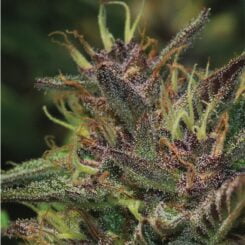 Blueberry Muffin (F)Price range: $45.00 through $120.00
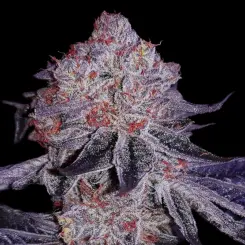 Cherry Gar-See-Ya R1 (F) [RETIRING SOON]Price range: $15.00 through $110.00
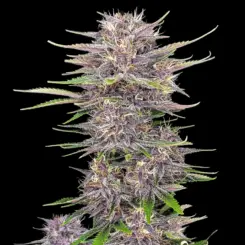 Banana Purple Punch AutoPrice range: $15.68 through $120.68
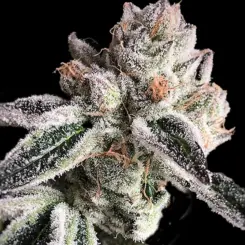 Crescendo RBx1 (F)-10%$63.00 – $99.00
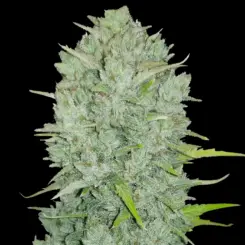 Original Northern Lights AutoPrice range: $11.68 through $80.68
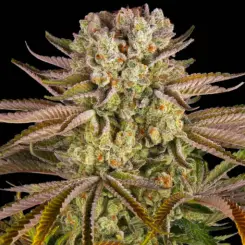 Pineapple Express (F)Price range: $16.00 through $96.00
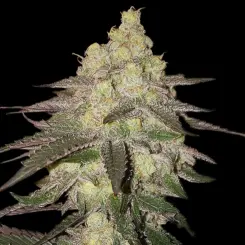 Banana Daddy Auto RBX2Price range: $12.00 through $410.00
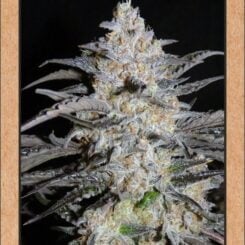 3 Bears OG Auto$48.00
 Durban Poison (F)Price range: $33.25 through $50.75
 Strawberry Cough (F)Price range: $44.98 through $69.98
 Hella Jelly [formerly Jelly Rancher] (F)Price range: $45.00 through $120.00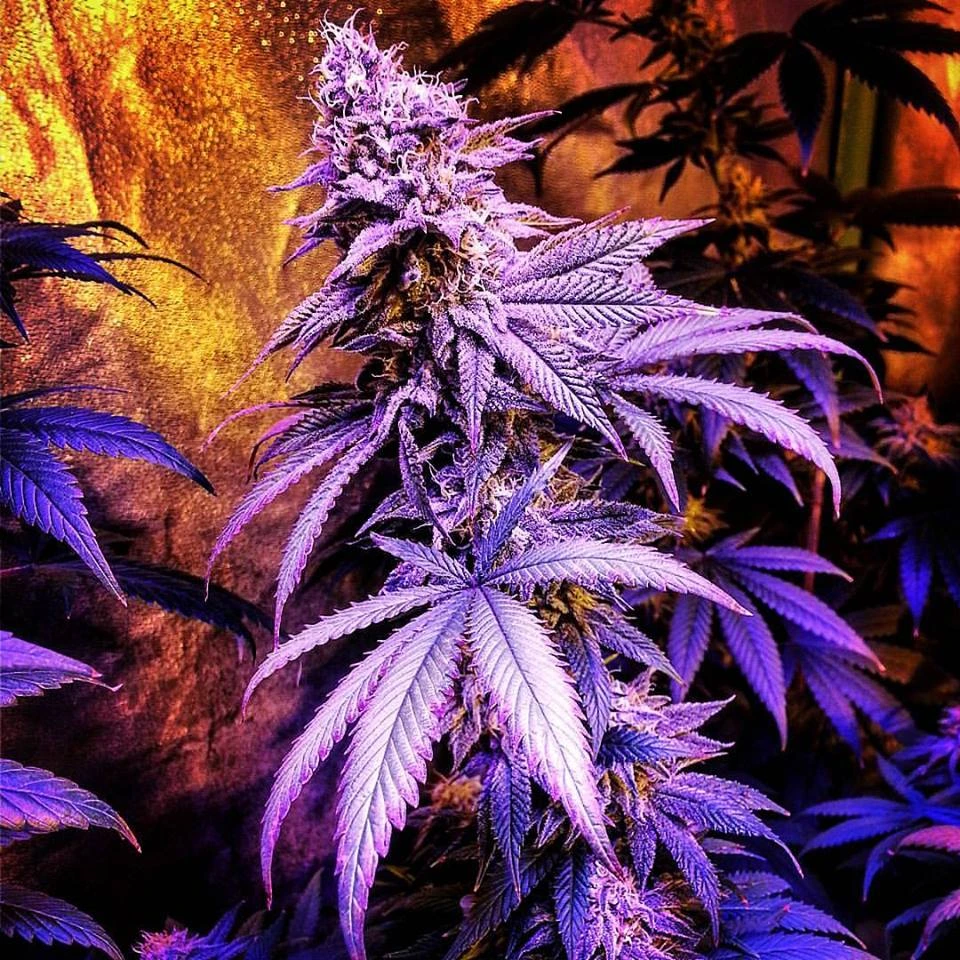

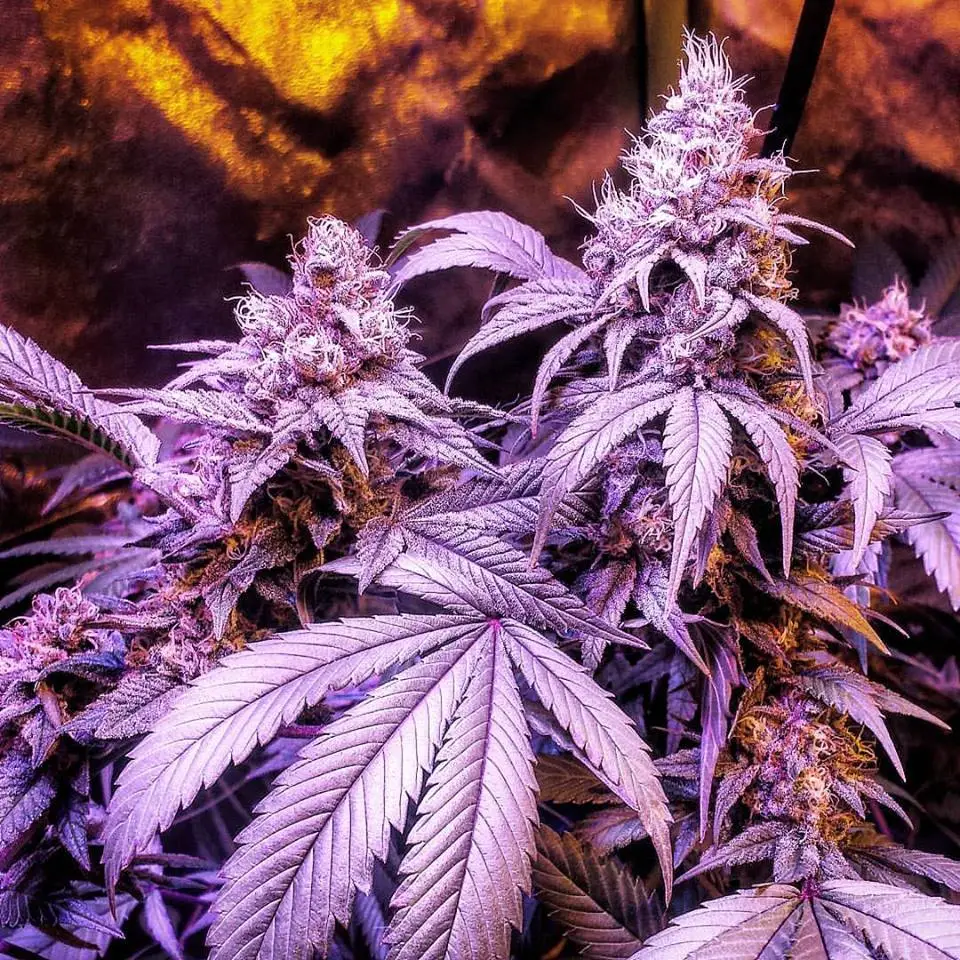

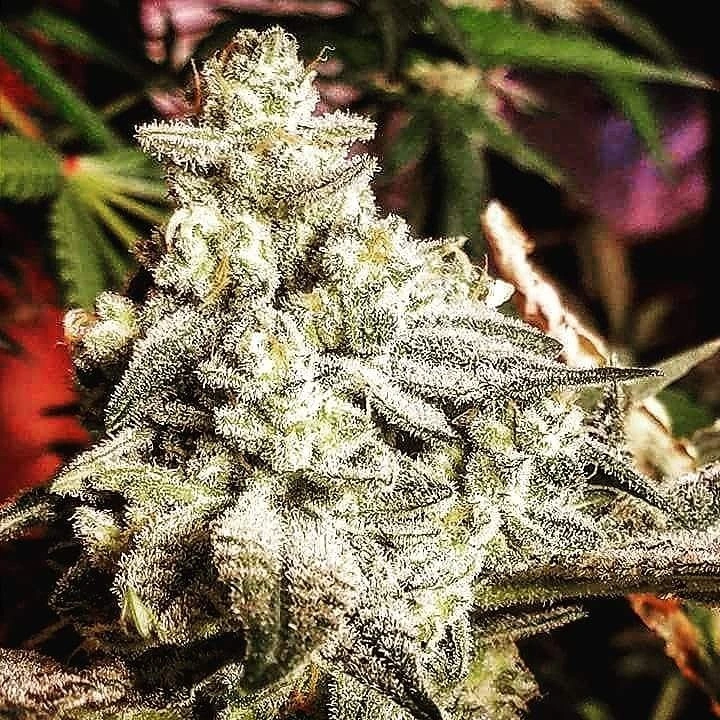
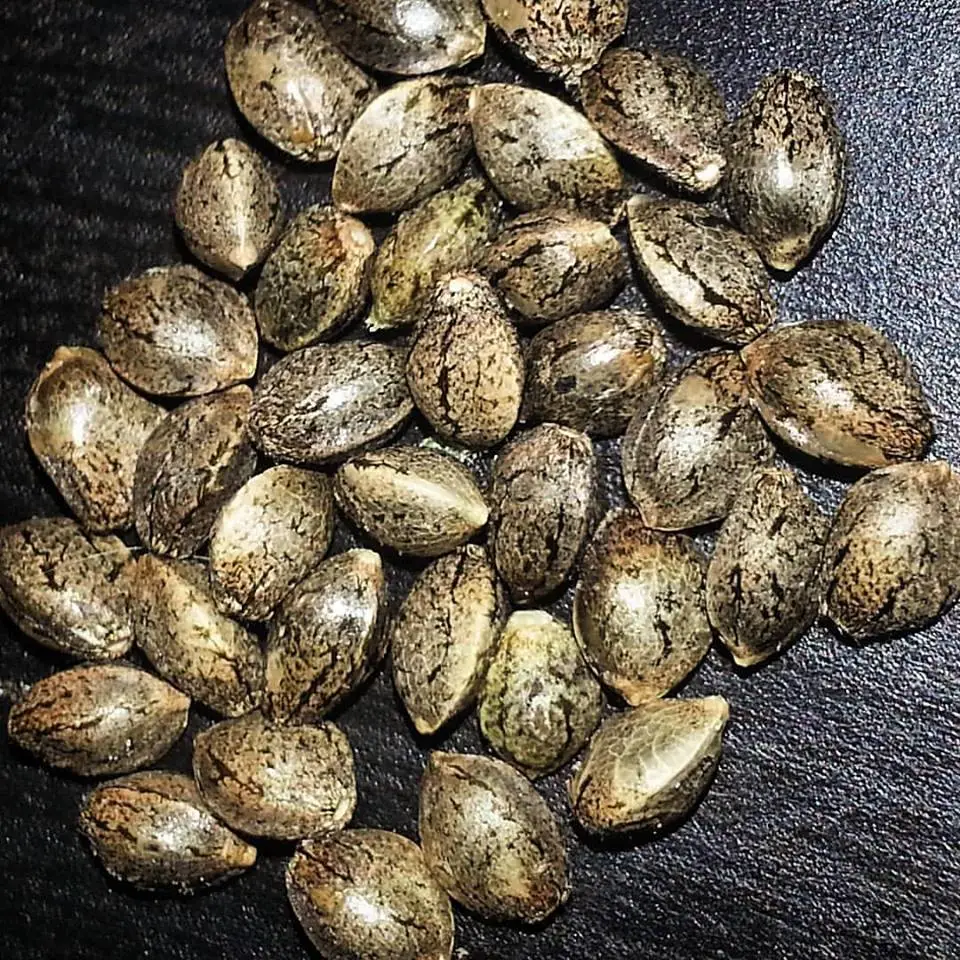
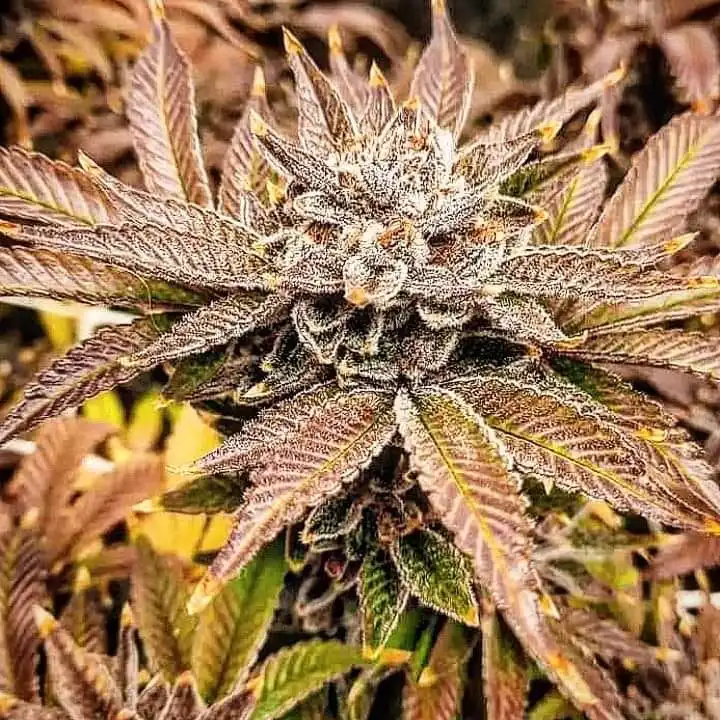
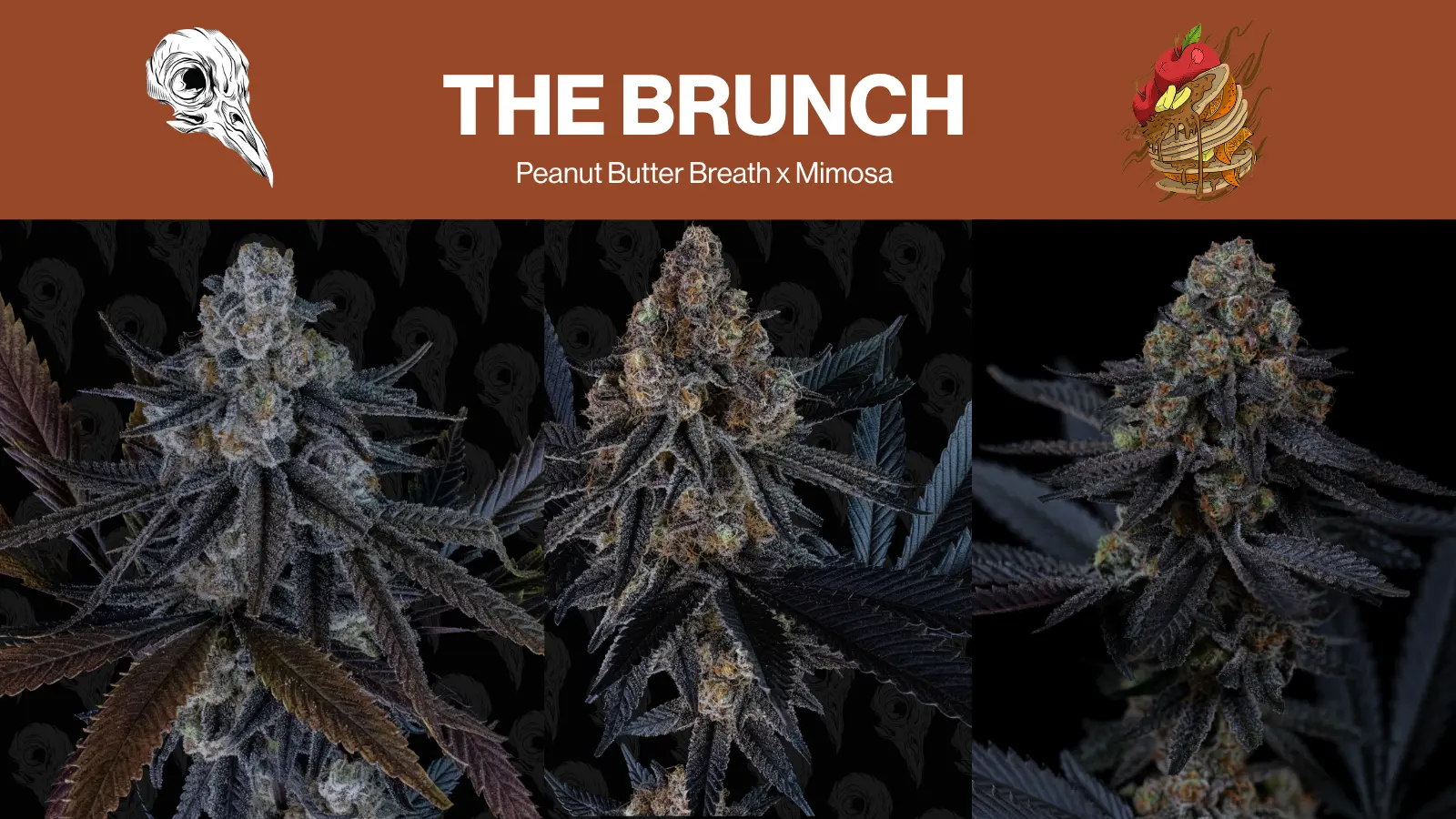

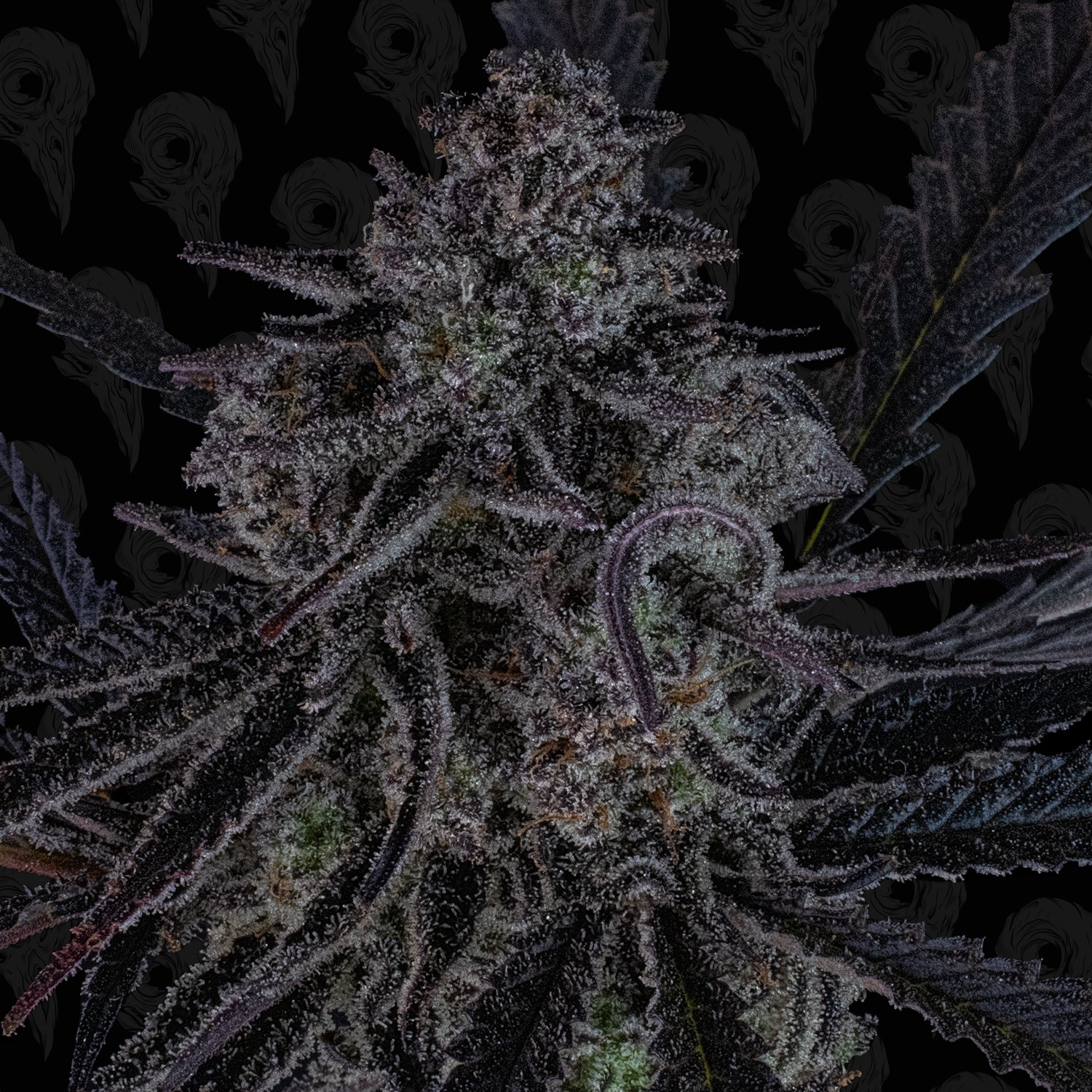


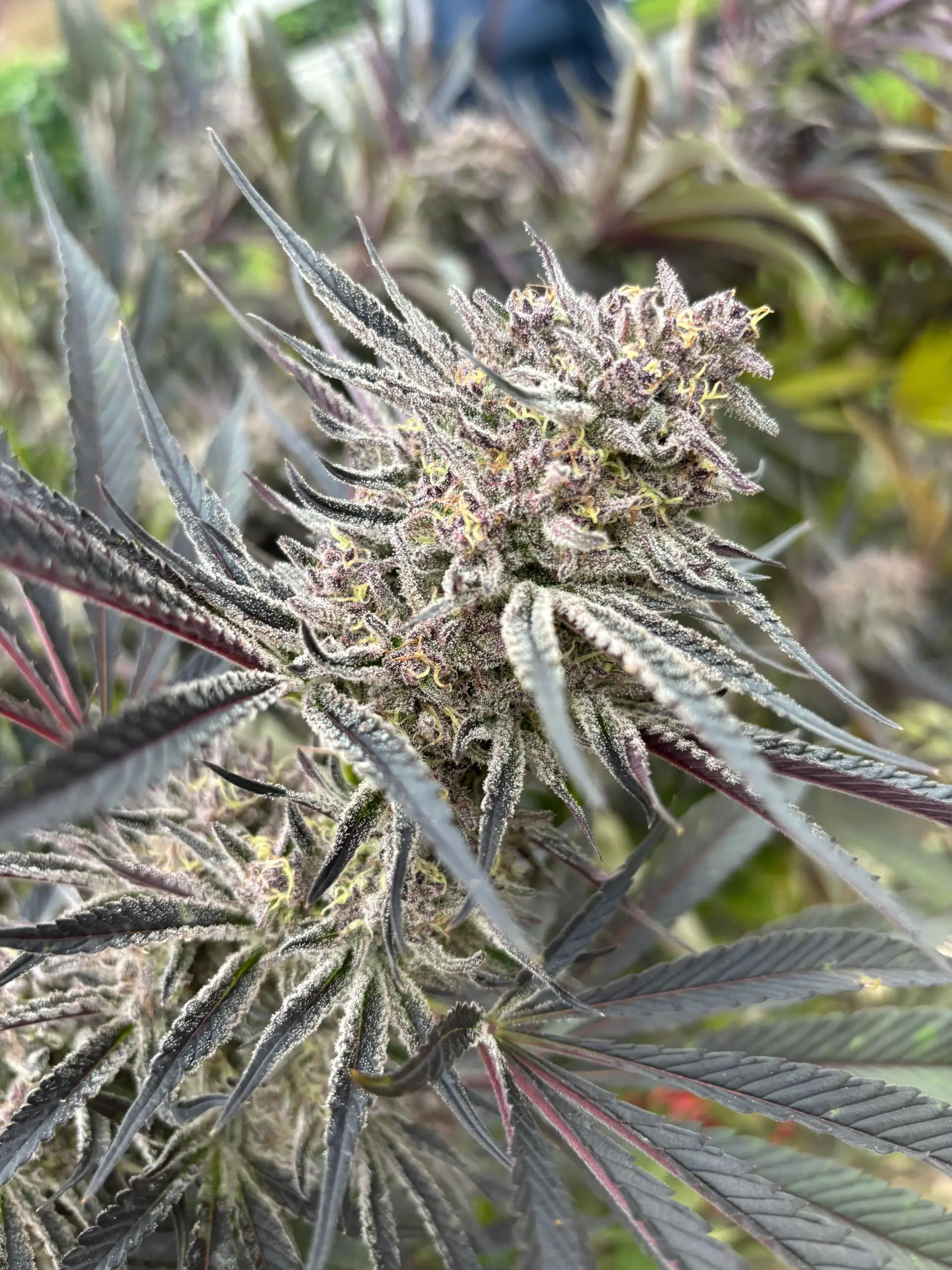

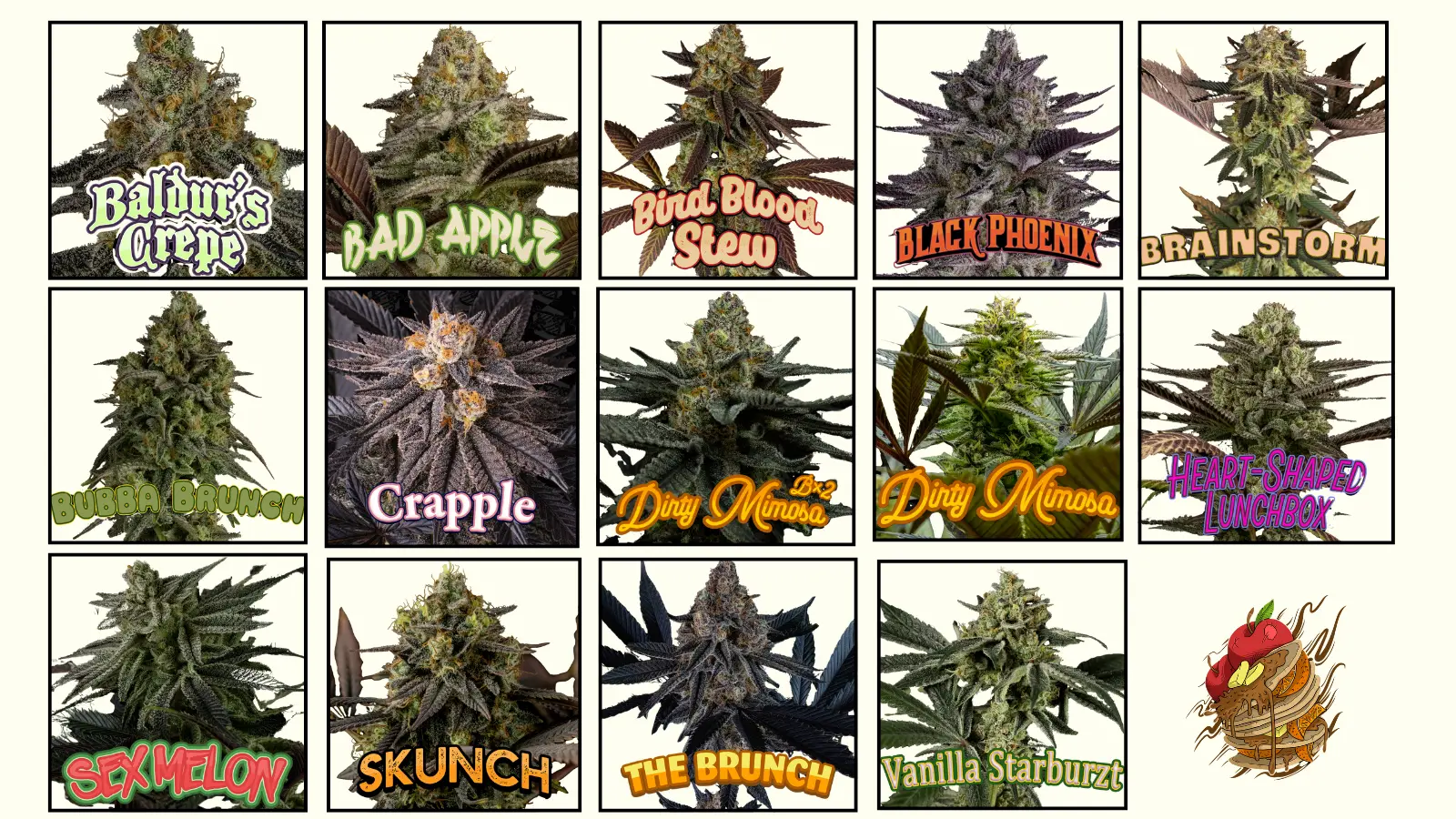







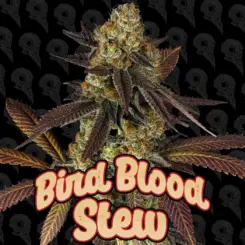
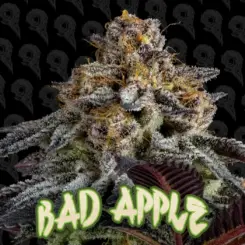

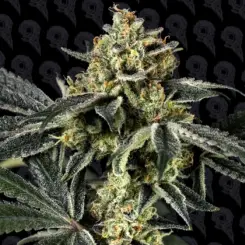
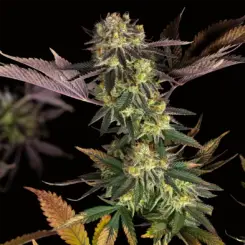

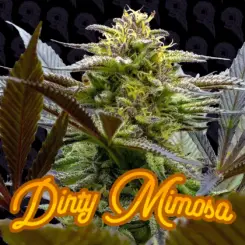


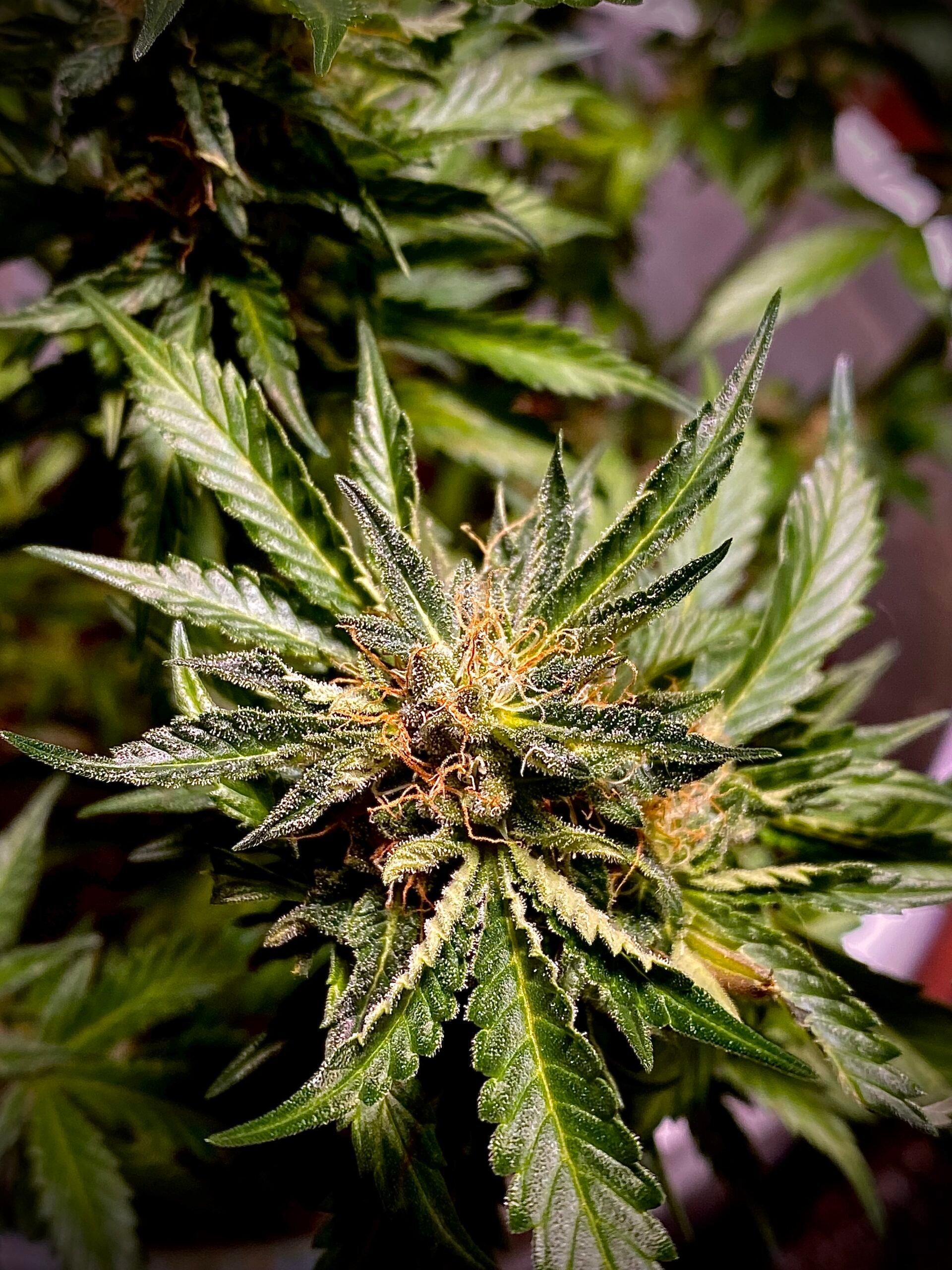

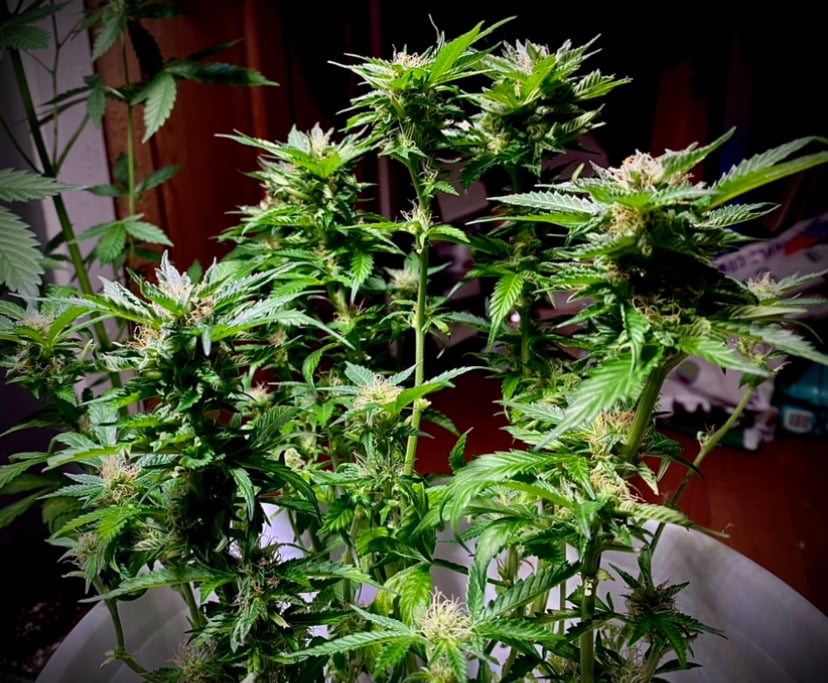
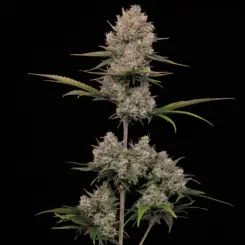
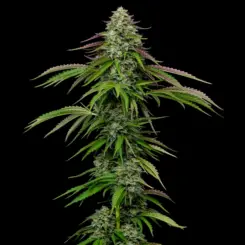
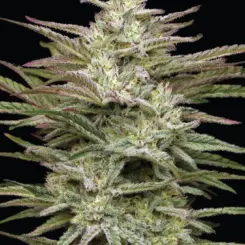

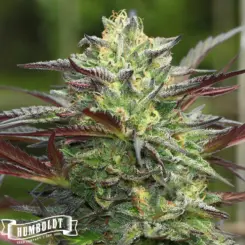
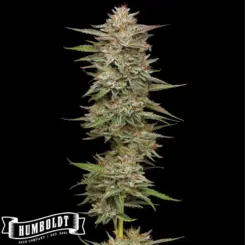
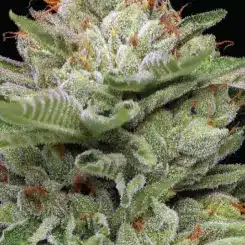






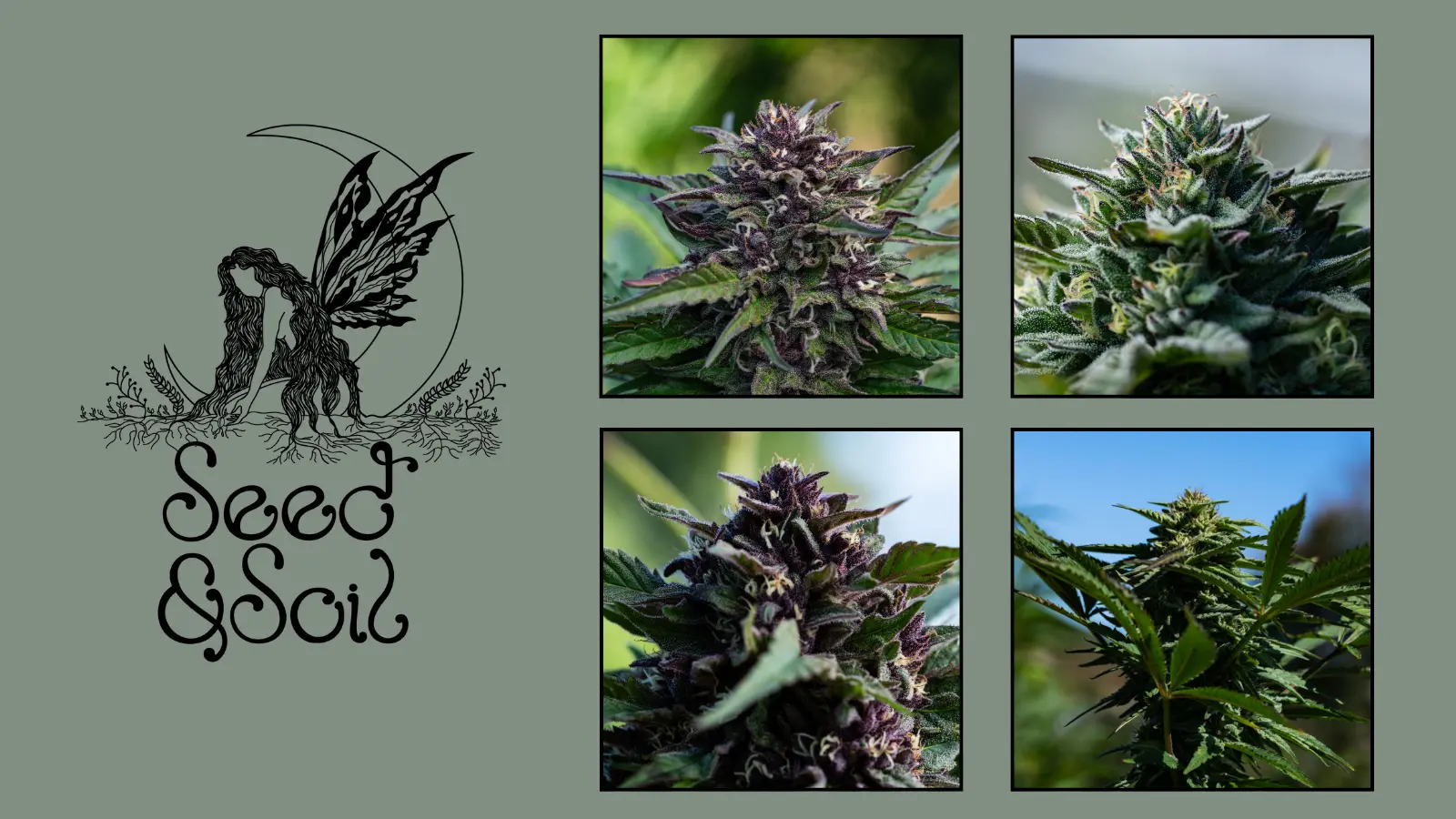
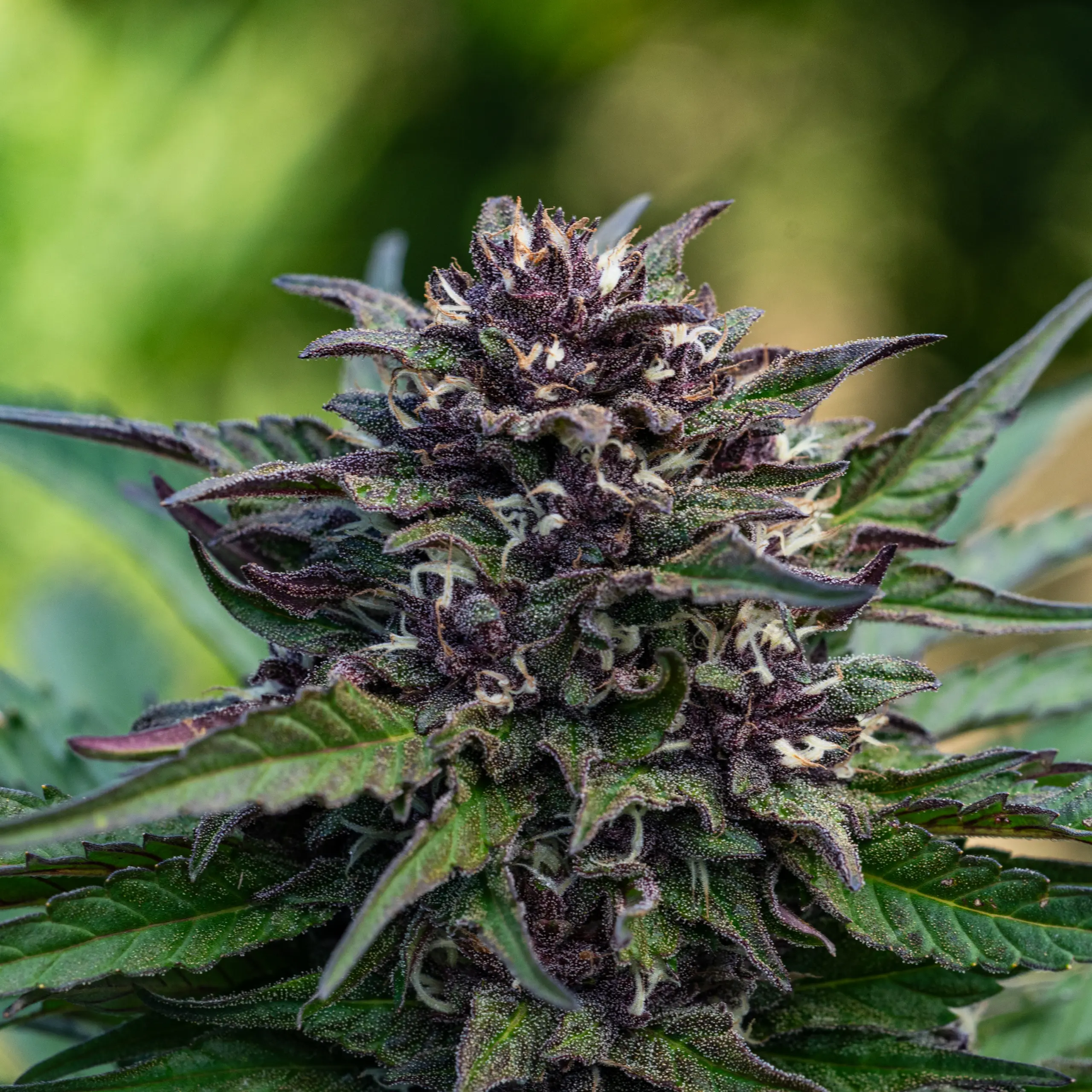
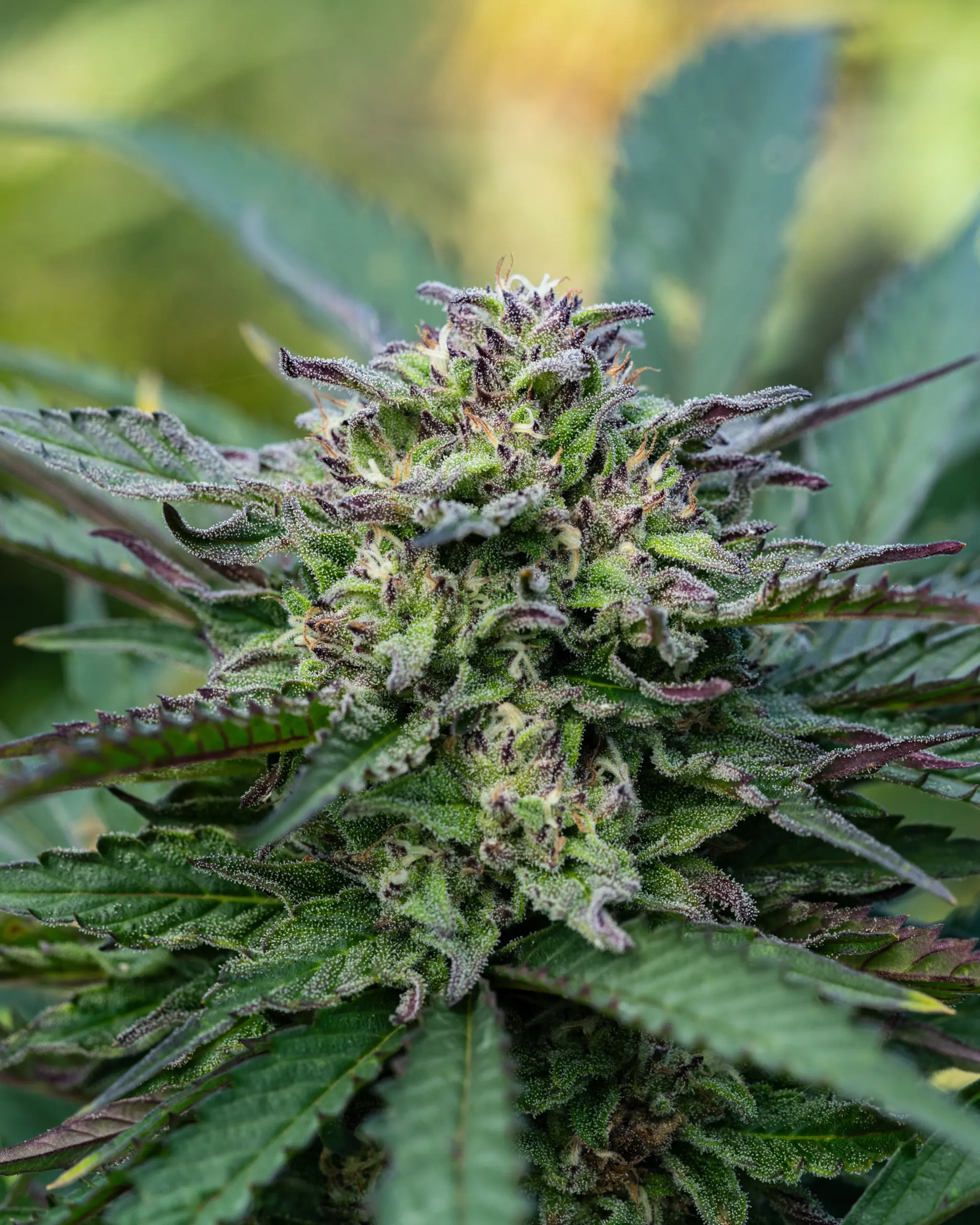
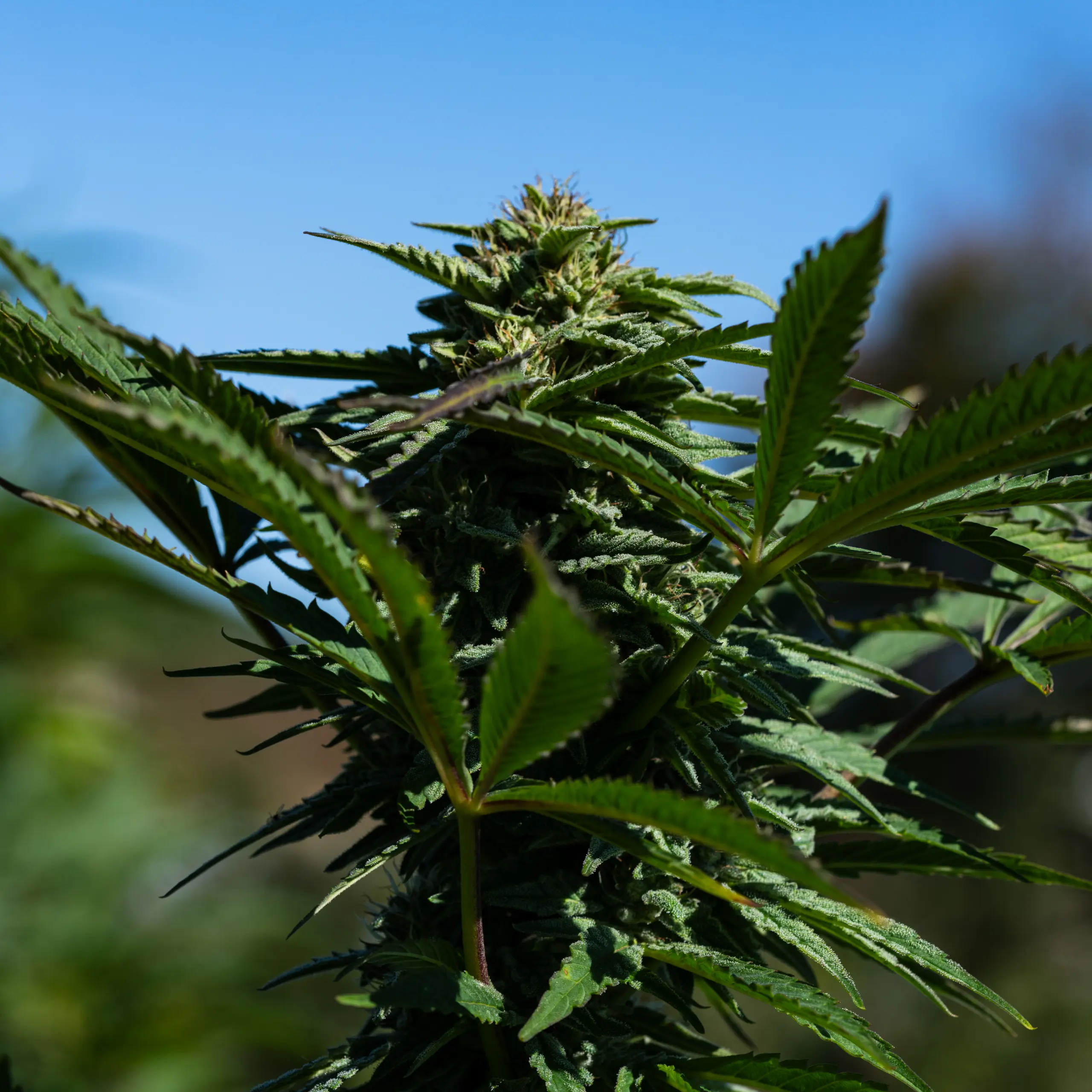
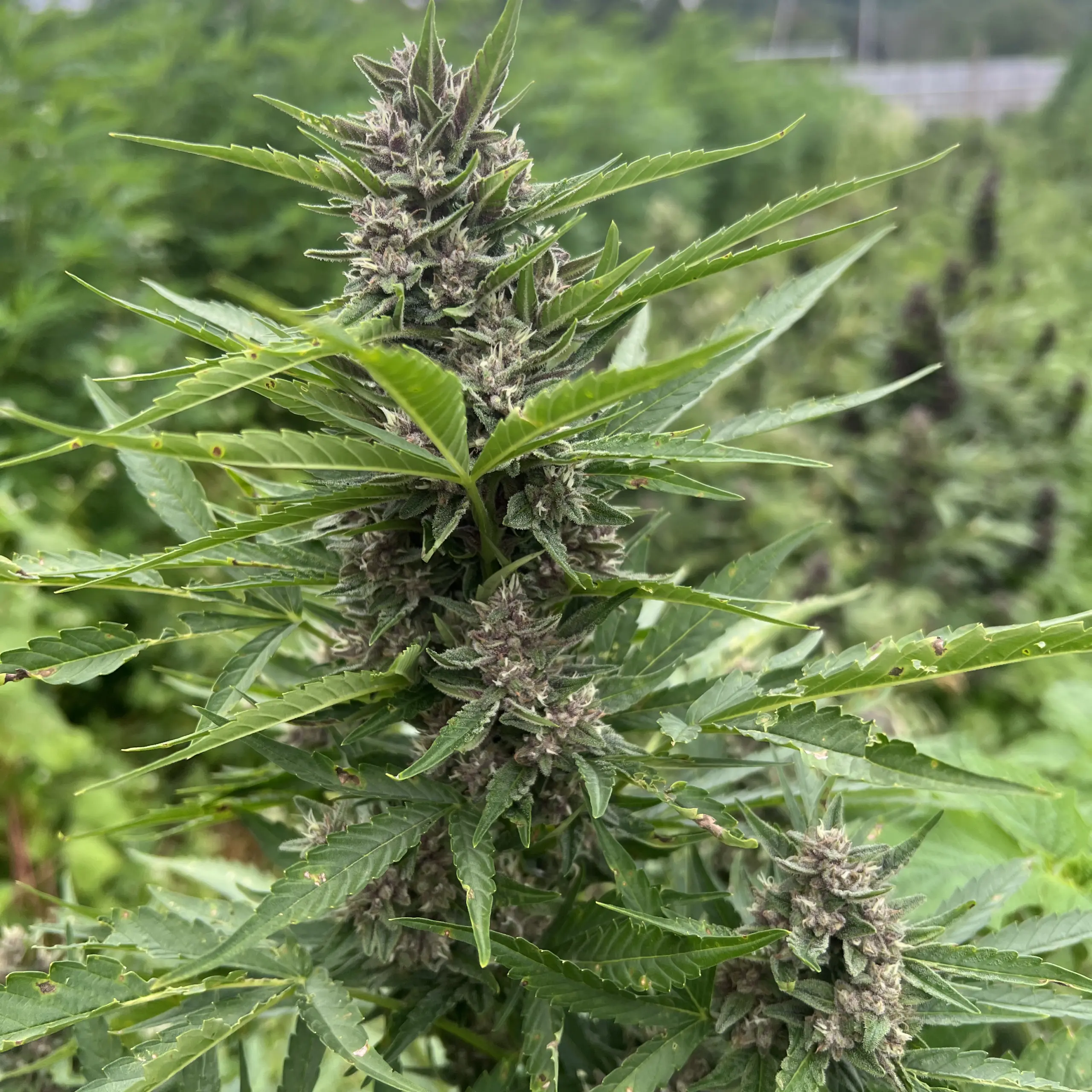
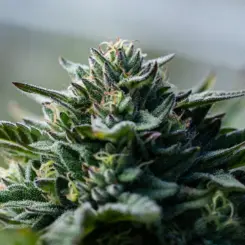
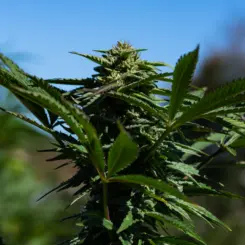
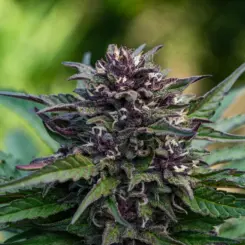
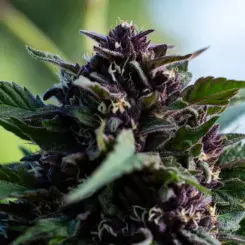
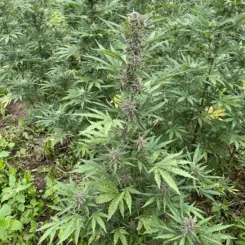
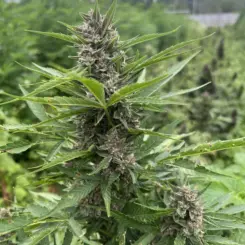
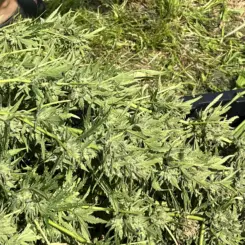
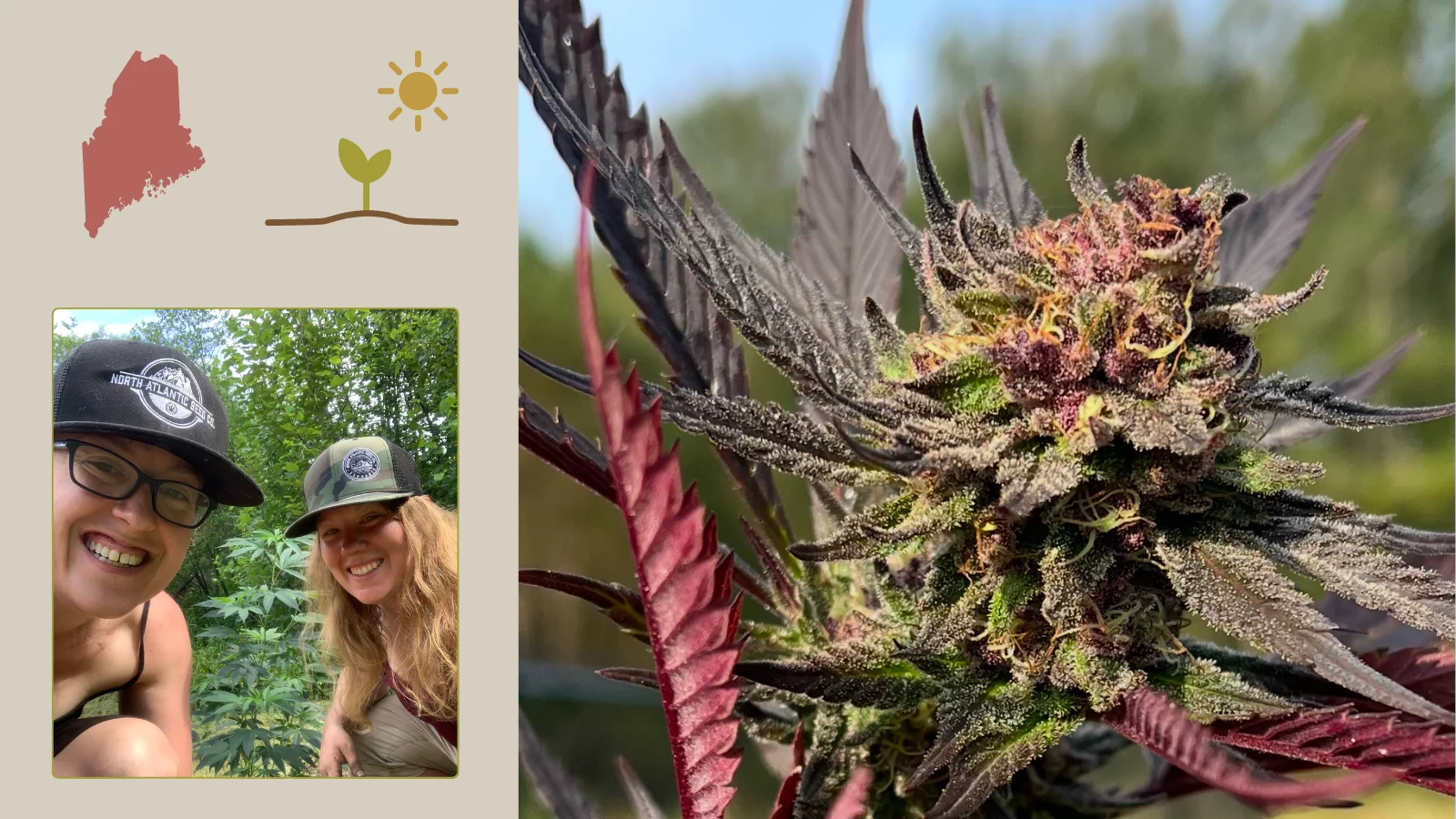
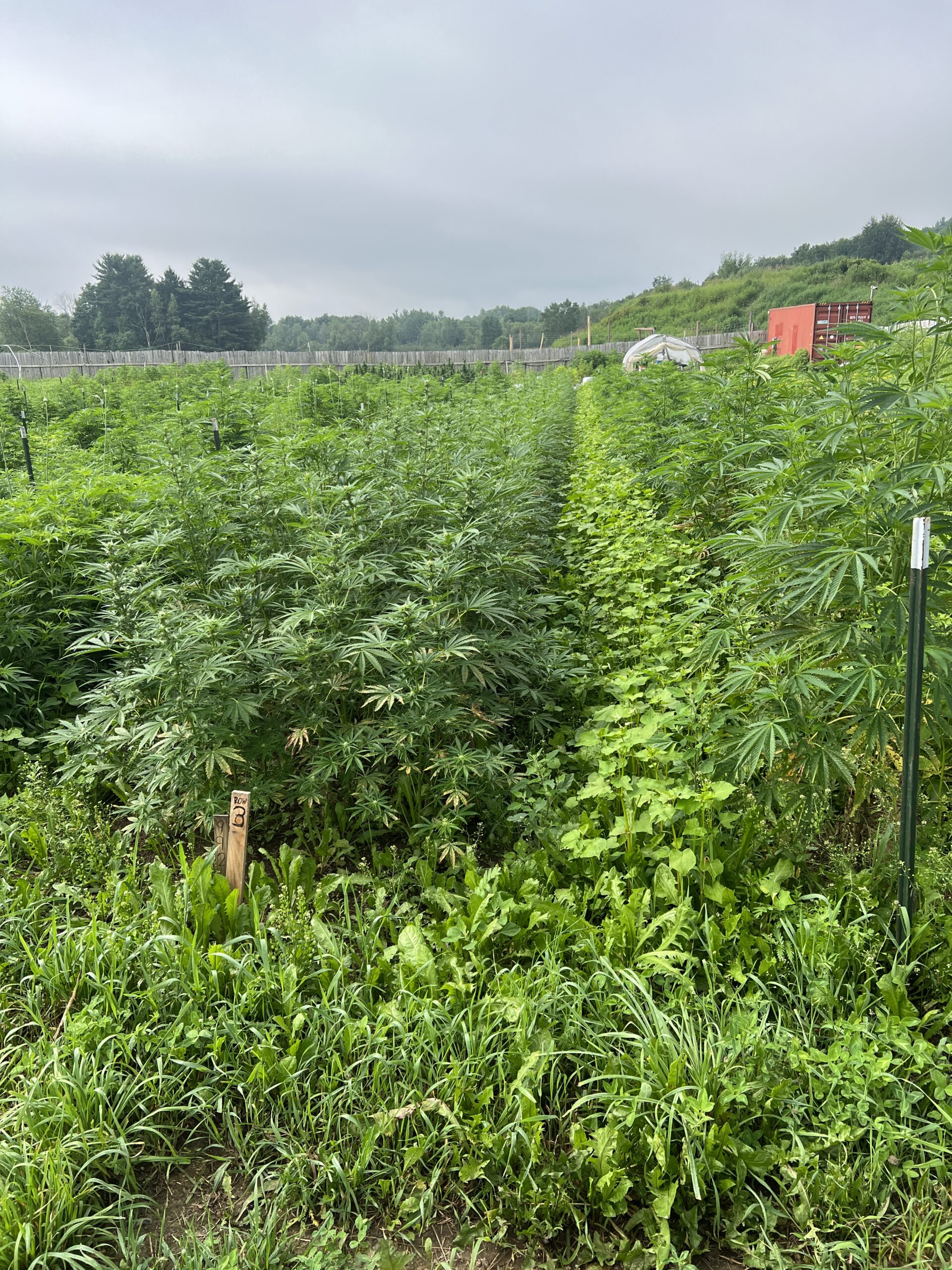
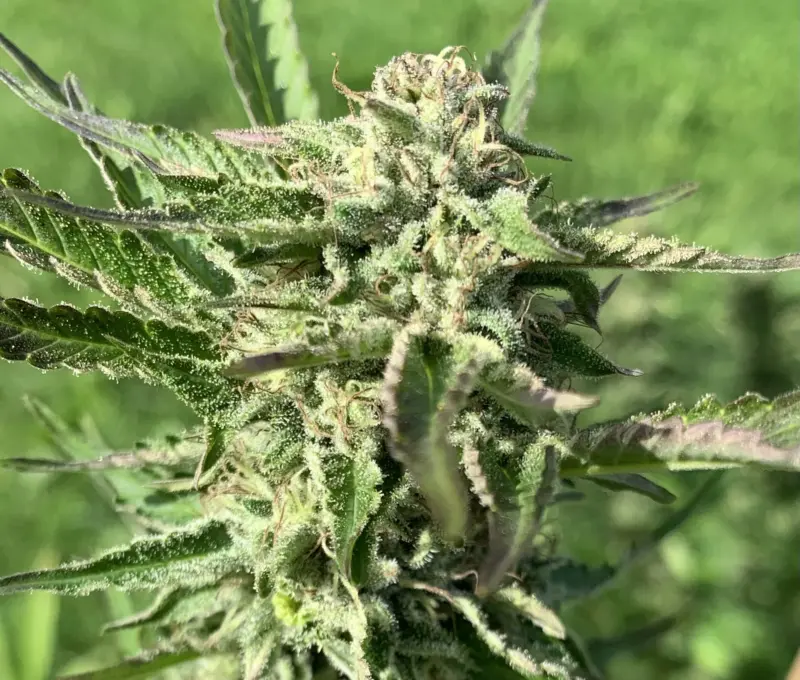
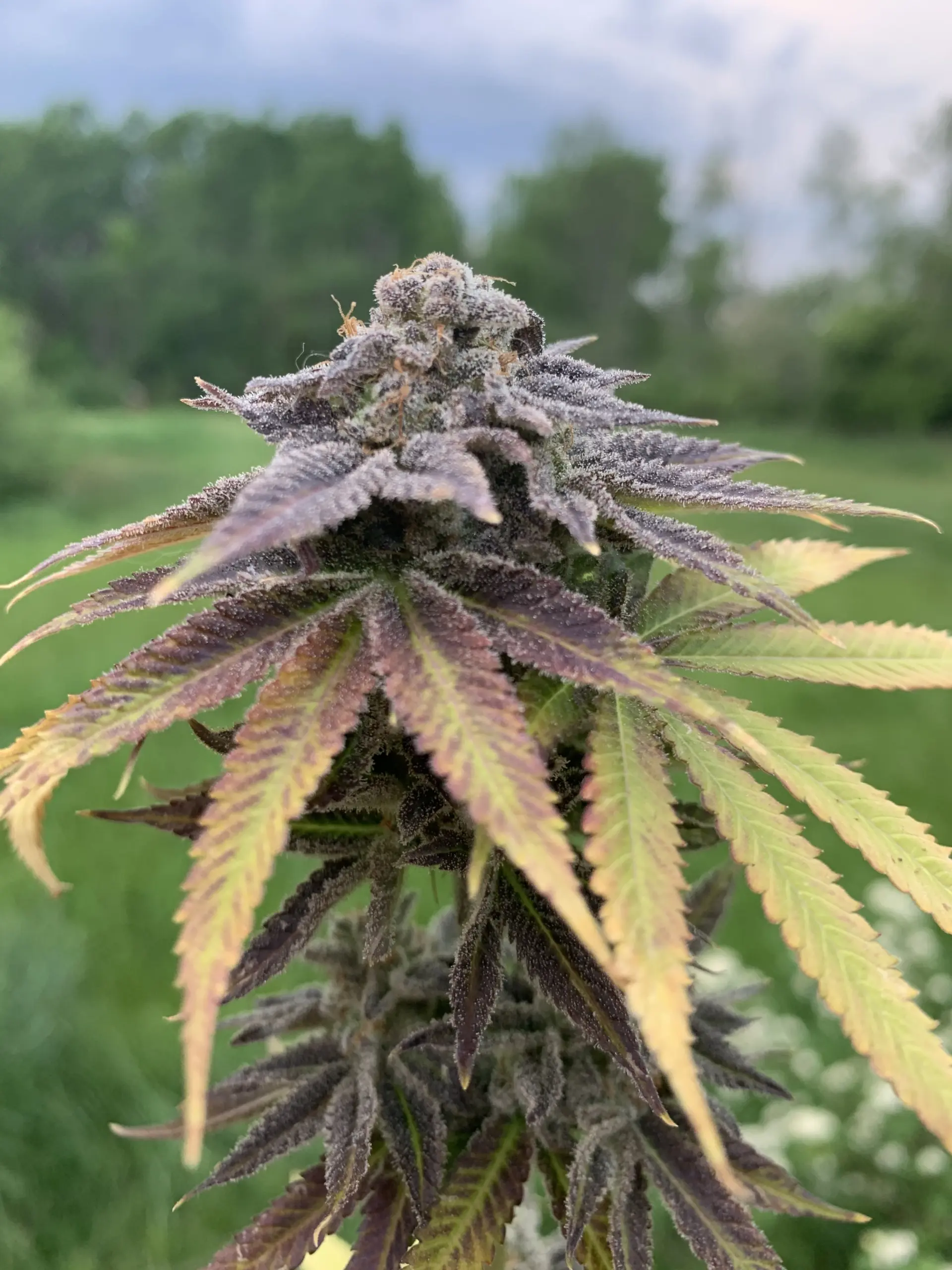
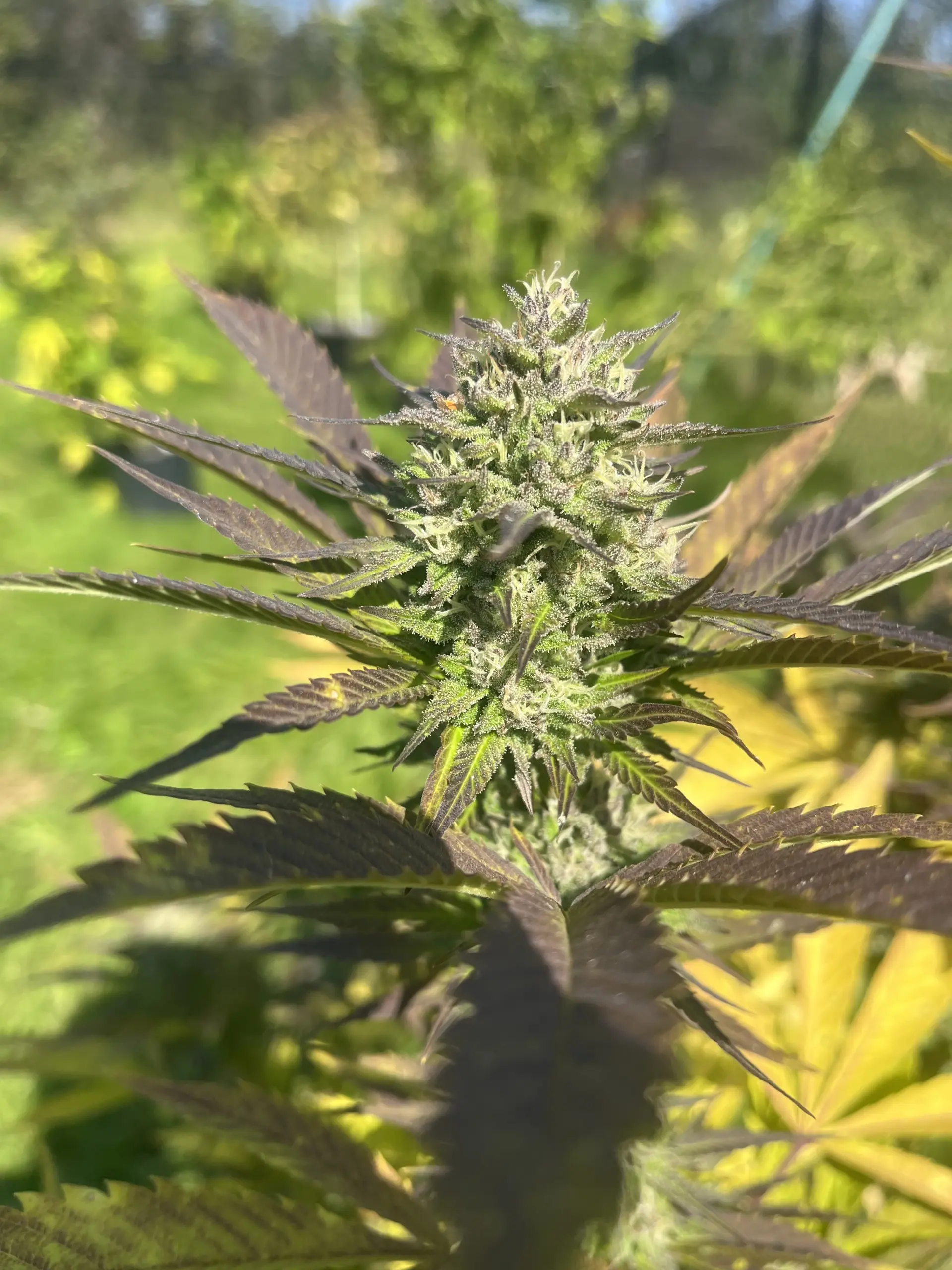
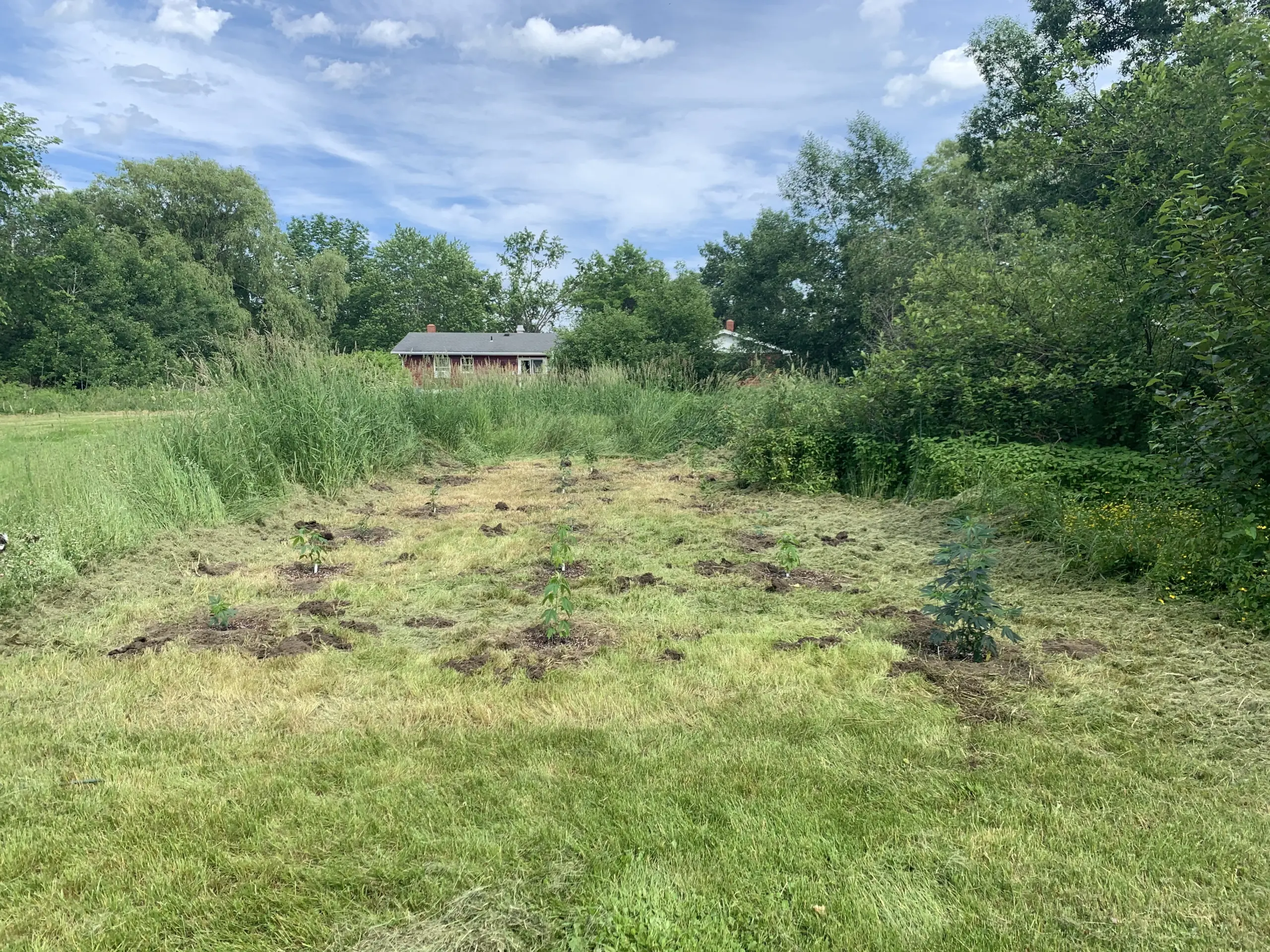
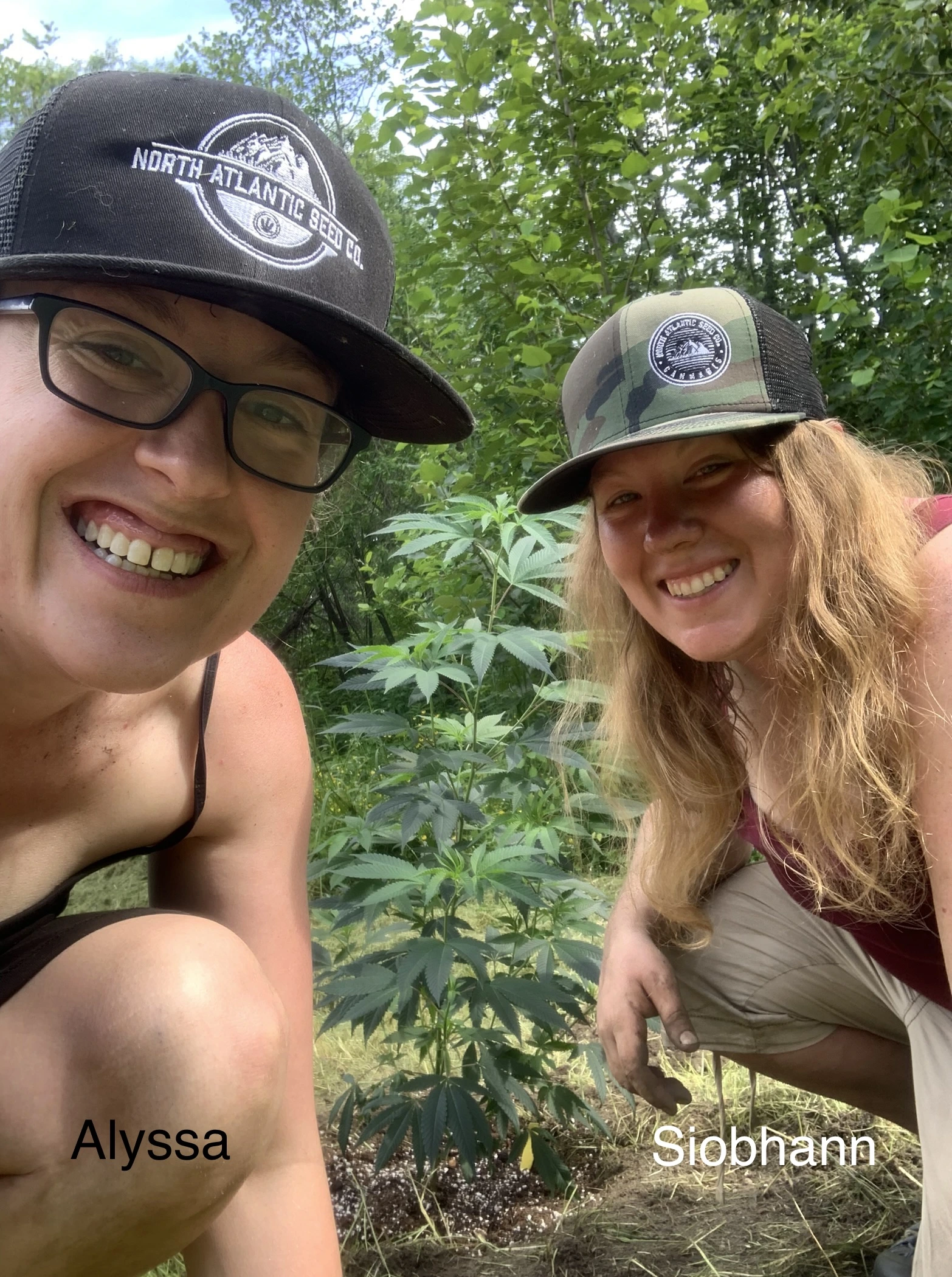
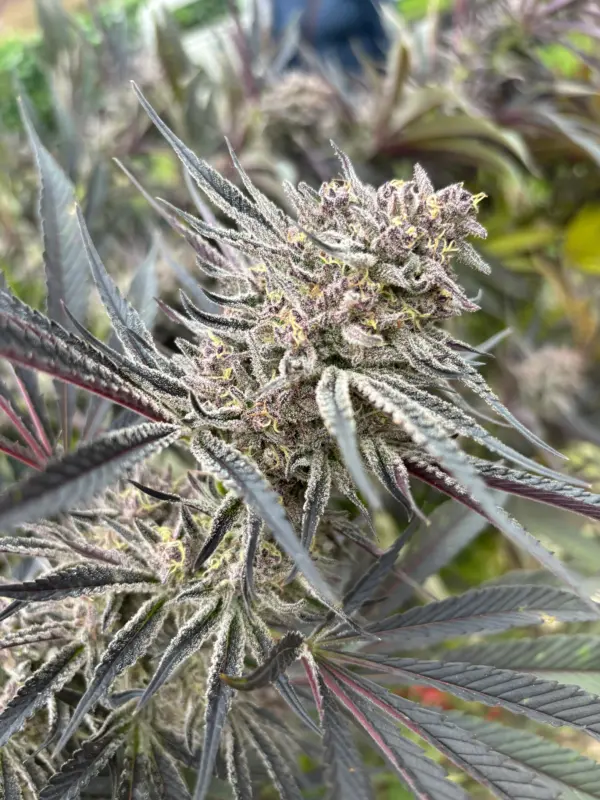
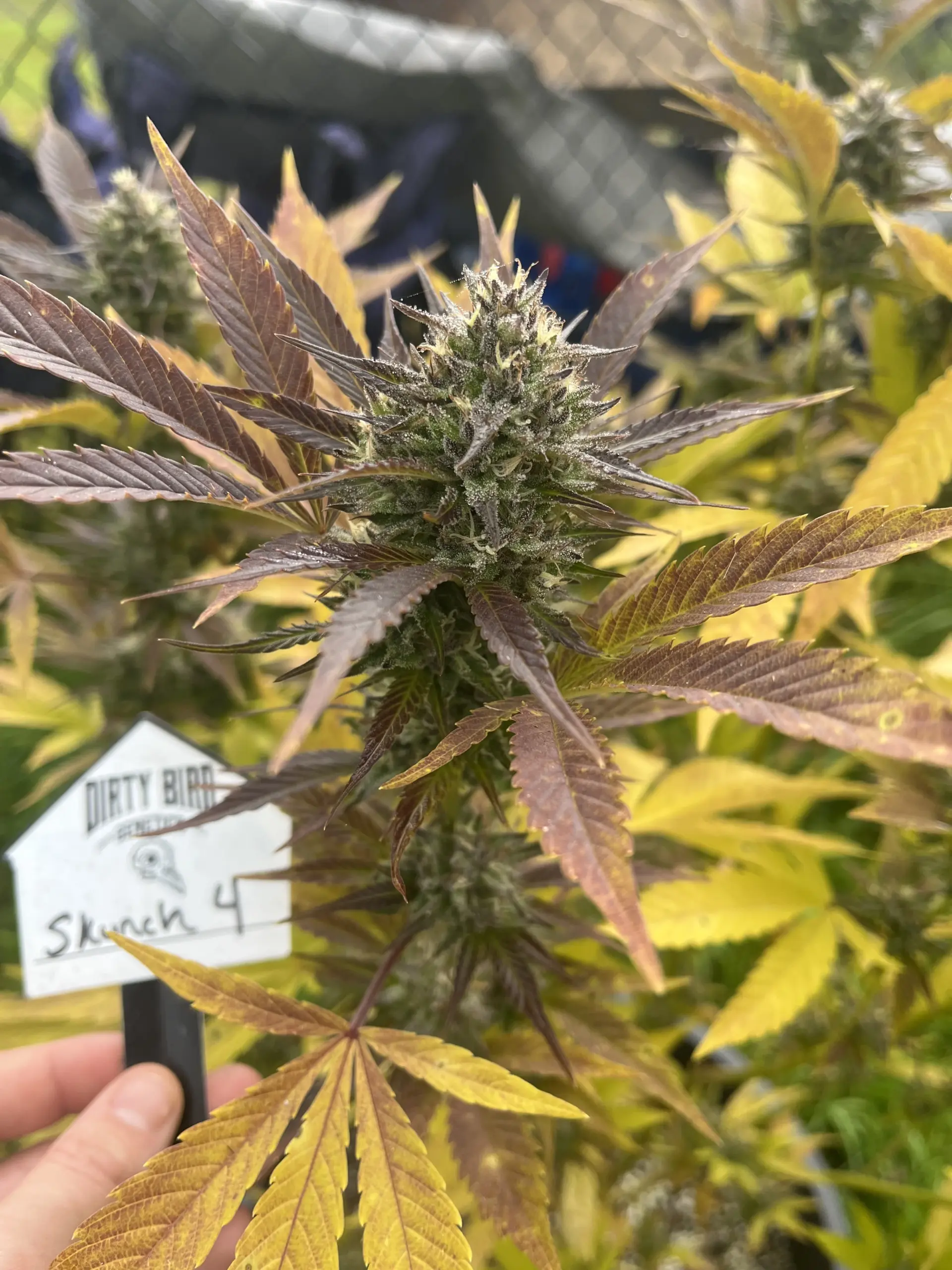
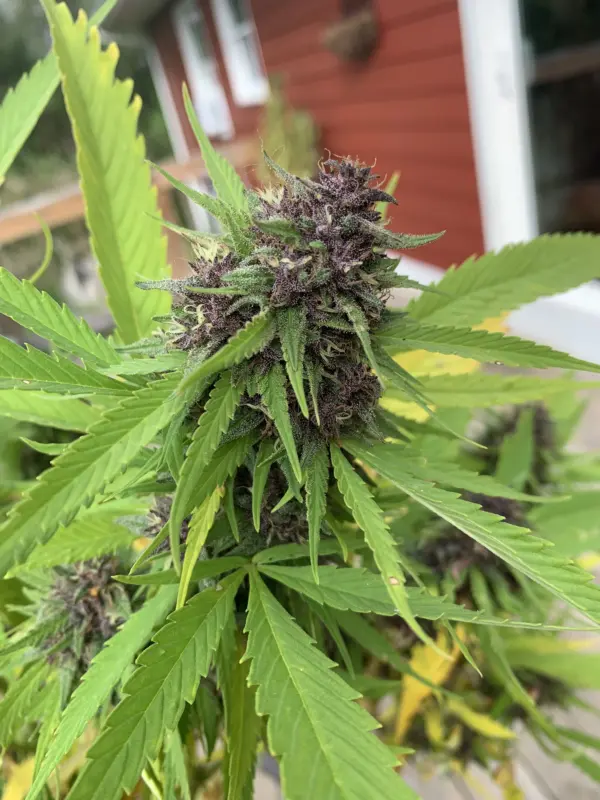
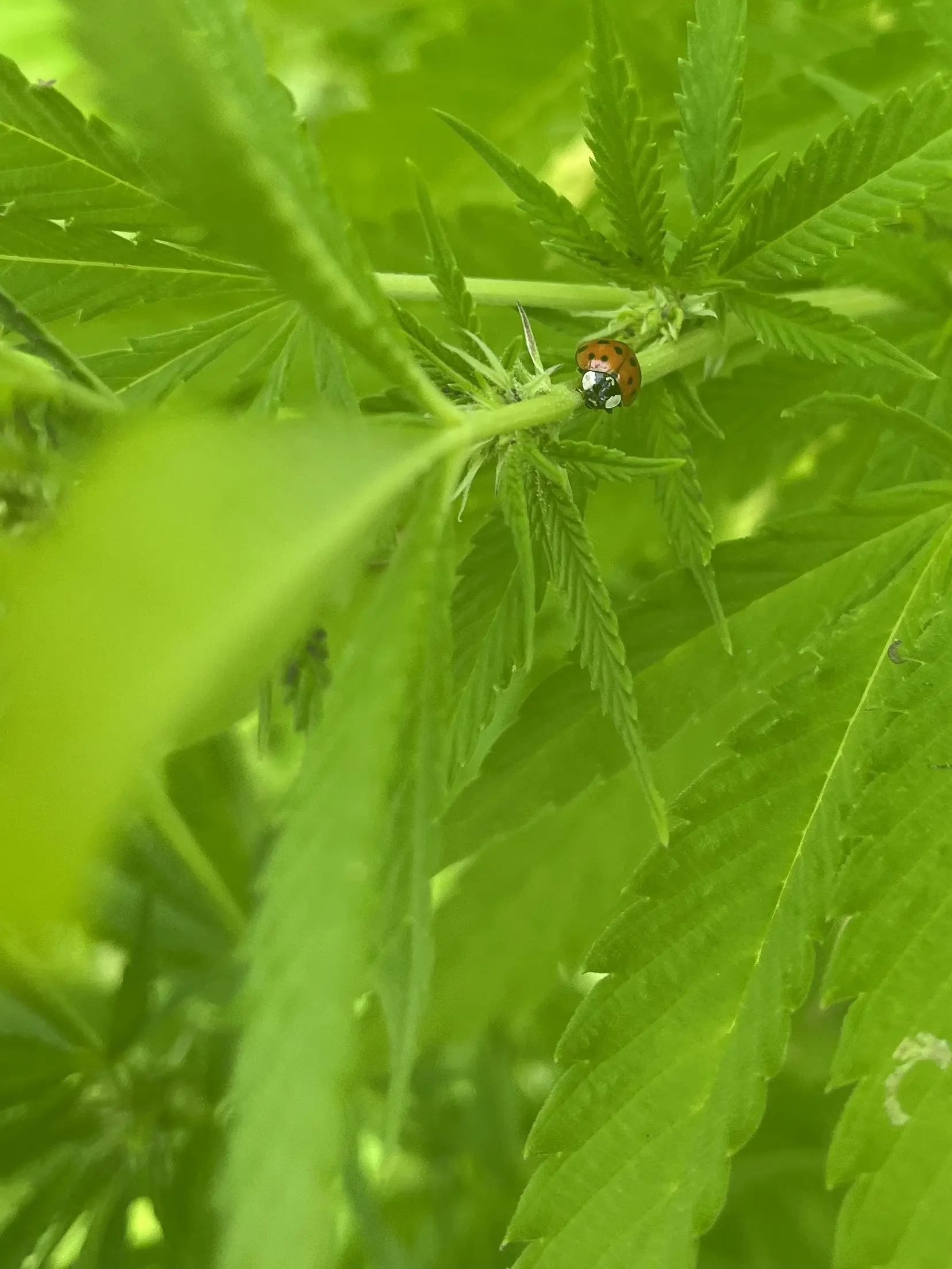
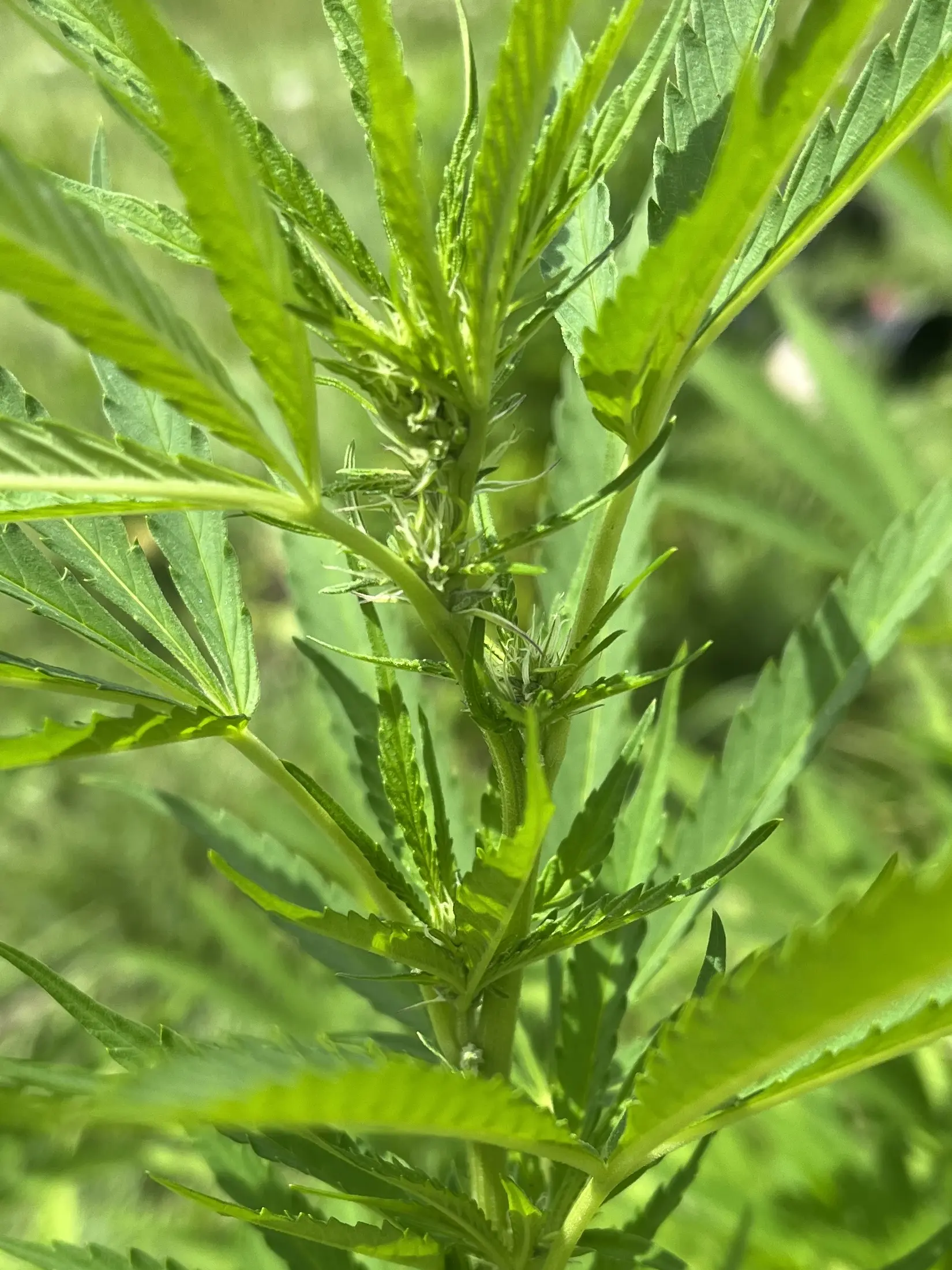
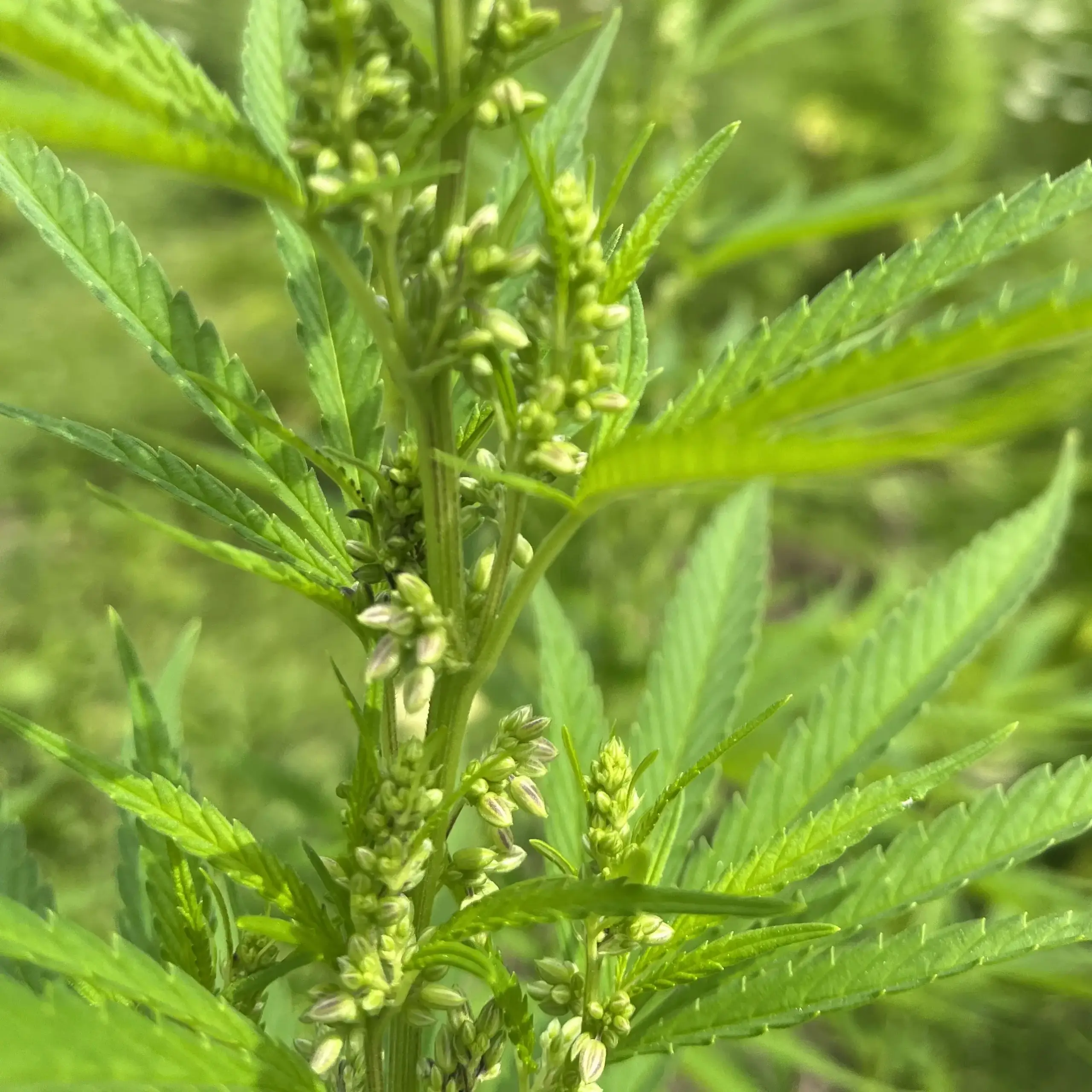
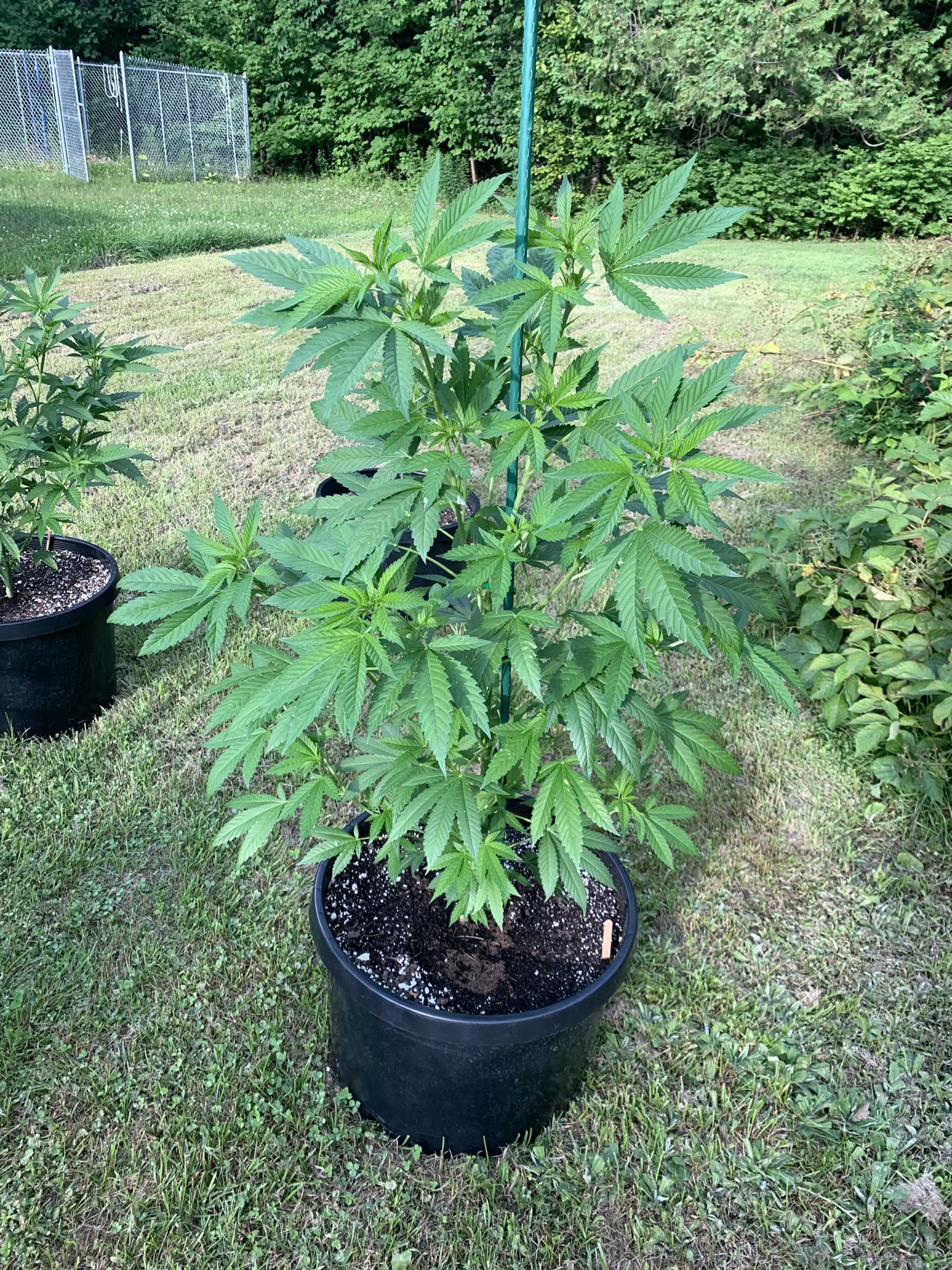
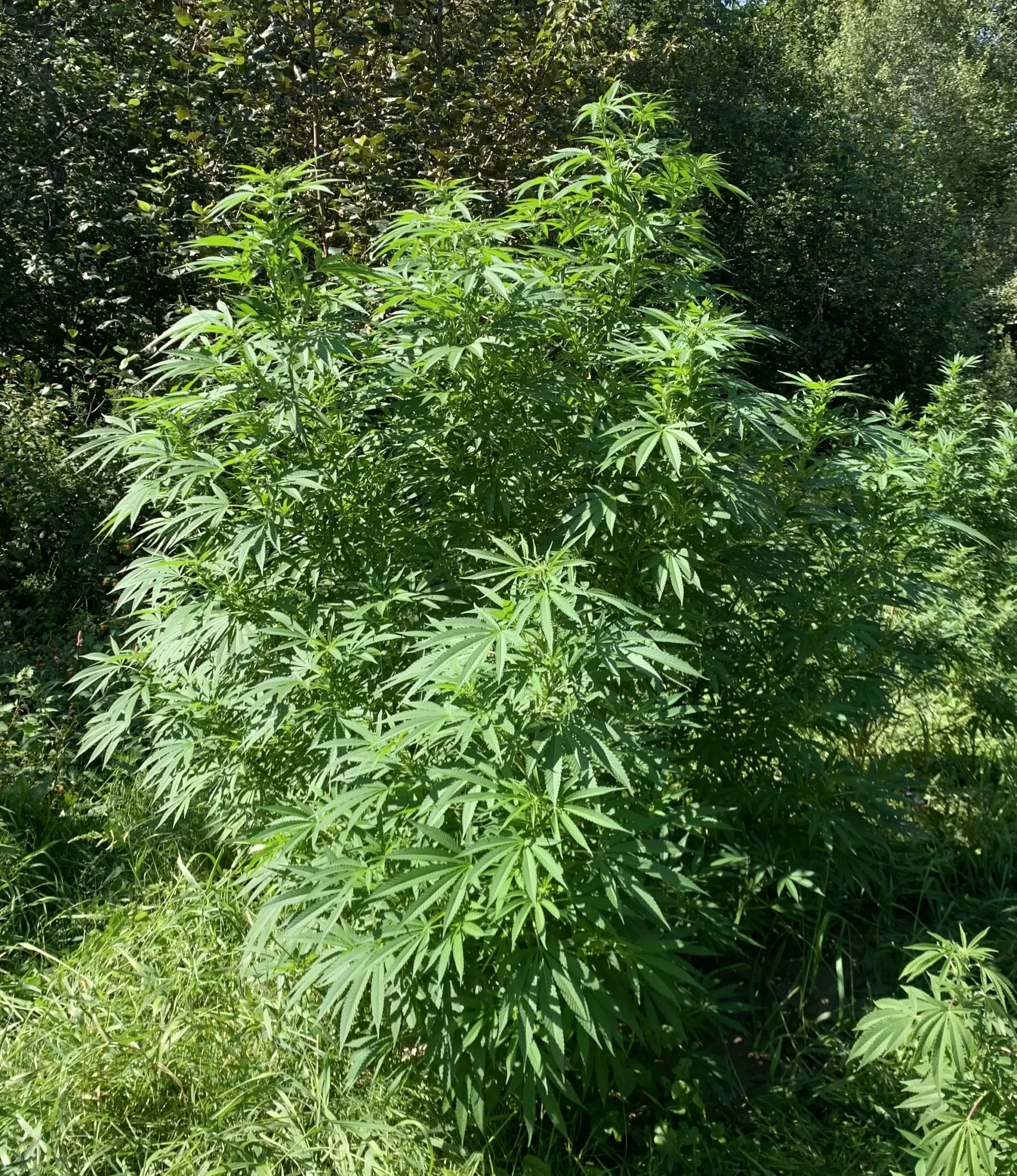
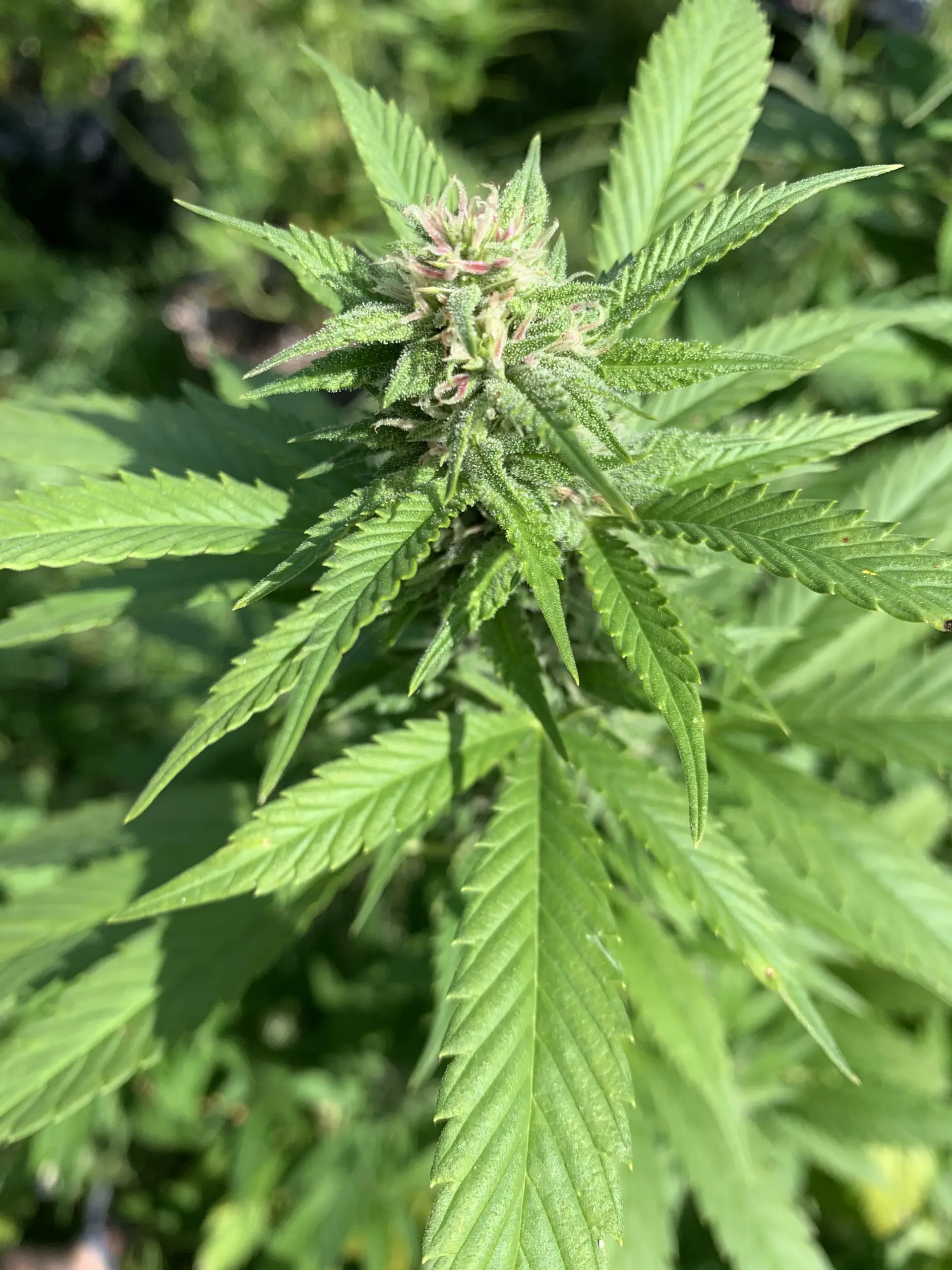
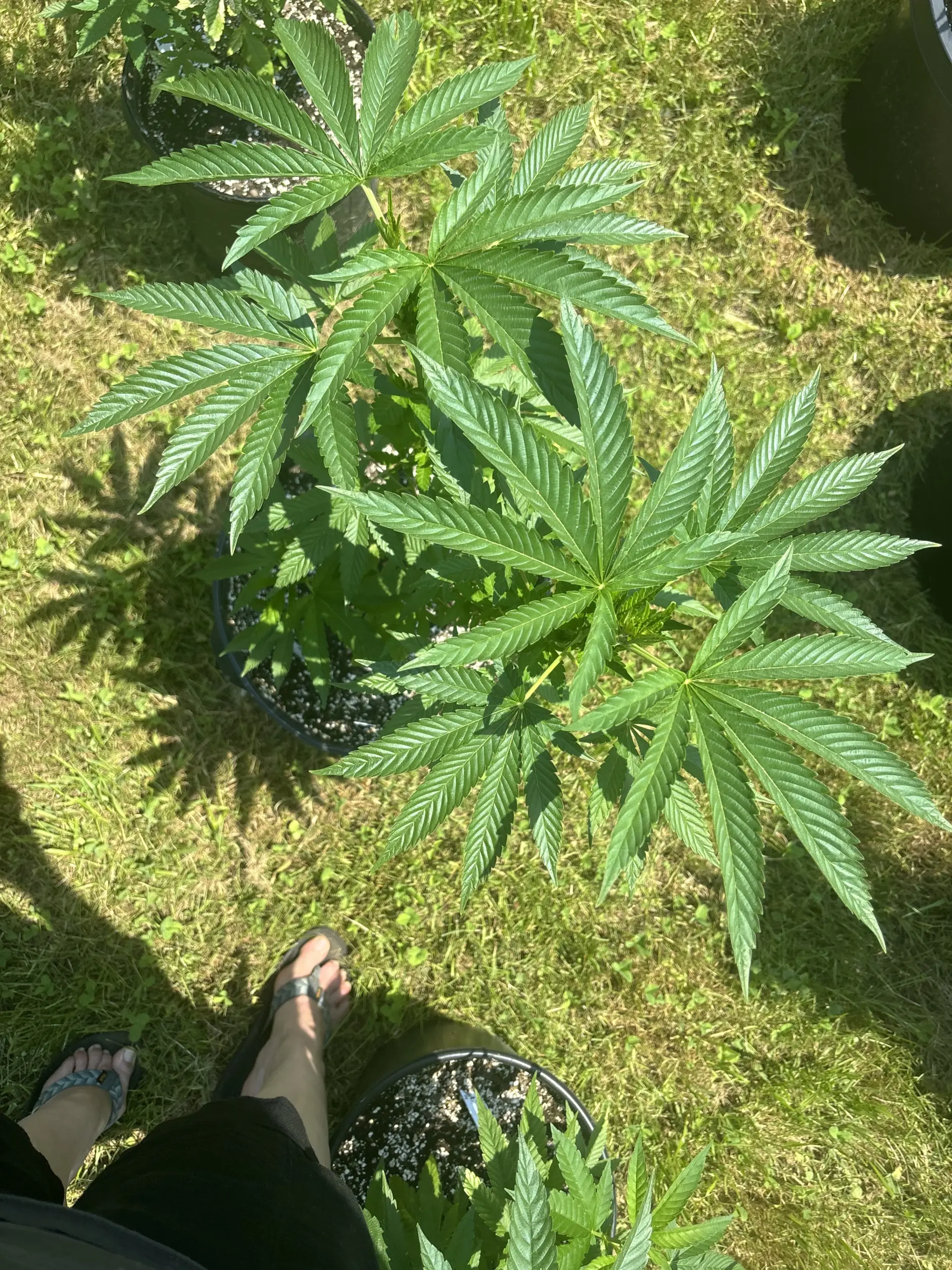
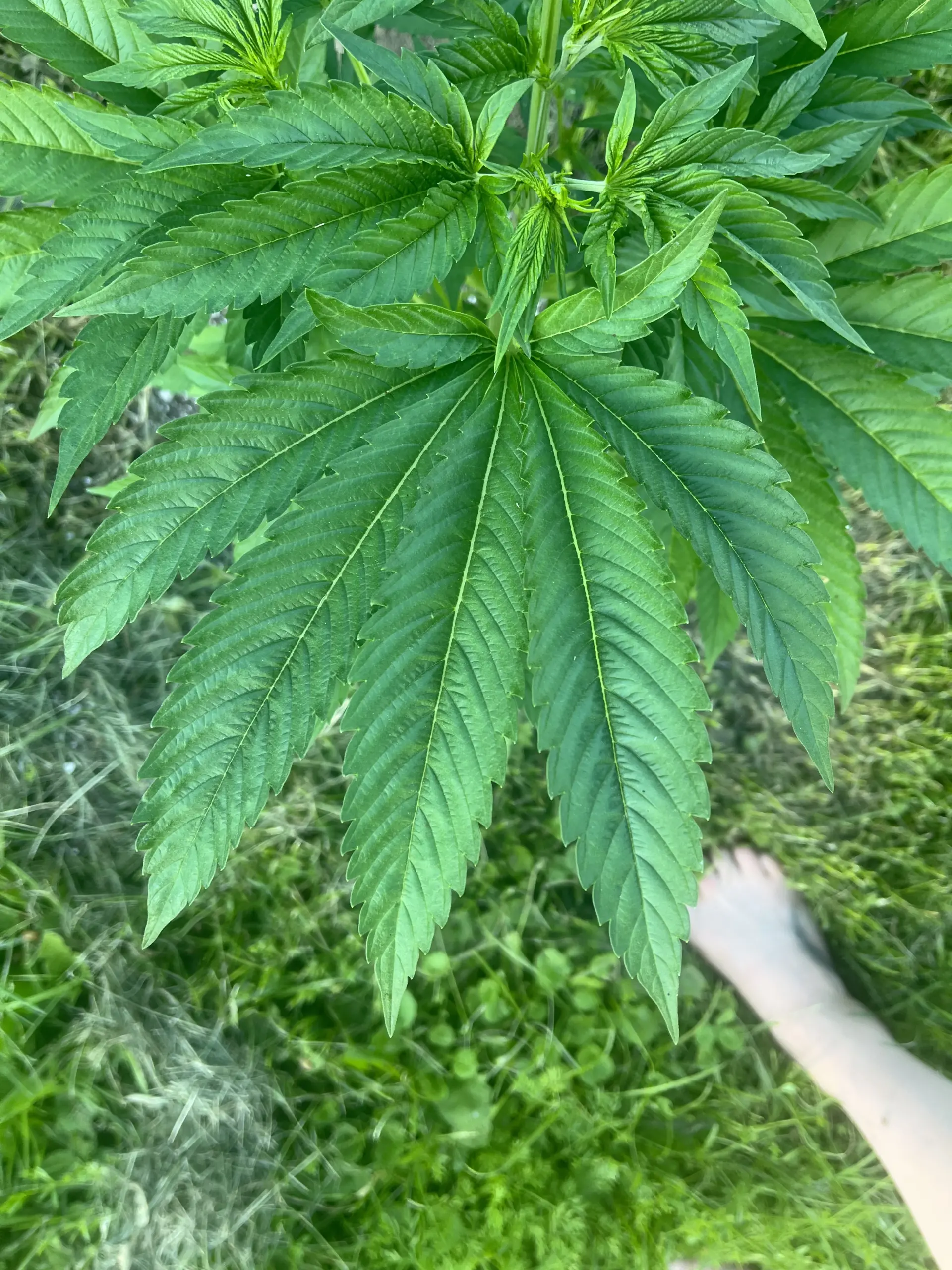
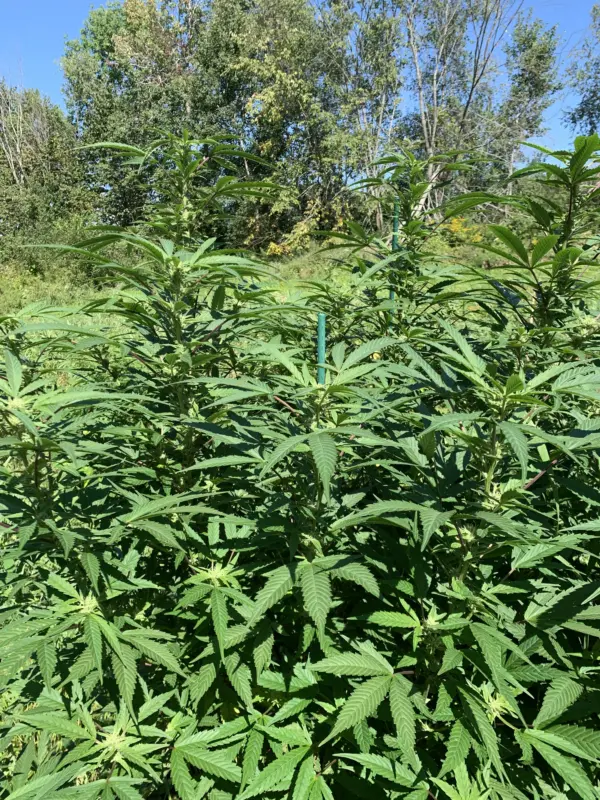
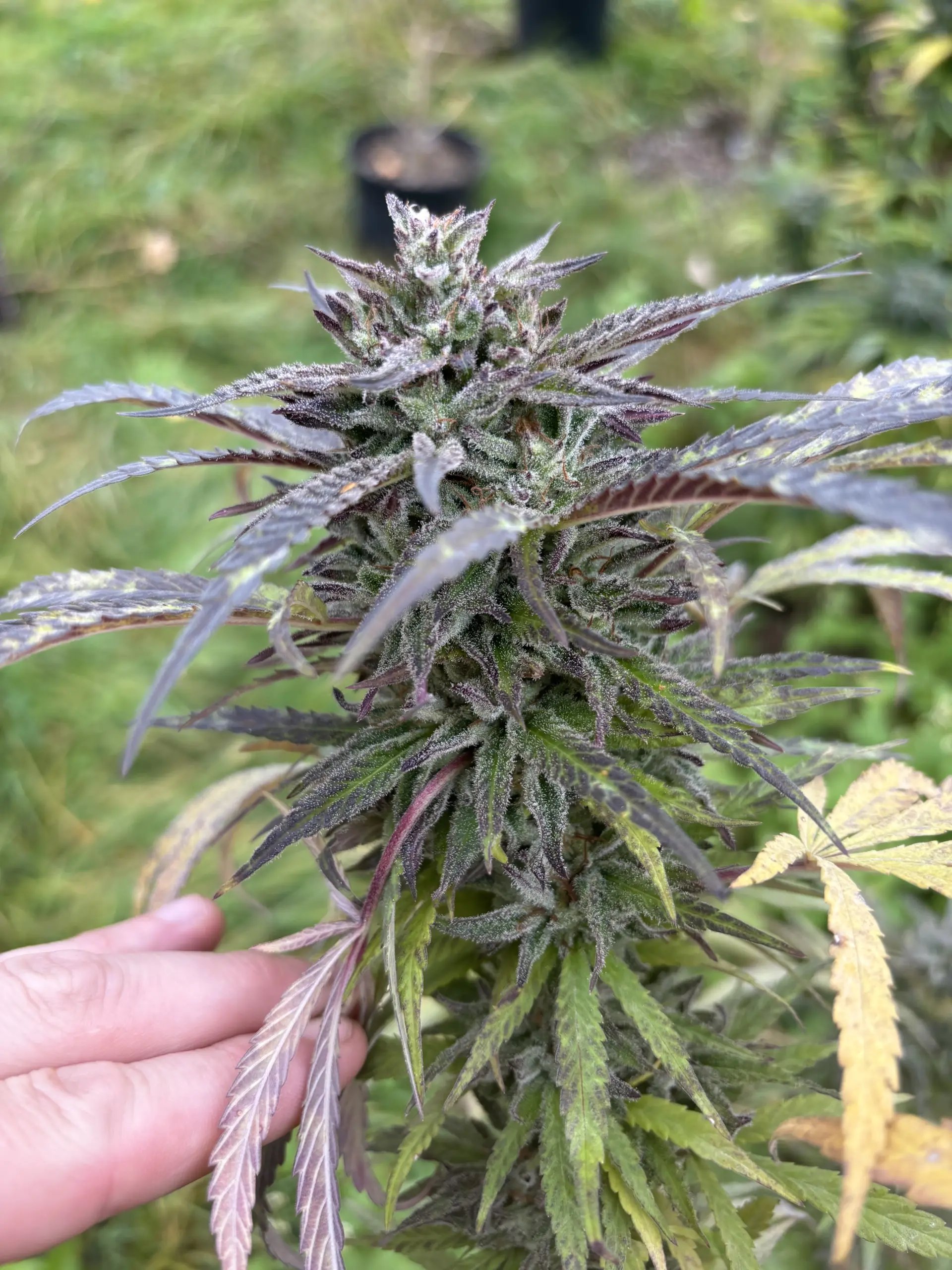
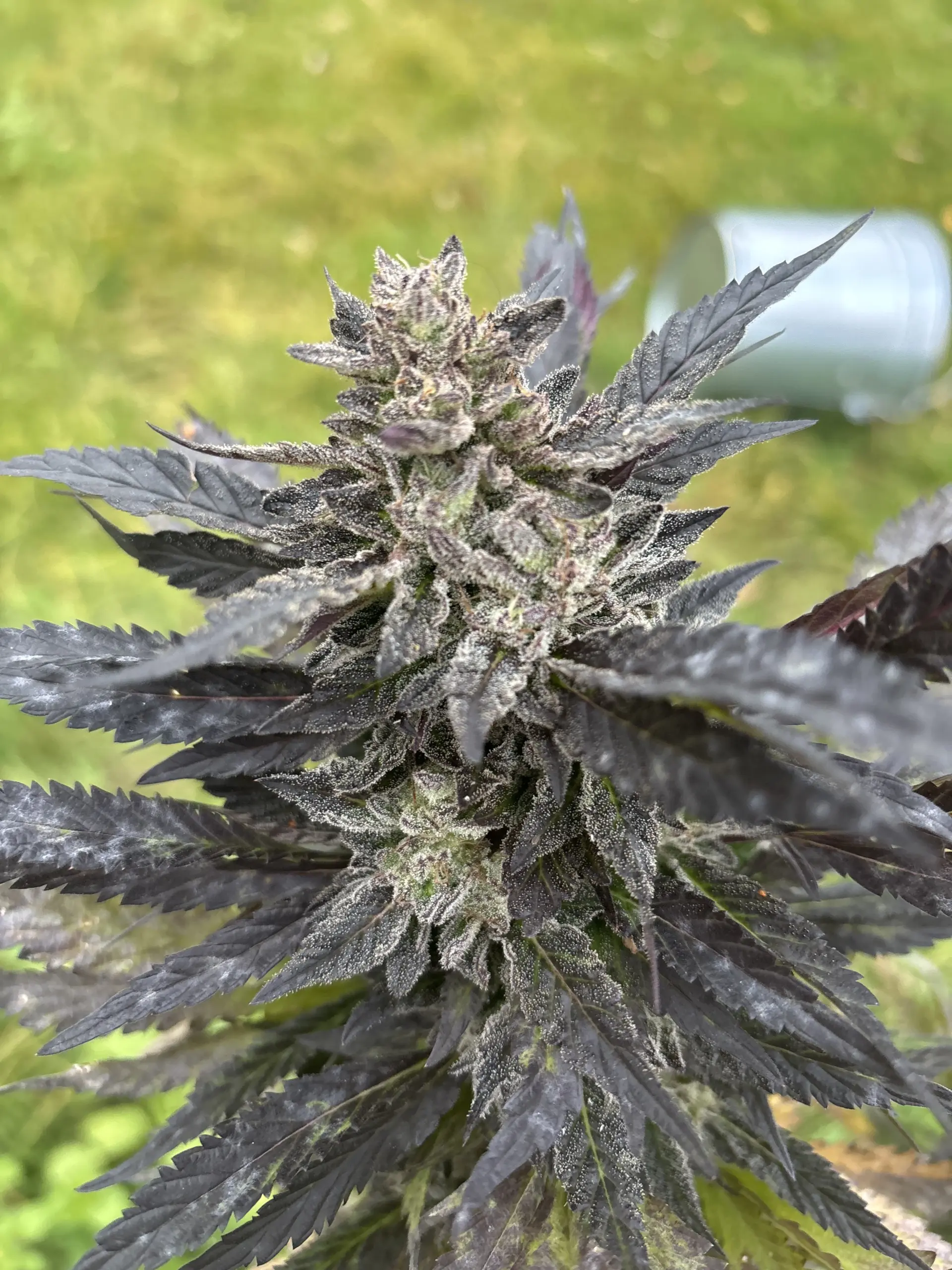
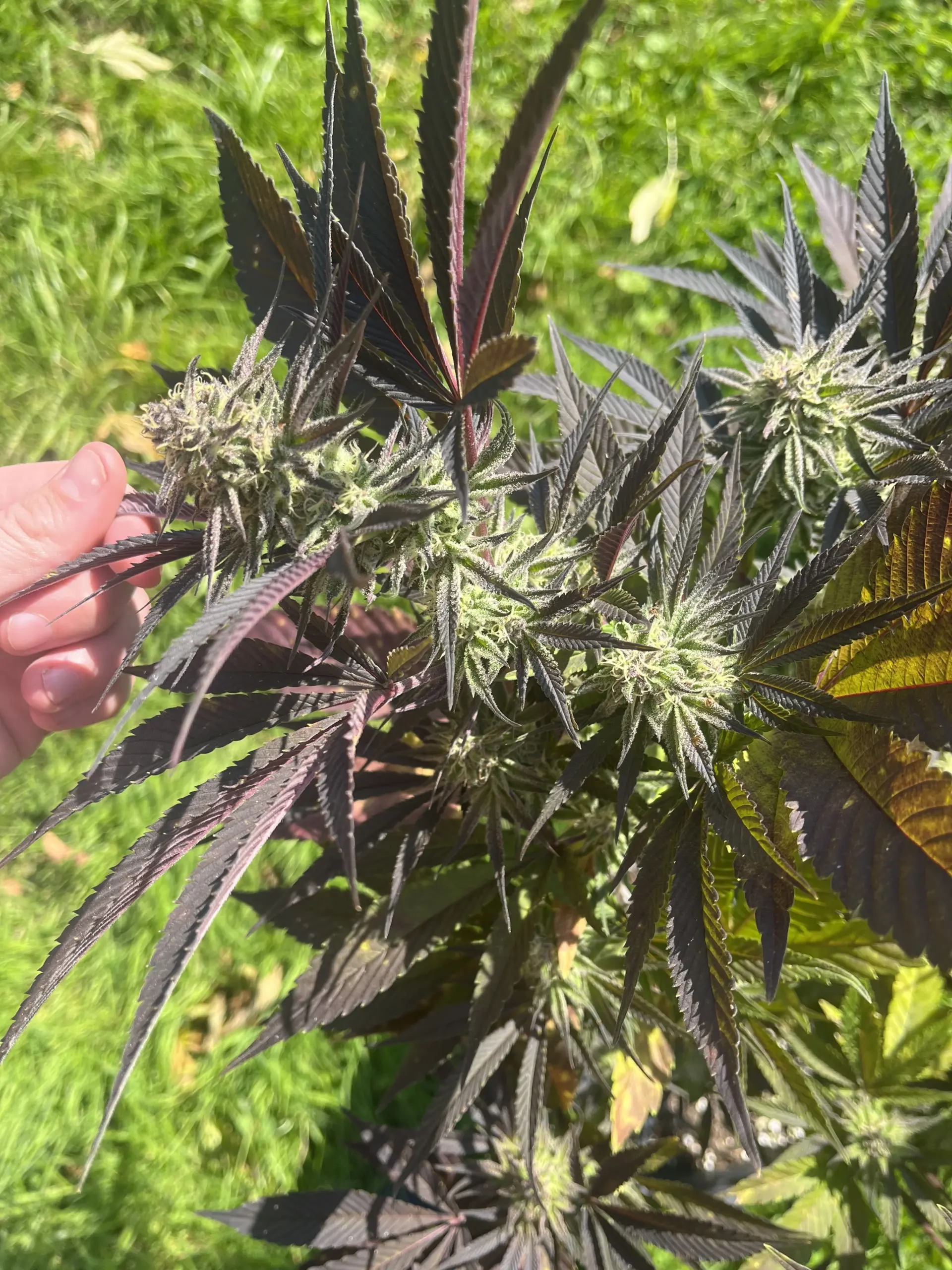
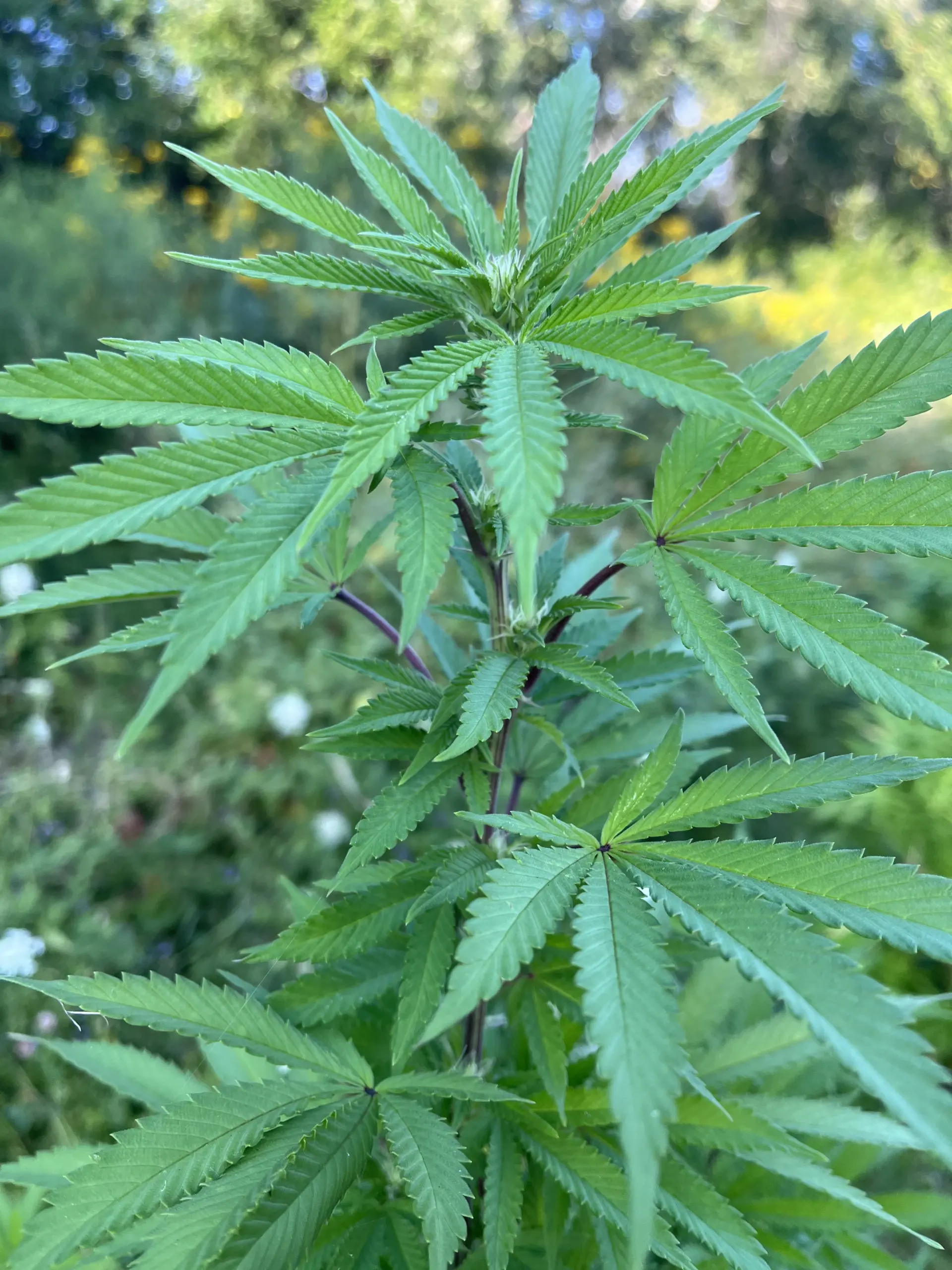
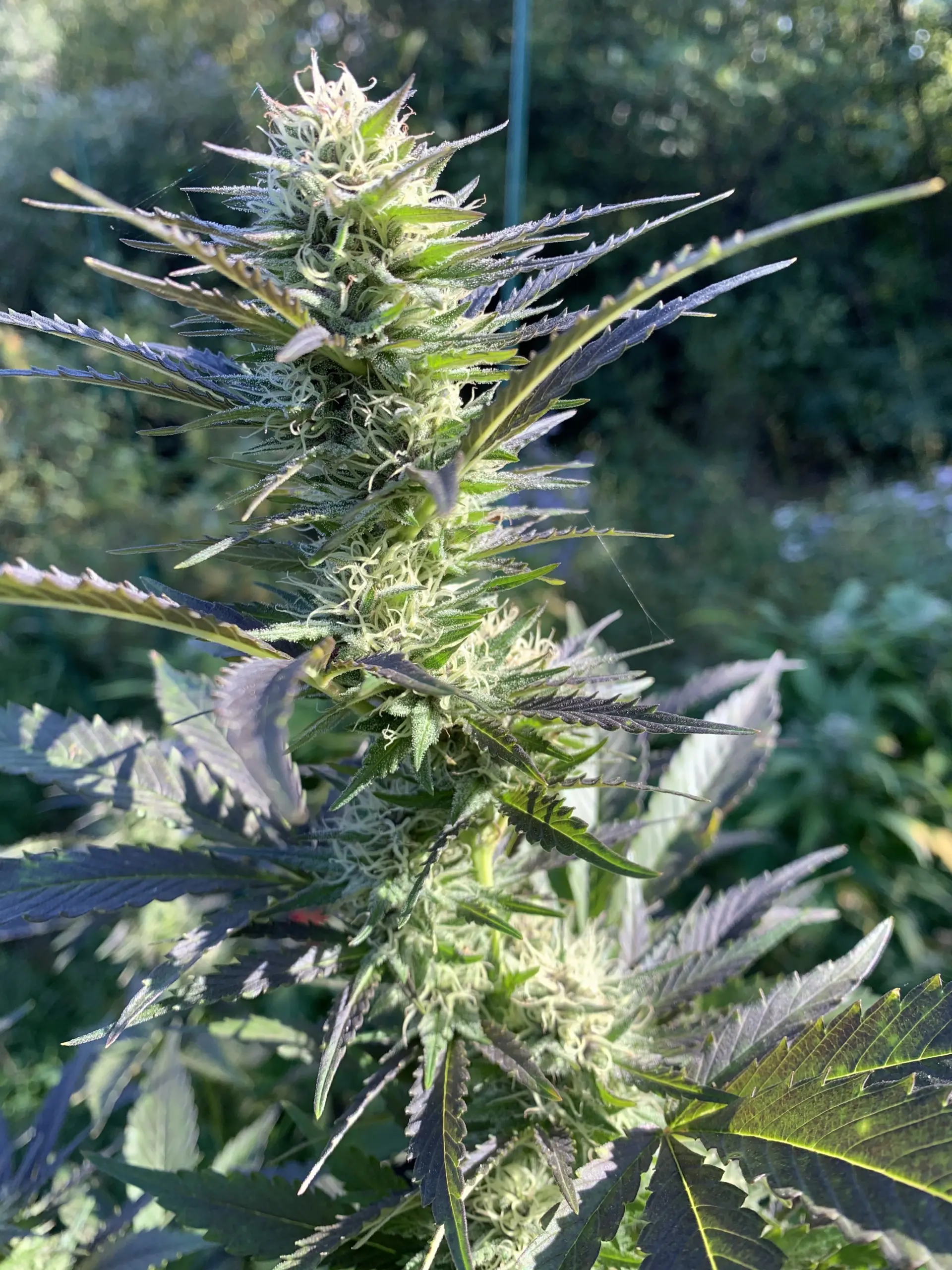
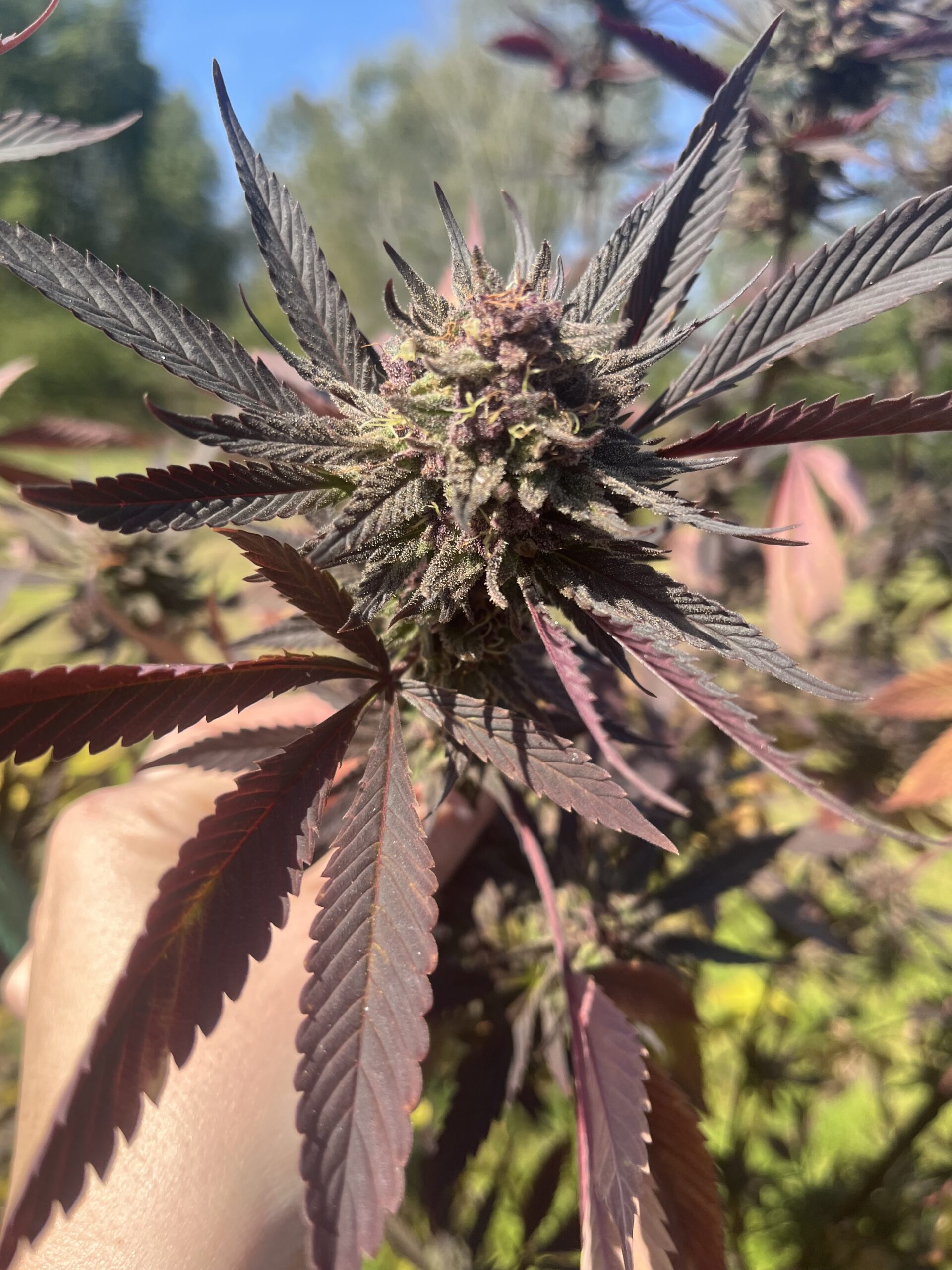
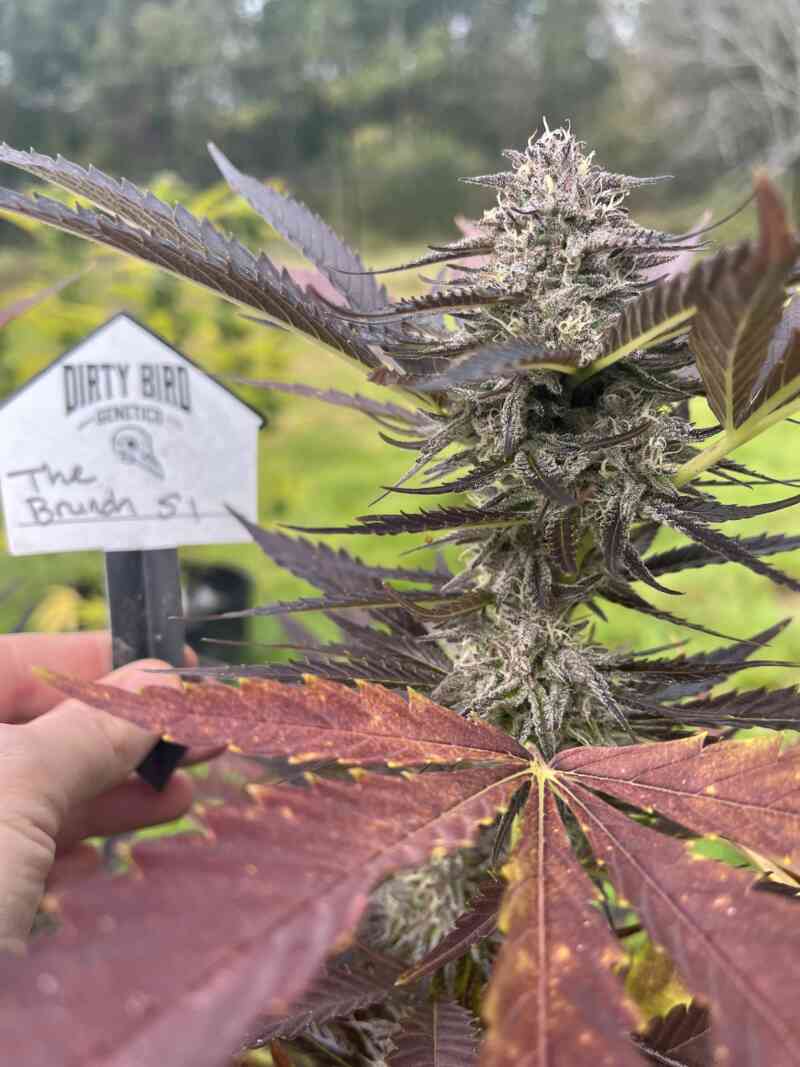
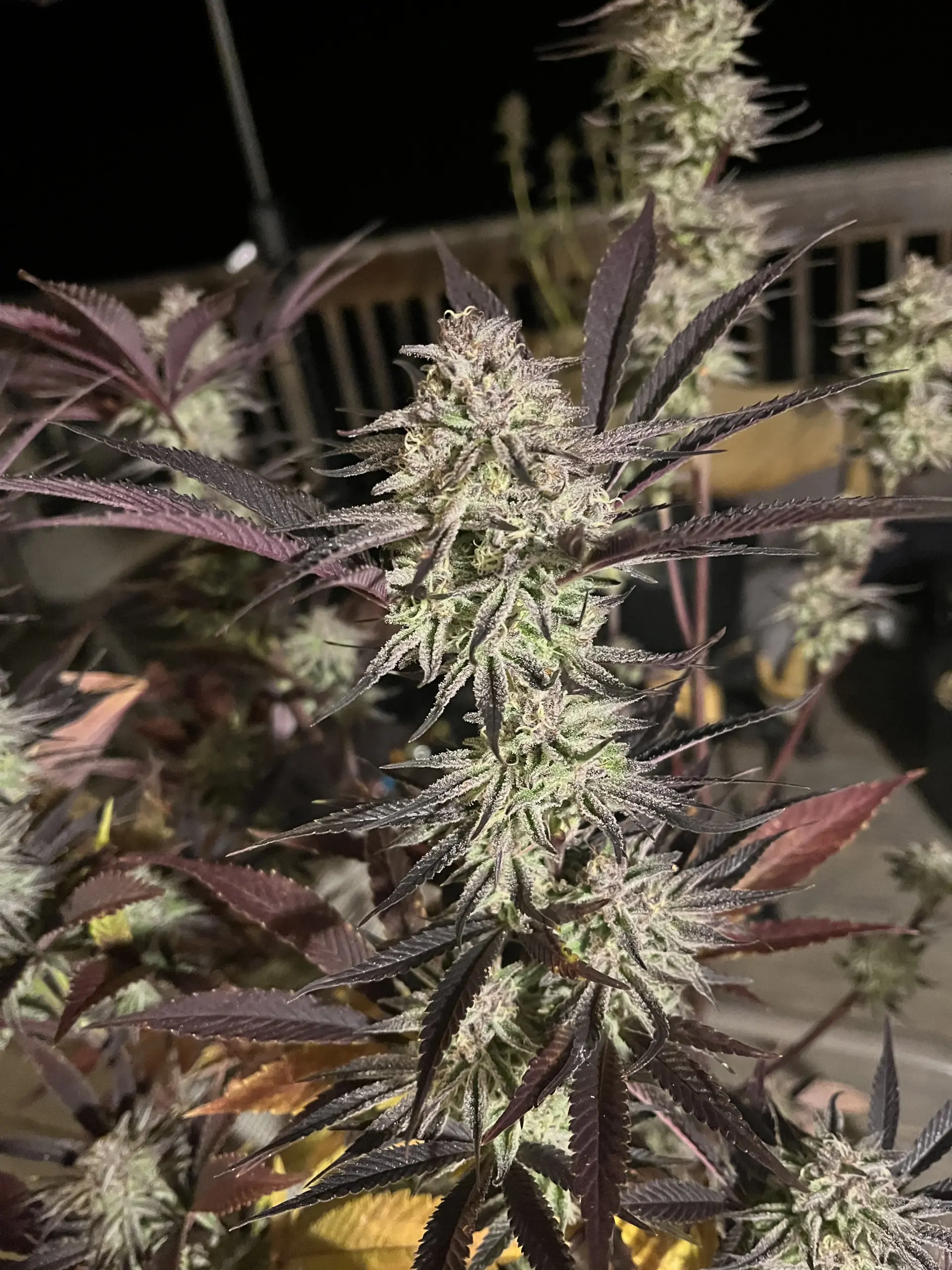
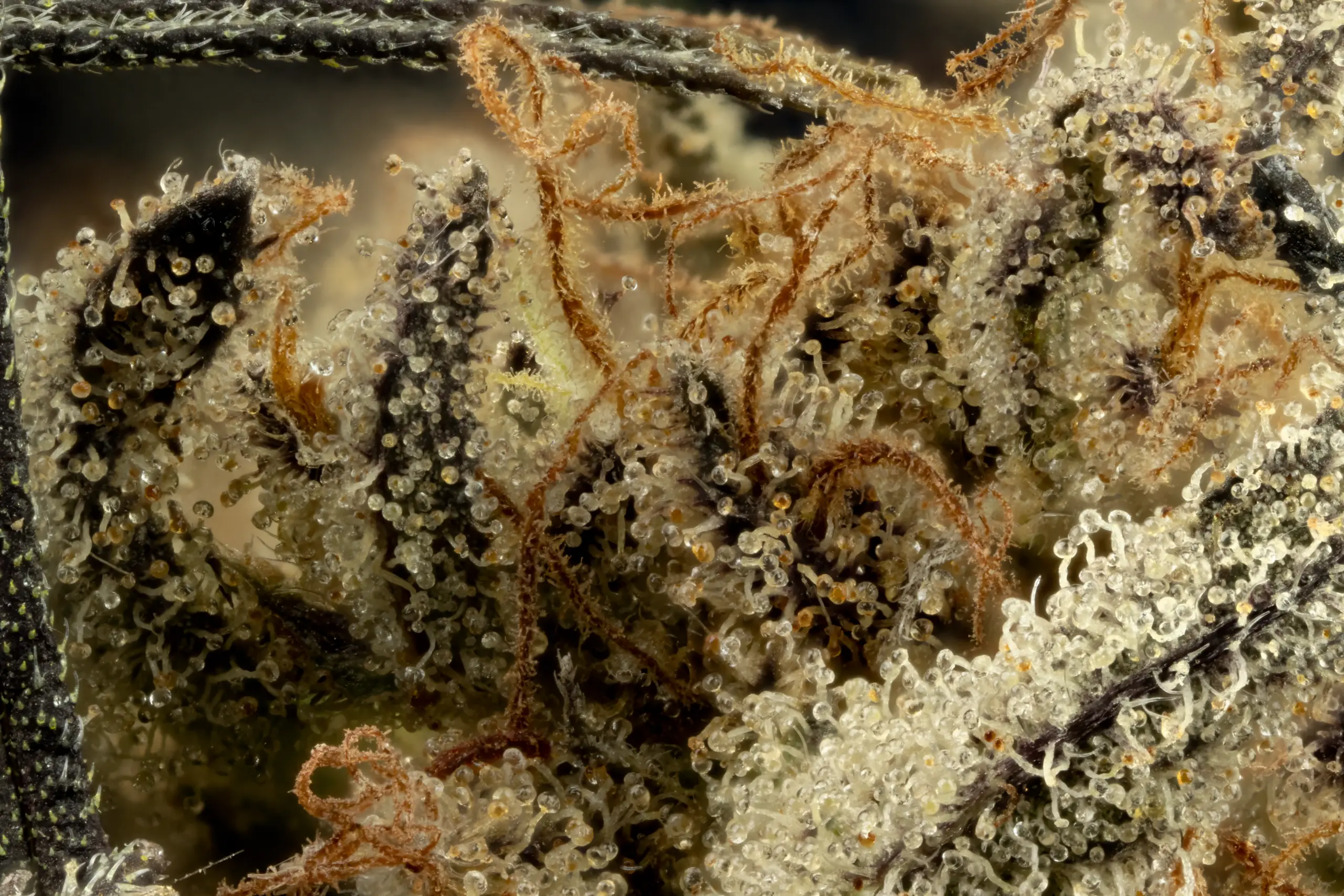

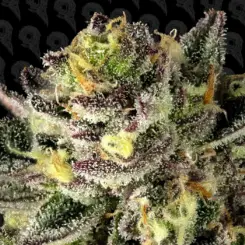
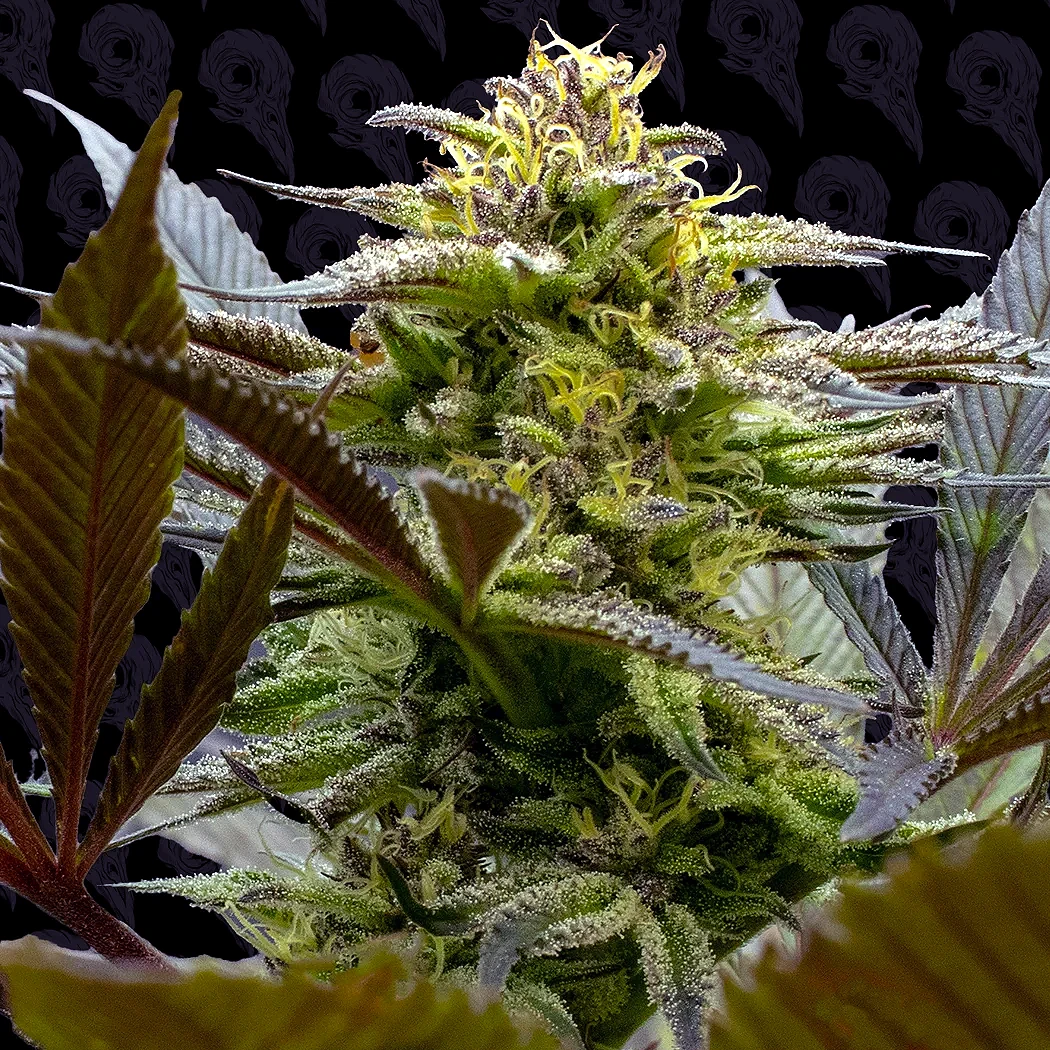
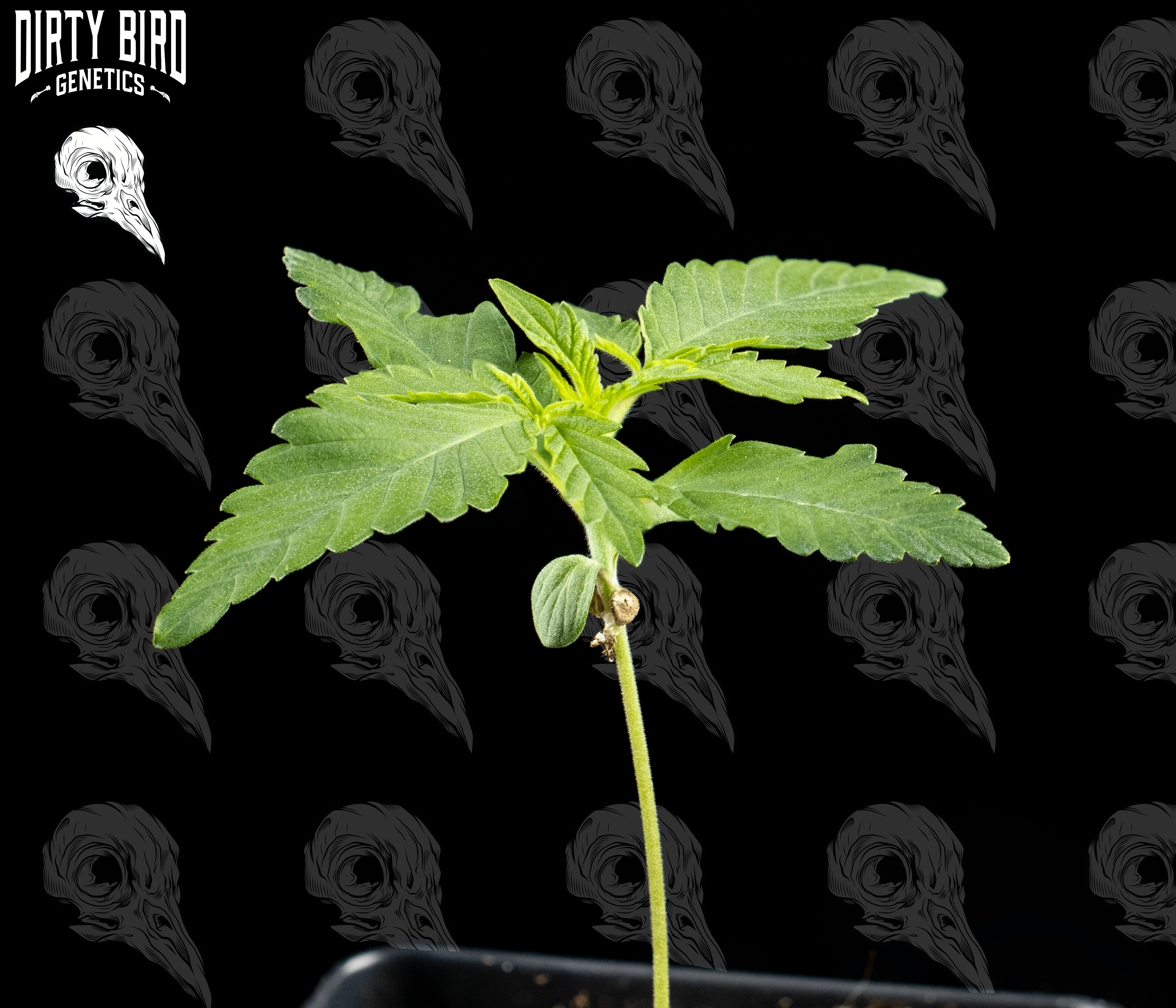
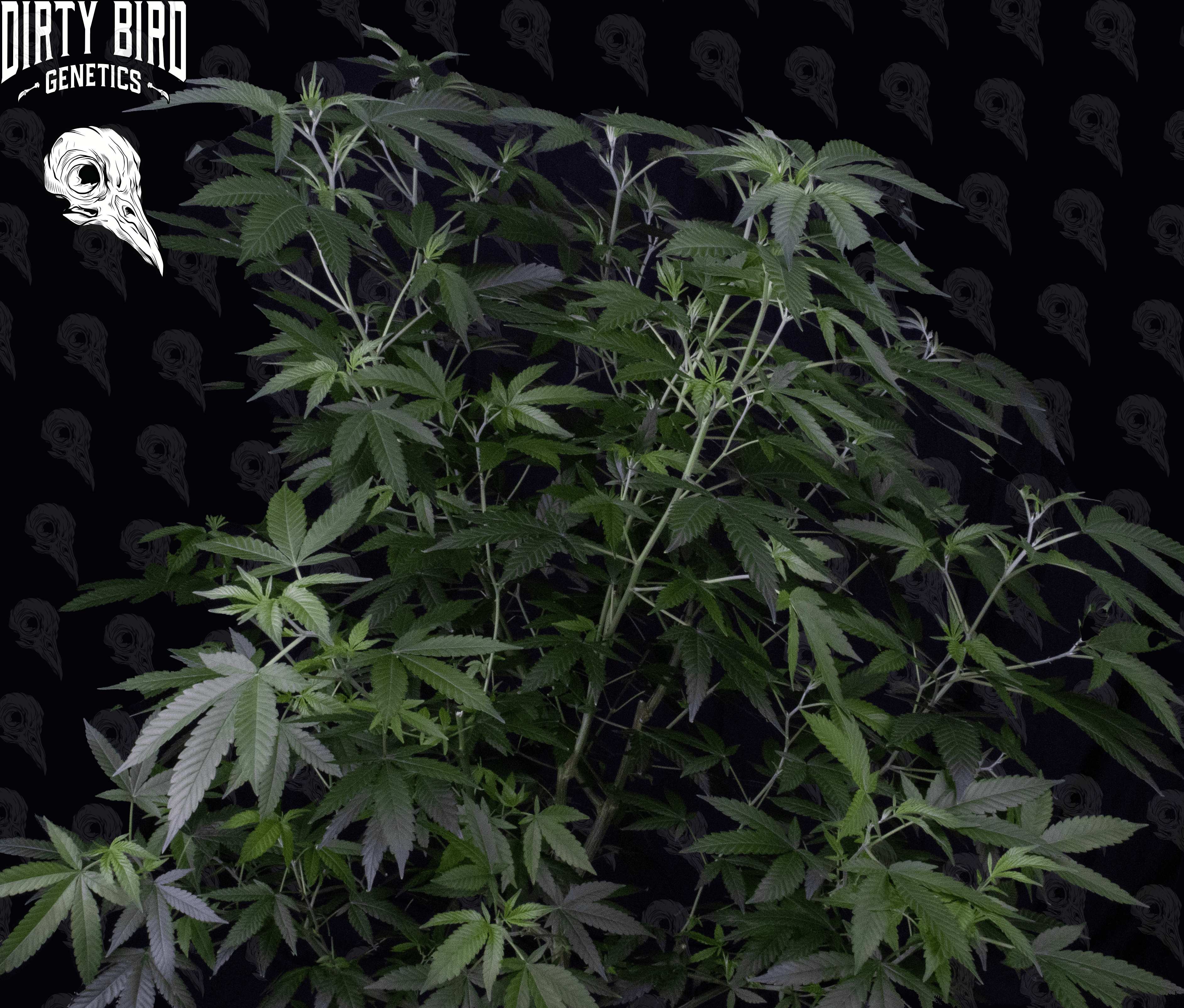
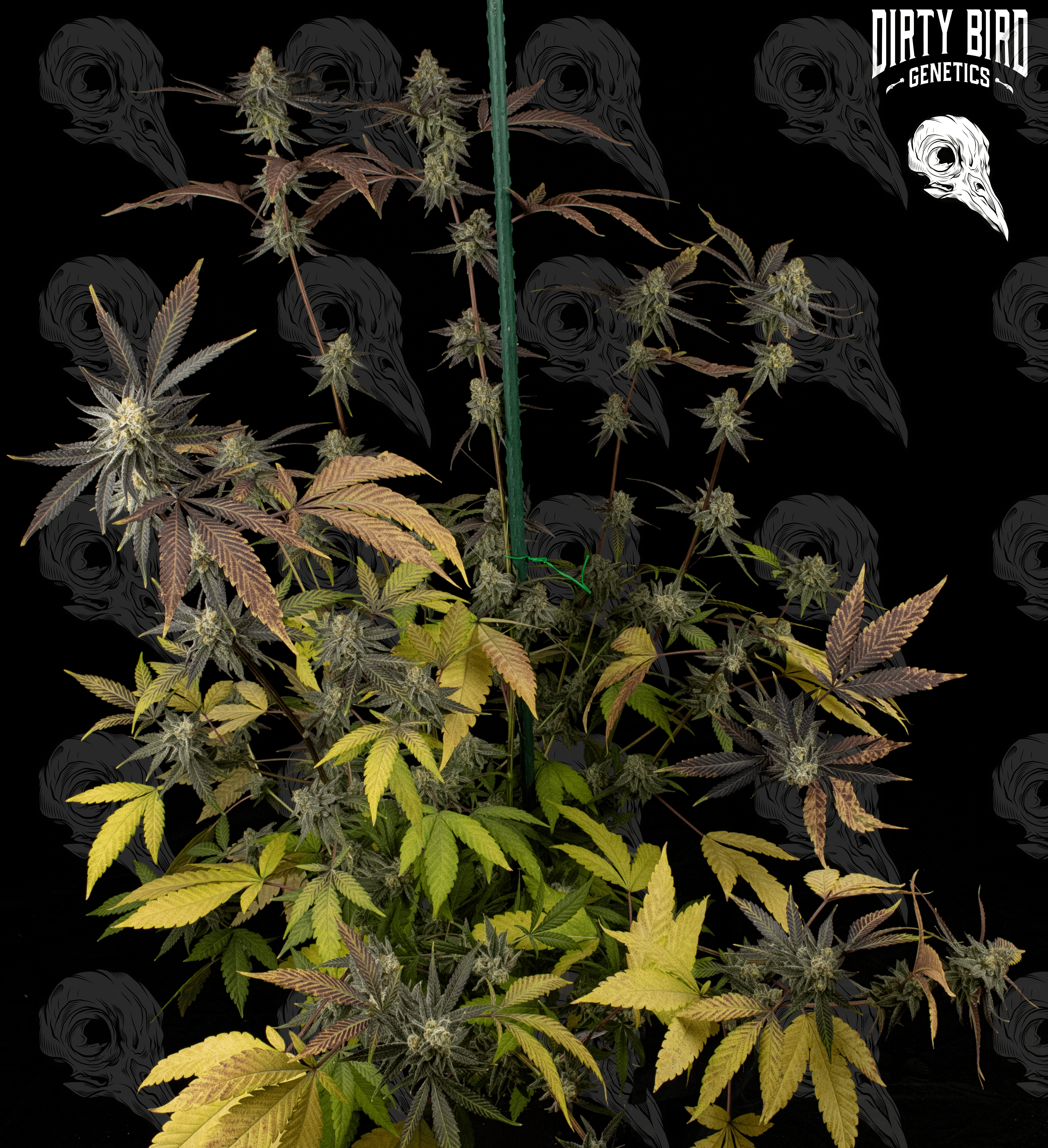
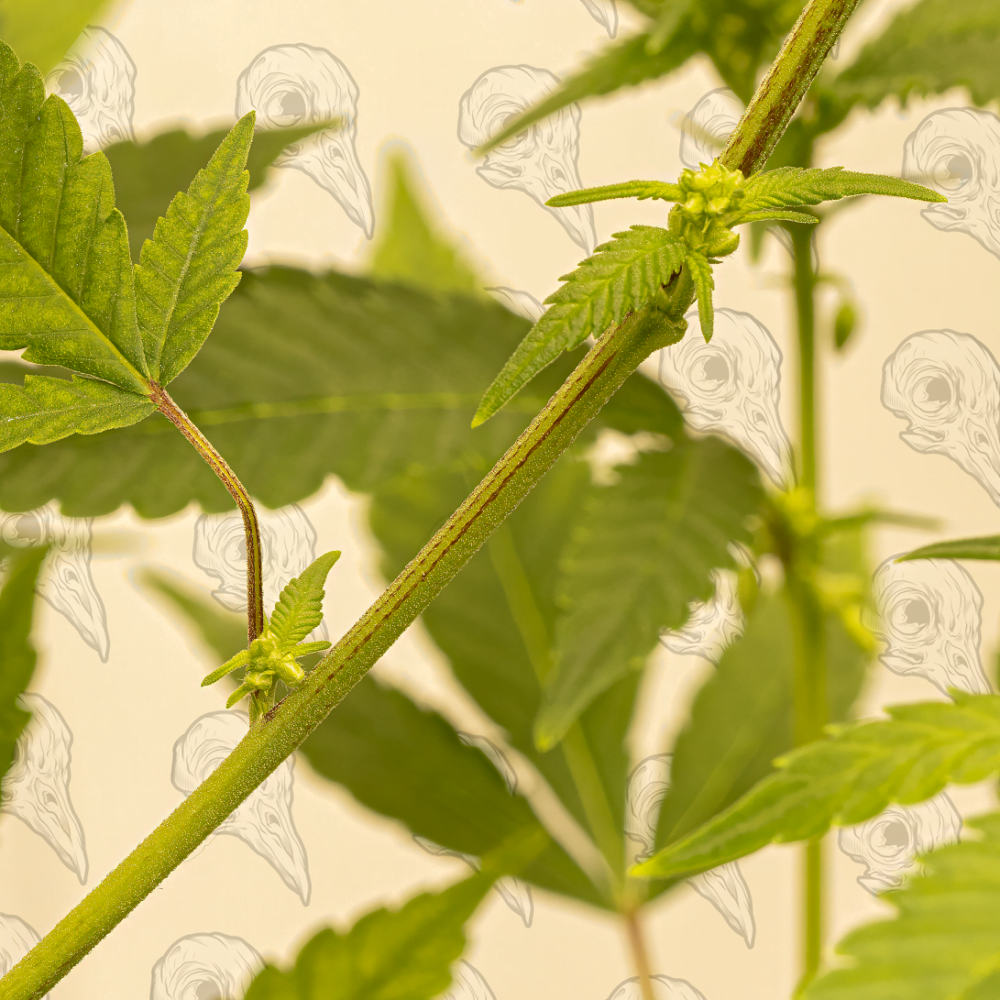
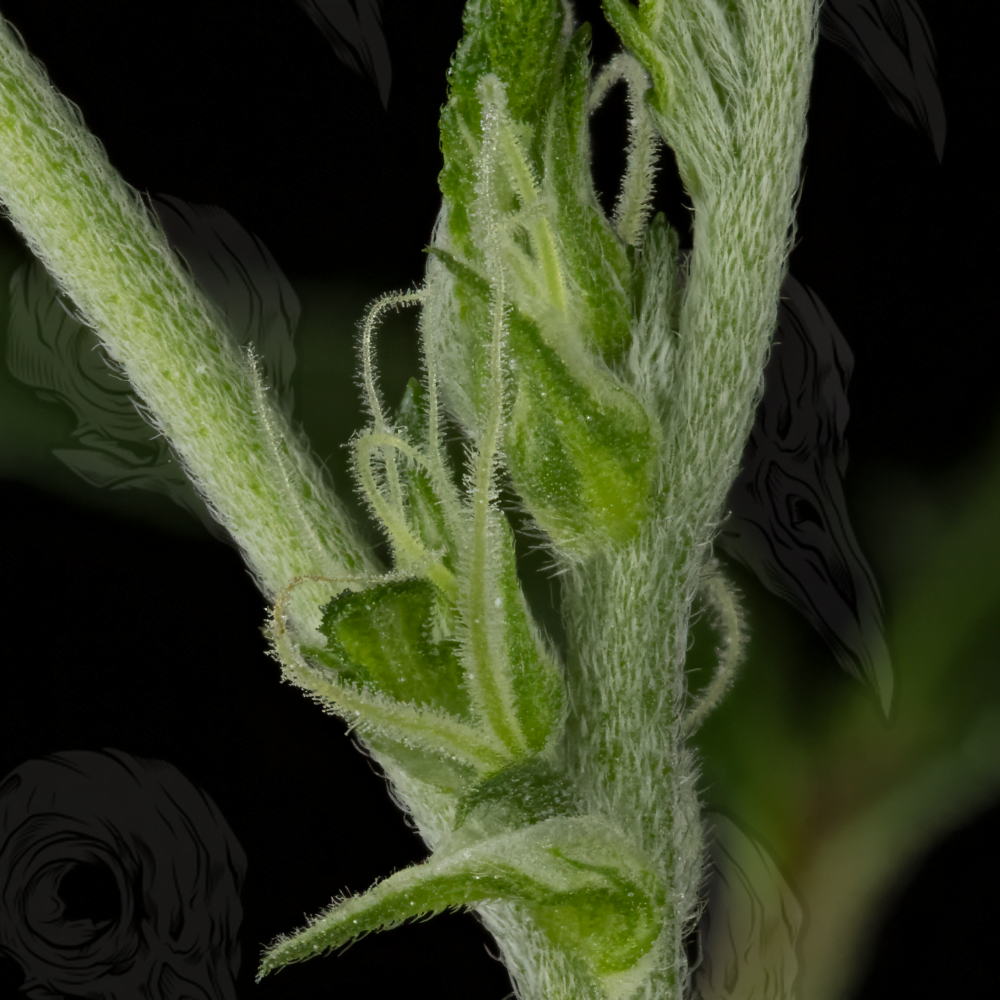
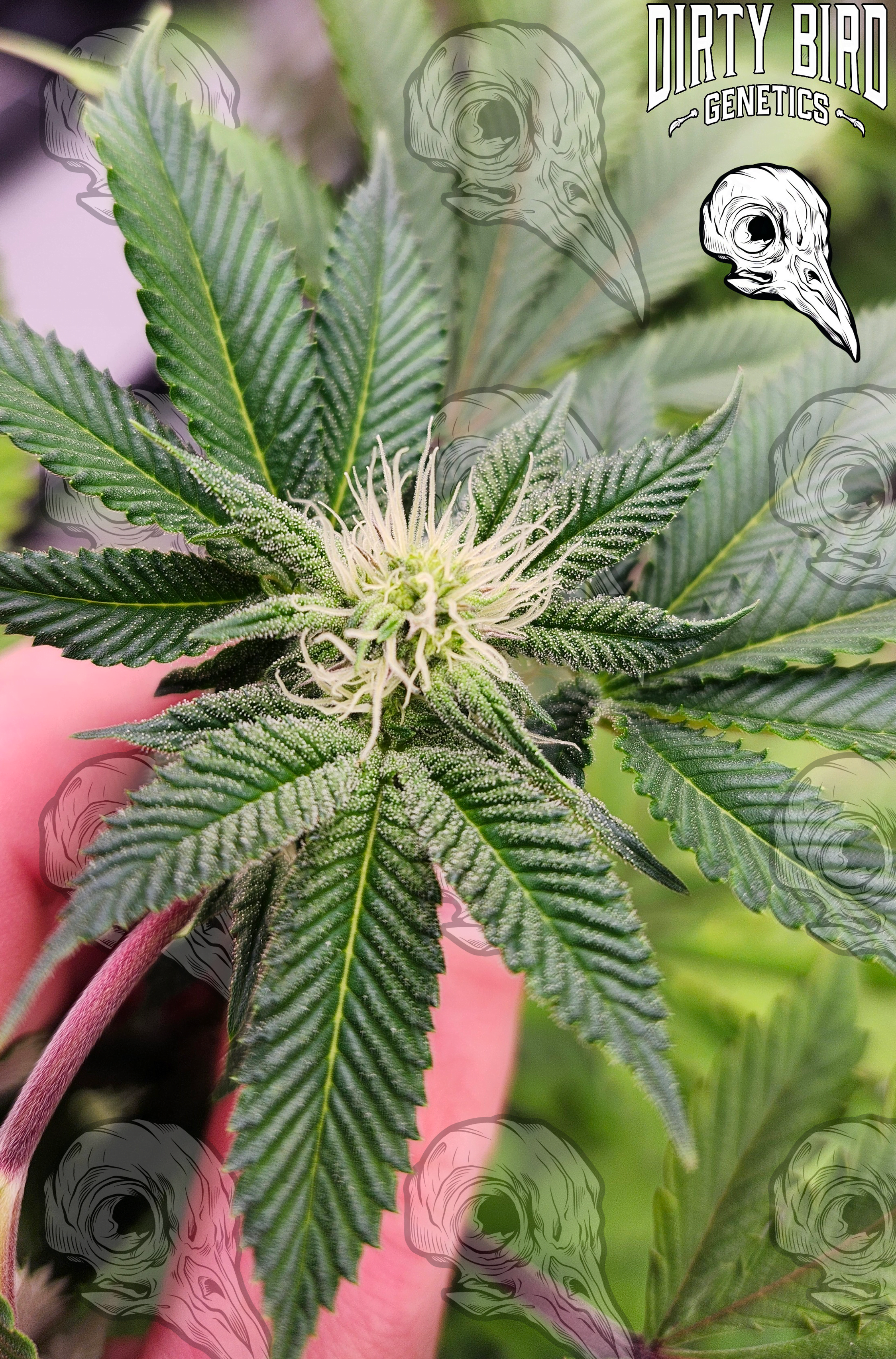
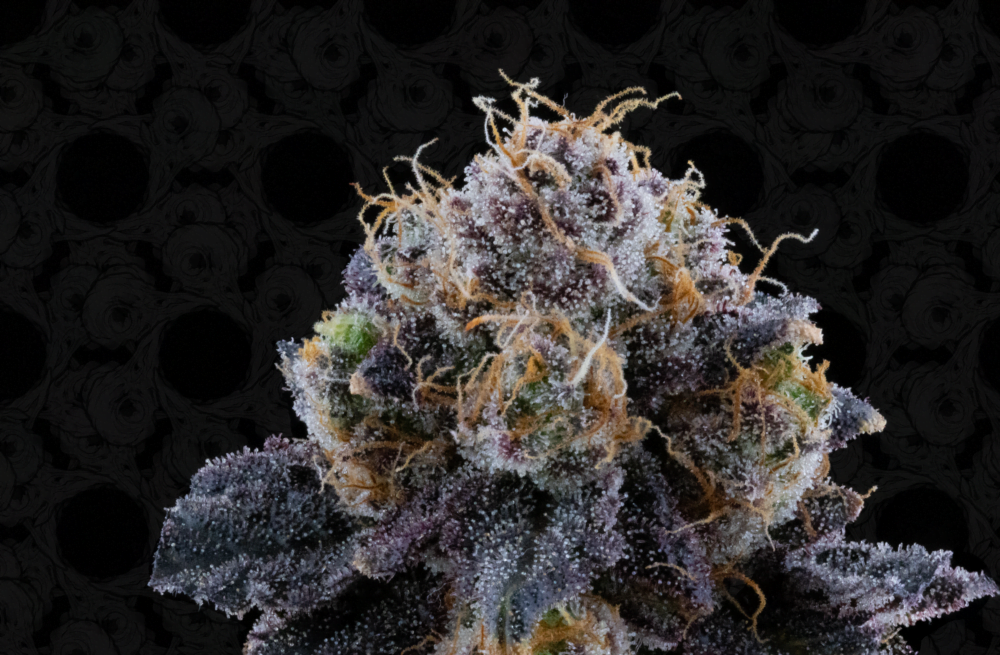
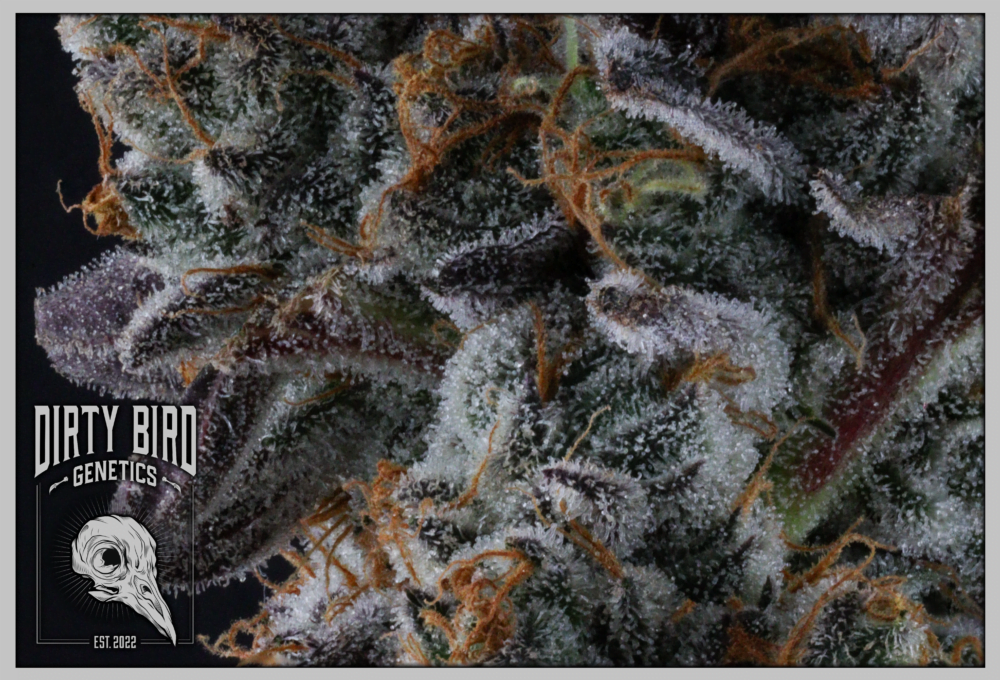
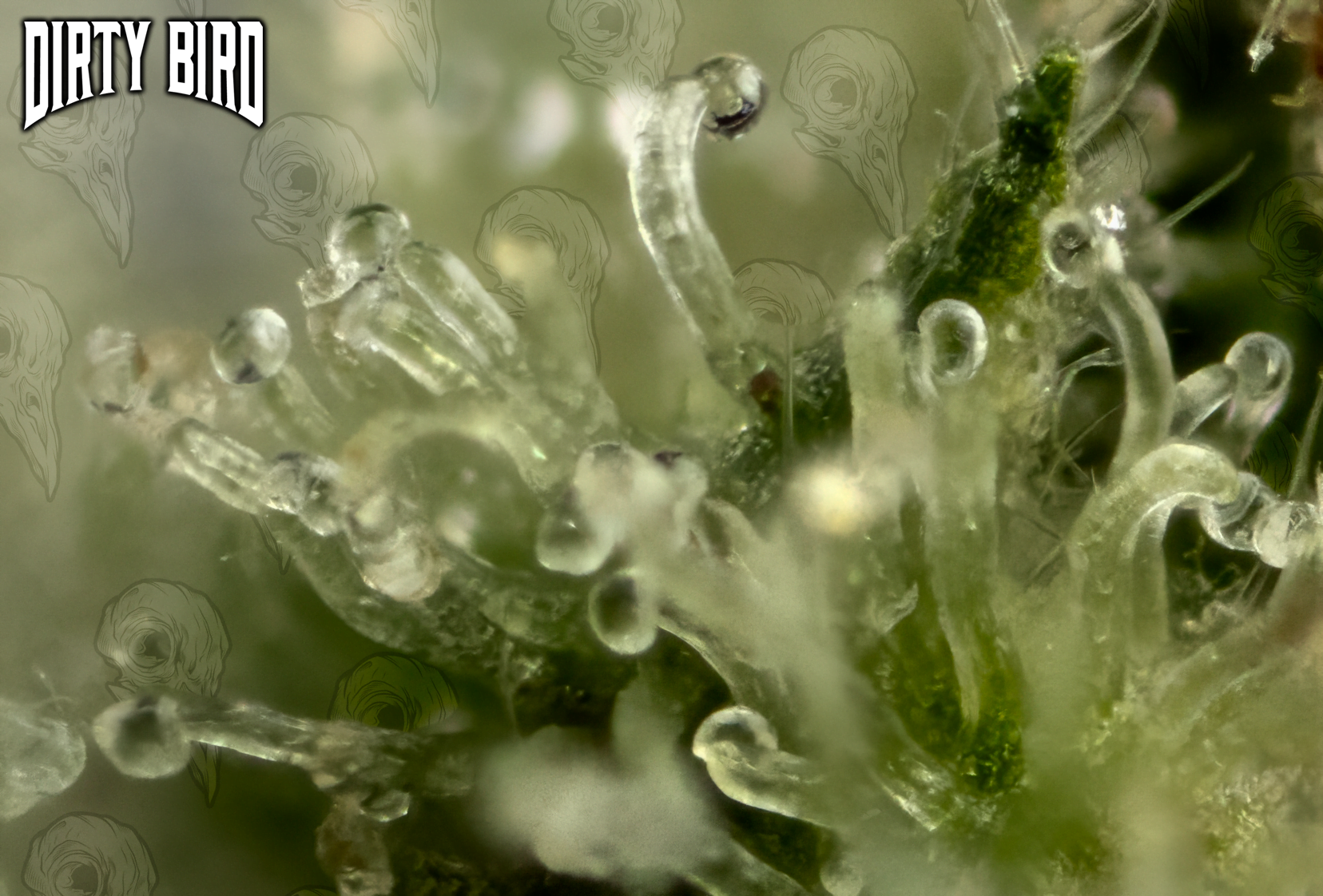
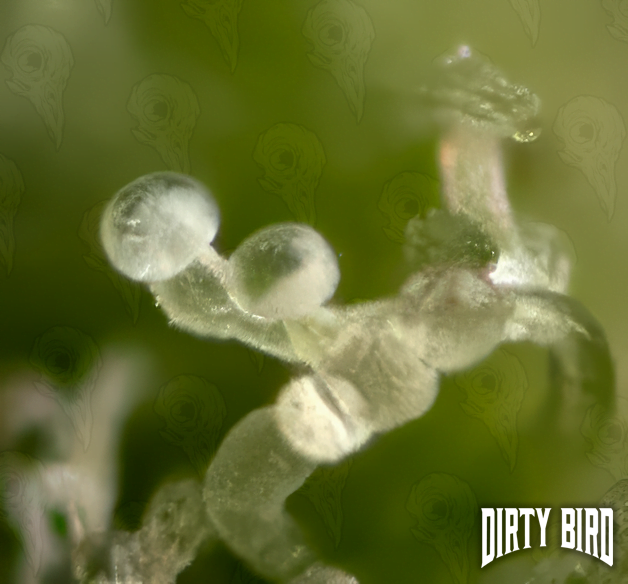
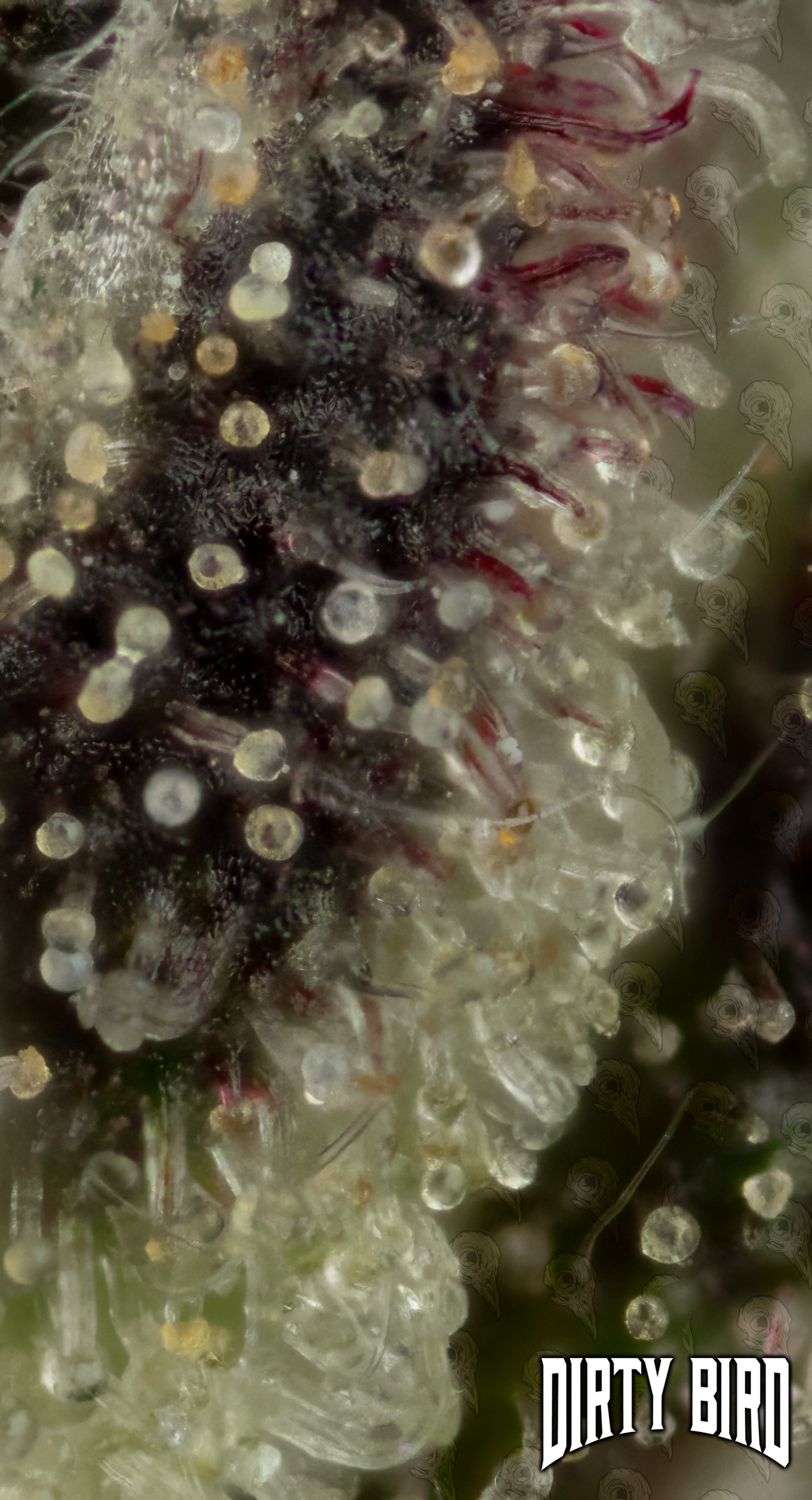
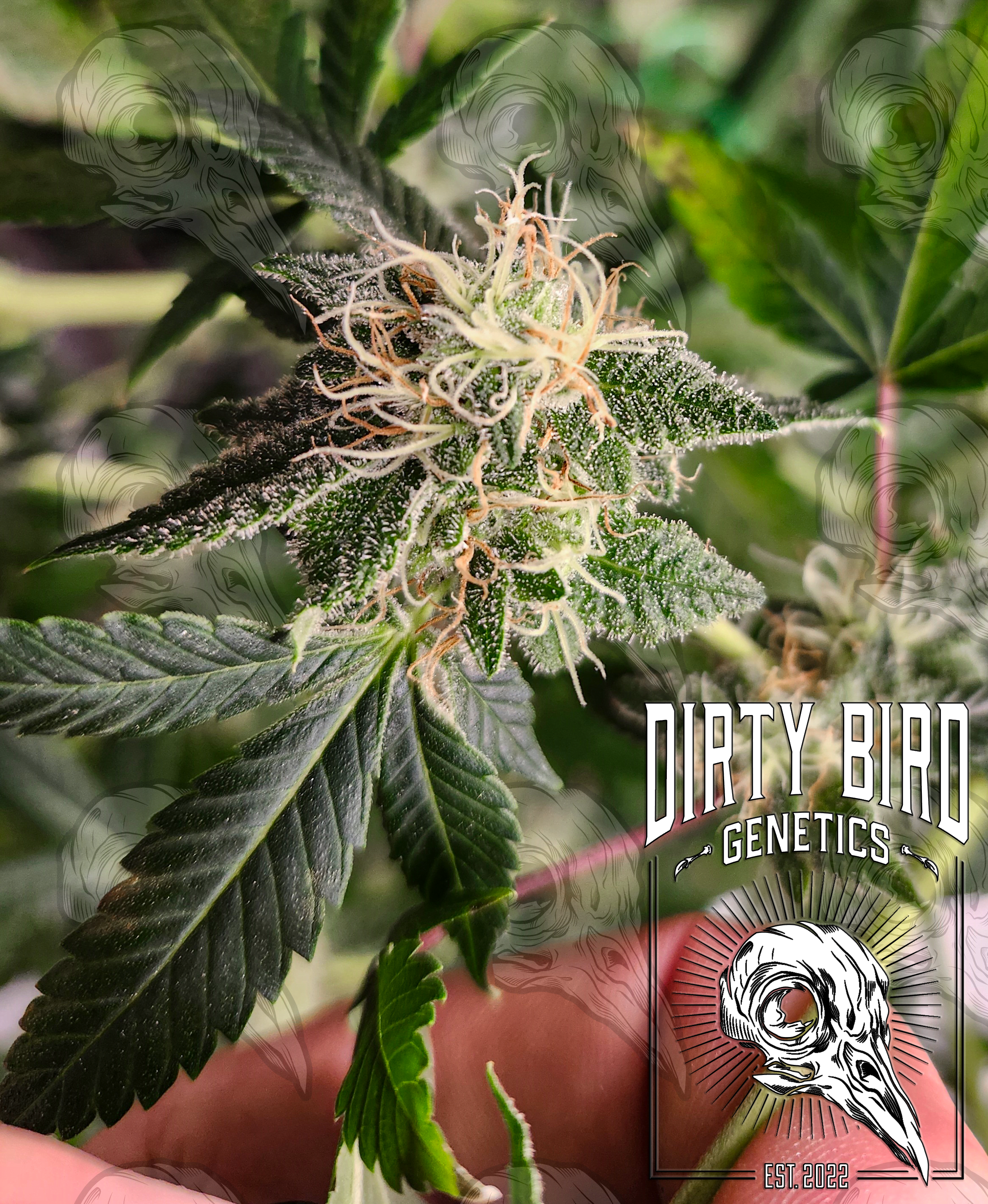
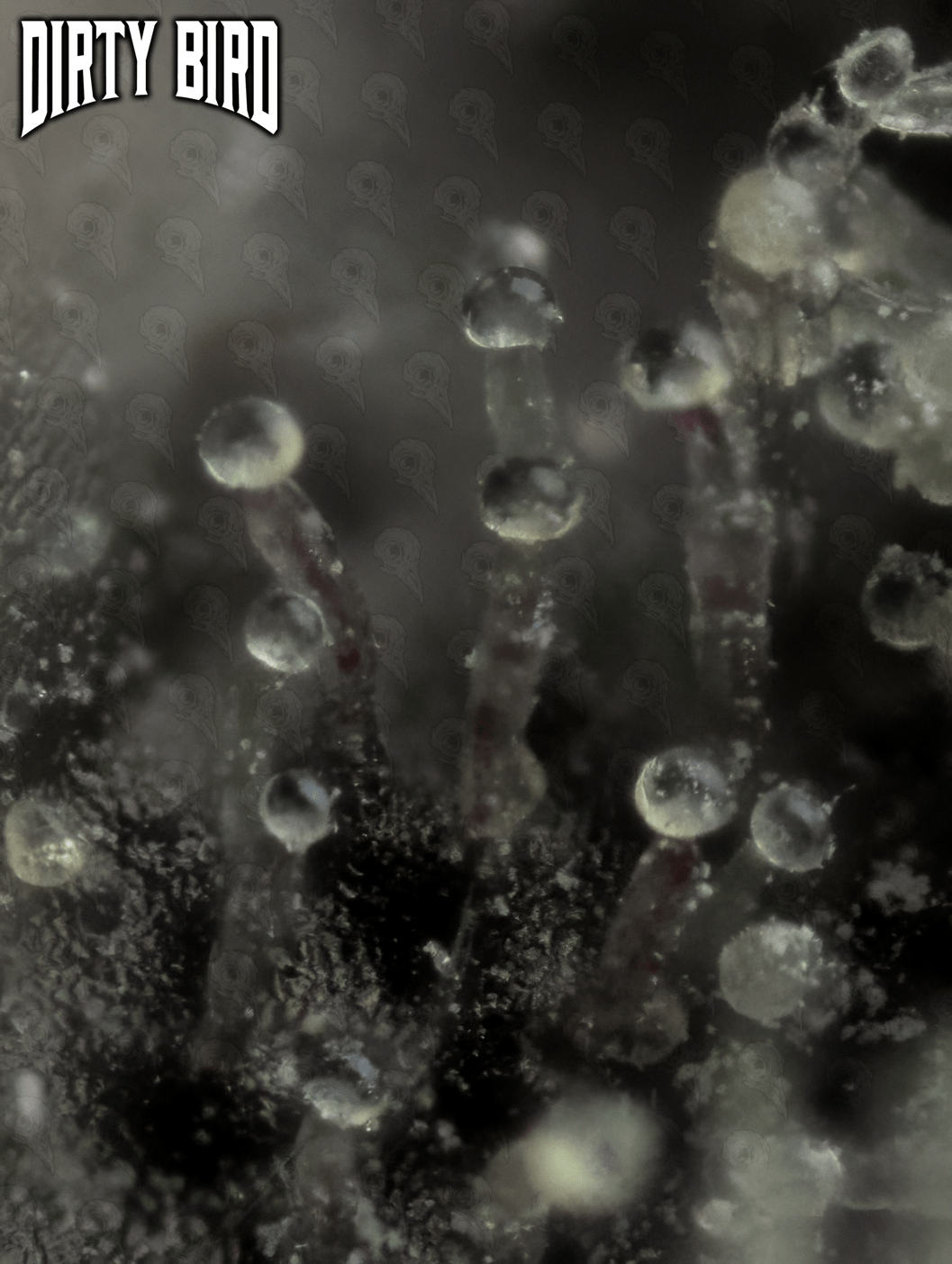
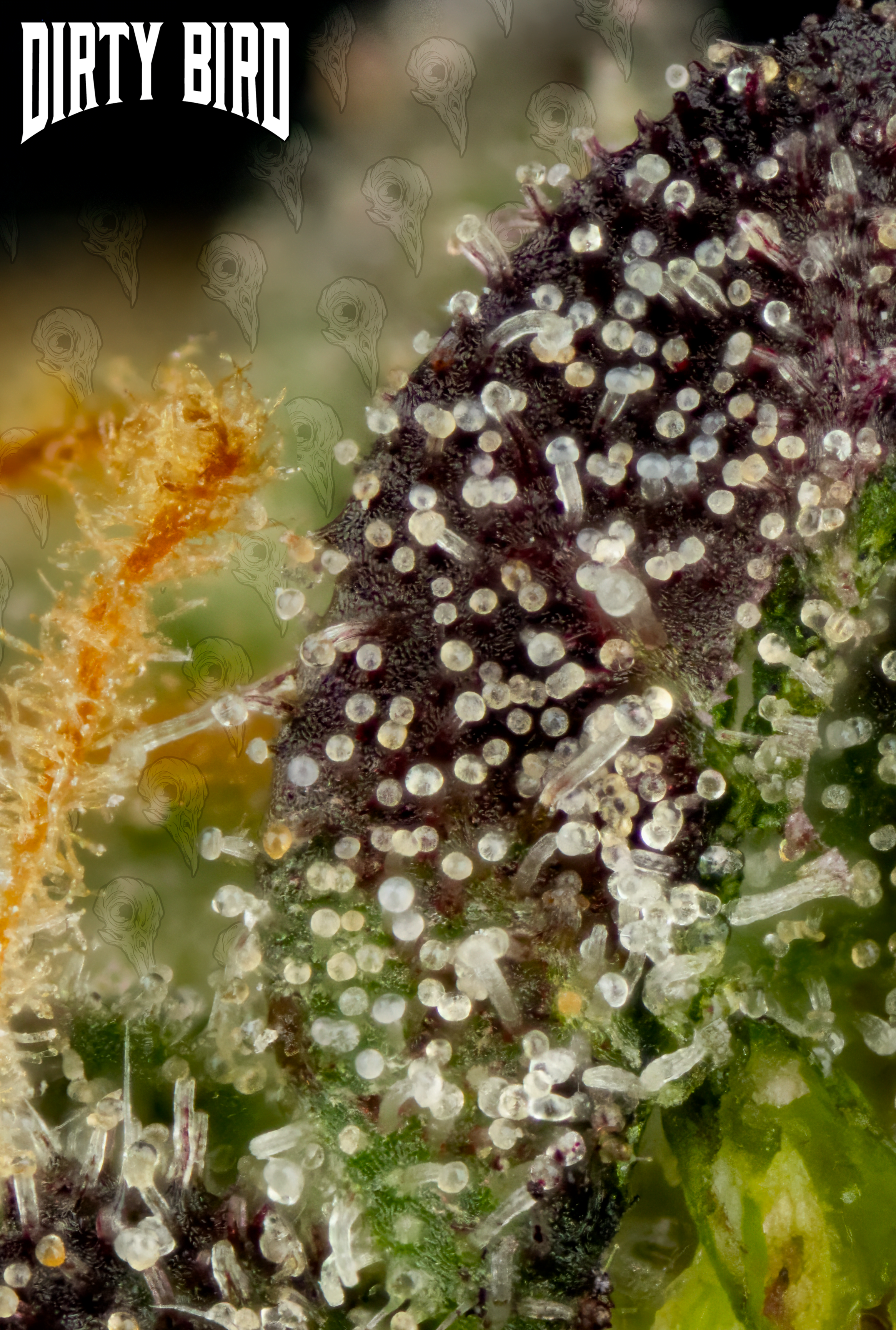
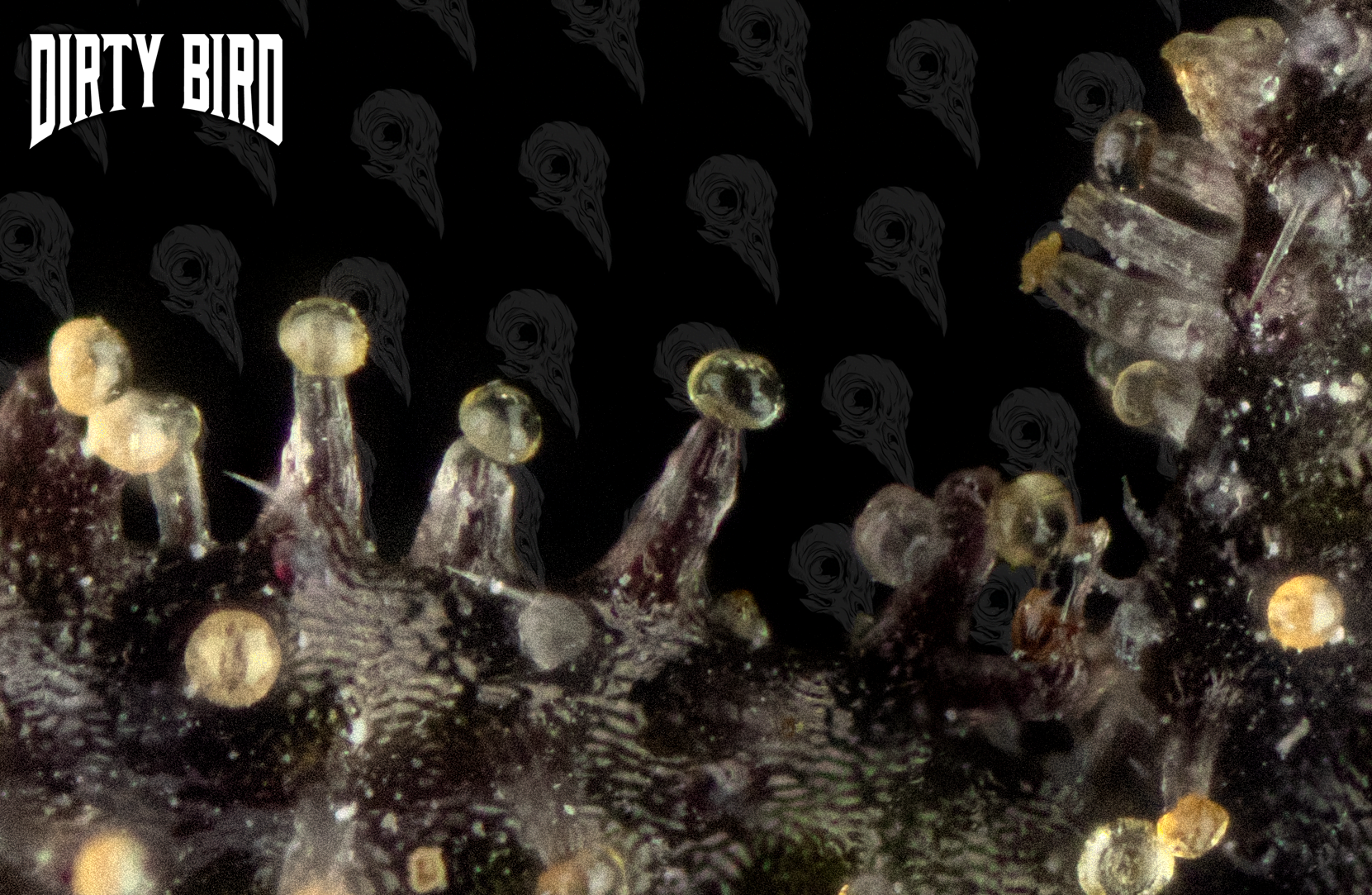
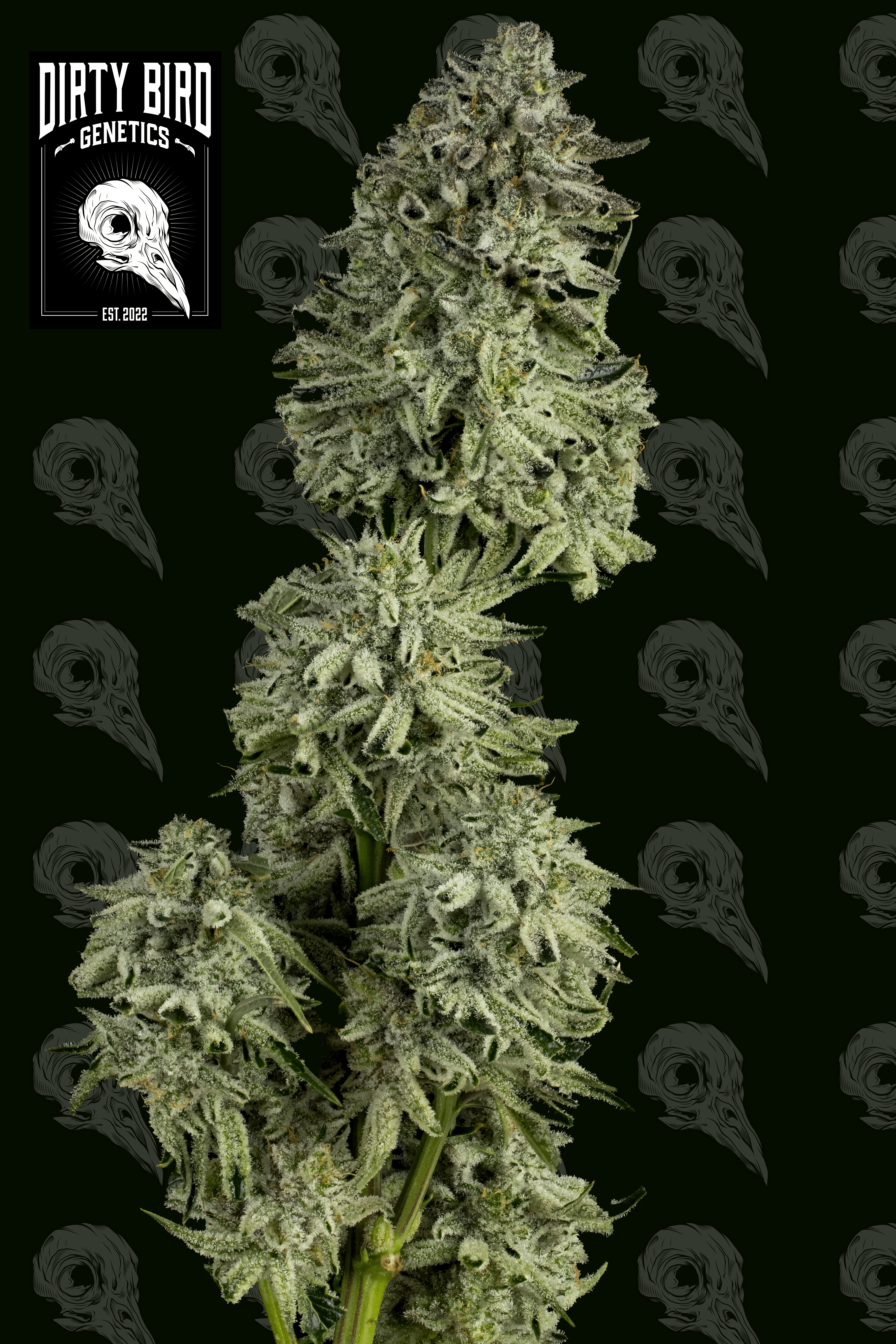
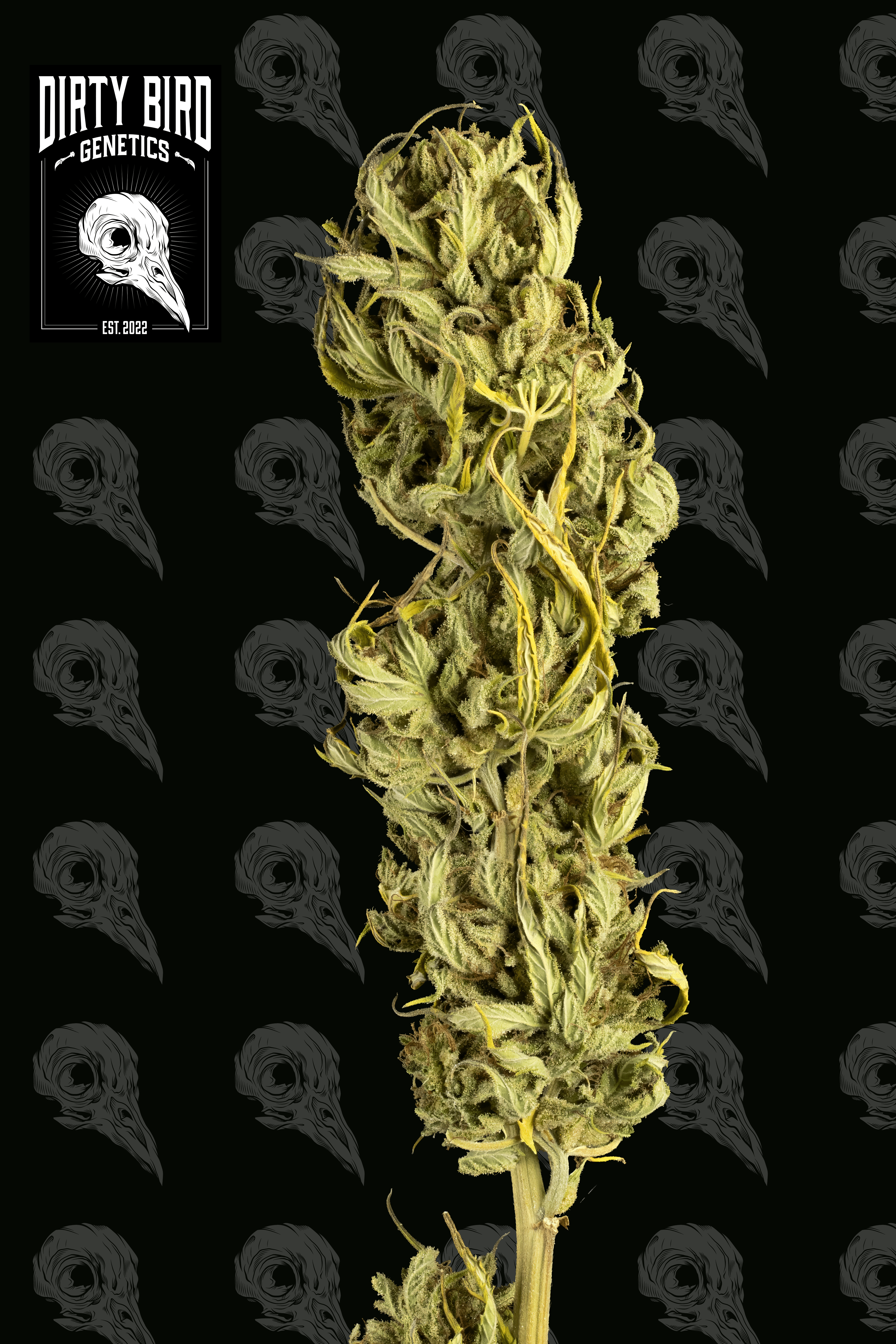
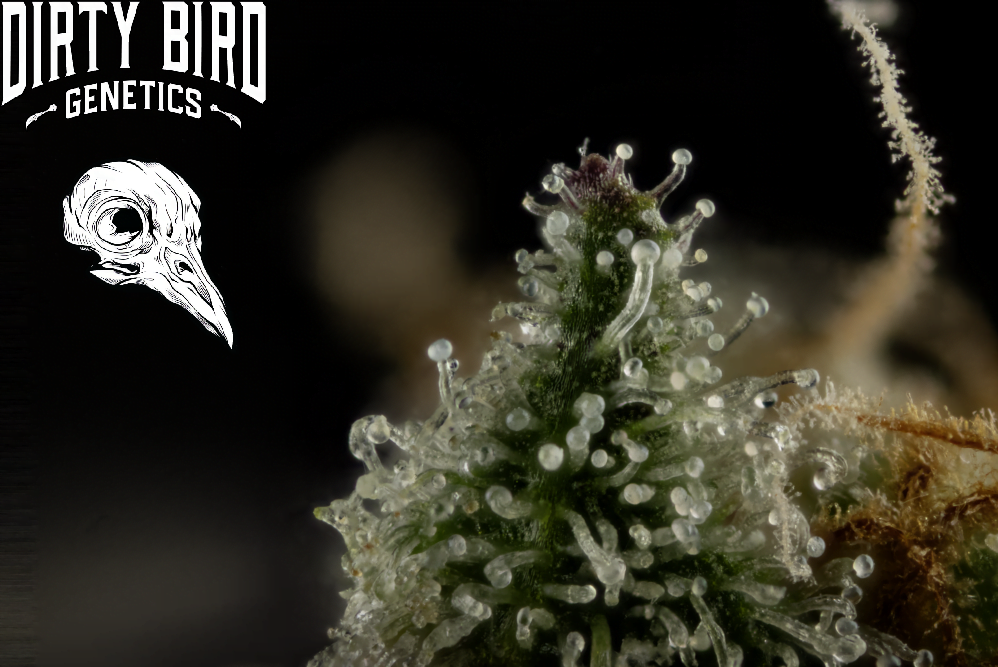
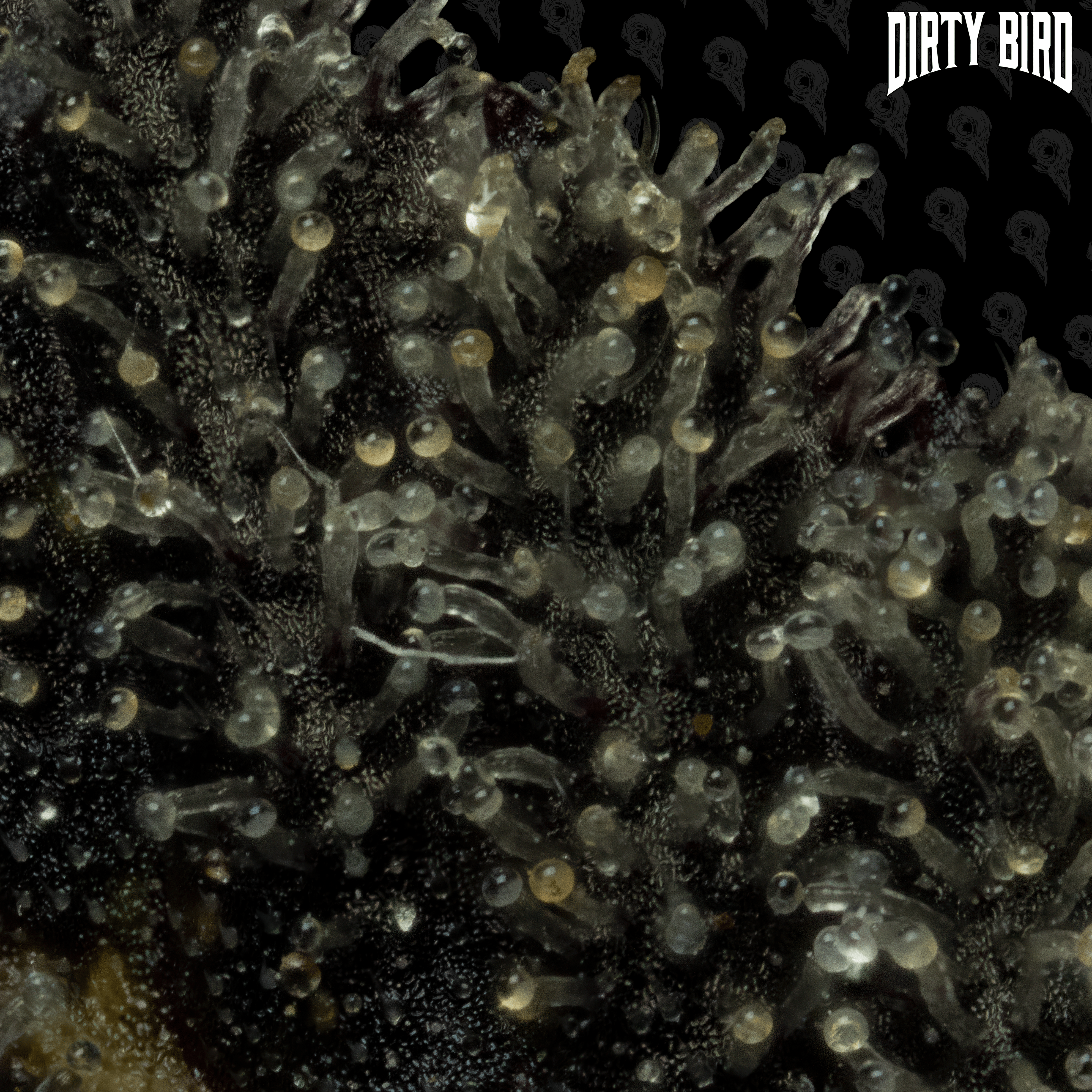
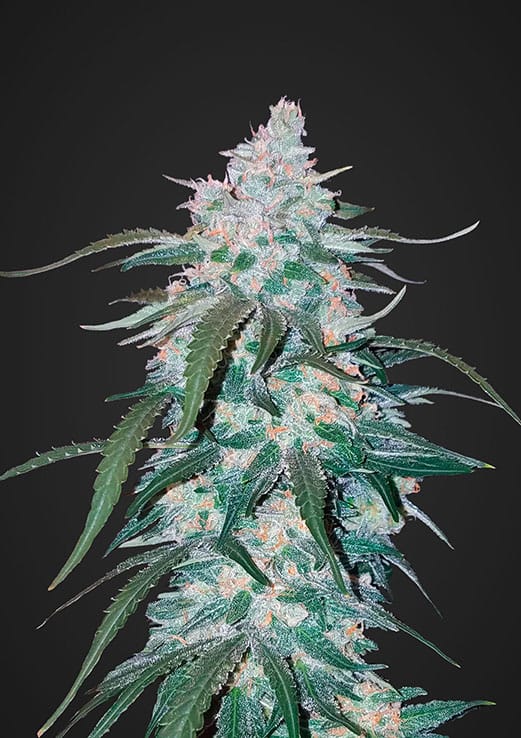
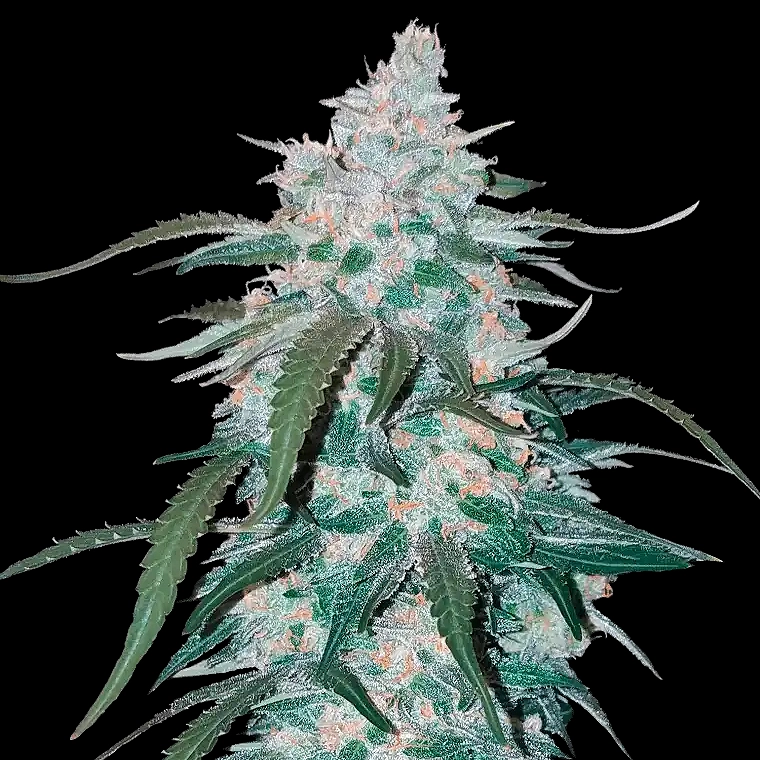

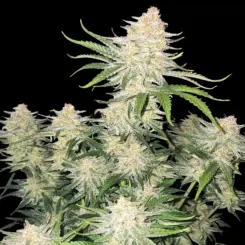
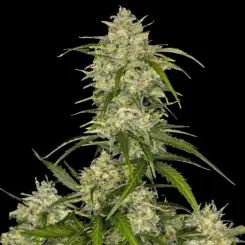
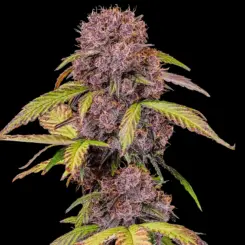
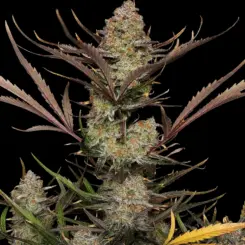
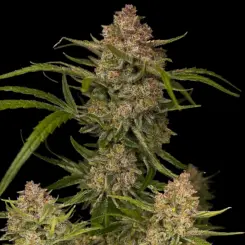
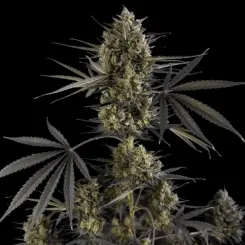
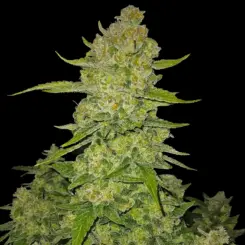
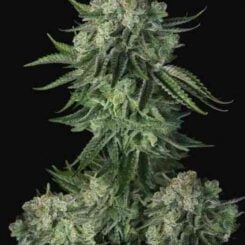
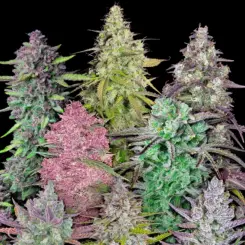
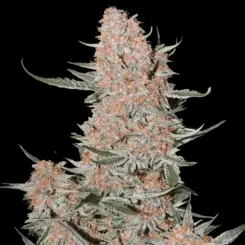
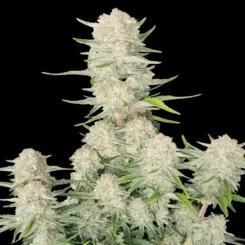
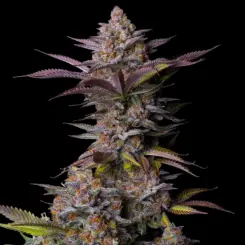
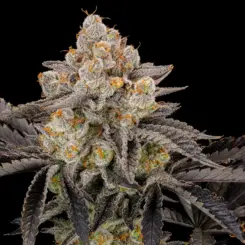
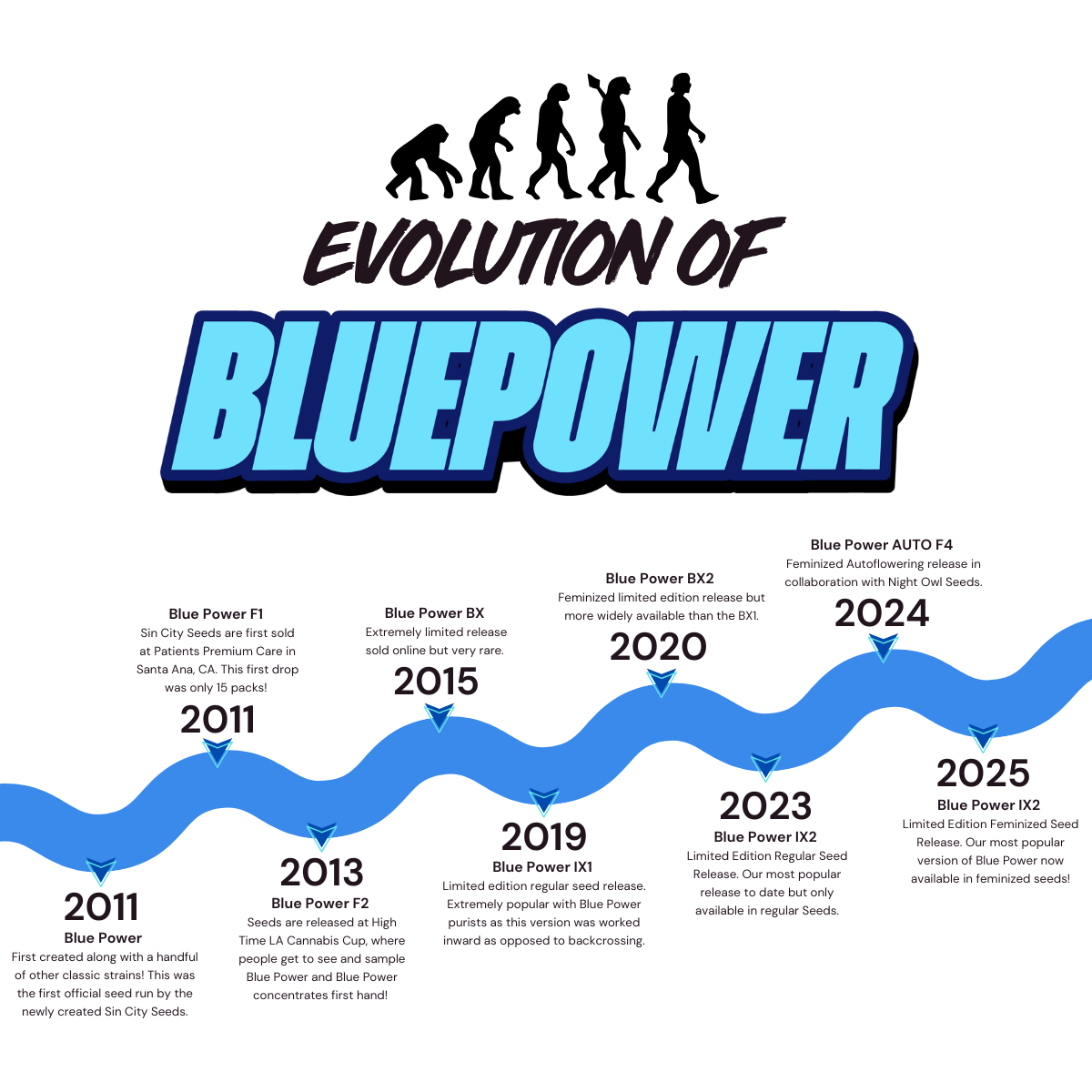
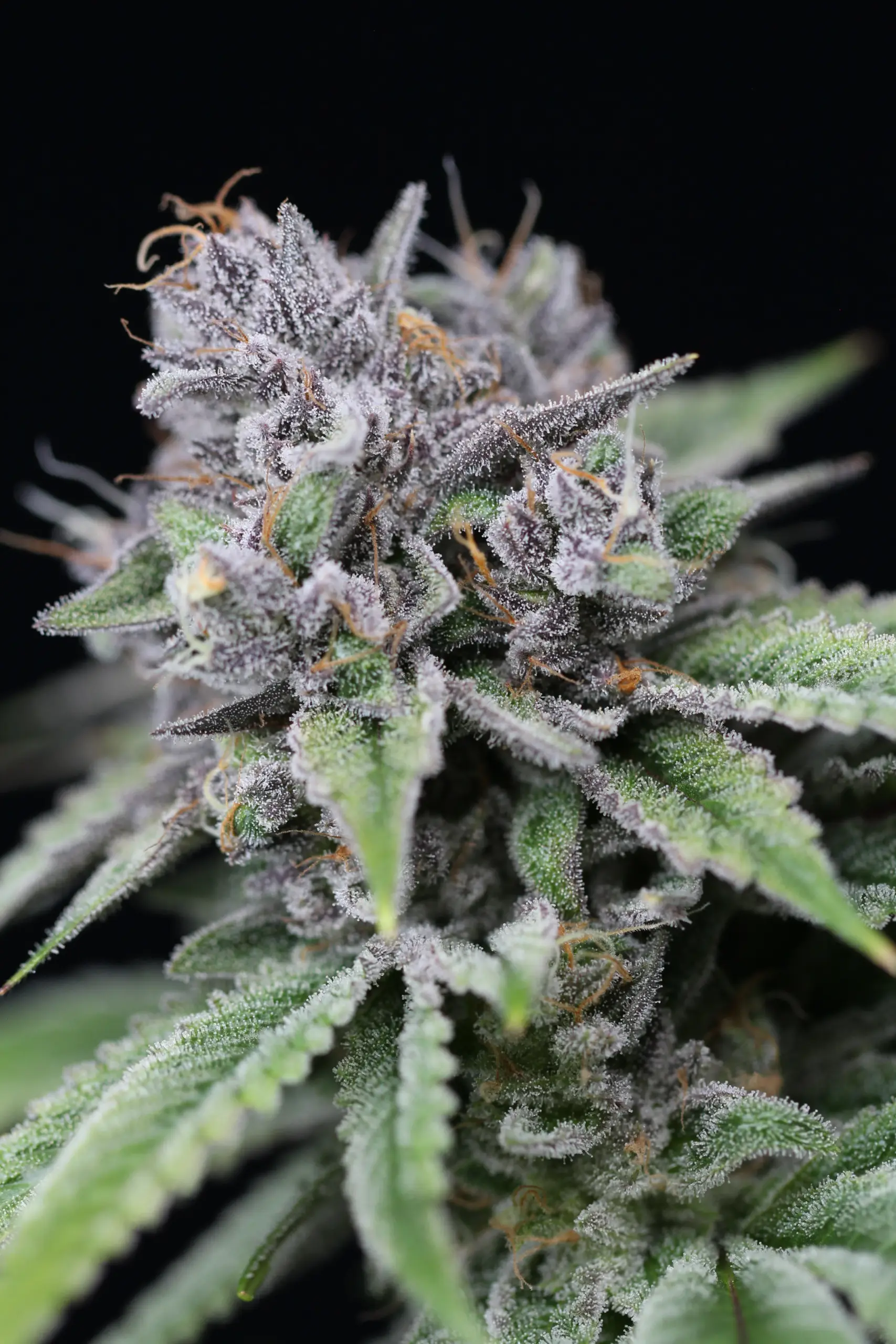
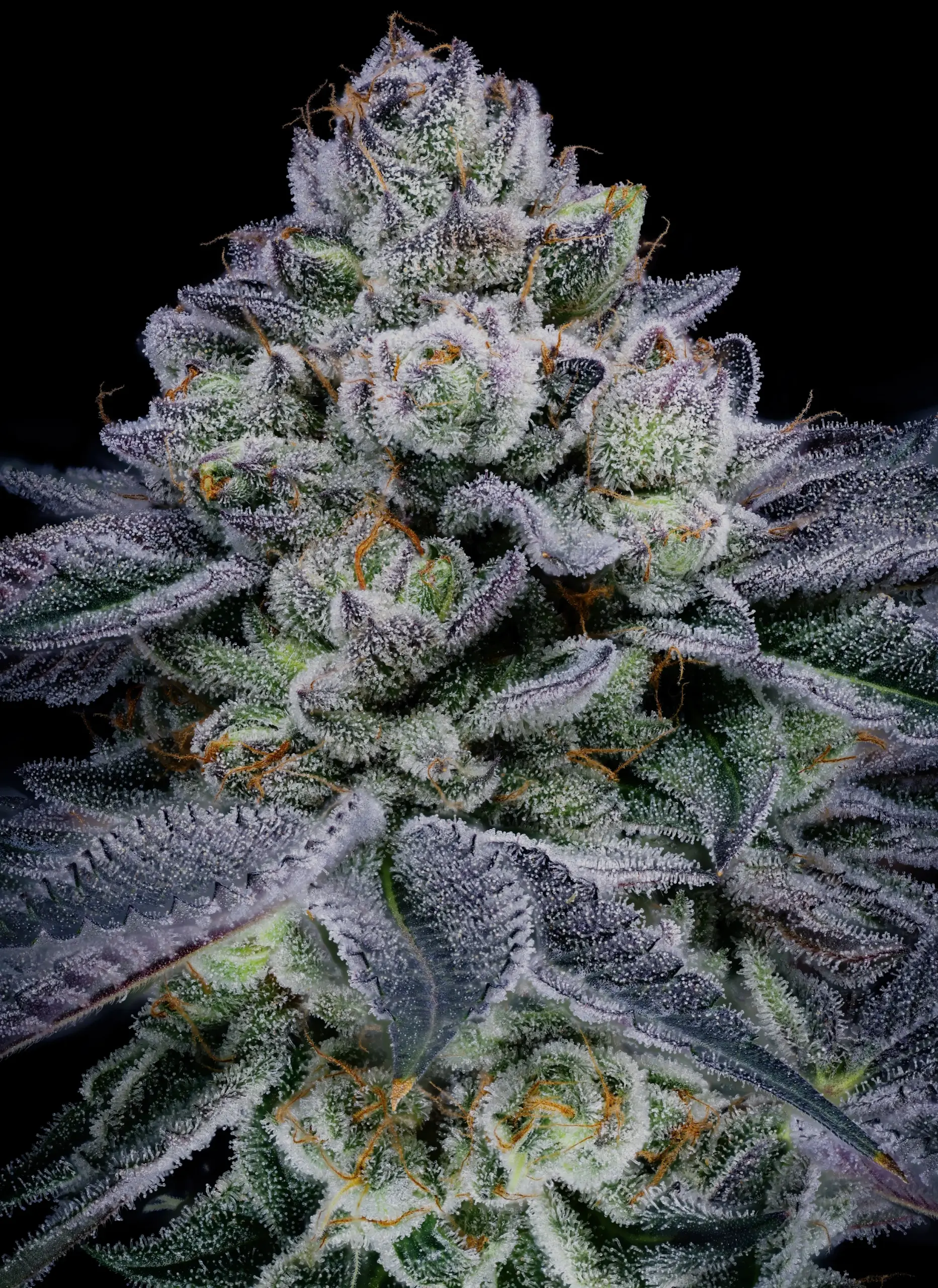
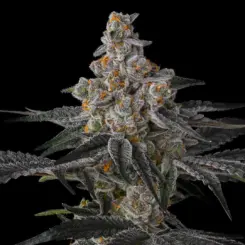
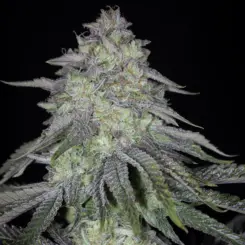
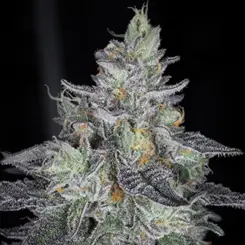
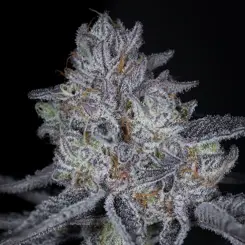
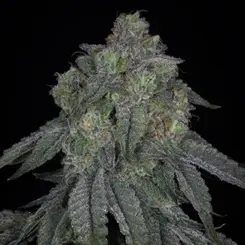
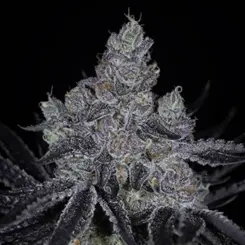
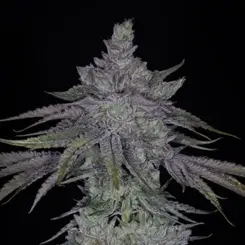
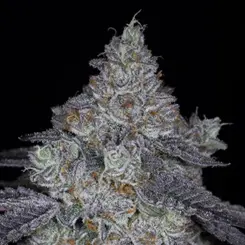
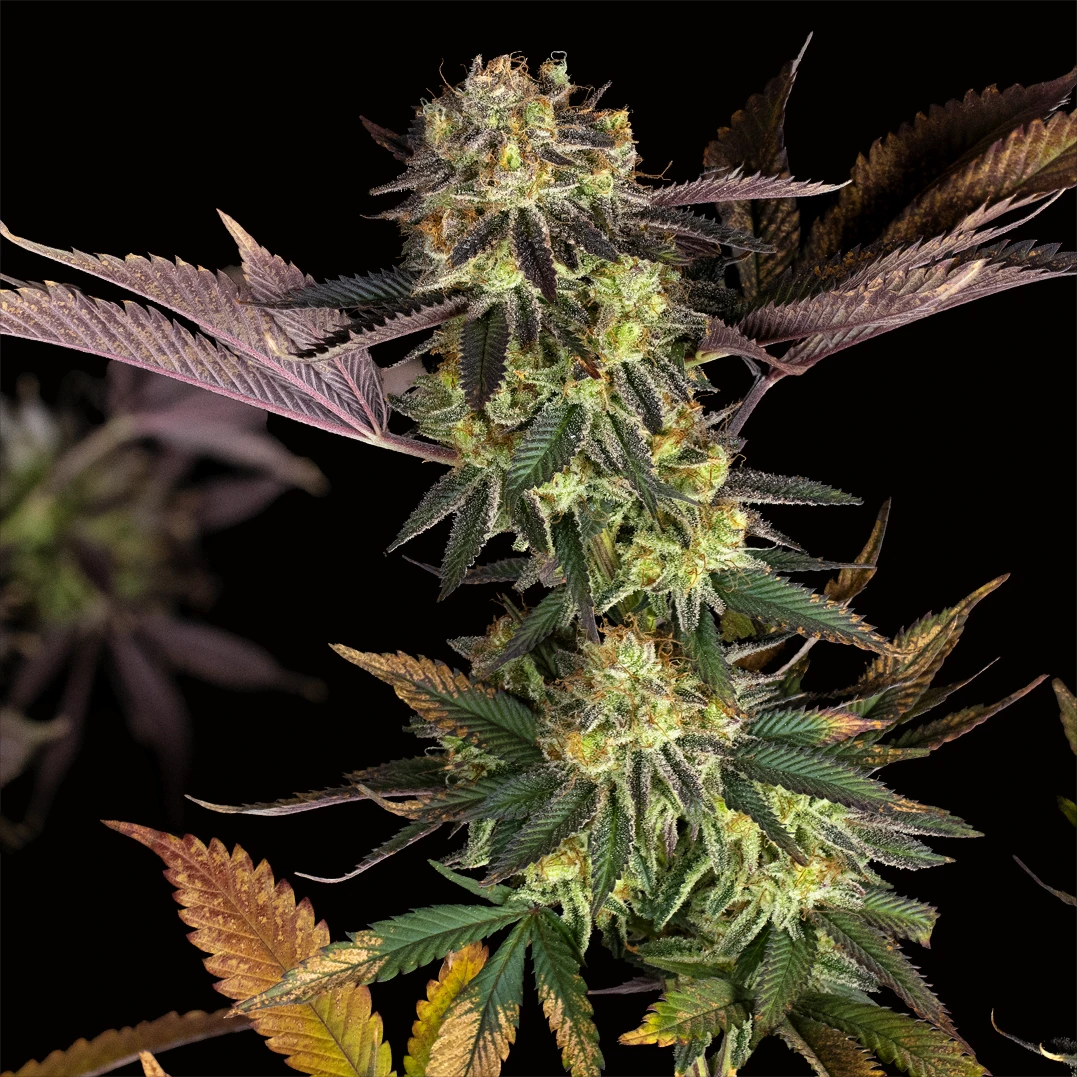

![Brainstorm [TESTER] (F)](https://www.northatlanticseed.com/wp-content/uploads/2025/03/brainstorm-cannabis-seeds-by-dirty-bird-genetics-1-3-edited-1-800x450.webp)

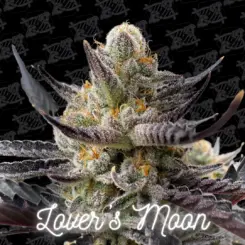
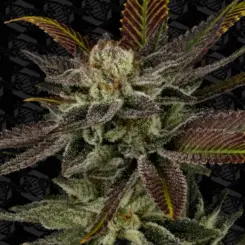
![Cold Queso (F) [TESTER]](https://www.northatlanticseed.com/wp-content/uploads/2025/03/cold-queso-no-text-copy-245x245.webp)
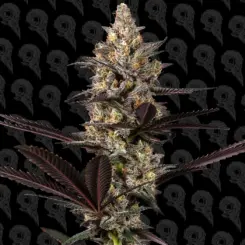
![Dirty Bird Genetics Maui Wowie [squared]](https://www.northatlanticseed.com/wp-content/uploads/2024/08/Maui-Wowie-Squared-2-245x245.jpg)