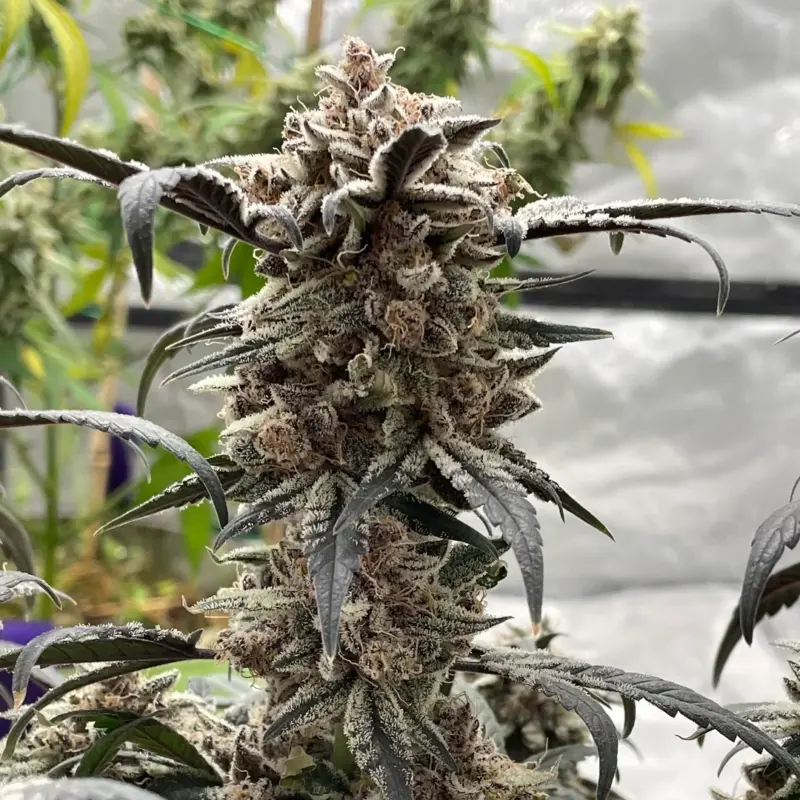
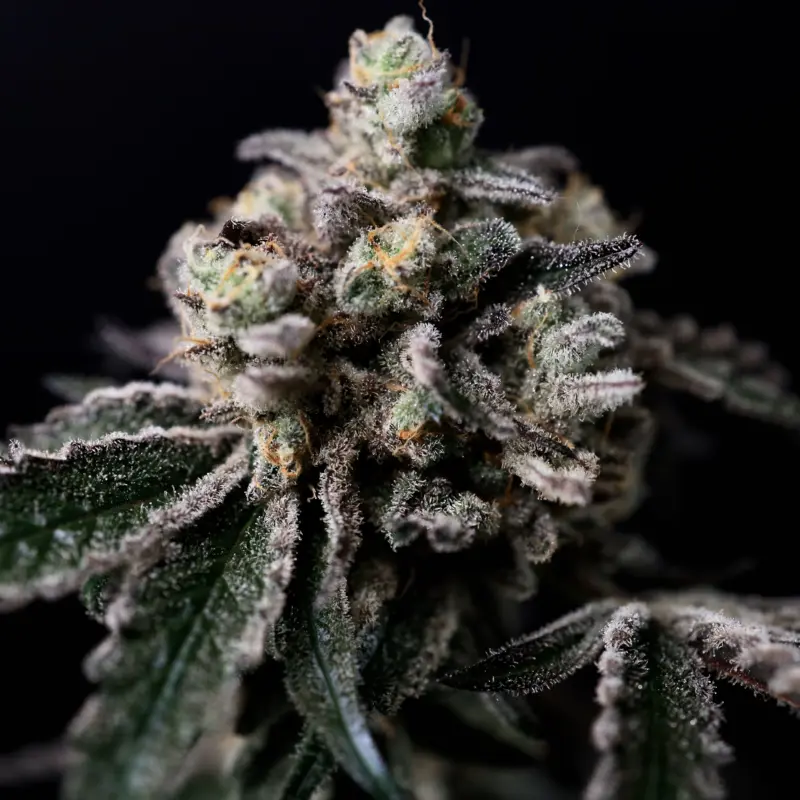
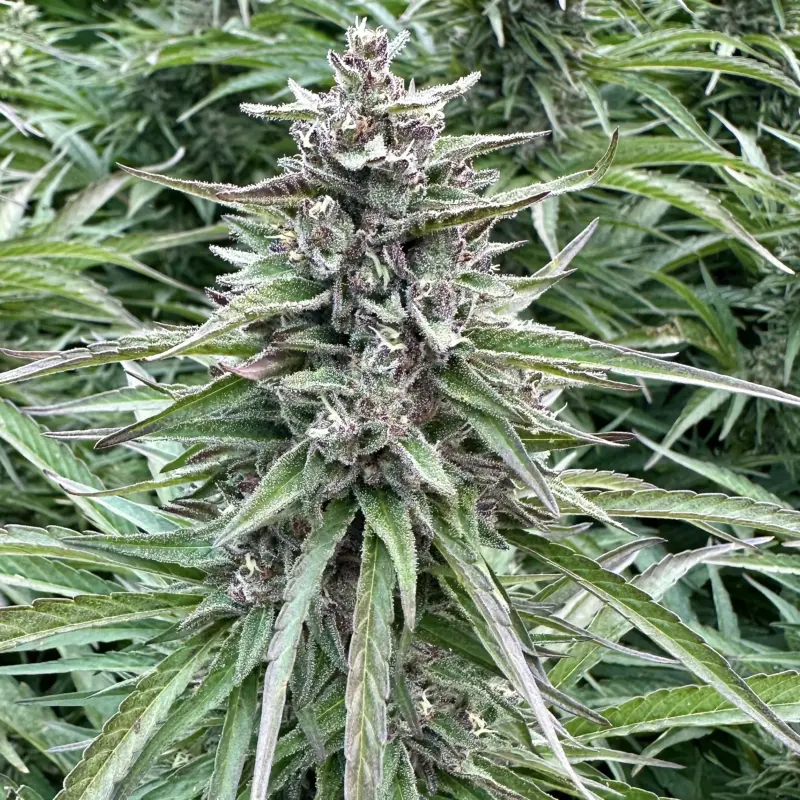
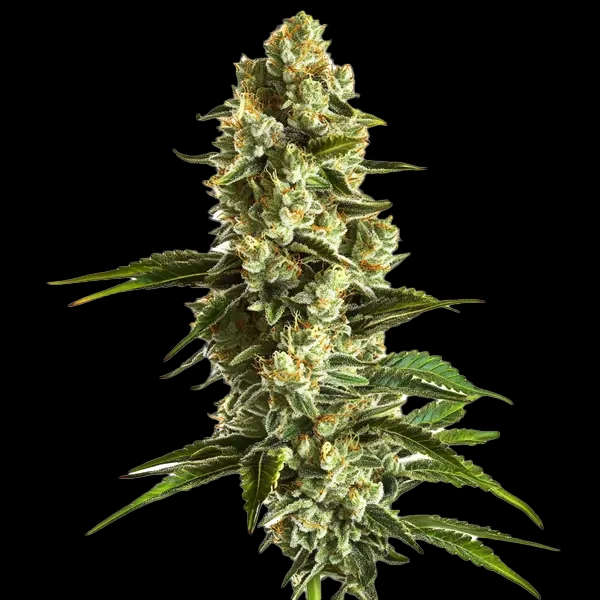
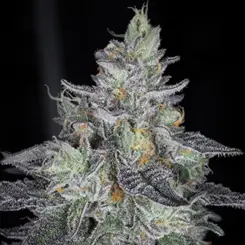
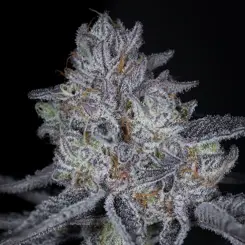
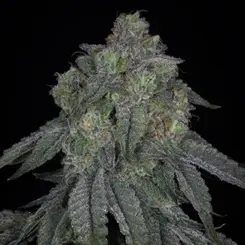
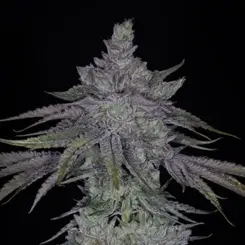
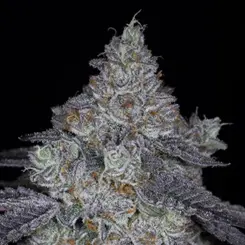
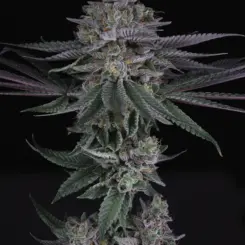
Offering hard-to-find Pure Legacy Landrace Genetics with our craft cannabis seeds: Lamb’s Breath
“At Lamb’s Breath Seeds, we continually hunt for the best phenotypes from our Jamaican landrace breeding stock, looking for high vigor, strong potency, and intriguing terpene profiles. We are proud to release our newest breeder’s selection, “Santa’s Stash.” Our Santa’s Stash seed mom tested 25.5% total THC, with a strong, spicy, skunky aroma, with lovely reddish-purple pistils. Dominant terpenes include myrcene, a- & b-pinene, limonene, b-caryophyllene, linalool, ocimene, and a-humulene. The effects are energizing, creative, and somewhat giddy. Gives you the strength to get up and do what needs to be done! Perfect for sports, hiking, kayaking or cleaning house, all with a smile!”
The NASC Cast Crew had the pleasure of sitting down with Jim Riddle of Lamb's Breath Seeds. Listen to what he has to say below, and follow us on Vimeo for even more content!
Destigmatizing + Understanding White Label Seeds By Beth Mathieu
What is BWL Bulk/White Label?
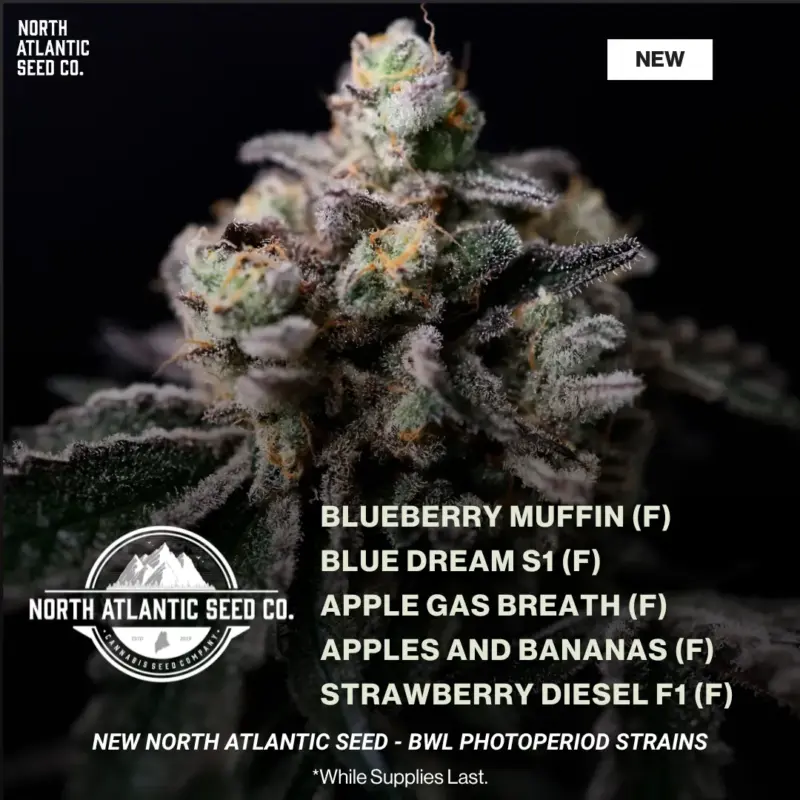
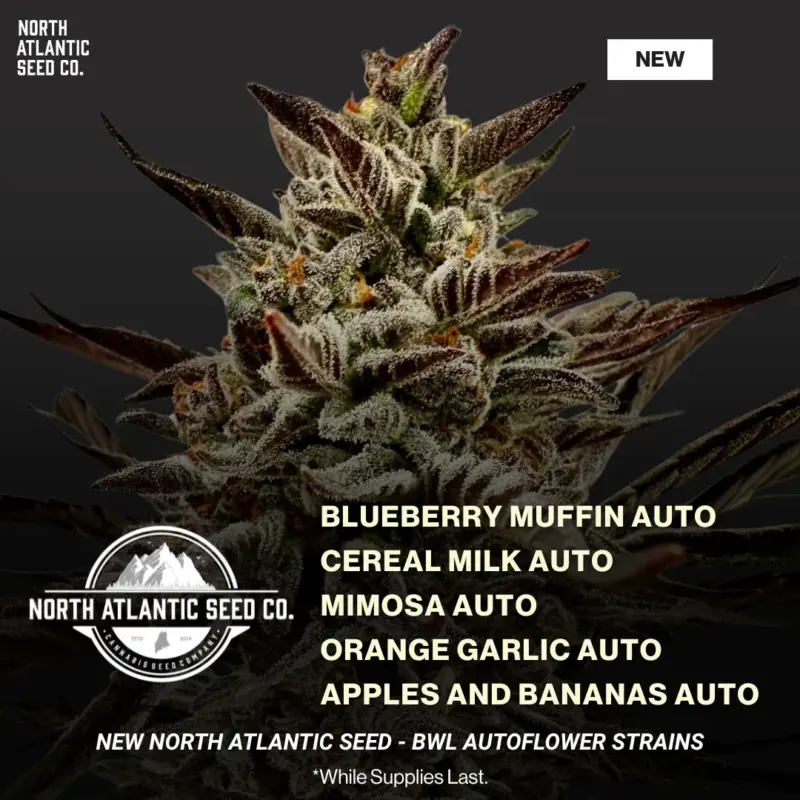
BWL is an abbreviation that we use at North Atlantic Seed for Bulk/White Label, and it is how we source our own “house” seed menus: NASC BWL, Private Label, and Commercial Cultivars. White Label is a term that is commonly used among wholesalers, distributors and seedbanks within the cannabis seed industry and beyond, and all it really means is that the seeds were purchased from farmers under the pretense that we could sell them using our own brand and our own name: North Atlantic Seed Co.
Unfortunately, BWL has gotten quite the bad rep in forums and threads online, and that’s why we have always chosen to highlight “BWL” as transparently as we have: 1. We want growers to understand that we did not breed these seeds ourselves. Hopefully, this helps them make an educated decision about who they source their genetics from. 2. We want to destigmatize White Label seeds. Below, I am going to discuss why I think this topic is so important for every grower to understand.
Are BWL Seeds Bad?
Our perspective–as people who understand this industry quite well–is that BWL seeds can be just as great and just as terrible as any other seed. Shocking, right?
What matters is the intent and the breeding practices of the farmer who made the seeds. Like any industry, there are seed mills out there churning out millions of seeds a month purely for the profit; these businesses probably don’t have the grower’s best interests at heart. Conversely, there are craft operators that put a great deal of heart, care, time, and expertise into their breeds. Both types of farmer can supply BWL seeds, so sourcing is really what becomes important, and that is guided by our values as a business, and your values as a grower.
Agriculture and farming is an industry where it’s hard to make a good living nowadays. As farmers and breeders ourselves, we have lived this struggle, and we have no shame in supporting breeders who are creating and refining high-demand genetics for others to brand and sell.
There are many breeders in our community who are incredibly passionate and knowledgeable about genetics, but they have no interest in all of the other things that come along with running a front-facing business: They don’t want to sit behind a computer all day, or work on marketing campaigns, or become beholdent to social media. They want to be in their gardens. And yet that is the business of seeds; more and more, that is what it takes. For these types of breeders and farmers, White Labeling seeds gives them an opportunity to make a living doing what they love without having to be a great business-person at the same time. For this reason, we are not ashamed at all to source White Label genetics for our house brand, but in large part, that’s because we do our due diligence. We are intentional about the breeders we support and rely on in this way because we care about your experience as growers.
Where Does NASC Source BWL Seeds From?
At North Atlantic Seed, we are always trying to improve and refine the seed menus we are offering to our growers. And I’m not just saying that. We care so much about getting this right, and we recognize that this is what builds trust and integrity.
If you’ve been watching closely over the years, you might have noticed that the North Atlantic Seed BWL menu has undergone frequent changes. While we don’t have the ability to grow out every single strain ourselves, we try to grow out as many as we can, and we listen closely to what our customers are telling us about their experience with these seeds. We have turned our menus over many times, and we have tried the same strains from many different breeders. We are always whittling away, trying to make our BWL menu better. This is a process that will never stop because genetics will never stop evolving and getting better.
What we want you to know and hear is that NASC sources genetics from the breeders you already know and trust, as well as from other farmers who you might never know, but who deserve to have their genetics grown just as much as the next person. These are people who are doing good work and they are good people.
Ultimately, we understand that people are going to have opinions about breeders, genetics, White Label seeds, and virtually everything else. Have it. But we want to set the record straight as far as NASC’s relationship with White Label goes: A lot of the derogatory commentary we see tossed around online is so off the mark from the reality of the industry, and it gives people a bad taste about something that is very misunderstood. Yes, there are bad actors out there, but my hope is that our growing community is aware that there are a lot of good actors too, so let’s not stigmatize this category of seeds as a whole. That only serves to hurt the breeders and farmers who are doing hard work and trying to make an honest living just like you and I.
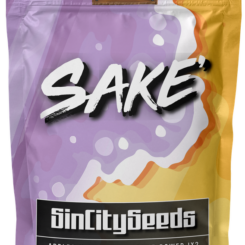
With 20+ years of cultivation experience and over 250 unique varieties created SinCity Seeds is among the worlds most respected cannabis breeders. They stand behind their work and always offer a full satisfaction guarantee on all their products.
The NASC Cast Crew had the pleasure of sitting down with Don of Sin City Seeds. Listen to what he has to say below, and follow us on Vimeo for even more content!
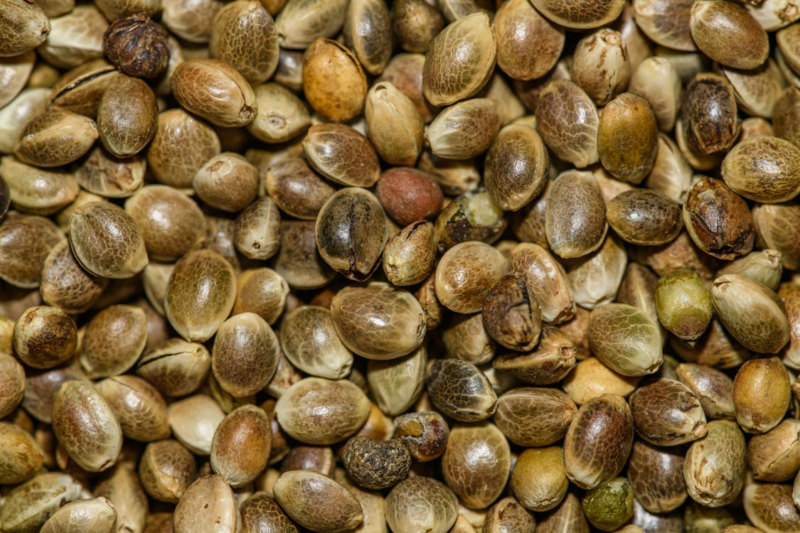
To test whether a seed’s size, color and/or shape influences its ability to germinate, we tested 50 seeds of various sizes, colors, and shapes. All seeds were placed in distilled water and separated into five solocup shot glasses based on their size, shape, and color. We germ-tested 10 seeds in each of the following five categories: Large-Dark, Small-Dark, Large-White, Small-White, and Dark-Odd Shaped (meaning not elliptic as most cannabis seeds are). All seeds were stored in their respective shot glasses, placed in a box together, and left in an environment with low to no light, minimal air flow, approximately 60% ambient relative humidity, and at a temperature of approximately 75 degrees Fahrenheit. The seeds were observed on day 3, day 5, and day 8 to determine germination rates and progress.
Disclaimer: As a disclaimer, I would like to state that this was a preliminary test of seed viability with a very small population size. For conclusions that are statistically significant, more testing will need to occur with larger population sizes. This is by no means a definitive test of seed viability but rather a preliminary inquiry into this issue. This test was mainly to show that seeds with lighter colored to white seed coats, as well as abnormally shaped seeds, and smaller seeds can still be viable.
Day 1:
The 10 seeds of each category are laid out before being placed in germinating cups.
From Left to Right: Odd Shaped, Small-White, Large-White, Small-Dark, Large-Dark.
The 10 seeds of each category in the germinating cups as seen from above.
Day 3 Germination Results:
After 3 days the seeds were laid out on a background for observation of germination progress. The images below show the results found. The white seeds from both the small and the large categories turned a darker color after 3 days in the water in the cups, but these are the same seeds of those categories as shown in the first image of all the seeds in this study.
The Large-Dark seeds showed 8/10 seeds with the radicle exposed after 3 days.
The Small-Dark seeds showed 10/10 seeds with the radicle exposed after 3 days. The lesser amount of seed coat on the Small-Dark seeds may have allowed faster imbibition (taking up of water by the seed).
The Large-White seeds showed 7/10 with exposed radicles after 3 days.
The Small-White seeds showed 2/10 with exposed radicles after 3 days.
The Odd-Shaped seeds showed all 10/10 radicles exposed after 3 days. One seed appears to have 2 radicles coming from a single seed coat. This is most likely due to 2 zygotes forming within the plant ovary very shortly after pollination or due to 2 seeds fusing as they formed.
Day 5 Germination Results:
After another few days in the dark and in the distilled water the seeds were again taken out and observed. Below are images of the results on day 5 of this experiment.
All 10/10 Large-Dark seeds are now showing exposed radicles after 5 days.
All 10/10 Small-Dark seeds continue to show exposed radicles after 5 days.
Large-White seeds are showing 7/10 exposed radicles after 5 days.
Although difficult to see, 3/10 Small-White seeds are now showing exposed radicles after 5 days.
After 5 days, 10/10 Odd-Shaped seeds are still showing exposed radicles. One of the “twin” radicles broke off of one of the Odd-Shaped seeds. The first seed all the way to the left of the image does have an exposed radicle but its slightly darker color makes it difficult to see. Once zoomed in, anyone can see that a small, discolored radicle is exposed.
Day 8 Germination Results:
After 8 days total the seeds were observed for a final time to see the results pictured below.
After 8 days, 10/10 Large-Dark seeds show exposed radicles.
After 8 days 10/10 Small-Dark seeds show exposed radicles and 3/10 even show cotyledon.
After 8 days 7/10 Large-White seeds showed exposed radicles.
After 8 days 3/10 Small-White seeds showed exposed radicles.
All 10/10 Odd-Shaped seeds are still showing exposed radicles after 8 days.
RESULTS:
Preliminary Conclusion:
Many shapes, colors and sizes of seeds can be viable.
Dark seeds have the best germination rates, regardless of whether they are small or large.
White seeds are significantly more viable if they are larger. Small white seeds performed poorly in this germination test.
Seed shape has no affect on viability.
Using our germination method, seed viability was determined and unchanged by Day 5.
Based on the limited results of this preliminary study, many shapes/colors/sizes of seeds can still be viable. They don’t all have to be large and dark colored although having a dark colored seed coat does seem to have a positive correlation with germination viability. It also seems that a larger seed may have a better chance of germinating as seen in the results between the Large-White and Small-White seeds with the Large-White having a 70% germination rate and the Small-White only having a 30% germination rate. From the limited results of this simple experiment, it appears that seed shape didn’t affect germination rates with the Odd-Shaped seeds having 100% germination just like the seeds in the Large-Dark and Small-Dark categories.
One parameter not reflected in these results is the pressure with which you can apply to a seed to test viability. Lightly (very lightly) pinching a seed between your thumb and pointer finger and seeing if the seed deflates or pops can be a relatively reliable method of determining germination viability. Just a light pressure should give the kinetic feedback to know that the seed is “solid” and probably will germinate or will deflate/pop the seed and thus that seed was not viable. One thing many people seem to do is apply too much pressure to seeds when they check in this way. Again, light pressure is all that is required. One does not need to squeeze as hard as they can as this can give false results since enough pressure can pop any seed regardless of viability.
For more info on how we germinate, please see our Germination Guidehere.
Disclaimer: Cannabis seeds are sold as souvenirs, and collectibles only. They contain 0% THC. It is imperative that you check your state and local laws before attempting to purchase seeds, and we are not liable for what you do with seeds after receiving them. The statements on this website and its products have not been evaluated by the Food and Drug Administration. These products are not intended to diagnose, treat, cure or prevent any disease. Consult your doctor before use. North Atlantic Seed Company assumes no legal responsibility for your actions once the product is in your possession and is not liable for any resulting issues, legal or otherwise, that may arise.
Are you 21 or older?
You must be 21+ to enter this site.
Sorry, you must be 21 or older to enter this site.

 CBD Balance I (R)-10%$45.00
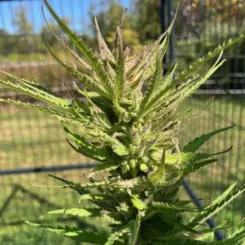 Class Clown (R)-10%$54.00
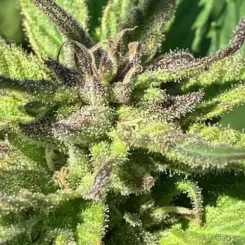 Breeder's Choice (R)-10%$54.00
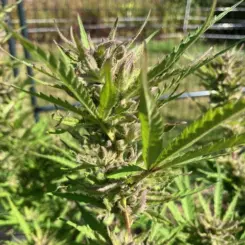 Santa Sesh (R)-10%$54.00
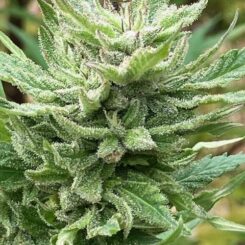 Respect (R)-10%$54.00
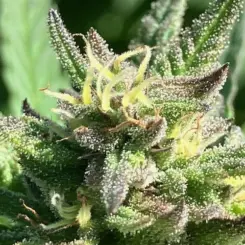 Irie Tristar (R)-10%$54.00
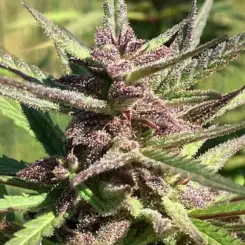 CBD Balance II (R)-10%$45.00
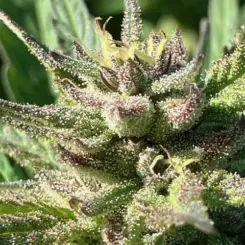 Breadfruit (R)-10%$54.00
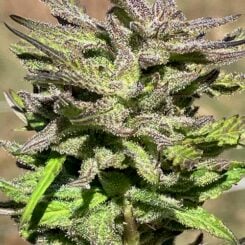 Lamb's Breath Seeds - Irie Select (R)-10%$54.00