
Smoke Report: Amaretto Sour by Dirty Bird Genetics

AMARETTO SOUR
Dirty Mimosa bx2 x Sour Moose F1
OMEGA Release 10/13/26

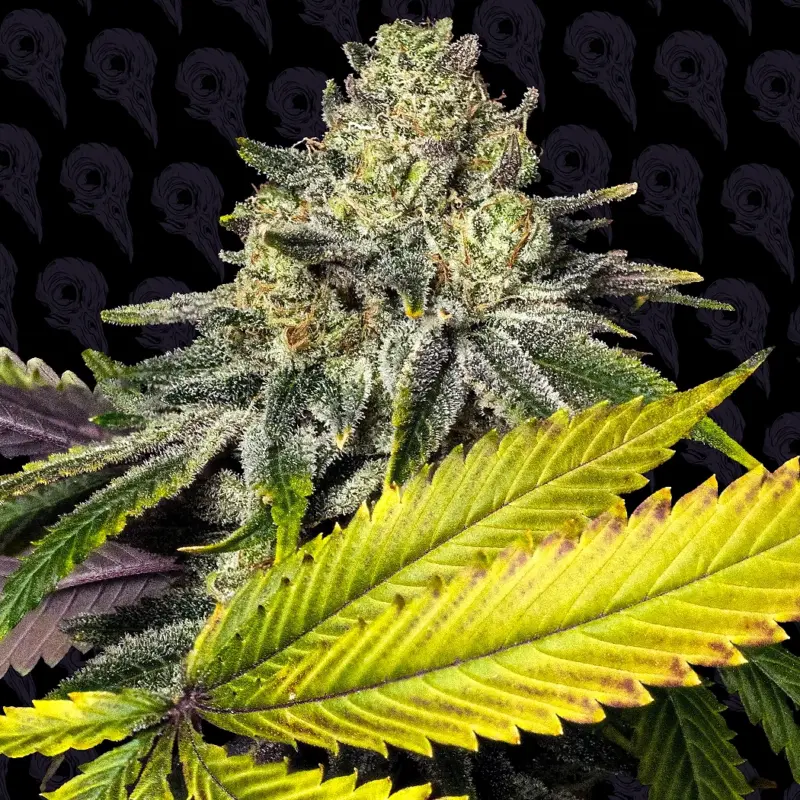
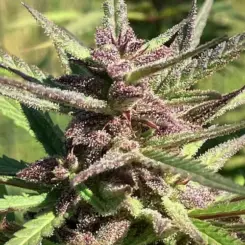
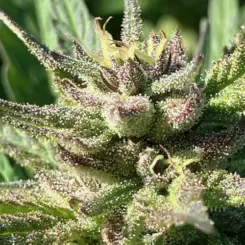
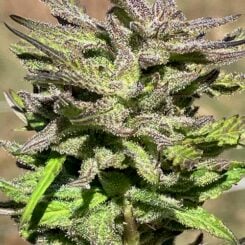
From the terpenes, sturdiness, and yield to the coloring, density, and morphology, the Amaretto Sour shines bright all-around. Hitting every mark and then some, it is an exceptional cultivar that has more than earned its spot as the first strain to grace Dirty Bird's prestigious OMEGA Series menu. The parents of this strain are keeper cuts hunted in-house from two of the cultivars we are most proud of: the ultra-stable, fast-finishing Dirty Mimosa bx2 ([Peanut Butter Breath x Mimosa] x Mimosa), and the chonky queen of citrus and sour, Sour Moose (Sour Lime Haze x Moose and Lobstah).

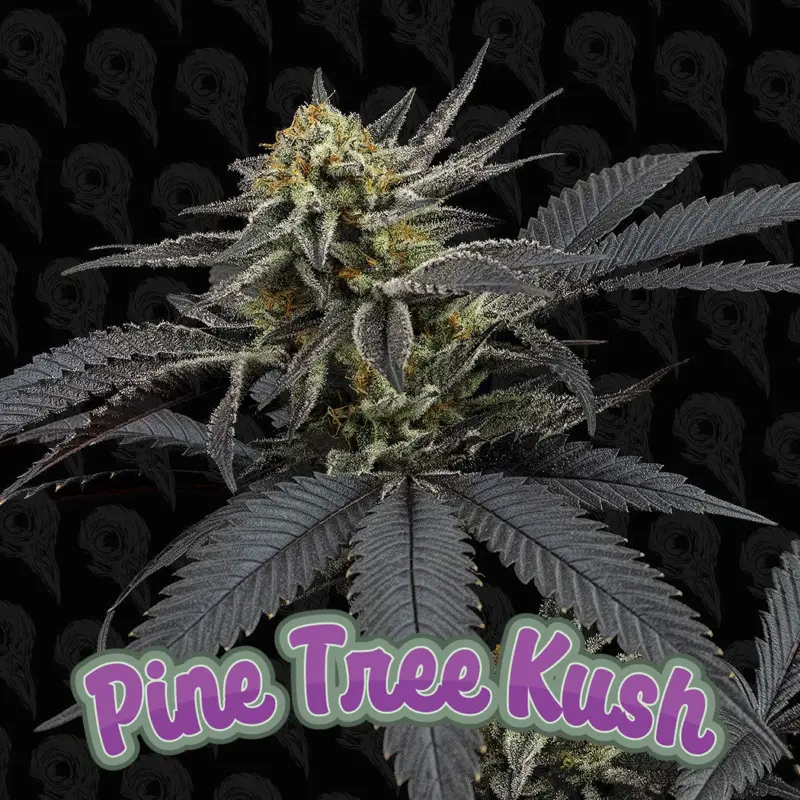
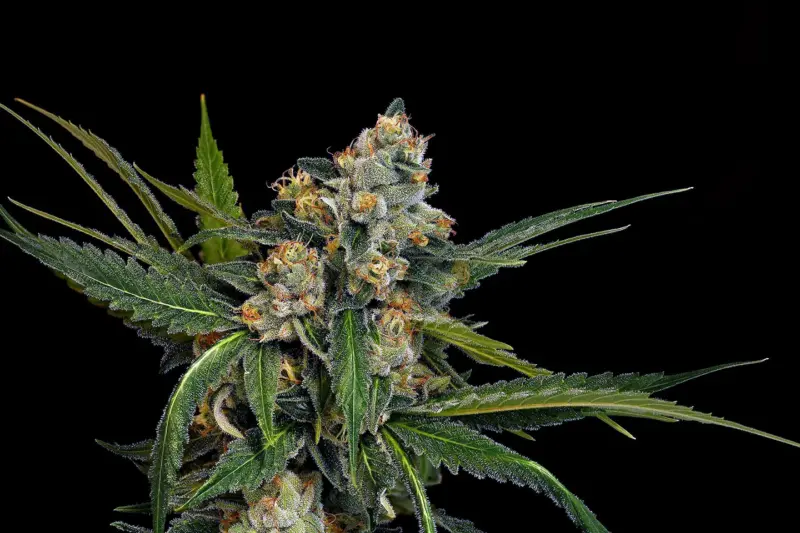
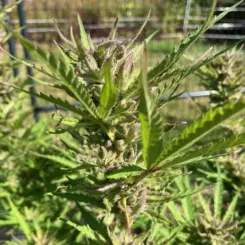
In veg, the Amaretto Sour is vigorous and easy to grow. Its branches are sturdy and pliable, requiring little staking, with an ideal balance of vertical and lateral growth. Internodal spacing is also just right, allowing flowers the space to connect together and form long, dense colas.

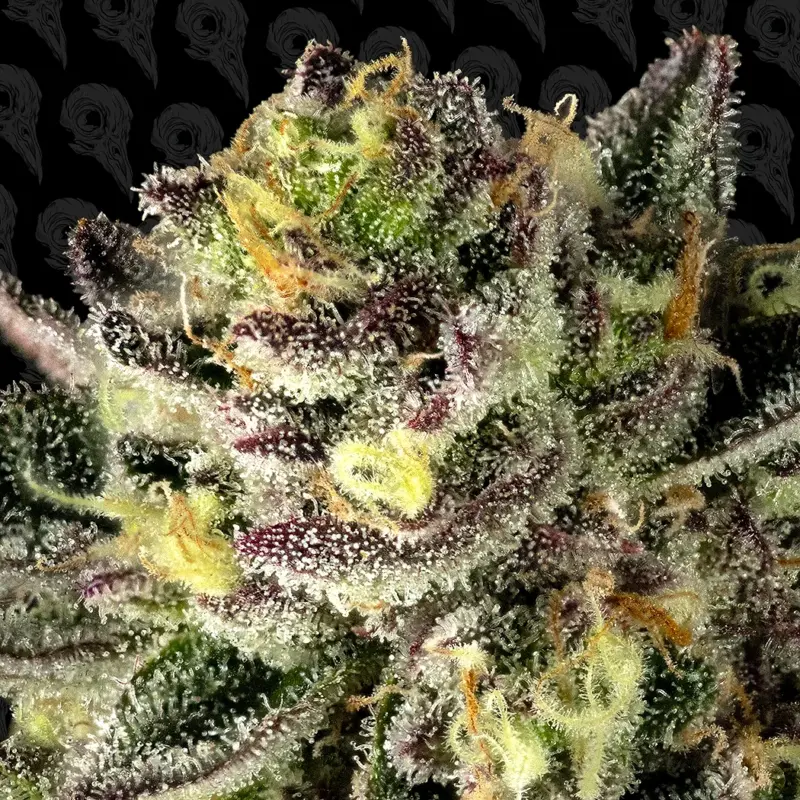
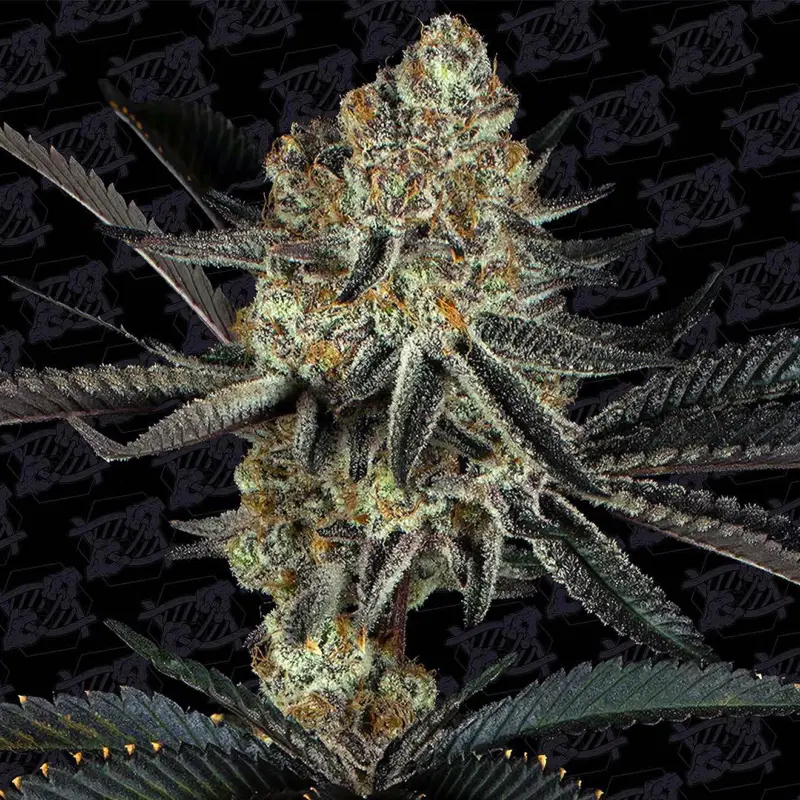
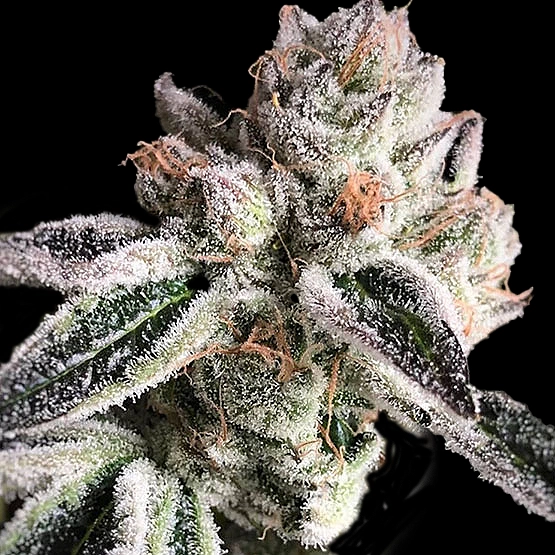
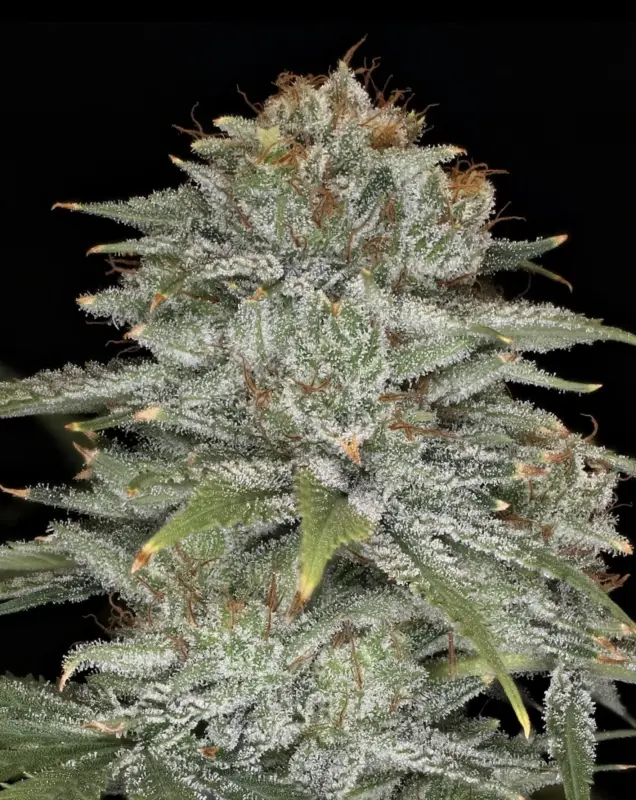
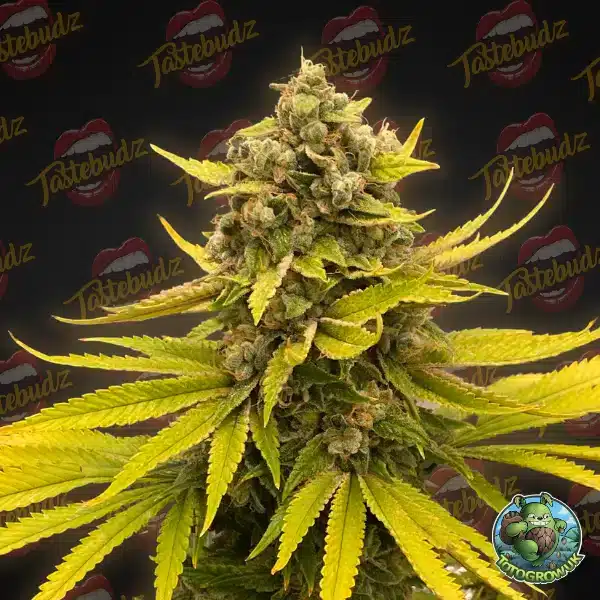
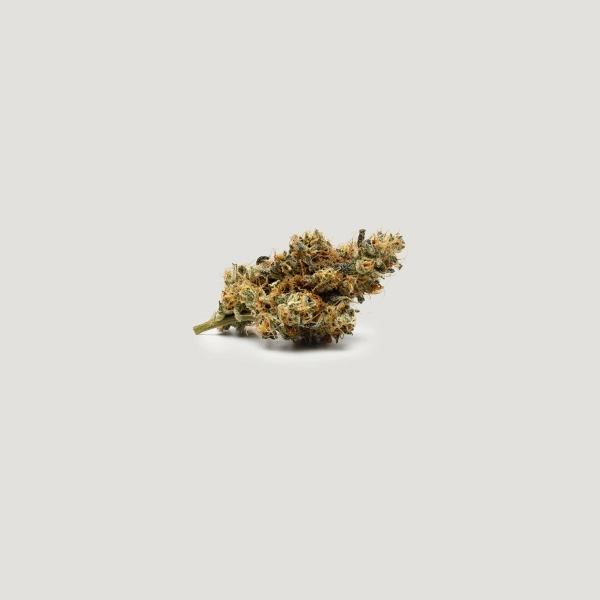
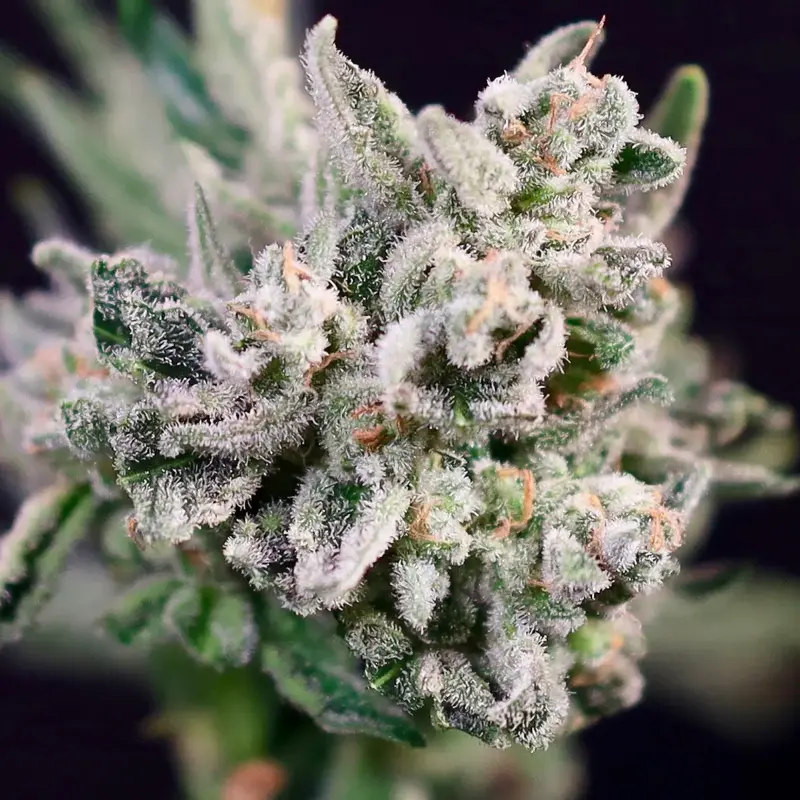
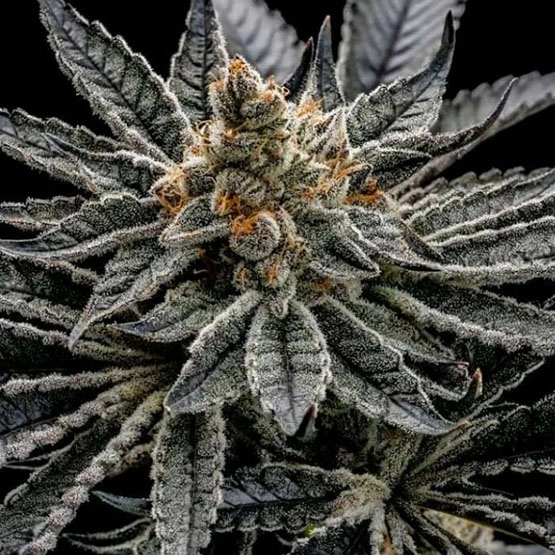
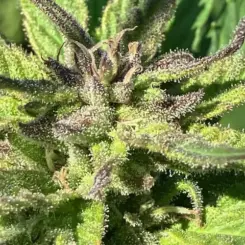
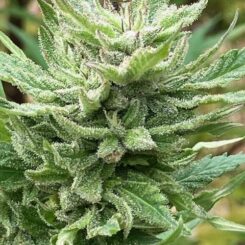
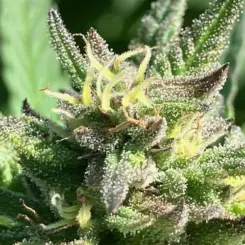
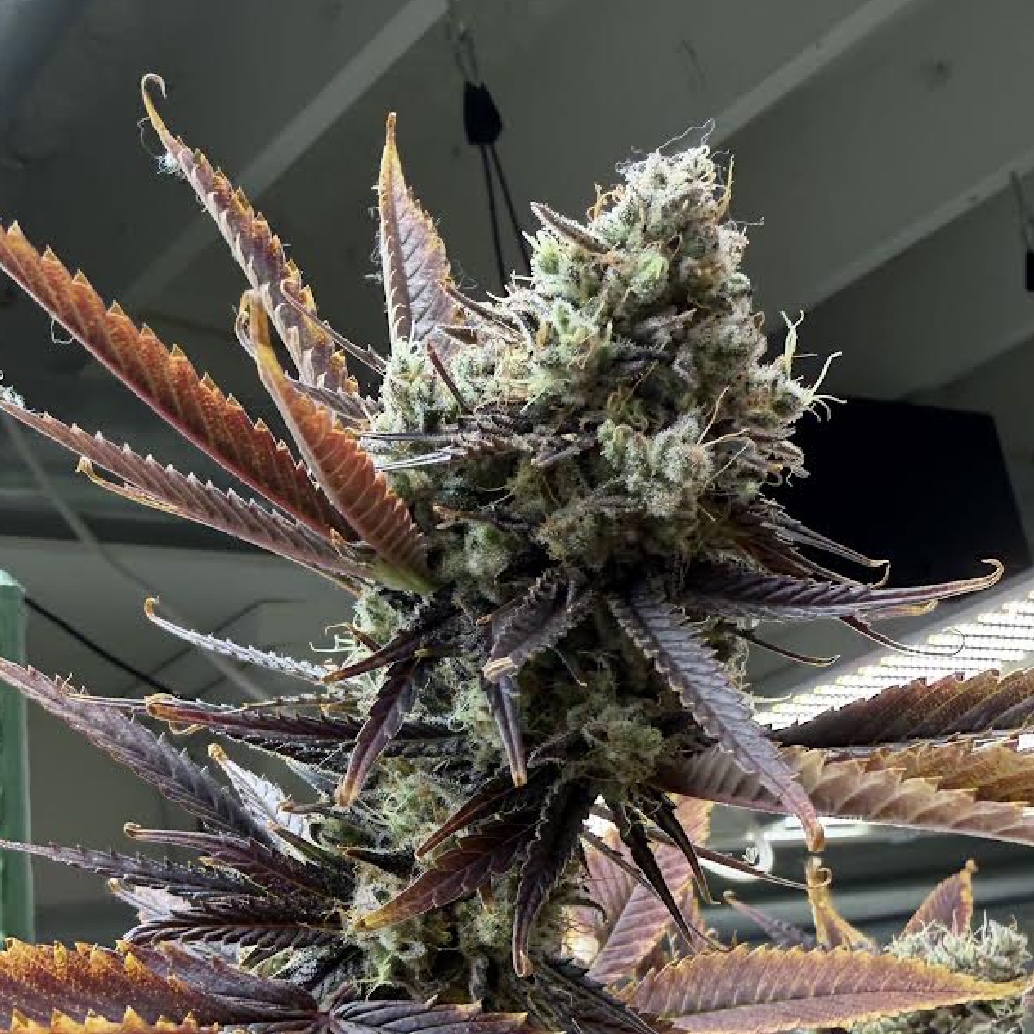
In flower, some plants begin flowering more quickly than others, but by day 36, all of the plants gain substantial weight, and terpenes become increasingly punchy and pronounced. The Dirty Mimosa dominates the morphology of the cross with the Sour Moose coming in as a strong supporter, increasing the yield and influencing the terpene profile. The velvety, colorful, trichome-heavy appearance of the Dirty Mimosa flower is evident in about half of the plants, while the other half resemble the Sour Moose with chunkier, dome-shaped flowers and thick, downturned sugar leaves. Flower morphology ranges from long and conical to dome-shaped and spherical, but across the board this strain yields incredibly well. Calyx-to-leaf ratio and quality is high across the board. Resin is sometimes gritty and sometimes greasy, but plentiful and potent all-around. Don't be tempted to cut these ladies early; many of the plants will darken substantially in the final week of flower, taking on beautiful purples and maroon hues.

The terpenes of the Amaretto Sour are truly out of this world and this strain is a must-try for any terpene lover. It is the perfect union of the Dirty Mimosaโ€™s apple profile and the Sour Mooseโ€™s bright, sour, citrus and pine. Coming out of the gate strong, the terpenes evolved throughout flower, starting out Sour Moose-dominant (citrus, terpinolene, pine) and taking on more complexity as they aged. Some plants retained the Sour Moose dominance straight through harvest, but most gained complexity with notes of cold-pressed apple cider, tropical creamsicle, and strawberry milk piling atop the sharp, citrus base. The terpene profile continued to evolve even after harvest. I literally cannot stop sniffing the dried flower because there is something so compelling about it.

The effect of the Amaretto Sour is incredibly well balanced and agreeable. With in-house samples testing as high as 3.5% CGB, it is the type of flower that you can safely give to your ultra-cautious friends and know theyโ€™ll be alright. It puts us at ease with no racing thoughts and no paranoia, and it has been my personal bedtime go-to strains since harvest (Beth speaking here).

At its heart, the Amaretto Sour is two slices of Dirty Bird history merged together to form something bursting with potential, and itโ€™s such a perfect representation of where weโ€™ve come from and where we are going. From our grow to yoursโ€ฆEnjoy!

Flowering Time: 60-65 days
Yield: Heavy!
Terpenes: Bright Citrus and Pine, Cold-Pressed Apple Cider, Pineapple Gummibears, Tropical Creamsicle, Strawberry Milk. When dried, it takes on new life reminiscent of a bright and creamy sour berry that you canโ€™t stop sniffing.
Height: 1.5x stretch. About 40% will stretch into taller plants, while 60% stay medium-sized bushes.
Morphology: Dirty Mimosa dominates the cross morphology with the sour moose coming in as a strong supporter, increasing the yield and adding a punchy citrus and pine to the terpene profile. Ideal internodal spacing, strong and pliable stalks, healthy and vigorous foliage, high calyx-to-leaf ratio. Flowers range from spherical cones to dome-shaped spears with good stacking and heavy yield across the board.
Effect: Testing with3.5%+ CBG, the Amaretto Sour is a great โ€œanytimeโ€ indulgence. It puts the mind at ease with no paranoia, anxiety, or racing thoughts. Itโ€™s incredibly well balanced and can be enjoyed anytime of day.


Smoke Reports for Amaretto Sour
blog pic


My first thought on Amaretto Sour was "Wow!" The citrusy and fruity flavor on the first exhale was very prominent and memorable. I am a huge fan of fruit-flavored strains and this is one I would definitely bring to a smoke sesh for anyone that can really appreciate a special combo of terpenes. I consumed this one during the day and it was great. My mood was lifted and it came with a little motivation to make daunting tasks more obtainable. It's pretty balanced and it doesn't come with a head high that can cause anxiety or paranoia. The effect was really nice, but the flavor is unforgettable.

- Crystal
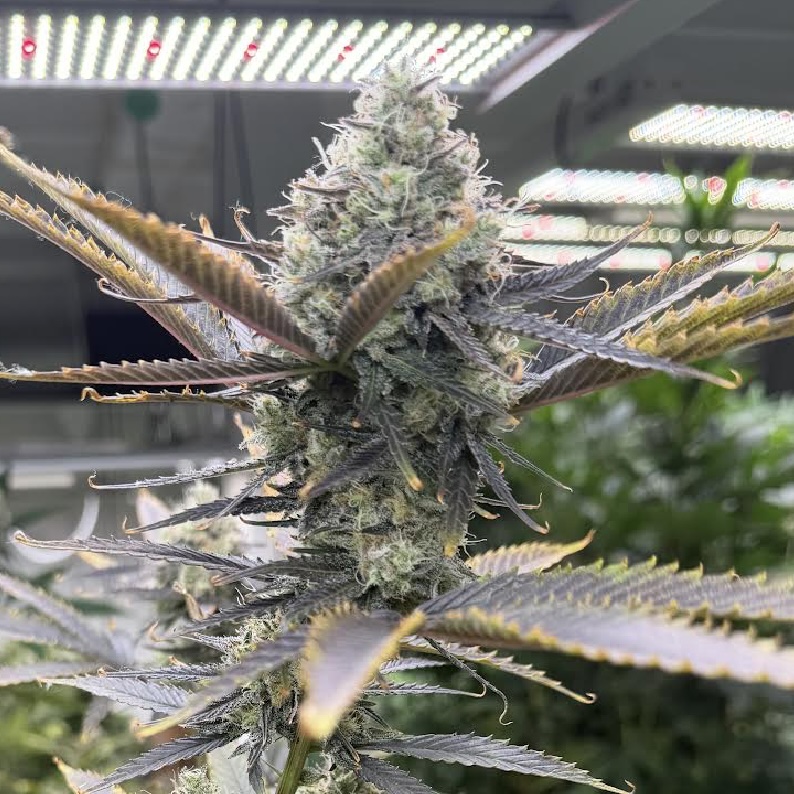

Amaretto Sour is a delicious treat from Dirty Bird Genetics. It is a sativa dominant strain, and itโ€™s really great for any time of day. Itโ€™s honestly one of the most versatile strains Iโ€™ve tried. It gives you the perfect high during the day that mellows you without zapping your energy. In the evening itโ€™s super relaxing without making you drowsy but is still enough to help with sleep. The flower smells amazing; it is sour and sweet with a touch of apple, citrus, and pine. Highly recommend trying this one!

- Mariah


Check out other smoke reports:


Products by Category


And As Always, Happy Growing!
High Yield Recommendations


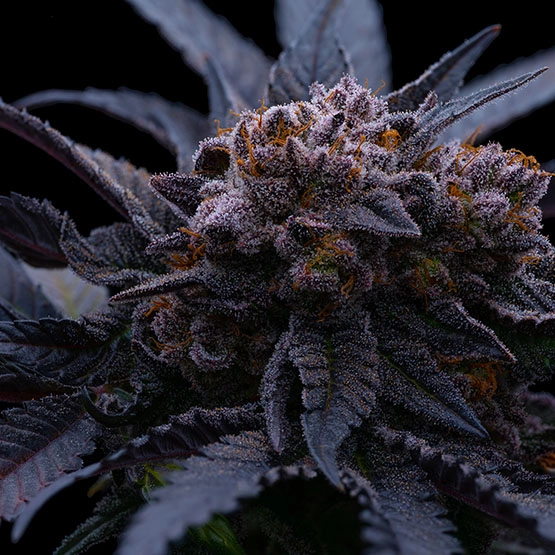
The following category consists of strains that produce a high yield of flower. These options stack! Read on to browse the selections.

Please contact our customer service team at [email protected] if you would like more personalized recommendations as well! Come grow with us!


Products

High Yield Recommendations


More Recommendations


HAPPY GROWING!

Common Cannabis Mutations Part 2


Albinism:


Albinism is a genetic disorder where the plant lacks chlorophyll in most of its
structure, if not entirely. This results in pale yellow or even white coloration of the leaves
and stems due to the lack of green pigment necessary for photosynthesis.

Albinism in cannabis looks quite unique and interesting but is ultimately not good
for the plantโ€™s health. Due to the lack of chlorophyll, the plant canโ€™t produce energy
efficiently through photosynthesis and because of this the plantโ€™s growth and
development will be hindered severely.

Some plants experience partial albinism where only some sections of the plant
lack chlorophyll. Plants with partial albinism can still produce some green leaves and
stems and are typically healthier than plants with full albinism. Despite being healthier
than plants with total albinism, partial albinism affected plants are still at risk of hindered
development and growth due to a lack of chlorophyll in many sections of the plant.

It is important to distinguish between true albinism and localized chlorosis and/or
light bleaching. Close proximity to high powered grow lights can destroy chlorophyll
pigments which causes leaves and flowers to turn white or to โ€œbleach.โ€ If your plant is
experiencing light stress induced albinism it is possible to remedy the situation by
turning down the light intensity, moving the light higher away from the plant or both
whereas a plant with true albinism will not be able to be helped in this way.

Environmental stress can lead to albinism in cannabis as there has been some
data that suggests that temperature stress (high heat specifically) can denature
pigment-producing enzymes. Cold stress has been shown to inhibit chlorophyll
synthesis as well. As mentioned above, these reasons may just be environmental stress
rather than true albinism.

True albinism is a recessive genetic trait and is undesirable due to its negative
impact on plant health and thus final yield and resin production. If a plant is truly albino
then there is no remedy as it is a genetic defect.

Luckily for growers, albinism is quite rare and thus not a common issue many will
ever have to deal with.


Fox-Tailing:


Have you ever noticed long, thin spires of calyxes stacked in a small pillar on top
of or growing away your bud? If so, then you have seen firsthand what โ€œfox-tailingโ€ in
cannabis looks like.

โ€œFox-tailingโ€, also known as a second internode bloom, is one of the more
common โ€œmutationsโ€ growers see in their garden. Even though fox-tailing is more of aphenotypic trait/growth pattern rather than a true mutation, it can be genetic in some
cases. Many growers have experienced this morphology, particularly when temps are
too high, lights are too intense, or the sativa is too stressed out.

There are several causes of fox-tailing in cannabis. As mentioned above,
excessively high heat (temps above 77-80 0 F) can trigger fox-tailing as well as excessive
light stress. In many cases, when light intensity exceeds 1,000 PPFD (without CO 2
supplementation) it can cause stress to a cannabis plant and can cause it to fox-tail.

Another cause of fox-tailing is the plantโ€™s genetics. Some strains, particularly
sativas, are prone to having a few fox-tails regardless of whether grow conditions were
optimal or not. Generally, commercially available strains are not bred for this trait as it is
seen as largely undesirable for most cultivators, but some strains end up having
something special enough about them (terpene profile, effect, yield, overall plant vigor,
etc.) to release regardless of the fox-tail trait. A little research into a particular strain can
save a grower a lot of time if they do not want to see fox-tails in their garden. Seed
producers will commonly describe the morphology of their cultivars and will disclose if
they experienced any fox-tail traits in grow trials/testing.

Root zone health and soil or media pH can play a big role in fox-tailing. Cannabis
plants prefer a slightly acidic growing medium (6.2 โ€“ 6.8 during the veg stage for soil) as
this allows optimum nutrient uptake of all macro and micronutrients the plant needs. If
the pH balance gets skewed too acidic or too alkaline then this can cause nutrient lock
out which can cause excessive stress to the plant and may trigger fox-tailing.

One way to prevent fox-tailing is increasing airflow around the plants. This could
mean defoliation, adding fans to rooms, planting your cannabis in a spot outdoors that
gets plenty of air movement, etc. This will allow the leaves to have good gas exchange
around the stomata and can keep hot air from building up around the plant. Some
outdoor growers use cloth or some other material as a kind of shade for days of intense
heat/light and little wind.

Another way to prevent fox-tailing is to adjust your lighting if you suspect that was
the cause of the issue. Sometimes lights just need to be raised to be farther from the
plant so they donโ€™t overheat, or even burn, exterior plant structures. Many grow lights,
especially LEDs, can have the power adjusted to decrease the intensity of the light
reaching the leaves and stalks to decrease the chance of overheating the plant.

An obvious way to avoid fox-tailing is to buy cultivars known to not have this
issue as it eliminates the high potential for this morphology to appear. Regardless of if
seed producers saw fox-tailing or not in their trial runs, fox tailing can still occur
occasionally in strains due to one or several of the reasons mentioned above

How bad is fox-tailing? It depends on when it occurs and the severity of the trait
in your grow. Often, fox-tailing occurs later in bloom after buds are already mostly
formed and have gained a good amount of weight. This means that a few fox-tails arenโ€™t
going to really hurt your final yield or, in general, the potency of the final product.
However, if a strain begins and continues to fox-tail early in in its flowering stage then it
may not yield as well as it could have.

Ultimately a little fox-tailing isnโ€™t really going to hurt anything in your grow nor will
it really affect your final yields unless it is very prevalent so it isnโ€™t anything to be too
concerned about in general. Seeing signs of fox-tailing can be a good indicator for the
grower that something (heat, light, pH, root zone health, etc.) is off with their grow room
or grow area conditions and can be a non-fatal warning sign that certain parameters
may need to be adjusted to ensure robust plant health and high final yields.


Polyembrony:


Sometimes seeds will produce two taproots (radicles) when germinated. It can
seem very alien but is a natural, albeit rare, occurrence in cannabis seeds. If you
germinate a seed and get two radicles instead of one then you have a polyembryonic
seed.

As stated above, polyembryonic seeds have multiple embryos in a single seed
shell rather than the usual singular embryo. This means you get two plants for the price
of one seed! If you can separate the rots of each embryo you can pot them in separate
containers and grow two plants of a favored strain. Sometimes though the radicles get
tangled up together or the radicles emerged under the growing media and a grower
didnโ€™t see until they had two seedlings emerging. This is still okay as the plants can
either be separated, trained away from one another, or simply left to fend for themselves
and the stronger of the two plants will out-compete the other.

Polyembryony in cannabis seeds is primarily caused by the spontaneous
cleavage of the zygote during its early development. This causes a single fertilized egg
into two or more cell masses, each capable of developing into a genetically identical
embryo.

Reasons for this phenomenon include:

-Zygotic Cleavage: The initial pro-embryo divides into multiple cell masses during its
earliest stages. This will ensure that the resulting embryos carry an identical
chromosomal blueprint from the parent cells.

-Environmental Stressors: Extreme temperature shifts, nutrients deficiencies, and/or
chemical exposure can cause emergency reproductive pathways to activate and induce
the formation of multiple embryos.

-Genetic Factors: Genetic mutations or variations in regulatory genes involved in
embryo development can lead to multiple embryo formation from a single zygote.

-Nucellar Embryony: A type of apomixis (the asexual development of a seed or embryo
without fertilization) where nucellar embryos from the nucellus tissue of the ovule are
formed without meiosis or sexual reproduction being involved at all. This type of
embryony will create identical genetic copies of the mother plant and thus will
essentially be โ€œclonesโ€ of the mother plant but from seed.

Polyembryony is fascinating and not harmful to your plants in most cases which
makes it a very interesting mutation to see in person. Out of the hundreds of thousands
of seeds germinated thus far at Dirty Bird, we have only experienced this mutation twice
making it a very rare and very cool occurrence.


Check out more educational posts:


HAPPY GROWING!

NASC Cast: Lamb’s Breath Seeds

A lamb wearing a colorful hat sits in front of a marijuana leaf graphic. Text above reads "Lamb's Breath Seeds.

Offering hard-to-find Pure Legacy Landrace Genetics with our craft cannabis seeds: Lambโ€™s Breath

โ€œAt Lambโ€™s Breath Seeds, we continually hunt for the best phenotypes from our Jamaican landrace breeding stock, looking for high vigor, strong potency, and intriguing terpene profiles. We are proud to release our newest breederโ€™s selection, โ€œSantaโ€™s Stash.โ€ Our Santaโ€™s Stash seed mom tested 25.5% total THC, with a strong, spicy, skunky aroma, with lovely reddish-purple pistils. Dominant terpenes include myrcene, a- & b-pinene, limonene, b-caryophyllene, linalool, ocimene, and a-humulene. The effects are energizing, creative, and somewhat giddy. Gives you the strength to get up and do what needs to be done! Perfect for sports, hiking, kayaking or cleaning house, all with a smile!โ€


The NASC Cast Crew had the pleasure of sitting down with Jim Riddle of Lamb's Breath Seeds. Listen to what he has to say below, and follow us on Vimeo for even more content!


More from the NASC Cast:


Explore seeds from Lamb's Breath!


And as always, Happy Growing!!

Contact Us

Email:
[email protected]

Mailing Address:
PO Box 2724
Waterville, ME 04903

Frequently Asked Questions

Customer Service:
Mon. to Fri.: 9am to 4pm EST

Shipping:
Monday โ€“ Friday


Disclaimer: Cannabis seeds are sold as souvenirs, and collectibles only. They contain 0% THC. It is imperative that you check your state and local laws before attempting to purchase seeds, and we are not liable for what you do with seeds after receiving them. The statements on this website and its products have not been evaluated by the Food and Drug Administration. These products are not intended to diagnose, treat, cure or prevent any disease. Consult your doctor before use. North Atlantic Seed Company assumes no legal responsibility for your actions once the product is in your possession and is not liable for any resulting issues, legal or otherwise, that may arise.