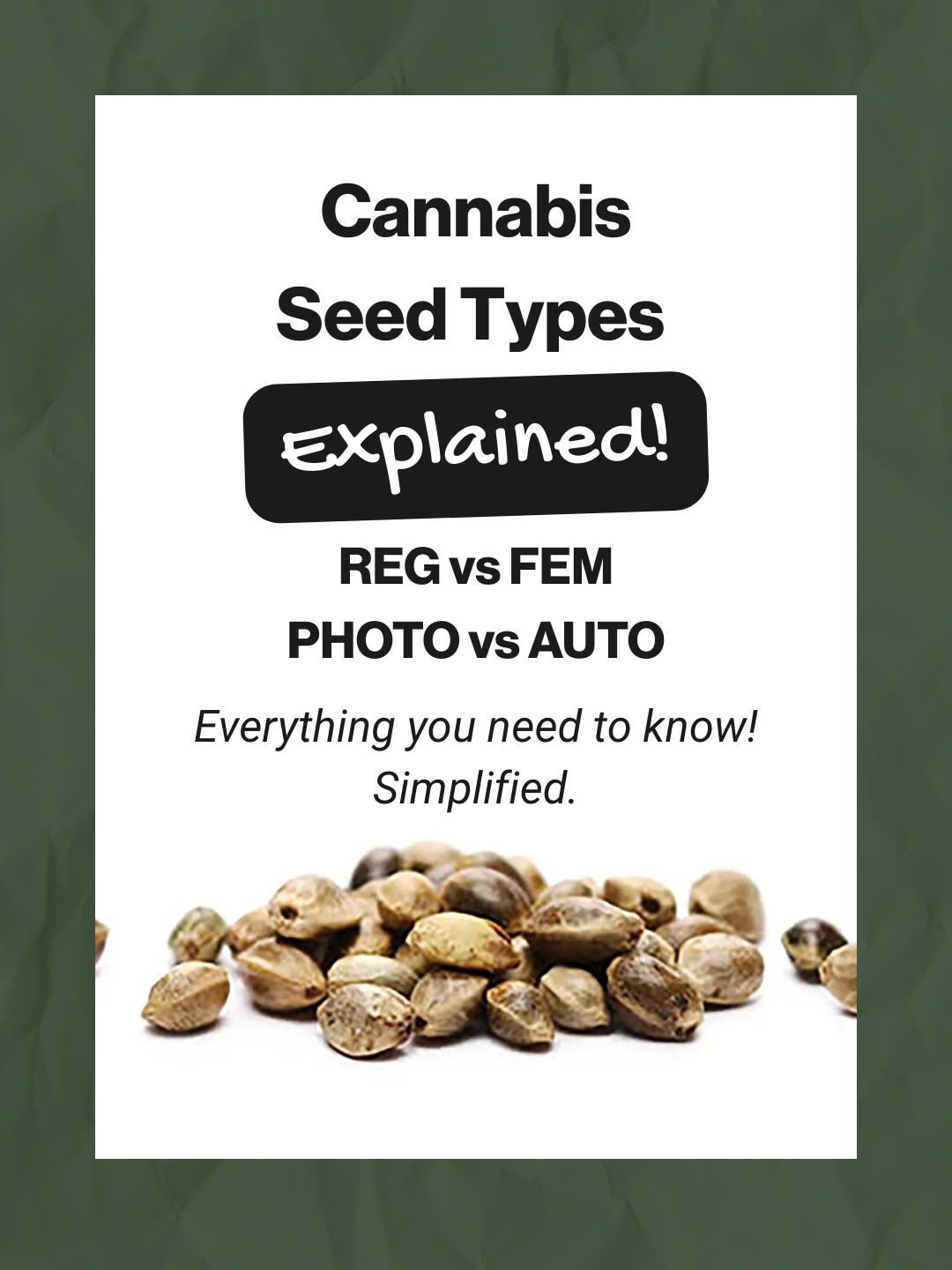
Reg or regular seed is seed produced with a natural male pollen donor and a natural female cannabis plant. Fem or Feminized seed is produced with a female pollen donor and a natural female cannabis plant.
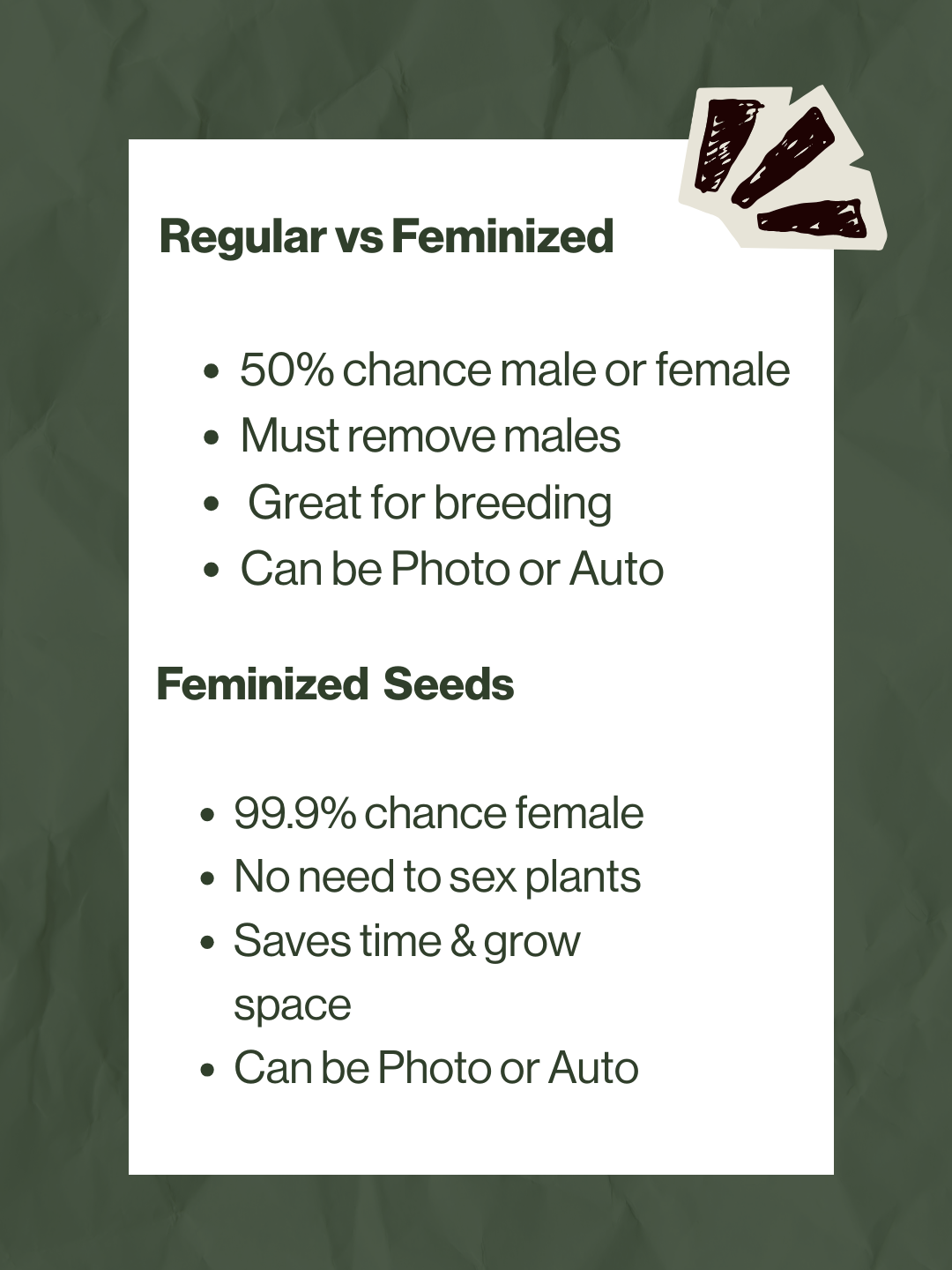
Regular seed can produce male (XY) and female (XX) plants. Either laboratory testing or growing some seeds out and sexing them can help you identify if they are male or female. Males obviously make pollen which, when hitting a stigma, traveling through the style then into the ovary on a female plant, will cause the females to create seed. This can easily ruin a crop if a grower is going for seedless flower which makes identifying plant sex very important early in the growing process.
There is nothing wrong with regular seeds. They can still produce amazing plants as long as they’re tended to appropriately just like with plants from feminized seeds. The main difference is knowing you’ll have to pop more seeds to account for any males you may have to get rid of if you’re going for seedless flower. Many people prefer regular seeds over feminized seeds for many reasons. One such reason is to breed their own strains and to create their own seed for next year’s grow.
Feminized seeds produce 99.9% female seeds due to the pollen donor being female (XX). Since a female in these instances is made to create pollen there is no ‘Y’ chromosome to pass along thus no natural males should be able to form from the seeds produced. This results in almost all the seeds from a feminized pollen donor (XX) and a natural female cannabis plant (XX) being female. This can save much time by cutting out the need to sex plants when planning for your particular grow space and harvest goals. Feminized seeds are preferred by many people as well for many reasons. One big reason being the time and money saved on growing out many possible males and sexing or testing them before discarding them.
Both regular and feminized seed can lead to plants that show hermaphroditism (male and female sex organs/ anthers and pistils on the same plant) if not cared for properly or if poor parental choices were made by the breeder during seed creation. It is important to regularly check on your plants to monitor for unwanted anthers and remove them or the entire plant before they pollinate the other females in the grow space.
Regular Seed
Feminized Seed
50% chance of male or female plant
Can exhibit hermaphroditism
Can produce amazing plants with high yields
99.9% Chance of female plant
Can exhibit hermaphroditism
Can produce amazing plants with high yields
Photoperiod vs AutoFlower (Photo vs Auto)
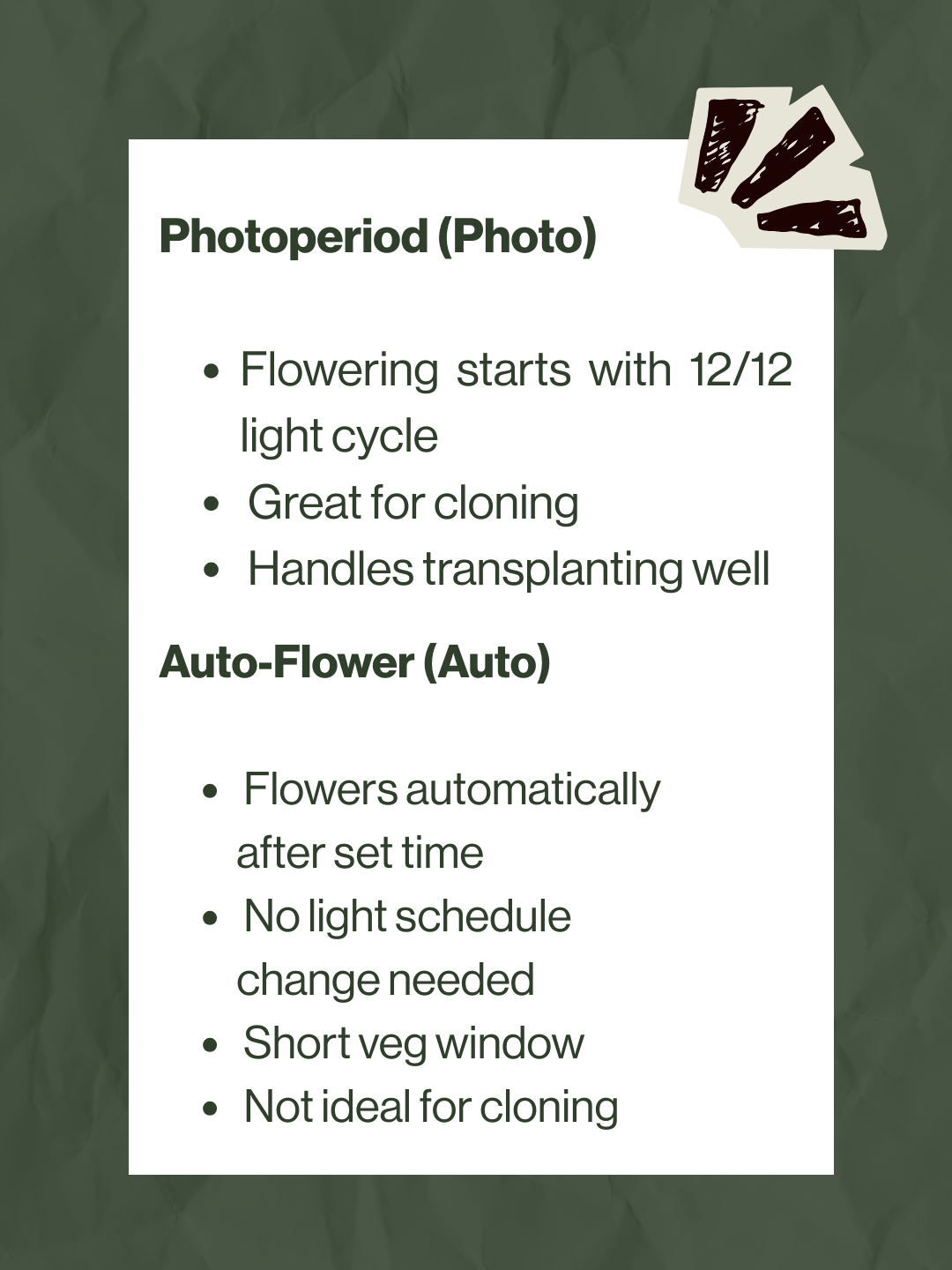
Photoperiod plants, or “Photos,” are cannabis plants that require a change in the amount of light they receive to trigger flowering. Generally 12 hours of light followed by 12 hours of darkness will prompt photoperiod plants to create their sex organs (pistils/buds for female plants and anthers for male plants) and grow their flowers. This is often called “12/12” or “12/12 lighting.”
Auto-flowering plants do not require a change in light schedule to begin flowering and will do so after a certain number of days after being potted. This is due to the underlying genetics in auto-flower varieties that allow them to trigger flowering without any change in light schedule required. Auto-flower plants are not good candidates for cloning as they have a short window of time in vegetative growth before they start flowering out. This means any cuts taken from the ‘mother’ will still flower around the same time the mother would, making them poor choices for mother plants.
Some breeders have labeled particular strains as “Fast” or ‘Fast Flower.” This generally means the plant is still a photoperiod plant and will require a change in the amount of light/darkness it received to trigger flowering but that it will complete its flowering period much sooner than the average photoperiod plant.
Photoperiod
Auto-Flower
Requires change in light schedule to trigger flowering
Can be feminized or regular seed
Handles appropriate transplanting well.
Tolerance varies by strain
Good for cloning
Flowering triggered after a certain number of days regardless of light schedule
Can be feminized or regular seed
Does not handle transplanting very well
Bad for cloning
Regular and Feminized seeds can be either photoperiod or auto-flowering varieties
Examples:
A plant grown from a regular auto-flower seed would have a 50% chance of being male or female and would start flowering at a certain time after planting regardless of the amount of light it received.
A plant grown from a feminized auto-flower seed would have a 99.9% chance of being female and would start flowering at a certain time after planting regardless of the amount of light it received.
A plant grown from a regular photoperiod seed would have a 50% chance of being male or female and would require a change in the amount of light it receives to trigger flowering. (12 hrs light/12 hrs dark)
A plant grown from a feminized photoperiod seed would have a 99.9% chance of being female and would require a change in the amount of light it receives to trigger flowering (12 hrs light/12 hrs dark)
Let's agree: the Dirty Bird Genetics family are nerds (in the most endearing way...obviously), so of course we would overthink things like pricing when it comes to assigning value to our genetics. Because we recently threw a new menu at you with the launch of our Alpha Series, we wanted to take a moment to explain where our heads are at when we are deciding which of the menu tiers a strain gets released into:
ALL STRAINS ARE:
Highly promising and exciting on multiple levels.
Tested by a lab for cannabinoids and terpenes
Grown out and tested indoors by yours truly.
Herm-free unless specifically noted in the profile (which would be tremendously rare).
VOLUME SERIES: Volume releases are reserved for the best of the best. What that means is very personal and it evolves with time as we learn and grow, and as our genetics become more and more refined. If a cultivar is released in the Volume series, then you know that strain is some of our best work to-date. We have a very high level of confidence in these genetics, and that standard only grows month-to-month and year-over-year. At present, a strain released into the Volume series meets the following criteria:
Test results for cannabinoids + terpenes came back very favorably.
Morphologically stable and vigorous - We are looking for homogeneity here and will always speak to phenotypic variation within the strain descriptions.
Expressed desirable traits such as well-proportioned internodal spacing and high calyx to leaf ratio.
Terpene profile is ON POINT - complex, pungent, in your face. We are big fans of unique terpene profiles.
Quality observed is consistently high-level in all of the seeds we tested.
Yield is moderate-to-high
Overall bag appeal and trichome coverage is high
ALPHA SERIES: The ALPHA Series is the newest addition to the Dirty Bird Genetics menu. As we’ve grown and evolved as breeders, our standards– like our genetics– have grown and evolved, too. We set a very high bar for our Volume series, and it’s a bar that is increasingly rising. Many of our favorite projects may miss that bar ever so slightly, for one silly reason or another, while still being truly phenomenal overall. The ALPHA Series is home to these genetics. It offers budget-friendly, high-end cultivars that go well above and beyond the genetics you can source at similar price points.
Alpha Series strains meet all of the same criteria as the Volume series, but one thing likely gave us pause. For example, the Apple Peelz (Sex Melon x Bad Apple) is one of our favorite boutique strains to-date, but 10 days into flowering we threw out two plants in the test run that had really serrated, arugula-like foliage (like the Brunch “arugula cut”) because we needed to save space. The project finished phenomenally, but because we weren’t able to see how that phenotype finished, we felt we couldn’t release it into the Volume series. This series will definitely be maximum bang for your buck!
TESTERS: Let me first say, it was probably unwise to name the Tester series, “Testers.” One might assume we haven’t grown these out when in fact we have. The Tester series is home to the projects that we see a lot of potential in and think people would enjoy, but that missed the mark in a meaningful-enough way that we cannot justify releasing it as an Alpha or a Volume release. This might include long internodal spacing, too much phenotypic variation, or foliage that is denser than we prefer. Many of these projects are good enough to continue breeding forward, or working into other projects. Testers are released at a price point that is super affordable for any grower, but the quality is good enough that we think even the connoisseurs would find loads of keepers here. Some of our favorite cuts ever have come from Tester series genetics.
Solfire Gardens, a Pacific Northwest seed company where passion meets biology, innovation intertwines with tradition, and selection creates the extraordinary. Their genesis dates back to 2015, when their founder, a dedicated University of Washington biology student from Seattle, decided to cultivate an institution out of his sheer fascination for pheno hunting and the world of seeds.
The NASC Cast Crew had the pleasure of sitting down with Sol of Solfire Gardens. Listen to what he has to say below, and follow us on Vimeo for even more content!
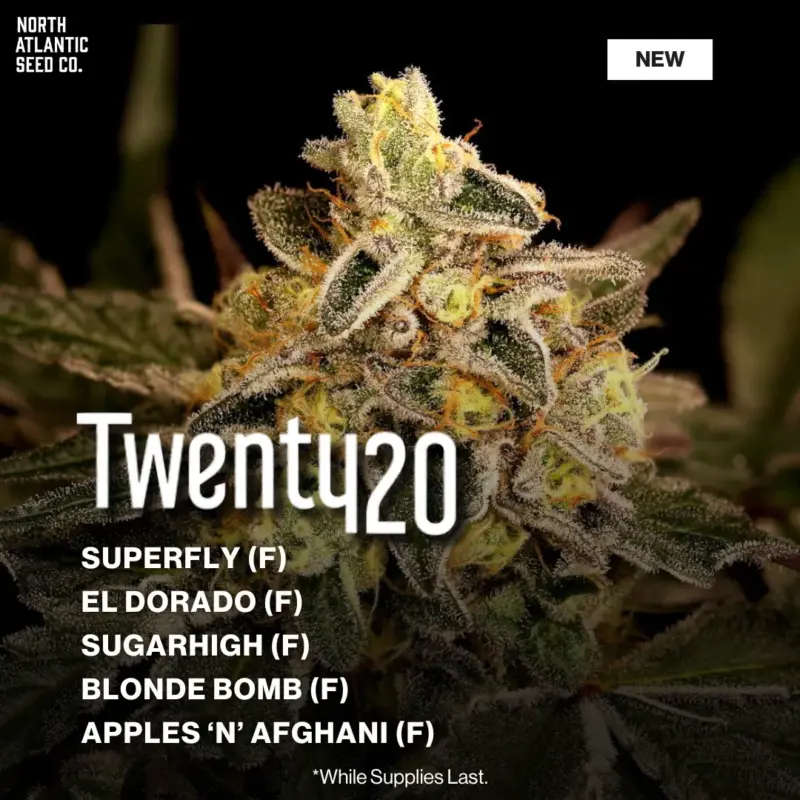
Twenty20 Mendocino has always taken the difficult path, the right path, the path less traveled. Their objective will never be to sell the most seeds, but to create the finest product. This is not a race and their goal isn’t to win; their goal is to stand the test of time and maintain pride and craftsmanship in everything they do. As sure as the sun will rise, they pledge to never release seeds to the public that have not been grown, tested, and approved by us. In a world of rapid-fire releases, social media hype and whimsical market demands, they promise to create our own path, march to the beat of their own drum, and always put quality over quantity.
The NASC Cast Crew had the pleasure of sitting down with Aaron of Twenty20 Mendocino. Listen to what he has to say below, and follow us on Vimeo for even more content!
In House Genetics specializes in micro-breeding cannabis seeds, offering a variety of high-quality strains that cater to all types of growers, including those looking for outdoor cannabis seeds. With new strains released every month, In House Genetics consistently leads the way in innovative crossbreeds and exclusive limited runs. The team’s years of experience and in-depth knowledge of genetics have allowed them to produce some of the most potent and sought-after seeds in the industry. Passionate about their craft, they continue to push the boundaries of cannabis research and development, securing their position at the forefront of the cannabis seed industry.
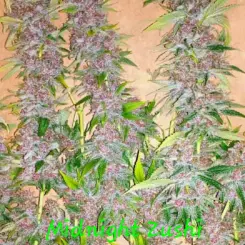
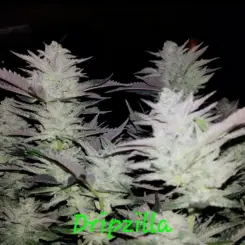
In 2025, In House Genetics dropped some new strains like Electracane, Purple Rush, Dripzilla, Midnight Zushi, Jamz, and many more! They offered a variety of freebies and constant discounts as well! Below, you'll find the top five strains by In House Genetics at NASC.
JELLY BREATH S1
Jelly Breath S1 is a hybrid strain that is a producer of very dense frosty flowers ranging from grape to cookie flavors.
BANANACANE
Bananacane grows vigorous, resinous heavy buds. Her aroma and flavor profile include ripe banana, berry/sherbet, caramel and earth. This strong indica-leaner can cause sedation and is excellent for sleep. She is a great option for extracts, too!
SUGAR CANE
Sugar Cane is an absolute eye-stopper. She is a mood-booster that will help you focus. You can expect a flavor and aroma profile of sweetness with floral and grape notes.
SLURRICANE #7 S1
The buds of Slurricane #7 S1 become large and resinous. She brings on heavy, sedative effects. You can expect a profile of loud, grape gas with creamy undertones.
PLATINUM KUSH BREATH REMIX
Both of the parental strains of Platinum Kush Breath Remix are very heavy duty so this is not one for the inexperienced smokers out there. She has a lovely, pure-gassy flavour and aroma which will have all the Kush lovers out there going crazy.
Changing the ethos of cannabis, with commercial boutique innovations, game-changing genetics, mind-opening insights and the best possible products, Ethos uses science and data to apply the best practices, make the most effective combinations and produce winners time and again. Offering the most elite, most efficient cultivars – from F1s to IBLs and Alpha Fems to autoflowers – Ethos Genetics, founded by Colin Gordon, is based in Colorado, USA. Colin and his team work to produce quality in their products as well as their contributions to the greater community. ETHOS is raising expectations.
Mandarin Cookies V2 grows like a champion and can put out very colorful and flavorful flowers. The V2 version has added even more citrus along with the always-welcome gasoline by moving away from the Forum Cut into a much chunkier, OG-Kush-heavy version named Ethos Cookie #12.
PLANET OF THE GRAPES RBX
Planet of the Grapes is made to produce and is extremely high in both cannabinoid and terpene percentages. Heavy flower yields are easy to get on this low-maintenance, medium-height, strong, lateral plant. She tests and extracts huge in usable oils! Her aroma is only outdone by her flavor: sharp grapes, sweet citrus and the signature musky, greasy flavor of Chem D. Acrid aromas like propane and "hooch" accompany the more citrusy pheno. You can expect intense, heavy, classic “Indica” effects.
CHERRY GAR-SEE-YA R1
This is not your typical compact, leafy cherry variety. Cherry Gar-See-Ya R1 stacks chunky, baseball-sized nugs from top to bottom. She is easily trained, beginner friendly, and loves growing outdoors
10TH PLANET R1
10TH Planet R1 leans to the heavy side, with intense, classic “hybrid” effects. Journey into an otherworldly blend of grape, citrus, gasoline and thick, skunky spice. Chunky, large and dense flowers give phenomenal yields in any system or space.
CRESCENDO RBX1
Crescendo RBx1 is medium-tall with some stretch. Sour, gassy and citrus flowers are crushingly strong! She is beginner friendly and is a high yielder!
Before their seed bank was created in 2007, RQS had long-time knowledge and passion for cannabis breeding. Following enormous interest in their strains, they opened our first shop in Amsterdam, the Damstraat location, in 2010. In 2011, they launched the Royal Queen Seeds website. In 2016, they welcomed first clients to their shop at Carrer dels Tallers in Barcelona, Spain. In 2022, they opened their newest location in Bangkok, Thailand. In 2023, they started operating in the United States and launched the first true F1 Hybrid Cannabis seeds in the market! Today, RQS operates in the US and in 28 countries in Europe and offers 100+ high-quality strains, growing equipment, growing advice, knowledge, tips and more!
In 2025, Royal Queen Seeds dropped some new strains like Sticky Queen, Sticky Queen Auto, Mexican Rush, and Mexican Rush Auto. They offered freebies and BOGOS as well! Below, you'll find the top five strains by Royal Queen Seeds at NASC.
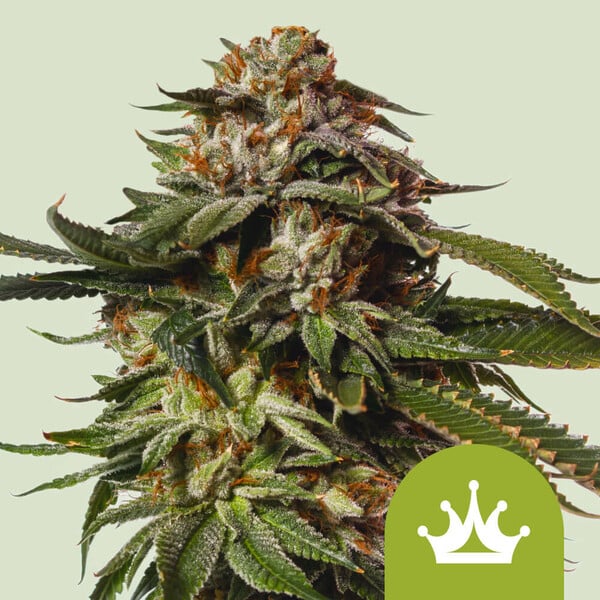
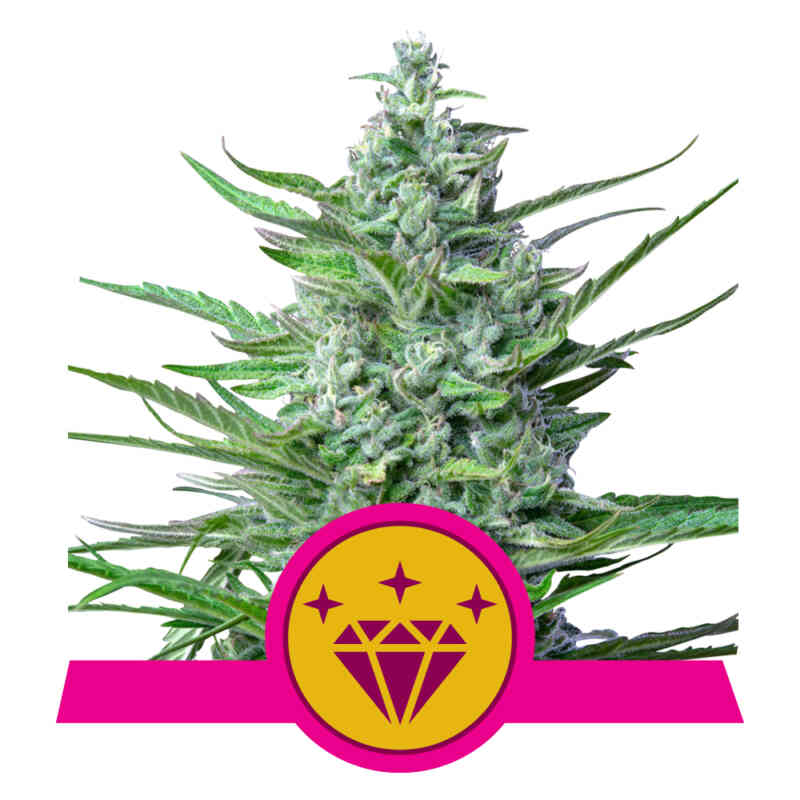
SPECIAL QUEEN #1 AUTO
Special Queen #1 Auto offers tantalising flavors and a deeply stoning experience. Perfect for quiet evenings, this cultivar will melt your body into the couch while keeping your mind alert and switched on. You can expect a bountiful yield in a matter of weeks.
NORTHERN LIGHT (F)
Northern Light has been the basis for many of the award-winning classics in the history of cannabis. It is simply one of those knockout smokes that guarantees a couchlock session for the next few minutes. The Afghan heritage really shines through in the smoke and anyone looking for that strong stone need seek no further than this beautiful strain.
SPECIAL KUSH #1 (F)
Special Kush #1 likes to grow wild as if in the mountains of Afghanistan; this means it will fill up any space it can. Indoors, care should be taken that it doesn’t overgrow its space, but given enough space, like outdoors, it can grow to over 3 meters tall. The smoke carries a very hash-like taste with a full body stone present from its Indica background.
NORTHERN LIGHT AUTO
Northern Light Auto is a versatile strain that is as perfect for discreet indoor growers as it is for high-volume, home-growers outdoors. After a brief vegetative phase, this strain begins producing an abundance of flowers, finishing its entire life cycle in 10–12 weeks after planting the seed. She provides a generous harvest and might be one of the highest-yielding autoflowering strains available.
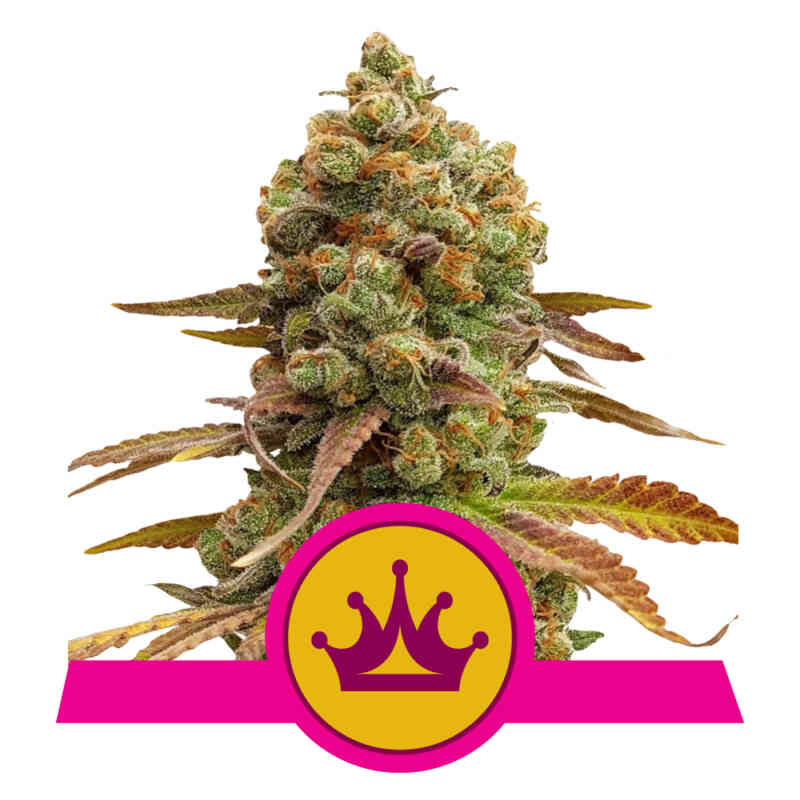
SPECIAL QUEEN #1 (F)
Perfect for a first-time grower who doesn't want to invest too much in his experimental growing, this Special Queen is a classic skunk that grows with ease, doesn't stretch too much and can be harvested in 8-9 weeks. The smoke is that of a classic skunk stone. It is mostly mental and provides smokers with an uplifting high that will relax even the most anxious stoners.
With nearly 30 years of expertise, Barney’s Farm continues to innovate, offering high-quality outdoor cannabis seeds, as well as strains suited for indoor, greenhouse, and hydroponic cultivation. Their commitment to excellence and continuous development of new genetics ensures that growers of all types can find the perfect seeds for their needs.
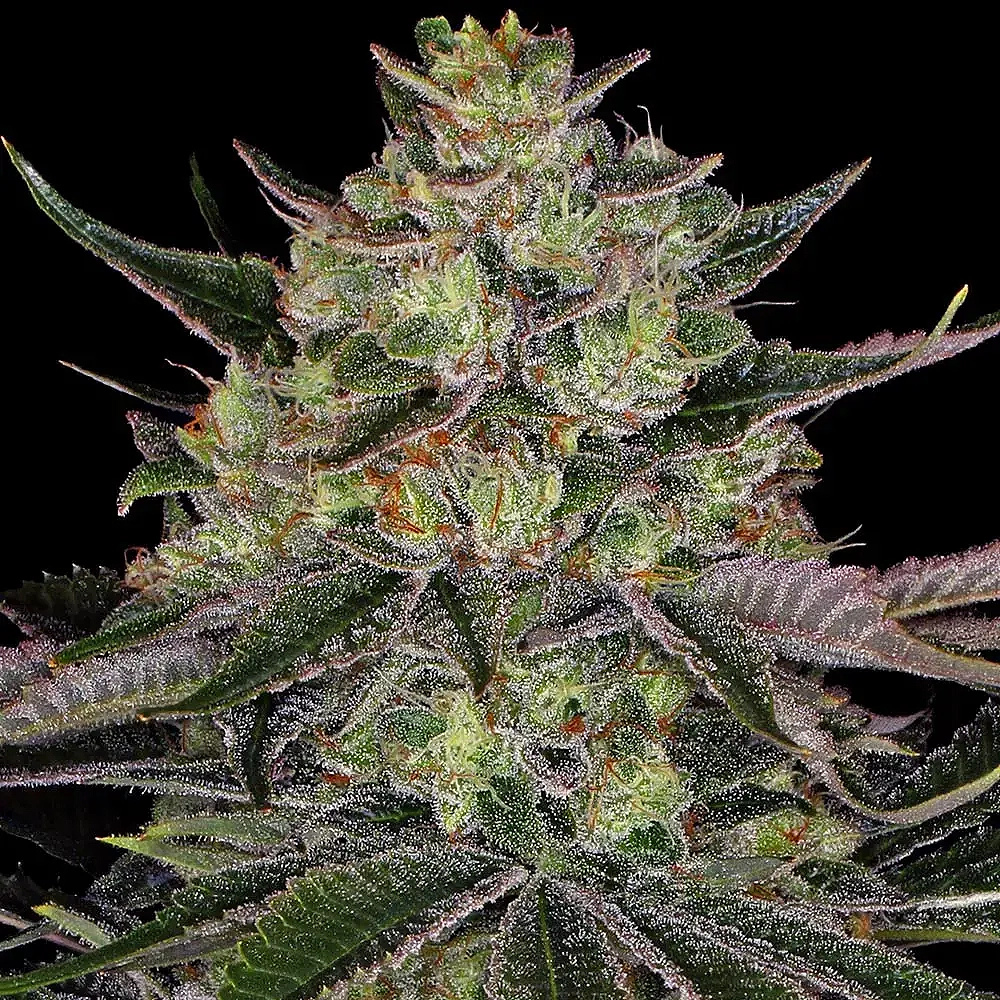
Like the original namesake, the Acapulco Gold flowers with fat colas, flecked with beautiful reddish-brown calyx, each covered with beautiful crystals of THC. The smoke has an intense fruit-cocktail flavor that lingers for hours. This is a sativa dominant strain that offers a long-lasting high, balancing relaxing stress reduction with a real upbeat effect.
MIMOSA X ORANGE PUNCH
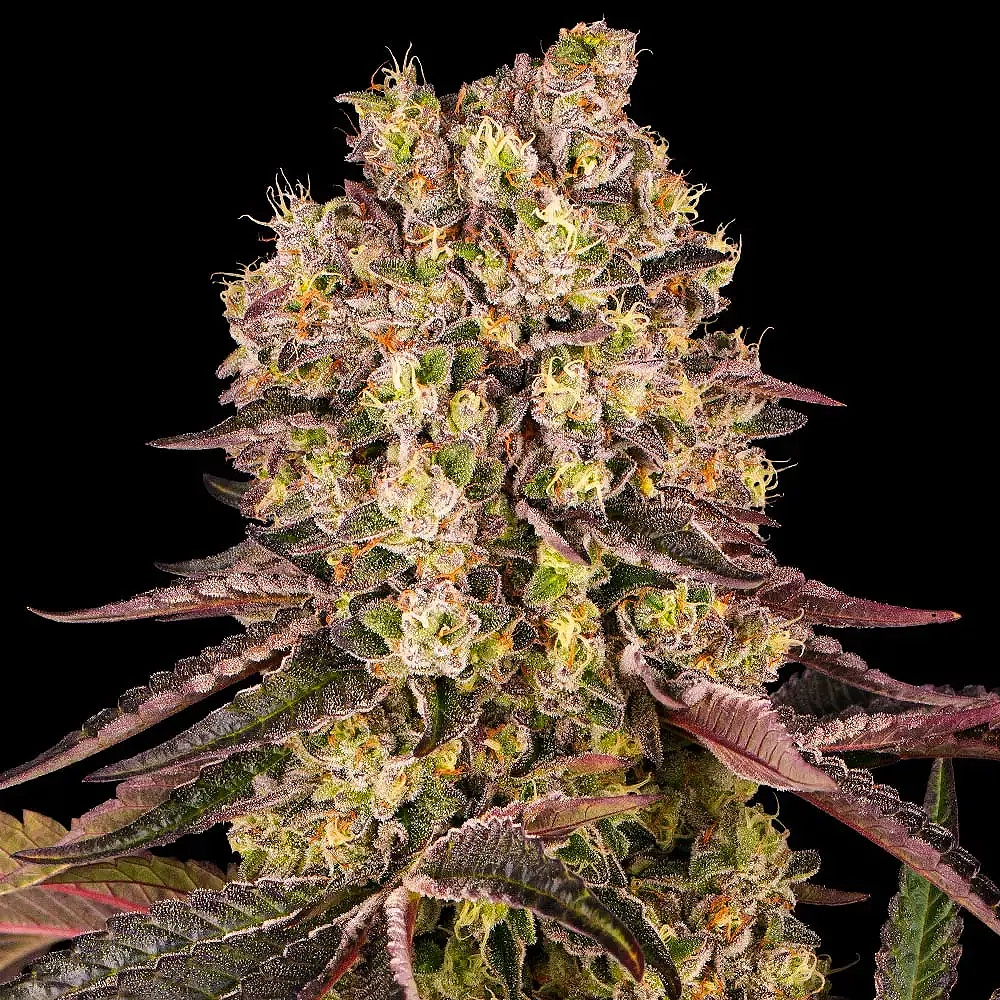
Mimosa x Orange Punch is a colourful Cali strain that everyone can succeed with! It is a dream to grow for a beginner, yet can produce extreme concentrations of THC. Once dried and cured, the buds have a delicious citrus, candy, and orange flavor. It gives a complete sense of euphoria and happiness to generate a truly uplifting sensation.
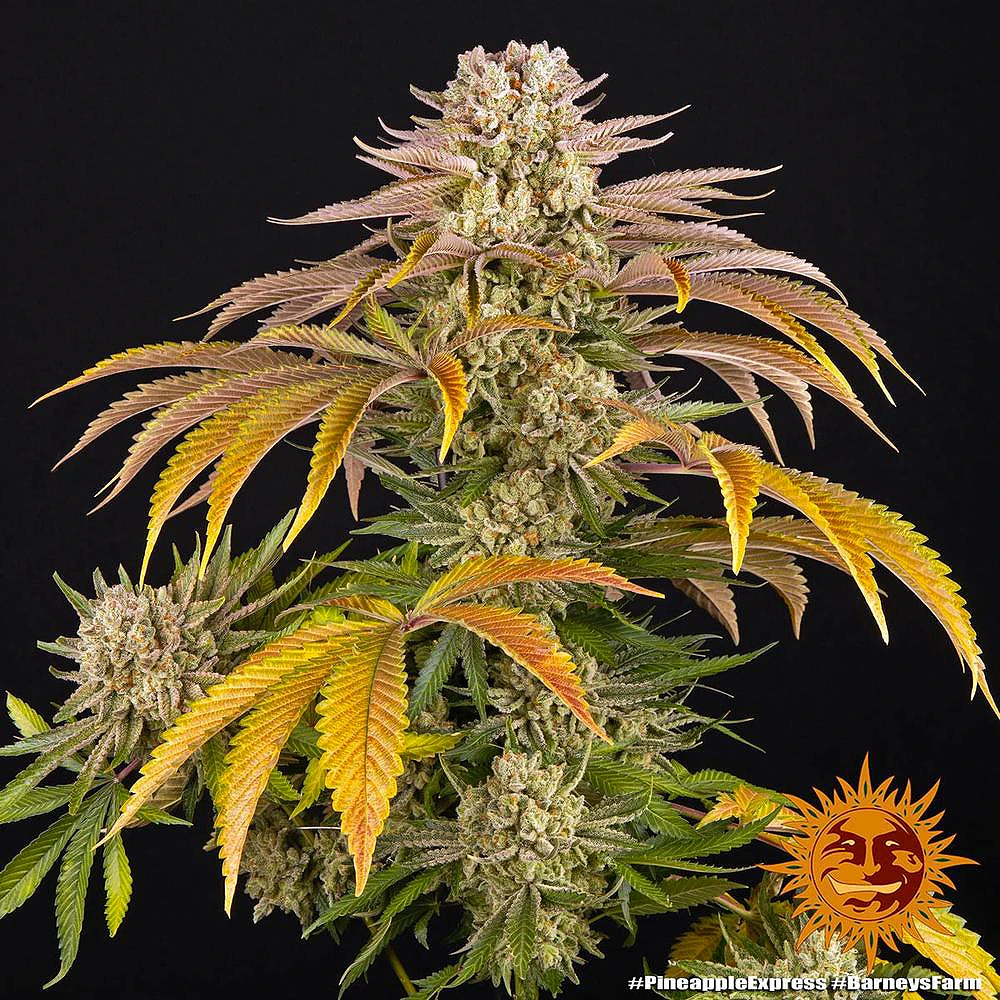
PINEAPPLE EXPRESS
Pineapple Express is a wonderfully flavorful and truly legendary 60% sativa-leaning hybrid, powered by a myrcene-dominant terpene profile with a genetic heritage pedigree that speaks for itself. It is naturally highly resistant to molds and diseases and does not require any special skills to grow. The taste and aromas of are distinctly tropical with fresh-cut pineapple, tropical fruit, and mango with undertones of cedar and spice. The smoky aromas are distinctively funky and skunky.
RUNTZ MUFFIN
Runtz Muffin features a sweet and fruity profile with citrus notes. This strain offers a relaxing and euphoric experience, accompanied by a gentle body high.
GORILLA Z
Gorilla Z is characterized by a sweet, fruity terpene profile with chocolate undertones. Provides relaxing and mood-enhancing effects.
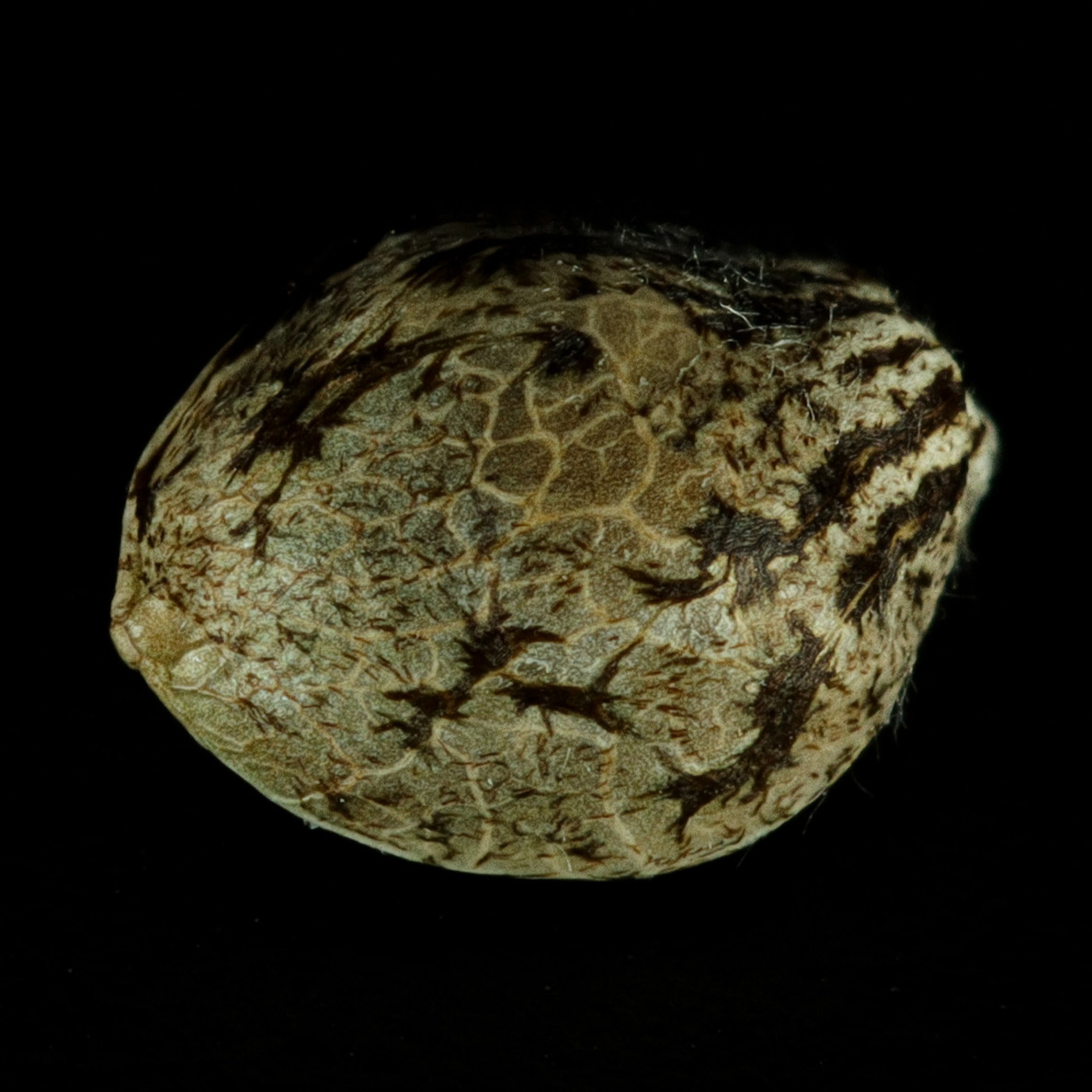
Whether you are a novice or an expert grower you have probably heard of “reg” or “regular” cannabis seeds and “fem” or “feminized” cannabis seeds, and having an understanding of regular versus feminized cannabis seeds is paramount to understanding breeding and feminization. Both reg and fem seeds produce cannabis plants when germinated, but with one big difference: feminized or fem seeds have a 99% chance of producing female flowers. This fact is massively important for many cannabis cultivators who don’t have time to sex plants or have such a volume of crop growing that the genetic insurance of 99% female plants is integral to a bountiful harvest.
With regular seeds you have a 50/50 chance of getting a male or a female plant. This requires constant vigilance in checking your plants daily once in their flowering stage, or opting for third party lab testing of leaf material, to ensure a male doesn’t grow out anthers and release unintended pollen into the grow room, facility, or outdoor field/garden.
There are pros and cons to both feminized and regular seeds. Which kind of seed to grow is a choice growers must make with their harvest goals in mind. A person interested in breeding may want natural male plants to use in the creation of their new strain, thus with this goal in mind, reg seeds would be the best option for this grower. A person interested in maximizing their yields and filling their grow space with cannabis that will produce female flowers only may want to consider feminized seeds if they won’t have time to meticulously check their crop for males.
The Biology of Feminized vs Regular Seed Breeding:
You have probably heard about ‘X’ and ‘Y’ chromosomes at some point in your early education. These refer to ‘sex’ chromosomes that determine the plant’s biological sex. A female cannabis plant has two ‘X’ sex chromosomes (XX) whereas a male cannabis plant has one ‘X’ and one ‘Y’ chromosome (XY). The ‘X’ and ‘Y’ chromosomes don’t necessarily look like the letters and are just named that due to the ‘Y’ chromosome being discovered after the ‘X’ chromosome. The researchers who discovered this decided to use an alphabetical naming convention since ‘Y’ follows ‘X’ in those 26 letters we all know so well.
Regular Cannabis Seed Breeding
With regular cannabis, a male (XY) plant creates anthers that house and store pollen. Pollen is the genetic material passed from male flowers to female flowers that, when combined with female reproductive cells (gametes) in the ovary, creates a cannabis seed. Normally anthers open up like a small hand and release pollen which is then largely wind blown onto female (XX) plants. The sticky white hairs on female cannabis flowers, known as stigmas, catch this pollen on their surface. The pollen, if viable, then creates a pollen tube which penetrates the stigma and grows down into the style, a tube-like structure that connects the stigmas to the ovary, and then down into the ovary where the male and female gametes create a zygote, a fertilized egg cell. This zygote will become a seed that will be able to be harvested roughly 6-8 weeks after successful pollination (although some differences in seed maturation do exist between different cultivars of cannabis). Since male and female reproductive cells are mixed, there is a 50% chance of the resulting progeny (new seed) being either male (XY) or female (XX).
Feminized Cannabis Seed Breeding
All cannabis has the potential to create male flowers and intersex traits (male and female flowers on the same plant) due to evolutionary drives for the species’ survival. With feminized cannabis a female (XX) plant is forced to create male flowers through one of several processes. Once a biological female (XX) is forced to produce male flowers it also produces active pollen, albeit much less pollen than a biological male (XY) cannabis plant would. This pollen does not contain a ‘Y’ chromosome thus the resulting seeds will all be ‘XX’ or female with their resulting sex chromosomes. If there is no ‘Y’ chromosome to pass on, then the crop should all be female when those seeds are grown.
Intersex Traits
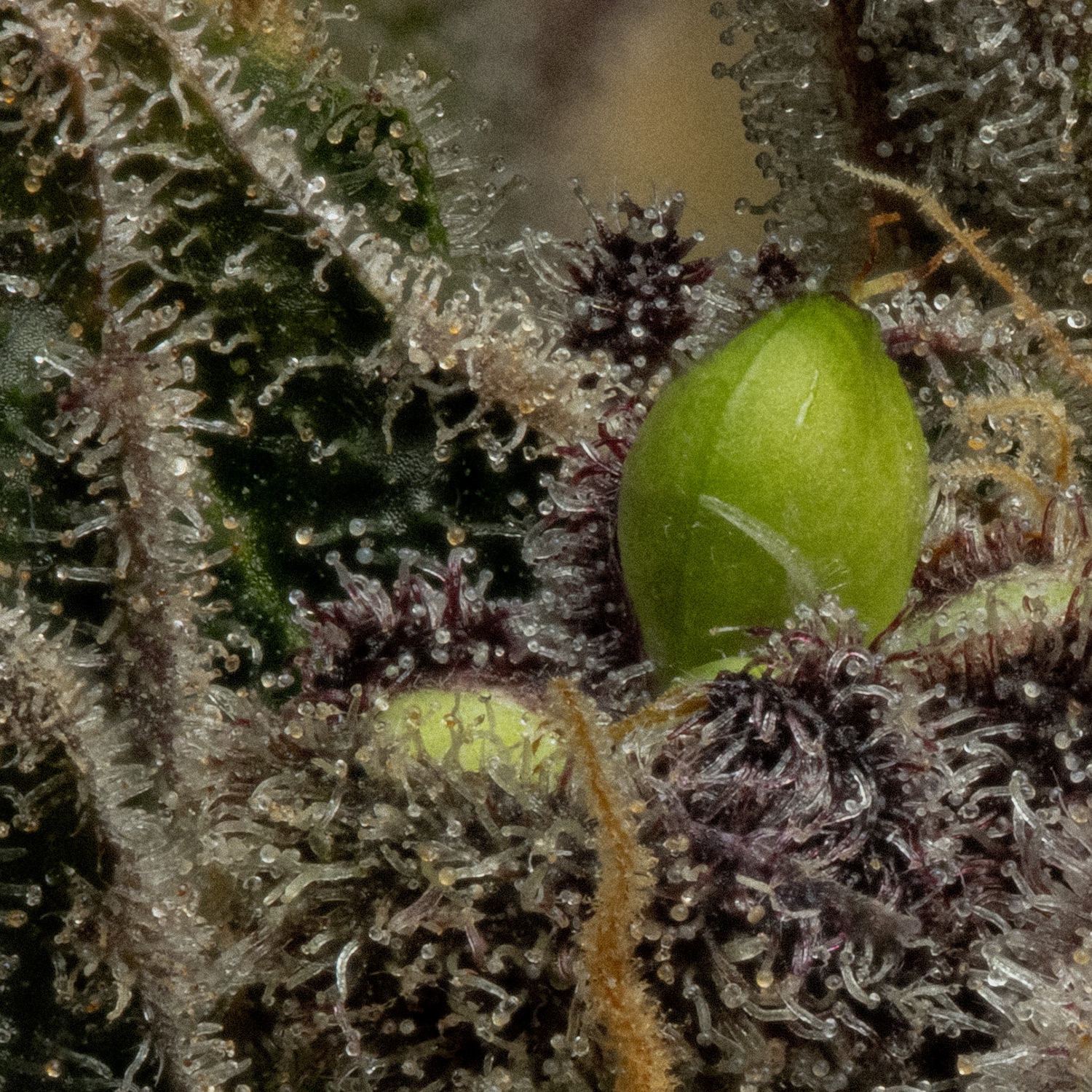
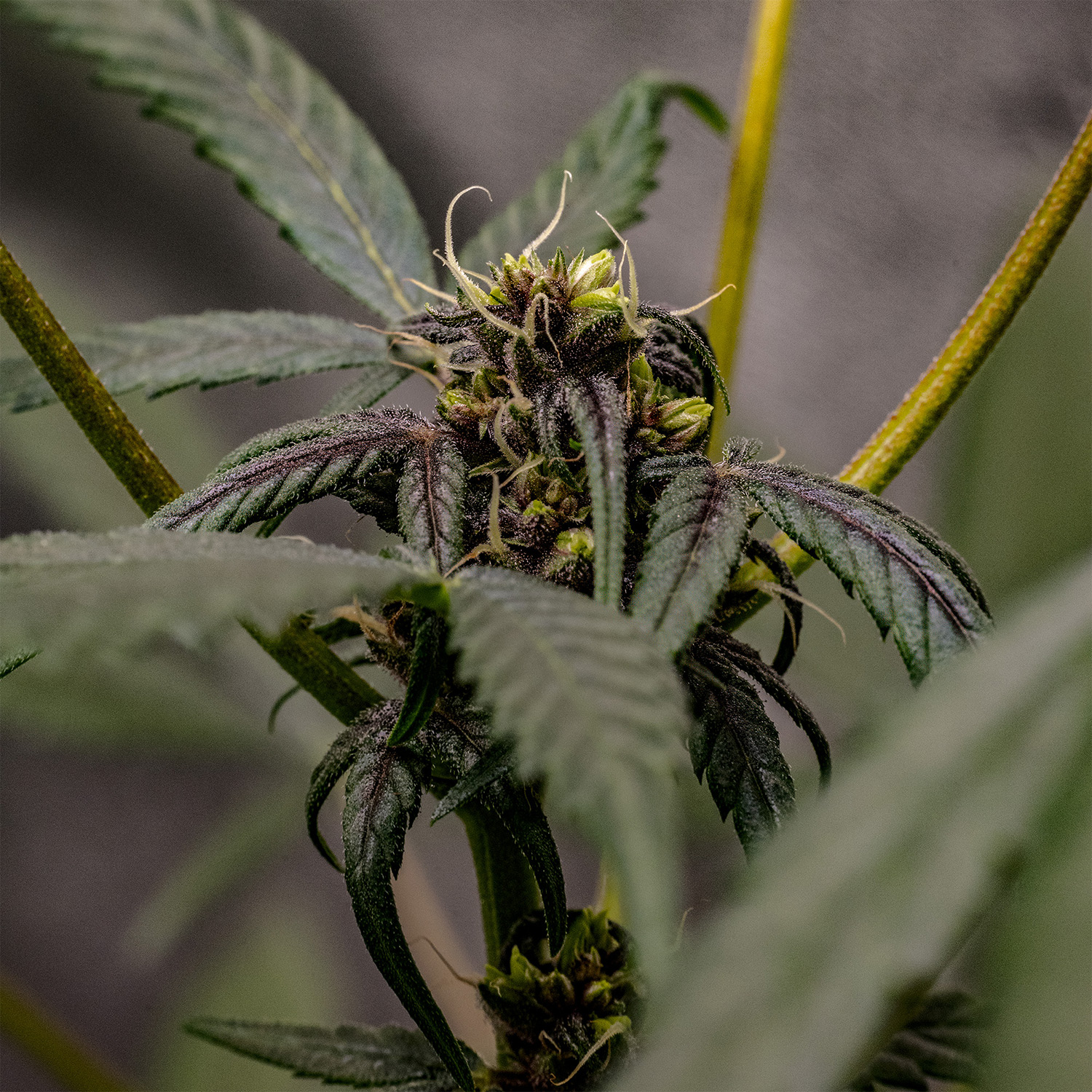
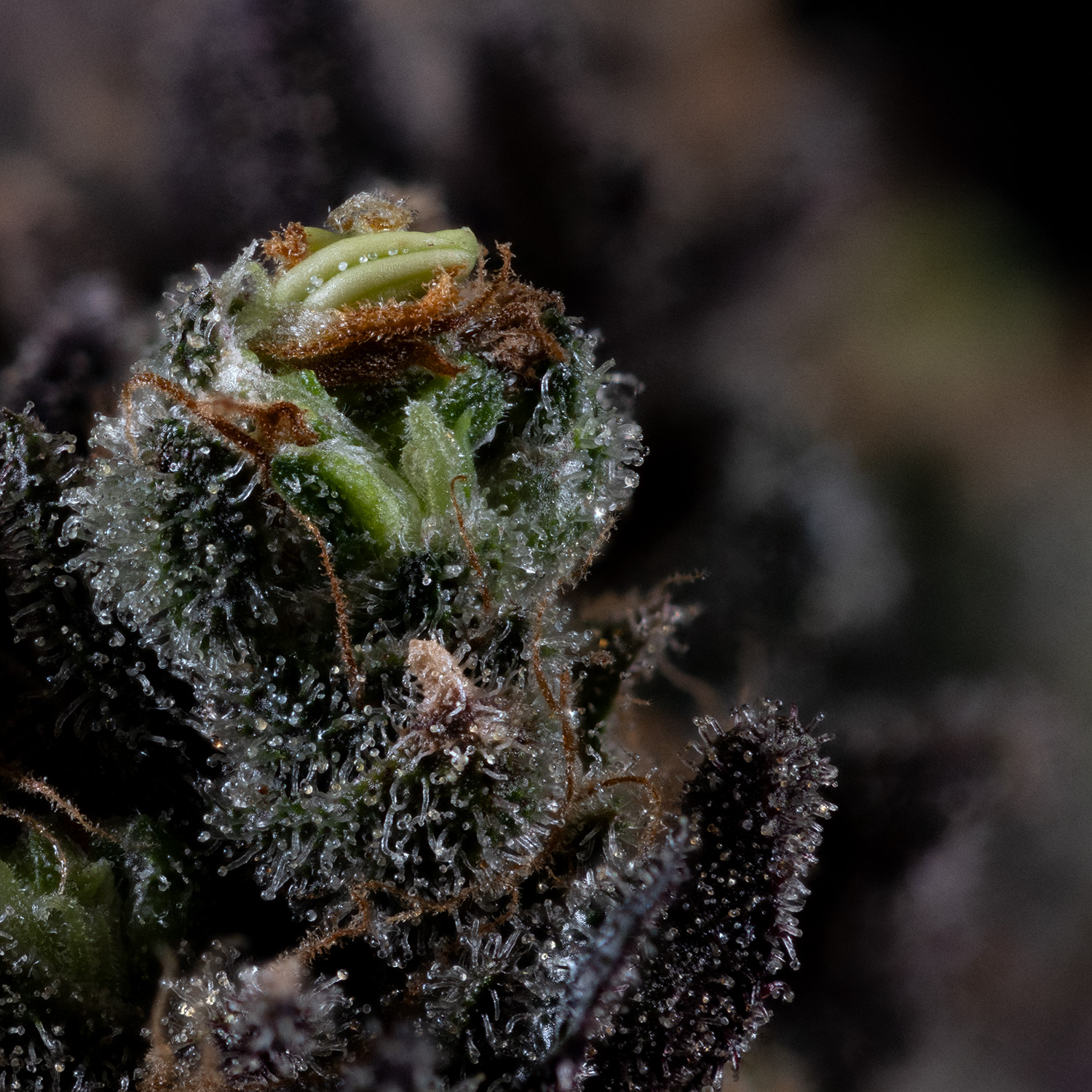
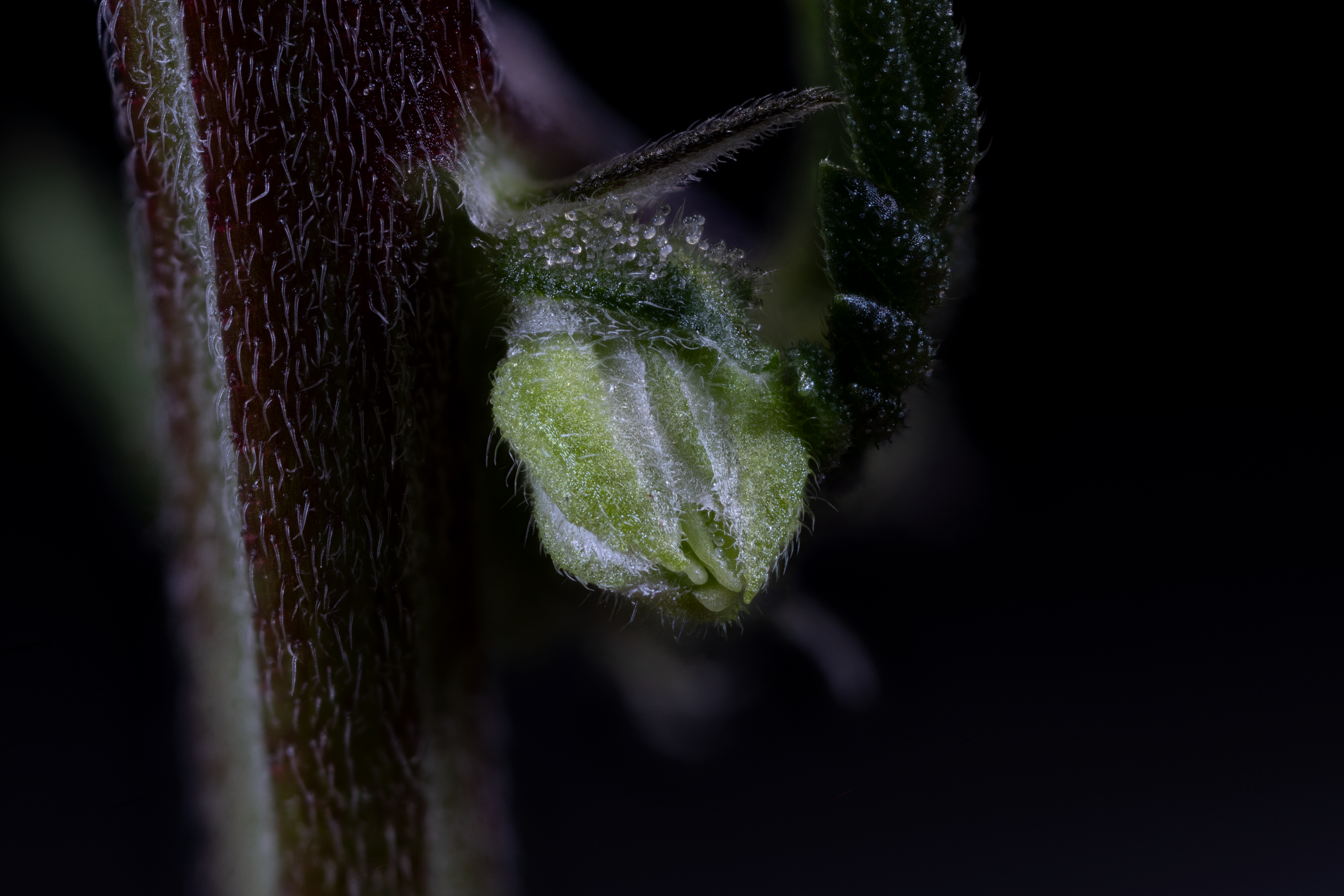
Intersex traits (male and female flowers) can still be expressed by feminized seed due to evolutionary survival drives at the genetic level. This is why it is critically important for anyone breeding feminized cannabis to repeatedly test their pollen donors and their pollen receivers (seed mothers) to see if those cultivars have high or low chances of ‘herming’ or developing intersex traits. If a parent plant has a high chance of herming then usually its offspring will too. If parent plants solidly show only male or female traits on one plant after repeated grows in multiple environments, then they may be good parental choices for passing on low herm rates (or the tendency to express only biological sex) to the offspring. This is obviously very valuable to growers and breeders as it ensures 99% female plants in their grow with little chance of their crop going to seed which can reduce cannabinoid and terpene content in trichomes significantly. Image shows a Cannabis flower showing both male and female parts. The wispy, white hairs are the stigmas of the female sex organ (Carpel if singular, pistil if multiple carpels fused together) and the bulbous green masses are the anthers of the male sex organ (stamen).
How to ‘Feminize’ or ‘Reverse’ Female Cannabis Plants:
Rodelization Method
There are several methods for making biologically female (XX) cannabis plants express male flowers and create pollen. The oldest method is known as rodelization where the female plant is left to ‘over-ripen’ or grow far beyond its normal harvest date. This stress can lead the plant to expressing intersex traits in order to produce some seed to keep its genetic line going. Sometimes severe physical stress, drought stress, or overwatering stress can produce this effect. Light stress can also produce this effect if cannabis plants are exposed to light for long enough at some point during their 12 hours of darkness in the flowering stage. This method has largely been discontinued as it requires the pollen donor plant to express intersex traits rather than full male flowers, thus the tendency of the offspring to herm is greatly increased.
Silver Thiosulfate aka STS Method
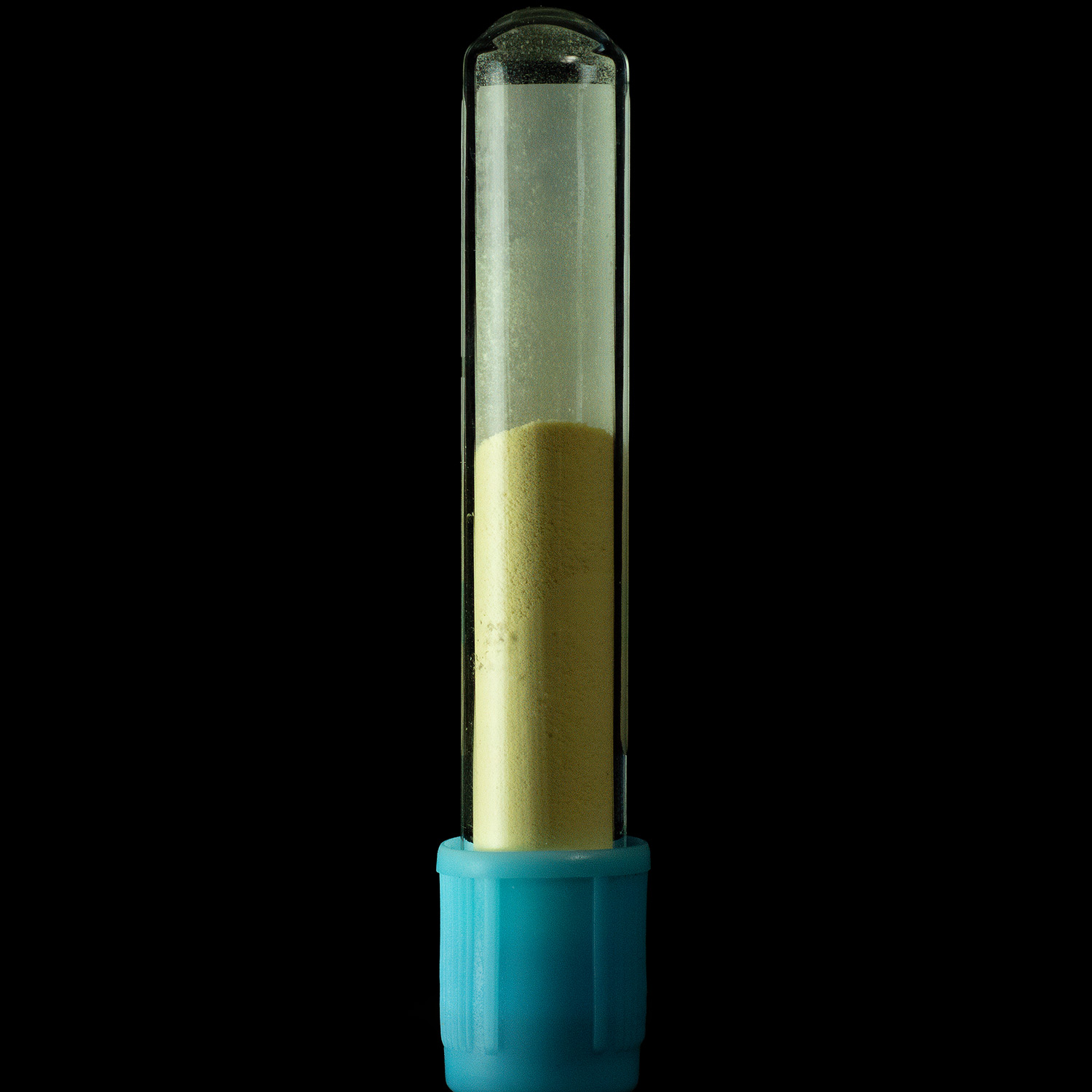
There are several solutions that can be sprayed on female cannabis plants in order to create male pollen sacs through the suppression of the female plant hormone, ethylene. One of the most commonly used methods, and the method that we use here at Dirty Bird Genetics, requires a substance known as Silver Thiosulfate (Ag2S2O3). This substance can be made by combining silver nitrate and sodium thiosulfate in the right proportions to make STS spray.
Cannabis, like many living organisms, has hormones that regulate important biological processes for the plant. Ethylene is one such hormone that promotes female floral initiation in cannabis. Silver Thiosulfate suppresses the female plant hormone, ethylene, by binding to it and inhibiting its action. When this occurs for long enough (over enough days) the female plant, due to evolutionary survival mechanisms, switches to producing male flowers in order to continue the genetic line. It’s that simple.
With Silver Thiosulfate in an aqueous solution (mixed with water), the female cannabis plant to be reversed is given foliar sprays of STS solution. The spray is focused more on the flower sites forming in the vertices of the branches and nodes of the plant rather than the leaves. To initiate flowering, the spray is usually done once a day in darkness, or right before the lights in the grow space go out. This allows the spray to settle on the plant without causing leaf or shoot burn from the intense lighting. This also allows the Silver Thiosulfate to bind to the ethylene released by the plant instead of it being evaporated too quickly by the heat and intensity of the grow lights in the area.
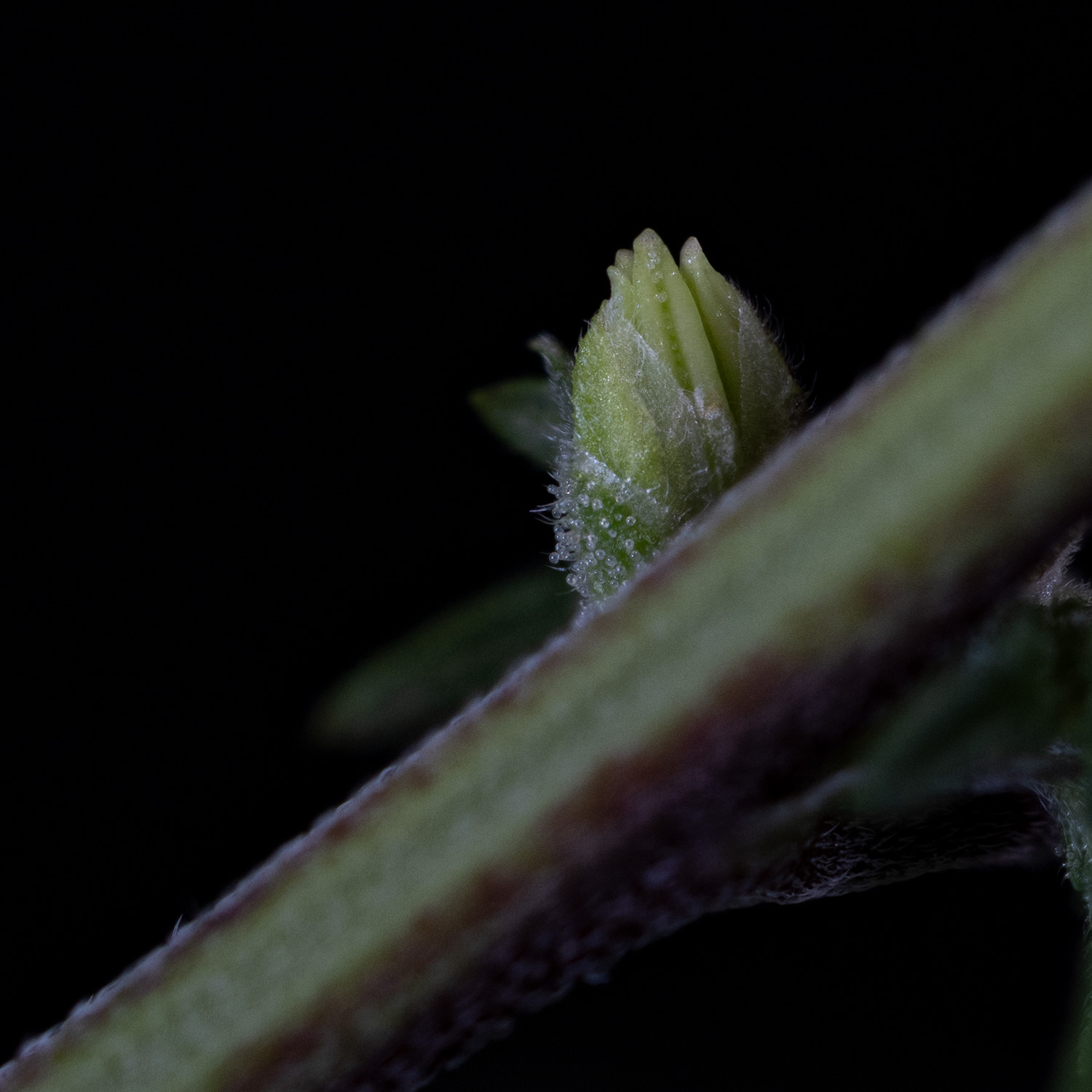
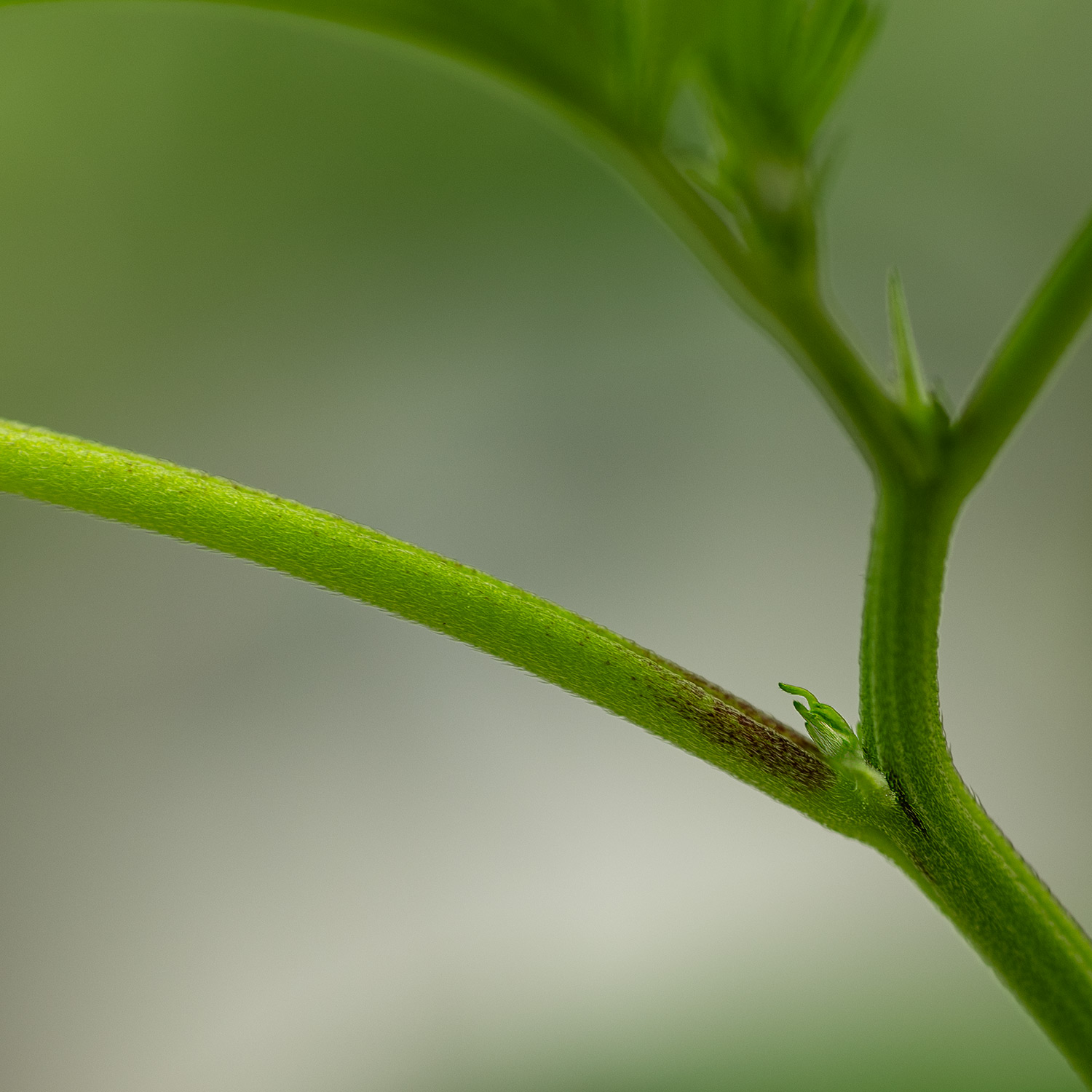
This image is showing a node where a new inflorescence will grow (the small protrusion in the vertex of the branches). If left alone this will become a female flower. If sprayed with STS this will become a male flower (anther) and will produce pollen. This is the kind of area to target when spraying STS as it will bind to the ethylene being released at these spots.
After 2-3 weeks of foliar sprays, the female plant should exhibit male flowers. Once the male flowers are growing and obviously male (little bulbous sacs without white hairs) the foliar spray is stopped to allow the plant to create the pollen it has been driven to create. After another 1-2 weeks or more of growth under flowering conditions (12/12 light schedule) pollen should be produced and ready to use.
Many companies use different schedules for their foliar spray and Silver Thiosulfate dilution rates, and many of those companies also give this knowledge to the public. I do not suggest attempting this without thorough knowledge of both chemicals, and without researching the process first. Do your research before attempting anything to ensure the safety of you, other people and animals, your plants, and the environment.
Tips, Tricks, and Takeaways:
-Regular plants produce the most pollen: Feminized or reversed plants can produce a good volume of usable pollen but they often produce far less pollen than regular, biologically male (XY) plants. This does not mean they can’t be viable in breeding programs, just that more reversed females may be required to make the volume of pollen to get the seed yield a breeder or seed producer wishes to harvest.
-Steer clear of intersex traits when breeding: It is advisable to breed with plants that do not show intersex traits, when untreated, to limit the chance of hermaphroditism in the resulting seed.
-Keep pollen contained: All pollen has the ability to travel great distances, so it is important to keep effective separation and isolation of different breeding projects if they occur simultaneously in separate rooms within the same location. Some breeders will stagger their pollination in different projects so only one kind of pollen is being actively produced and spread at a time. Other breeders will have entirely separate locations for their feminized vs regular breeding projects to ensure isolation. If breeding outdoors, it is critically important to use good judgment and try to limit the spread of your pollen to other grower’s fields. Some outdoor breeders will use collected pollen and ‘paint’ it onto the stigmas of their females so no open pollen release from males occurs. This limits the spread of pollen to neighboring fields/grows and is just part of being a good neighbor. Just because you wanted seed didn’t mean the grower a mile down the road did.
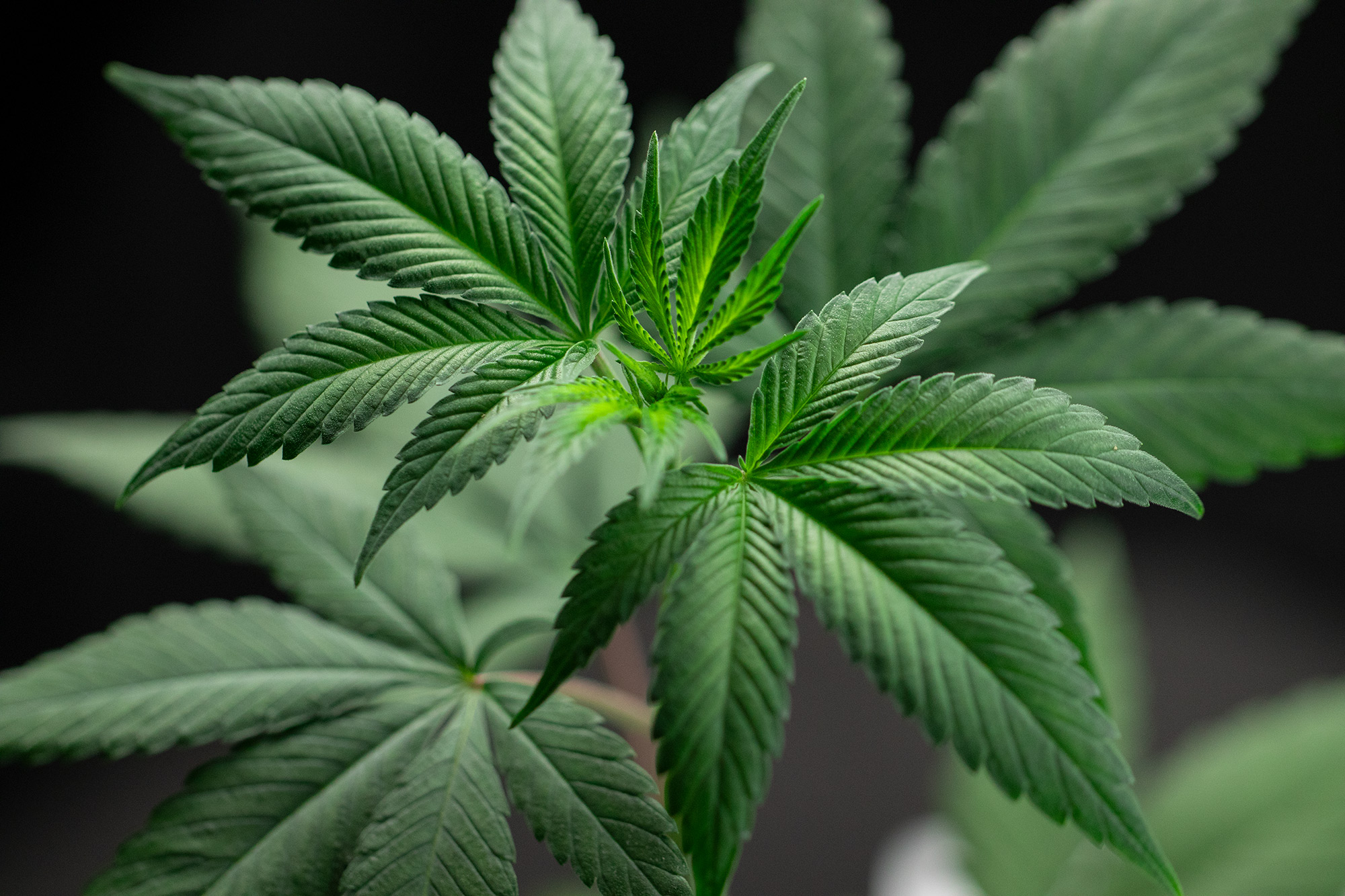
-Pollen is damaged by water: It is advisable to spray yourself down with clean water (especially your hair and clothes) from a spray bottle after completing a pollination to ensure you are not trailing viable pollen everywhere you go. The picture above is a cannabis plant grown outdoors that could be affected by improper or negligent pollen harvest/release.
Summary:
Both regular and feminized seeds will yield cannabis plants when germinated and grown. Feminized plants will have a 99% chance of being female and, if the parental selection was done appropriately/the plant is grown appropriately without undue stress, should yield only female flowers (buds). Regular seed has a 50% chance of being male or female when grown and will need to be watched to see if male traits are exhibited when entering the flowering stage. Some growers do not have the time to wait and watch for this nor do they want to invest time and money into supplies growing a plant they will just discard half way through its life. Other growers do enjoy using regular seed in order to get viable male plants to create new cultivars and some swear by anecdotally reported increased vigor and quality of regular seed over feminized.
Both regular and feminized seed can show inter-sex traits (herming) so initial selection of the parent plants is paramount in increasing the stability of the sexual expression of the offspring. It should also be noted that utilizing appropriate and effective growing techniques will decrease the chances of intersex traits being expressed.
Neither regular nor feminized seed is better for all growers as the type of seed used is largely dependent on the intentions and goals of the grower. Feminized seed is produced largely the same way regular seed is produced, using pollen to combine with female gametes in the ovary on a female flower to make a zygote and then a seed. The major difference is that the pollen donor that makes feminized seeds is a female that has been driven to express male flowers, through rodelization or chemical means, thus having no ‘Y’ chromosome to pass along to the next generation of seed when pollinating other females.
Whether you grow regular or feminized seeds is entirely up to you. Both can produce amazing cultivars that create the cannabinoids and terpenes we love as well as stunning plants that are impressive even in their vegetative stages. It’s all about a grower’s intention, harvest goals, and preferences so get to planning, do your research, and grow your crop with confidence. I hope this guide has been helpful in illustrating some of the differences between feminized and regular seed. Happy Harvest!
Key:
Regular M/F Cannabis Seed: A cannabis seed that was bred from one male parent (XY) and one female parent (XX). Regular male/female cannabis seeds have roughly a 50% chance of being female versus male.
Feminized Cannabis Seed: Feminized cannabis seeds have a 99% chance of being female as both their parents are females (XX/XX).
Reversing: By suppressing the female plant hormone, ethylene with chemical applications such as STS spray, a female plant is able to be reversed, meaning it produces male sex organs which in turn create pollin and impregnate your desired female plants.
Ethylene: The female plant hormone responsible for female floral initiation. In producing feminized seeds, ethylene is suppressed through chemical application in order to produce male sex organs on a female plant.
Rodelization: Keeping un-pollinated female plants alive way past normal harvest times and/or inducing stress in un-pollinated females in the hope that they turn hermaphrodite (i.e. exhibit male flowers/anthers that will produce pollen)
Intersex/Herm: Having both male and female parts. For cannabis this means male flowers (anthers with bulbous sac on top that contains pollen) and female flowers (the buds with white hairs or stigmas coming out) are on the same plant. Sometimes a single cannabis bud will have both male and female flowers on it which means it ‘hermed’ or is showing ‘inter-sex’ traits.
Silver Thiosulfate aka STS: A substance made by mixing silver nitrate with sodium thiosulfate in the correct proportions. It binds to the ethylene that female cannabis plants release in order to signal flowering. STS stops female flower development by arresting this ethylene. Once this occurs, the cannabis plant will begin to generate male flowers (anthers) and eventually pollen.
Stigmas: The long, sticky white hairs on female cannabis flowers. Stigmas catch pollen and transfer it down the hair into the style and then into the ovary where the male and female gametes create a zygote, which is a fertilized egg cell, eventually resulting in a seed.
Pollen: Pollen is the genetic material passed from male flowers to female flowers that, when combined with female reproductive cells (gametes) in the ovary, creates a cannabis seed
Pollen Sacs: The top of anthers, a.k.a male flowers or staminate flowers. Sacs containing pollen grains.
Anthers: Male flowers that produce pollen. They have stringy ‘filaments’ or stalks that have a bulbous sac on top that will open when mature and the environmental conditions are right and will release pollen grains.
Flowers: Part of a plant that facilitates sexual reproduction Most often the seed bearing part of a plant. For cannabis the ‘buds’ that are grown out in females are the female cannabis flowers. These are the flowers many people buy to ingest medically and recreationally due to their high cannabinoid (THCA, CBGA, etc.) content. The male cannabis plant creates anthers as its flower.
Interested at taking a stab at genetics yourself? Check out some fem and reg testers fresh off the shelves from Dirty Bird Genetics!
A thought provoking journey to a half baked moon and back, Mezzaluna is sure to test your limits - enjoy these insider insights from a high flying Crystal!
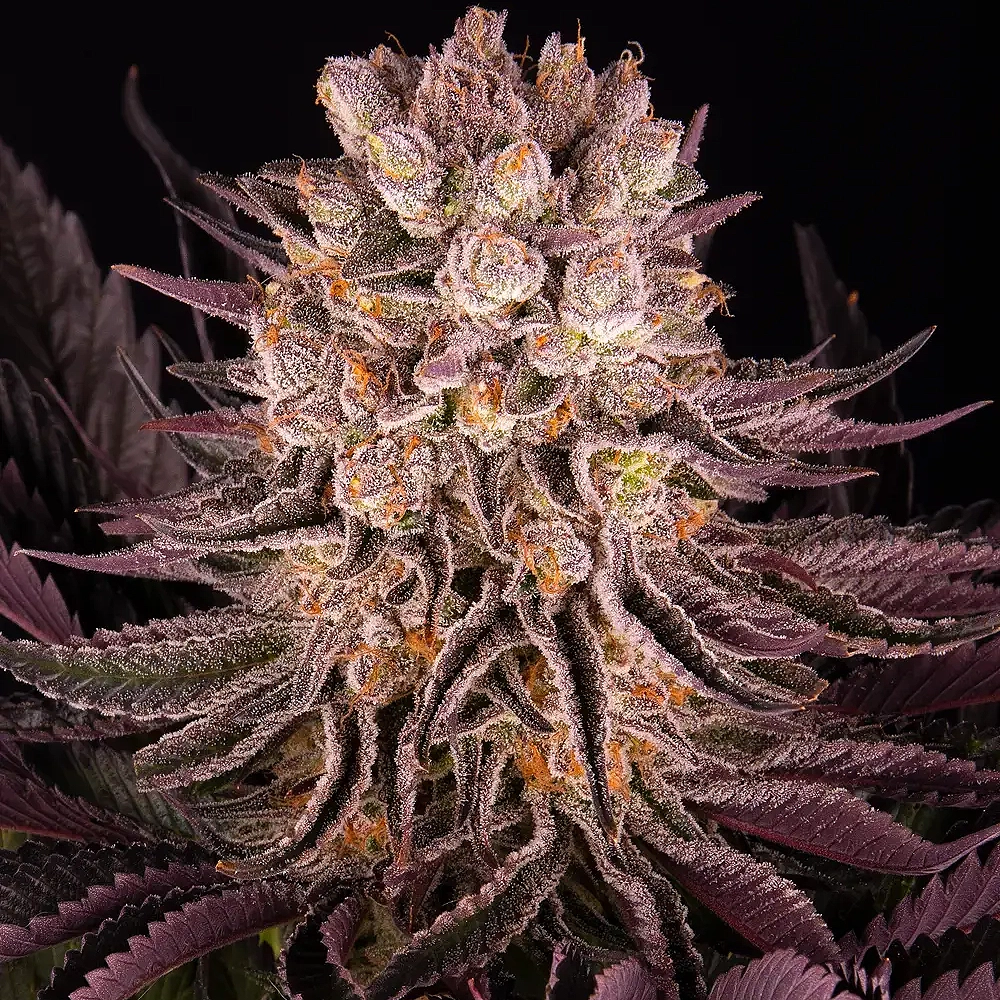
One of my favorite things about consuming cannabis is finding that strain that can be considered pure magic. Mezzaluna, a new strain by Dirty Bird Genetics, definitely checks all of my boxes.
I consume cannabis for various reasons, but my favorite place to get to is one of calmness and happiness. Mezzaluna made me feel relaxed and alert, but also happy, goofy, and kind of motivated with curiosity. The goofy part of the high was more like a cerebral trance and I could tell some of my senses were being impacted. I enjoyed listening to music with Mezzaluna because it allowed me to audibly highlight any instrument at any point in a song. The level of creative and thought-provoking energy that Mezzaluna brings could lead to some really fun activities. However, beware of the activity because I almost fell into a social media doom-scrolling black hole.
Besides that fun ride, Mezzaluna also has other charming qualities. After grinding the buds up, the aroma took me back to childhood and heavy consumption of sour candy. The taste on the exhale was a combo of fermented berries, earth, and gas.
I also found some potential symbolism with the name and my experience. Mezzaluna means half moon in Italian, which according to Google, a half moon represents balance and reflection. I think that falls in line with my experience of it being balanced and thought-provoking.
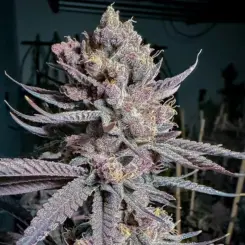
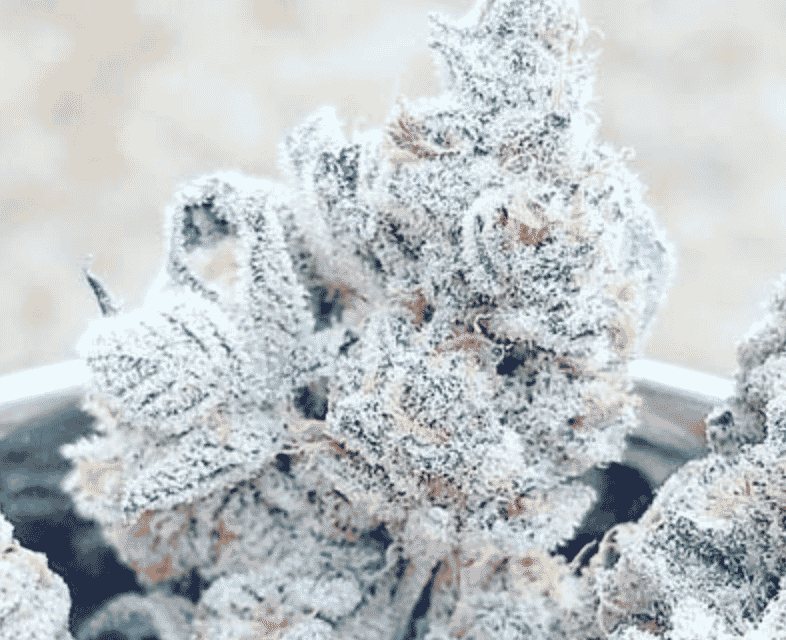
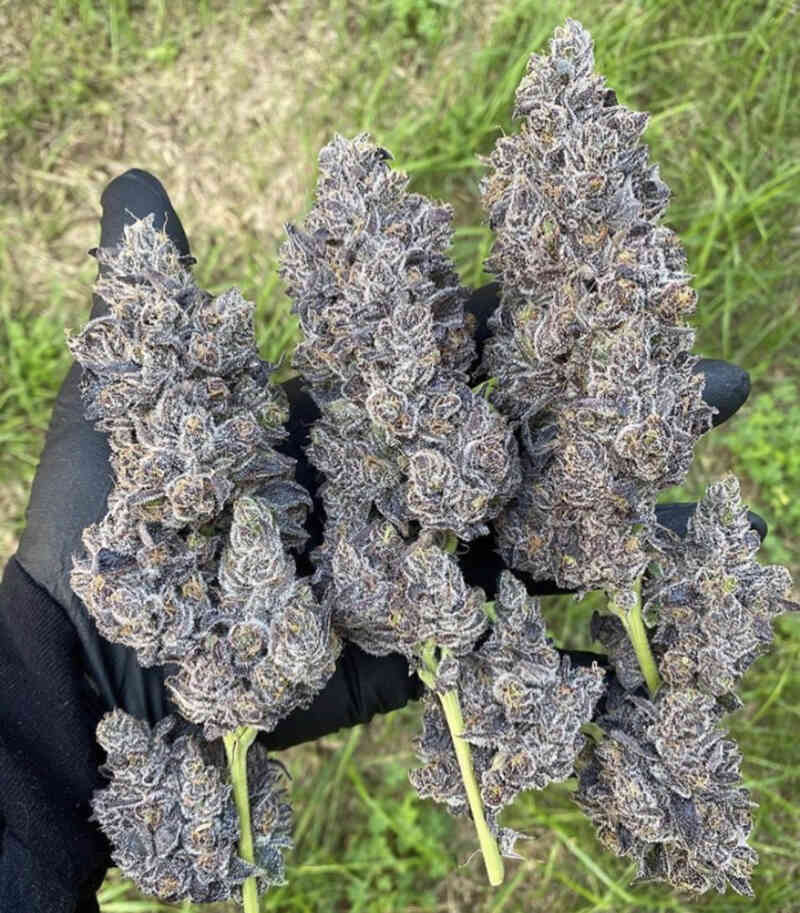
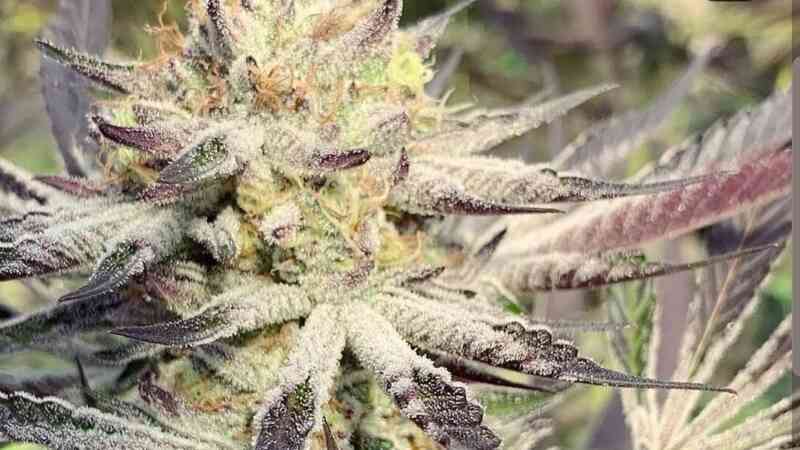
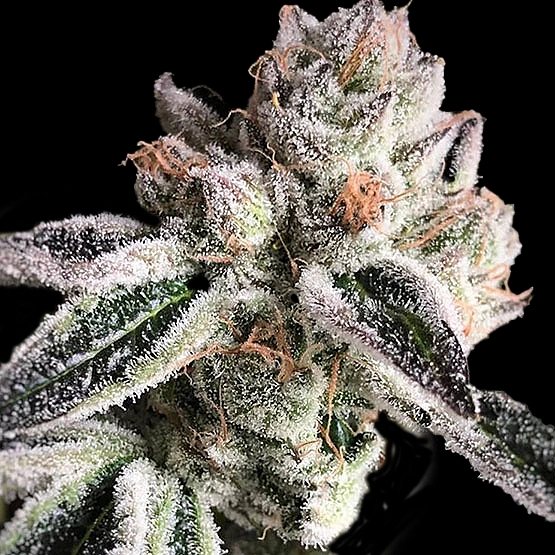
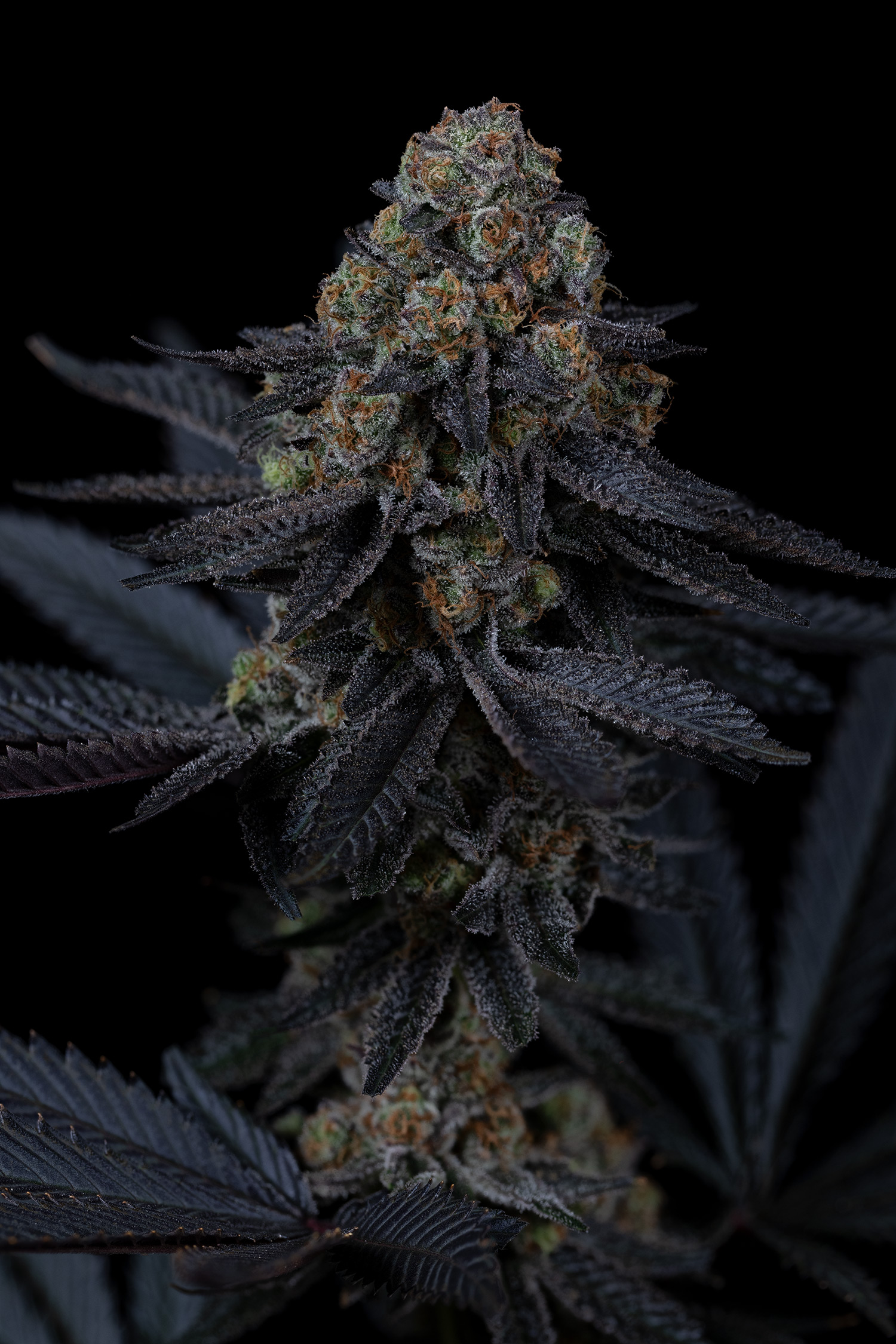
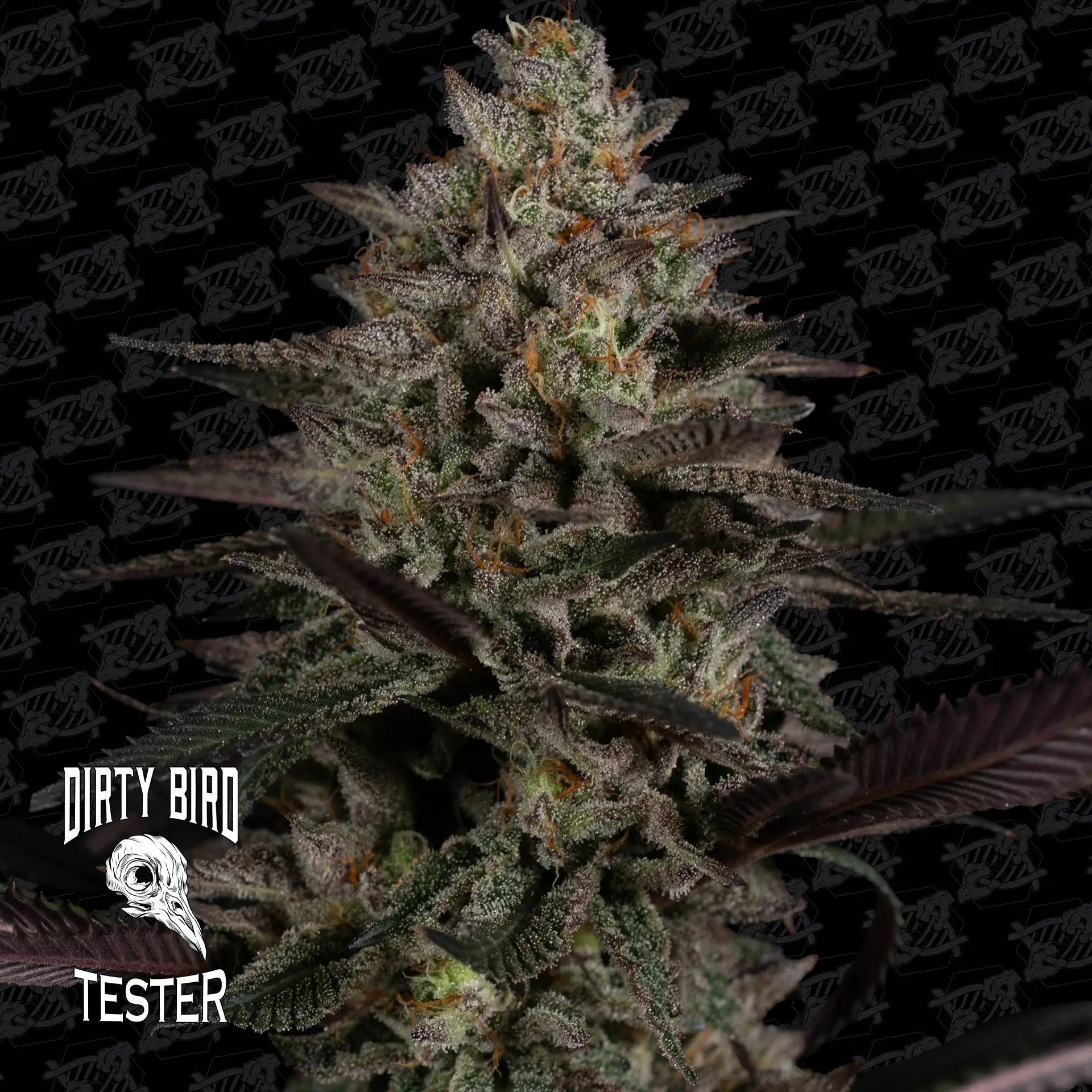
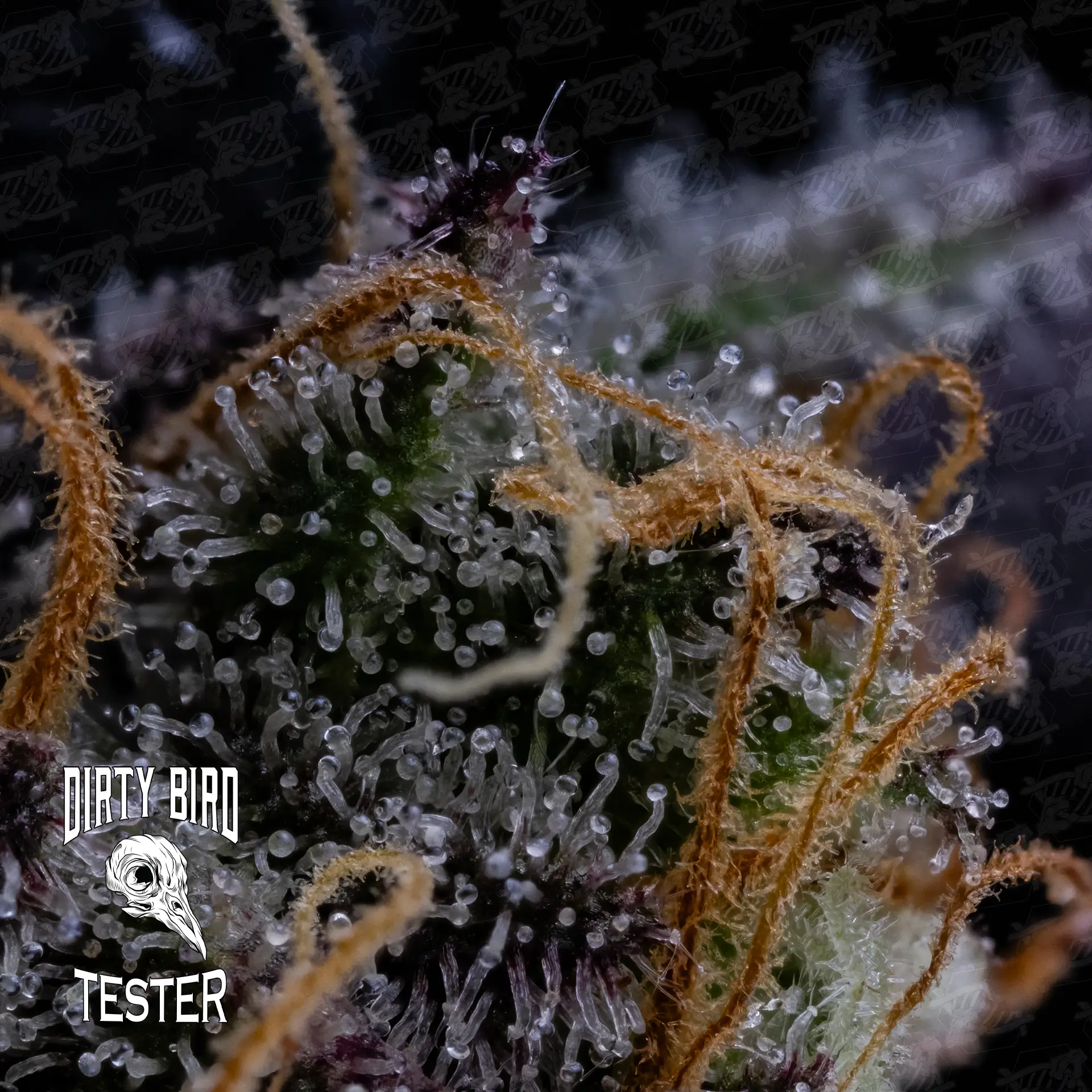
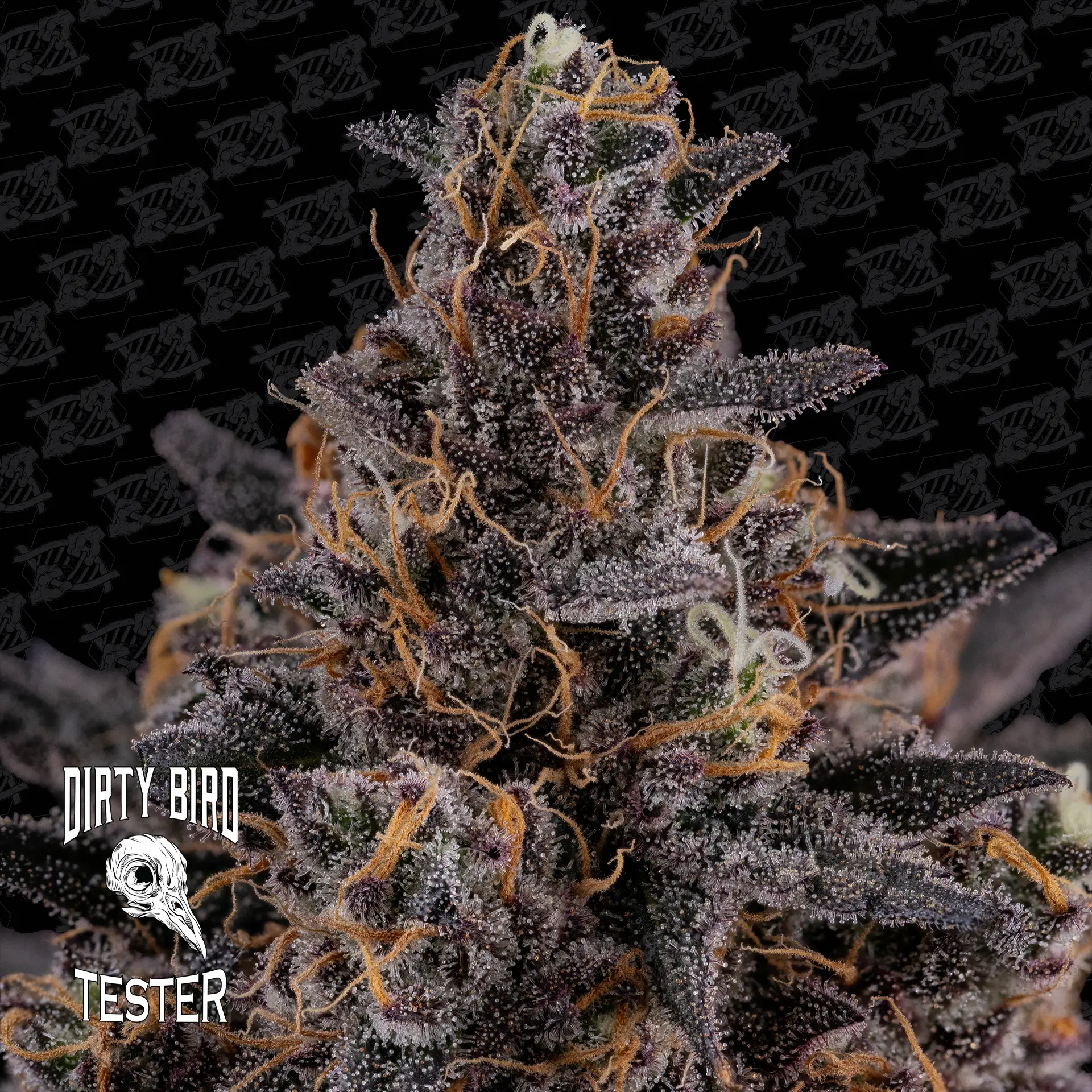
She is also an extremely beautiful plant. Whenever I see a plant that has frosted buds with some pops of that burgundy-wine color, I know I am about to be served a sweet terp-salad.
If you get the chance, you definitely want to go on a journey with Mezzaluna (Fem Photoperiod)!
Disclaimer: Cannabis seeds are sold as souvenirs, and collectibles only. They contain 0% THC. It is imperative that you check your state and local laws before attempting to purchase seeds, and we are not liable for what you do with seeds after receiving them. The statements on this website and its products have not been evaluated by the Food and Drug Administration. These products are not intended to diagnose, treat, cure or prevent any disease. Consult your doctor before use. North Atlantic Seed Company assumes no legal responsibility for your actions once the product is in your possession and is not liable for any resulting issues, legal or otherwise, that may arise.



























![Cold Queso (F) [TESTER]](https://www.northatlanticseed.com/wp-content/uploads/2025/03/cold-queso-no-text-copy-245x245.webp)

![Mezzaluna (F) [TESTER]](https://www.northatlanticseed.com/wp-content/uploads/2025/01/mezzaluna-cannabis-seeds-by-dirty-bird-genetics1-800x800.webp)