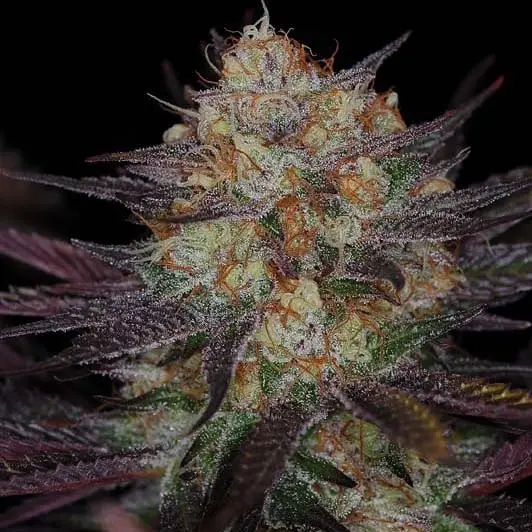
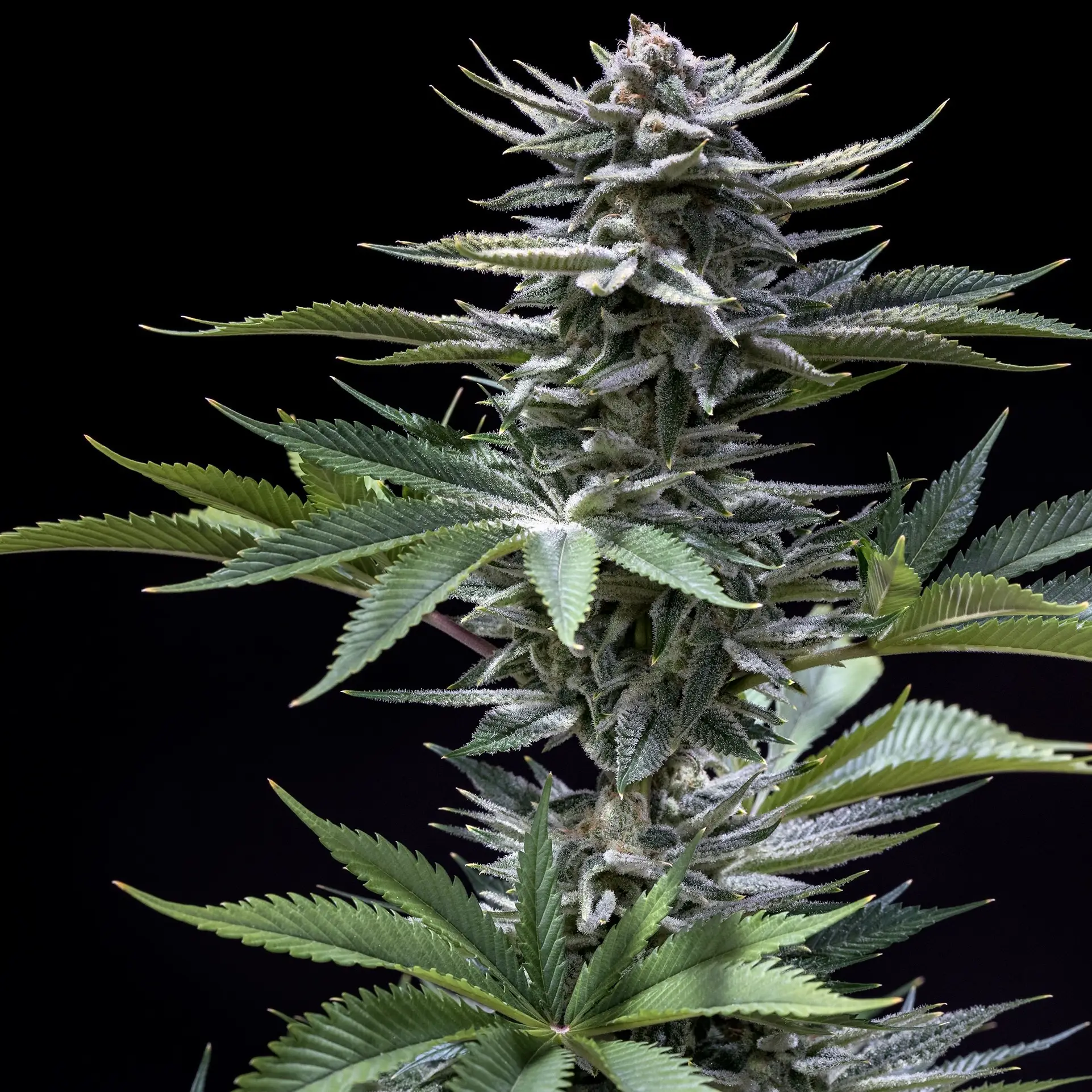
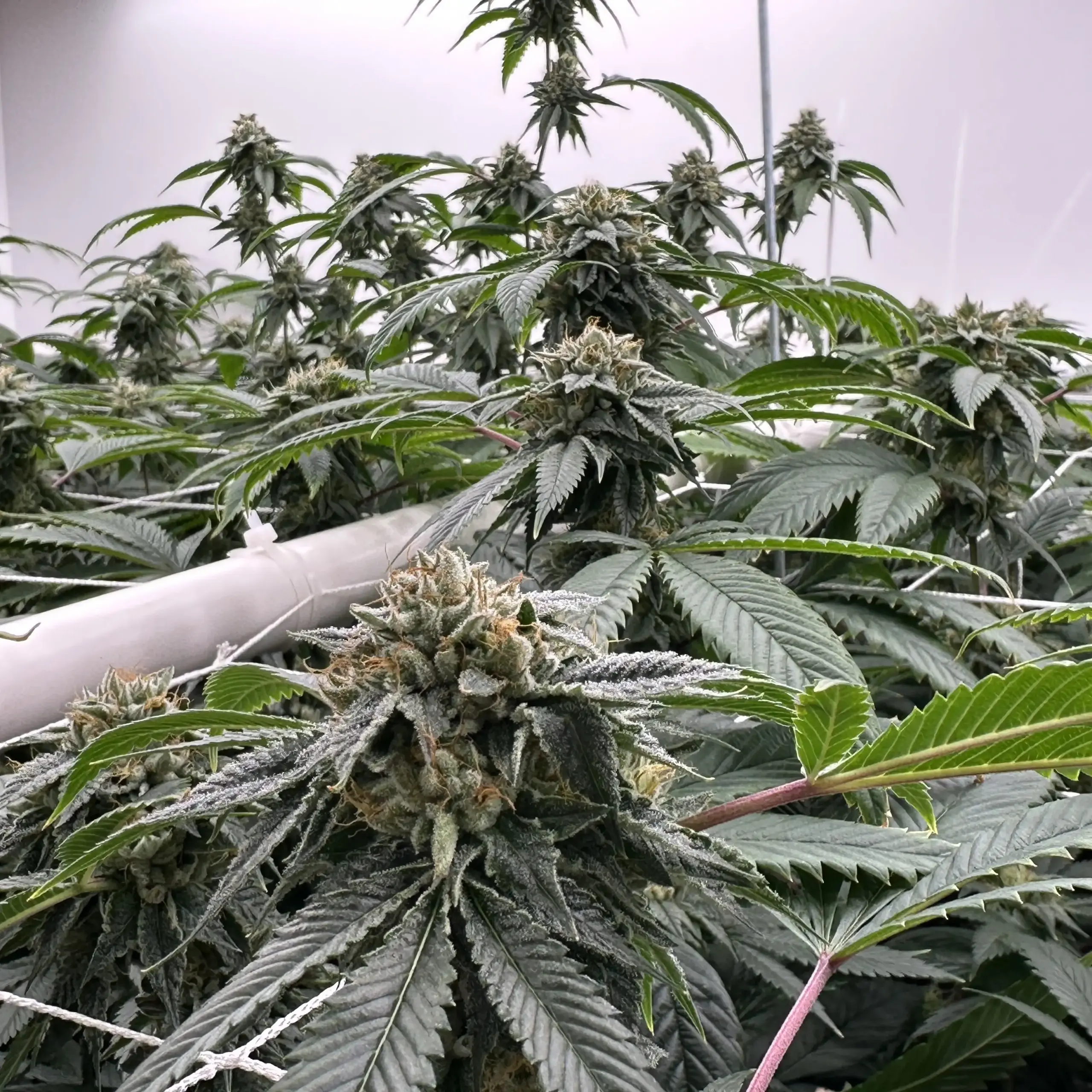
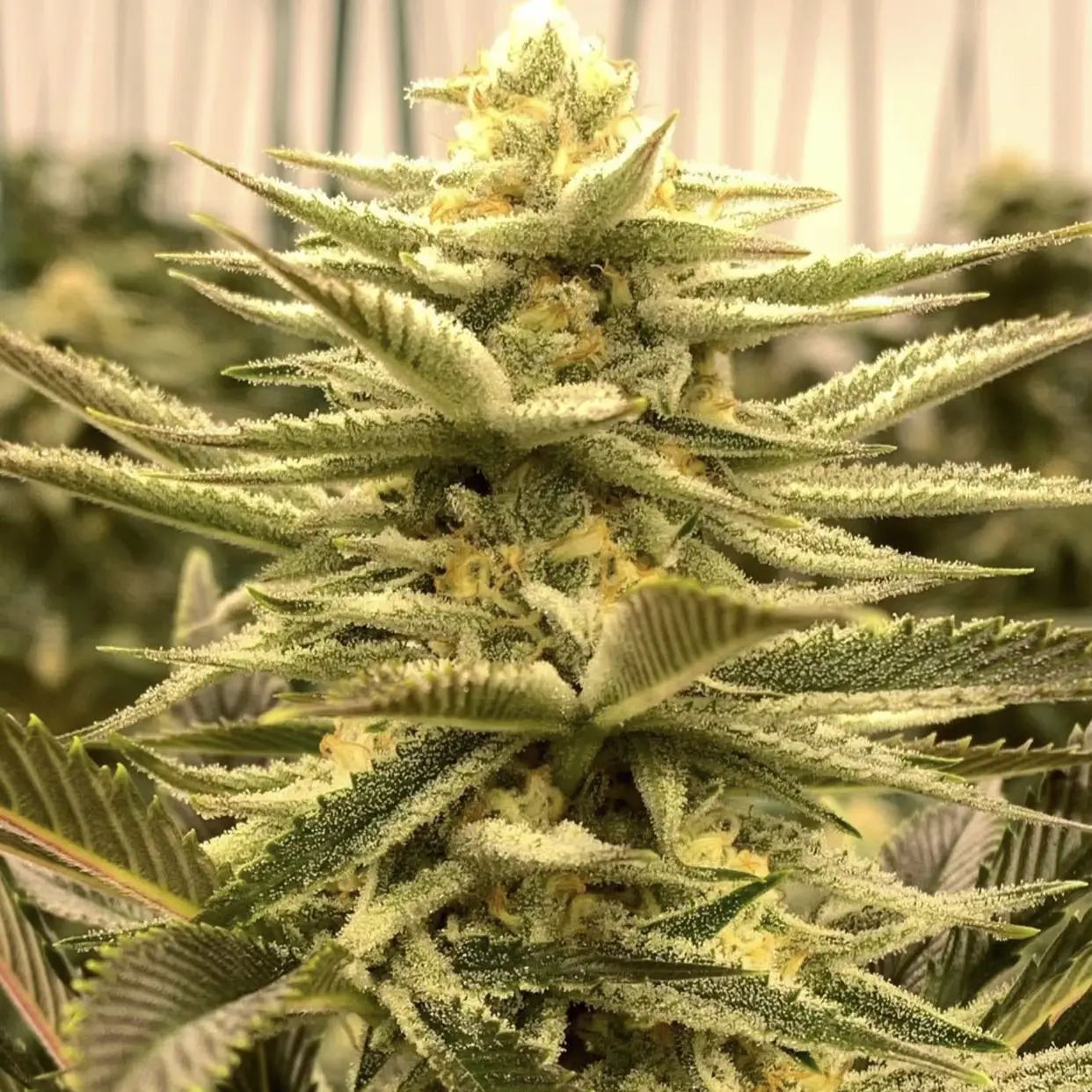
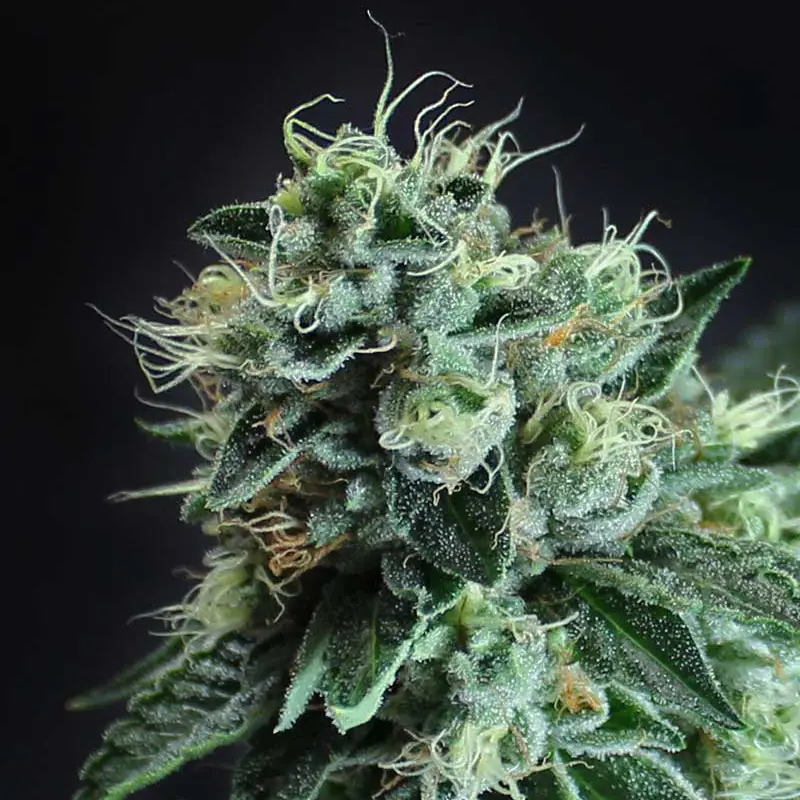
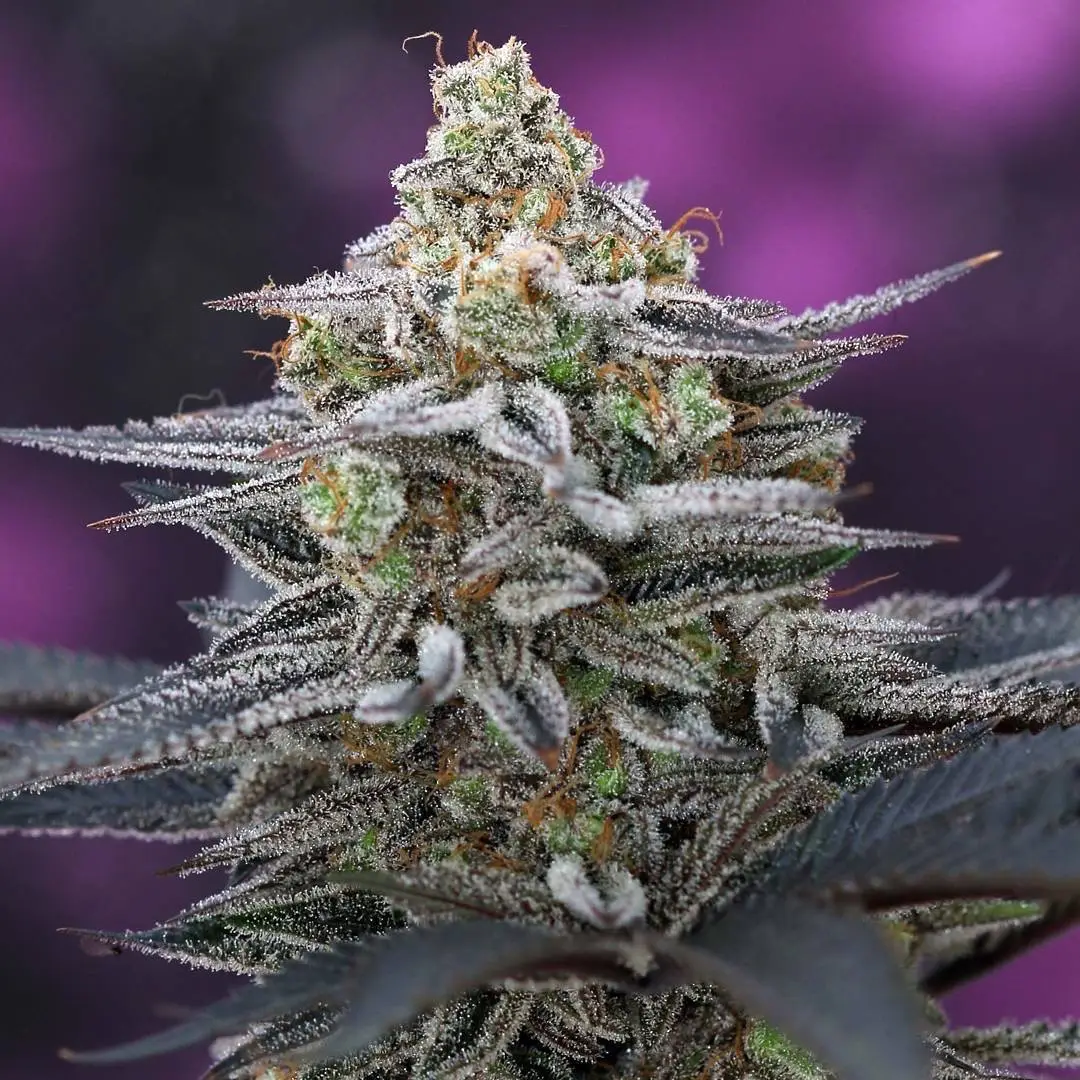
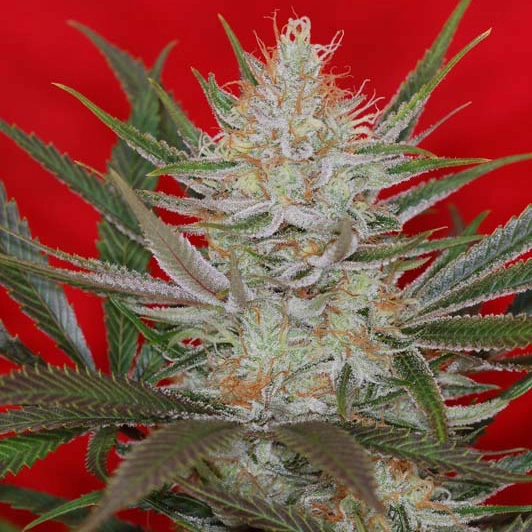
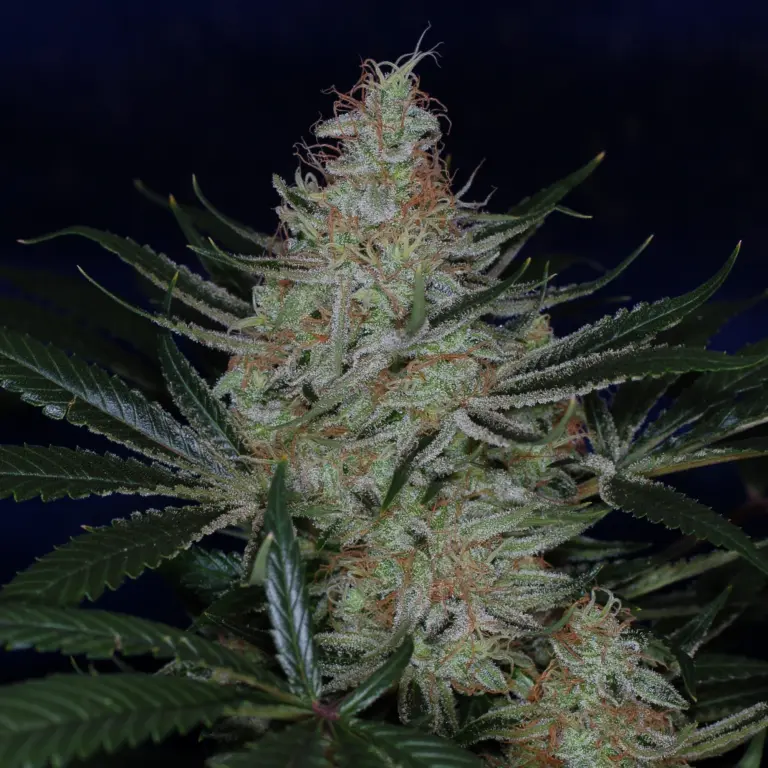
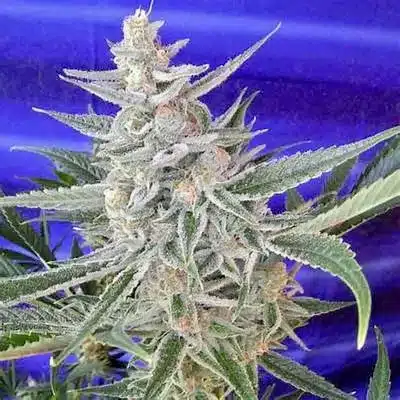
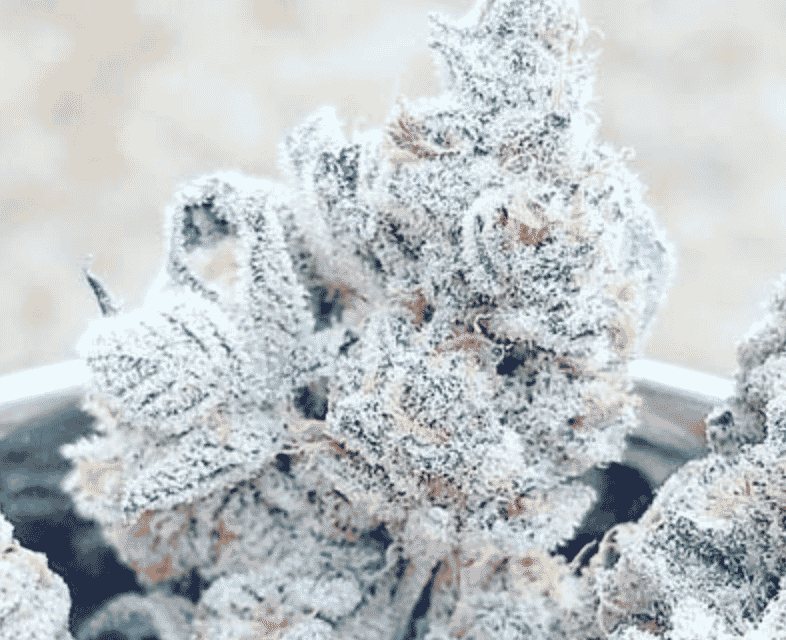
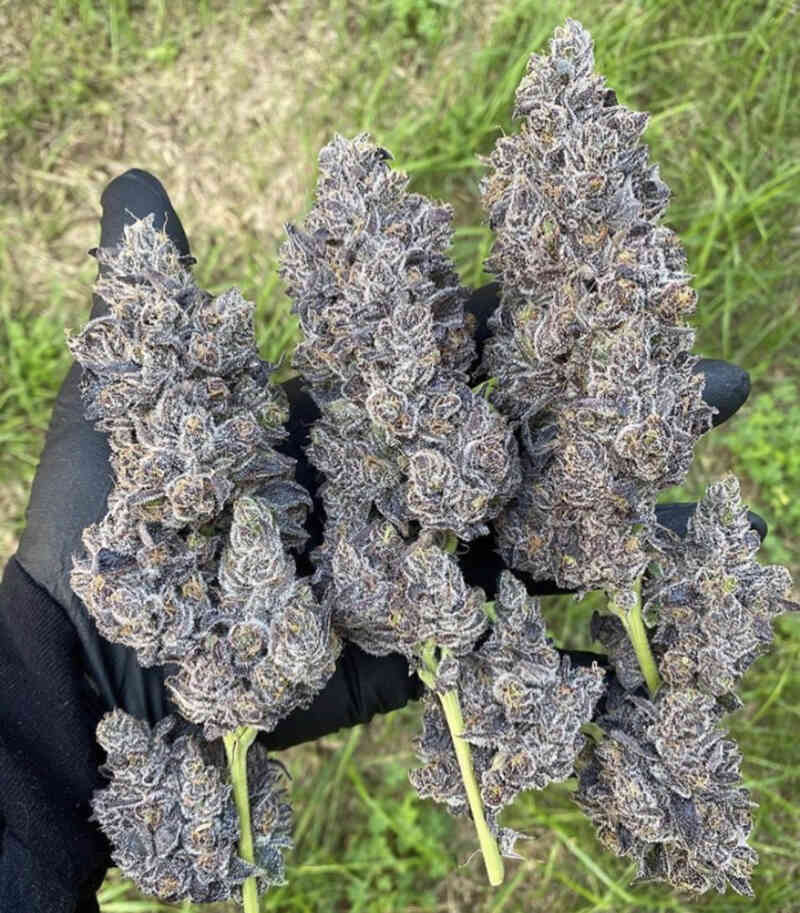
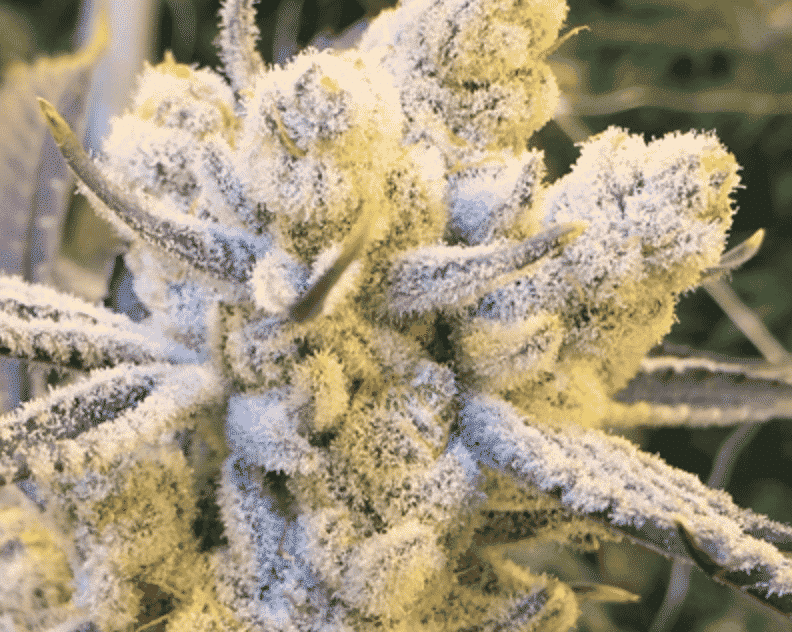
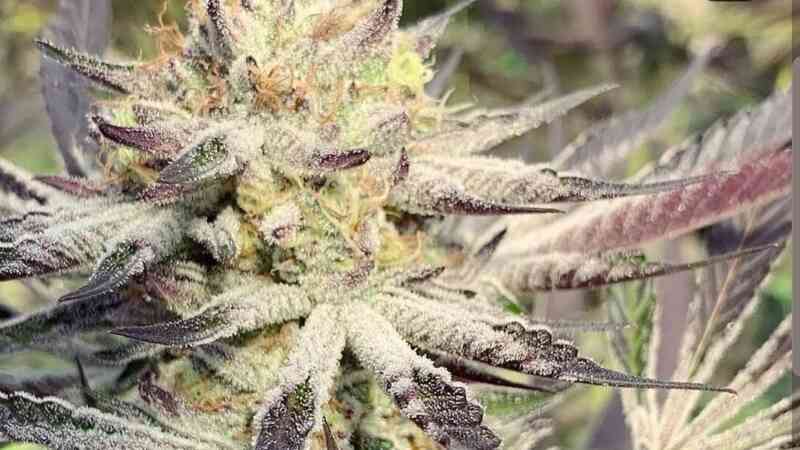
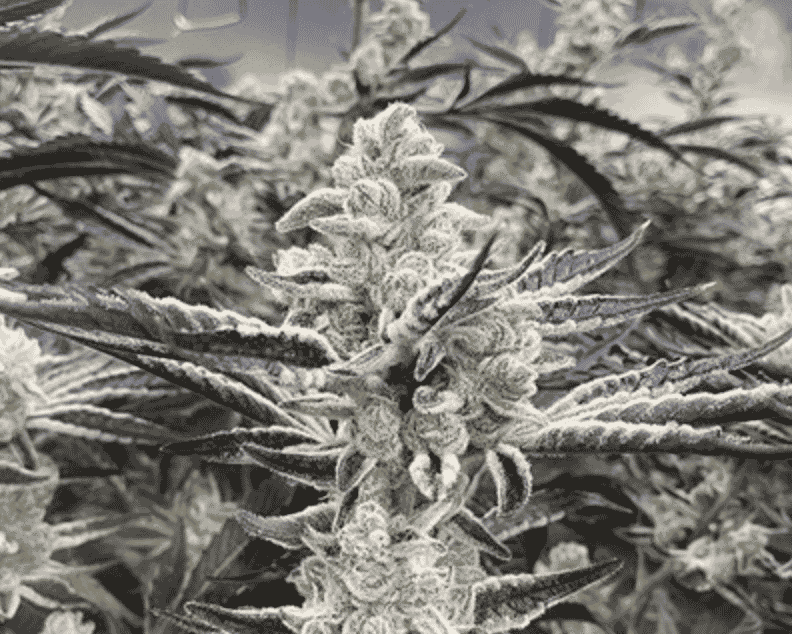
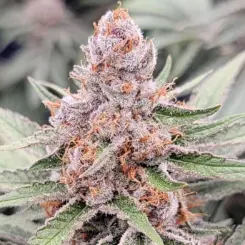
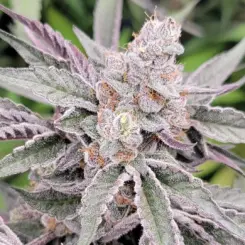
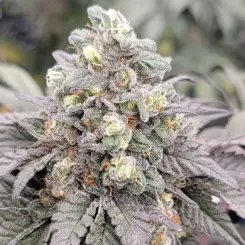
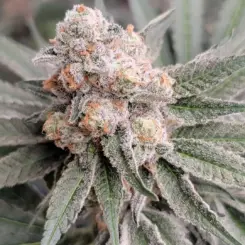
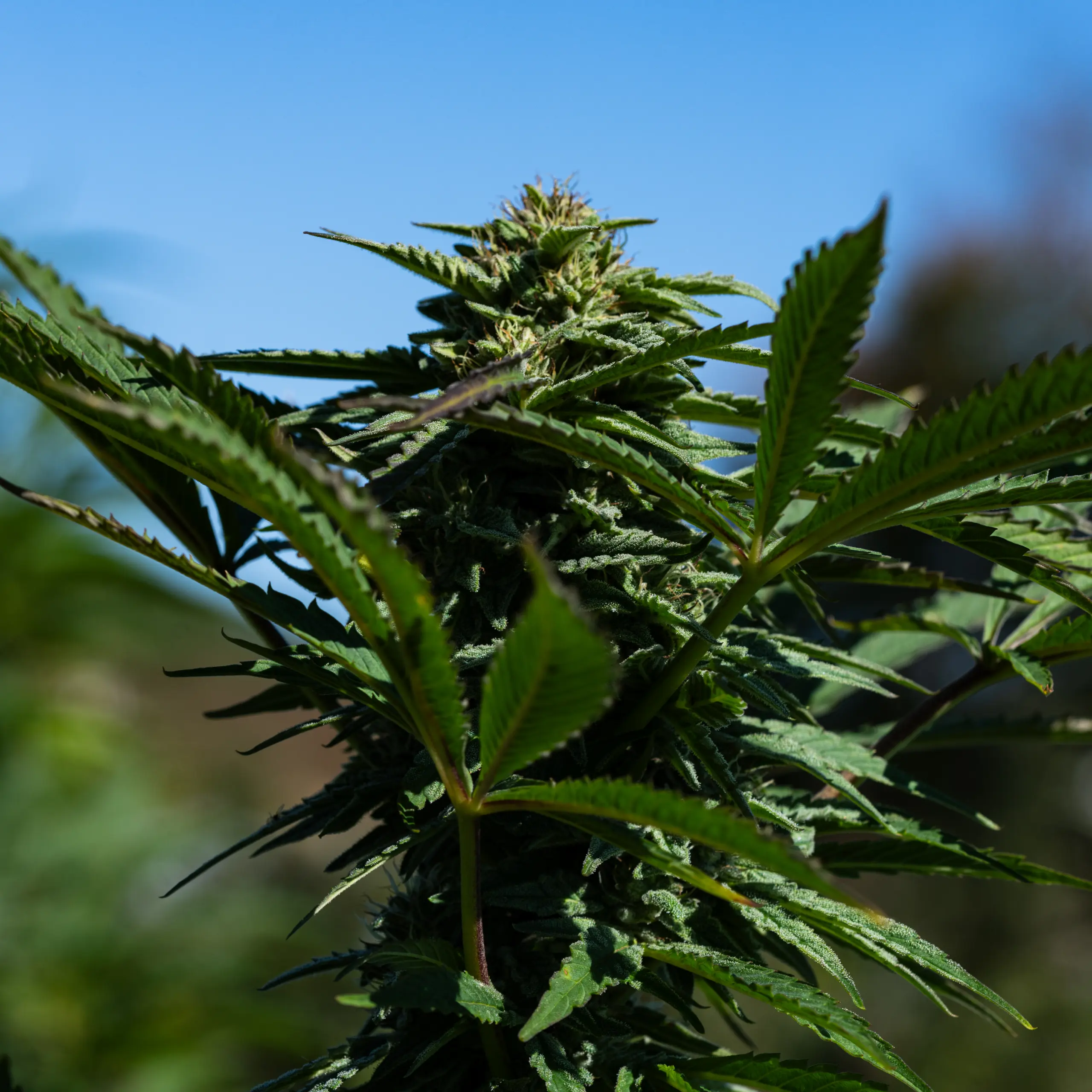
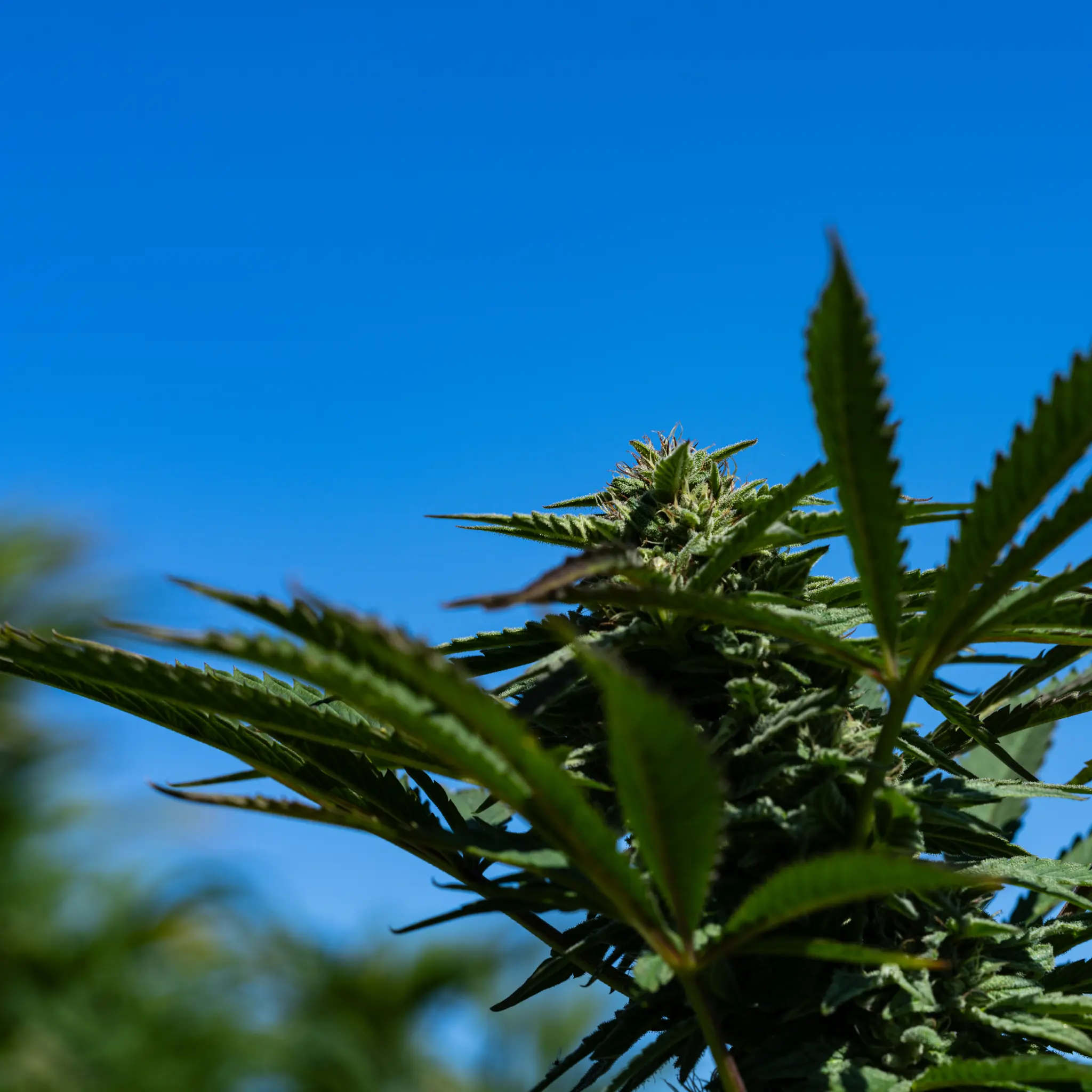
At NASC, we take a lot of pride in being a Maine business and we are lucky enough to have a couple of Maine breeders on our menu, such as Seed & Soil. For this smoke session, we tried their Omaha Jazz, a strain with an interesting history and a very desirable effect. Read on to learn about our experiences!
When I got my baggy of Omaha Jazz, I immediately opened it to take a whiff. I was taken aback by this big, pungently sweet and citrus aroma. It reminded me of fruit, sunlight, and warmer days, which is the complete opposite of the current, frigid Maine-winter. In addition to a memorable aroma, I loved the way this one made me feel. It is balanced, functional, long-lasting, and a total mood-booster. I felt physically loose, mentally calm, alert, and happy. I can see this being a great strain for laid-back creative and social activities. Morning usage put a pep in my step while doing tasks and it pushed me out of a grumpy slump and into bliss. I am always in complete awe of strains that possess the magic to lift my mood like this and Omaha Jazz succeeded. - Crystal
Omaha Jazz has a sweet, smoky aroma that gives a powerful high. It burns slowly so you can really relax while you smoke and enjoy the ritual. It’s been said to have an “unmistakable perfume” which is absolutely true. This “Sweet Jazz” inspiration strain smells good as it burns. It’ll leave you feeling relaxed but still alert, so it’s great for chilling on the couch watching a show (and probably enjoying a few snacks, let’s be honest.) The effects last several hours so it’ll last you through a chill evening into a restful sleep! Definitely recommend! - Mariah
Check out the NASC Cast interview featuring Ben of Seed & Soil!
To test whether a seed’s size, color and/or shape influences its ability to germinate, we tested 50 seeds of various sizes, colors, and shapes. All seeds were placed in distilled water and separated into five solocup shot glasses based on their size, shape, and color. We germ-tested 10 seeds in each of the following five categories: Large-Dark, Small-Dark, Large-White, Small-White, and Dark-Odd Shaped (meaning not elliptic as most cannabis seeds are). All seeds were stored in their respective shot glasses, placed in a box together, and left in an environment with low to no light, minimal air flow, approximately 60% ambient relative humidity, and at a temperature of approximately 75 degrees Fahrenheit. The seeds were observed on day 3, day 5, and day 8 to determine germination rates and progress.
Disclaimer: As a disclaimer, I would like to state that this was a preliminary test of seed viability with a very small population size. For conclusions that are statistically significant, more testing will need to occur with larger population sizes. This is by no means a definitive test of seed viability but rather a preliminary inquiry into this issue. This test was mainly to show that seeds with lighter colored to white seed coats, as well as abnormally shaped seeds, and smaller seeds can still be viable.
Day 1:
The 10 seeds of each category are laid out before being placed in germinating cups.
From Left to Right: Odd Shaped, Small-White, Large-White, Small-Dark, Large-Dark.
The 10 seeds of each category in the germinating cups as seen from above.
Day 3 Germination Results:
After 3 days the seeds were laid out on a background for observation of germination progress. The images below show the results found. The white seeds from both the small and the large categories turned a darker color after 3 days in the water in the cups, but these are the same seeds of those categories as shown in the first image of all the seeds in this study.
The Large-Dark seeds showed 8/10 seeds with the radicle exposed after 3 days.
The Small-Dark seeds showed 10/10 seeds with the radicle exposed after 3 days. The lesser amount of seed coat on the Small-Dark seeds may have allowed faster imbibition (taking up of water by the seed).
The Large-White seeds showed 7/10 with exposed radicles after 3 days.
The Small-White seeds showed 2/10 with exposed radicles after 3 days.
The Odd-Shaped seeds showed all 10/10 radicles exposed after 3 days. One seed appears to have 2 radicles coming from a single seed coat. This is most likely due to 2 zygotes forming within the plant ovary very shortly after pollination or due to 2 seeds fusing as they formed.
Day 5 Germination Results:
After another few days in the dark and in the distilled water the seeds were again taken out and observed. Below are images of the results on day 5 of this experiment.
All 10/10 Large-Dark seeds are now showing exposed radicles after 5 days.
All 10/10 Small-Dark seeds continue to show exposed radicles after 5 days.
Large-White seeds are showing 7/10 exposed radicles after 5 days.
Although difficult to see, 3/10 Small-White seeds are now showing exposed radicles after 5 days.
After 5 days, 10/10 Odd-Shaped seeds are still showing exposed radicles. One of the “twin” radicles broke off of one of the Odd-Shaped seeds. The first seed all the way to the left of the image does have an exposed radicle but its slightly darker color makes it difficult to see. Once zoomed in, anyone can see that a small, discolored radicle is exposed.
Day 8 Germination Results:
After 8 days total the seeds were observed for a final time to see the results pictured below.
After 8 days, 10/10 Large-Dark seeds show exposed radicles.
After 8 days 10/10 Small-Dark seeds show exposed radicles and 3/10 even show cotyledon.
After 8 days 7/10 Large-White seeds showed exposed radicles.
After 8 days 3/10 Small-White seeds showed exposed radicles.
All 10/10 Odd-Shaped seeds are still showing exposed radicles after 8 days.
RESULTS:
Preliminary Conclusion:
Many shapes, colors and sizes of seeds can be viable.
Dark seeds have the best germination rates, regardless of whether they are small or large.
White seeds are significantly more viable if they are larger. Small white seeds performed poorly in this germination test.
Seed shape has no affect on viability.
Using our germination method, seed viability was determined and unchanged by Day 5.
Based on the limited results of this preliminary study, many shapes/colors/sizes of seeds can still be viable. They don’t all have to be large and dark colored although having a dark colored seed coat does seem to have a positive correlation with germination viability. It also seems that a larger seed may have a better chance of germinating as seen in the results between the Large-White and Small-White seeds with the Large-White having a 70% germination rate and the Small-White only having a 30% germination rate. From the limited results of this simple experiment, it appears that seed shape didn’t affect germination rates with the Odd-Shaped seeds having 100% germination just like the seeds in the Large-Dark and Small-Dark categories.
One parameter not reflected in these results is the pressure with which you can apply to a seed to test viability. Lightly (very lightly) pinching a seed between your thumb and pointer finger and seeing if the seed deflates or pops can be a relatively reliable method of determining germination viability. Just a light pressure should give the kinetic feedback to know that the seed is “solid” and probably will germinate or will deflate/pop the seed and thus that seed was not viable. One thing many people seem to do is apply too much pressure to seeds when they check in this way. Again, light pressure is all that is required. One does not need to squeeze as hard as they can as this can give false results since enough pressure can pop any seed regardless of viability.
For more info on how we germinate, please see our Germination Guidehere.
We’re writing to share an important update on recent changes in U.S. federal law that affect cannabis seeds, hemp, and the broader cannabis industry.
Write your US Senators + Representatives Today and Let Them Know You’re Opposed to Sec 781:https://democracy.io/#!
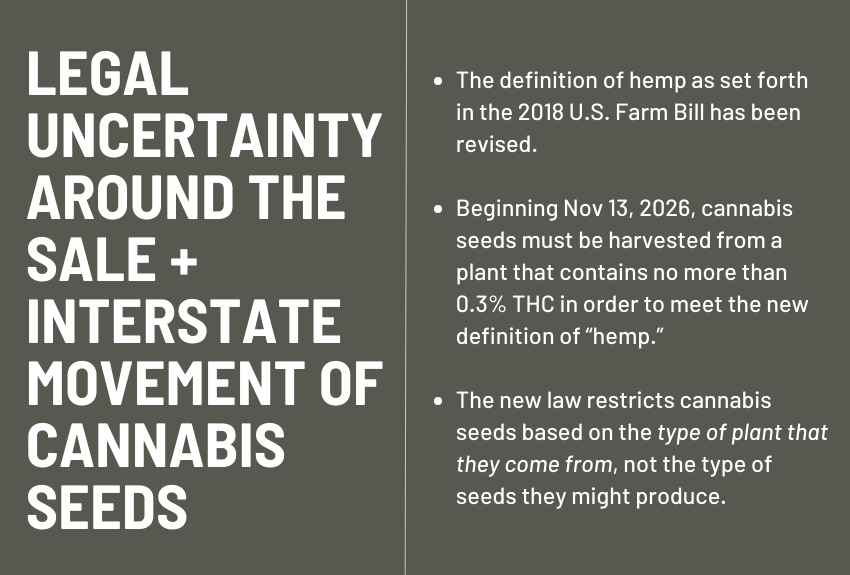
Hemp Law Changes & Cannabis Seeds Recent revisions to the definition of hemp as originally set forth in the 2018 U.S. Farm Bill have narrowed the federal definition of hemp, including re-defining the legal parameters for when cannabis seeds are considered “hemp”. With respect to seeds, the new hemp definition still requires them to contain no more than 0.3% THC. Additionally, in order to be considered “hemp”, the new law mandates that cannabis seeds must be harvested from a plant that contains no more than 0.3% THC. Notably, and contrary to some media reports, the new law does not prohibit seeds based on the type of plants that they might produce. Instead, it restricts cannabis seeds based on the type of plant that they come from. This has introduced new legal uncertainty around the sale and interstate movement of cannabis seeds. At a minimum, it may create regulatory and enforcement issues since the legal metric has been changed from the THC levels in a cannabis seed to the THC levels in the plant that produced the seed. It remains to be seen whether and how this new provision will be enforced.
Federal Cannabis Reclassification At the same time, the U.S. government has initiated the process of reclassifying ‘marijuana’ (cannabis) from Schedule I to Schedule III under the Controlled Substances Act. This represents a meaningful shift in federal policy, acknowledging accepted medical use of the plant and potentially easing regulatory and tax burdens for certain stakeholders while also setting in place the foundation for a more comprehensive policy. The rulemaking phase of the EO will provide further instruction on the specifics of the reclassification. We are closely tracking implications for seeds and interstate commerce.
What This Means & What’s Next Together, these changes create both opportunity and risk for the cannabis genetics community. We are actively assessing the implications and coordinating with industry partners, lobbyists, and legal groups on next steps.
What is clear is that things are changing. We are reaching out to you today to ask that you stay tuned while we work to bring clarity and guidance as the situation develops. Working together will be instrumental to protect what we’ve all built.
In the coming weeks, we will share specific actions you can take as part of the effort to protect access to cannabis seeds and genetic diversity, to include:
Participating in lobbying, petition and letter writing efforts
Engaging with local and national media and advocacy groups
Supporting efforts to,
extend the current hemp transition period from 12 months to 36 months, giving the industry more time to adapt responsibly
protect state programs and markets, or
other legislative proposals that further the cause
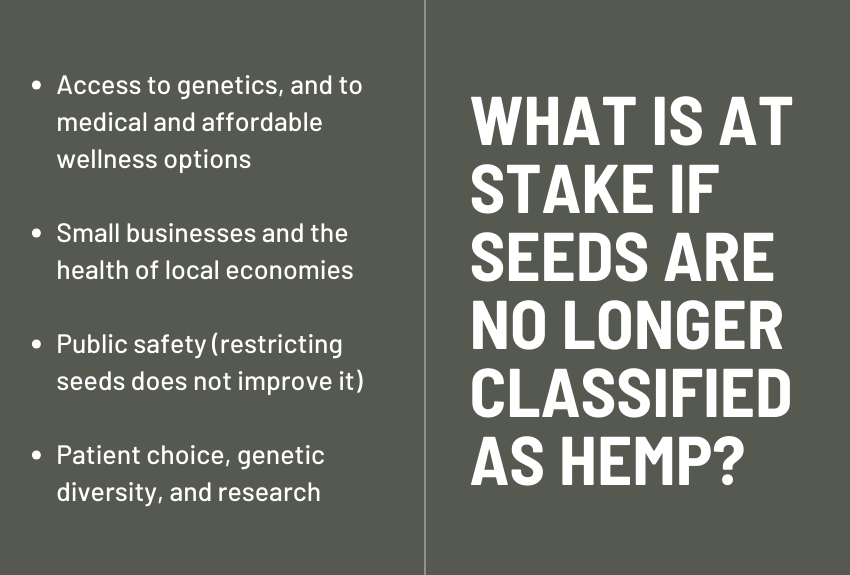
Your participation will be critical as policymakers finalize how these rules are implemented. We will need broad grass roots, veteran groups and community support to clearly demonstrate how these changes affect:
Access to medical and affordable wellness options
Small businesses and your local economies
Public safety (restricting seeds does not improve it)
Patient choice and genetic diversity
Fair compliance timelines — for example, extending the transition period in Section 781 from 12 months to an appropriate timeline to allow responsible businesses and consumers to adapt without unnecessary harm
Your participation will be critical as policymakers finalize how these rules are implemented. Broad grassroots support, veteran groups, and community engagement will be essential to clearly demonstrate how these changes impact access to medical and affordable wellness options, small businesses and local economies, public safety (noting that restricting seeds does not improve it), patient choice and genetic diversity, and fair compliance timelines. For example, it is important to extend the transition period in Section 781 from 12 months to an appropriate timeline, allowing responsible businesses and consumers to adapt without unnecessary harm.
Thank you for your continued trust and support. We will be in touch again soon as developments continue and further information becomes available.
-Your Friends at North Atlantic Seed Co.
See Section 781 of the Continuing Appropriations, Agriculture, Legislative Branch, Military 2. Construction and Veterans Affairs, and Extensions Act, 2026 (H.R.5371).Agriculture Improvement Act of 2018, Pub. L. 115-334. 3. There has been significant confusion in the media about this issue, with many commentators incorrectly asserting that the legal status of cannabis seeds will be based on their potential to create a high THC plant. The new law is clear that the legal status of a cannabis seed is based on the plant from which it came, not the potential type of plant it can grow. 4. See, Executive Order (EO, 18.Dec.2025) Increasing Medical Marijuana and Cannabidiol Research, and the accompanying Fact Sheet.
Subcool shares 3 tips for new growers, their favorite breeding project & a story!
BREEDER OF THE WEEK NASC JOURNAL FEATURE
BREEDER INTRO:
Subcool Seeds is dedicated to continuing Subcool’s legacy, bringing his legendary strains to a new generation of growers.
3 TIPS FOR NEW GROWERS:
1. Start Simple & Learn the Plant
New growers often try to do too much too fast. Pick a solid medium, a proven feeding plan, and give the plant time to show you what it needs. Healthy cannabis communicates clearly — leaf color, posture, and growth rate will tell you far more than any chart ever will.
“Strong roots and steady growth matter more than chasing perfection.”
2. Don’t Overlove Your Plants
Overwatering, overfeeding, and constant adjustments are some of the most common beginner mistakes. Cannabis prefers consistency. Let the medium dry properly between waterings, feed lightly, and avoid changing multiple variables at once.
“Less intervention usually leads to better results.”
3. Genetics Matter — Choose Wisely
Starting with quality genetics sets the foundation for success. Stable, well-worked lines are more forgiving, express better traits, and help new growers learn without unnecessary frustration. A great grow starts long before the seed ever hits the soil.
“Good genetics won’t fix every mistake, but they’ll forgive many of them.”
FAVORITE BREEDING PROJECT
That’s a tough one for us because the honest answer is we don’t really have a single favorite.
Right now, our focus is on preserving and continuing the iconic cultivars Subcool spent his career creating and championing. Each project carries its own history, personality, and purpose. Some are about flavor, some about structure, some about balance and some are simply about keeping something special from being lost to time.
At the same time, we’re thoughtfully bringing these genetics from 2012, into 2025, and beyond. Sub’s work was truly ahead of its time, so our goal isn’t to reinvent it; it’s to let it keep speaking in today’s market. That means carefully selecting for louder terpene expression, improved resin production, and extract-friendly traits, while maintaining the character, soul, and integrity that made these strains iconic in the first place.
If there’s a “favorite,” it’s the process itself: honoring the original work, selecting with intention, and ensuring these genetics remain available, true, and accessible for future growers. Every preservation project is a reminder that great genetics don’t just happen; they’re built, protected, and passed forward.
Sub always said the plants would tell you what mattered and we listen. Our favorite projects are the ones that protect his legacy: preserving the cultivars he believed in, refining them with care, and carrying them forward without losing what made them special.
BREEDER OUTRO: A STORY, TO CLOSE
It’s honestly impossible to narrow it down to one story. Some of our favorite moments weren’t about a single smoke sesh, but about the rooms we were lucky enough to be in. We’ve shared joints, laughs, and long conversations with some true legends of the plant; Subcool, Kyle Kushman, Mr. Soul, OG Raskal, Ross (one of the creators of GG4), and many others who helped shape modern cannabis. What stands out most isn’t just who was there, but the energy: growers swapping stories, debating terps, laughing about failures, and passing knowledge the same way it always has; one bowl at a time. Those moments remind us that cannabis has always been about community, curiosity, and respect for the plant and the people who came before us. That spirit is something we try to carry into our garden every single day.
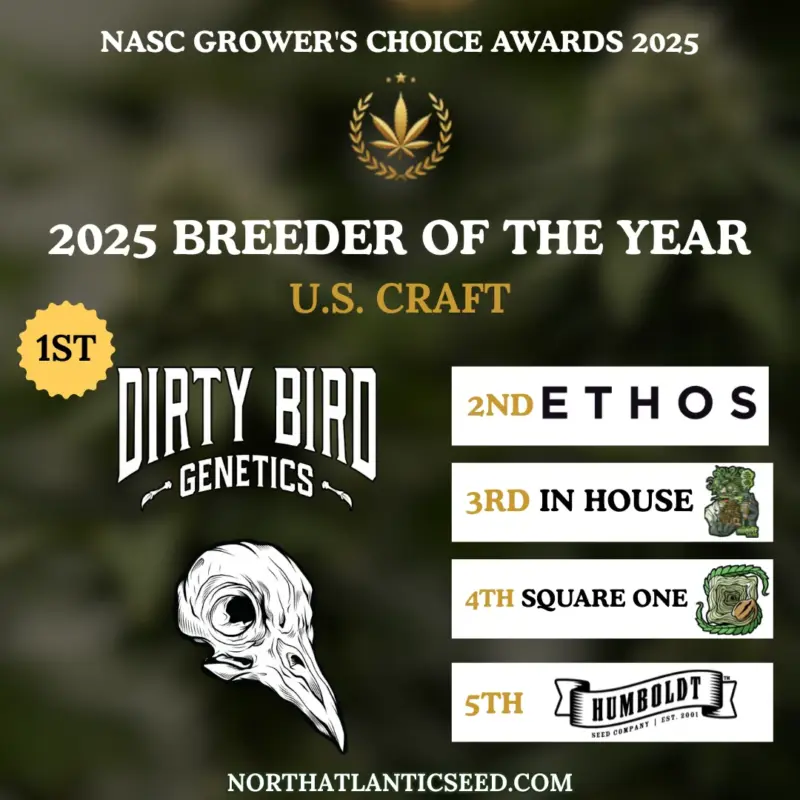
In House Genetics specializes in micro-breeding cannabis seeds, offering a variety of high-quality strains that cater to all types of growers, including those looking for outdoor cannabis seeds. With new strains released every month, In House Genetics consistently leads the way in innovative crossbreeds and exclusive limited runs. The team’s years of experience and in-depth knowledge of genetics have allowed them to produce some of the most potent and sought-after seeds in the industry. Passionate about their craft, they continue to push the boundaries of cannabis research and development, securing their position at the forefront of the cannabis seed industry.
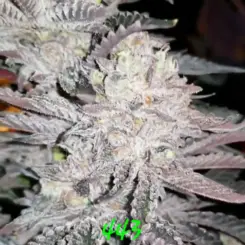
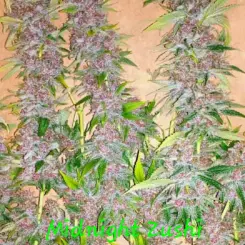
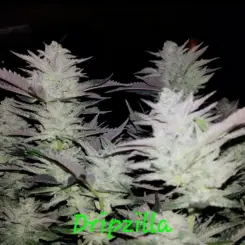
In 2025, In House Genetics dropped some new strains like Electracane, Purple Rush, Dripzilla, Midnight Zushi, Jamz, and many more! They offered a variety of freebies and constant discounts as well! Below, you'll find the top five strains by In House Genetics at NASC.
JELLY BREATH S1
Jelly Breath S1 is a hybrid strain that is a producer of very dense frosty flowers ranging from grape to cookie flavors.
BANANACANE
Bananacane grows vigorous, resinous heavy buds. Her aroma and flavor profile include ripe banana, berry/sherbet, caramel and earth. This strong indica-leaner can cause sedation and is excellent for sleep. She is a great option for extracts, too!
SUGAR CANE
Sugar Cane is an absolute eye-stopper. She is a mood-booster that will help you focus. You can expect a flavor and aroma profile of sweetness with floral and grape notes.
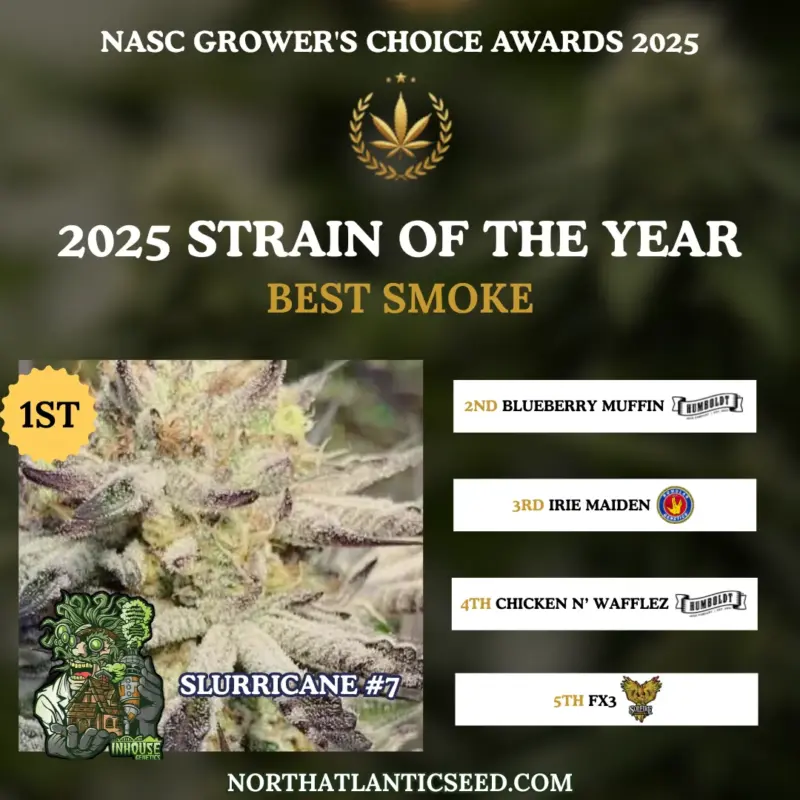
SLURRICANE #7 S1
The buds of Slurricane #7 S1 become large and resinous. She brings on heavy, sedative effects. You can expect a profile of loud, grape gas with creamy undertones.
PLATINUM KUSH BREATH REMIX
Both of the parental strains of Platinum Kush Breath Remix are very heavy duty so this is not one for the inexperienced smokers out there. She has a lovely, pure-gassy flavour and aroma which will have all the Kush lovers out there going crazy.
Disclaimer: Cannabis seeds are sold as souvenirs, and collectibles only. They contain 0% THC. It is imperative that you check your state and local laws before attempting to purchase seeds, and we are not liable for what you do with seeds after receiving them. The statements on this website and its products have not been evaluated by the Food and Drug Administration. These products are not intended to diagnose, treat, cure or prevent any disease. Consult your doctor before use. North Atlantic Seed Company assumes no legal responsibility for your actions once the product is in your possession and is not liable for any resulting issues, legal or otherwise, that may arise.
Are you 21 or older?
You must be 21+ to enter this site.
Sorry, you must be 21 or older to enter this site.

 Raspberry Roulette (F)$12.50
 Raspberry Parfait Auto (R)$50.00
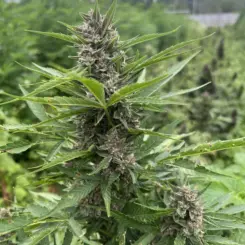 Etrog Auto (R)$50.00
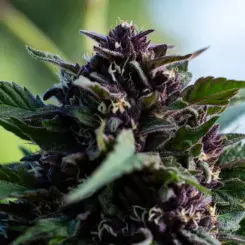 Tangie in the Sun (F)$50.00
 Lemon Telescope Auto (F)$50.00
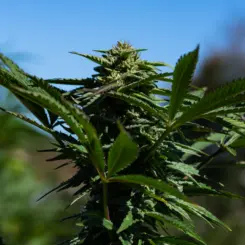 Omaha Jazz (F)$50.00
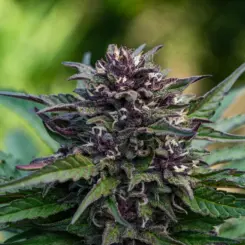 Raspberry Parfait Quick (F)$50.00
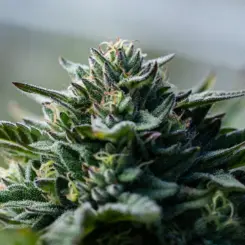 Caramel Headband (F)$50.00