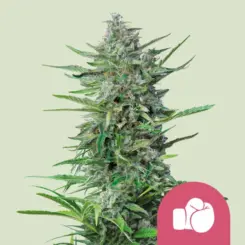
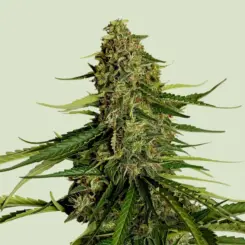
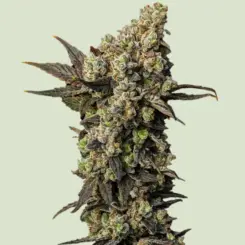
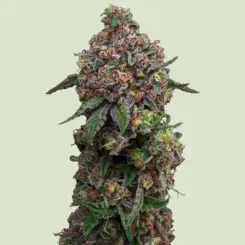
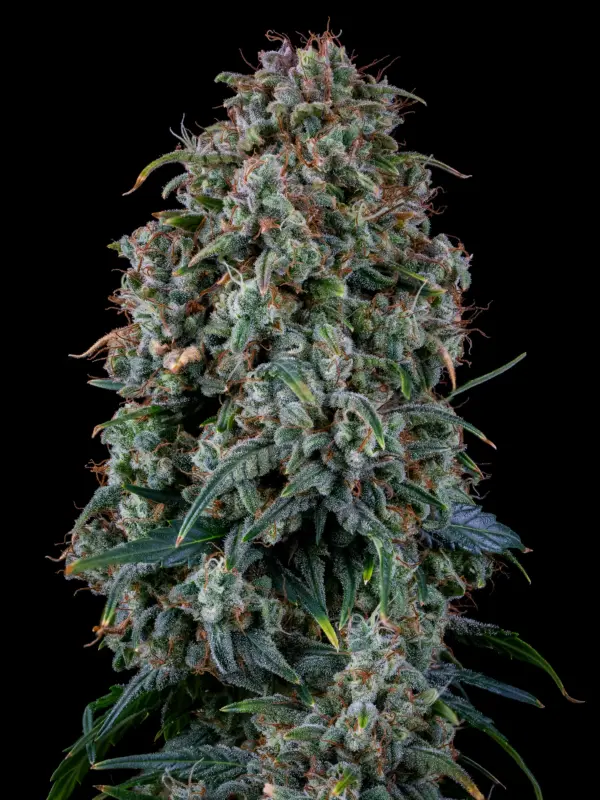
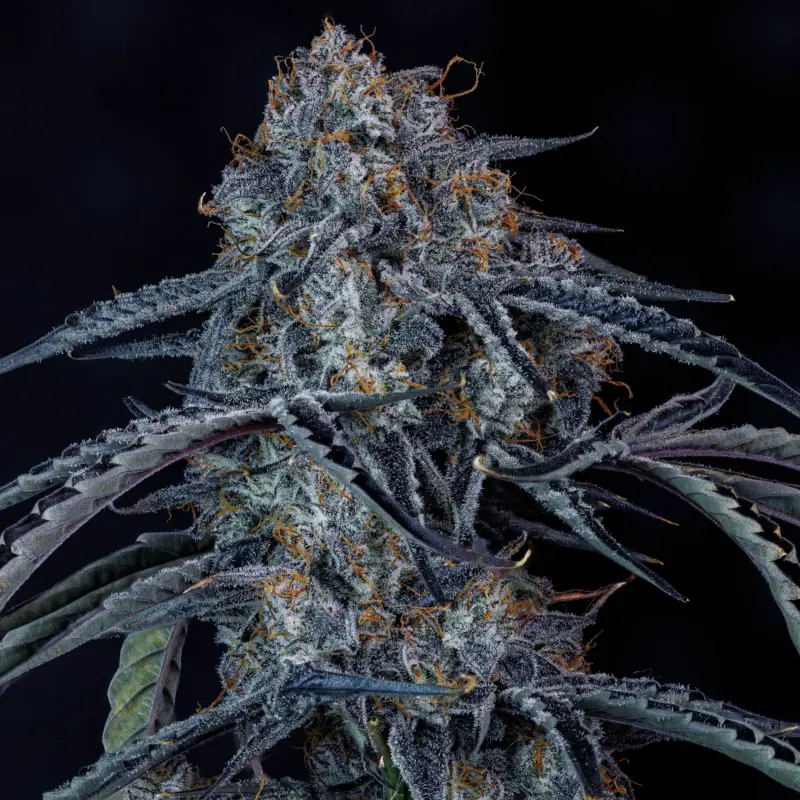
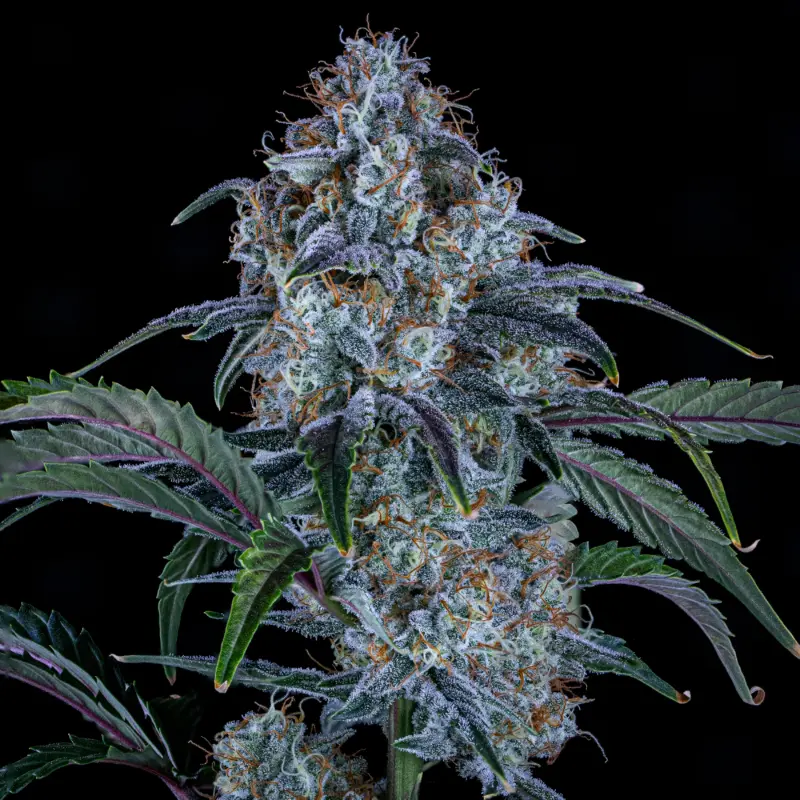
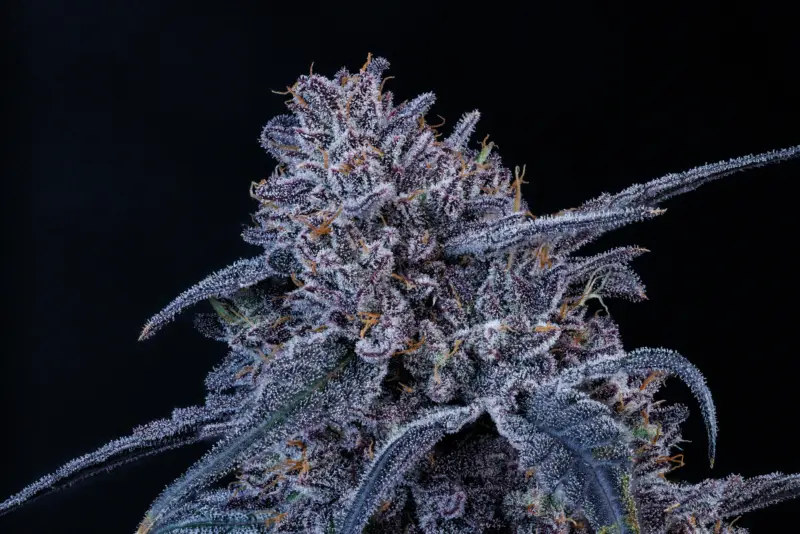
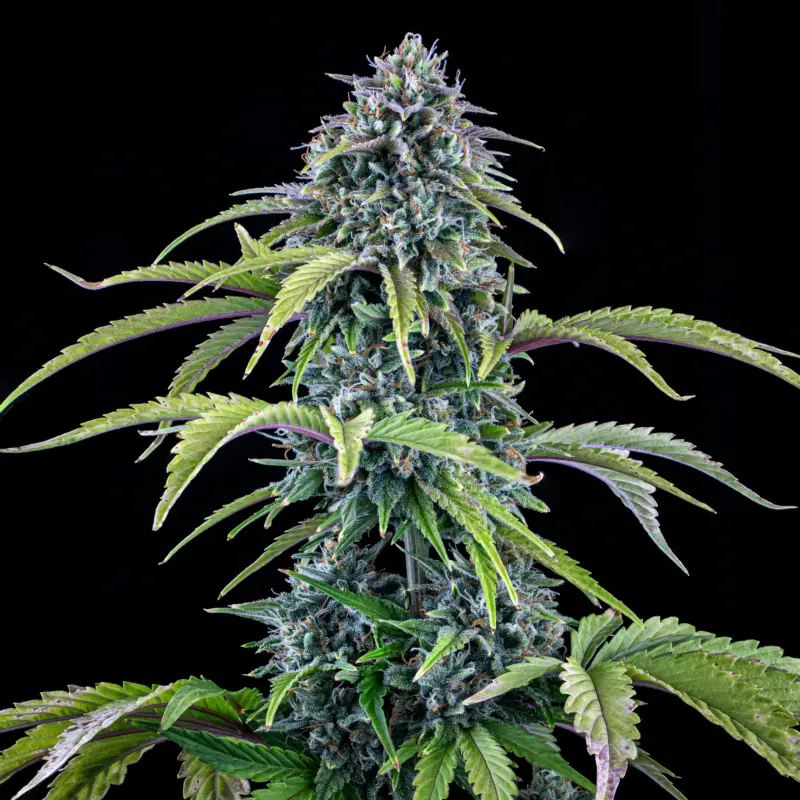
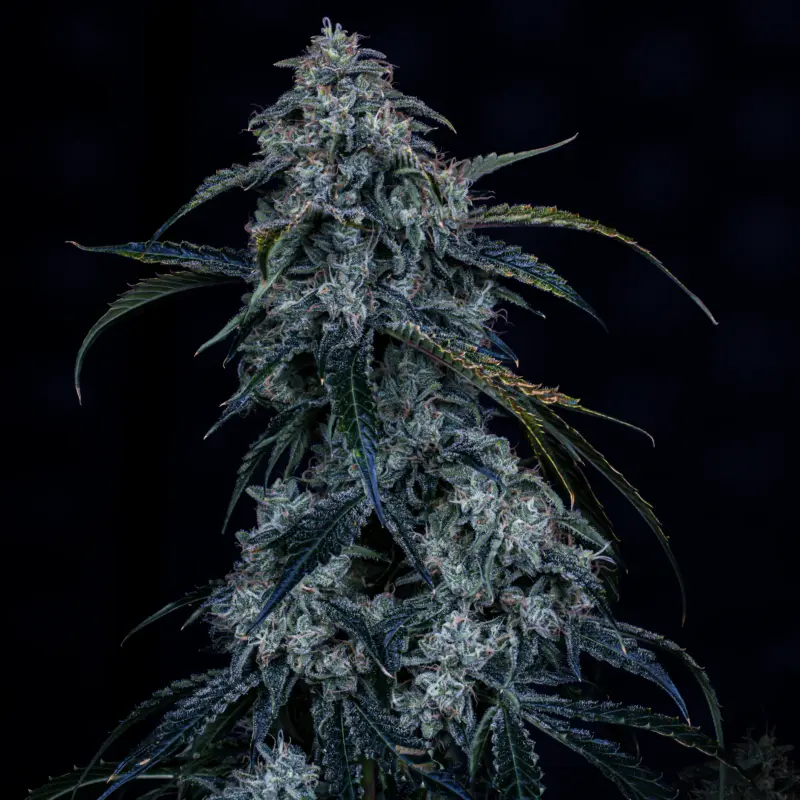
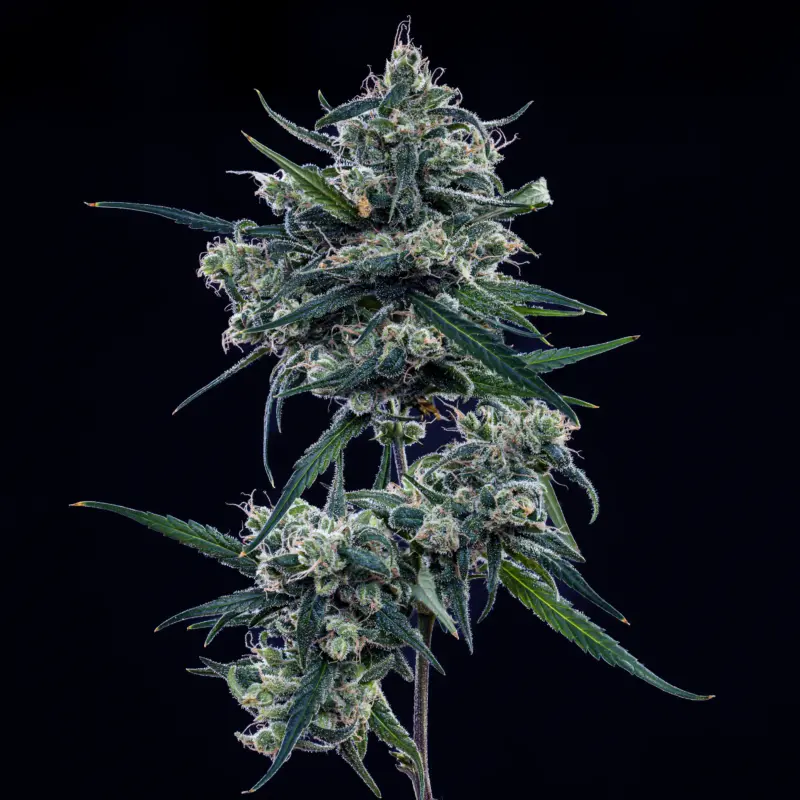
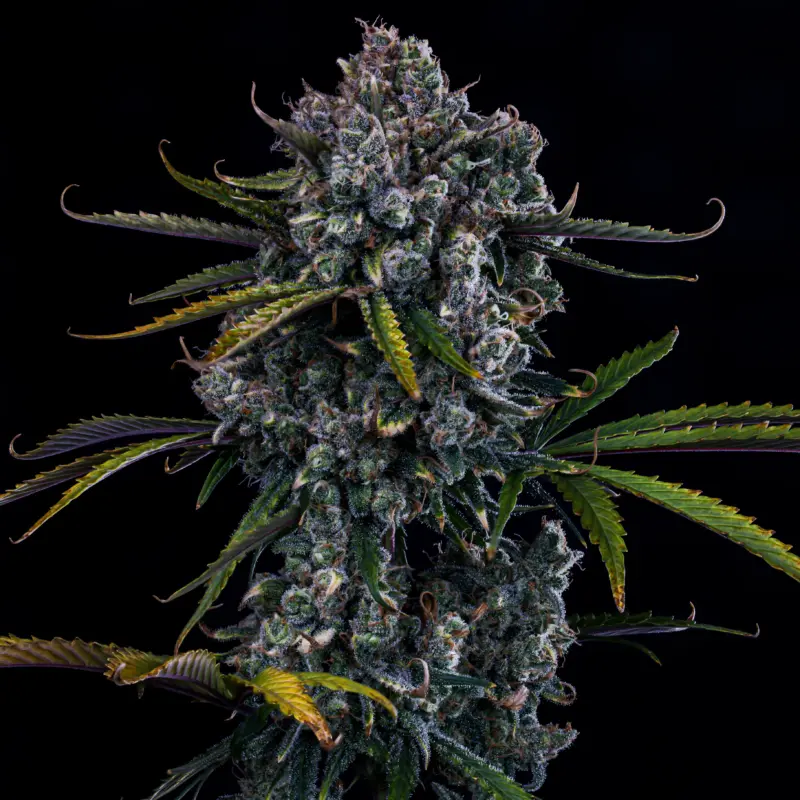
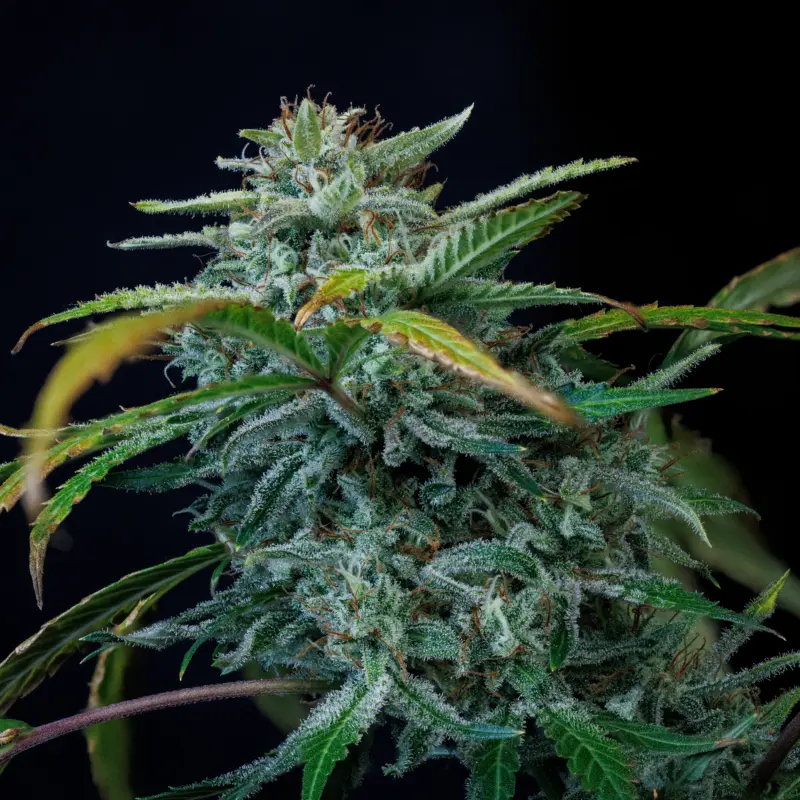
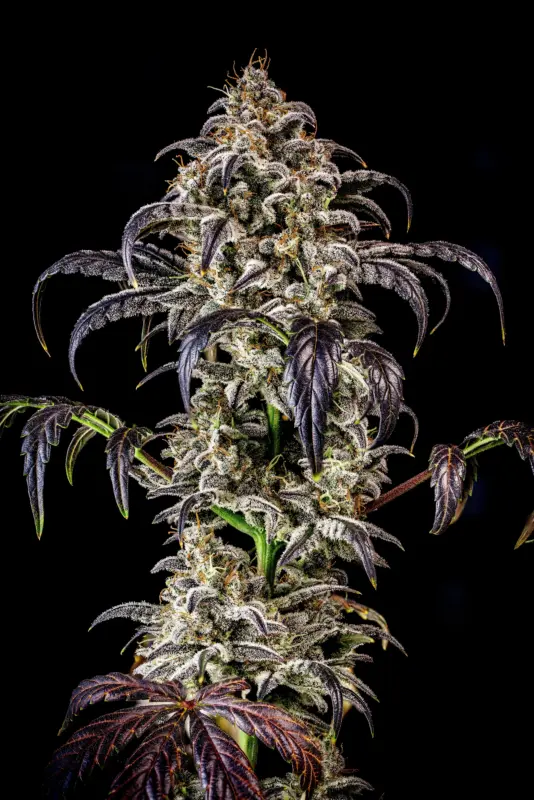
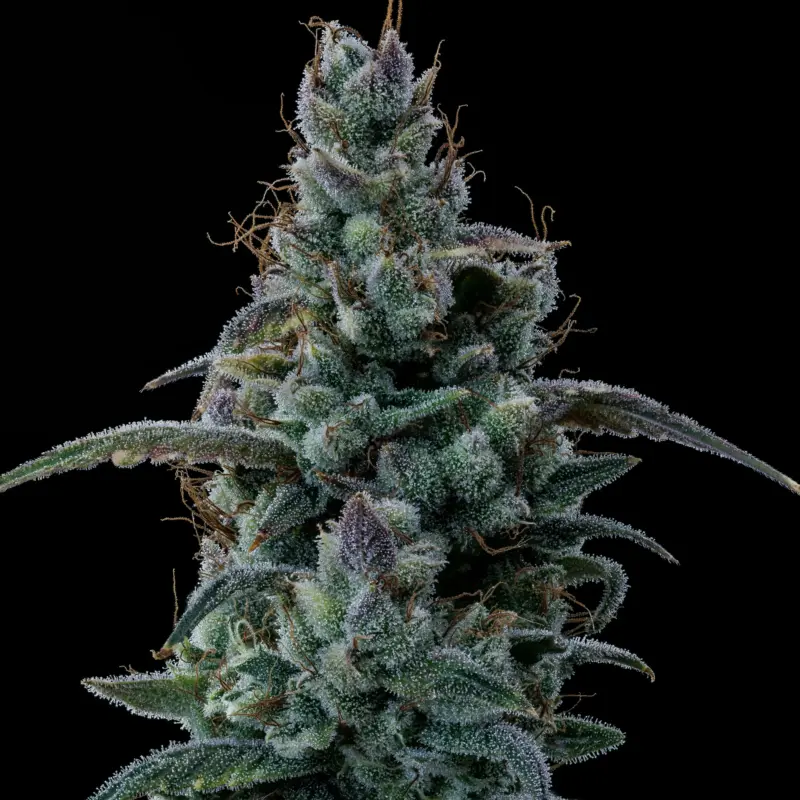
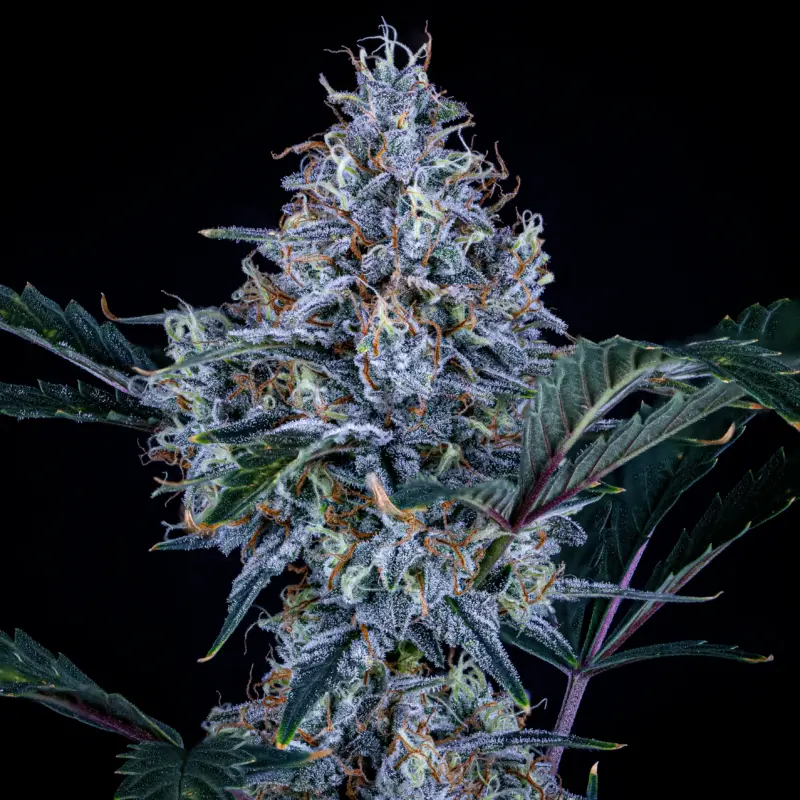
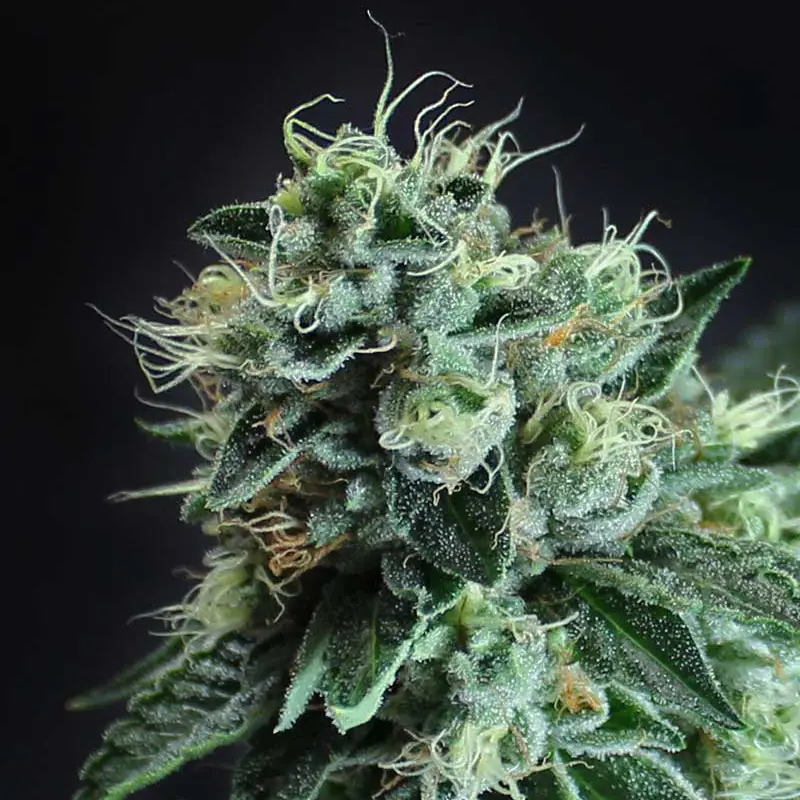
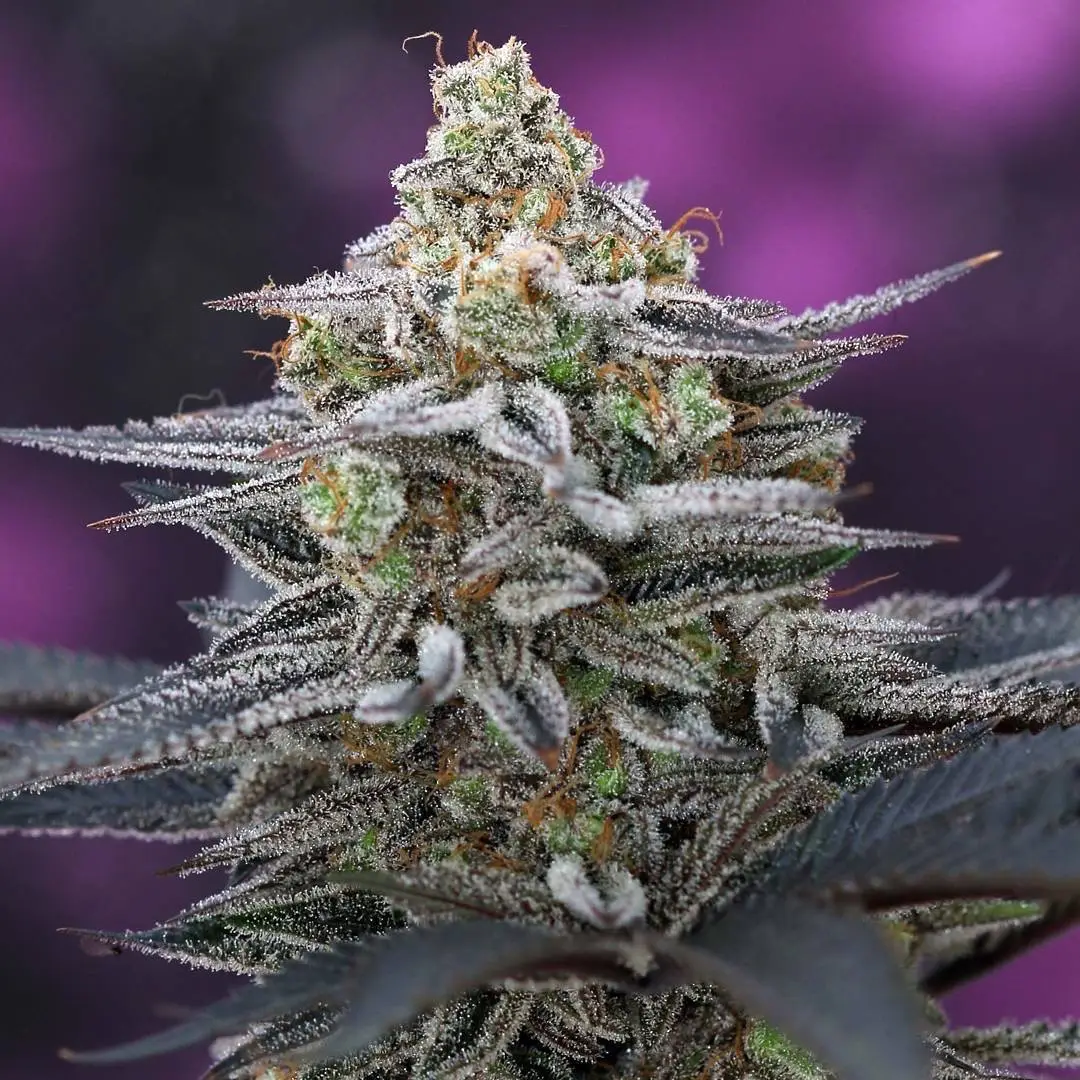
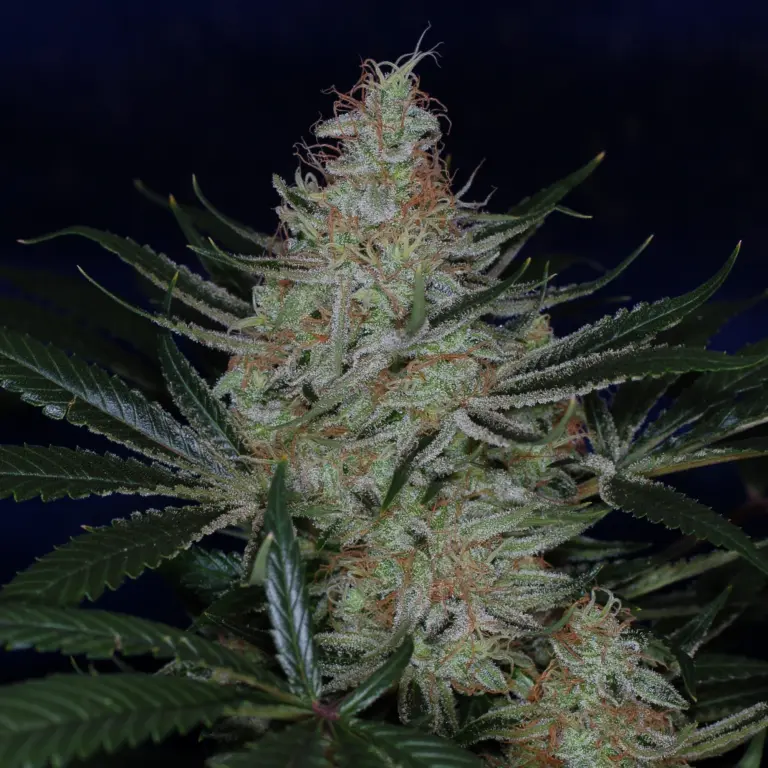
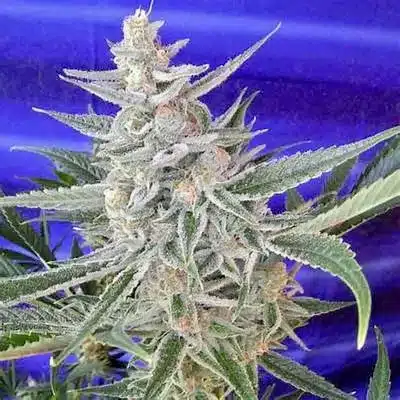
NASC Cast: Royal Queen Seeds

Before their seed bank was created in 2007, RQS had long-time knowledge and passion for cannabis breeding. Following enormous interest in their strains, they opened our first shop in Amsterdam, the Damstraat location, in 2010. In 2011 they launched the Royal Queen Seeds website. In 2016 they welcomed first clients in our shop at Carrer dels Tallers in Barcelona, Spain. In 2022, they opened their newest location in Bangkok, Thailand. In 2023, they started operating in the United States and launched the first true F1 Hybrid Cannabis seeds in the market! Today, RQS operates in the US and in 28 countries in Europe and offers 100+ high-quality strains, growing equipment, growing advice, knowledge, tips and more!


The NASC Cast Crew had the pleasure of sitting down with Max of Royal Queen Seeds. Listen to what he has to say below, and follow us on Vimeo for even more content!


More from the NASC Cast:


Explore seeds from Royal Queen!


And as always, Happy Growing!!

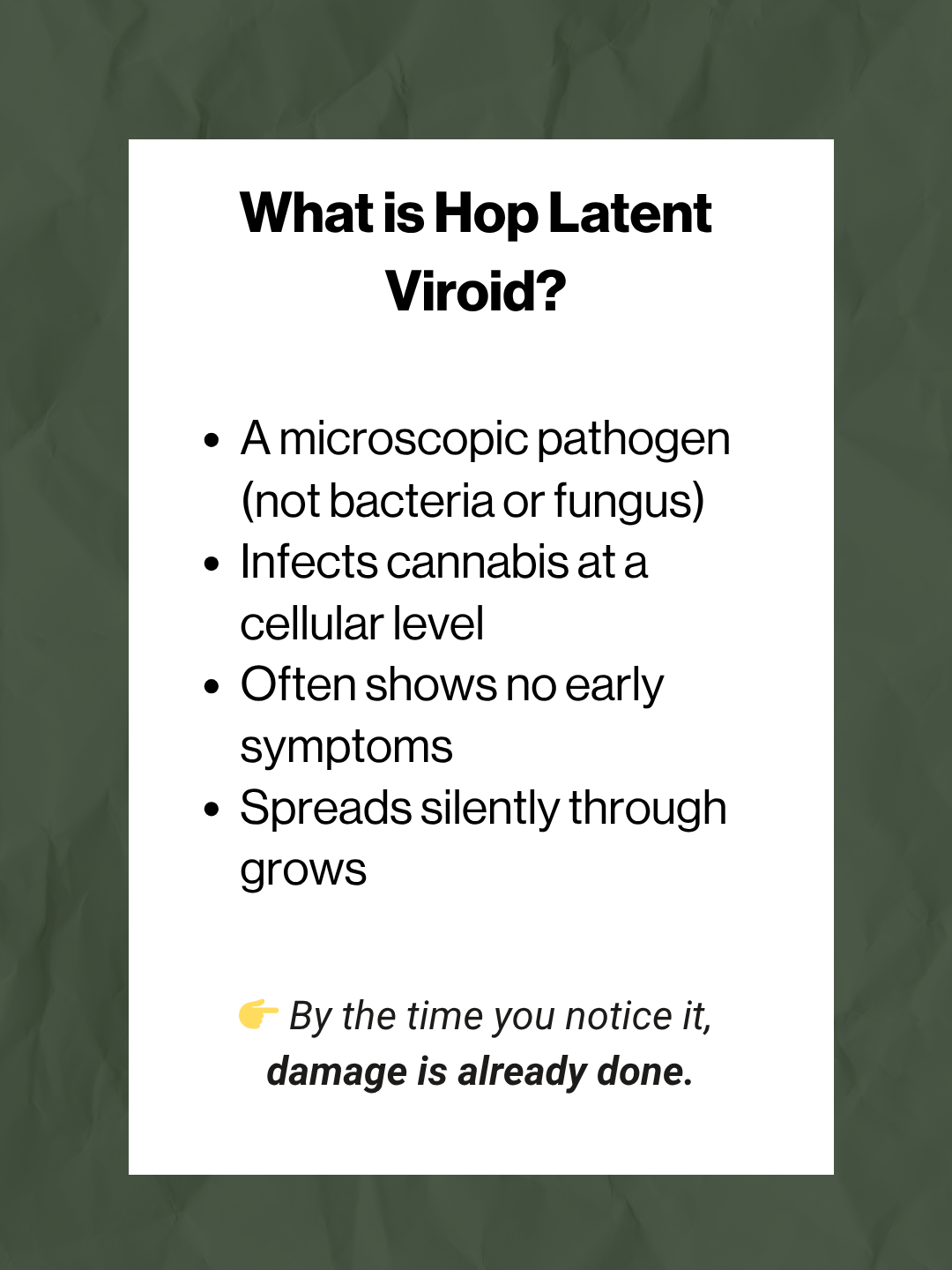
What is Hop Latent Viroid?

by Ben Morris, Head Breeder of Dirty Bird Genetics

Hop Latent Viroid (HLVd) is a highly infectious pathogen that consists of a single stranded loop of RNA.1 It is many times smaller than a typical virus and is actually a โ€œViroid.โ€ It is also known as โ€œduddingโ€ or the โ€œdudding disease.โ€ HLVd was first discovered in Hops in 19872 and has since then been discovered in Cannabis.3 One study has shown that up to 90% of grow facilities in California have tested positive for HLVd at some point and that the infection has spread across cannabis in the US.8 Other sources have stated that up to 40% of flower from retailers and dispensaries in Canada have also had positive test results for the pathogen.6

HLVd has caused significant crop loss for Cannabis farmers in the form of lower yields (translating to a possible 33% loss financially across some state markets),8 lower trichome content, and reduced terpene profiles.3 

HLVd is not only highly infectious but it remains hidden or dormant (latent) to observation until the cannabis plant experiences a secondary stress such as heat, over watering, pest infestation etc. that causes visual symptoms to occur.4 

Sometimes HLVd can start showing symptoms during the flowering stage, even if not visually detectable during the entirety of the vegetative growth. It can cause the plant to develop small, abnormal (sometimes spiky), and less potent buds all over resulting in loss of yield and potency.3,8

Some infected cannabis plants never show symptoms throughout their entire lives and this is another reason why HLVd can be spread so easily as growers may sell or trade cuttings or clones with others and not have any suspicion that those pieces of plant material may be harboring the viroid.4 Improper sterilization of cutting tools and the reuse of gloves across different plants can quickly spread the viroid throughout your grow room as well.3,5

HLVd can exist in most of a plantโ€™s tissues (stems, leaves, roots, etc.) but largely resides in the roots of cannabis plants. This does not mean leaves, stems, and buds are unaffected. The Viroid can take time to migrate through the entire plant as it enters the phloem (the vascular tissue responsible for conducting sugars and other metabolic products downward from the leaves) through a cut or tear in a stem or leaf, travels to the roots, and then spreads throughout the rest of the plant.6

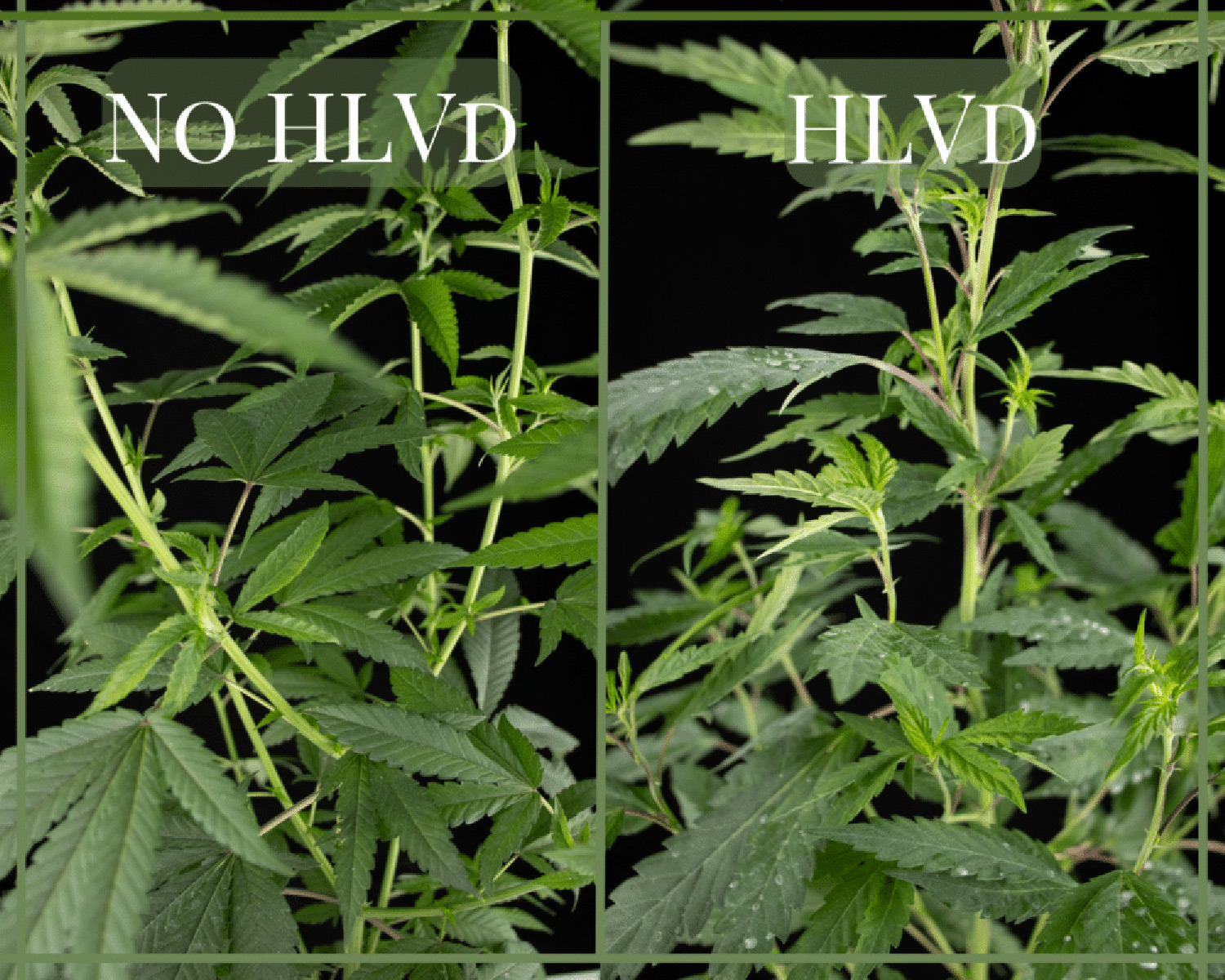
Left: a young veg plant showing normal leaf distribution with common morphology.
Right: An HLVd positive plant early in its vegging stage, showing clustering of new leaf growth and aberrant leaf morphology.

Symptoms

  • Shorter internodal spacing
  • Smaller leaves (sometimes with higher rates of chlorosis)
  • Stunting of bud size and morphology
  • Reduction of trichomes
  • Reduction of terpenes
  • Reduced overall plant vigor (weaker apical/main and lateral stalks)

How to Identify

As previously stated, visual observations of HLVd can include smaller buds with reduced trichome and terpene content during flower as well as abnormal leaf formation and stunted growth during all stages of a cannabis plantโ€™s life. However, visual observations can occur too late after a grow has already invested significant time and money into flowering many plants which results in loss of crop and profit.

The most accurate way to assess the status of cannabis plants is through one of two processes known as Reverse Transcription PCR (RT-PCR) and Quantitative PCR (qPCr) which can be performed by many commercial labs across the US.3,9 

Routine testing of mother plants, as well as any new clones or mothers introduced from outside your facility, is highly recommended. A schedule of up to 4 tests per nursery plant over a period of a month and a half has been suggested by one source.8 Another source has suggested isolating new plants for 30 days and testing on the third week of isolation.3 Regardless, testing is critical to ensuring the prevention and/or spread of existing HLVd in your grow facility.3,6

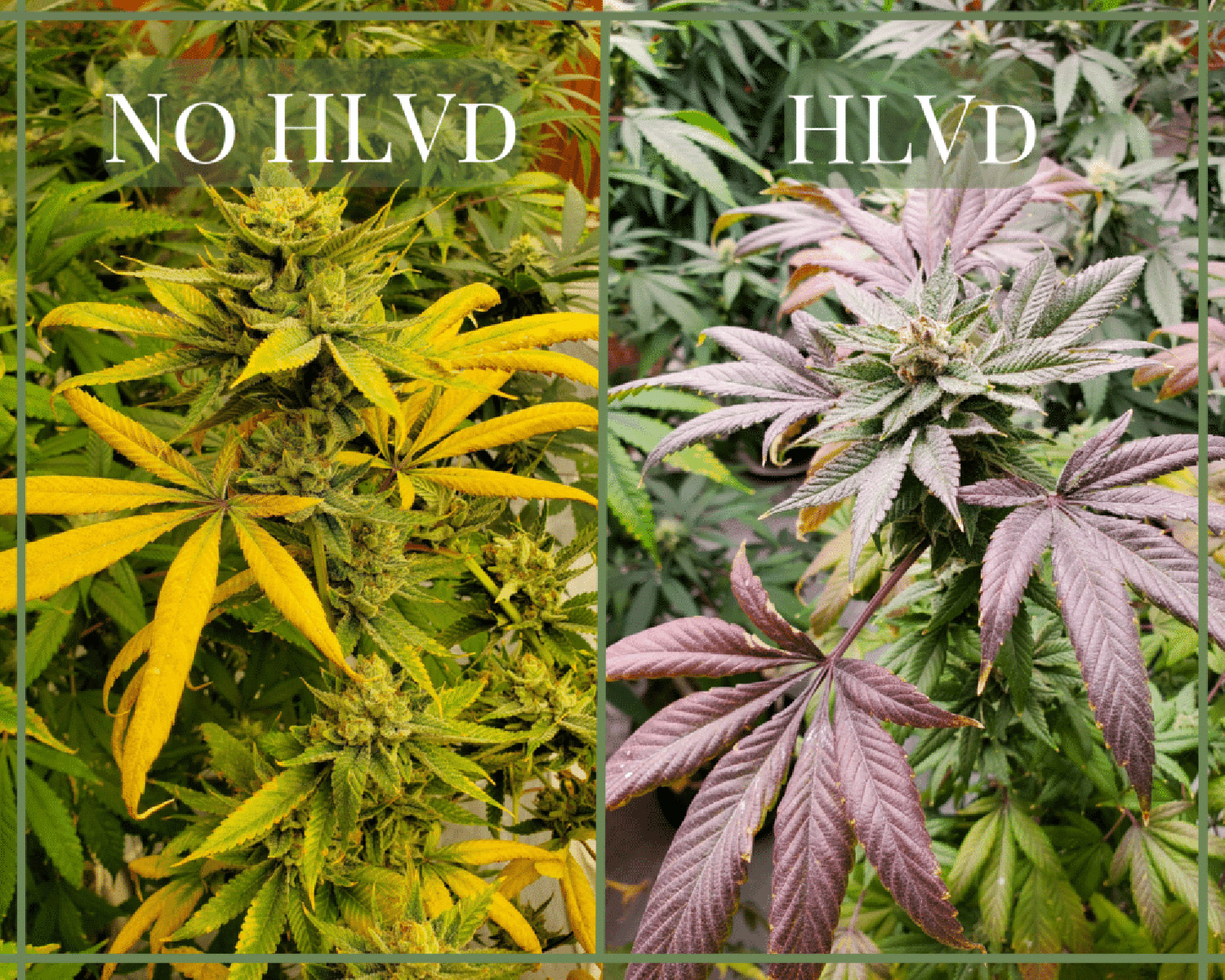
Left: A plant from the same pack of seeds at the same time in flower (week 7). Note the greater yield and more normal spacing on the leaves. This is closer to the normal presentation for this strain when uninfected by HLVd.
Right: ย A plant late in flower (week 7) showing greatly reduced yield from the norm. Note the small bud size and the tight spacing on the clusters of leaves. Reduced yield and leaf bunching are two of the most common observable effects of HLVd or the โ€˜dudding virus.โ€™ย 

Transmission

HLVd is mainly spread by mechanical transmission.5,6 This refers to dirty cutting tools, unwashed hands, dirty gloves, and any other contaminated objects coming in contact with a plantโ€™s tissue. 

HLVd can also be spread through aqueous transmission (through water). For example, a non-infected clone can become infected if it is in the same cloner as an infected clone. Even if the two clones never have root-root contact, HLVd can move through the water from one infected plant to the roots of all the other clones in the same cloner. This also means plants that share drip trays or saucers could potentially end up infecting healthy plants when water run off from the bottom of an infected plantโ€™s pot can mix with the roots and soil of the healthy plant.5,6

There are no published reports currently that show insect transmission of hop latent viroid in cannabis. However, many other viroids are spread by insects, making insect transmission of HLVd a high possibility. It is good practice to limit your cannabis plants exposure to bugs (best pest management practices, healthy plants, good environmental controls, etc.) as many other viruses and pathogens are spread by insects.7

Best Practices for Prevention

Isolate any new cuttings or established plants coming from outside of your facility. Make sure to test these plants before integrating them with the rest of your grow. 

Change gloves when working with multiple plants. One pair of gloves per plant.

Clean cutting tools with at least a 10% solution of bleach that contains 5.25% sodium hypochlorite for at least 10 seconds in between taking cuttings from one plant to the next. Also clean any work surfaces that come in contact with plant material. 3,4,5 Isopropyl alcohol will not kill the viroid so bleach is required for efficient removal of HLVd from cutting/workstation surfaces.10

Avoid having plants share drip trays/saucers if possible (due to aqueous transmission).5,6

Destroy any plants that are infected or remove them from your grow to be treated for HLVd through tissue culture (only recommended if the cultivar is critical to your business due to time and financial cost of tissue culture).

Summary

HLVd can be a devastating issue for any grower whether itโ€™s the home or commercial cultivator. HLVd can remain dormant for a long time and may never show symptoms while it spreads throughout a grow. Mechanical transmission through dirty/used cutting tools and gloves is the number one method of transmission of the viroid. Through routine testing, via RT-PCR or qPCR methods, and employing best practices in cleanliness all growers can limit the spread of this pernicious pathogen and get the quality flower we all love.

References

1: Puchta H, Ramm K, Sanger, H L. The molecular structure of hop latent viroid (HLV), a new viroid occurring worldwide in hops. Nucleic Acids Res. 1988 May 25; 16(10): 4197โ€“4216.
doi: 10.1093/nar/16.10.4197. PMID: 2454454. https://www.ncbi.nlm.nih.gov/pmc/articles/PMC336624/#:~:text=The%20viroid%20nature%20of%20HLV,%2C%20rod%2Dlike%20secondary%20structure.

2: Pallas V., Navarro A., Flores R. Isolation of a viroid-like RNA from hop different from hop stunt viroid. J. Gen. Virol. 1987;68:3201โ€“3205. doi: 10.1099/0022-1317-68-12-3201. https://www.microbiologyresearch.org/content/journal/jgv/10.1099/0022-1317-68-12-3201

3: Adkar-Purushothama C.R., Sano T, Perreault J.P. (04 March 2023). Hop Latent Viroid: A Hidden Threat to the Cannabis Industry. MDPI. doi: 10.3390/v15030681. PMID: 36992390.https://www.ncbi.nlm.nih.gov/pmc/articles/PMC10053334/

4: Encore Labs (2023). What is Hop Latent Viroid?. Web page accessed 06/2023. https://www.encore-labs.com/what-is-hop-latent-viroid

5: Hadidi A, Sun L, Randles J W. Modes of viroid transmission. Cells. 2022 Feb; 11(4): 719. Published online 2022 Feb 18. doi: 10.3390/cells11040719. PMID: 35203368. https://www.ncbi.nlm.nih.gov/pmc/articles/PMC8870041/

6: MedicinalGenomics (2023). Hop Latent Viroid in Cannabis. Web page accessed 06/2023.
https://medicinalgenomics.com/hop-latent-viroid-in-cannabis/#:~:text=Since%20HLVd%20is%20highly%20concentrated,root%2Dto%2Droot%20contact.

7: Tumi genomics (2022). Hop Latent Viroid. web page accessed 06/2023. https://tumigenomics.com/hop-latent-viroid-information

8: Sandy, E. (2021). Dark Heart Nursery Research Finds 90% of California Facilities Test Positive for Hop Latent Viroid. Cannabis Business Times. https://www.cannabisbusinesstimes.com/article/cannabis-hop-latent-viroid-infections-dark-heart-nursery-crop-loss/

9: Punja, Z K (2021). Emerging diseases of Cannabis sativa and sustainable management. Pest Management Science 01 February 2021. https://doi.org/10.1002/ps.6307

10: Oaksterdam University (2021). Plant Talk: Hop Latent Viroid. First published 5 November 2021. Web page accessed 06/2023. https://oaksterdamuniversity.com/plant-talk-hop-latent-viroid/


HAPPY GROWING!

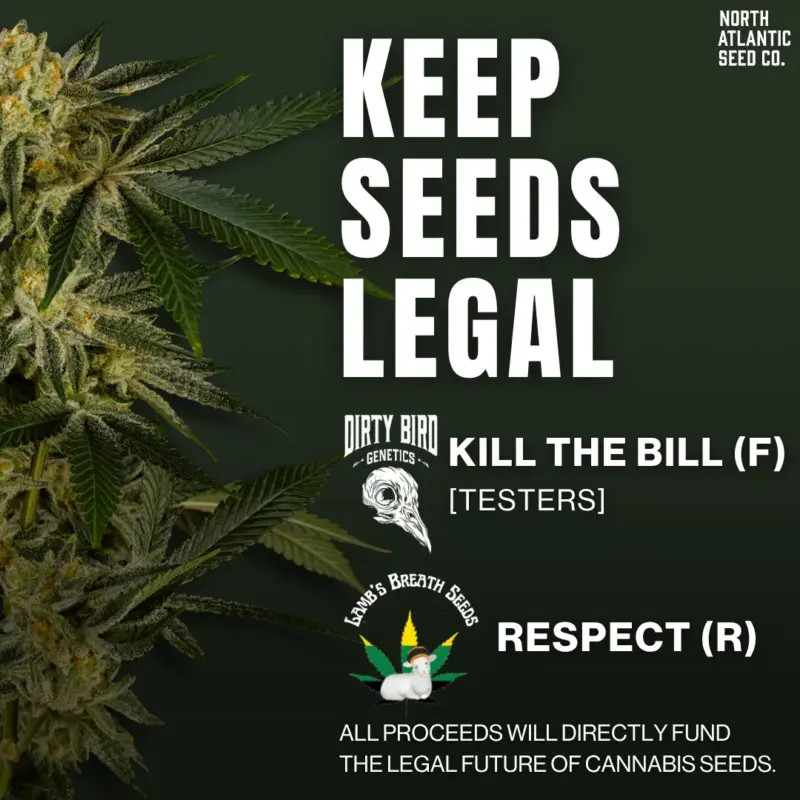
Keep Seeds Legal by Jim Riddle, Lambs Breath

Keep Seeds Legal - Proceeds Go Towards Preserving Seeds

In 2022, the DEA ruled that all cannabis seeds are "hemp" because the seeds themselves contain no THC. That ruling allowed for the legal interstate sale of cannabis seeds. USPS and other shippers began handling seeds. Banks and credit card processors started providing services to the cannabis seed sector. 

A new โ€œhemp banโ€ passed by congress reverses the DEA ruling by removing cannabis seeds from the definition of "hempโ€ if the mother plant contained over 0.3% THC. 

While most of the hemp industry is focused on delaying or reversing the intoxicating hemp product ban, the seed issue gets little attention.

The cannabis seed sector and its supporters need to push for a narrow law change that either deletes the new seed definition, or that amends the law by requiring that all cannabis and hemp seeds be regulated under the Federal Seed Act, which is a truth-in-labeling law. 

If the Section 781(c)(1) of the law goes into effect in November 2026 as written, it will become illegal to ship cannabis seeds internationally and between states; USPS and other shippers will likely stop delivering seeds; banks and credit card processors may pull out of the seed market; and the future of legal cannabis genetics will be damaged.

As another breeder put it, โ€œLawful access to cannabis and hemp genetics matters for research, agriculture, education, medical study, preservation, and innovation."

Please contact your U.S. Senators and Representatives and ask them to delete or amend 781(c)(1) to keep cannabis seeds legal.

Contact your members of Congress here:

https://democracy.io/#!


By purchasing one of the following packs, you can help fund the legal future of cannabis seeds! Donation options also available at checkout!

Products by Category


Breeder Spotlight: Mephisto Genetics

Mephisto Genetics shares 3 tips for new growers, an update about their recent trip (and win!) at the American Autoflower Cup and their top recommendations! Don't miss out on all the great deals from Mephisto Genetics for Breeder of the Week!

Mephisto Discord Giveaway

3 TIPS FOR NEW GROWERS

Pick a growing style that works for you

The very first step new growers will take when beginning to grow autoflowers is choosing a growing style. There are many ways to successfully grow, and each system will have its own unique benefits and limitations. Prior to germinating their first seeds, new growers will want to choose whether they will be growing indoors, outdoors, or under mixed lighting. They will need to also select a growing medium, as well as a watering style and nutrient regiment. To ensure a successful grow, it is imperative that new growers research and select a system that works best within their own unique parameters and preferences. 

Source genetics that both meet your preferences and work best in your chosen system

When selecting genetics, new growers will want to source varietals that first and foremost meet their individual preferences. This may include strain lineage, flavor profile, effect, THC%, etcโ€ฆ However itโ€™s also important to select varietals that work best within a chosen system. For example, certain strains will grow smaller, while others grow larger. Some are better for indoor growing while others work well for outdoor growing. Some strains are heavier feeders while others are lighter feeders. Once a system is chosen, new growers can select genetics that work best within them to strengthen the odds of having a successful first run. 

Familiarize yourself with how to dial in environmental and lighting needs for your plants. 

Autoflowers grow best within an optimal environmental range. The three pillars of this include temperature, humidity, and light. To dial in temperature and humidity, growers should familiarize themselves with Vapor Pressure Deficit (VPD). To understand how much light a plant will need within a day, growers should familiarize themselves with Daily Light Integral (DLI). Lastly, proper airflow is imperative to regulating the environment of a garden. It prevents unfavorable microclimates by moving new air in and taking old air out. 


MEPHISTO GENETICS x AMERICAN AUTOFLOWER CUP

January 2026 marked the 4th annual American Autoflower Cup, and this year our team made it out to Los Angeles, CA in full force! To celebrate our community, the Mephisto Genetics team hosted a meet & greet at The Woods in West Hollywood.  Here, the MG team were able to connect with close members of our community. This included a few of our esteemed testers. Being able to connect face to face with our testers in an environment where we could open jars, calibrate our palates to one another, and intelligibly discuss flavor profiles and derive aromatic notes was priceless. The ambiance inside of The Woods garden lounge made the perfect backdrop to this epic meetup of growers and testers. 

505 Headbanger just won Highest THC Autoflower 2026 at the American Autoflower Cup and North Atlantic Seed Co. is offering it with auto carts over $35 this week! This unreleased strain is sure to be a huge hit!

See all the American Autoflower Cup Winners HERE: https://americanautoflowercup.com/

Mephisto 505 Headbanger Sitewide Special Banner

MOST POPULAR RECOMMENDATIONS FROM MEPHISTO GENETICS

Outdoor: Alien vs. Triangle / Beary Berry Punch

Alien vs. Triangle

Beary Berry Punch

Beginner Friendly: Sour Stomper / Grape Crush

Sour Stomper

Short Grow Cycle: Mango Runtz / 24 Carat

Mango Runtz

24 Carat

Resistance to Disease: Canna Cheese 1:1 / 3 Bears OG

3 Bears OG

High Yield: Old School Blues / HubbaBubbaHaze

Old School Blues

HubbaBubbaHaze

High THC: 505 Headbanger / Double Grape

505 Headbanger

Double Grape

Terpene Heavy: Guava Fig / Sundae Thumper

Guava Fig

Sundae Thumper

Extract: 4 Assed Monkey / Gelauto #33 

4 Assed Monkey

Gelauto #33

Smoke Report: Omaha Jazz by Seed & Soil


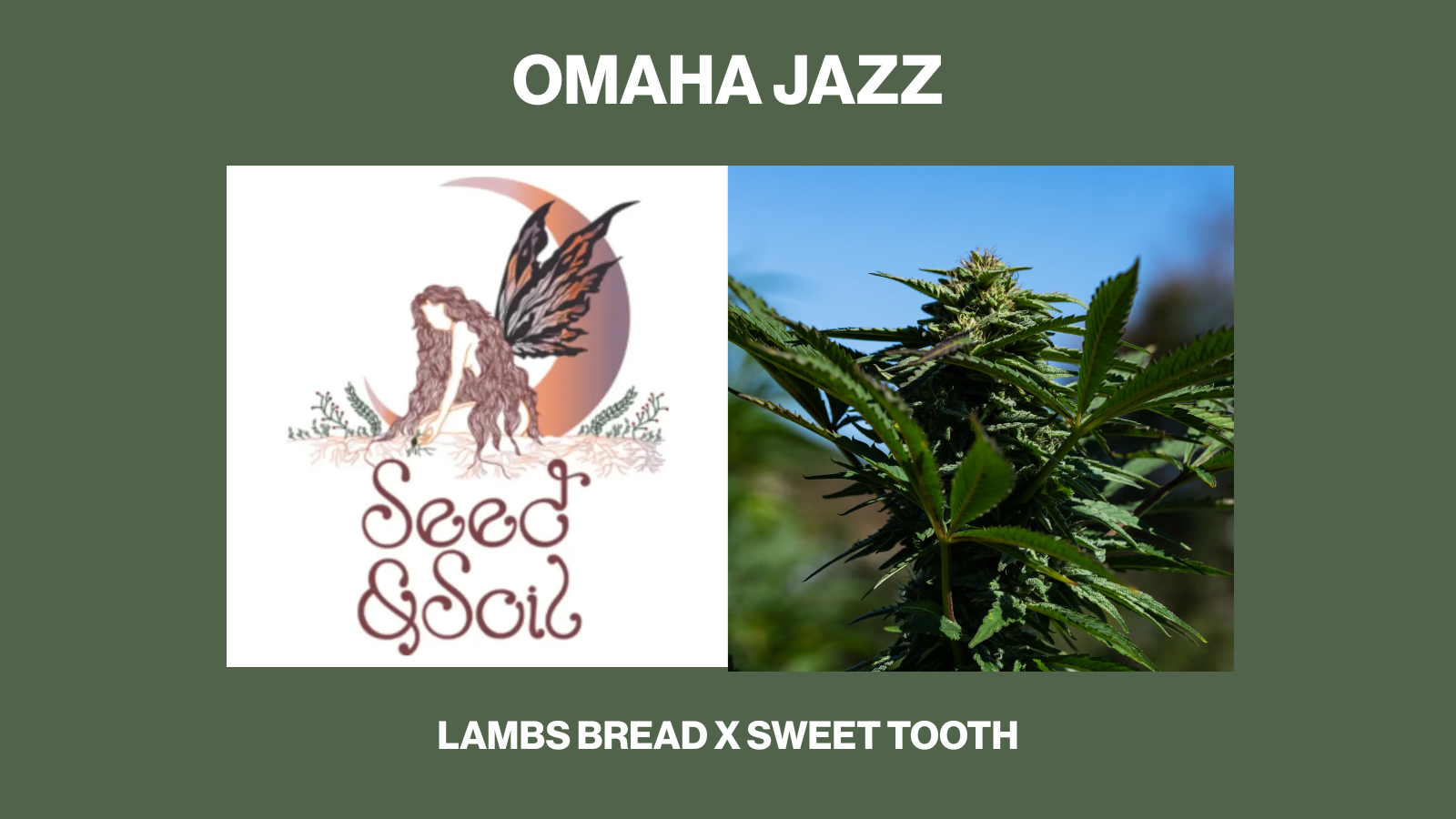
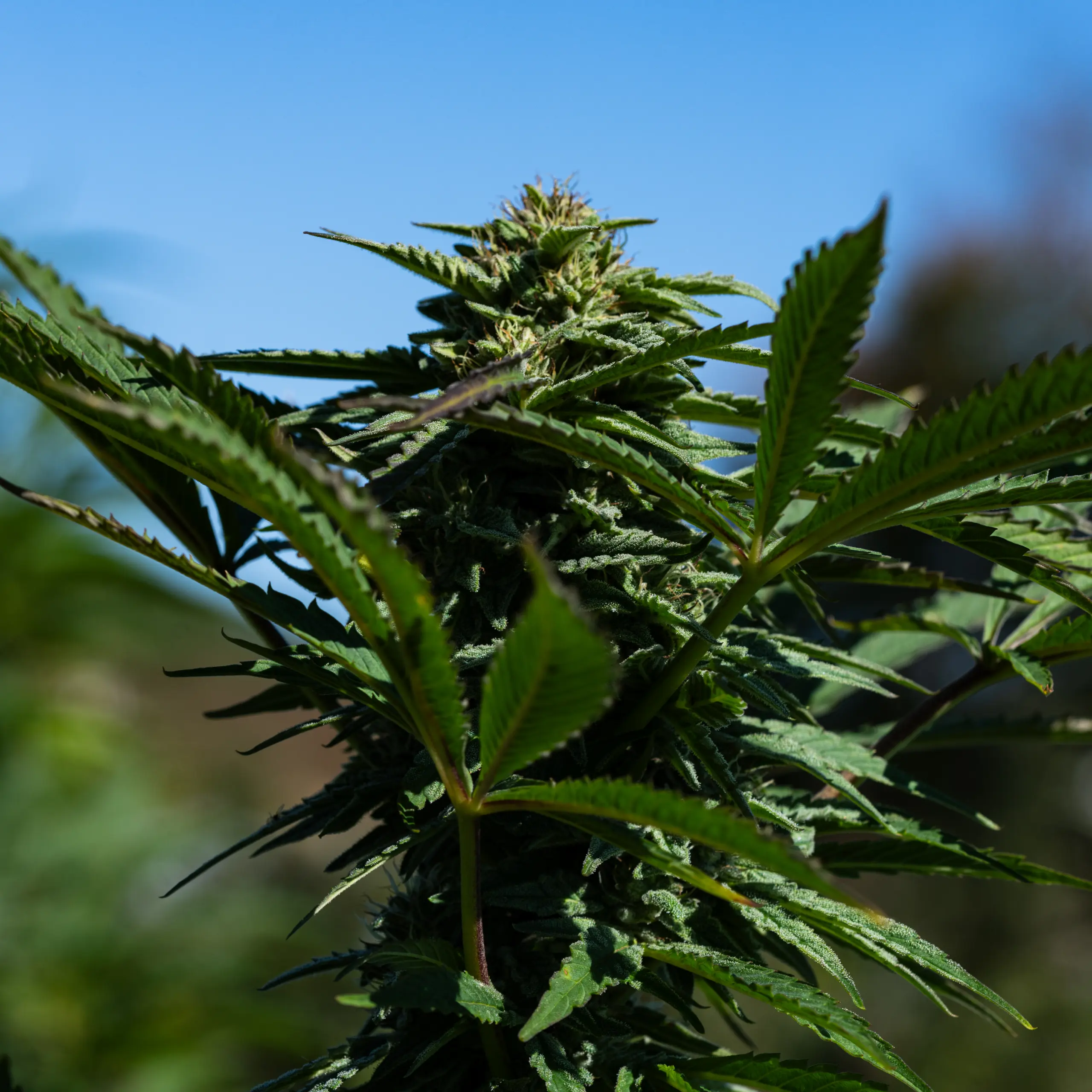
At NASC, we take a lot of pride in being a Maine business and we are lucky enough to have a couple of Maine breeders on our menu, such as Seed & Soil. For this smoke session, we tried their Omaha Jazz, a strain with an interesting history and a very desirable effect. Read on to learn about our experiences!


When I got my baggy of Omaha Jazz, I immediately opened it to take a whiff. I was taken aback by this big, pungently sweet and citrus aroma. It reminded me of fruit, sunlight, and warmer days, which is the complete opposite of the current, frigid Maine-winter. In addition to a memorable aroma, I loved the way this one made me feel. It is balanced, functional, long-lasting, and a total mood-booster. I felt physically loose, mentally calm, alert, and happy. I can see this being a great strain for laid-back creative and social activities. Morning usage put a pep in my step while doing tasks and it pushed me out of a grumpy slump and into bliss. I am always in complete awe of strains that possess the magic to lift my mood like this and Omaha Jazz succeeded. ย 
- Crystal


Omaha Jazz has a sweet, smoky aroma that gives a powerful high. It burns slowly so you can really relax while you smoke and enjoy the ritual. Itโ€™s been said to have an โ€œunmistakable perfumeโ€ which is absolutely true. This โ€œSweet Jazzโ€ inspiration strain smells good as it burns. Itโ€™ll leave you feeling relaxed but still alert, so itโ€™s great for chilling on the couch watching a show (and probably enjoying a few snacks, letโ€™s be honest.) The effects last several hours so itโ€™ll last you through a chill evening into a restful sleep! Definitely recommend!
- Mariah


Check out the NASC Cast interview featuring Ben of Seed & Soil!


And As Always, Happy Growing!

Subcool Seeds: Notes From the Breeder

Subcool shares 3 tips for new growers, their favorite breeding project & a story!

BREEDER OF THE WEEK NASC JOURNAL FEATURE


BREEDER INTRO:

Subcool Seeds is dedicated to continuing Subcoolโ€™s legacy, bringing his legendary strains to a new generation of growers.


3 TIPS FOR NEW GROWERS:

1. Start Simple & Learn the Plant

New growers often try to do too much too fast. Pick a solid medium, a proven feeding plan, and give the plant time to show you what it needs. Healthy cannabis communicates clearly โ€” leaf color, posture, and growth rate will tell you far more than any chart ever will.

โ€œStrong roots and steady growth matter more than chasing perfection.โ€


2. Donโ€™t Overlove Your Plants

Overwatering, overfeeding, and constant adjustments are some of the most common beginner mistakes. Cannabis prefers consistency. Let the medium dry properly between waterings, feed lightly, and avoid changing multiple variables at once.

โ€œLess intervention usually leads to better results.โ€

3. Genetics Matter โ€” Choose Wisely

Starting with quality genetics sets the foundation for success. Stable, well-worked lines are more forgiving, express better traits, and help new growers learn without unnecessary frustration. A great grow starts long before the seed ever hits the soil.

โ€œGood genetics wonโ€™t fix every mistake, but theyโ€™ll forgive many of them.โ€


FAVORITE BREEDING PROJECT

Thatโ€™s a tough one for us because the honest answer is we donโ€™t really have a single favorite.

Right now, our focus is on preserving and continuing the iconic cultivars Subcool spent his career creating and championing. Each project carries its own history, personality, and purpose. Some are about flavor, some about structure, some about balance and some are simply about keeping something special from being lost to time.

At the same time, weโ€™re thoughtfully bringing these genetics from 2012, into 2025, and beyond. Subโ€™s work was truly ahead of its time, so our goal isnโ€™t to reinvent it; itโ€™s to let it keep speaking in todayโ€™s market. That means carefully selecting for louder terpene expression, improved resin production, and extract-friendly traits, while maintaining the character, soul, and integrity that made these strains iconic in the first place.

If thereโ€™s a โ€œfavorite,โ€ itโ€™s the process itself: honoring the original work, selecting with intention, and ensuring these genetics remain available, true, and accessible for future growers. Every preservation project is a reminder that great genetics donโ€™t just happen; theyโ€™re built, protected, and passed forward.

Sub always said the plants would tell you what mattered and we listen. Our favorite projects are the ones that protect his legacy: preserving the cultivars he believed in, refining them with care, and carrying them forward without losing what made them special.


BREEDER OUTRO: A STORY, TO CLOSE

Itโ€™s honestly impossible to narrow it down to one story. Some of our favorite moments werenโ€™t about a single smoke sesh, but about the rooms we were lucky enough to be in. Weโ€™ve shared joints, laughs, and long conversations with some true legends of the plant; Subcool, Kyle Kushman, Mr. Soul, OG Raskal, Ross (one of the creators of GG4), and many others who helped shape modern cannabis. What stands out most isnโ€™t just who was there, but the energy: growers swapping stories, debating terps, laughing about failures, and passing knowledge the same way it always has; one bowl at a time. Those moments remind us that cannabis has always been about community, curiosity, and respect for the plant and the people who came before us. That spirit is something we try to carry into our garden every single day.


MOST POPULAR NASC RECOMMENDATION CATEGORIES


AND AS ALWAYS, HAPPY GROWING!

Contact Us

Email:
[email protected]

Mailing Address:
PO Box 2724
Waterville, ME 04903

Frequently Asked Questions

Customer Service:
Mon. to Fri.: 9am to 4pm EST

Shipping:
Monday โ€“ Friday


Disclaimer: Cannabis seeds are sold as souvenirs, and collectibles only. They contain 0% THC. It is imperative that you check your state and local laws before attempting to purchase seeds, and we are not liable for what you do with seeds after receiving them. The statements on this website and its products have not been evaluated by the Food and Drug Administration. These products are not intended to diagnose, treat, cure or prevent any disease. Consult your doctor before use. North Atlantic Seed Company assumes no legal responsibility for your actions once the product is in your possession and is not liable for any resulting issues, legal or otherwise, that may arise.