Extraction Recommendations


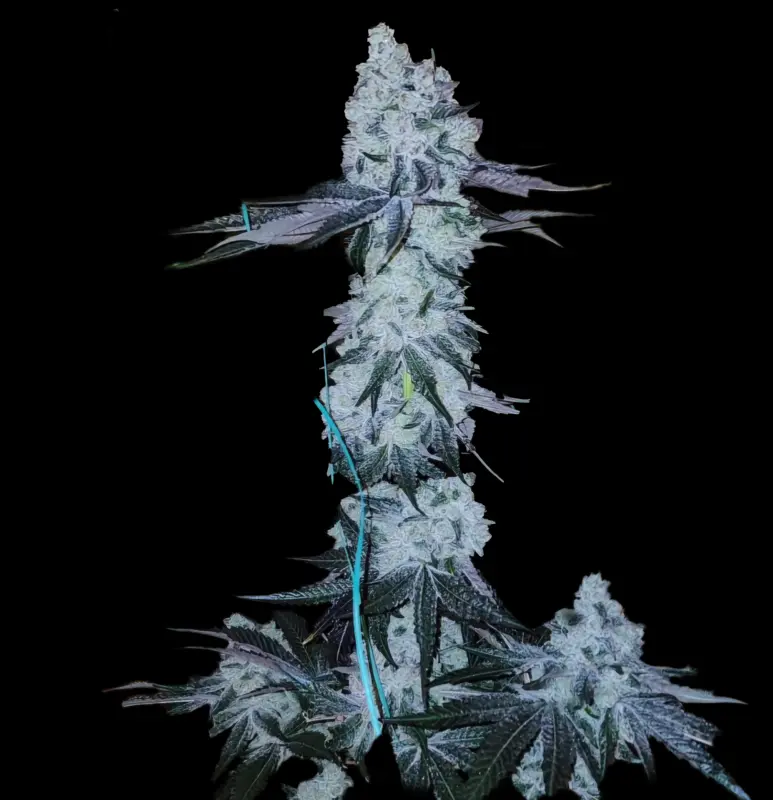
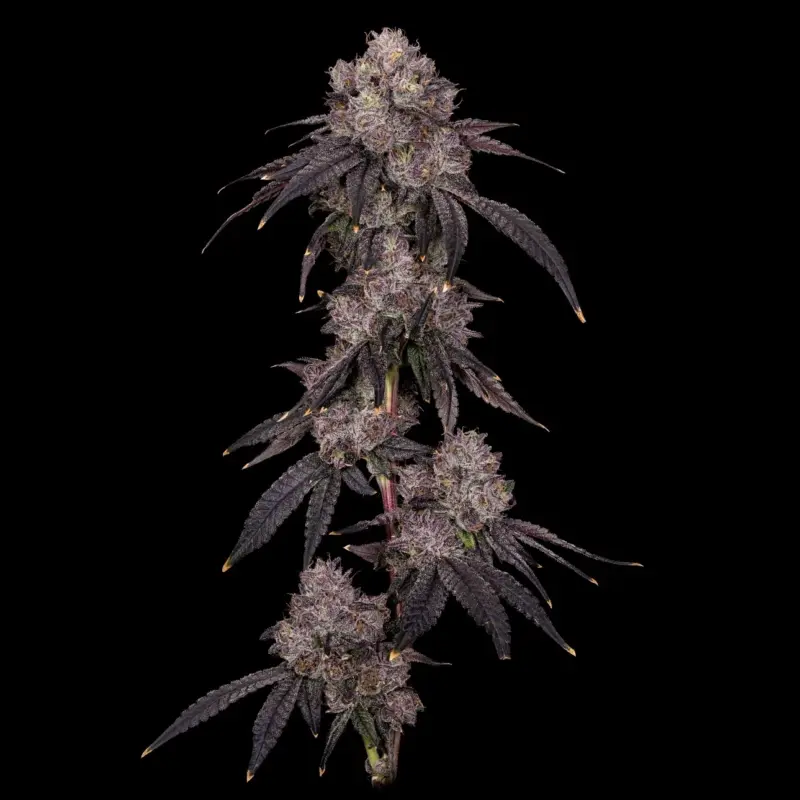
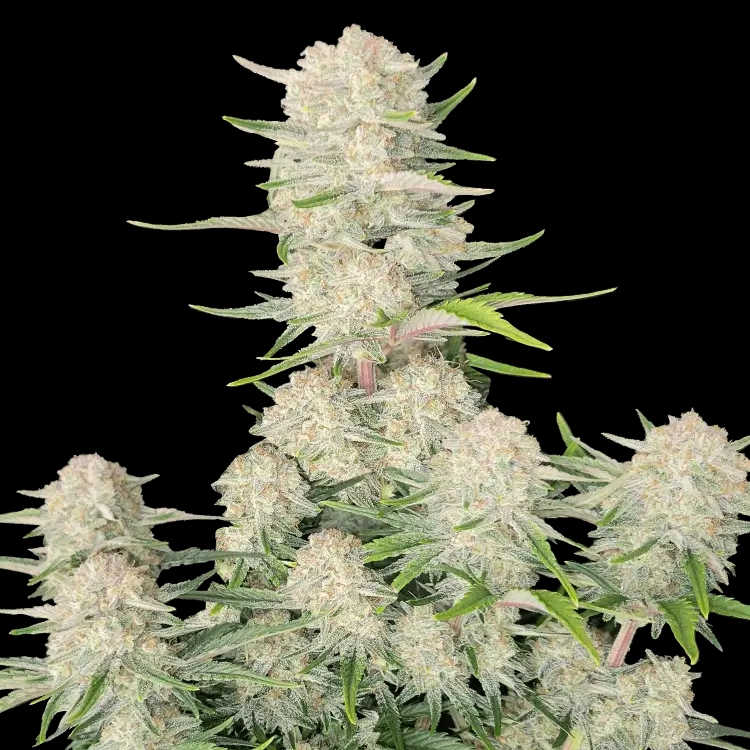
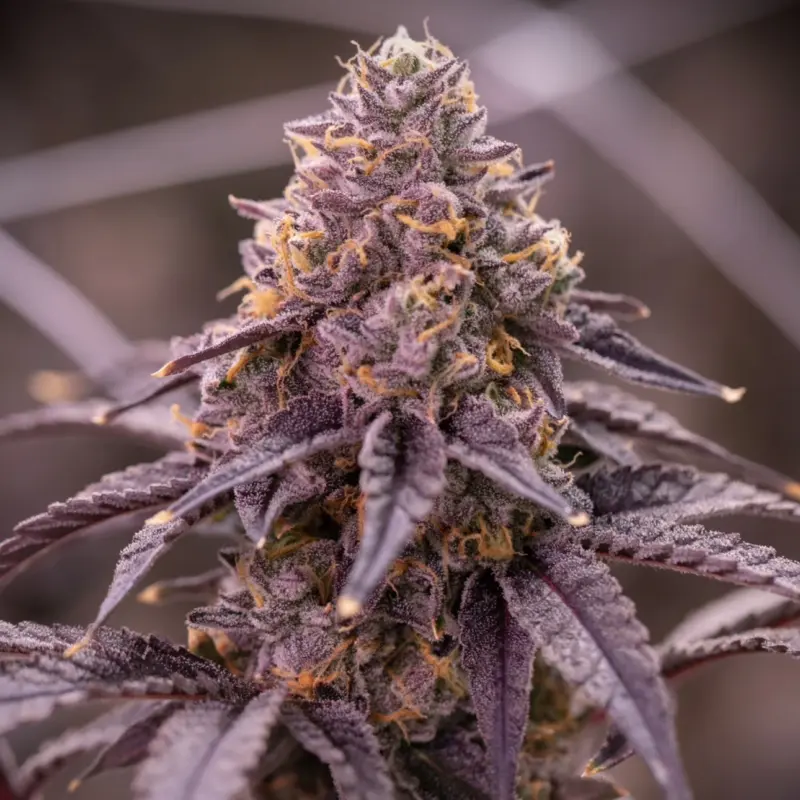
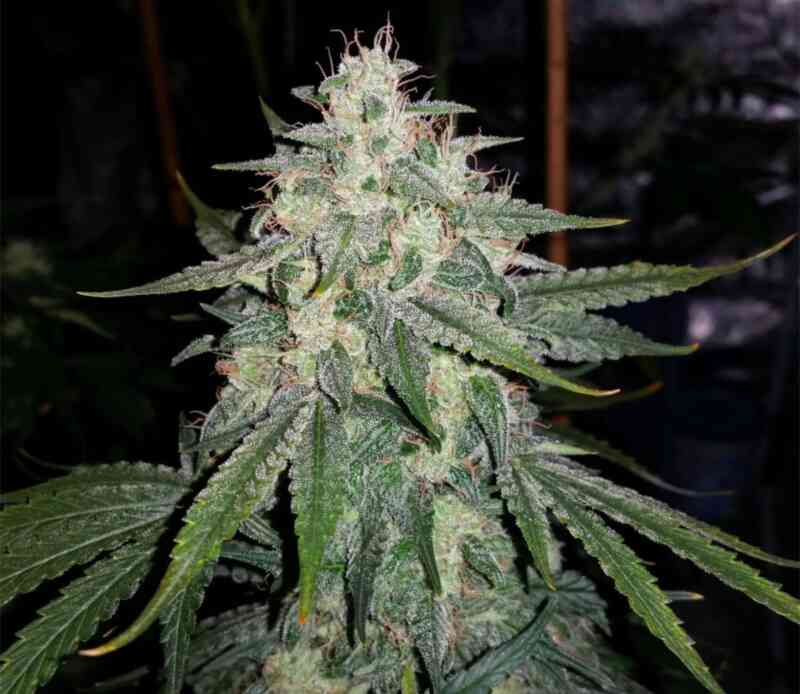
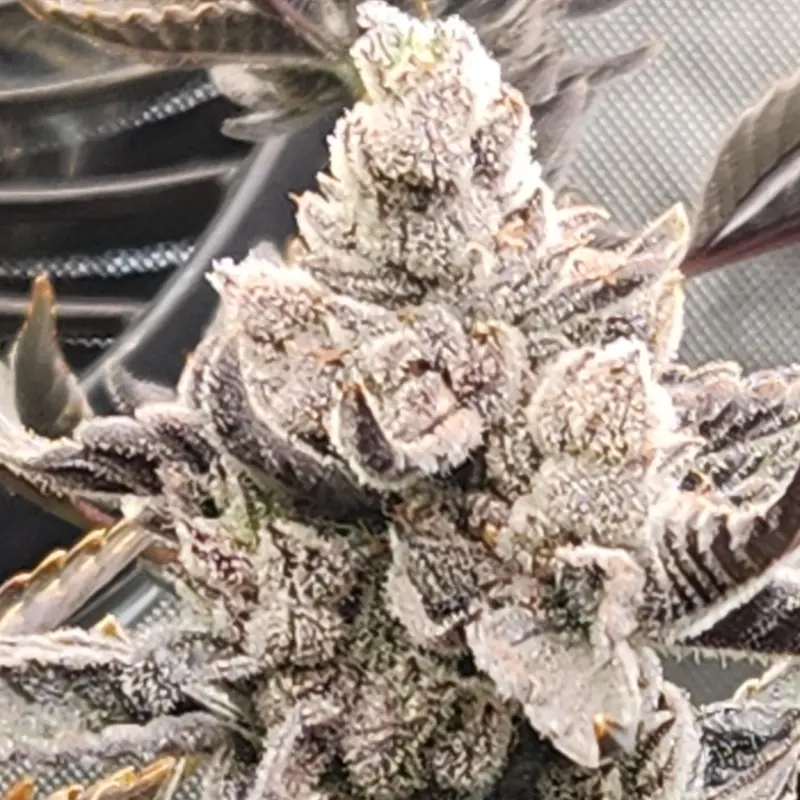
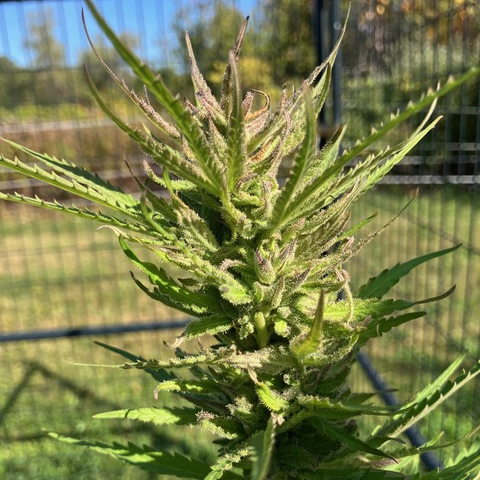
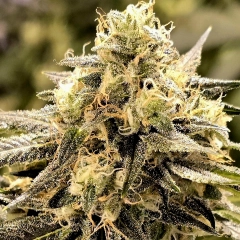
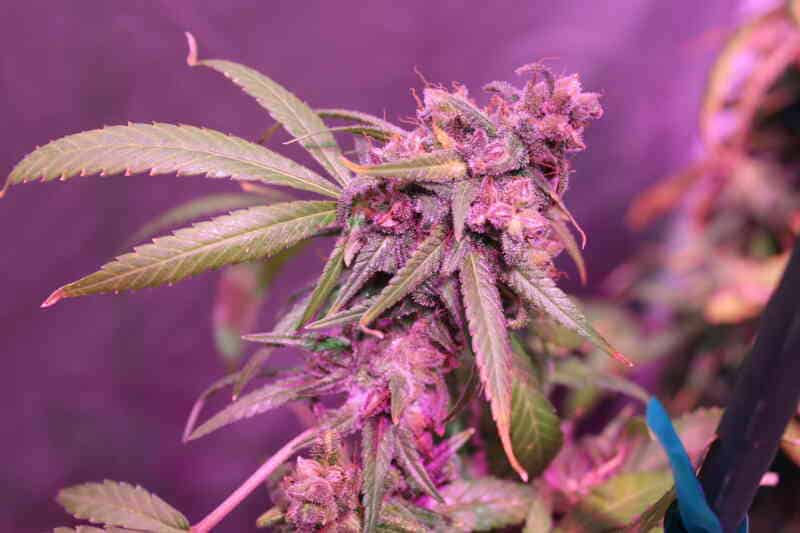
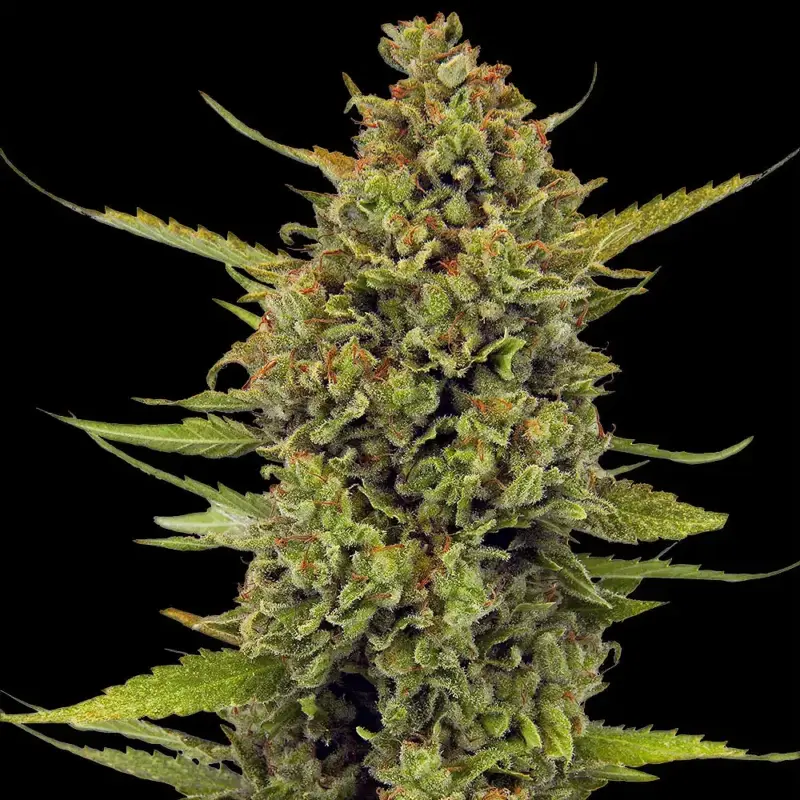
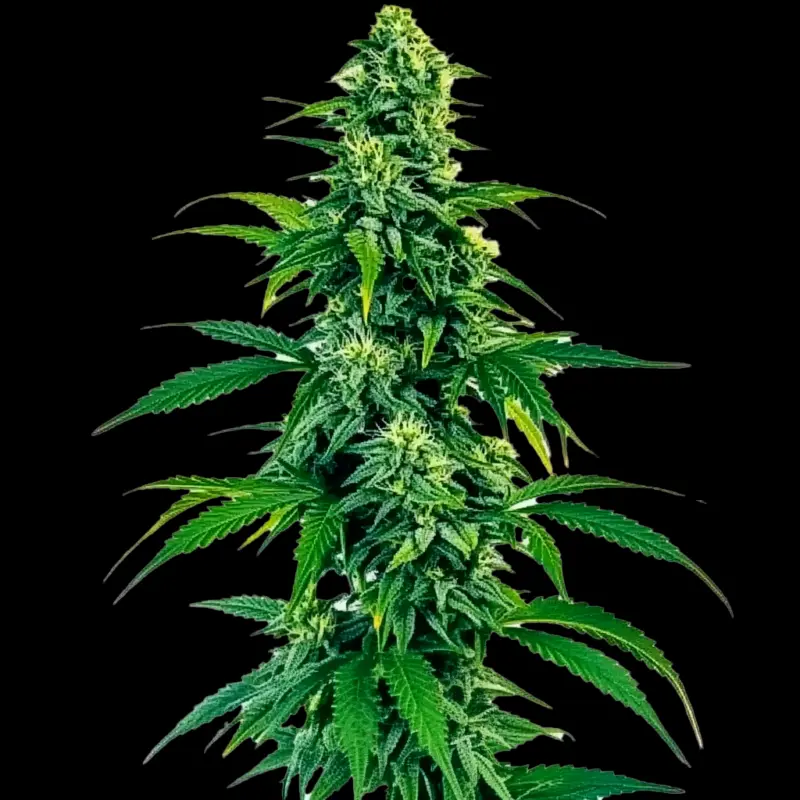
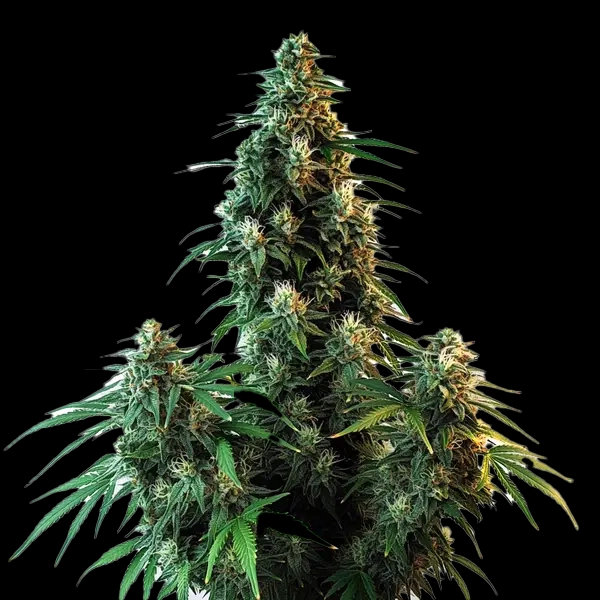
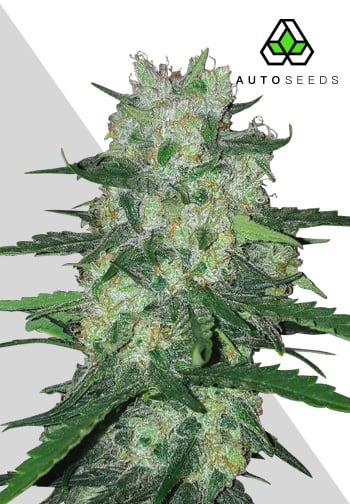
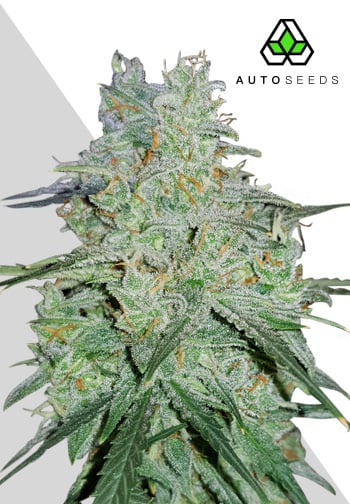
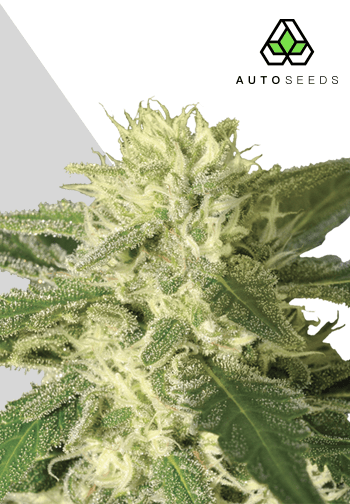
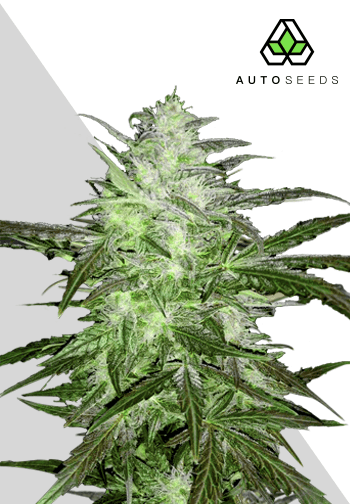
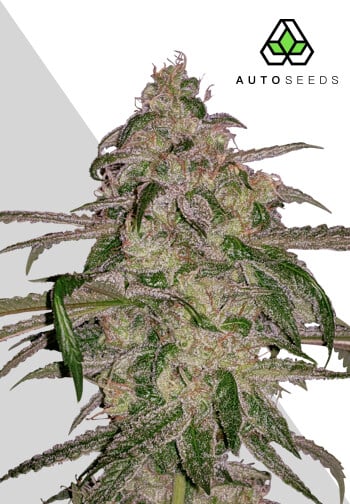
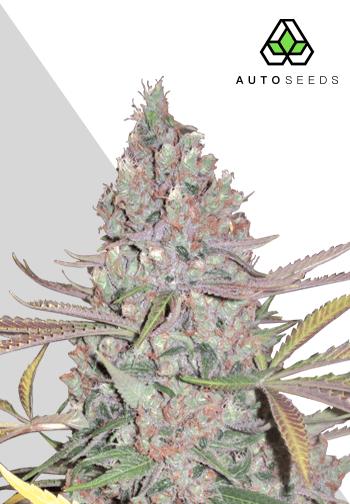
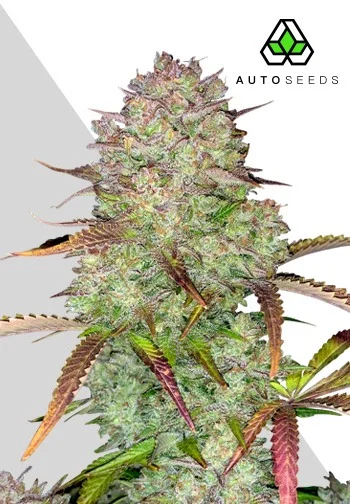
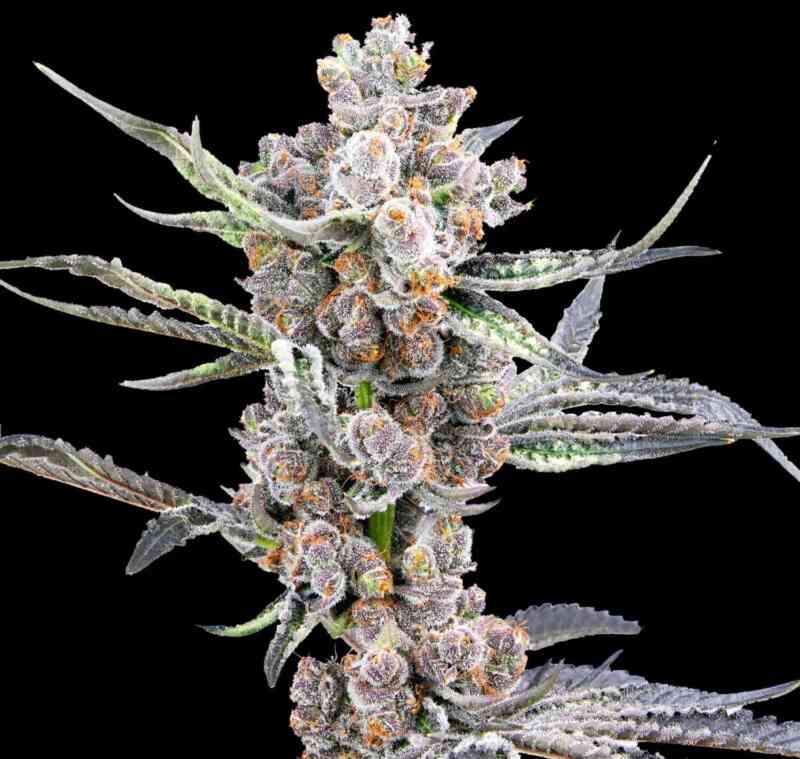
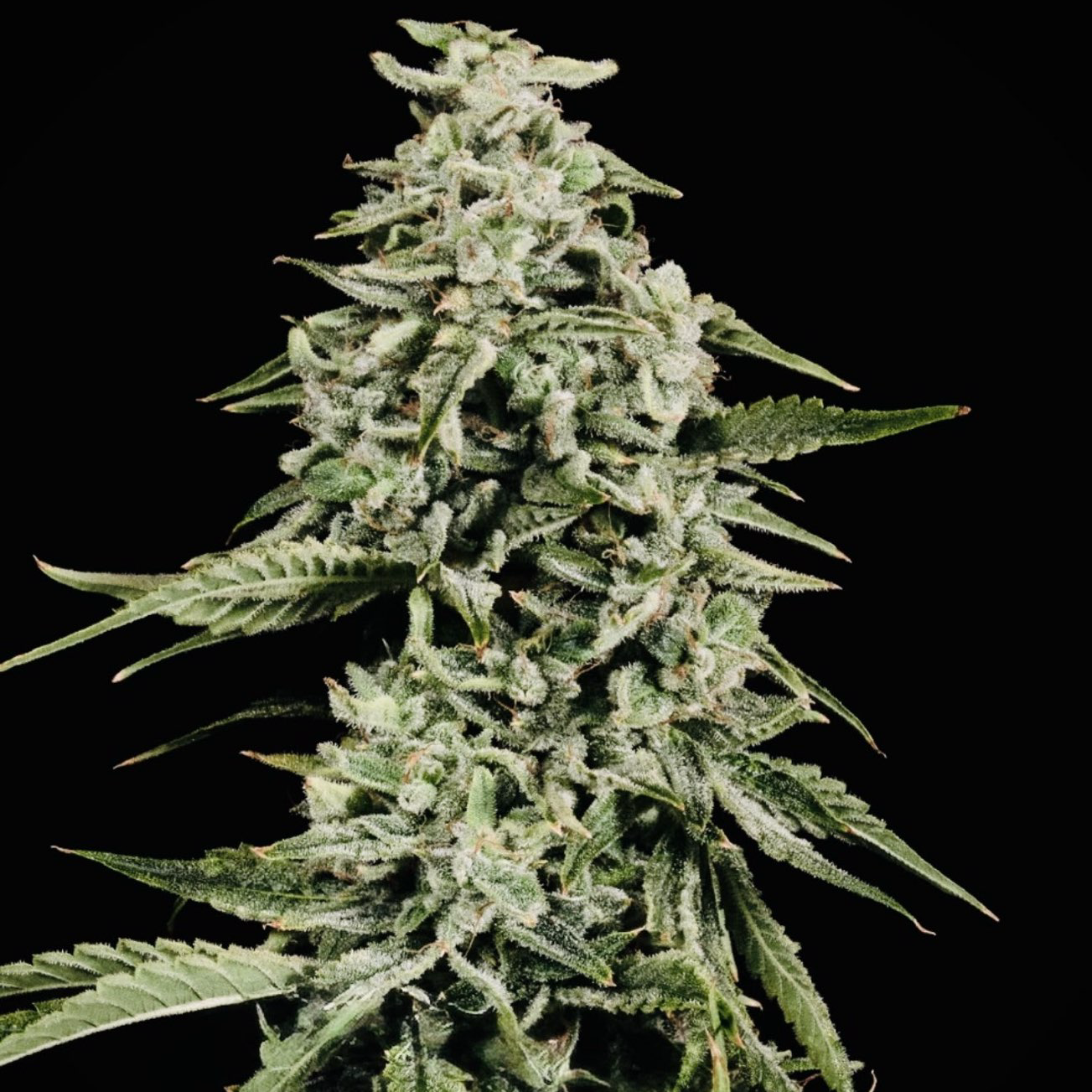
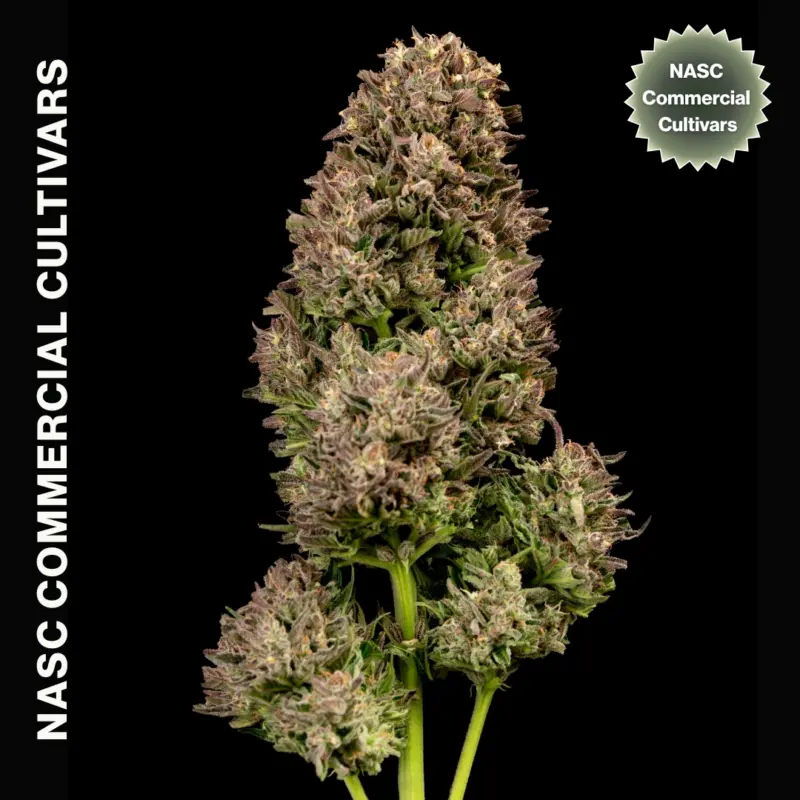
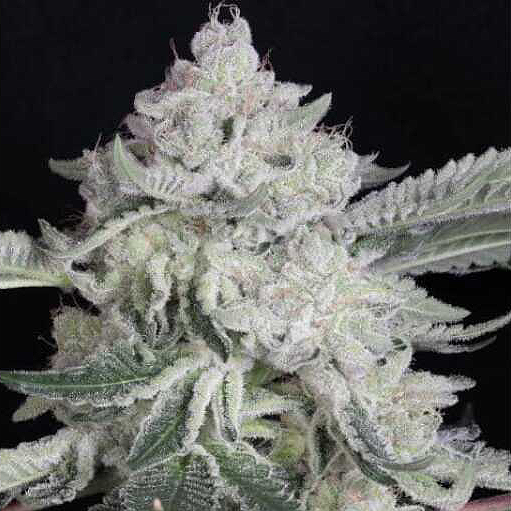
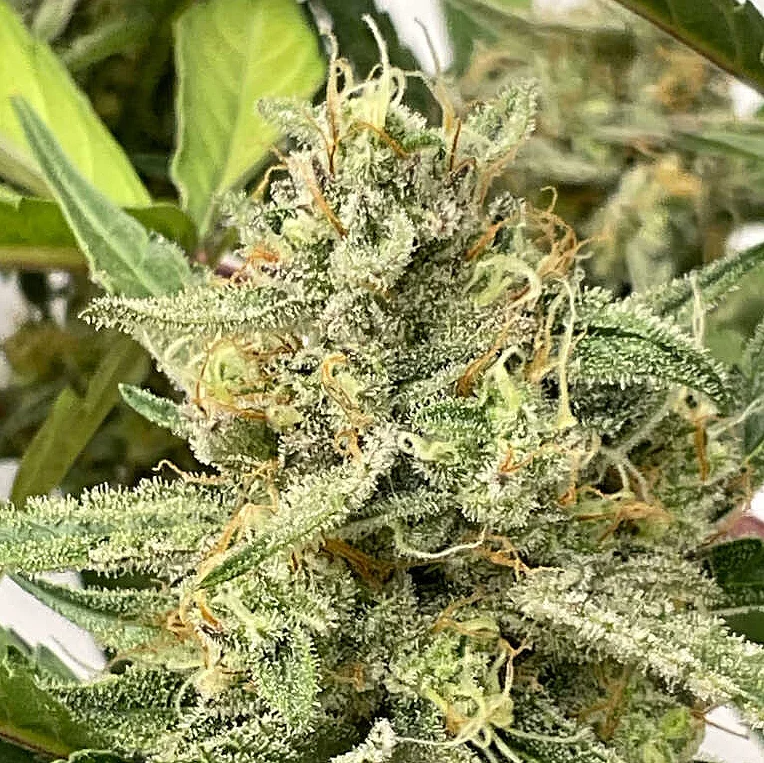
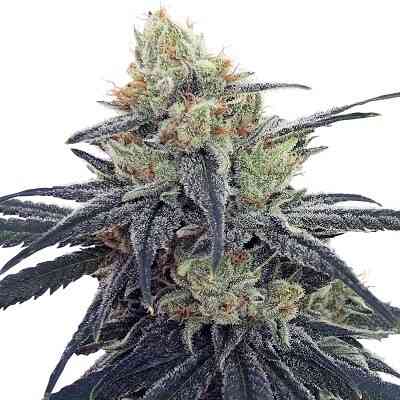
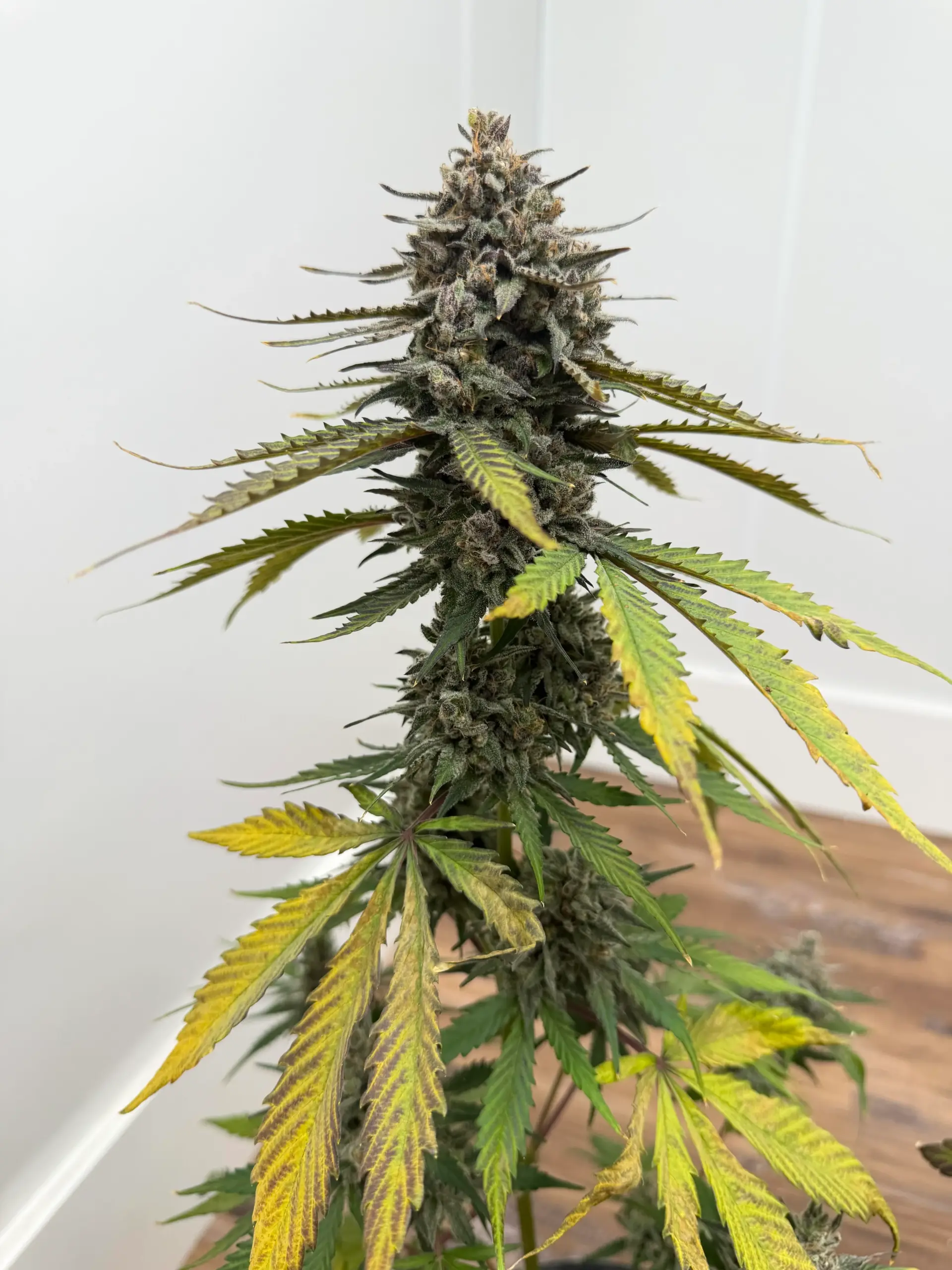
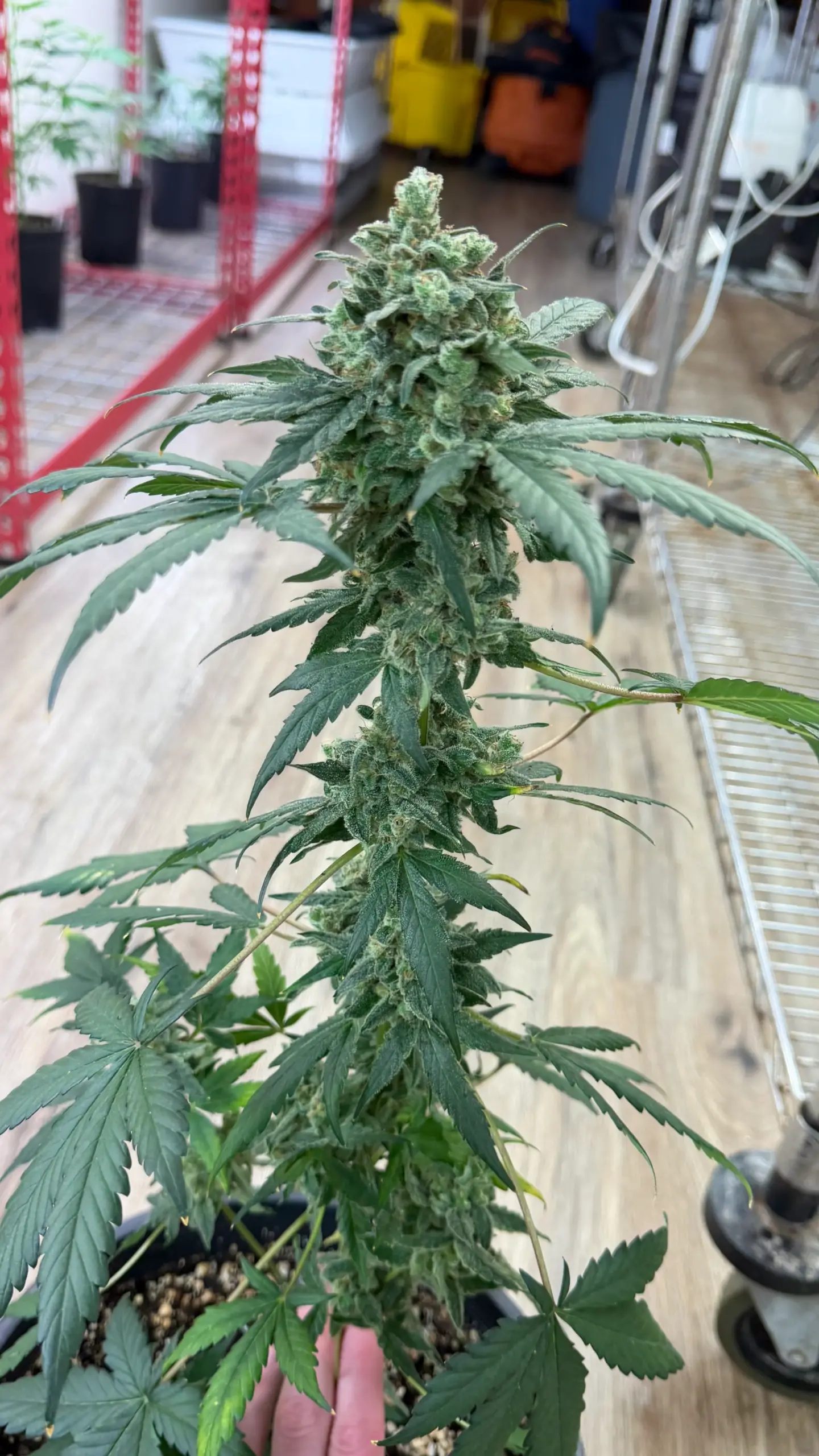
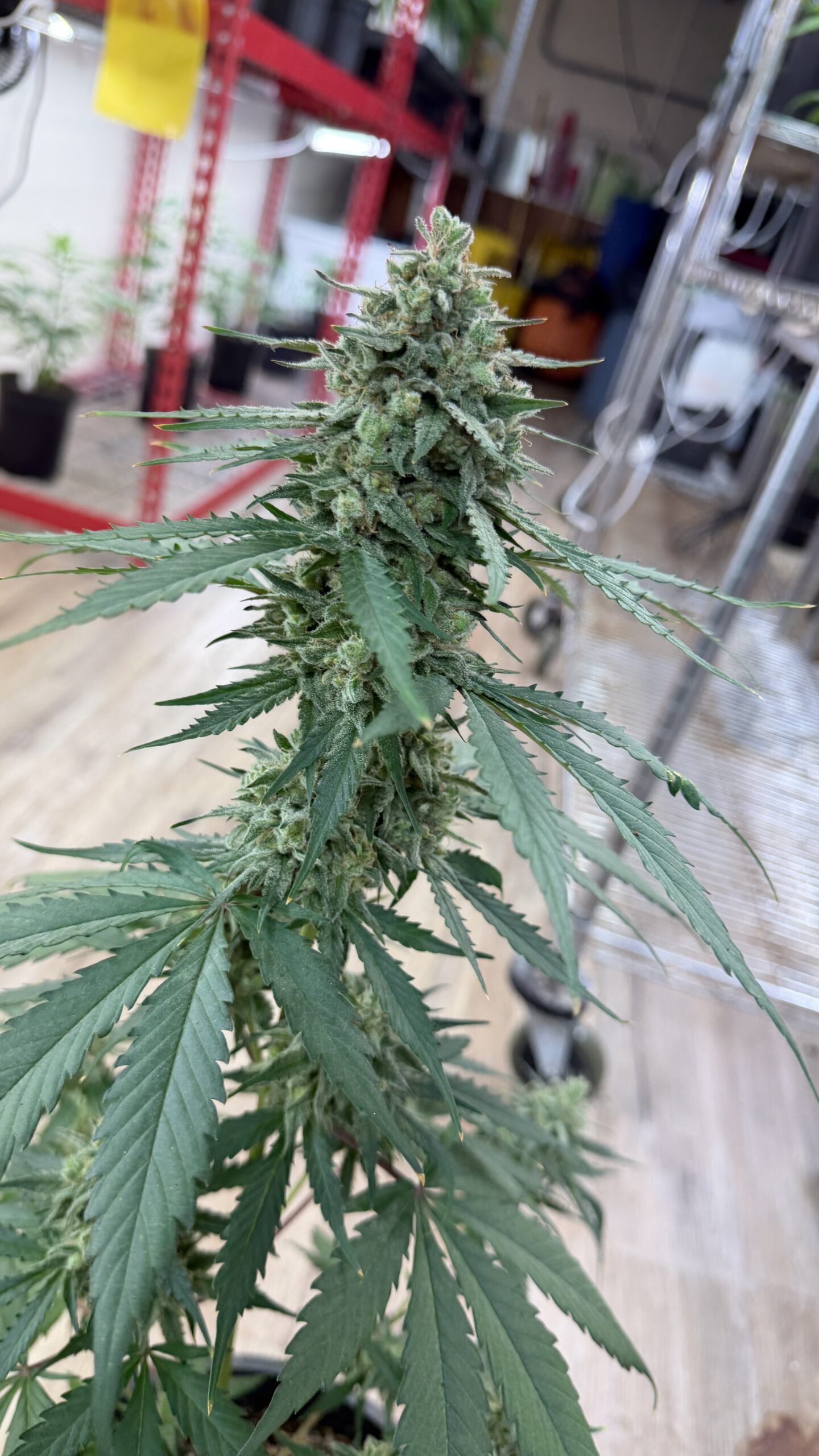
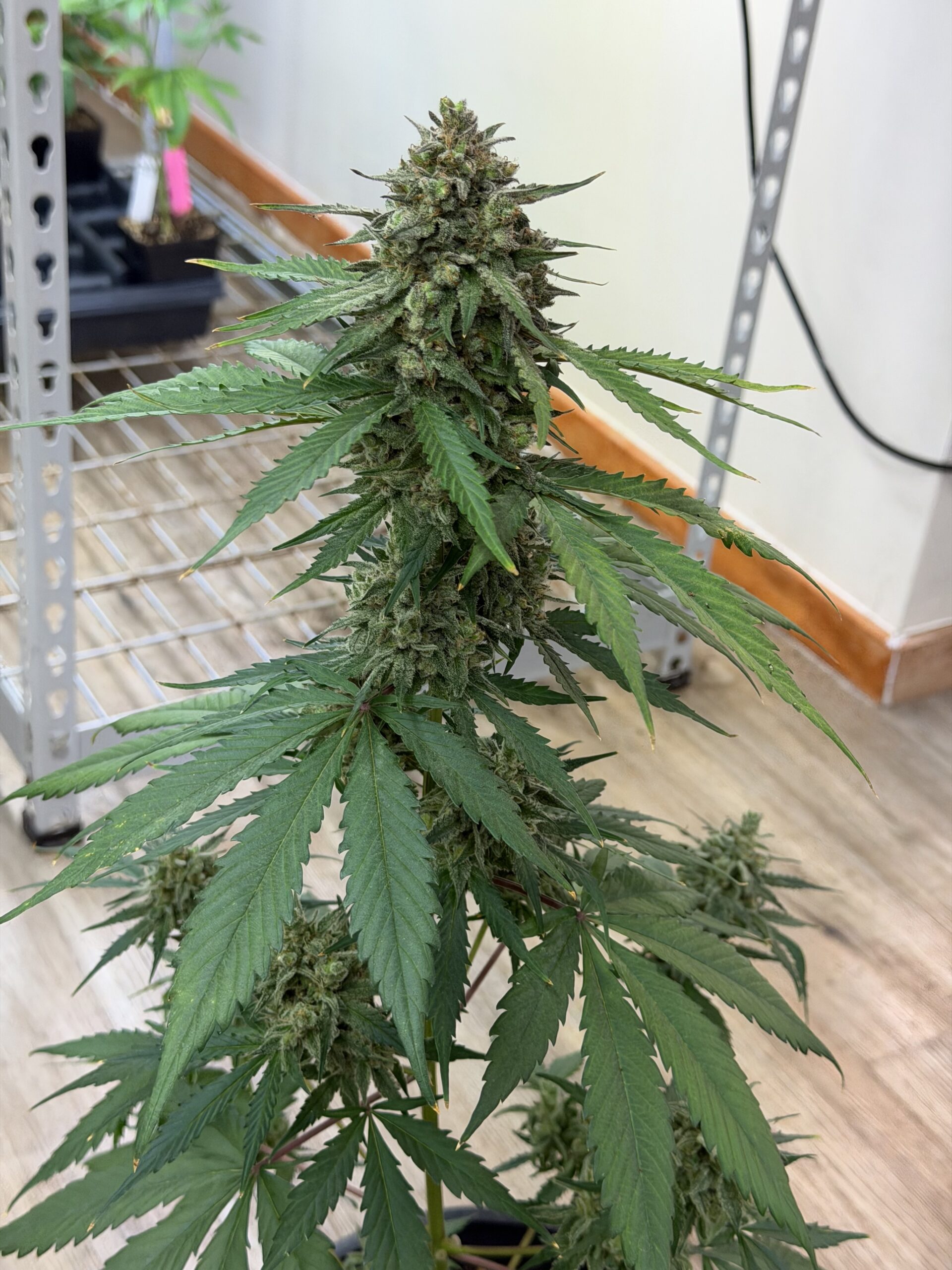
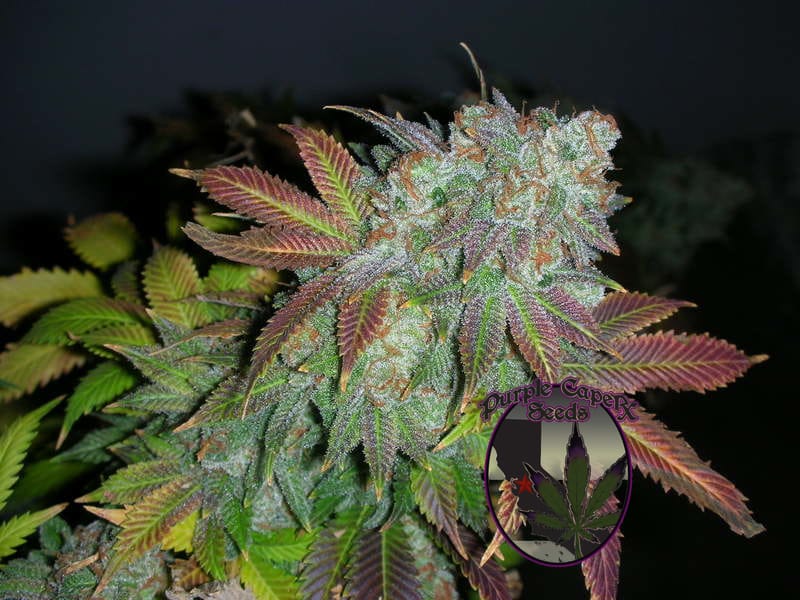
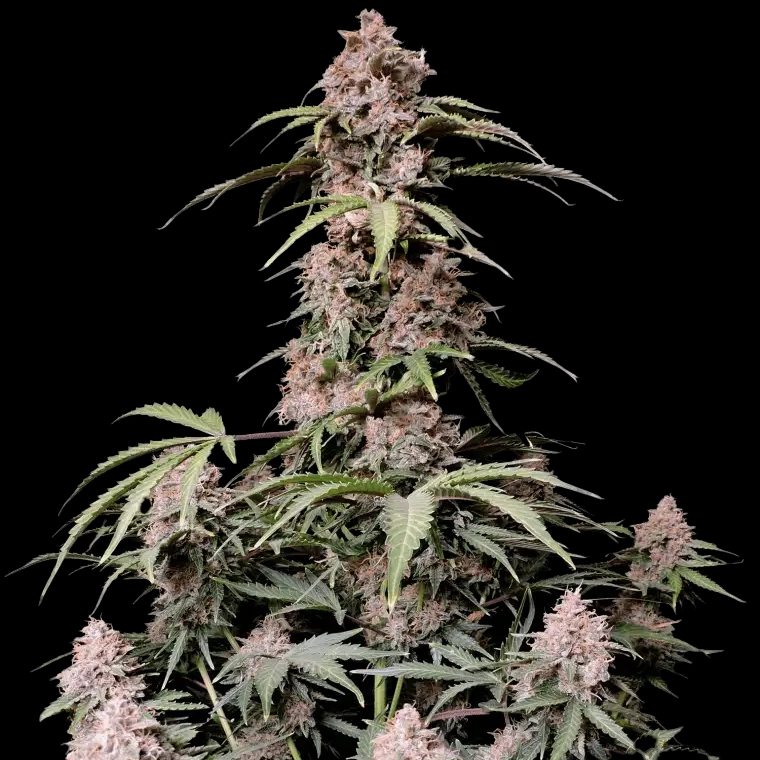
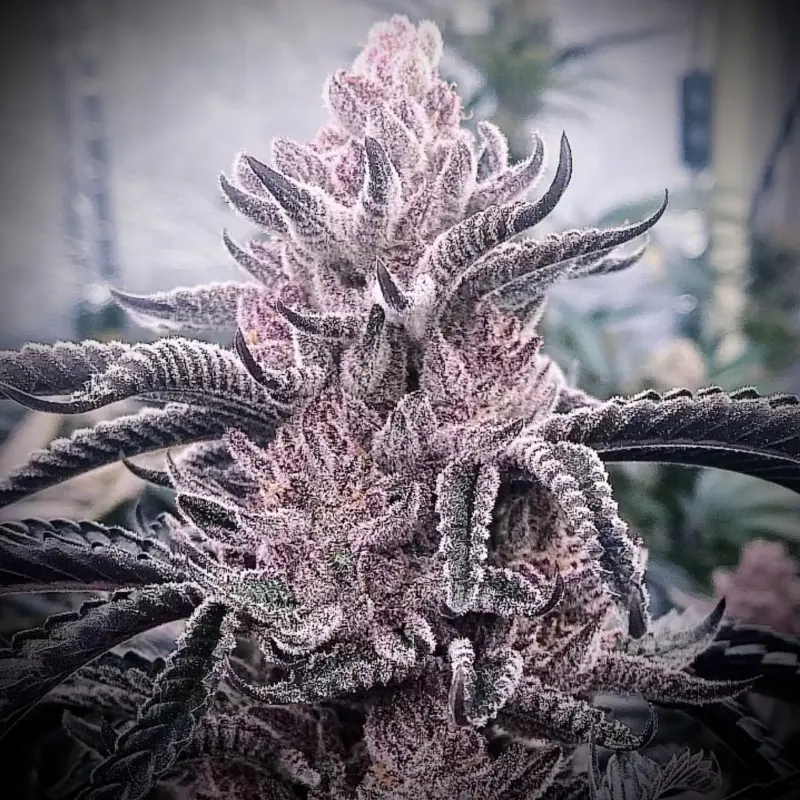
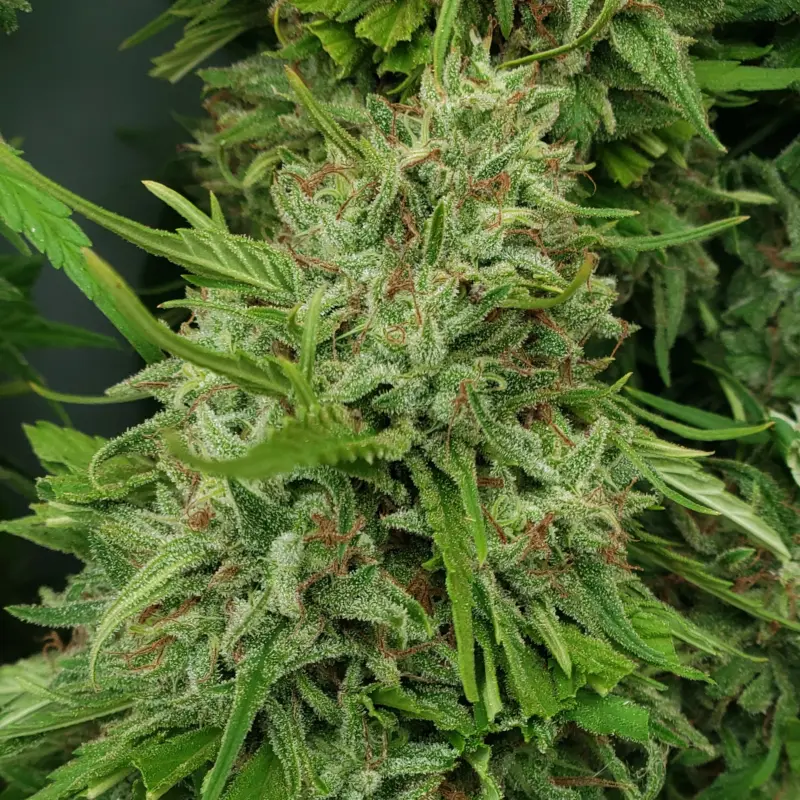
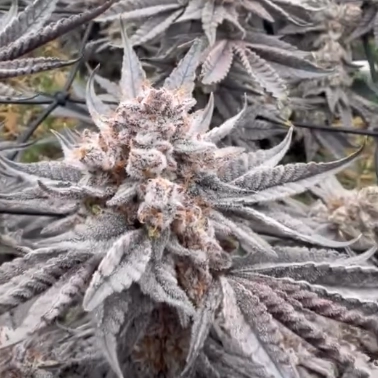
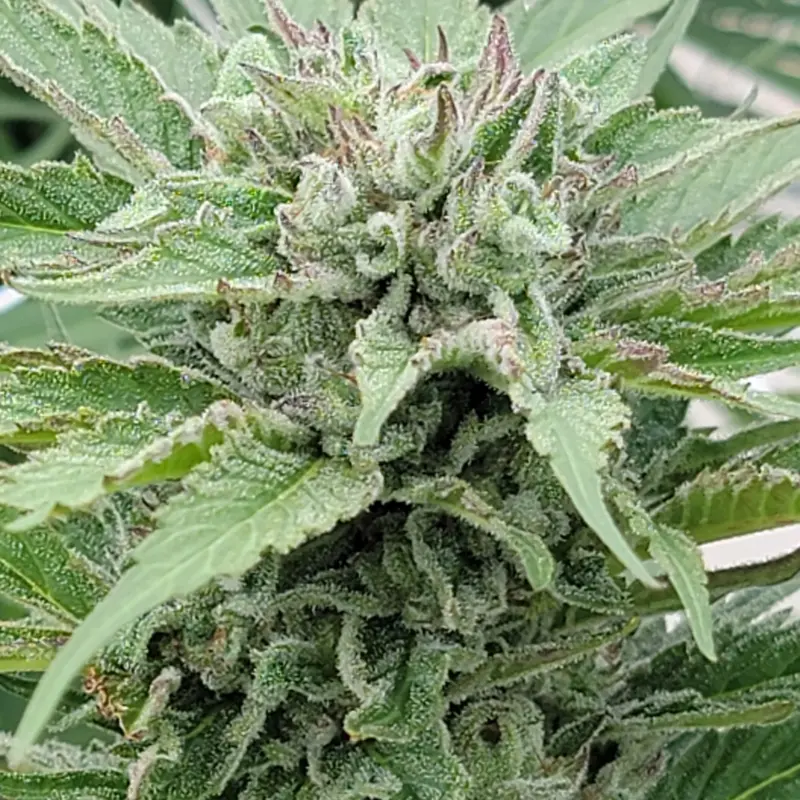
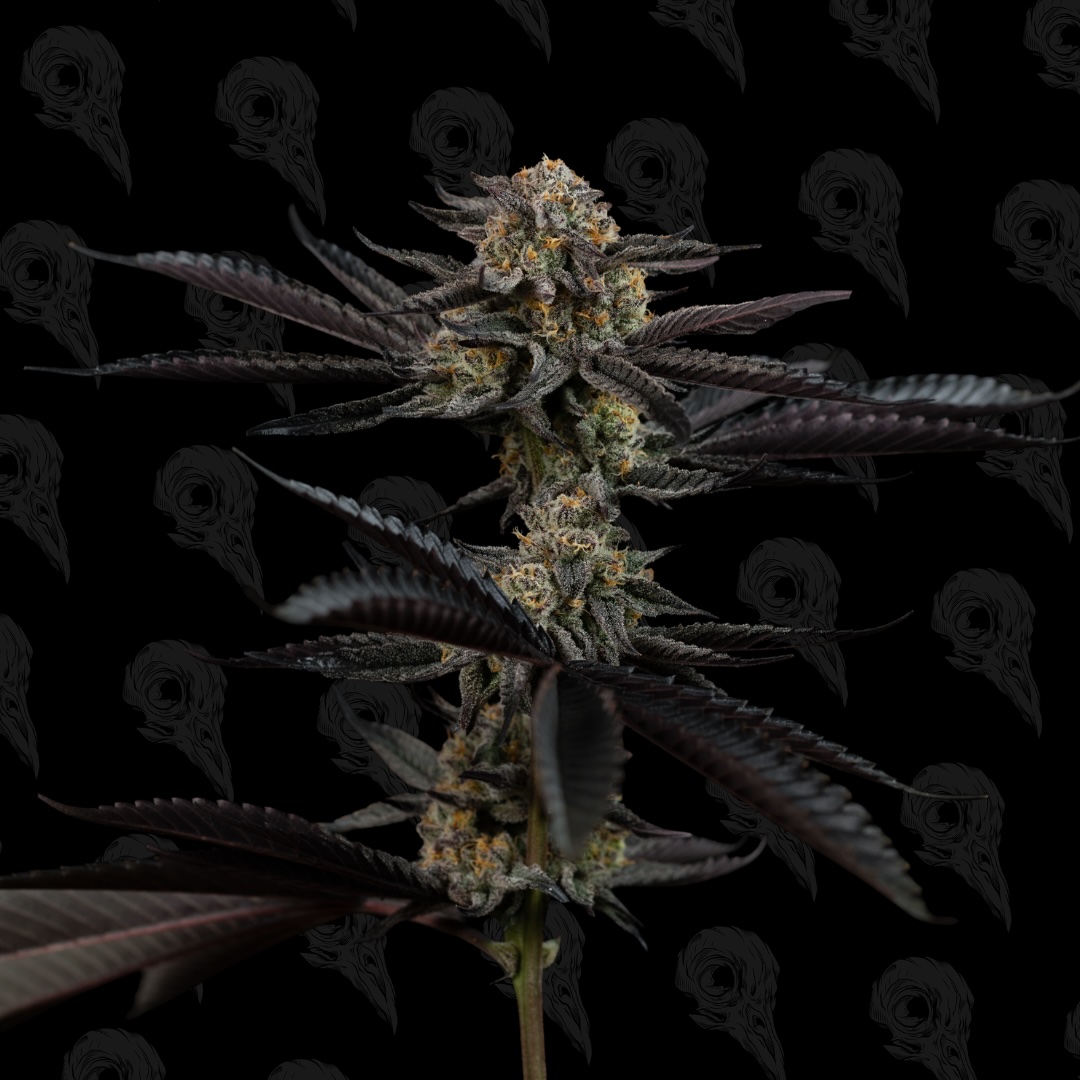
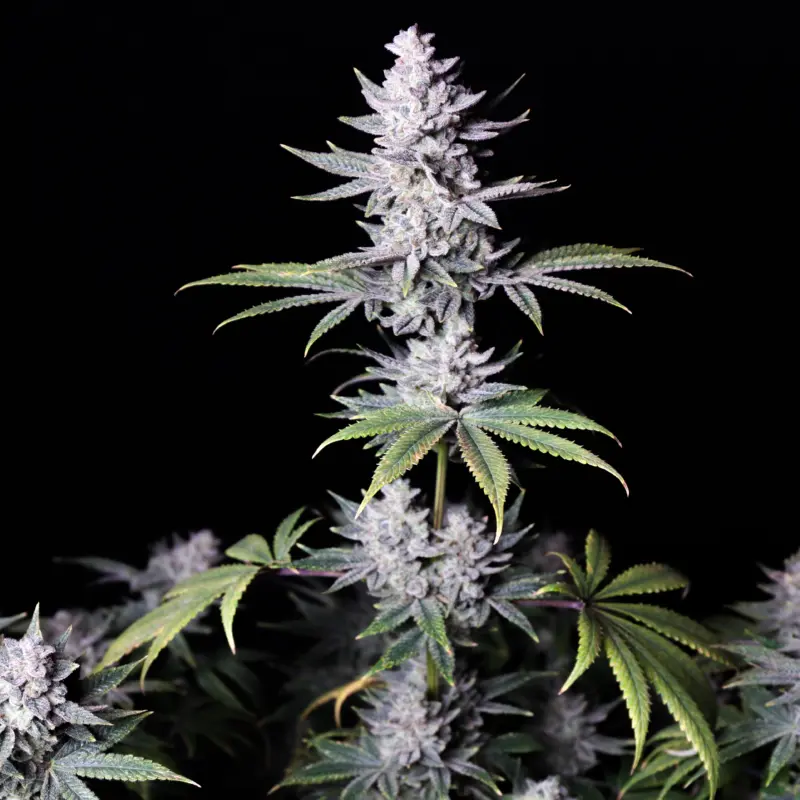
Are you looking for strains that produce great extractions? We pulled some of the best options from our whole catalog. Read on to browse the selections.

Please contact our customer service team at [email protected] if you would like more personalized recommendations as well! Come grow with us!


Products

Products by Category


More Recommendations


HAPPY GROWING!

A Simply Nuggets Sit-Down with North Atlantic Seed Company and Dirty Bird Genetics owner Beth Mathieu, and Joe the head of the autoflower department at Dirty Bird

Original Interview Article HERE

Dirty Bird Team Photo

[Dirty Bird Team]

Introduction:

Earlier this month, Simply Nuggets had the pleasure of sitting down with two of the people behind one of the most respected names to come out of Maineโ€™s cannabis scene in the last decade:ย Beth Mathieu, owner of North Atlantic Seed Co., Maine Clone Company, and Dirty Bird Genetics, and Joe, who runs the day-to-day of Dirty Birdโ€™s autoflower breeding program.

Beth built her business from the ground up starting as a caregiver back in 2012, and Dirty Bird โ€” the breeding arm of that world โ€” officially launched its seed line in 2023 after nearly a decade of pheno-hunting and culling genetics.

The autoflower side of the operation is newer and still scaling: Dirty Birdโ€™s first-ever auto release, Black Goliath Auto, dropped in early 2026 after about a year and a half of development, and the line has since grown to dozens of strains in testing. Joeโ€™s the one steering that program day to day.

This is a partnership interview โ€” NASC & Dirty Bird are joining the Autoflower Network community, and this piece is meant to introduce them properly: who they are, how they got here, and what theyโ€™re building next.

Part One: Beth Mathieu โ€” Owner, Maine Clone Company, North Atlantic Seed Co. & Dirty Bird Genetics

MJ Biz Conn 2024 Crystal Beth Jess

[MJ Biz Conn 2024: Crystal, Beth, Jess]

1. You started out as a caregiver back in 2012, and before that you were writing for a college newspaper. Do you see a throughline between those two chapters and the person running three companies today?

Definitely! Caregiving in the early days of medical cannabis in Maine has very direct connections to the work I do now, and everything really built on that foundation in an organic way. Even before I started working in the cannabis industry, it was in college that I first started growing and learning the tricks of the trade in apartment closets and tents as Iโ€™m sure many people can relate to. It was an interesting time to get into the hobby. I watched the local cannabis culture evolve from Mexican-imported โ€œbrick weedโ€ to high-end, locally grown indoor quite quickly. Grow shops started to crop up and a community quickly followed. It was love at first sight, and even though I struggled my way through my first several grows, I was so happy and so engaged by the hobby of it all. When I graduated college, I went on to work a miserable desk job just long enough to save up a downpayment for a house, and the day I closed on my house, I quit my job and officially embarked on this next phase of life working for myself in the cannabis industry.

2. Maine Clone Company, then North Atlantic Seed Co., then Dirty Bird โ€” each one seems to have grown out of the last. At what point did you realize a clone company needed to become a seed bank, and a seed bank needed its own breeding program?

Beth in the garden

[Beth in the garden]

Having the opportunity to try new genetics has always been the most intriguing part of growing cannabis. As a collector, I started saving my favorite mother plants almost immediately, and within a couple of years, my basement was full of over 100 of my favorite strains. It certainly wasnโ€™t the most economical way to caregive, but it was reflexiveโ€“something I had a passion for.

About five years into my career, the medical scene here in Maine was growing more crowded by the day. It dawned on me one day that there may be a niche here that I could explore with all of these mother plants Iโ€™d collected, and that perhaps that would set me apart enough to give me staying power. On a whim, I opened Maine Clone Company. It happened that fast. I stumbled my way through building a website (not a good one, but a functional one) and became one of the first people to sell clones professionally to patients and caregivers in the state of Maine. I suspect that because I got in early, the business really took off. It grew so much faster than I expected it to. It wasnโ€™t too long before I hired two of my best friends from collegeโ€“first Siobhann (aka Doc Skunch) and then Ben (aka head breeder of Dirty Bird) to help me run the clone operation.

As the years went on, another lightbulb moment hit me (If you know me, you know I get a lot of these). Why not sell seeds, too? Seeds go hand-in-hand with clones. At this point in time, breeders were beginning to crop up here in the US, competing with the well-established European market. These were breeders that I admired so much, and I was already growing their work so I had a really good pulse on the quality of their work. Slowly, I started reaching out and trying to form relationships with these breeders one-by-one. It was really invigorating and exciting when I would hear back and receive a yes. I will never forget the moment that Ethos emailed me back saying that they were willing to work with me. And honestly, it was that pick up that really changed the trajectory of my businesses and my life. Ethos was on fire and really gaining steam quickly, and I was one of the few lucky enough to sell their seeds at this critical point in time for the industry.

At that time, my seed menu was still very modest and it was all being sold under the Maine Clone Company name and website. Back then, I manually took every order that came in via text and email, and I was hand packaging and shipping every package myself. There is one moment that will always stand out to me in July of 2018 when I was 9 months pregnant with my son. The heat was brutal on this particular day, and I was running up and down the stairs of my basement potting and prepping the 250 clones that I would be hand-delivering that day, breaking only long enough to throw up in the trashcan and check my phone for the seed orders that were coming in. In this moment I knew that something had to give because it had quickly become too much to manage. Over the next 6 months, I built the first iteration of the North Atlantic Seed Co website which would help me to automate all the things I had been doing manually up to this point. I also hired my first employee for NASC and officially separated the seed business from Maine Clone Company.

As North Atlantic Seed Co. grew, my interest in genetics continued to grow with it. Eventually, in 2019 I purchased a big 10,000 sq foot building so that we could finally move Maine Clone and North Atlantic out of my house. Just about as soon as we dialed that grow in, and with all the additional space, myself and the MCC crew (which had expanded to a group of 4) started building out small breeding rooms and experimenting with the holy grail: breeding. At first, it was purely in the spirit of innovation and curiosity, but before long, a new vision started to emerge, and with it Dirty Bird Genetics was formed.

This is where everything really came together. The trifecta of businesses all made so much sense, working in perfect harmony. By this time, we had pheno-hunted thousands of strains, and the best 100 still occupied a home in the Maine Clone Company garden. We were now working hand-in-hand with all of these incredible breeders at NASC which afforded us unique access to invaluable recommendations and the best genetics in the world. We knew that our collection of mother plants was one of the most special that existed, and given our deep creativity, and our interest and background in science and genetics, breeding only seemed right. And it was.

After years of breeding, we finally opened the doors to Dirty Bird Genetics in 2023. Dirty Bird is the true culmination of everything that came before, and itโ€™s truly my pride and joy and my connection to the place where this all started: the garden.

3. Dirty Bird spent years pheno-hunting and collecting before you ever released a seed. What made you finally decide the genetics were ready, and was there a specific plant or cross that told you โ€œthis is the oneโ€?

Brunch F1 - the original

[Brunch F1]

Yes, I had been collecting and pheno-hunting genetics for over a decade when Dirty Bird was founded, and we had some truly special mother plants that we were sitting on. We knew we had a very solid foundation to breed upon, but the reality is, you donโ€™t actually know what those genetics are made of until you start breeding and testing them in that context. This is what consumed us for the first several years, long before the name Dirty Bird Genetics was in the public ethos. We tested many dozens of our own crosses before things really started to take shape. Between Ben and myself, we had extremely high standards and we were not going to release something that was half-baked or subpar. The Brunch happened to be the first strain we bred that we felt confident releasing, but it was only one strain, and we wanted at least six in order to launch, so we kept working and we kept learning the craft and experiencing our genetics in a this new light. Eventually, in October 2023, we launched Dirty Bird Genetics with a menu of six strains, including three of our flagship strains that we continue to develop to this day: The Brunch, Sour Lime Haze, and Dirty Mimosa.

4. Between running NASCโ€™s day-to-day, keeping Maine Clone Company going, and now steering Dirty Birdโ€™s breeding direction, how do you decide where your own attention goes? Is there a part of the business you wish you had more time for?

NECANN Chicago 2024

[NECANN Chicago 2024]

If there was one thing that I wish I had more time for now-a-days, it would always involve breeding and being in the garden hands-on with the plants. It is incredibly grounding, therapeutic, and creatively stimulating.

While I no longer care for the plants day-to-day, itโ€™s always been top priority to stay connected to the grow. To this day I remain very involved in our breeding programs and selection processes at Dirty Bird despite the handful that NASC has become, and honestly, I think NASC is all the better for it.

Currently, I work one day a week in the garden at Dirty Bird/MCC, and I also spend a lot of time outside of the grow managing the logistics: writing strain profiles, naming strains, working with marketing, etc. On Thursdays when I work at Dirty Bird, we always start with a quick team meeting so that we can catch up, review incoming test results, and make selections. Afterwards we head straight into the grow as a team and we do our weekly walkthrough. This always takes the better part of the day. We start with photoperiods and we end with autoflowers, going room by room and examining every plant and project. Currently we have seven breeding rooms that range in size, two breeding tents, and a huge mother room where we keep over 100 mother plants that supply both Maine Clone and Dirty Bird. Our weekly walkthrough gives everyone on the team an opportunity to see what we are working on and stay connected to the program. We ask questions, make observations, and I always take detailed notes and loads of pictures. Ben, Joe and Sarah also collect data and take notes in their day-to-day for their respective programs, and when itโ€™s time for a release, it all comes together.

Dirty Bird is a tight team and theyโ€™ve been with me longer than anyone. They each have a role that they play in managing the plants and the breeding programs. Joe is the newest addition to our team, and auto breeding is our newest venture. Joe came to us as a referral from Ben, and has been a mutual acquaintance for years. He is the longtime drummer for a band that he, Ben and JP (our photographer + videographer) are all a part of. With no prior breeding experience and an eagerness to learn and to step out of his comfort zone, Joe seamlessly evolved into his role, closely mentored by both myself and by Ben.

5. Youโ€™ve talked about Dirty Bird growing out of a group of women in the industry building something for themselves and each other. What does that actually look like day to day and how has building this as a women-led, family-and-friend run operation shaped the decisions you make that other companies might not?

Field Day at the Lake 2026

[Field Day at the Lake 2026]

When I tell people that Dirty Bird Genetics and NASC are entirely run by family and friends, they typically look at me like Iโ€™m insane. Most people couldnโ€™t dream of working with 30 of their closest friends and family members. Ninety-nine percent of the time, itโ€™s a recipe for disaster, and I can totally see why.

For us though, it is everything. Our workplace is built upon trust and heart, and itโ€™s incredibly important to us that we take care of each other, our community and our customers.

I truly believe this is what has set us apart in this increasingly crowded industry. We have a very special team (of men and women โ€“ shout out to our wonderful men). They are loyal, hardworking, invested in their jobs and in each other. We have fun at work, laugh a lot, and care so much. That kind of company culture is priceless, and Iโ€™d like to think itโ€™s infectious.

When you run a business, it is far too easy to get caught up in the money, the competition, and the power, and as a result you begin to overlook the glue that holds it all together: the employees, the community, and the customers. Maintaining that perspective is so important and honestly, probably the best advice I could ever give someone just starting out on this journey.

What does this look like in the day-to-day? It looks like really big, often-distracting meetings; working in gaggles on the porch in the summer, and in the winter, leaving early because your kid is sick but knowing that your co-workers have your back. It looks like field days, swimming in the lake, afternoon walks down the road, seizing any excuse for a potluck, kids tearing up the office, sharing your lunch with the person who forgot theirs, fair wages, as much PTO as we can muster, and so much more. Itโ€™s not always perfect, but it works, and Iโ€™d love to see more business owners embracing this style of leadership.

[Halloween Potluck 2025]

6. Looking at where Dirty Birdโ€™s genetics collection stands today versus where it started, what are you most proud of โ€” and whatโ€™s still missing that youโ€™re chasing?

Oh my gosh, itโ€™s mindblowing how far weโ€™ve come in the last five years. Every single time I am working with the plants at Dirty Bird, I am taken by this, and itโ€™s often hard to wipe the shit eating grin off my face.

As you breed forward your genetics and become familiar with them and their combining potential on a much deeper level, you gain the ability to make better decisions, and every part of the job becomes more predictable. This is something we are experiencing now in our photoperiod breeding program. Our projects are increasingly stronger, more stable, and more predictable. Terpenes have been a significant focal point for us since the beginning, and weโ€™ve made tremendous strides forward over the last 18 months. Nowadays, every single photo we release is virtually guaranteed to knock it out of the park in terms of terpenes, and we are so invigorated by the unique profiles weโ€™ve encountered along the way.

Our autoflower breeding program is a few years younger than our photo program, so we are now going through the same discovery process and growing pains that we experienced with photoperiods at the beginning. In the past six months in particular, weโ€™ve made tremendous gains and Iโ€™ve seen everything starting to click into place. I always love an opportunity to learn and explore something new and creative, and auto breeding is so unique compared to photoperiod breeding. Dialing in our workflows and learning the ins-and-outs of autos has been really exciting and energizing. Continuing to develop our auto lines is definitely the thing Iโ€™m most excited to continue pursuing.

Ben in Garden

[Ben in the Garden]

7. Autos have historically had a reputation for being the less glamorous, less respected side of breeding compared to photoperiod work. Why did Dirty Bird decide to go all-in on building out an auto line, and why was Joe the right person to lead it?

At NASC weโ€™ve been able to see a growing trend moving towards autoflowers, and we like a challenge. The breeding process for autos is so different from what we are accustomed to because you cannot keep mother plants. This changes everything, and it has been really fun to explore and build something new from the ground up again.

Autos make a lot of sense for a lot of people, and they have come such a long way in the past decade thanks to all of the incredible breeders that have made this their craft. They are so much newer than photoperiods, but with every year that passes, the auto gene pool matures into something increasingly refined, more potent, more terpy, and more stable. It baffles me that auto breeding would be less respected than photo breeding. Itโ€™s like the new frontier, and if anything, that should be respected and it should stoke curiosity.

Joe was really the person that made autos feasible for Dirty Bird because we wouldnโ€™t have had the manpower to do justice to this huge new project otherwise. To us itโ€™s an asset to have someone like Joe come in with no prior breeding experience. He has a good head on his shoulders, he learns quickly, he has a genuine interest in the work. I value these things so much more than industry experience. All of this has enabled myself and the rest of the team to learn alongside Joe, and it has kept us very close to the project which is where we want to be. If there is one thing we all have in common, itโ€™s that we love to learn.

8. Whatโ€™s actually different about breeding for autoflower stability versus photoperiod โ€” what are you selecting for in an auto pheno that wouldnโ€™t matter as much on the photo side?

Doc Skunch + Christy in the Garden

[Doc Skunch + Christy in the Garden]

The approach to breeding autoflowers is very different from photoperiods, and that boils down to one thing: You cannot keep auto cuts indefinitely. With photoperiods, you have the ability to select parents that have all of the traits you are looking for, and you can go back to breed with genetic replicas of those plants anytime. You simply cannot do this with autos.

By nature, autoflowering plants are going to flower whether you like it or not, so you cannot keep clones or mother plants. This forces you to make breeding selections when the plants have barely even started to flower. The approach is entirely different. Breeding forward for uniformity and stability becomes very critical, otherwise youโ€™re shooting in the dark. Secondly, it means that you must always reverse and pollinate many more plants than you actually need so that you can cull the losers and select your winners when the plants have matured enough to make those judgement calls. Itโ€™s difficult to determine the terpenes, the color, the yield, or the potency of a plant that is 4 weeks old, but this is the age that you need to pollinate the plants if you wish to make seeds. This is why we chose to work from a pool of plants versus a single plant like you would in most photo breeding programs. One perk of autos is that they are much faster to breed forward generationally, and all of the selections we make are done live. This means that we are able to move a new cultivar forward generationally speaking (from F1 to F2 to F3 and so on) significantly faster than you can with a photo plant.

9. Of everything currently in the works in the auto program, what are you most excited about โ€” the cross or line youโ€™d want the AFN community to keep an eye on?

Honestly, there are so many projects that have me excited. The first project that really stood out, and one that continues to excite me, would be the Sour Strudel Auto. We are currently hunting two F3 generations of the Sour Strudel in addition to a backcross we made, and we will make plans for the line once weโ€™ve seen our options.

There are so many reasons to love this strain, but to name a few: The trichome accumulation is unmatched and truly incredible; the terpenesโ€“which we are still locking inโ€“are a great balance of sweet and sour; the coloring of the flower, at its best, is the most vibrant purple Iโ€™ve ever seenโ€“an insane contrast to the thick white stigmas and the slender (equally vibrant) green foliage; and the morphology of the plant is truly special. Some may have heard me talking about this already, but the Sour Strudel has given us this incredibly unique lateral pheno that weโ€™ve had a lot of fun playing with. Itโ€™s something weโ€™ve never seen before in photos or autos. The lateral phenoโ€“which we are breeding forward in a separate, more experimental projectโ€“does not have one dominant cola. Left totally untopped and untouched, it naturally splits off and creates multiple colas which reach up like purple arms forming one even canopy. Itโ€™s so neat to see this pheno naturally occurring in every generation weโ€™ve bred. In our F2 seed lots, it occurred in about 50% of plants, so youโ€™re almost guaranteed a plant with this trait if you pop a pack of seeds.

Lateral Sour Strudel

[Lateral Sour Strudel]

Some other projects that stand out as really special right now: Star Fists Auto, Heavy Metal Breath Auto, Cursed Coast Auto, Mint Lemonade auto, Gas Berry Auto, and some of the newer, unreleased crosses that we are testing like the unnamed Sour Strudel F2b2 x Gas Berry Auto.

10. Youโ€™re one of the loudest voices right now fighting the federal reclassification set to hit in November, and youโ€™ve been building out ASIGA (American Seed Innovation & Growth Alliance) to organize the industryโ€™s response. For growers and customers who arenโ€™t following the legislative side closely, whatโ€™s actually at stake for them if this law takes effect, and what can they do right now to help?

Yes, 2026 has been quite a whirlwind with all of the upcoming legislative changes. Iโ€™m not one to scare easily, but this has definitely been a huge thing for us and for me personally this year.

The seed industry is one of the few multi-billion dollar industries that does not have a presence in DC, let alone a unified voice of influence. And itโ€™s understandable why: itโ€™s one of the few industries that has remained grassroots, and I think we can all appreciate that. But because weโ€™ve been off doing our own thing, outside of the public eye, this new statute dubbed the โ€œhemp banโ€ was able to slide through last November 2025 with no prior industry consultation, no due diligence, and with very little industry awareness. I think it took most of us by surprise.

Whatโ€™s at stake? Everything, really. This new statuteโ€“Sec 781(1)(c) of the FY2026 Appropriations Actโ€“which now goes into effect on Dec 11, 2026 will supercede the 2018 Farm Bill by making cannabis/hemp seeds federally illegal if they come from a parent plant that contains more than 0.3% THC. How regulators plan to determine this is still very unclear, but nonetheless, this new law stands to threaten every arm of the cannabis/hemp, medical, and industrial hemp industries. Shipping seeds over state lines will be illegal. Banks and payment processors will shut down our accounts making it impossible to do business, especially for ecommerce businesses like our own. Really, it stands to uproot virtually everything that our industry and home growers have built and have come to rely on over the last decade.

Quickly after this law passed, I got together with a couple of industry leaders and we started to take action. I am very proud of the strides weโ€™ve made, and Iโ€™m happy to say that nearly every US legislator that weโ€™ve spoken with has agreed that this law will cost a fortune to regulate, it will shut down thousands of small US businesses, it will restrict access to genetics across the board, and it does not solve any problems; it creates problems. I am very hopeful that our legislators will right this wrong, but right now itโ€™s a bit of a waiting game. We have to find a piece of legislation to get our technical amendment into, and Congress is passing less legislation now than ever in the history of the US. All we can do is to keep moving forward, educating ourselves and our legislators in the meantime.

For anyone who would like to help, I would suggest reaching out to your stateโ€™s US Representatives and Senators and letting them know, as respectfully as possible, how this law affects your life and your community. If you own a business that depends on seeds, thatโ€™s all the more reason to contact your legislators. We want to make this a non-controversial, science-backed issue that has a very simple and logical fix: to strike the one sentence exclusion about hemp seeds from Sec 781(1)(c) of the 2026 Appropriations Act. Some talking points include:

  • Cannabis/hemp seeds are a non-intoxicating, agricultural input.
  • We already regulate consumable cannabis, so what do we gain by adding more cumbersome regulations that will make it harder for small businesses to thrive.
  • This new law will necessitate the development of a costly, labor intensive traceback program at a time when our government has bigger fish fry and is in more debt than ever. Not only that, itโ€™s going to be incredibly costly and nearly impossible to maintain and regulate.
  • Restricting access to genetics does not just impact the recreational and home grow markets, it also impacts the industrial hemp industry, the medical and wellness industry, the food industry, and research and science communities.
  • The US is in the position to be a world leader in the development and innovation of hemp genetics. This law will change that.

Here is a great website you can use to find the contact information for your local US legislators: Democracy.io - Contact Members of Congress

If youโ€™d like to donate to the cause, we have a Go Fund Me set up on the ASIGA website: Fundraiser for ASIGA Alliance by Tom R : Save American Hemp & Cannabis Genetics โ€” Deadline Nov 12

You can stay up to date on ASIGA by visiting our website or following us on LinkedIn:

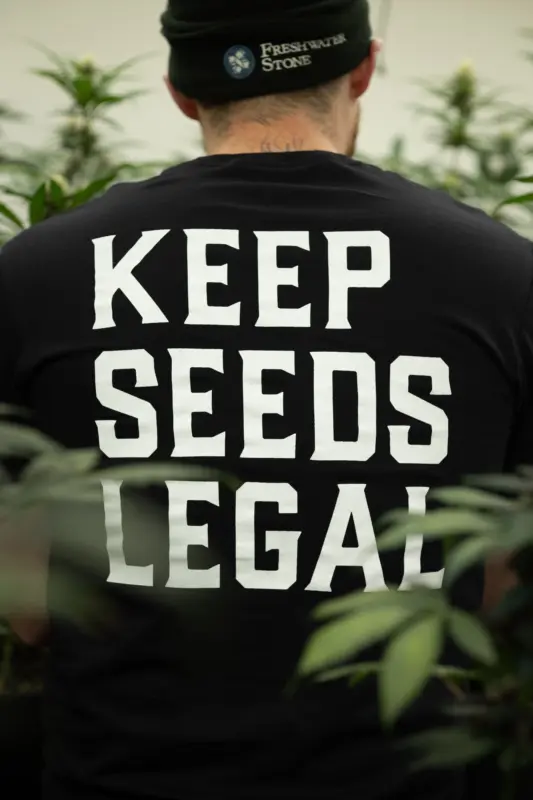
And lastly, NASC will be continuing to take donations to the Keep Seeds Legal campaign at checkout, and we have a menu of breeder-donated seeds available which youโ€™ll find in our breeder menu. All proceeds go directly to ASIGA.


Part Two: Joe โ€” Autoflower Breeding Program Lead, Dirty Bird Genetics.

db-team-joe

1. How did you first get into growing and breeding? Was there a moment or a plant early on that made you realize this was going to be more than a hobby, or made you fall in love?

My growing and breeding journey both started at Dirty Bird Genetics about three years ago, actually! I was brought on to learn the basics and to help around the shop where ever needed.

While my previous work was in the granite industry, my appreciation and enthusiasm for cannabis, light background in forest resources, and strong working relationships with established Dirty Bird employees helped get me in the door.

During that first year I was gaining hands-on experience with every step of the photoperiod breeding process. From the first day I was feeling at home with the plants. Surrounded by shelves of clones, a sea of green in every room to observe and tend to. From seed to harvest, it simply brings a lot of joy to work with plants. A while into my first year is when the talk of the autoflower program came up. This is where the passion and interest started to compound. This is where it went from hands on to โ€œhow far can I take this?โ€ It is in that, the creating of projects where I really developed my love for growing and breeding specifically. Searching for desirable and unique traits to capture and move forwards is where a lot of the excitement comes from.

2. What brought you into the Dirty Bird fold specifically, and how did you end up being the one running the autoflower program day to day?

MJ Biz Conn 2026

[MJ Biz Conn 2026]

I accidentally already touched on this a bit in my first response, but what brought me to Dirty Bird was simply me needing a change of work. It just so happened that my friend Ben had mentioned how they were looking for help where he worked.

He got me connected with Beth, and a few months later I got in! It started with learning all the basics, watering, general maintenance and such. After learning things like plant reversal, pollen collection and pollination, I was definitely gaining the skills to take on more.

Late into that first year is when the autoflower program came into the conversation. The opportunity ultimately landed in my hands! While I still had (and have) plenty to learn, my ability to plan and manage projects alongside the photoperiod operations has helped the autoflower program take flight!

3. Black Goliath Auto was the programโ€™s first release after roughly a year and a half of development. What did that early stretch look like, and what did you learn from it thatโ€™s shaped how youโ€™re approaching the strains that have followed?

ProfileBlackGoliathnologo

That first stretch in development was full of many learning experiences, as Iโ€™m sure one can imagine. Dialing in the environmental conditions to get consistent results was huge.

Then after that foundation was set, it was on to creating a pollen bank to work with. One of our early, promising reversals was the strawberry gorilla, and so we worked that into a bunch of plants to start collecting observations and data on the offspring.

As we approached the time of the Black Goliath, we had already found and reversed a promising cross in the sour apple x strawberry gorilla. I had a group of Anvil (by Gnome Genetics) plants growing for observation and decided to hit one of them with that โ€œsour gorillaโ€ pollen, looking to marry in the dark purple and lush vegetation of the Anvil with the dense trichomes and fragrance of the sour gorilla. A couple months later we were very happy to find that it was our most stable cross yet. That is to say, it was extremely uniform in all of its traits.

Seeing that result has definitely shaped my process and expectations. Specifically, when planning ahead I always make sure to have a few groups of new strains to observe while pushing planned projects forward. This way there is always room for a little unplanned magic.

4. What does your selection process look like when you breed autos? What are you selecting for?

Ben showing off a seed harvest

[Ben showing off a seed harvest]

With the autos, Iโ€™m always looking for distinctly strong traits attached to strong foundational characteristics.

For example, super strong terpene profiles and high trichome density are my favorite traits. But I need to also see things like proper flower density, flower stacking, and overall morphological sturdiness to want to push a plant forward.

So when growing a new strain I start with at least 8 and up to 16 plants. This way I can watch them week to week and observe any phenotypic differences.

By time they get to week 7 Iโ€™ve seen enough to evaluate their consistency and traits to determine if they are worth the time to breed with. By this time I also have a very good idea of the strain and if it is worth rerunning to reverse for pollen collection.

So to be more specific, the selection process starts around week 3 when the plants start to ramp up in growth. On a weekly basis and as a team, we tour the grow rooms and make note of what interests us.

As the plants hit their heavy flowering stage we make our final judgments and selections on what is worth moving forward. Those selections revolve around the overall appearance and vigor of the single plant and its cohort.

As mentioned before, the terpenes and trichomes are obviously a large factor, whether sweet, sour and sticky, or spicy, funky and gritty. Dense flowers, interesting and vibrant colors. They all play a variable role in the selection process, but it is absolutely essential that all these boxes are filled in some manner.

5. Of everything currently in the works in the auto program, what are you most excited about โ€” the cross or line youโ€™d want the AFN community to keep an eye on?

This is an exciting question as there have been a few projects recently that are really starting to feel like unique and outstanding strains.

If I were to answer this a few months back, I would have answered Sour Strudel easily, as they are absolute trichome machines. Sweet, sour, candy and apple scents, purple and green phenotypes and a great potential to stack. A line we have worked forward a few generations and into other crosses.

But! Recently I have found through another unplanned project our โ€œStar Fists,โ€ the pineapple runts x purple lemonade.

profilestarfistsauto

This line is definitely worth keeping your eyes on as it checks all the boxes. Where it shines is in its size and form. Large to hulking buds, great stacking, and uniform growth across each plant. Hints of purple in the calyxes, and range of smells from durban and spice to tropical fruits. It is truly a beautiful plant.

6. For home growers who want to try pheno-hunting or basic breeding with autos themselves, whatโ€™s the one piece of practical advice youโ€™d give them before they start?

I would say to start with a replicable process. Make sure that you are as dialed in as possible to be able to determine outliers in your grow. Start with at least 4 plants of the same strain to get a decent idea of any variation or potential. Most importantly, take notes! As we wonโ€™t be taking any clones of autos, taking notes and creating that repeatable work flow is vital in making sure your breeding decisions matter.

In closing I would just like to say that Iโ€™m extremely happy to be involved in the Autoflower Network. When I first started working with autoflowers, the AFN quickly became my go to forum to seek knowledge and information. While I always browsed silently without much interaction, it was apparent that the AFN was full of passionate growers and breeders who are willing to share their experiences for the love of it. It was a little daunting to step up to the plate knowing that everything Iโ€™m working with is based on the hard work and dedication of breeders past and present. That being said, it is the passion I observed here that has given me the confidence to step and fully participate in this line of work.

Where to find them -

@Beth_DirtyBirdxNASC

@DirtyBird_Joe

@MattNASC

@NASC_Jaden

@NASC_Crystal

Dirty Bird Genetics

North Atlantic Seed

Maine Clone Company

NASC Instagram

Dirty Birds Genetics Instagram

Smoke Report: Screwball Ice Cream by Mephisto Genetics

For this smoke session, we tried Screwball Ice Cream by Mephisto Genetics. She is HubbaBubbaHaze X Iced 'N' Baked. Read on to learn about our experiences. 


This first thing I noticed about Screwball Ice Cream is that the nugs were very chunky, dense, and somewhat spongey. The aroma was very sweet, but with a slight sour funk. It reminded me of a fruity yogurt that was left out in the sun. This transferred to the flavor, which was sweet, sour, and a little gassy. I enjoyed the ability to be functional after smoking this. I felt a shift to a positive mood and it kept me motivated enough to complete some tasks. This is a very comfortable sativa-leaning option that did not bring on any over-the-top anxiety or racing thoughts. However, the munchies did show up.

- Crystal


Screwball Ice Cream is a fun, limited edition auto from Mephisto Genetics that I had the pleasure of trying recently. Itโ€™s a great sativa hybrid that gives a powerful high that energizes your body but relaxes your mind. I may have even started a couple house projects and then forgot what I was doing but I was thoroughly enjoying myself. The flavor profile is sweet, creamy gasoline. The buds are super dense and deep green with lots of crystals. It is really beautiful flower. I would definitely recommend this for daytime use, or even going out in the evening or enjoying a concert or a movie. Always have snacks.

- Mariah


Check out other smoke reports:


And As Always, Happy Growing!

One month extension of the hemp ban, and other Keep Seeds Legal updates

KSL Update September 2026

Hey guys! For any of you who donโ€™t already know, I have some good news to share: This week, Congress officially passed a Continuing Resolution which includes an extension delaying the implementation of the โ€œhemp banโ€ from Nov 12 to Dec 11, 2026.ย ย 

This Continuing Resolution was passed in lieu of the FY2027 Appropriations Act, which is a very large funding bill that Congress must pass every year in order to fund our government. If you remember, it was this same appropriations bill last year that was used as the vehicle to redefine what the federal government recognizes as hemp seed. Because Congress is currently unable to pass the annual budget to fund the government, they have instead opted for a Continuing Resolution, buying themselves a bit more time.

Thankfully, this also gives us a little more time to work on a permanent technical fix for the seed issue. Our goal is to strike the exclusion that redefines hemp seeds from Sec 781(1)(c) of the FY2026 Appropriations Act and return the industry to the status quo. The team of attorneys and lobbyists who are running ASIGA are doing an excellent job of educating legislators on why this is important and keeping the seed issue relevant and non-controversial on the Hill. However, in order to accomplish this, we need a bill that our issue can ride on, and Congress isnโ€™t passing very many bills right now, as divided as they are. Needless to say, we have a very close eye on several potential legislative avenues, and we are very hopeful that we will be able to get this done before time runs out. Fingers crossed!ย 

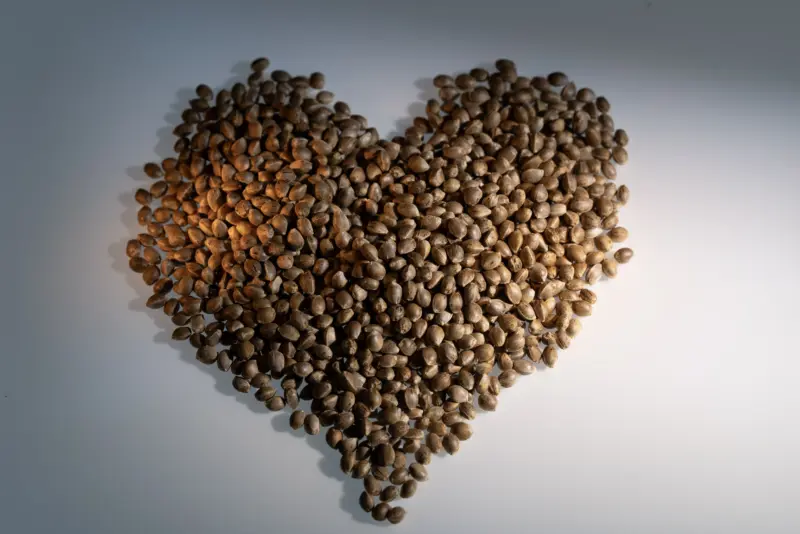
Seeds in a heart shape
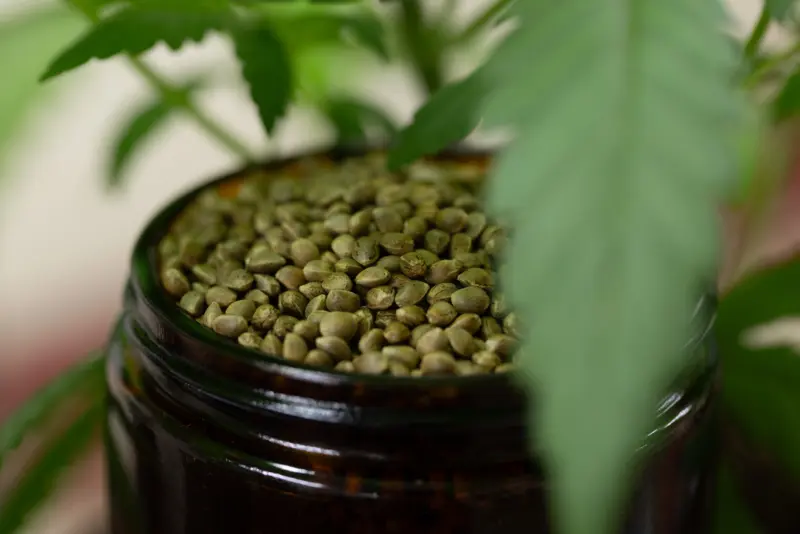
Seeds in a jar with leaves in the foreground

On your end, please consider contacting your local US Senators and Representatives today to let them know how this new statute will affect you and your community. Remember, we want to keep things professional, and we want to stay away from the cannabis debate and keep this solely about the seeds. This issue should not be controversial. Itโ€™s a matter of preserving access to non-intoxicating hemp seed geneticsโ€“a critical agricultural input. 

Thank you guys for all of your support in this critical effort to Keep Seeds Legal! It means so much to me personally, and I know it means just as much to you. We will continue to keep you informed as best we can as we ride out these last few months. Until then, please consider reaching out to your US legislators. 

All my gratitude, 

Bethย and the entire North Atlantic Seed Co Team


Donation options also available at checkout. Donate $10+ and get (2) FREE Purple Jesus Fem Photo (NASC Commercial Cultivars). While supplies last. All donations and proceeds received will directly fund the legal future of cannabis seeds.

Purchase products in the Keep Seeds Legal section of our website today!


Keep Seeds Legal - Thank you for donating over $20,000! Blog Image

The Classics Recommendations


Are you looking for a blast from the past? The Classics category may hold something that you are looking for. Most of these strains have been around for years, hold a great reputation, and took part in the creation of newer genetics.

Please contact our customer service team at [email protected] if you would like more personalized recommendations as well! Come grow with us!


Products

The Classics Recommendations


Resources


HAPPY GROWING!

Purple Caper x Dirty Bird Alpha Skunk #45 Collab

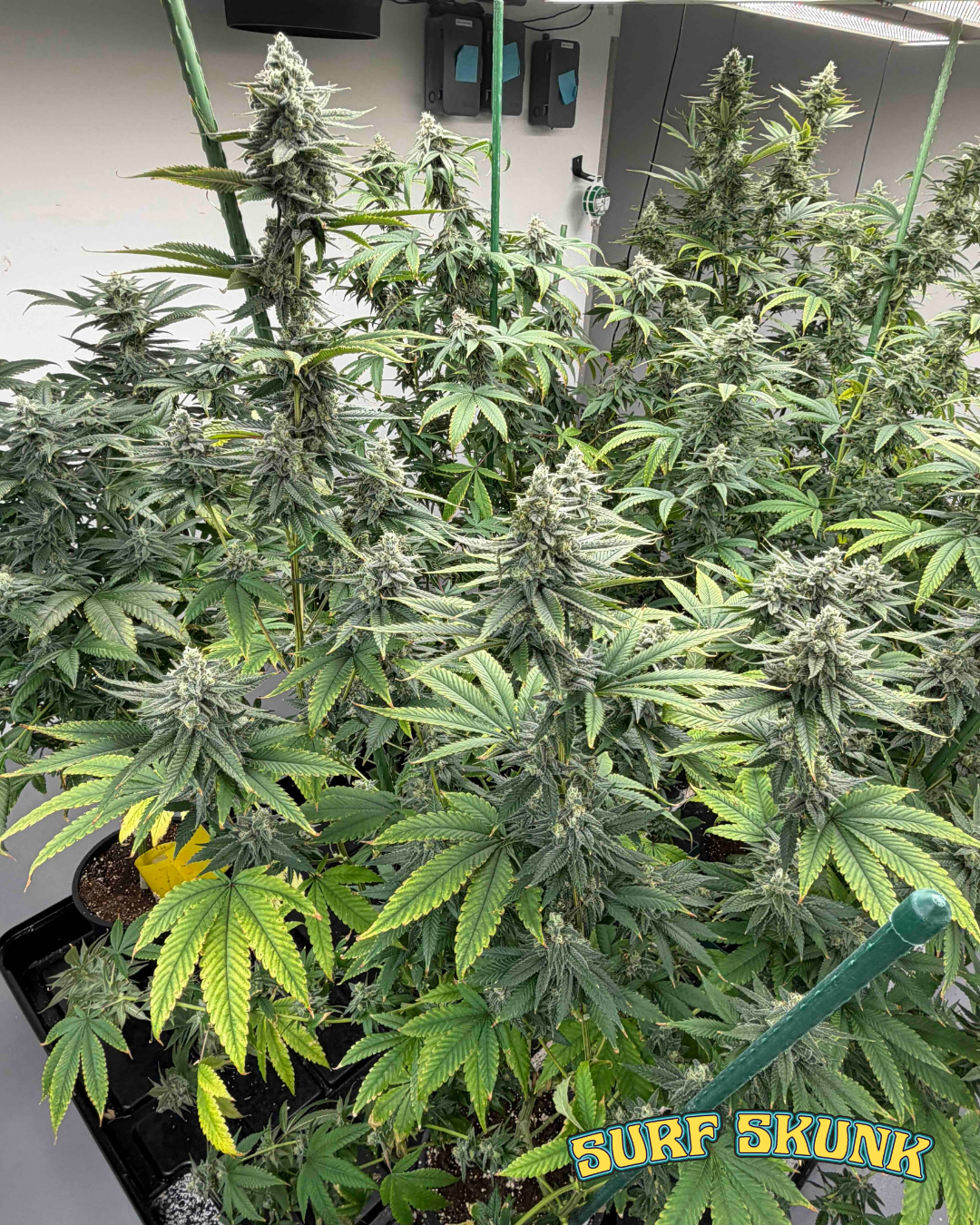
We are excited to share a new collaboration between Dirty Bird Genetics and Purple Caper Seeds, using Alpha Skunk #45. The Surf Skunk Duo drops on 9/4. Get 3 FREE 3 Mile Hawaii Fem Photo seeds with every Surf Skunk Duo pack purchased as well! This exclusive freebie will be included directly inside your limited pack. Read on to learn more about Surf Skunk and Maui Skunk.


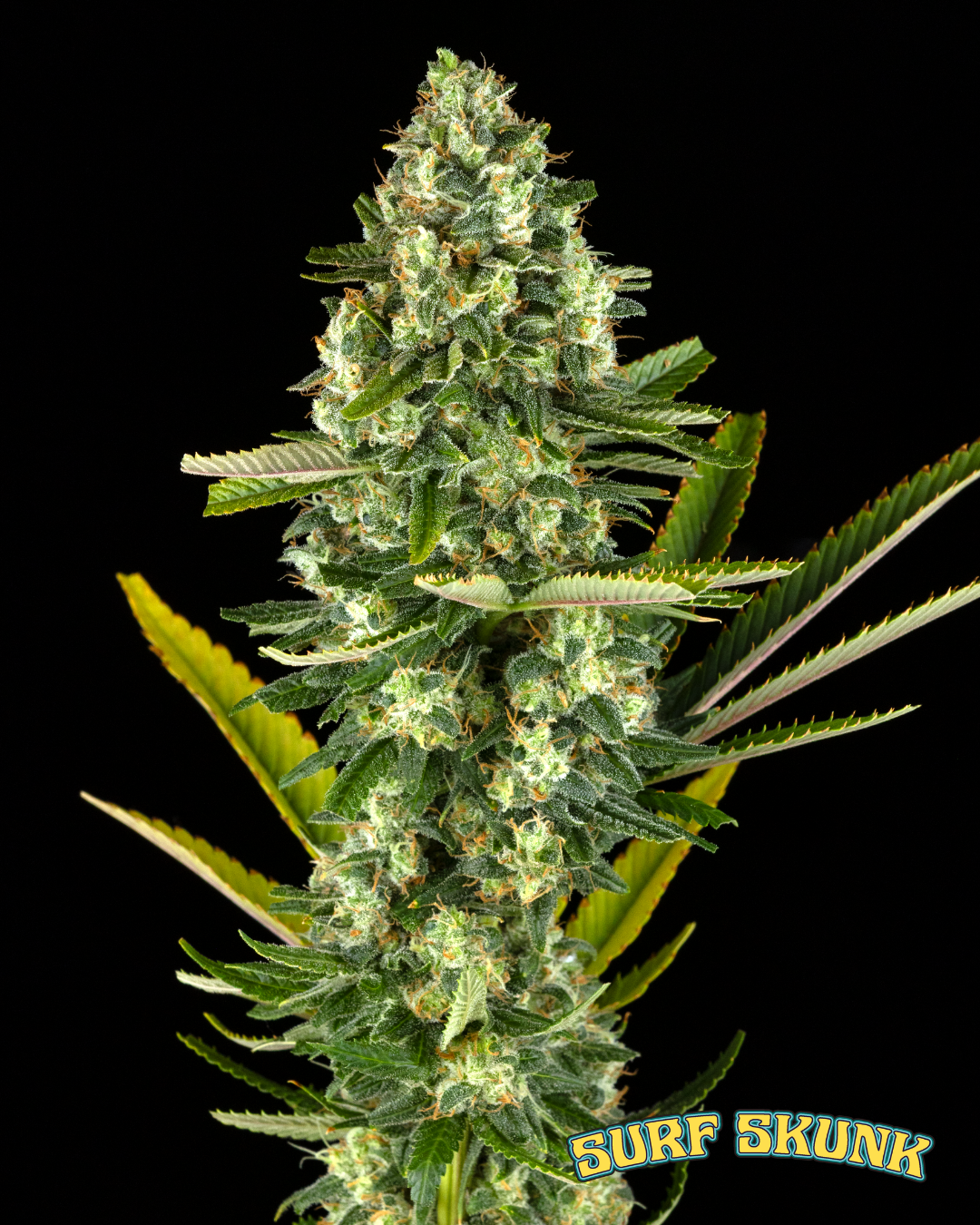
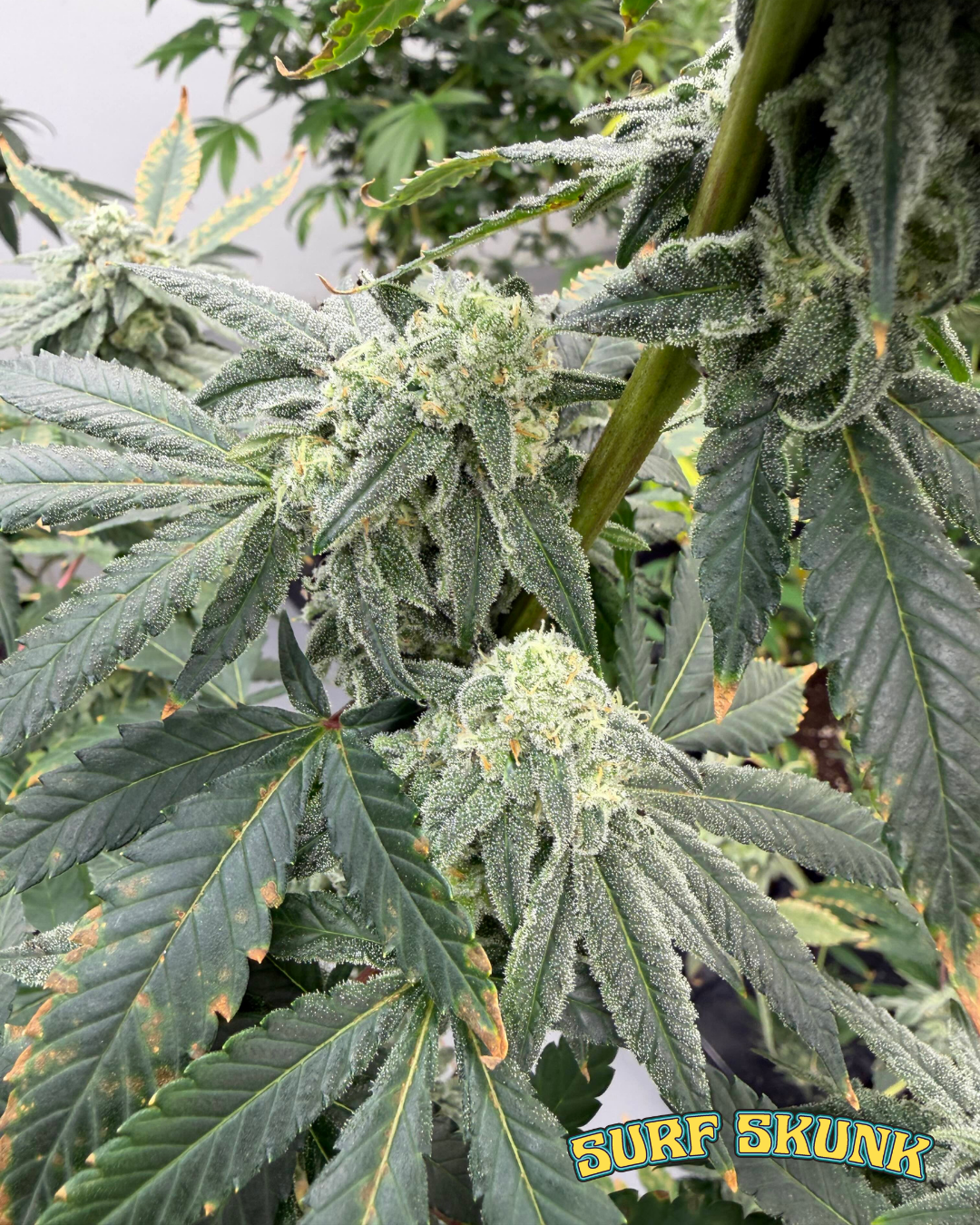
SURF SKUNK

Hawaiian Skunch x Alpha Skunk #45

Headliner of the Dirty Bird x Purple Caper collab, the Surf Skunk is a cross of Dirty Birdโ€™s highly potent Hawaiian Skunch and Purple Caperโ€™s prized Alpha Skunk #45 cut. Old school skunk genetics undoubtedly dominate the lineage of the Surf Skunk on paper, but we found that the Hawaiian-bred Maui Wowie came through powerfully, shining in all the right ways and making the Surf Skunk the highest testing strain of the project. The Surf Skunk is easily our staff favorite. 

With very well balanced vertical and lateral growth, medium foliage density, tight (but not too tight) internodal spacing, and a phenomenal array of bright, sour, citrus terpenes, the Surf Skunk was a pleasure to pheno hunt and a true blast from the past. We found that 20% of our testers had the Alpha Skunk #45โ€™s beautiful purple coloring woven into the flower from onset, and finding a special purple pheno is definitely worth searching for. The other 80% remained a bright, light green color, resembling the often-dominant traits of the Maui Wowie 2.0, parent to the Hawaiian Skunch. About 20% of our plants had a flower morphology that presented as very boutique. Although these plants didnโ€™t yield quite as well as their counterparts, they had the highest calyx-to-leaf ratios, notably high trichome production, more granular-appearing calyxes/bracts, and were all a glistening, light mint green. We chose one of this pheno as our keeper cut, and we also found these plants to be the highest testing. 

Overall the Surf Skunk is a well-spaced plant with flowers that stack together nicely as they start putting on the bulk of their weight around day 35-40. Stalks are sturdy, effortlessly supporting the high yields that this strain boasts. The terpenes and the resin production that we observed in our test runs were two of the most notable things that made us love this strain, and they typically go hand-in-hand. Terpenes ranged from the cheesy orange creamsicle scent of the Alpha Skunk #45 father, to the bright, sour, citrus of the Hawaiian Skunch mother. By day 52, the majority of plants we tested had trichomes that had turned 10-15% amber, making for a very short and fruitful flowering time. 

Terpenes: Maui, Orange Skunk, Creamsicle, Savory Cheese, Grapefruit, Sour, Gas

PVI: Moderate 

Density: Medium to High

Height: Medium

Flowering Time: 50-55 days

Morphology: 20% will have the Alpha Skunk #45โ€™s  purple coloring woven into the flower from onset, and 80% will remain a bright, light green color, resembling the Maui in the Hawaiian Skunch. Overall these plants are bushy but well spaced, great stack and spacing, sturdy, pungent terpenes, and are consistently high yielding. 


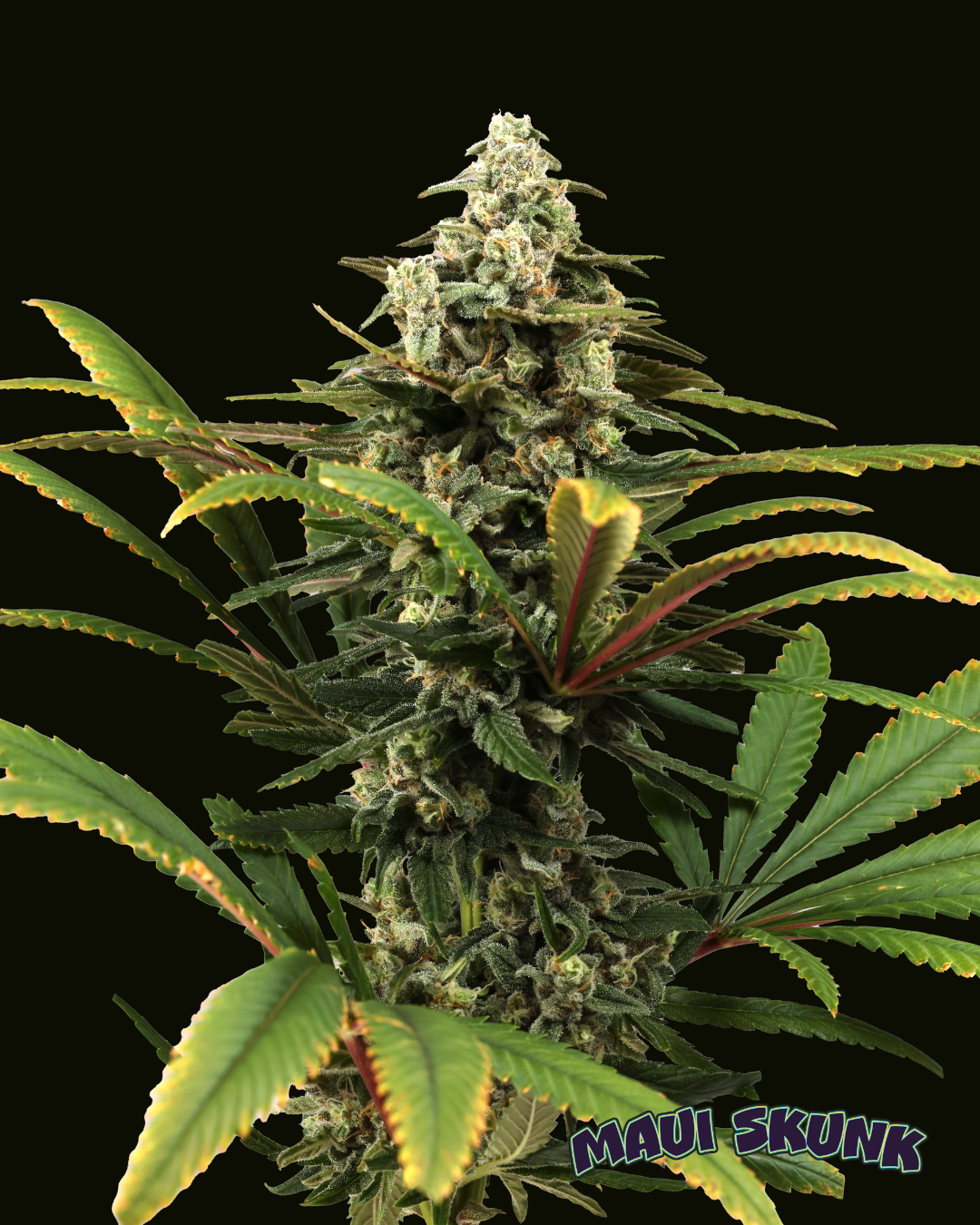
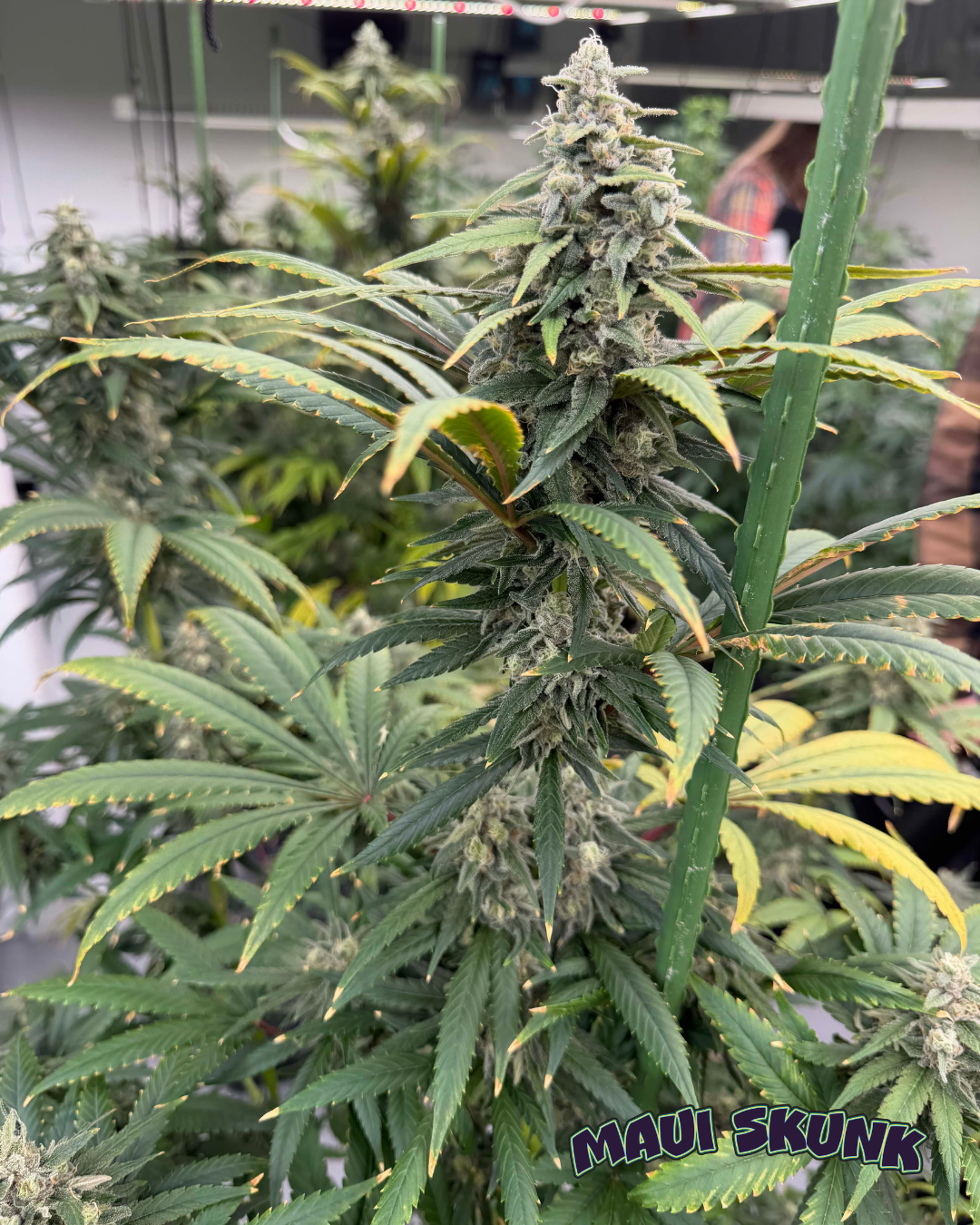
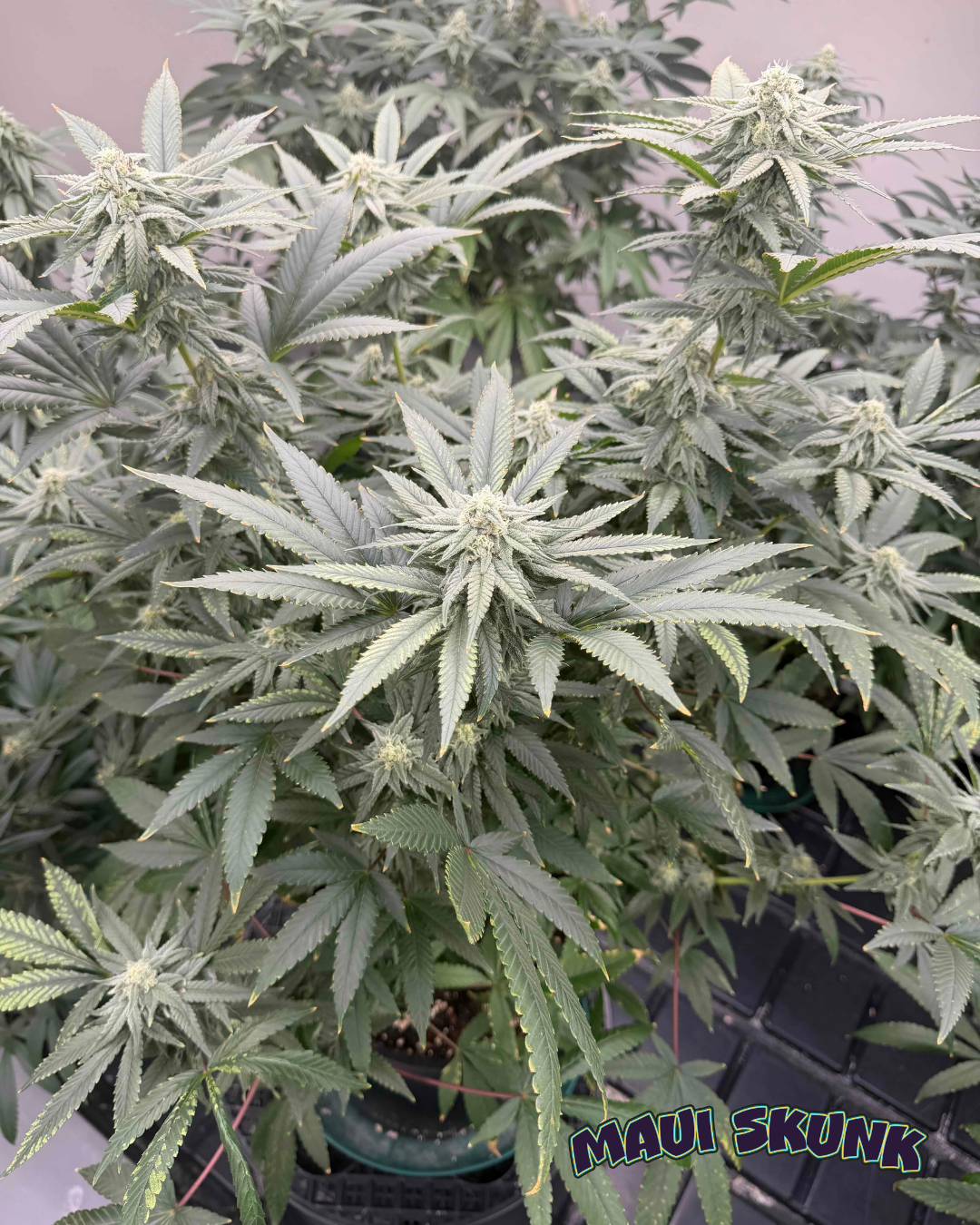
MAUI SKUNK

Maui True Blood x Alpha Skunk #45

Having spent much of our careers chasing genetics with that genuine, old-school look, smell, and feel, the Maui Skunk was truly a delight to breed and to grow. It brought us back to the early 2000โ€™s when sour, skunky, gassy, chemy terpene profiles were at their peak. Not only that, but the bones of these plantsโ€”their morpholgyโ€”resembled an archetype that felt very nostalgic. I suppose itโ€™s no surprise considering the linegages at play here, but it felt exciting and refreshing to create a new cultivar that somehow brought us back 20 years to what now seems like a simpler time. 

The Maui Skunk is many things: It is mega greasy, mega sticky, a mega yielder, and it is host to a variety of really incredible terpene profiles. Terpenes are bright, sour, chemy, pine, and gas-forward. The Alpha Skunkโ€™s funky orange nose adds complexity and variety making this strain exciting to hunt for any terpene enthusiast. Often we found our noses burned with the essence of menthol when we smelled the plants. In true Maui True Blood fashion, we also found that a small minority of plants had terpene profiles that were way out of left field: bright, sweet, tropical, and berry. 

The Maui Skunk genetics have a classic bush morphology that is the slightest bit more vertical than lateral. The plants are not overly crowded or leafy and allow for proper airflow and light penetration indoor and out. They have large, broad fan leaves and ultra-greasy flowers that climb up the arms of their colas. Floral initiation is faster than average and youโ€™ll know you have a good yielder by week 4. In our test runs, we observed an even 50/50 influence in flower morphology, with 50% resembling the long, bulky colas of the Alpha Skunk #45, and 50% leaning more Maui True Blood with dense, dome-shaped flowers. Density is to be expected in a MTB-dominant flower, but we found that the Alpha Skunk-dominant flowers were far more dense than they appeared. Because of their size, they can be easily mistaken as loose at first glance, but when you get in there and give them a squeeze, we were totally impressed by how tight they really were, especially by day 50 when the bulk of the flower and resins had finished developing. To top it all off, when we went to harvest our plants we found unassuming veins of purple running straight through the middle of the flower. 

We harvested our Maui Skunks between days 52-55 and we found them to be incredibly sticky and greasy, gumming up our scissors far too frequently. Given their tendency to have lots of healthy foliage, the Maui Skunks arenโ€™t as easy to process as your modern cookies strains, but theyโ€™re certainly worth it for the home grower thatโ€™s looking for old school flavors and effects. 

PVI: Moderate/High 

Flowering TIme: 50-55 days 

Height: Medium

Density: Med/High to High

Terpenes:  Sour, Chem, Pine, Lighter Fluid, Orange, Permanent Marker, Berry

Morphology: The Maui Skunk is a fun strain to phenohunt due to the diverse morphologies and incredible terpene profiles you are bound to encounter. Notable similarities across this cultivar include: All plants flowered and finished early, exhibited medium height, medium-to-tight internodal spacing, were mega greasy, and had high density. 50% of plants resembled the long, bulky colas of the Alpha Skunk #45, and 50% leaned more Maui True Blood with dense, dome-shaped flowers. We found that the latter showed up on the more bushy plants, and the Alpha-dominant flowers appeared on the plants with Alpha-dom morphology. The Alpha-dominant plants were also quite bushy but slightly more vertically oriented with longer (though still tight) internodal spacing. Green dominated the Maui Skunkโ€™s coloring, though we found a surprising amount of purple running through the middle of the flowers. About 20% of plants were significantly purple.


HAPPY GROWING!

Smoke Report: Apple Fritters by Auto Seeds

This time around, we tried Apple Fritters by Auto Seeds. She is a made up of Sour Apple x Animal Cookies x Ruderalis. Read on to learn about our experiences.


The buds were light, airy, and without much density. The ground up flower had this sweet, earthy aroma that reminded me of apple blossoms in the orchard on a warmer day. The effect was very pleasant. Overall, it was pretty balanced, but slightly more uplifting and motivating. It helped me focus and accomplish some creative work. My mind was ignited, but without anxiety. It definitely gave me the urge to research random topics on the internet like Nova Scotia and camera memory cards. This strain was a good day time choice for me.

- Crystal


Apple Fritters from Auto Seeds is an absolute gem. I had the unique experience of trimming this weed before I ground it up and smoked it. It was super sticky and the smell was fruity and sweet, like apples and vanilla. The buds were frosty and had lots of orange hairs. It grinds well and it was super fresh and spongy when I smoked it. It tastes clean and smooth. It's probably one of my new favorite strains since it's such a versatile hybrid. It's great for any time of day, whether you're gardening or cleaning your house or just chilling watching a movie.

- Mariah


Check out other smoke reports:


And As Always, Happy Growing!

Autoflower Cultivation Tips: How to Get the Most From Your Autoflower Crop

Autoflower genetics can produce an impressive crop in a remarkably short period of time, but that speed also means growers have less room for error.

Unlike photoperiod plants, autoflowers are working on their own internal clock. A plant that becomes stressed, root bound, overwatered, or stunted during its first few weeks cannot simply be given another month of vegetative growth to recover.

The goal is simple: keep the plant growing aggressively and consistently from germination through harvest.

Over the years, these are some of the cultivation practices that we have found most successful when working with autoflower genetics.

Mosca Seeds BlackOut Auto
strawberry yum yum auto cannabis seeds by mosca seeds

Start Autoflowers Warm

Temperature is extremely important during germination and early development.

We like to maintain a starting room temperature of approximately 75โ€“80ยฐF.

For the first week, starts can be kept under 24 hours of fluorescent light. The objective during this stage is not intense lighting. You are trying to provide a warm, stable environment that encourages fast, even germination and healthy root development.

Heat mats can also be very helpful when working on a smaller scale because they help maintain consistent temperatures around the root zone.

At commercial scale, however, maintaining consistent room temperature and warm growing media becomes much more practical than placing individual trays on heat mats.

Cold temperaturesโ€”particularly a cold root zoneโ€”can slow autoflowers considerably. They may take longer to finish and, in more severe situations, cold conditions can permanently stunt their growth.


Germinating Autoflower Seeds

For smaller batches, seeds can be soaked for approximately 24 hours in a 6:1 mixture of distilled water to hydrogen peroxide (Hโ‚‚Oโ‚‚).

This method can work very well for small batches, but soaking individual seeds becomes impractical when working at commercial scale.


Choosing a Starter Plug

We have had the most consistently successful results using Jiffy #7 pellets, although several other products can work very well.

Some alternatives include:

โ€ข Jiffy #7 pellets
โ€ข Rapid Rooters
โ€ข Quality soil-filled propagation trays

Regardless of the propagation system, the important thing is to keep the young plant actively growing and transplant it before the root system becomes restricted.

With Jiffy pellets or similar plugs, we generally recommend transplanting around day seven or once roots are clearly visible coming through the bottom of the starter.


Never Let Autoflowers Become Root Bound

This may be one of the most important lessons in autoflower cultivation.

Do not allow autoflower starts to become root bound.

Because autoflowers have a predetermined growth cycle, early root restriction can dramatically affect their final size and yield.

A photoperiod plant can often recover from early stress by extending its vegetative period.

An autoflower cannot.

If a young autoflower becomes badly root bound before transplanting, the resulting plant may never reach its genetic potential. In severe situations, I have seen growers sacrifice as much as 70% of their potential yield simply because the plants were transplanted too late.

Keep them moving.


Using 72-Cell Trays

Growing starts in 72-cell soil trays can be an economical option, especially when planting at larger scale.

The tradeoff is that you have a relatively short window before the plants need to be transplanted.

As a general guideline, you have approximately 10 days to get them out of the tray and into their final growing environment.

Do not buy extremely thin, flimsy propagation trays. They make transplanting unnecessarily difficult.

One simple method is to use a pencil or similar blunt object to gently push the root ball upward through the bottom of the tray rather than pulling the plant from the stem.


Direct Sowing Autoflowers

Direct sowing can also be successful.

Several experienced farmers have produced excellent autoflower crops by planting seeds directly into their outdoor beds or containers.

The primary advantage is obvious: you eliminate much of the propagation and transplanting labor.

However, environmental conditions need to cooperate.

Warm nighttime temperatures are particularly important because cold soil can significantly slow germination and early root development.

Irrigation placement is also critical during direct sowing. Initially, make sure your drip emitters are positioned directly over or immediately adjacent to the planted seed so the small root zone receives adequate moisture.

Once the plants establish themselves, irrigation can be adjusted accordingly.


Choosing the Right Container Size

When growing autoflowers in containers, I generally prefer 3-5 gallon pots. The larger the better!

This size provides plenty of root space while still allowing growers to achieve a proper dryback between irrigations.

Five-gallon containers are often more than necessary in my experience, although some growers have excellent results with them.

The ideal container size ultimately depends on your environment, irrigation strategy, growing medium, and cultivation style.


Companion Planting Autoflowers With Full-Term Plants

One of the more interesting outdoor strategies is using autoflowers alongside full-term photoperiod plants.

Some farms are planting several autoflowers around the outside of large 50โ€“200 gallon fabric pots.

The autoflowers become an early-season crop. Approximately one month before the autoflowers finish, a well-established photoperiod teen can be planted toward the center of the container.

After the autoflowers are harvested, the photoperiod plant continues growing and eventually fills the space.

This approach can allow a cultivator to harvest:

One early autoflower crop + one large full-term crop from essentially the same cultivation footprint.

The technique can be particularly well suited to organic cultivation and large living-soil containers.

Mosca Seeds Gummy Bears Auto
A close-up of a mature Frosted Watermelon Auto cannabis plant with dense, trichome-covered buds and narrow, pointed leaves.

Do Not Overwater Autoflowers

Overwatering is one of the most common mistakes we see people make when growing autoflowers for the first time.

A smaller plant naturally has a smaller root system and therefore requires less water.

Keeping the root zone constantly saturated reduces the amount of oxygen available to the roots. That loss of oxygen can severely stunt growth and may also create conditions favorable to problems such as Pythium and root aphids.

If young autoflower plants suddenly begin sagging or drooping, overwatering should be one of the first things you investigate.

Healthy autoflower roots need both water and oxygen.

A proper wet-to-dry cycle is extremely important.


Indoor and Greenhouse Lighting

For indoor or greenhouse production, we recommend approximately 18โ€“20 hours of light per day once plants are established.

Long light cycles can help improve:

โ€ข Yield
โ€ข Plant density
โ€ข Trichrome production
โ€ข Overall productivity per square foot

One of the major advantages of autoflower genetics indoors is that flowering is not triggered by reducing the photoperiod to 12 hours.

The plants can therefore continue receiving long days throughout their entire lifecycle.


Autoflower Nutrition

Autoflowers typically develop a somewhat smaller root zone than large photoperiod plants, so they generally do not require the same nutrient concentration.

In many situations, growers can run lower nutrient PPM levels while still achieving excellent results. More fertilizer does not automatically equal more yield. Maintaining healthy, active roots is far more important.

We have also found that maintaining some additional nitrogen during flowering can help support plant development and increase yield rather than eliminating nitrogen too aggressively once flowering begins. As with any crop, watch the plants rather than relying exclusively on a feeding chart.


Topping and Defoliation

Heavy training is generally unnecessary with autoflowers.

We do NOT recommend topping autoflower plants as a standard practice. The plant simply has too little time to recover if growth is slowed.

Selective thinning of larger fan leaves, however, can be beneficial when autoflowers are planted densely. Removing strategically selected leaves can improve airflow and allow better light penetration into the canopy.

Avoid excessive defoliation.

The objective is to improve the growing environment without significantly slowing the plant.


Trellising and Plant Support

Outdoor autoflowers generally remain compact enough that extensive plant support is not required.

Indoor and greenhouse plants can be different. Under high-intensity lighting and optimized growing conditions, flower production can become heavy enough that plants benefit from:

โ€ข Trellising
โ€ข Stakes
โ€ข Other forms of branch support

Providing support early is usually easier than trying to hold up heavily flowering branches later.


Understanding the Harvest Window

Because autoflowers grown from seed still exhibit phenotypic variation, every plant in a population will not necessarily finish on exactly the same day. That is normal.

Under optimal growing conditions, approximately 70 days is often the beginning of the harvest window for many modern autoflower cultivars.

Some faster individuals may be ready around 65 days, while others will require additional time.

Environmental conditions also have a significant impact on finishing time.

Cold temperatures, inconsistent weather, humidity changes, root-zone stress, and other environmental variables can all cause plants to finish more slowly.

Think in terms of a harvest window rather than a single harvest date.

Inspect each plant individually and harvest based on maturity rather than simply counting days on a calendar.

Mosca Seeds Neon Gummyz
Mosca Seeds Strawberry Guava Auto

The First Few Weeks Matter Most

The biggest difference between successful autoflower cultivation and disappointing results usually happens early. Keep the fundamentals consistent:

Warm roots.
Healthy starts.
Early transplanting.
Proper drybacks.
Moderate nutrition.
Long light cycles.
Minimal unnecessary stress.

Most importantly, never allow an autoflower to stop growing during its early development.

Autoflowers move quickly.

When everything is dialed in from germination forward, that speed is exactly what makes them such a productive and exciting crop to grow.


Lastly, here are the Strain Category suggestions:

High Test:

Blumosa, Strawberry Canyon, Root Beer Mac, Chrome Frost, Grease Trap, Strawberry Yum Yum- Auto, Blackout Auto, Kushy Chem Auto, Strawberry Guava, Frosted Skywalker

Beginner Friendly:

Jelly Rollz, Sello, Pink Animal Crackers,

Outdoor:

Pink Animal Crackers, Baja Blast, Jelly Cat, Neon Gummys, Gummy Bears

Disease & Pest Resistant:

Venus Blue, MarVista, Pink Animal Crackers

Short and Compact:

Indiana Bubble Gum S1, Indiana Bubble Gum BX, Banana Diesel, Cherry Soda Syrup

Extraction:

Blumosa, Root Beer Mac, Chrome Frost, Strawberry Yum Yum,

Unique Terpenes:

Banana Diesel, Root Beer Mac, Mosca's Razzberries, Chrome Frost, Frosted Guava Auto, Chrome Frost Auto

Classics:

Indiana Bubble Gum, Raspberry Boogie, Baja Blast, Frosted Raspberrys, Cheesesus Christ Superstar

Color & Bag Appeal:

Watermelon Za Za, Pina Colada Auto, Pineapple Whip, Strawberry Guava Auto, Runtz de Fruitas, Root Beer Mac

Stabliized Genetics:

Baja Blast, Pink Animal Crackers, Raspberry Boogie, Root Beer Mac, Strawberry Yum Yum, All Mosca AutoFlower strains

High Yield:

Root Beer Mac, Strawberry Yum Yum, Pineapple Whip, Strawberry Guava Auto, Cheesesus Chris Superstar Auto

Early Finishers:

Raspberry Boogie, Pink Animal Crackers, Frosted Watermelon Auto, Larry Bubba Gelly, Strawberry Yum Yum Auto, Chrome Frost Auto

Green Regards,

Mosca Rick
CEO
Mosca Seeds
MoscaSeeds.com

Stabilized Genetics Recommendations


Are you looking for some consistency in the cannabis plants that you grow? This post will feature some strain options with stabilized genetics. These options will have a low PVI (Phenotypic Variation Index), offering reassurance of stability and uniformity.

Please contact our customer service team at [email protected] if you would like more personalized recommendations as well! Come grow with us!


Products

Stabilized Genetics Recommendations


Resources


HAPPY GROWING!

Strawberry Cyanide Auto: A Throwback to the Old School Sour Diesel

Strawberry Cyanide Auto is the pungent, Strawberry Diesel-forward cross of the Bruce Banner and Dirty Birdโ€™s own, Sour Gorilla Auto. In tracing these genetics back, youโ€™ll find that the aforementioned mother and the father have strong sour diesel and strawberry diesel lineages in common. This explains why the Strawberry Cyanide Auto felt so timeless when we first tested the genetics in early 2026. The look and smell brought us back to the early 2010โ€™s when medical cannabis was just gaining steam here in Maine. The east coast Sour Diesel genetics dominating the genome back then were truly unforgettable and, until this point, equally elusive. Anyone who has worked closely with us knows weโ€™ve been hunting for an incredible Sour Diesel ever since. While we have yet to find it in the photoperiod gene pool, this cross has unexpectedly delivered us a win.

The Strawberry Cyanide F1 Auto is a hybrid cross that exhibits great uniformity and vigor, and incredible terpenes. In the first 5-6 weeks of its life, it may appear moderately stretchy due to its vertically-oriented structure, but by the end of week 7 it kicks into high gear and begins filling out its gorgeous, multi-toned flowers. By harvest, most of the cohort will have calyxes and fan leaves flecked with maroon and dark purples. Flower morphology is long and conical with minimal leaf, making this strain easy to manicure and process. Some plants will fill out their length better than others, with the shorter, tighter phenos being the keepers we chose to move the line forward to the upcoming F2 generation.

Terpenes are unwavering in their potency, but diverge slightly between sour petroleum and strawberry sandalwood. Bright sour, chem, and gas is definitely the dominant profile, and a token example of the terp profile that gave the legendary Sour Diesel its name. The strawberry comes in as a strong second adding complexity and flavor to an already bright, intriguing palate. About 15% of plants were strawberry-dominant with sour/chem undertones. 

Expect plants to finish between 65-75 days. When scoped at day 65, we observed amber coloring in approximately 5% of trichomes, making it an early finishing autoflower in our indoor grow. Trichome stalks were tall and copious with medium, average sized heads. Flowers were incredibly greasy. In breeding this line forward, we noted that the plants remained very healthy when pushed past their prime into 80-90 day territory, indicative of healthy, stable genetics that are unlikely to herm, even in adverse environments. Plants will gain deeper color the further you push them.

PVI: Low-moderate โ€“ Strawberry Cyanide is a plant that grows vertically with a strong central cola, moderate stretch, and moderate internodal spacing. Great for sea of green or scrog. About 25% of plants will be shorter with tighter internodal spacing and stacking, but these will otherwise resemble the taller, dominant phenotype. Flowers are tall and conical with a high calyx-to-leaf ratio making them easy to process. Coloring will range from a vibrant green to a dark green with maroon and purple flecks of color in the fan leaves and calyxes.

Yield: Average to high 

Flowering Time: 65-75 days

Terpenes: Our favorite kind of gas, very reminiscent of the classic Sour Diesel! Bright Sour/Chem/Petroleum; Strawberry; Undertones of Pine and Sandalwood.


Buy Strawberry Cyanide Auto (F) here!


Browse all Dirty Bird Genetics here!

Products by Category


HAPPY GROWING!

Male Selection in Cannabis Breeding

When it comes to Cannabis breeding, most attention is focused on the females
and the desirable traits they express but it is also critically important to pay close
attention to the other half of the seed equation: the males. Many people breed with
feminized plants but there are still quite a few breeders who understand the power of
breeding regular cannabis plants. For those interested in reg breeding, the traits
exhibited by the male cannabis plant are just as important as the traits exhibited by the
female cannabis plant, even if those traits the male possesses arenโ€™t as obvious at first
glance.
Male cannabis plants donโ€™t readily show their colors, what female progeny flower
morphology may look like, nor do they give off the large quantity of terpenes that female
plants do during their flowering stage. Male cannabis also produces way less trichomes
which can make it hard to determine what its contribution to the next generationโ€™s
trichome accumulation will be. Despite the difficulties in determining what traits males
may pass along, there are several factors we look for when selecting a keeper male for
breeding stock.


Maturity Time:
One major trait that can be observed is the time it takes for the males to initiate
flowering as well as the total flowering time until mature pollen is released from the
anthers as they dehisce. The males that flower earlier and produce pollen sooner can
translate to female progeny that has faster flower onset and quicker flowering time. This
trait can be a two-edged blade as early flower development and shorter flowering time
can be a great boon for outdoor growers in wetter climates as they may be able to reap
their harvest before mold sets in during the colder months of September and October.
Certain cannabinoids and terpenes take longer to synthesize and concentrate in large
quantities in the interior of the sticky trichome heads. If flowering time is too short, you
may risk losing some potency and/or terpenes that may have been expressed in greater
quantities with an extra week or few weeks of flower development. Ultimately this is
cultivar specific as there are many strains available on the market that do have rapid
flower onset and short flowering times that still reach approximately 30% THCA
concentrations, as well as high total cannabinoid concentrations.
When selecting males for our breeding program we watch and document flower
onset, latency of dehiscence (i.e. how long does it take from seeing initial anthers/male
flowers until the anthers start opening and releasing pollen), how long the males produce pollen for, and total flower yield. Growing the males out until all the plants you
selected to hunt from have completed this part of their cycle is very important as many
of the males who didnโ€™t flower first may end up having larger flower yields if left to run
the course of their flowering stage. By not immediately pulling the trigger on selecting
the males fastest to release pollen you may see other males in the selection pool that
actually have larger yields, which can translate to larger female progeny flower yields.
These metrics help us determine which male may have the traits desired for a
given project, although project goals change slightly between different cultivar lines.
With some lines we are looking for faster flower onset and maturity and thus look at the
earliest flowering, and then ultimately pollen producing, males. With other lines the
flowering time/ flower onset isnโ€™t as much of a focus and increasing the yield of the next
generation is the targeted trait. With a breeding project aimed at increasing yield,
growing all the males out until flower yield can be determined is imperative for making
the best choice of pollen donor.

Stalk Strength/Overall Plant Morphology:
Stalk strength is one of the most easily observable traits in male cannabis plants.
Watching how they grow and seeing if they need any staking throughout their lives is a
big tell to us whether that pollen will help to strengthen the next generationโ€™s stalks. By
applying light pressure on the middle of some lateral branches on the male plants we
can determine if the lateral stalks will be strong or weak. Obviously strong stalks are
desired as this may translate to stronger stalks in their female offspring, which is a
bonus especially when those future female stalks/branches start being tested under the
weight of developing female flowers. Males observed with weak lateral and/or apical
stalks are removed from the selection pool and only those that can hold themselves and
their lateral branches up remain to be chosen from for future breeding.
The overall morphology of the male matters a lot too. Does it grow many leaves
that face in towards the apical stalk? Does it have tight node clustering with short
internodal distance or long internodal distance? Do its lateral branches grow in
alternating patterns to maximize light penetration to the lower branches or not? Did it
stretch a normal amount in flower? More or less stretch than what is normally
observed? The answers to these questions also help us determine which male to keep
as a male with tight internodal spacing, moderate to low leaf coverage, and an
alternating branch structure is highly desirable for increased yield as well as decreased
maintenance (i.e. less defoliation required). The overall morphology of the male plant
can help a breeder determine how it may pair with the female pollen receiver they have
selected. Does the male look like the female in vegetative structure? Does it look
different in a beneficial way? If we have a female cannabis plant that has many great. traits but is a bit too leafy, selecting a male with moderate to low leaf:flower (anther)
ratio may help in clearing out the shaggy appearance of the female pollen receiver in
the next generations offspring.
The Brunch F1 (Peanut Butter Breath -Thug Pug x Mimosa -Symbiotic) original
used a natural male Mimosa cultivar from Symbiotic in its creation. The Mimosa male
was selected as the winner of its cohort largely due to its incredibly strong stalks and
good internodal spacing, as well as a desirable plant morphology that allowed much
light penetration at all heights of the plant. We have seen the strength of that Mimosa
male in many of the Brunch F1โ€™s as well as in many of the Brunch crosses that
developed from that original F1.

Dirty Bird's Sour Moose F1 keeper cut exhibiting exceptional stalk strength, great internodal spacing, and desirable overall morphology.ย 

Terpenes:
Male cannabis plants do produce trichomes, just nowhere near the quantity
generated by female cannabis plants. This can make terpene profile somewhat difficult
to determine on many male cannabis plants. By allowing the male plants to flower for
their full cycle, and by checking on them weekly if not daily, a breeder can observe if
terps are developing and what kinds of aromas the males may pass along. By rubbing
the stems and/or the lateral stalks of the male cannabis plant, a breeder can get a pretty
good idea of the terpene profile that male could contribute to the next generation.
The Mimosa male, mentioned above, also had a strong terpene profile, for a
male, during the initial hunt. By rubbing the apical stalk, one could easily get a citrus,
pine, fruit profile and we have observed this culminate in the sweet-apple like terpene
profile exhibited by most Brunch F1โ€™s and resulting crosses. This highly detectable
terpene profile found in the Mimosa keeper male was another reason for its selection as
the pollen donor for the original Brunch.

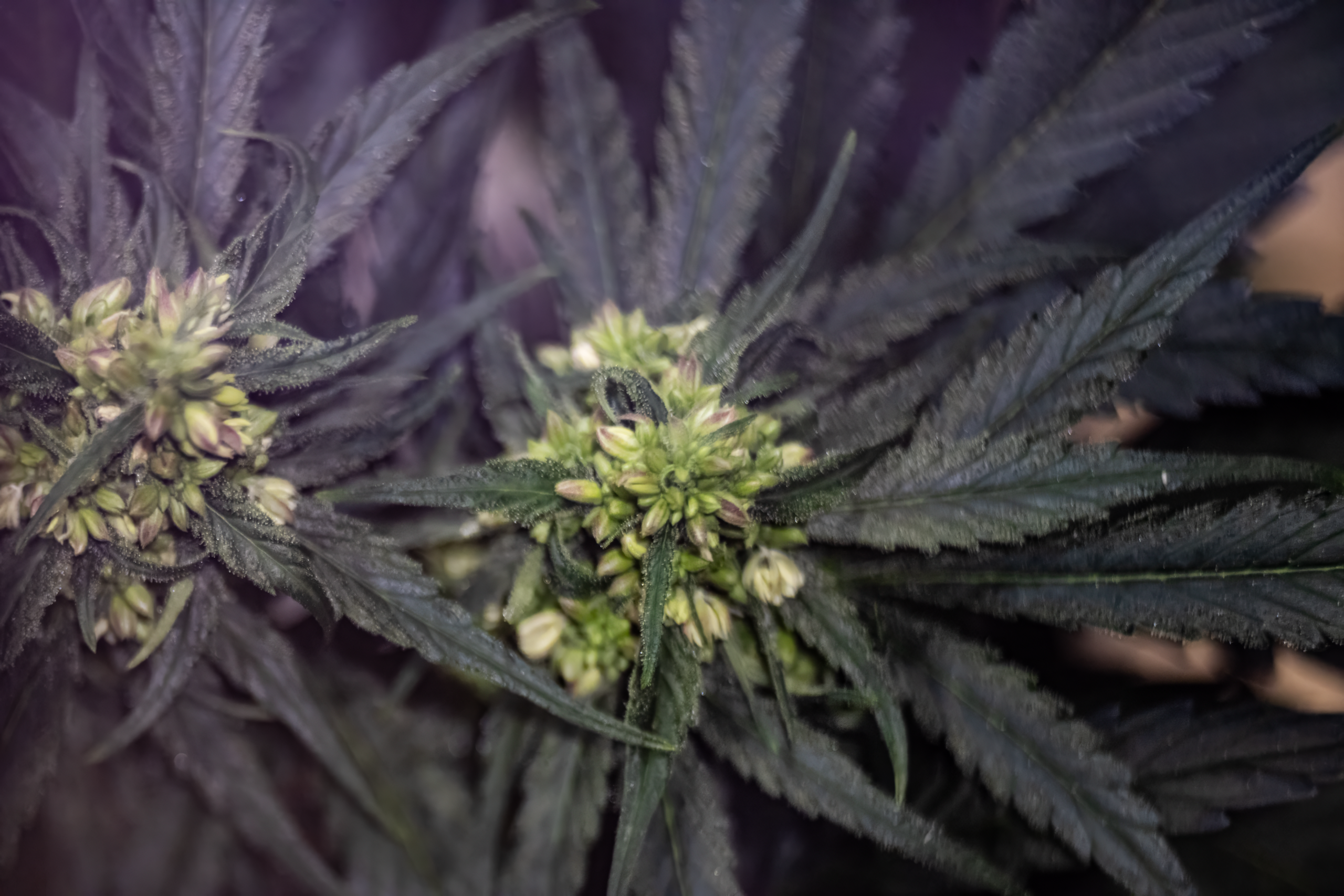
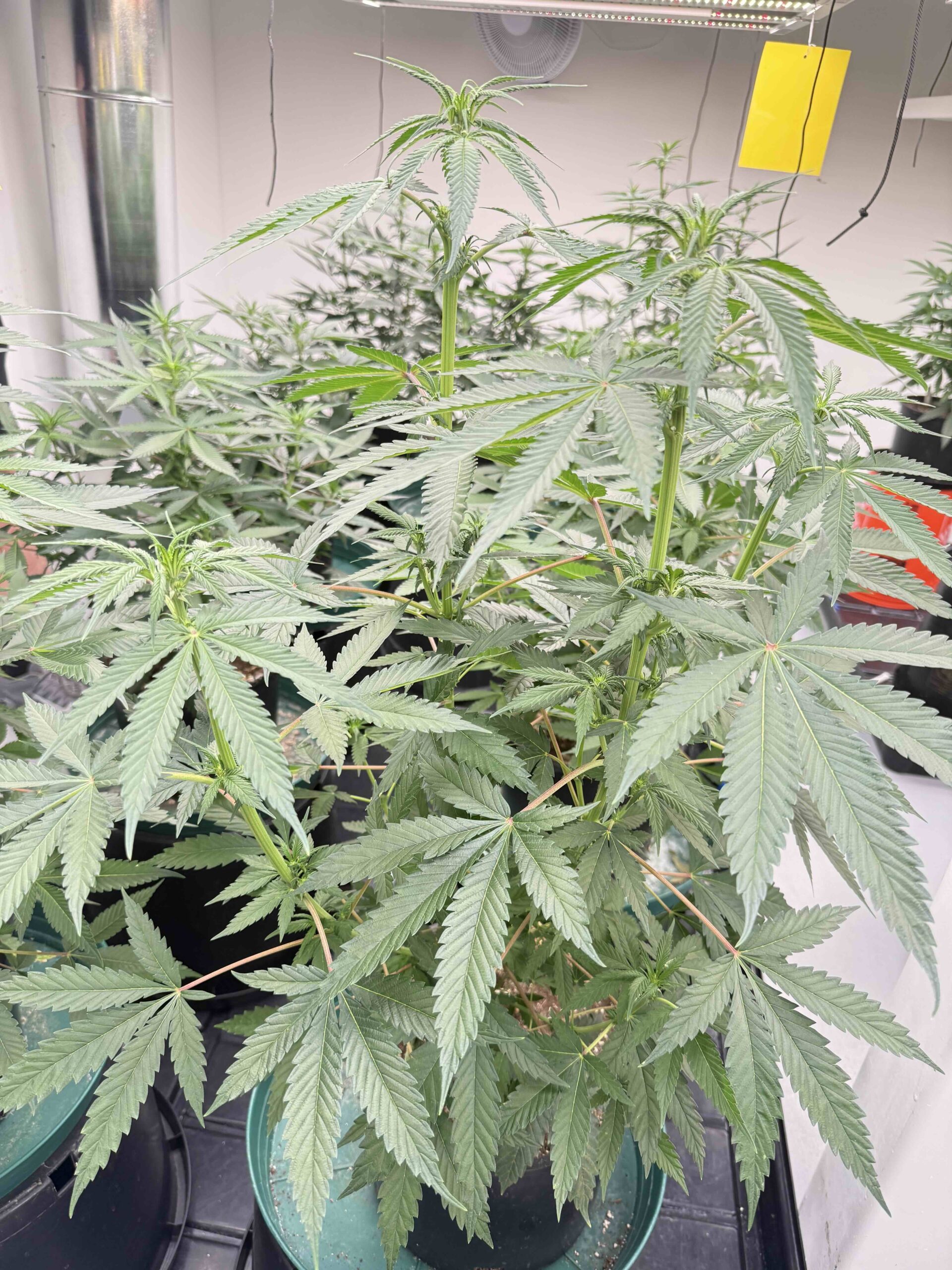
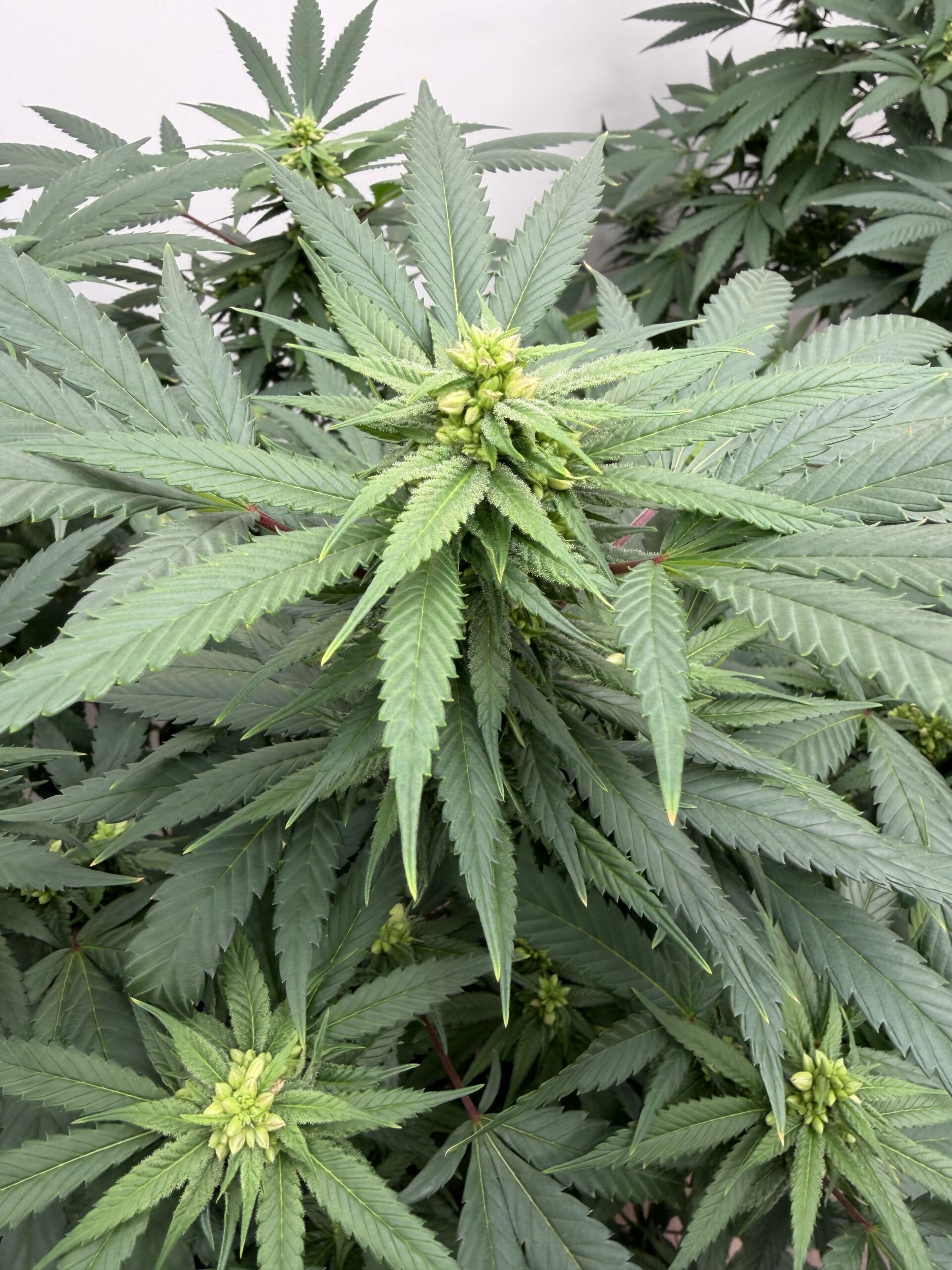
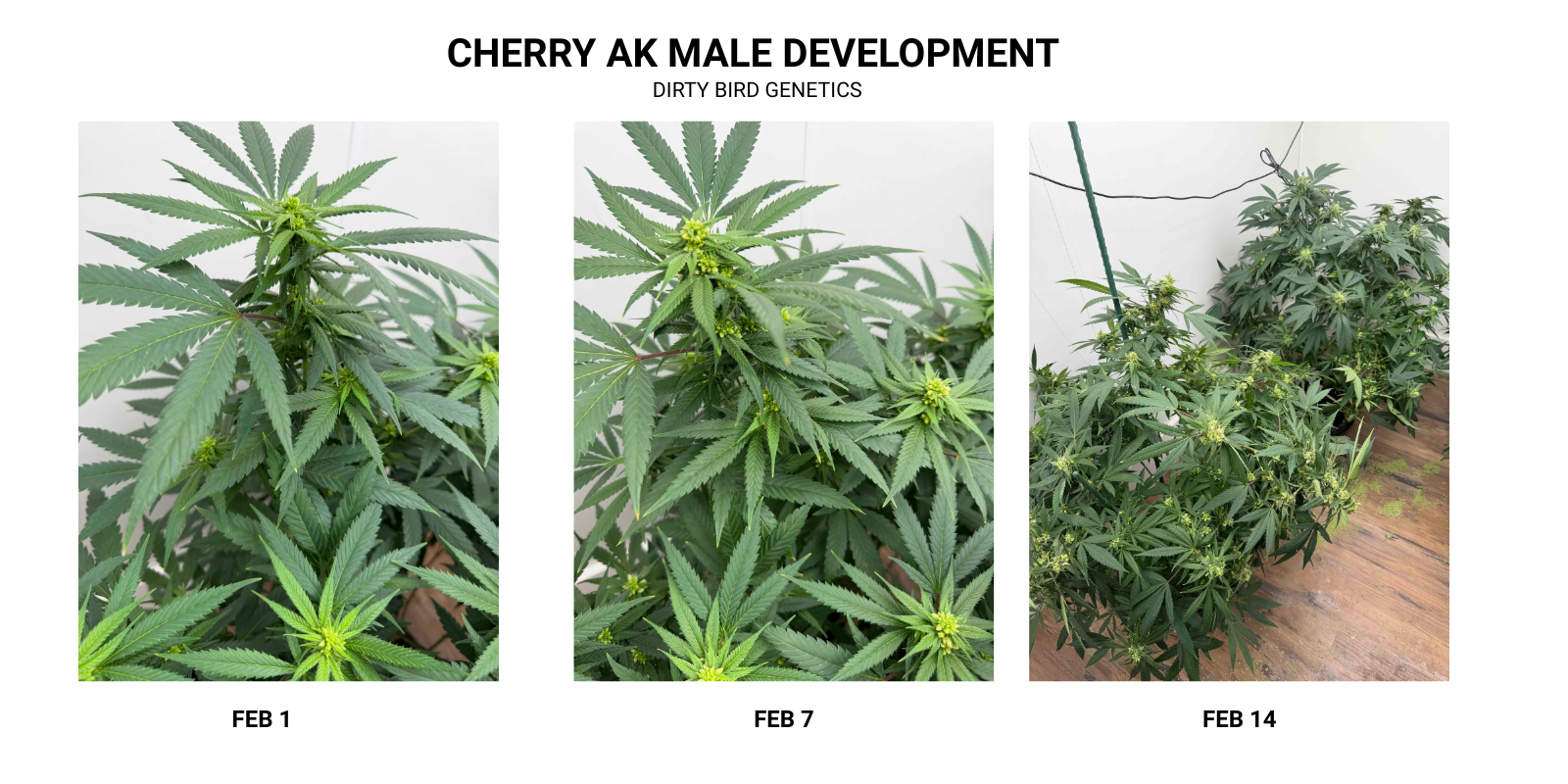
Cherry AK male plantย +ย pollen donor at Dirty Bird Genetics as it develops over two weeks.ย 

Color:
Some cultivars are purely green, and others have a range of purples that vary in
expressivity from flecks in the calyxes or the edges of leaves all the way to full leaf
and/or calyx purpling. In some cultivars, this coloration can be seen on the males as
well. If purple color is a trait you are looking for when breeding regular photoperiod
cannabis, then paying close attention to what males, if any, in a pheno hunt develop
color and to what degree they develop that color is very important.

Progeny:

The absolute test of what traits your chosen male passes along are the traits you
observe in its offspring (progeny). As long as you know the traits of the mother plant, by
taking consistent and detailed notes on her over multiple grows in multiple settings, you
can deduce what traits the progeny received from the male pollen donor. This is
invaluable in determining if you have selected the correct male to pass along traits that
hit the goals of your specific breeding project.
We usually keep 2 or 3 males that seem the most promising from a hunt and then
breed all three (in separate rooms and/or at separate times) into clones of the same
mother plant. Using this method we can track the traits passed along by each male by
observing the traits in the offspring for 2 or 3 separate lineages. If the offspring from the
first male line look better than the offspring from the second or third lines, we may
determine that the male that donated pollen for line 1 is superior as far as the traits it
imparts. It takes time, patience, and meticulous note taking but is worth the effort to
determine the best pollen donor for your future projects. Growing out as many of the
progeny as you can will only increase your chances of truly seeing what traits exist in
that new gene pool and is highly recommended for breeders looking to more fully
understand what traits exist in that new resulting cross.

Summary:
Although it is difficult to gauge exactly what traits a male cannabis plant will pass
along to the next generation there are observable characteristics that can be
determined and tracked to have a better idea of the traits you will see in the resulting
progeny. By paying attention to flower onset and maturity time, overall plant morphology,
stalk strength (apical and lateral), coloration, any terpene profile exhibited, and the traits
seen in the resulting offspring, a breeder can get a better picture of the value of a male
cannabis plants' genes.


HAPPY GROWING!

Irie Genetics Shares Grow Tips & More!

Irie Genetics shares 3 tips for new growers, and more!
Don't miss out on all the great deals from Irie Genetics for Breeder of the Week!

Irie Genetics 10% OFF BOTW
Irie Genetics Freebies
Irie Genetics August 2026 Drop Now Available

3 Tips For New Growers

Have a realistic strategy and goal before you order your equipment and seeds.ย 

Look at the plants more than the monitors and meters. We grew excellent herb before we had all of these toys. Learn the plants and don't let the newest technology distract you.ย 

Have a reason why you do the things you do in the garden. What is the purpose and goal? Are you doing things for no reason? Are you wasting time and doing extra steps that do not have any benefit? Are you wasting money on a product you don't understand because someone on the internet said to buy it?ย 


Favorite Breeding Project

I am currently most excited about The Cream crosses. I made The Cream from a Cookies and Cream #13 female and an Arise male known as King Solomon. I gave a pack of Cream seeds to a local friend and he found a female phenotype that has everything a good breeding plant needs. I have used this phenotype as a female in breeding projects and as a reversed pollen donor to make feminized seeds. The progeny from the reversed project are beautiful. The Cream pollen donor gives the progeny impressive potency, a sturdy structure, and a nice shape while allowing the flavors and aromas of the female part of the breeding project to shine through in flavor and effect. Most of the plants present dark colored leaves with silver trichomes and dense flowers.ย 
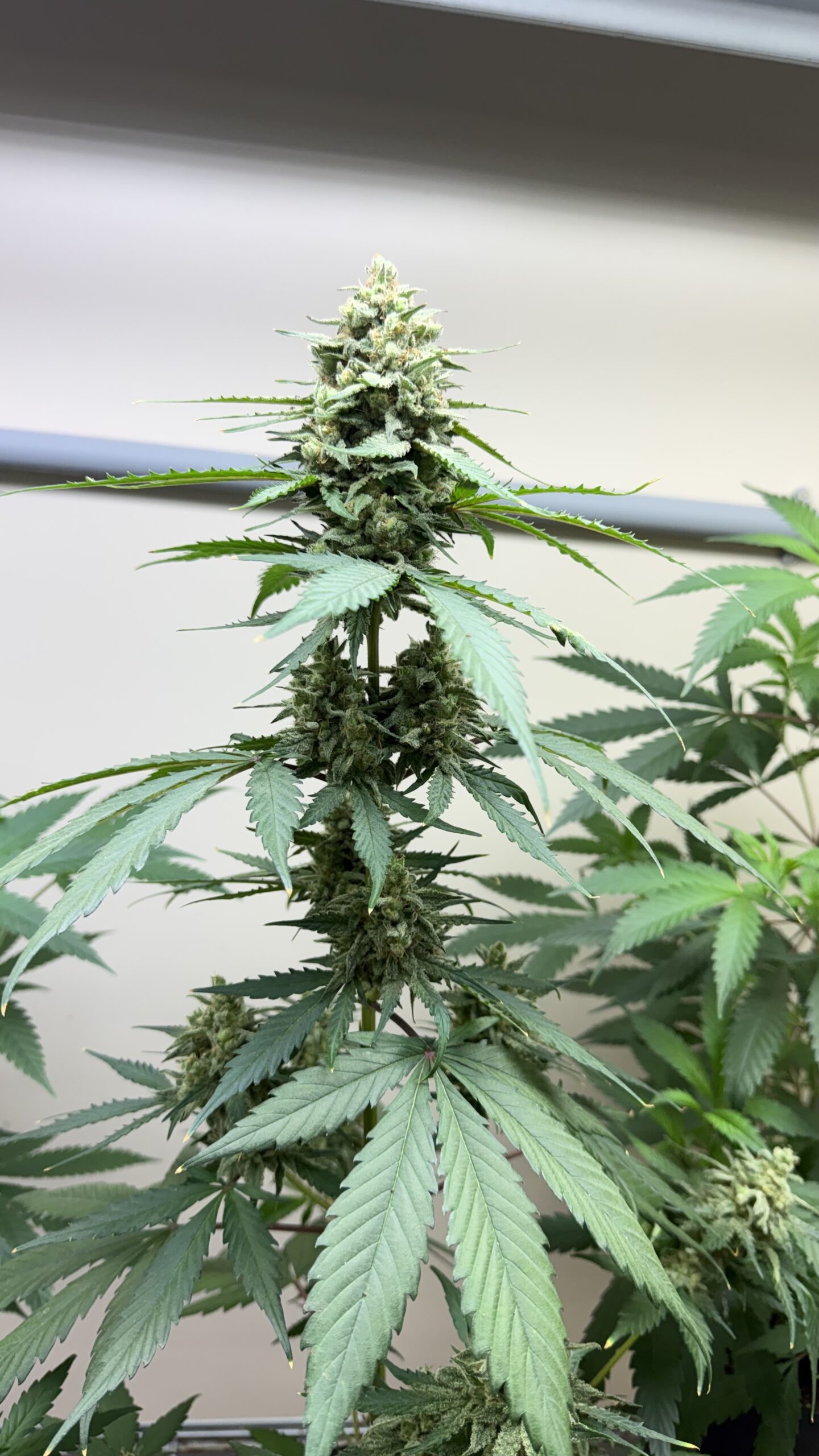
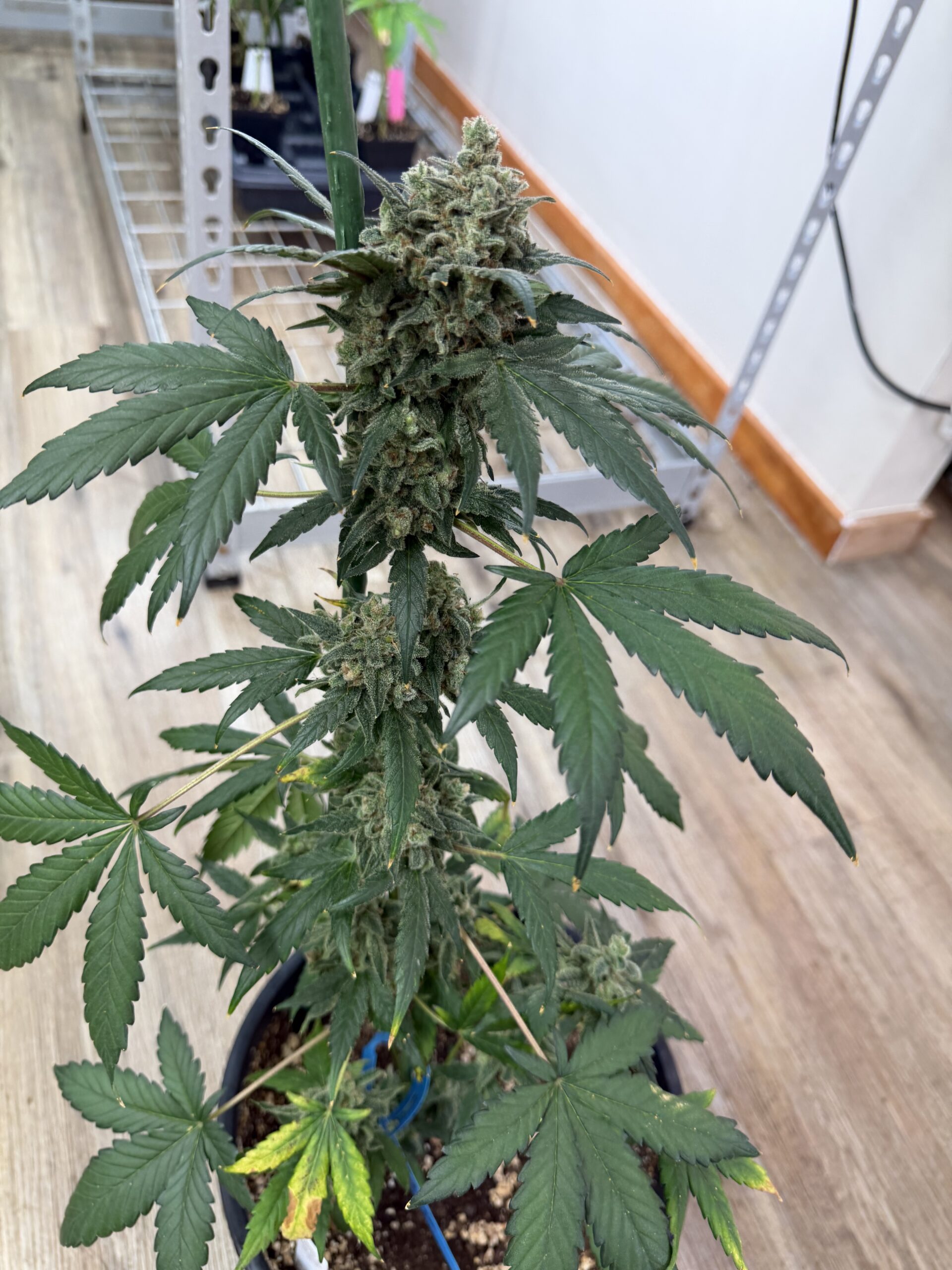
Irie Ice Cream Cannabis Seeds by Irie Genetics

Recommendations

Outdoor:
Cherry Vanilla Skunk

Beginner Friendly:
Cherry Vanilla Skunk

Short Flowering Time (under 8 weeks):
LOL

Resistance to Disease:
Gassafrass, Alfredo

High Yield:
Gorilla Caulk, Stairway to Lemon

High Test (THC):
Arise F2 #4

Terpene Heavy:
Bill Cipher, Stairway to Lemon

Extracts:
Lavender Cream, Whirlpool

Smoke Report: Mint Lemonade Auto by Dirty Bird Genetics

For this round, we tried Mint Lemonade Auto, a new addition to the Alpha Series by Dirty Bird Genetics. She is a cross of Purple Lemonade Auto x Mint Jelly Auto. Read on to learn about our experiences.


Mint Lemonade is an afternoon delight for me. This was an excellent post-work, pre-dinner strain. It helped me decompress after a long day, but kept me functional to tackle some tasks that were more lax. It's a great option for fans of calming, balanced strains. It also jump started my appetite right before dinner, and as many of you can imagine, it made the meal taste twice as good. Soreness in my feet became a temporary after-thought. The taste and smell offered a pretty even lemon and herbal blend, with a few random pops of zestiness. I appreciate this combination of terps a lot!

- Crystal


I really loved this strain! I instantly felt super chill and mellow when I smoked Mint Lemonade. The buds are stunning with flecks of purple throughout. It ground up beautifully and smoked very smoothly. The smell and taste is sweet and has some fruity vibes that are present but not overpowering. I would recommend this strain in the evening to unwind or enjoy it on a rainy day when you have nothing to do except watch tv and take a nap. It definitely makes you super relaxed. Have snacks ready of course!

- Mariah


Read more about the differences between Alpha Series, Limited Series, & Tester packs.


Products by Category


And As Always, Happy Growing!

Beginner Friendly Recommendations

Beginner Friendly Recommendations Blog

Do you want to get into growing, but you're completely unsure on where to start? This post will feature some resources related to growing, grow-products, and seeds that will get you there, without extensive effort. These recommendations come from cannabis seeds we grew ourselves and had a lot of success. We also built this category based on recommendations directly from the breeders themselves through many conversations over the years. Most importantly, we took years of feedback from home growers like yourself and added strains to this category that make it as easy as possible to find cannabis seeds to get you started on your grow journey!

Please contact our customer service team at [email protected] if you would like more personalized recommendations as well! Come grow with us!


Products

Beginner Friendly Recommendations

Our beginner bundle comes with items to help you navigate germinating your seeds. Each bundle also comes with three feminized seeds to get you started!


Resources


HAPPY GROWING!

Jolly Pond Farm Shares Grow Tips & More!

Jolly Pond Farm shares 3 tips for new growers, and more!
Don't miss out on all the great deals fromย Jolly Pond Farm for Breeder of the Week!

Jolly Pond Farm Snowshoeing Drop

3 Tips For New Growers

Master the Dry-Back
Learn how to properly push your plants to dry back. Watch them closely as they go near bone-dry and just start to droop, then water them and see how they bounce back. Over-watering is often the root cause of a grower's misery. Experiment constantly so you can witness that cause-and-effect firsthand.

Prep Your Outdoor Soil Deeply
If you're growing outdoors, loosen your soil. We love growing in native ground, but it requires disturbance first. Use a broadfork, pitchfork, subsoiler, or plowโ€”something to get deep down. Test your soil, amend it, and get that top layer loose, whether you're using fresh-tilled native ground or your favorite fluffy bagged mix.

Cover Your Soil Off-Season
Keep your soil covered when you arenโ€™t actively growing. Our preferred method is using silage tarps on plots that arenโ€™t in use. If a plot is underperforming, we will use cover crops, but tarps remain our go-to. Pulling back a tarp makes working with fresh ground incredibly easy. From there, test and amendโ€”we use local worm castings and forest floor material from our own woodsโ€”and add specific inputs only for major imbalances when needed.


Favorite Breeding Project

Working down the lines with White Afghani has been a true labor of love over the years. Weโ€™ve been chasing loud, Lemon Pine-Sol aromas with a heavy citrus taste to match. We actually found that exact aroma years ago during our first hunt with our White Afghani selection, but the flavor just wasn't where we wanted it. We took that to F3 in regular seed and then outcrossed it to several lines.

The one that brought the massive flavor we were looking for was a Trop Cherry cross, which we named Tropighani. It unlocked some of the most unique flavor profiles weโ€™ve ever experienced. In fact, our Tropighani #218 selection took 1st Place in the Outdoor Category at the Michigan Sungrown last year in 2025. It carried that Lemon Pine-Sol Afghani nose we love, but packed a wild, off-the-charts tropical citrus flavor that was unique enough to get recognized at an elite level.

From there, we crossed that #218 selection to a few things. First up was Tropighani 218 X Blue Ridge OG, which we call Tropical Desert Storm. We ran the indoor testing this past winterโ€”zero issues, massive flavor profiles, insane washers, and total lookers. We finally found the exact flavor profile weโ€™ve been hunting for over the last 7 years. We got her re-vegged, and testing continues.

But breeding is a roller coaster. We popped more seeds to look deeper into the line and hit a wall: 50% of them hermed outside. It takes countless years of selection to get these plants to stand up to the elements. Fortunately, we always run in multiple directions. At the same time, we've been working on a Blue Ridge OG backcross to our F1 White Afghani, chasing that same goal. But surprise, surpriseโ€”the most promising results across all projects have come from the introduction of the Trop. We love our OGs and are going to continue working both sides of the fence, chasing loud OG genetics with massive flavor that absolutely crushes the East Coast outdoors.

    White Afghani S1 Cannabis Seeds by Jolly Pond Farm

    Story from the Garden

    A long time ago, I was out picking raspberries and my dog, Snarf, wouldnโ€™t leave my side. She kept trying to eat every single berry right out of my hand until I just gave up and started picking them directly for her. She wouldnโ€™t dare try to harvest them herself because of the thorns!

    Later on, you could find her browsing the pepper patch all the time on her own, picking out the best, most ripe sweet peppers availableโ€”though every now and then, youโ€™d watch her accidentally destroy a hot one, too. Those were her two favorite things to harvest. In her downtime, sheโ€™d always find a cannabis plant to curl up and lay under.

    Her memory lives on every single year out on our pond with our floating dock. We started the tradition with Snarfโ€™s Marmalade three years ago, and we make a new cross featuring her genetics every year to set sail on the dock. The plant wicks water right up from the pond, floating freely and dancing with the wind.


    Recommendations

    Outdoor:
    Muffins Ridge, Mountain Jelly, Snarfs Marmalade

    Beginner Friendly:
    White Afghani, Muffins Ridge, Mountain Jelly, White Marmalade

    Short Flowering Time (under 8 weeks):
    White Afghani, Falooda, Mikado X Jokerz

    Resistance to Disease:
    White Afghani crosses and Limetta Marmalade Crosses, almost everything except the Mikado X Jokerz and Jokerz Marmalade are a bit tough outside.ย 

    High Yield:
    White Afghani, Limetta Marmalades, White Marmalade, Falooda

    High Test (THC):
    Garlic Grove Crosses, Blue Ridge OG Crosses, S1 White Afghani, S1 Jokerz

    Terpene Heavy:
    White Afghani, S1 Limetta Marmalade, White Marmalade, Cottonmouth Colleen, Chiroptera Marmalade, Garlic Bog V2, Snarfs Marmalade

    Extracts:
    Tropighani, White Warshed, Washout Marmalade, GMO X Jokerz

    Smoke Report: Candy Apple Kush by Dirty Bird Genetics

    Our next sesh was with Candy Apple Kush, part of Volume 4 by Dirty Bird Genetics. She is a cross of Luna's Wrath x Bad Apple [Sugar Mill Cut]. Read on to learn about our experiences.


    Right off the bat, there is splendid bag appeal with healthy nugs of greens and purple. I can smell and taste an apple-like sweetness with moments of citrus and an occasional musky funk. It was a smooth smoke overall. The start of the high had me feeling goofy and sharing laughs with my better half. After the peak silliness subsided, I started to fade. The comedown was very calming and soothing, but there was no room for activity. This one put me to sleep at a decent hour so I would definitely save this strain for the night-time wind down sesh. This one is for you if you prefer indicas or need a little help catching the Zโ€™s.

    - Crystal


    Candy Apple Kush is perfect in the evening to unwind after a busy day. It really knocks you into a state of deep relaxation and makes you forget your troubles. Itโ€™s great for zoning out and watching a good movie before going to sleep. I would not smoke this early in the day since it does tend make you sleepy. Its name really suits it because when you open the bag, it actually smells like apples and candy. The buds are sugary and dense, and it grinds and burns really well. It definitely made me want to eat a snack and get cozy. Iโ€™d recommend for insomnia and anxiety as well!

    - Mariah


    Read more about the differences between Alpha Series, Limited Series, & Tester packs.


    Products by Category


    And As Always, Happy Growing!

    Tastebudz Shares Grow Tips & More!

    Tastebudz New Drop June 2026
    Tastebudz Freebies

    3 Tips For New Growers

    Keep things simple.
    Most mistakes happen when you overwater, overfeed, or constantly tweak your setup. Let the plant do its thing, check on it daily, and give it time to respond before making changes.

    Donโ€™t harvest by the calendar alone.
    Flowering times are a great general guide, but every setup and outdoor climate is slightly different. Instead of chopping strictly because a set number of weeks have passed, get a cheap jeweller's loupe and check the trichomes.

    Be patient with drying and curing.
    Itโ€™s tempting to rush right after harvest, but if you don't give your flowers a proper slow dry and cure, you'll burn off the terpenes and flavour you just spent months working for.


    Favorite Breeding Project

    My personal favorite projects (being a Halloween baby) have been our limited Halloween drops like Cereal Killer and Scream Cheese. We really enjoy doing these limited runs because they let us step away from our main catalogue of sweet, dessert-heavy strains and lean into potent cheese, and old-school, nostalgic terps, with the one-off dark aesthetics to match.

    scream cheese cannabis seeds by tastebudz genetics

    Story From The Garden

    When we were finalizing our Cookie Dawg line, we were torn between two phenos: one with a more peppery kush gas, and another with a peanut-butter-dough smell. Weโ€™d been debating over which one to keep, and during an evening smoke sesh, we joked out loud that we needed a sign from the universe. Moments after, our cocker spaniel trotted in, ignored the gassy jar, shoved his nose in the peanut-butter pheno, and sat down next to it wagging his tail like he wanted a biscuit. We went with that exact pheno, and putting his photo on the sticker was a no-brainer since he basically made the final decision for us.


    Strain Recommendations & Genetic Highlights

    For outdoor, I would recommend: Blueberry Octane Auto (NEW โ€” Champagne Octane ร— Blueberry Kush Auto). Built for unpredictable weather, it inherits an old-school Blueberry structure with thick foliage that handles humidity and temperature swings. It finishes fast in 8 to 9 weeks to beat late-season mould, while its heavy myrcene and pinene terps naturally deter garden pests.

    For beginners, weโ€™d recommend: Lemon Runtz Auto (NEW โ€” Lemon Venom ร— Black Runtz Auto). It features a robust, forgiving structure that easily handles nutrient bumps without stressing out. As a fast 8-to-9 week auto requiring zero light-cycle management, it gives newcomers an easy, low-maintenance run while stacking loud, sugary lemon buds.

    For flowering time under 8 weeks, weโ€™d recommend: Hash Cake Fem (Critical ร— Wedding Cake). This photoperiod powers through a fast 6-to-8 week bloom cycle. It inherits famous Wedding Cake performanceโ€”packing on dense, rock-hard buds and heavy frostโ€”while layering rich vanilla dough with earthy pine and deep kush notes for a great sweet-and-savoury contrast.

    Gorilla Gas Auto (Chemdawg ร— GSC ร— GG4 Auto) was selected for its naturally resilient genetic profile. Developed for durability, it grows thick branching to support heavy flowers and features a high bud-to-leaf ratio for quick trimming. Loaded with caryophyllene and limonene, it has strong natural defences against environmental stress while pumping out peppery lemon-diesel gas.

    Cookie Dawg (Peanut Butter Cookies ร— Kosher Dawg) was selected for high yield thanks to its rapid growth and heavy flower stacking. Strong lateral branches hold serious weight, making it a reliable pick for big harvests paired with nutty peanut butter and kush fuel.

    Best high-THC choice would be: Back to the Future Fem (Original Glue ร— Alien Tahoe OG). It sits at a heavy 30% THC on the spec sheet, but itโ€™s the synergy with the terpenes that makes it hit so hard. Earthy myrcene and peppery caryophyllene drive the entourage effect, delivering a deep body stone perfect for physical pain relief, muscle aches, and evening relaxation.

    Sour Sherb Pop Fem (NEW โ€” Pink Apple Soda ร— Sour Sherbet) is our top terpene-heavy choice for its loud, punchy flavour. It mixes crisp apple soda with sharp sour sherbet, giving you an intense, tangy, and refreshing sweet-and-sour profile that coats the mouth.

    For extraction, weโ€™d recommend: Rainbow Grease Fem (NEW โ€” RS11 ร— Grease Monkey). Grease Monkey is famous for dumping greasy resin heads. Crossed with the sweet tropical fruit of RS11, this cross is a dream for washing and extraction, delivering great yields and loud candy terps.

    Products by Category

    Purple City Genetics: Grow for the Hash and Grow for Flavor


    Check out the NASC Cast with Purple City Genetics!


    The Purple City Genetics' strains that are featured below are great for extractions or have an immense terpene profile.


    Grow for the Hash: Strains that are Great for Extractions

    Products by Category


    Grow for Flavor: Strains with an Immense Terpene Profile

    Products by Category


    Check Out More Blog Posts Featuring Purple City Genetics!


    Browse all of Purple City Genetics!

    Products by Category


    HAPPY GROWING!

    Romulan Genetics Shares Grow Tips & More!

    Romulan Genetics shares 3 tips for new growers, and more!
    Don't miss out on all the great deals from Romulan Genetics for Breeder of the Week!

    Romulan Dank Diggler Coming 7/10

    3 Tips For New Growers

    The best tip I can give any new grower is to enjoy the process. It is amazing how much you can learn about yourself, while learning how to care for and grow plants to their full potential. Take each failure in stride, and learn from mistakes that inevitably will come.

    Another tip would be to reach out to others for help. Join grow communities like online forums, sites like discord, etc.. There are lots of places to get help!

    And my 3rd tip would be to grow as many seeds as you can from different breeders and seed companies out there. You will eventually find people who make things that are perfect for you and for what you enjoy about Cannabis. Seeds and genetics can be like music, so find your favorite artists!


    Favorite Breeding Project

    My favorite breeding project has been my decade long quest of making Romulan seeds available again to anyone across the globe. Over the years I have made hundreds of different crosses using Romulan as one of the parents, and from those creations I have released almost 50 different Romulan cross strains since 2019. Those seeds have been grown all over the world, and I have heard from so many people how it has helped to better their lives just like it helped me personally years ago, and still is to this day. Breeding with Romulan, almost exclusively for so long, has helped to not only teach me about the deeper complexities of breeding with Cannabis but it has also helped to shape my future projects and where I want to take people on this journey with me. It has been the most exciting and stressful project that I have ever set off on in my life. And now that I am finally on the final steps of that journey, I am very excited to put my new work out into the world. This July I am dropping the first cross of many that will not involve Romulan as a parent, or root genetic, in the strains. The testers who help grow these creations out before release have all been talking about how good everything is, and I am just super proud of this new era of my breeding and I cannot wait to hear from customers and growers after they have grown it themselves. But I will always look back on the Romulan breeding era as a time that taught me everything I know now, and it will always be my favorite because of how meaningful it became in the end.

    Romulan IX2 Cannabis Seeds by Romulan Genetics

    Smoke Story

    One of my first times ever smoking Cannabis, I had the opportunity to smoke some White Widow flower. This was days after it had first been released to the world at the Cannabis Cup in Amsterdam. The flower we held that day, as young teenagers, was unlike anything we had seen before. It was beautiful and literally mesmerizing to all of us. We just stared at it for nearly 20 minutes when we first pulled it out of the bag. There was an instant feeling of honor and privilege that came over me. I knew this flower I was holding in my hands had been painstakingly created over years, and then eventually grown to perfection after trial and error, only to go from a farm near Amsterdam to an event in the city there, until it was flown on a plane back to California where I lived and shortly afterwards was in the pocket of my best friend as we skateboarded back to my house with more enthusiasm than I had ever felt before that day. When we finally sat back and enjoyed the smoke, it hit me like an epiphany.. I had found my thing. This was it. Hours later, and after hallucinating a television that was not there even though I could change the channel and everything, I came back to reality. All I could think about was how remarkable this plant was. How special it made me feel.. and here I am over 30 years later still enamored by this gift from God.


    Recommendations

    Outdoor
    Dark Passenger, Romulan (IX2), Gingers,
    Blacklung, Pure Krush

    Beginner Friendly
    Rocksalts, Gingers, Dark Passenger

    Short Flowering Time (under 8 weeks)
    Salty Pickle, Garlic Fever, Rocksalts, Irie Maiden

    Resistance to Disease
    Most of my creations are very resistant to pressures like disease, mold, and fungus

    High Yield
    Blacklung, Gingers, Romdog

    High Test (THC)
    Romscotti, Pure Krush, Gingers, Romdog

    Terpene Heavy
    Irie Maiden, Garlic Fever, Romscotti, Stinky Pink

    Extracts
    Blacklung, Romscotti, Irie Maiden, Rocksalts, Gingers, Garlic Fever

    Products by Category

    Supernatural Seeds Shares Grow Tips & More!

    3 Tips For New Growers

     Feed the soil. By using natural compost and encouraging beneficial microbes, the soil ecosystem does all the heavy lifting for youโ€”breaking down nutrients and feeding the plant exactly what it needs naturally.

    Keep it simple and sustainable. You can reduce, reuse, and recycle so many everyday things for your garden, like making your own compost, collecting rainwater, and growing companion plants. Relying on beneficial bugs (and their nutrient-rich poo!) or brewing DIY organic boosters like sprout tea is way more cost-effective, eco-friendly, and keeps your grow 100% natural.

    Enjoy the process and learn from your plant. The most common beginner mistake is stressing out and trying to micromanage everything. Take your time checking in on your garden every dayโ€”observe how it changes, and don't be afraid to just slow down. Growing for the first time should be an enjoyable, relaxing experience and a fun learning process.


    Favorite Breeding Project

    Our favorite breeding projects are probably the ones where we get to work together across Supernatural Seeds and Tastebudz Genetics. Because weโ€™re married, it makes the whole process feel a bit more personal. We both bring different ideas to the table. A good example is two new strains we're excited to release: Tropical UFOG and Purple Mooncake.


    Smoke Story

    The name Supernatural Seeds actually came about during an evening in our campervan on a road trip around Wales. We wanted our brand to remind people that cannabis is pure nature. Just like the beneficial mushrooms and ancient plant medicines humans have used for thousands of years, it shouldn't be restricted or controlledโ€”it should be recognized for the super natural being it is (like all of us) โ€” so the name Supernatural just clicked. We also love the fun paranormal double meaning, which connects to all our late-night chats about UFOs, space, and the unknown... where we concoct our artwork and strain names.

    Alien Soda Auto Cannabis Seeds by Supernatural Seeds

    Strain Recommendations & Genetic Highlights

    For outdoor, I would recommend: Galactic Grape Auto, because autos are a practical choice for shorter or unpredictable seasons, finishing quicker while still bringing that sweet, fruity profile.

    For beginners, weโ€™d recommend: Sour Orange. Itโ€™s a great introduction to feminized strains, with bold citrus, clementine, sherbet, and tangie genetics.

    For flowering time under 8 weeks, weโ€™d recommend: Champagne Octane photoperiod, which powers through a fast 7 to 8 week bloom cycle.

    Glookie Monster was selected for its naturally resilient genetic profile. From the O.G. Kush side, it carries a rich terpene background of caryophyllene and limonene, both associated with strong aromatic expression and natural plant defence traits. The Gorilla Glue influence adds further resilience through thick branching, strong hybrid vigour, heavy resin potential, and a favourable calyx-to-leaf ratio.

    Apple Tart was selected for high yield thanks to its sativa-leaning structure, which supports a rapid growth spurt during early flower and helps maximise canopy coverage. This vigorous stretch allows the plant to develop strong branching and heavy, stacked colas, making it a standout choice for collectors looking for high-yielding genetics.

    Best high-THC choice would be: Black Cherry Crush for its potent genetic profile and rich, resin-heavy expression, driven by a powerful indica-dominant lineage and a bold cherry terpene profile.

    Permanent Funk is our top terpene-heavy choice for its loud, complex flavour profileโ€”blending caryophyllene from the sweet sherb gas of Permanent Marker with myrcene from the creamy blue cheese funk of Blue Fondue.

    For extraction, weโ€™d recommend: Blue Fondue, because its Blue Cheese ร— Gorilla Glue genetics are known for heavy resin production, delivering a strong terpene profile of cheese, berry, and earthy gas.

    Products by Category

    Purple City Genetics: Grow for the High and Grow for Yield


    Check out the NASC Cast with Purple City Genetics!


    The Purple City Genetics' strains that are featured below have a high potency or big yield.


    Grow for the High: Strains with High Potency

    Products by Category


    Grow for Yield: Strains that Produce a lot of Flower

    Products by Category


    Check Out More Blog Posts Featuring Purple City Genetics!


    Browse all of Purple City Genetics!

    Products by Category


    HAPPY GROWING!

    NASC Cast x Purple City Genetics

    Purple City Genetics is one of the original cannabis nurseries in Californiaโ€”and the last one standing. We're the largest feminized seed producer in the state. Weโ€™ve also been on the ground in Barcelona since 2018.

    We will always be guided by a few core beliefs:
    โ€ข We exist to match cultivators' dreams and ambitions.
    โ€ข The progression of cannabis requires audacious imagination.
    โ€ข One innovation can ultimately benefit the entire industry.

    When it comes to serving cultivators, there's no problem too large or too small. Weโ€™re focused on amplifying farmersโ€™ abilities, advancing the cannabis plantโ€™s potential, and inviting everyone to experience growing cannabis for themselves.

    Breeding at Purple City Genetics is both evolutionary and revolutionary. We are dedicated to continually improving demonstrated approaches as well as manifesting completely original ideas that force a reappraisal of what's possible. Every exploration serves the unrelenting pursuit of better cannabis. To that end, we are grateful to have been recognized with multiple collaborative State Fair and Emerald Cup wins. Our work is never over.


    The NASC Cast Crew had the pleasure of sitting down with Auryn of Purple City Genetics. Listen to what he has to say below, and follow us on Vimeo for even more content!


    More from the NASC Cast:


    Explore seeds from Purple City Genetics!


    And as always, Happy Growing!!

    Purple City Genetics: Grow for Speed and Grow for Success


    The Purple City Genetics' strains that are featured below are either great for beginners, finish early, or both.


    Grow for Success: Strains for the Beginner Grower

    Products by Category


    Grow for Speed: Strains that Finish Early

    Products by Category


    Check Out Purple City Genetics' Article about the El Krem Peaches Collection!


    Browse all of Purple City Genetics!

    Products by Category


    HAPPY GROWING!

    Keep Seeds Legal – A Word From ASIGA

    Learn more about the Keep Seeds Legal Issue by reading American Seed Innovation & Growth Alliance's Technical Brief.

    Issue Brief: Section 781โ€™s Seed Exclusion Threatens Americaโ€™s Seed Industry, Hemp Farmers, and Innovation.

    ASIGA Issue Brief (2-page PDF) ASIGA White Paper (7-page PDF)

    Buried in the FY2026 Agriculture Appropriations Act, signed into law November 12, 2025 and coming
    into effect on November 12, 2026, is a provision that quietly redefines how cannabis seed is regulated
    under federal law. Section 781(1)(C)(i) would, in an unprecedented manner, disrupt the U.S. hemp seed
    supply chain by classifying seeds as a federally controlled substance based on the THC content of the
    parent plant, regardless of the chemistry of the seed itself. The provision is unnecessary to accomplish
    the stated purpose of Section 781, which separately restricts intoxicating cannabinoid products through
    targeted product-level limits. The seed provision would unnecessarily hamstring American farmers,
    researchers, breeders, small businesses, and medical patients by criminalizing seeds, ceding the global
    hemp cannabis genetics market to international competitors.


    The provision regulates seed by lineage and traceback, not chemistry and subjects seeds to DEA
    jurisdiction.


    Section 781(1)(C)(i) excludes from the federal hemp definition โ€œany viable seeds from a Cannabis sativa
    L. plant that exceeds a total tetrahydrocannabinols concentration (including tetrahydrocannabinolic
    acid) of 0.3 percent in the plant on a dry weight basis,โ€ with the result that seeds would be controlled
    substances (mandating seed destruction and DEA penalties). For the first time in U.S. hemp law, a
    materialโ€™s legal status is determined not by what it is, but by where it came from. Cannabis seeds do not
    produce THC โ€” cannabinoid biosynthesis is localized exclusively to glandular trichomes, tissues that
    seeds do not contain. Yet under Section 781(1)(C)(i), even though a seed tests below the 0.3% total THC
    threshold, it can be criminalized and classified as a DEA Schedule I controlled substance because of the
    parent plantโ€™s chemistry. No other agricultural commodity in active U.S. commerce is regulated this way.
    No federal regulation evaluates wheat seed by the alcohol content of the beer it could be brewed into;
    no federal regulation evaluates corn seed by the aflatoxin level of its parent field. Section 781(1)(C)(i)
    breaks from this established principle without precedent.


    The compliance standard cannot be met.


    The statute is too vague for USDAโ€™s successful implementation. The statute requires traceback from the
    seed to the parent plant, and the parent plant must in turn be tested and shown to be below 0.3% THC
    by dry weight (as a living plant, testing is dependent on field location, temperature, days to harvest, etc.,
    and is virtually impossible to enforce as part of a traceback system). A full traceback system would
    require, at a minimum, significant new regulations and appropriations for USDA. In addition, jurisdiction
    would be shared with DEA, which would have a role enforcing penalties and managing destruction of
    criminalized seeds, requiring new funding for DEA.


    Implementation of the statute would result in the loss of U.S. seed banks and genetic material passed
    down for centuries. For germplasm already in lawful possession on the effective date, parental THC
    history cannot be reconstructed at any cost โ€” the parent plant no longer exists to be tested. No
    regulation USDA could issue can supply a compliance pathway for material already in lawful commerce.
    Without congressional action, a seed bank or research institution that lawfully holds tens of thousands
    of seeds on November 12, 2026 becomes subject to the Schedule I framework.


    The provision harms patients, veterans, and Americans.


    Implementation of the provision would restrict access by patients, veterans, and Americans to the
    genetics needed for home and state-licensed cultivation. As of 2024, 47 states, the District of Columbia,
    and three territories allow medical cannabis use. Approximately 25 jurisdictions authorize home
    cultivation, where registered patients reproduce specific cultivars from seed to maintain consistency of
    cannabinoid and terpene profile โ€” including CBD:THC ratios used in seizure management and low-THC,
    high-CBG cultivars used in inflammatory and neuropathic pain management. Section 781(1)(C)(i)
    withdraws the federally compliant pathway by which seed for those cultivars moves interstate, at the
    same moment that federal rescheduling under AG Order No. 6754-2026 expands medical recognition.
    Veterans accessing alternative therapies, patients treating seizure conditions, and Americans using
    cannabis for chronic pain and sleep lose access to the specific genetics on which their stabilized care
    depends. Implementation of the provision would interfere with state laws, federal laws, and the
    direction of policy to provide access for patients to needed inputs for home cultivation.


    The provision cedes the global cannabis genetics market to foreign competitors and ends U.S.
    interstate commerce.


    No global trade competitorโ€™s jurisdiction regulates and criminalizes cannabis seed by parental plant THC
    traceability. At a time when other countries are opening up their seed markets and deregulating to
    obtain competitive advantage, the U.S. would impose a compliance burden no major trading partner
    imposes, hobbling our U.S. dominance. At the same time, the provision would balkanize our own U.S.
    market among 50 states, ending interstate commerce when a domestic market is needed. Federal law
    governs interstate commerce, and Section 781 will make seeds federally illegal scheduled products โ€”
    based on a vague, unenforceable standard โ€” thus chilling interstate commerce in seeds. Without a
    national market, investment in seed innovation and commercialization will be severely set back.


    The economic stakes are real and growing.


    Hemp grown specifically for seed production was valued at $41.5 million in 2021 (USDA NASS, 2022),
    contracted sharply in 2023 to $2.9M, and has since rebounded โ€” reaching $16.9 million in 2024 and
    $49.7 million in 2025, surpassing the 2021 peak (USDA NASS National Hemp Report, April 2026). Total
    U.S. industrial hemp production value reached $739 million in 2025.
    Classification of seed as a controlled substance has deep-reaching negative impacts for small rural
    businesses, investments, financial institutions, credit card processing, and banking services. American
    breeders are well-positioned to lead the global cannabis genetics market. Section 781(1)(C)(i) hands that
    opportunity to international competitors at precisely the moment when U.S. operators are scaling to
    compete. The overarching result would be unnecessary job loss through misguided and excessive
    regulation.


    Congress should act before the November 12, 2026 deadline.
    ASIGAโ€™s proffered remedy is to strike Section 781(1)(C)(i) in its entirety. Seeds are already covered by
    the base hemp definition under the 2018 Farm Bill โ€” if a seed tests at or below 0.3% THC, it is hemp
    under federal law. Section 781(1)(C)(i) is not needed to accomplish Section 781โ€™s stated purpose;
    Sections 781(1)(C)(ii) through (iv) already restrict intoxicating products directly by regulating the final
    consumer product. Congress must take urgent action to protect Americaโ€™s seed future for growth and innovation.

    For more information visit asiga.org or donate directly at https://www.gofundme.com/f/protect-us-innovation-genetics-and-leadership

    Keep Seeds Legal - Thank you for donating over $20,000! Blog Image

    By purchasing one of the following items, you can help fund the legal future of cannabis seeds! Donation options also available at checkout!

    Contact Us

    Email:
    [email protected]

    Mailing Address:
    PO Box 2724
    Waterville, ME 04903

    Frequently Asked Questions

    Customer Service:
    Mon. to Fri.: 9am to 4pm EST

    Shipping:
    Monday โ€“ Friday


    Disclaimer: Cannabis seeds are sold as souvenirs, and collectibles only. They contain 0% THC. It is imperative that you check your state and local laws before attempting to purchase seeds, and we are not liable for what you do with seeds after receiving them. The statements on this website and its products have not been evaluated by the Food and Drug Administration. These products are not intended to diagnose, treat, cure or prevent any disease. Consult your doctor before use. North Atlantic Seed Company assumes no legal responsibility for your actions once the product is in your possession and is not liable for any resulting issues, legal or otherwise, that may arise.