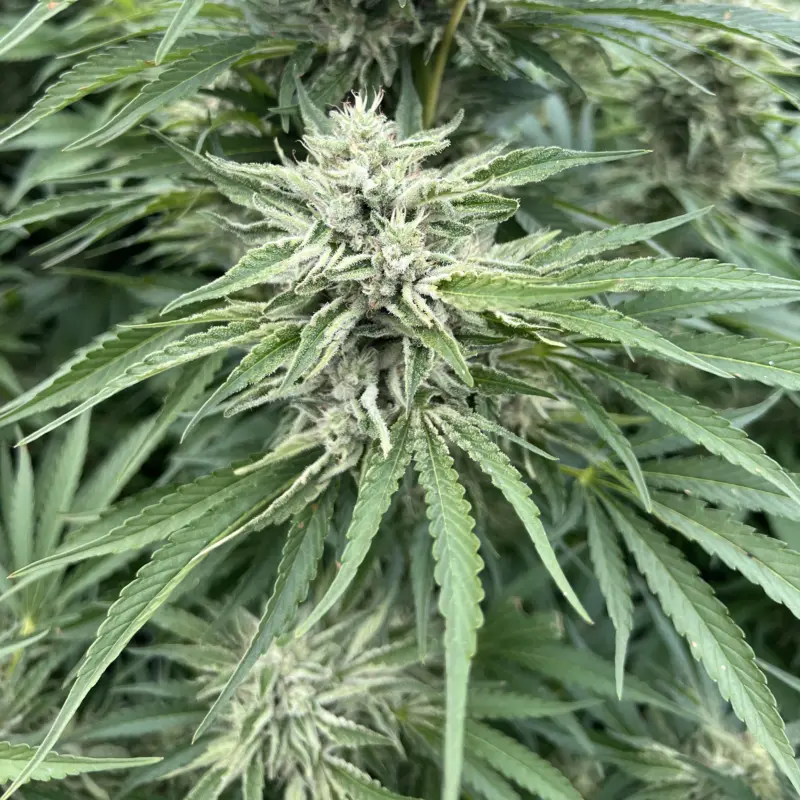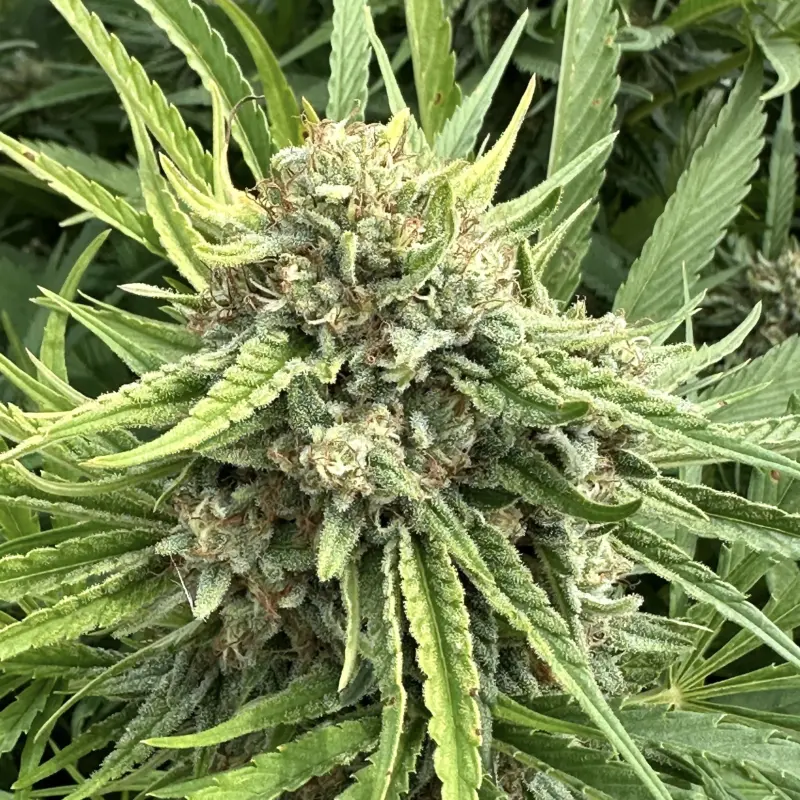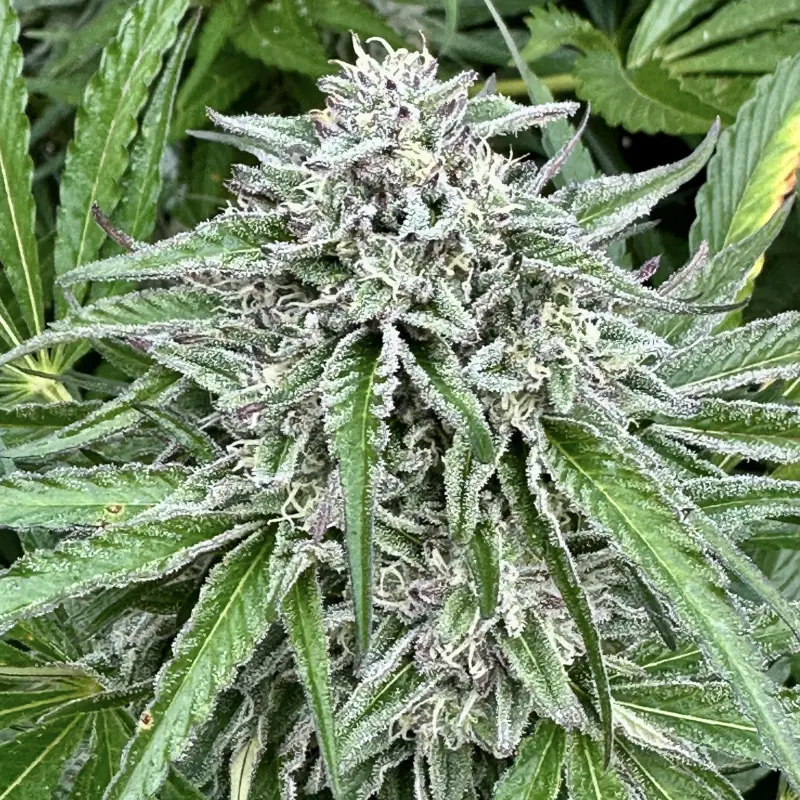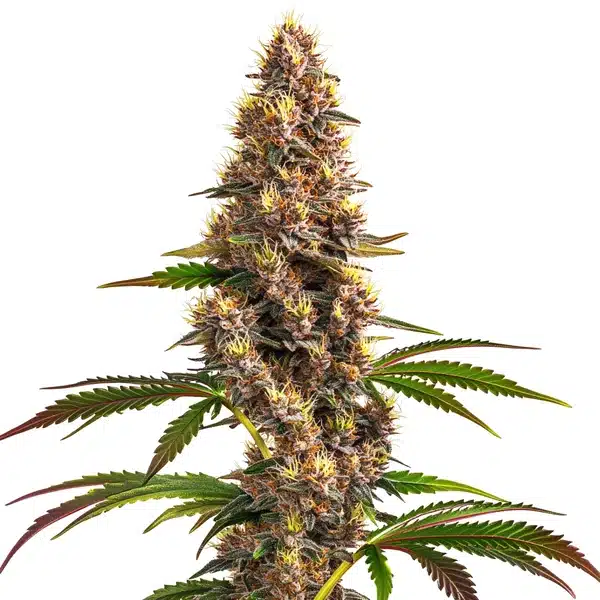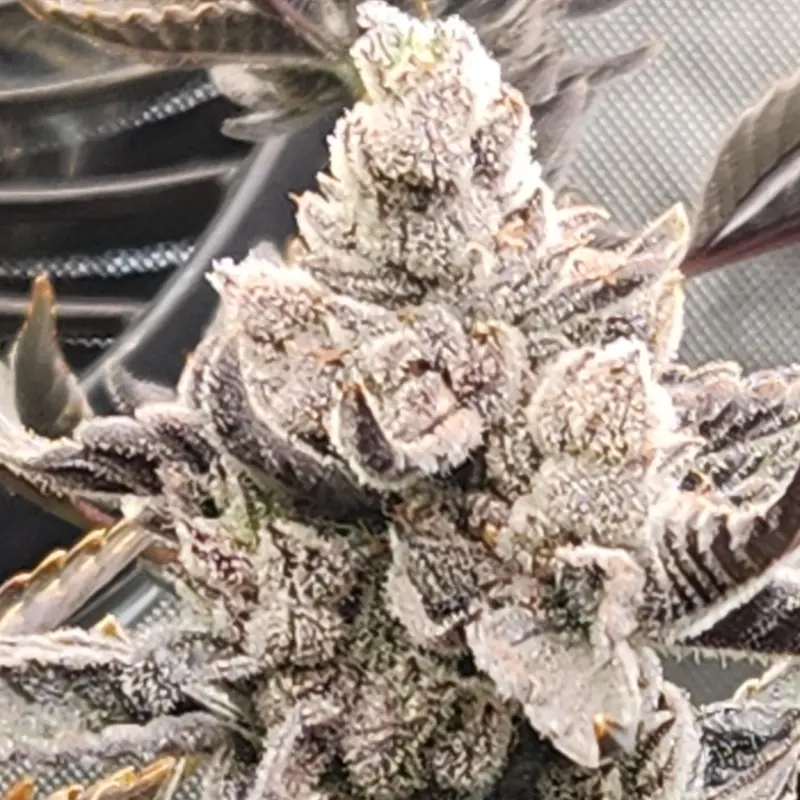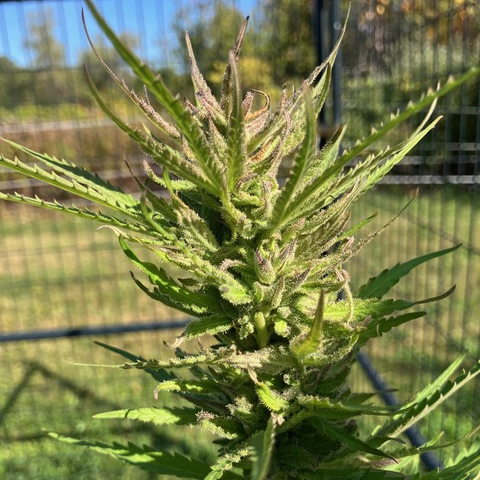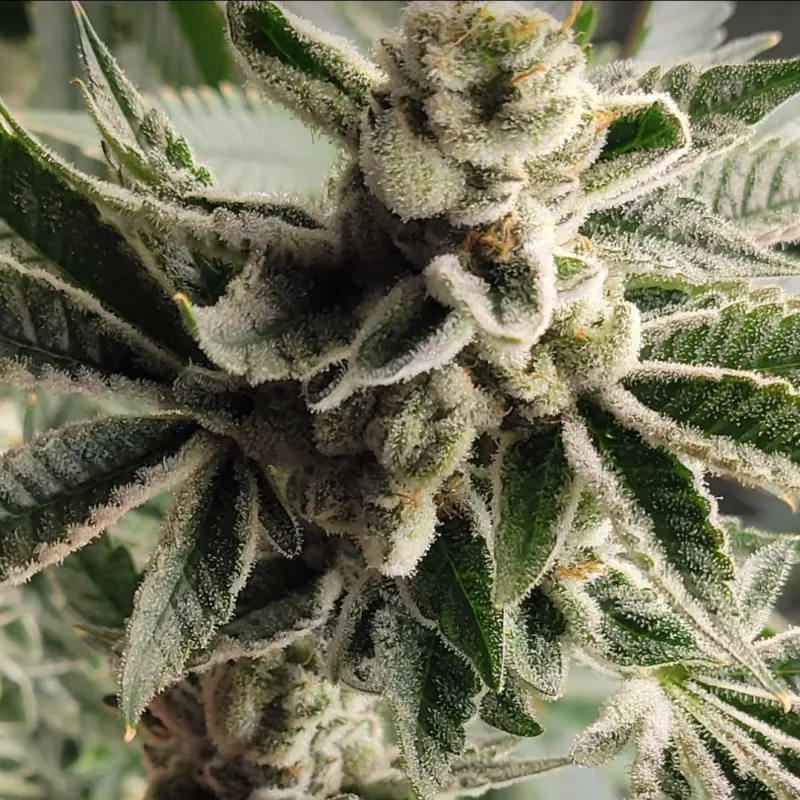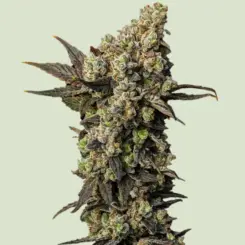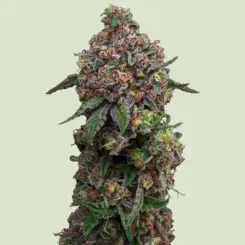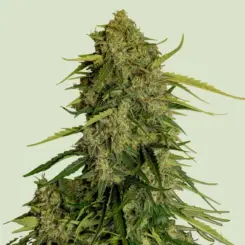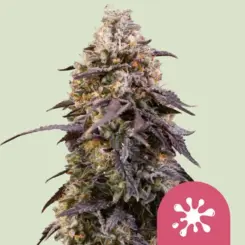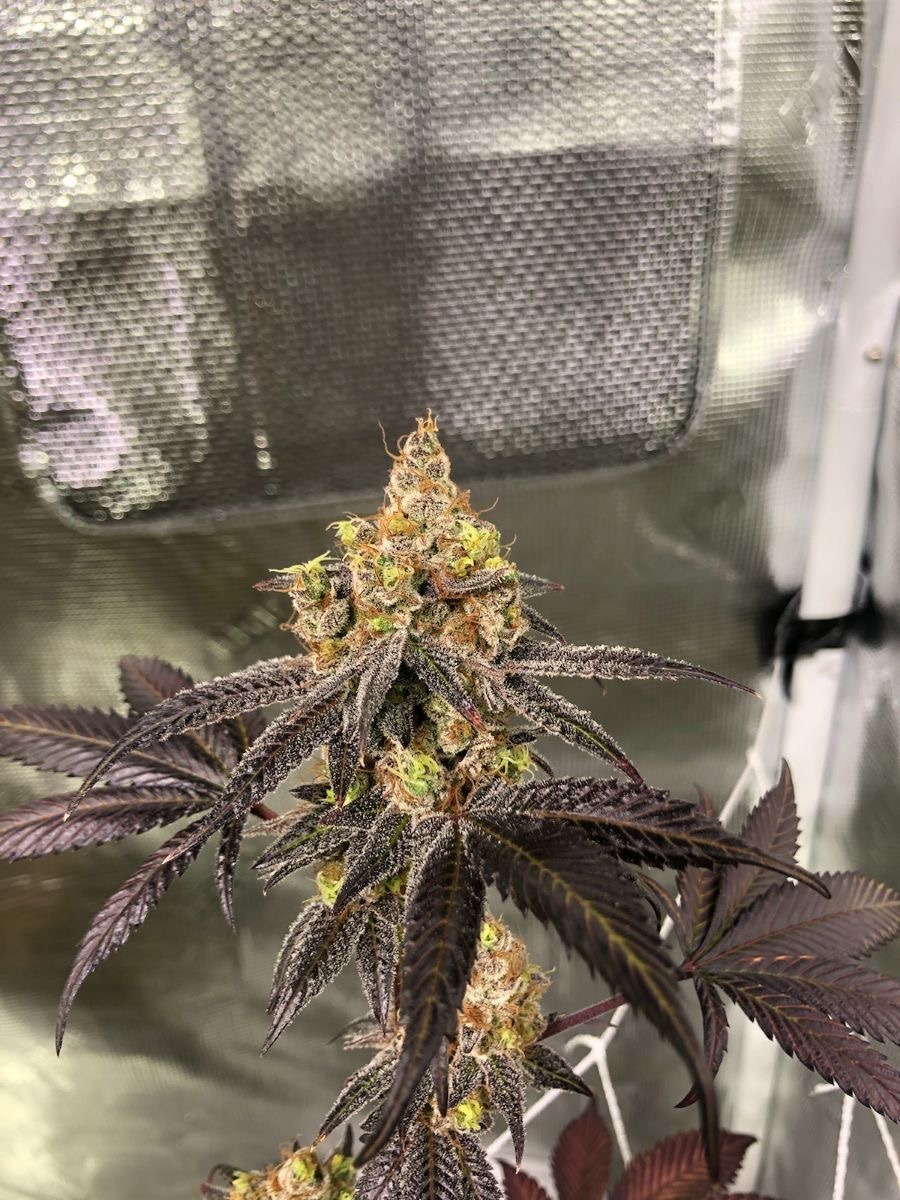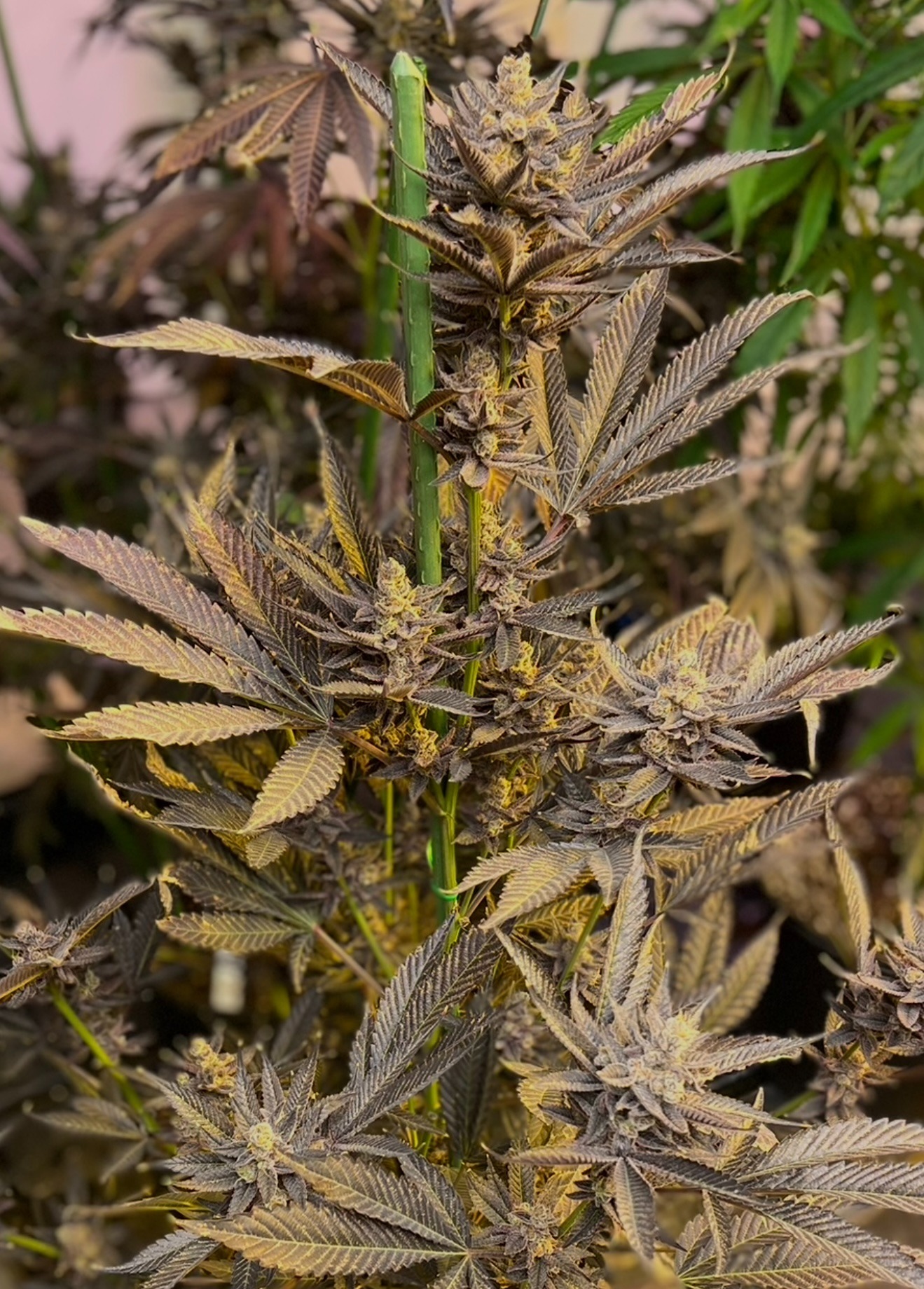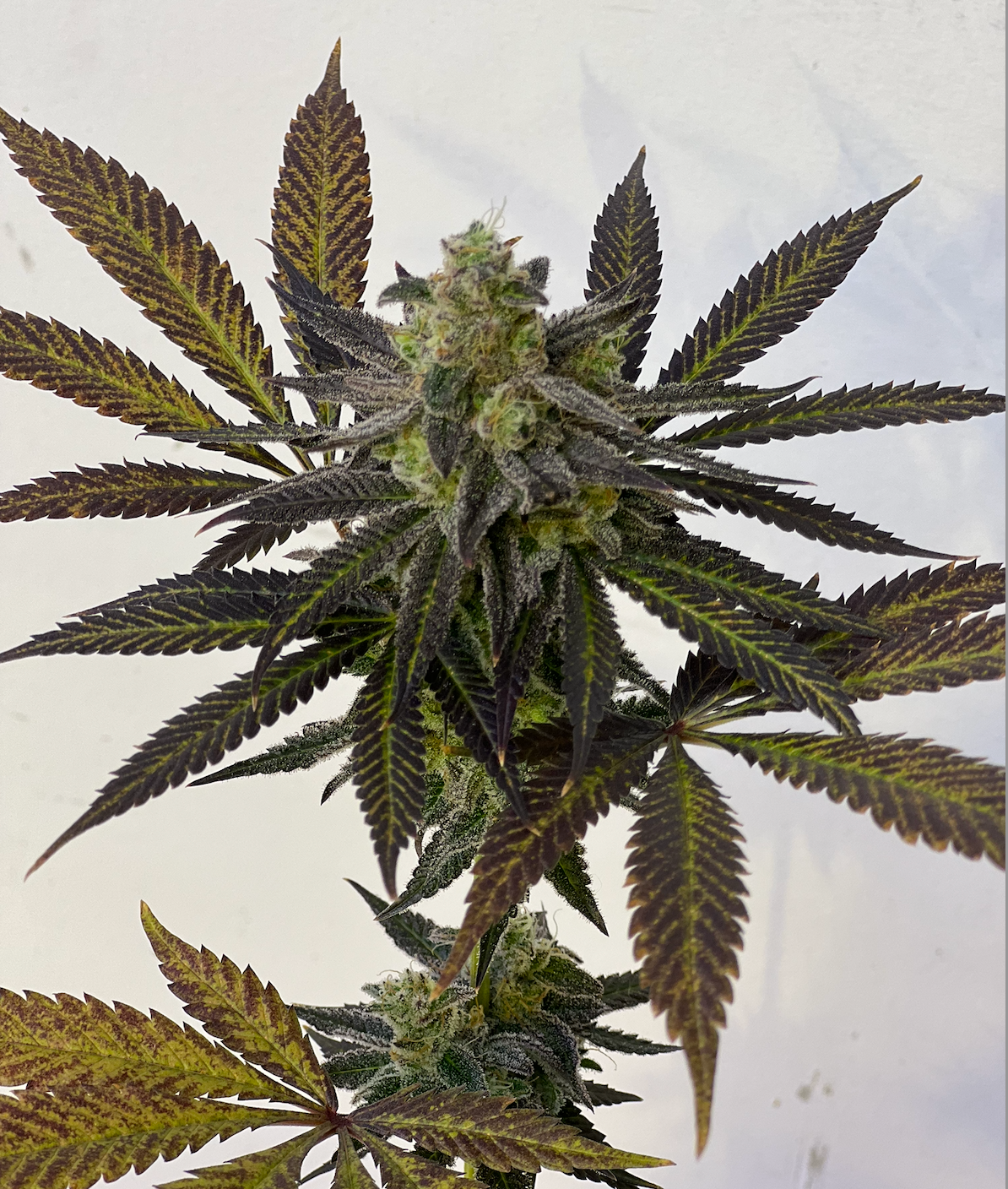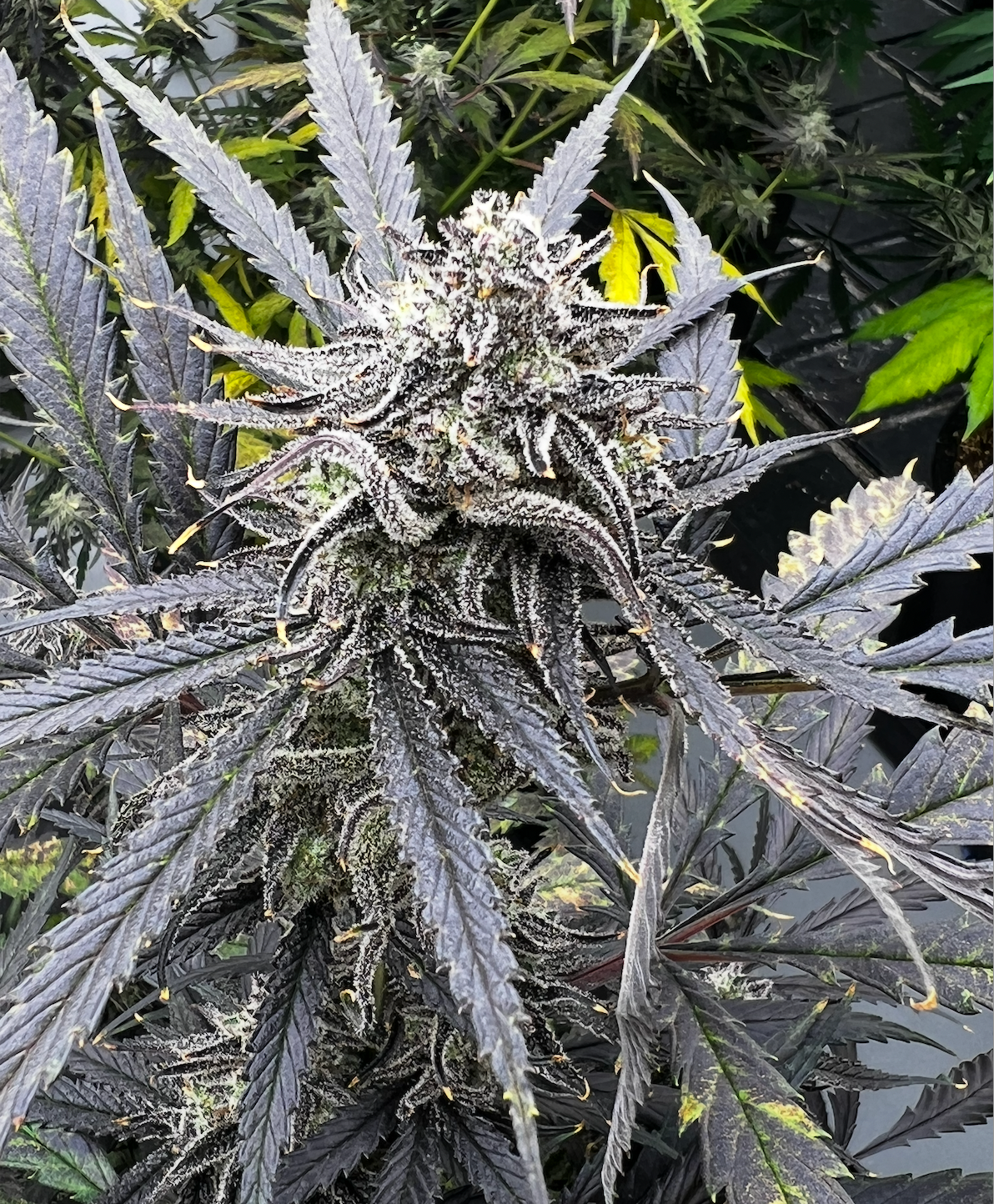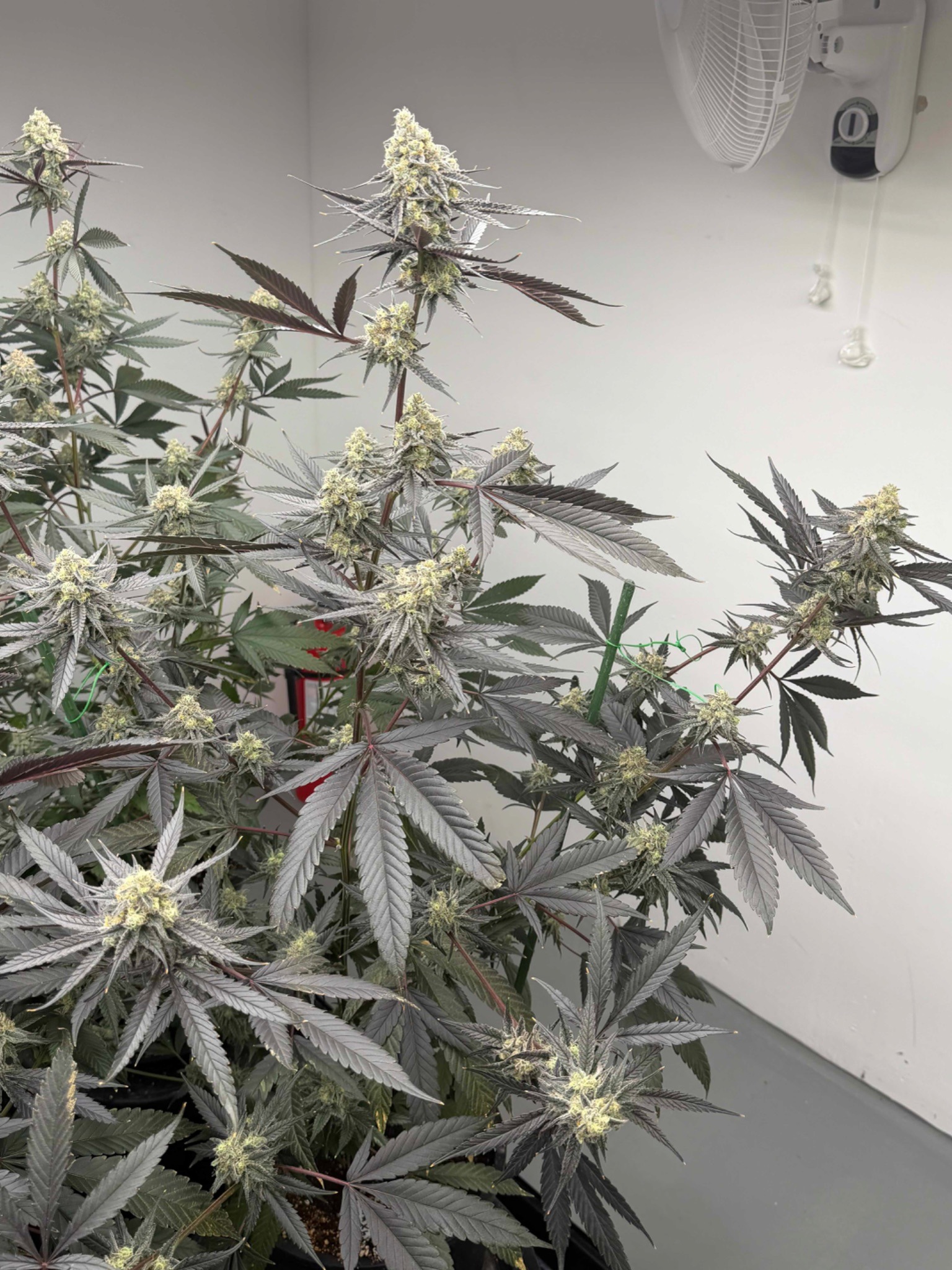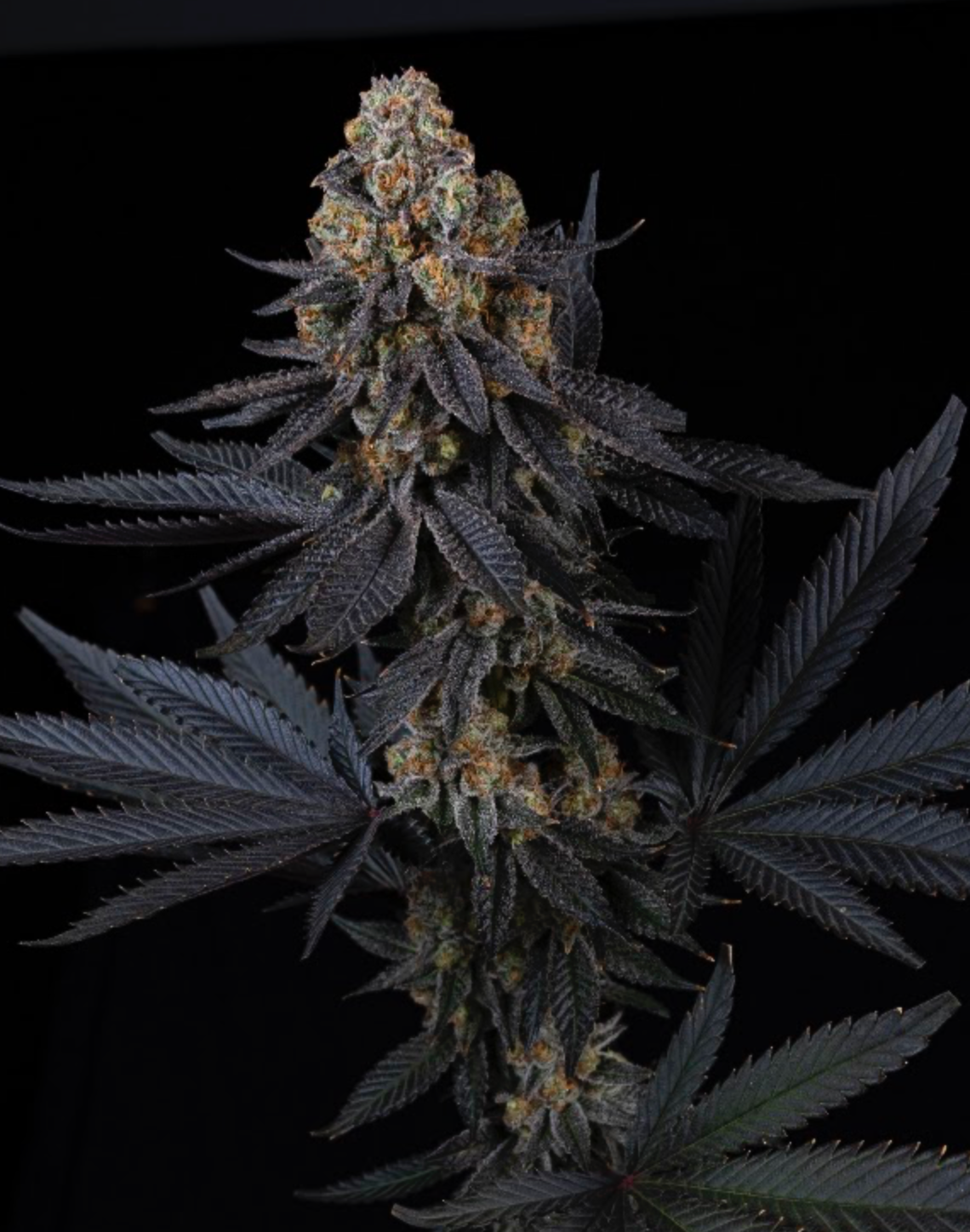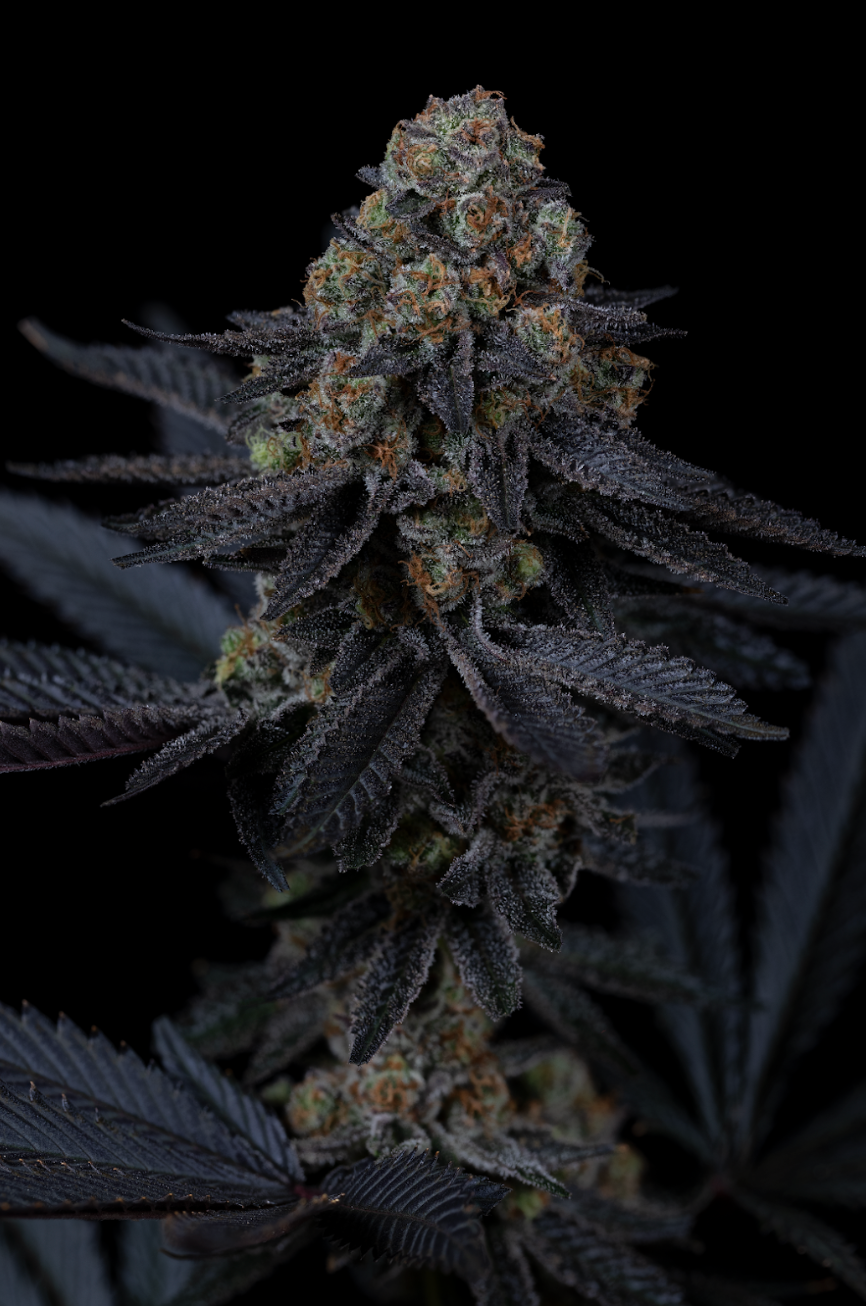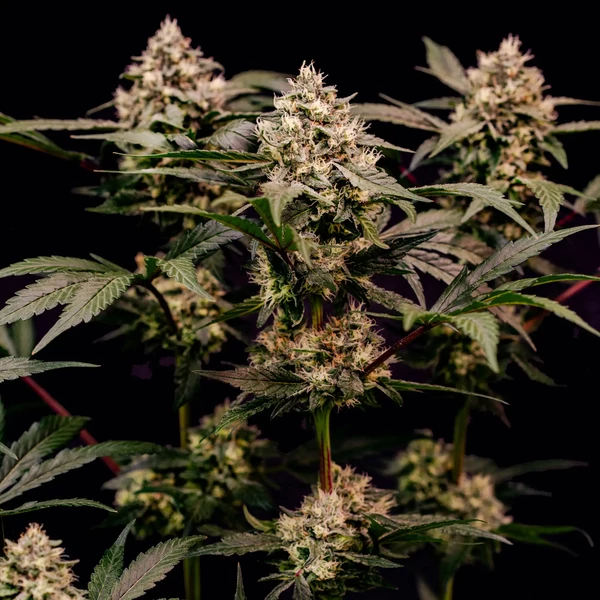
Atlas Seed shares indoor growing tips & strain recommendations! And don't miss out on Atlas Seed Breeder of the Week deals!
Are you interested in cultivating cannabis indoors on a home scale?
Growing cannabis indoors provides an opportunity to have full control over the growing environment and produce high-quality yields year-round.
In this comprehensive indoor cannabis home grow guide, we will walk you through the step-by-step process of setting up your indoor cannabis garden.
From choosing the right equipment and selecting the ideal strains to mastering essential cultivation techniques, weโll equip you with the knowledge you need to embark on a successful indoor cannabis growing journey.
If youโre looking for a super simple step by step guide, we have prepared a beginners guide to growing cannabis DIY list that you can read in just a few minutes; and for a more in depth exploration, see the table of contents to our expanded guide below:
Easy Home Growerโs Guide for Feminized Autoflowering Cannabis Seeds
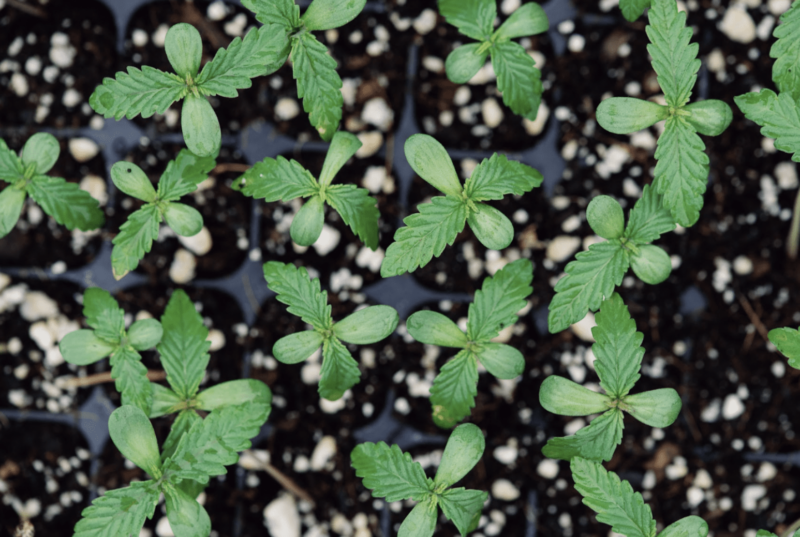
Direct sow seeds into the pot at a depth of ยผโ that the plant will finish its life cycle in. No need to transplant as shock during this phase can be detrimental to plant growth. Although transplanting can occur with precision .
28-35 days will be Veg and 30-40 days will be Flower. Feed your plants the nutrient mixtures that are appropriate for the stage of growth.
You can pinch/top your plant right before it initiates flowering if you would like a more even canopy and desire multiple kolas at the top of the plant. Only top/pinch 1-2x and DO NOT top/pinch after flowering phase has begun
Use high end light fixtures, either HPS or LED with a PPFD between 650-1000 over the entire canopy for best results.
Trellis your plants with netting or bamboo stakes for best results with even ripening. Remember that plants that are flopped over will not ripen as well as plants standing tall and erect.
Harvest when >50% of trichomes are milky white. Use our flowering times as guides.
Simple Beginners Growers Guide for Feminized Photoperiod Marijuana Seeds
Seeds can be sown directly into pots or placed in a soil plug and transplanted.
Plants can be pheno hunted and cloned when a unique โwinnerโ is found.
Light cycles should be at 18/6 for Veg and 12/12 for Flower
Use high end fixtures, either HPS or LED with a PPFD between 650-1000 over the entire canopy for best results.
Indoor flowering times are between 63-75 days depending on strain
Harvest when >50% of trichomes are milky white.
Table of Contents: Expanded Indoor Growers Guide
1. Planning your Indoor Cannabis Grow: Local Cultivation Laws
A. Know Your Local Laws for Cannabis Growing
2. Choosing the Ideal Cannabis Strain for Beginner Home Growers
3. Cannabis Equipment for Indoor Marijuana Cultivation
A. Lighting for Indoor / DIY Beginners Marijuana Growing
B. Climate Control for Home Grower Cannabis Cultivation
C. Automating Cannabis Home Grows
D. Water Management for Indoor Weed Growing
4. Choosing the Right Growing Medium for DIY Marijuana
5. Nutrients for Indoor Cannabis Cultivation
6. Integrated Pest Management for at Home Cannabis Growing
7. Nursery Management for DIY Indoor Cannabis Growing
Our next toke is Nuclear True Blood by Dirty Bird Genetics. She is a cross of Nuclear Forest x Maui True Blood. Read on to learn about our experiences.
I'm reaching for the Nuclear True Blood when I am ready to unwind for the night. It brings on a very pleasant, mellow relaxation. I was still alert and able to engage, but I definitely didn't want to participate in anything that required hard concentration. It was perfect for a card game with my spouse, followed by an SNL rerun. There were also snacks involved because this one definitely brought on some munchies. Fans of pine and citrus will appreciate Nuclear True Blood's profile.
- Crystal
This strain from Dirty Bird is a fun one! The buds are sugary and dense and have little orange hairs. It has a lovely piney, citrusy aroma and grinds up well. It was fresh and spongy when I got it and burned nice in the bowl. I would consider this a hybrid for sure. It mellows you and calms your mind but doesnโt zap your energy. The effects are relaxing and motivating at the same time. If you smoke it, definitely have some snacks ready!
- Mariah
Read another smoke report featuring Dirty Bird Genetics!
Before their seed bank was created in 2007, RQS had long-time knowledge and passion for cannabis breeding. Following enormous interest in their strains, they opened our first shop in Amsterdam, the Damstraat location, in 2010. In 2011 they launched the Royal Queen Seeds website. In 2016 they welcomed first clients in our shop at Carrer dels Tallers in Barcelona, Spain. In 2022, they opened their newest location in Bangkok, Thailand. In 2023, they started operating in the United States and launched the first true F1 Hybrid Cannabis seeds in the market! Today, RQS operates in the US and in 28 countries in Europe and offers 100+ high-quality strains, growing equipment, growing advice, knowledge, tips and more!
The NASC Cast Crew had the pleasure of sitting down with Max of Royal Queen Seeds. Listen to what he has to say below, and follow us on Vimeo for even more content!
Breeding Cannabis from F1 to IBL with Dirty Bird Genetics
by: Beth Mathieu
First and foremost, I want to send a heartfelt Happy Motherโs Day to all of the mothers here at NASC + Dirty Bird Genetics, to our own mothers, grandmothers, and maternal figures, and to all of the beautiful mothers out there who have been a part of this community with us for the past 10+ years. We see you, we appreciate you, we LOVE you, and we want to acknowledge and celebrate how beautiful the maternal instinct is.
Last year for Motherโs Day, I sat down to write a blog about a plant mother that is near and dear to me personally, and to our NASC/Dirty Bird family: The Brunch. As someone whose career was built upon plant mothers, it seemed fitting on Motherโs Day. The article detailed the filial evolution of this flagship strain that the Dirty Bird Genetics team had created. It was the very first cultivar we bred that really shined, and it really propelled us into this new venture breeding. Looking back now, itโs fascinating to consider how much those first creations (like the Brunch) influenced the genetics to come, much like the generational connections that run through families. The Brunch now sits atop many Dirty Bird Genetics family trees; sheโs a mother, a grandmother, and even a great grandmother to many.
This Motherโs Day 2026, I want to pick up where I left off one year ago today, filling in another year of progress as we work our way to the end goal of creating a Brunch IBL (In-Bred Line).
The Brunch F1
The original Brunch F1โa regular, male/female iteration of the F1 strain still found on our menu todayโwill unfortunately never be recreated because we lost the Peanut Butter Breath mother that was used in the original project back in the early 2020โs. It was a mother I had preserved for almost a decade prior, selected from a revered pack of seeds made by Thug Pug Genetics. These seeds were gold back in the day, and this cut was a favorite of many clone customers I worked with. She created incredibly dense, striking flowers with vibrant greens, dark purples, and bold oranges. Her bud was as top shelf as it comesโeasy to manicure, high test, colorful and denseโbut her morphology left a few things to be desired. While she wasnโt prohibitively tall, she did have very long internodal spacing, and she was definitely a plant that wanted to grow vertically. Her floral sites were spread out across long stems, meaning she wasnโt the best yielder. Her terpenes were self-referential: Nutty and earthy. We knew there was likely more to draw out here.
The Peanut Butter Breath cut #3 by Thug Pug used to create the Brunch F1
The Mimosa father, selected from a pack of Mimosa by Symbiotic, had beautiful morphology and strong, tangy terps that came through even on a stem rub of the vegetative male plant. He was vigorous, sturdy, and a well-suited, well-proportioned match to compensate for the Peanut Butter Breathโs shortcomings.
In our first test run of the Brunch (PBB x Mimosa) progeny, we selected two keeper phenotypes: the Brunch F1 #5 and the Brunch F1 #8. They werenโt perfect, but they stood out as special to us for several reasons. They were dripping in trichomes, testing between 25-30% THC / 1-3% CBG, they had insane, dark purple coloring with a gorgeous yellow fade, and to our surprise and delight, a unique apple terpene profile was seeming to emerge. We knew there was still work to doโwe needed to bulk her flower up, and we needed to tighten her internodal spacingโbut this was now a much stronger palette to work from than what weโd had previously.
The Brunch F1 #5
The Brunch F1 #8
The Brunch S1 (Feminized Iteration)
In order to create our first release, we knew itโd be beneficial to feminize our work, and that would also give us the opportunity to take the first step toward locking in some of the features we loved in the male/female test stock. To do this, we took the Brunch F1 #5 and the Brunch F1 #8 and we crossed them and selfed them across several different breeding projects, testing the progeny of each to determine who was the strongest, and which genetics we would move forward with. When all was said and done, and all of the seed lots were tested, we selected two cuts to mother in order to breed the Brunch lineage further. These cuts were named the Brunch - Dark Horse Cut (#8 x #8 - #3) and the Brunch - Loverโs Cut (#5 x #8 - #5) (aka the Arugula Cut).
Breeding and feminizing our favorite phenotypes of the Brunch F1 created some drop dead gorgeous feminized Brunch S1 genetics. The coloration had darkened from purple to almost black, and the yield and morphology was beginning to trend in the right direction: Less stretch and more flower. It was very hard to choose our keeper cuts from these seed lots, but we realized that was a good problem to have. It was at that time that we decided that the Brunch S1 would become our first Dirty Bird Genetics - Volume 1 release. Exciting! Youโll still find these seeds on the Dirty Bird Genetics Volume 1 menu today (although Iโll warn you guys, when they sell out, they will almost certainly be gone for good). Youโll also find this s1/f1 iteration of the Brunch in many of our genetic family trees, including staff favorites:ย
Dirty Mimosa: A Brunch backcross and outdoor champion that clocks in with a lightening fast 43-47 day flowering time
Dirty Mimosa pictured outdoors in a local Maine garden.
Bad Apple: Probably my personal favorite Brunch-related strain, and a cultivar that has only continued to impress me more as weโve bred with it. The Bad Apple has pungent terpenes that range from rotten Apple to gym sock funk, and our keeper โSugar Millโ cut is the single most trichome-laden plant Iโve grown in my 15 year career. In 2026, this Brunch-child created two of my favorite strains weโve bred to-date: Apple Peelz and Candy Apple Kush.
Bad Apple - Sugar Mill Cut (Day 42)
Apple Peelz (Day 49)
Candy Apple Kush (Day 44)
The Brunch F2
We knew early on that the Brunch was a project that we wanted to fully realize the potential of by creating a stabilized Brunch IBL (in-bred line). Now that weโd created and tested several iterations of the Brunch genetics, we were able to formulate a set of goals for the project:
Preserve Apple Terpene Profile: Itโs unique to the Brunch and we love it.ย
Morphology: Shorten internodal spacing, select for lateral growth, preserve high calyx-to-leaf ratio, and retain a foliage volume that is ideal for air flow, light penetration, and outdoor cultivation.ย
Yield: Improve yield by selecting cuts that stack well, have dense flower, and yield respectably.ย
Flowering Time: Ideally, under 56 days.ย
Color: Preserve the dark purples and maroons that are signature to the Brunch.ย
Effect: Retain the social, happy effect that is signature to the Brunch.ย
Using the Brunch F1 #5 and a Brunch F1 male that we labeled #12, we made the Brunch F2. In cannabis breeding, the F2 filial generation is known to contain the largest number of phenotypes and the most genetic diversity of any other generation. We found this to be true with the Brunch F2. We saw divergence in color (purple/green), terpenes (apple/earthy meh), and in both flower and plant morphology. Speaking generally though, these plants grew much more laterally than their F1 counterparts thanks to our parental selections. We were also able to eliminate the โscragglyโ phenotype that appeared in about 10% of our F1 seed population. These F2 plants had stronger, more bushy structure as a whole, accompanied by a higher volume of foliage, more compact, golf ball shaped flowers, and tighter internodal spacing.
After carefully watching our F2s grow, we whittled our selection down to two winning cuts that we would use for our F3 breed: The Brunch F2 #7 and #13. They each had something we loved, but neither had everything. The #7 had the most incredible, vibrant, apple terpene profile; there was something that smelled distinctly more โappleyโ about this plant than any weโd smelled previously, and we were confident this was the direction we wanted to go with the terpene profile. The #7 plant wasnโt perfect though: it stayed vividly green way longer than we would have liked, purpling in the final week of flower, long after weโd written it off as a green pheno. This was something we felt cautious about because color was one of the goals weโd set for the project. The #13, on the other hand, took on a beautiful, deep purple color early in flowerโsomething we lovedโbut it lacked an exciting terpene profile, leaning more towards the subdued, nutty, earthy profile of the Peanutbutter Breath.
The Brunch F3
Brunch f3
V79 have better floral mass . Long intermodal spacing and classic brunch nugs, small leaves
139 #1 - Apple terps.
**V79 #1 - stacking the most - best floral mass. Striped maroon and purple and yellow leaves.
V79 _#2 - shorter but similar burgundy and purple and sugar/ apple terps
V79 #5- Apple gas Peanutbutter - very purple but not a great yield
Brunch 139
Biggest nugs yet. long and skinny and tie together up the stem
*3- Apple cheese. Tall. Long stacked buds. Very impressive stacking and yield - double floral mass of what we normally see, and very high calyx to leaf ratio
4- more arugula look. Apple smell.
When it came time to make our Brunch F3 seeds, we had a choice to make: We had to decide whether to breed our F2 #9 male with the wonderfully appley #7, or the spectacularly purple #13. This choice proved to be an impossible one, so we decided we would take the more intensive path and breed in both directions. Over the course of the next year, two Brunch F3 seed lots were created: The Brunch F3 v79 (made with our #9 male and our purple F2 #7 cut) and the Brunch F3 v139 (made with our #9 male the wonderfully appley F2 #13 mom).
In testing these two Brunch F3 lines weโd created, we saw the genetics take the most marked strides forward to-date. Most notably, the plants were stacking better than ever before, yields were improving, colors were popping (though continuing to diverge a bit between green, maroon and purple), and we were really starting to hone in on a consistent terpene profile. While the apple terpenes were predictably more dominant in the v79 seed population, we ultimately chose a cut from the v139 population to move the line forward to F4 (see pictured below). The Brunch F3 v139 #3 boasted the biggest colas weโd seen in a Brunch to-date. They were long, dense, and they tied together beautifully up the central stalk creating a long, beautiful arm of purple, funky, apple Brunch. The #3 cut had close to double the floral mass of any Brunch weโd seen before. It had an incredibly high calyx-to-leaf ratio, purple flowers, and its terpene profile was pungent and unmistakably apple. It checked all of the boxes, so the choice was a remarkably straight forward one.
Brunch F3 v139 #3
Brunch F3 v139 #3
The Brunch F4
In early 2026, we were able to test the Brunch F4s that we had made using only the F3 v139 #3 cut. This was the first time we had chosen to advance the Brunch line through a process called selfing (crossing a plant with itself through reversal). The v139 mother cut had so much to offer, and we were curious to see how this choice would evolve the line, so we created and tested our first population of feminized F4 seeds.
It has only been a month since we harvested our Brunch F4 test plants, and the project is still fresh in my mind. The F4s were easily the most exciting yet. The diversity we saw in the F4 generation was markedly different from what weโd seen previously. To use an analogy, imagine crossing a black lab with a poodle. The Brunch F2 + F3s were what Iโll call Bloodles; they were mutts. Their traits were messy and indistinguishable, resembling their parents in some ways while also blending together to form strange iterations of curly, black-and-white Bloodle soup. We saw countless combinations of traitsโsome that we liked and some that we didnโtโall unpredictably smooshed together. The F4 population was different. The traits we were selecting for were finally segregated in an easily observable way. Phenotypes were so much more identifiable. To circle back to our genius analogy: The Golden Doodle was born, alongside pups that looked remarkably black lab, and pups that looked remarkably Poodle.
While we did observe a little bit of inbreeding depression in our F4sโwhich is to be expectedโoverall the plants had several consistent qualities: They had an extremely short 50-day flowering time, a remarkably high calyx-to-leaf ratio, very compact, long, conical flowers, medium internodal spacing, 1.5x stretch, ideal foliage volume for air flow and light penetration, high trichome density, balanced vertical and lateral growth, and overall they were healthy, self-supporting, easy-to-grow plants.
One of the most interesting things about the Brunch F4 was that we finally saw a purely green phenotype emerge in 20% of the population. The 80% majority were purple: 50% solid, dark purple in both foliage and flower, and 30% predominantly purple with a little green fade. The terpenes were consistently apple-dominantโexactly what we wantedโand we were so excited to find that the apple smells were only deepening further, evolving into more of a complex, warm-yet-tart apple pie. For the first time, we did note some sour gas smells coming through on a slim minority of plants, with one plant exhibiting sour gas only; no apple.
The biggest obstacle weโve faced in choosing our winning cut(s) of the Brunch F4s has been deciding what to do with the visual feast that is the green phenotype. Weโd been very intentionally selecting for purple coloring from the outset of this multi-year project, and yet these green plants were hard to turn away from.
Thank you so much for reading about the journey weโve gone on to create the Brunch, one of our most beloved plant-mothers. Iโd like to wish all the mothers out there a very Happy Motherโs Day. Know that you are seen, loved, and celebrated every day!
Royal Queen Seeds shares 3 tips for new growers, and more! Don't miss out on all the great deals from Royal Queen Seeds for Breeder of the Week!
3 Tips For New Growers
Know Your Water Quality Water quality affects plant health. Test pH and EC regularly, especially with tap water. Poor sources may contain contaminants. Use simple kits if unsure, and filter, treat, or switch sources if needed.
Measure Your Environment Precisely Use sensors to track temperature, humidity, light, COโ, pH, and EC. Human senses are unreliable. Accurate, calibrated measurements help you understand conditions and make better adjustments for consistent plant growth.
Inspect Plants Regularly and Thoroughly Check plants often to catch issues early. Inspect leaves, stems, and substrate for pests or disease. Regular scouting helps prevent small problems from becoming serious threats to your crop.
Favorite Breeding Project My favorite breeding project is a secret collaboration combining very different lineages. It will only proceed if both partners meet a strict โfire-onlyโ standard, highlighting strong international cooperation and fully formed bridges between continents.
The F1 Hybrid program is another favorite, achieving photoperiod-quality in automatics with real consistency. It challenged my skepticism and showed me the value of staying open to change and innovation.
Story From The Garden
As a teenager in New Caledonia, I got lost for about 45 minutes in a huge guerrilla cannabis field while spotting the best plants. I had red tape and a flashlight, but the battery died, leaving me in near-total darkness, surrounded by thousands of plants. I kept whistling until my friends finally found me. Back to camp my hands were covered in fresh trichomesโsome of the best charas Iโve ever had.
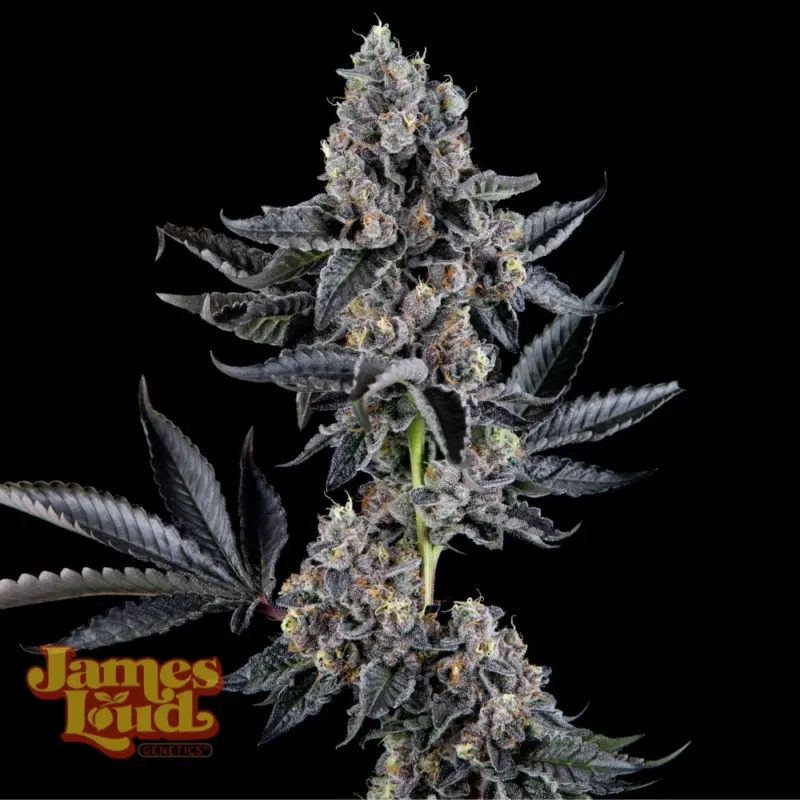
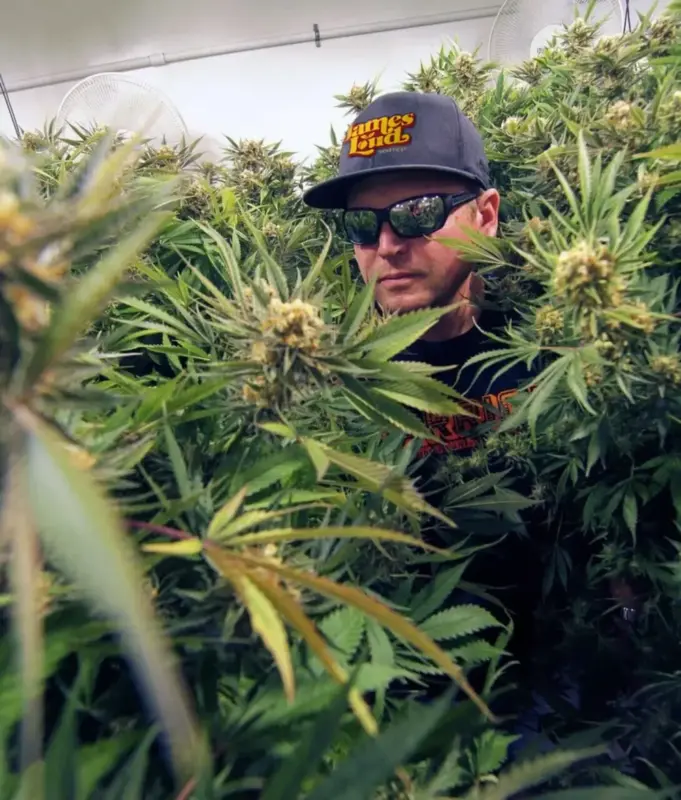
James Loud Genetics shares 3 tips for new growers and their top recommendations! Don't miss out on all the great deals from James Loud Genetics for Breeder of the Week!
3 Tips For New Growers
Start small and stay consistent Fewer plants mean less complexity and faster learning. Start with four to six plants max, and grow the same cross rather than mixing multiple varieties. This allows you to identify patterns in growth, nutrition, and structure, while also teaching you how individual plants express differently, even among sisters.
Genetics set the ceiling Start with proven, stable cultivars. Varieties with Blue Dream, LCG, Runtz, or Tangie lineage tend to be more forgiving and easier to manage, which builds confidence early. More finicky lines like OG Kush or Cookies can require multiple cycles to dial in and often frustrate beginners. Set yourself up for early success.
Follow one system and track everything Do not combine multiple sources of advice. Pick one approach and follow it precisely. Document your full process, and when making adjustments, change only one variable at a time. Track yield and quality, with quality as the primary metric. Real skill comes from repetition and problem solving over time, not guessing. Everyone starts somewhere, consistency is what separates average from exceptional.
Favorite Breeding Project
My favorite breeding work right now is my upcoming 420 release built around the Double Lemon Cherry crosses, along with several Runtz-based projects. What excites me about this work is the level of diversity I brought into it. I am incorporating a wide range of unique cultivars, including Dream Candy, RBK OG Kush, GMO, NL5 Haze, 24k, Chem91, Oregon Blueberry, and Bananaconda, to create new expressions of what is popular right now while still pushing things forward.
What makes this project stand out for me is not just the genetics, but the process. It is the first full run I have completed in Rockwool, where I was able to precisely steer the crop using Grodanโs Gro-Sense system. That level of control gave me a much deeper understanding of irrigation strategy, VPD, and dew point, and how those variables directly influence plant performance and final expression.
Story From The Garden
Iโve been doing this long enough to remember when charcoal filters werenโt standard. Back in 1997 to 1998, we were building our own with five gallon buckets and loose carbon.
The first run I ever did of Oregon Blueberry with those homemade filters barely smelled. I thought we had it figured out. Then came the next run, a Chemdog variety in my garage under six lights. The smell was overwhelming, completely uncontrollable. Neighbors over 200 feet away were convinced there was a skunk loose in the neighborhood. They kept asking me and my wife if we had seen it. We told them yes, of course.
We tried everything to manage it. Strong smelling companion plants, orange oil sprays, anything we could think of. Nothing worked. The plant just overpowered it all. Somehow, we got lucky and avoided any real issues, but at that time people were getting serious time for far less.
We were among the early wave of people with medical cards in California, but back then that card was not something you could rely on to protect you. You had to be sharp, resourceful, and a little lucky. That run taught me quickly that some varieties donโt just grow, they announce themselves whether you are ready or not.
Our next toke is the Alpha Series' Apple Peelz by Dirty Bird Genetics. She is a cross of Sex Melon x Bad Apple. Read on to learn about our experiences.
The unique smell took me back to a stroll down a row at an apple orchard during a New England Fall. It has the fragrant and sweet aroma of a discarded apple core that has been sitting in the sun. I love the sweetness of this strain. It brings on a very functional and smooth high, which I found to be a great afternoon pick-me-up. This one will not lock you down or make you feel heavy. She would be a great companion for a walk on a beach or in the woods.
- Crystal
Apple Peelz (Sex Melon x Bad Apple) by Dirty Bird Genetics is a fast favorite! This plant is beautiful, smells sweet like apples, and has stunning deep purple leaves. The buds are dense and covered in crystals. Itโs a great sativa-dominant hybrid that provides a lovely daytime high. It will calm your nerves and melt away your worries but wonโt deplete your energy. I smoked this in the morning and then spontaneously deep cleaned and rearranged my dining room and kitchen. I would highly recommend this strain for when you want to take the edge off but still feel energetic and functional.
- Mariah
Read more about the differences between Alpha Series, Limited Series, & Tester packs.
A Comprehensive Shopping Guide By Growers, For Growers
Looking for recommendations that you can trust this 4/20? Look no further. At North Atlantic Seed, not only do we have the unique opportunity to work closely with our breeders and our customers, but we also love to grow as many genetics as we can each year. This year, weโve taken all of this anecdotal breeder and grower experience and weโve combined it with NASC Here are the standouts weโve identified this 4/20:
BEST SELLERS 2026
Below are NASCโs Best Selling Autoflowers + Photoperiods of 2026 pulled directly from our Q1 2026 sales data.
NASC Best Sellers: Top 3 Autoflowers
Purple Lemonade Auto by 420 Fast Buds
Blue Dream Auto by 420 Fast Buds
Acapulco Gold Auto by Auto Seeds
NASC Best Sellers: Top 3 Photoperiods
Acapulco Gold (F) by Barneyโs Farm
Mandarin Cookies V2 (F) by Ethos Genetics
Blueberry Muffin (F) by Humboldt Seed Company
BEST OUTDOOR STRAINS 2026
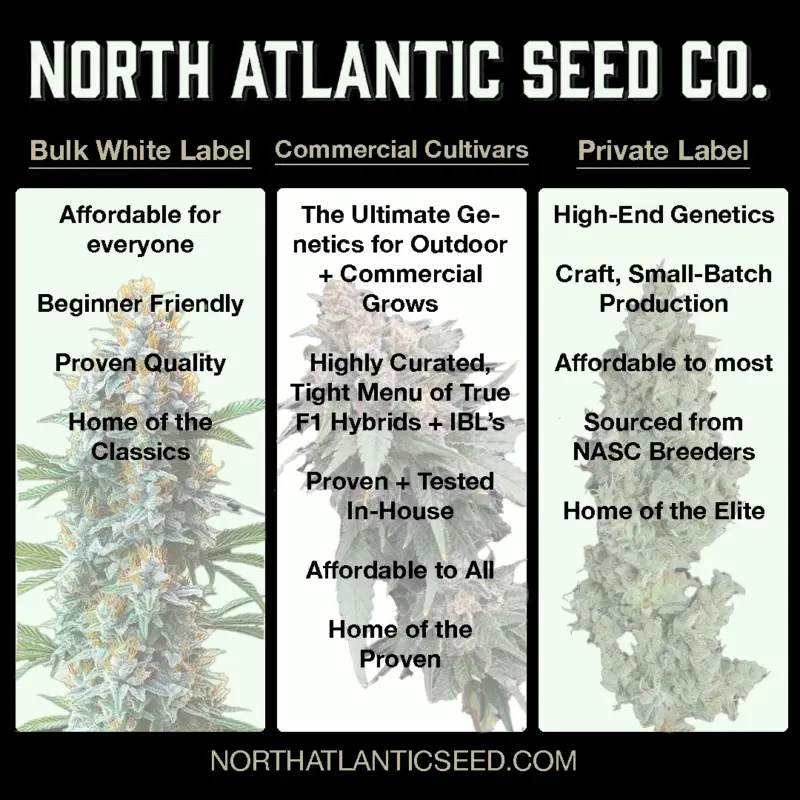
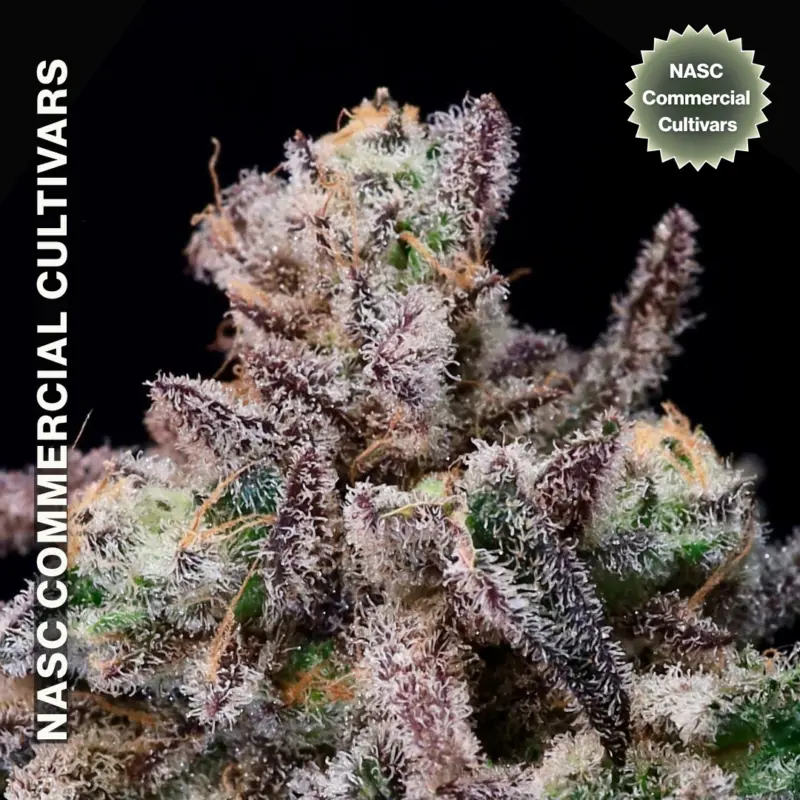
This year NASC set out to curate a line of genetics that commercial farmers and outdoor home growers could rely on for uniformity, resilience, quality and performance. We are asked for outdoor recommendations every day, and because we live in one of the harshest climates in the US for growing, we know the struggle it can be to find reliable genetics. The NASC Commercial Cultivars series was sourced from US breeders and tested and bred on a commercial scale to meet the needs of the home grower and the commercial grower alike. For that reason, this line of True F1 Hybrids and IBLs are our picks for outdoor 2026:
NASC GROWERS CHOICE - COMMUNITY-VOTED FAVORITES:
The strains below are YOUR favorite strains of 2025. These results came directly from the Growerโs Choice survey that NASC conducted in Jan 2026.
Strain of the Year - Autoflower:
Gorilla Cookies by Fast Buds
Banana Purple Punch Auto by Fast Buds
Banana Jealousy Auto by Ethos Genetics
Frostbanger Auto by 420 Fast Buds
Gorilla Zkittlez by 420 Fast Buds
Purple Lemonade Auto by 420 Fast Buds
Strawberry Milk and Qookies by Night Owl Seeds
Grape Gas by Twenty20 Mendocinoย
Double Grape Auto by Mephisto Geneticsย
Guava Auto by 420 Fast Buds
Strain of the Year - Photoperiod:
Blueberry Muffin by Humboldt Seed Co.ย
Slurricane #7 by In House Genetics
Dirty Mimosa by Dirty Bird Genetics
Mandarin Cookies V2 by Ethos Genetics
Orange Cream Pop by Humboldt Seed Co.
Bubba Whip by Twenty20 Mendocino
Chem Funk by Ethos Genetics
Chicken Nโ Wafflez by Humboldt Seed Co.
FX3 by Solfire Gardens
Irie Maiden by Romulan Genetics
Strain of the Year - Extract:
Blueberry Muffin by Humboldt Seed Co.
Honey Banana by Lovin In Her Eyes
Trich Beast by Solfire Gardens
Orange Cream Pop by Humboldt Seed Co
Golden Sands by Humboldt Seed Co.
Irie Maiden by Romulan Genetics
Maui Wowie Squared by Dirty Bird Genetics
GENETICS FOR A CAUSE:
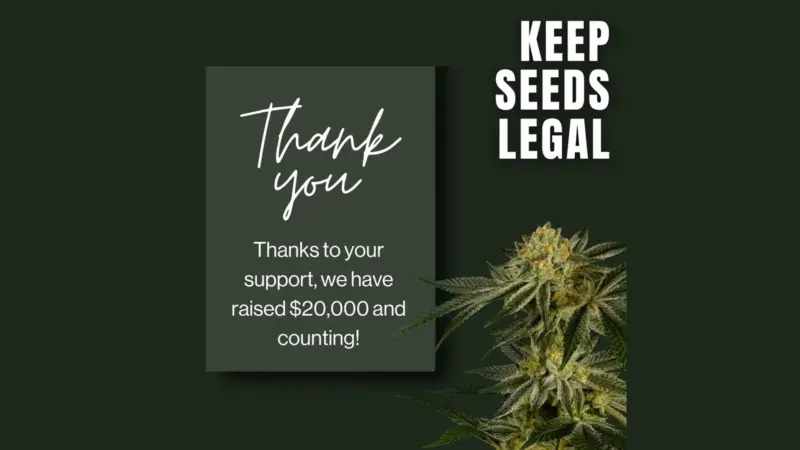
This year, we have been hard at work behind the scenes trying to educate lawmakers and influence positive policy changes for cannabis seeds and genetics in DC. Weโve recently started a campaign called Keep Seeds Legal! When you purchase the strains on this menu, 100% of proceeds go towards fighting the โhemp banโ set to take effect this Nov 2026.
We are a family-run farm in southern Virginia just east of the Blue Ridge Mountains. We use natural farming practices that go beyond organic methods and we strive for a closed-loop regenerative agriculture system utilizing what is available on our property and foraged from local surrounding areas to benefit the soil and plants we grow. -Jolly Pond Farm
We are very excited for this new addition to the NASC menu, Jolly Pond Farm. For this smoke report, I smoked Tropighani, which is (Trop Cherry x White Afghani F3). Mariah tried Trop Cherry x Garlic Grove. Read on to learn about our experiences.
White Afghani S1 (parent strain to Tropighani)
Tropighani She can definitely be your partner in crime if you're looking for a fun and goofy time. The intense euphoria that immediately started was great! I felt like I was put into a spacey and giddy trance. I became so forgetful that my dogs were almost fed second-dinner by mistake. Overall, I'd say this strain is balanced, but because of the intense head-lift, I didn't want to move far from my couch or be active. With causing such heightened senses, I think this would be great for watching a movie or listening to music. It could also assist with bouts of laughter in a laid-back social setting. The taste and smell toggled between a representation of both parent strains. It had this sweet and earthy flavor from the Trop Cherry side, but a strong note of herbal spice from the Afghani lineage. I would absolutely smoke this again and I look forward to trying more from Jolly Pond Farm! - Crystal
Trop Cherry x Garlic Grove I enjoyed this strain from Jolly Pond Farm! It really does smell like cherries with some peppery undertones. Itโs definitely grown with care; the buds are dense and frosty with flecks of purple. I felt immediately relaxed as soon as I smoked it. It tastes great, and the high is super mellow and uplifting. The stress of the day melted away, and I was able to get out of my head and just chill. I tend to smoke in the evening before bed and this strain definitely helped me to relax before falling asleep, however I think it would provide a great daytime high as well if you had the day off. 10/10! - Mariah
Before 2019, the world was a much different place. Our team was scattered throughout Maine doing different jobs and still trying to find purpose in our careers. The owner of North Atlantic Seed Co, Beth Mathieu, was working as a medical care giver in central Maine. Providing clones and care to her patients opened her eyes to the need for accessible genetics in the United States. Maine Clone Company was already established and connected her with locals that reaffirmed that need.
North Atlantic Seed Co. launched in 2019 and Beth started to find a few breeders to work with and distribute their genetics. We were fortunate to work with a few that had proven quality including Ethos Genetics, Barneyโs Farm and a few more. As demand grew, Beth hired me to help with marketing and expand our reach domestically so she could continue to balance her other businesses. Back in 2020 when I first got my start, Covid forced people to stay at home and many were looking for a new hobby as well as alternative forms of self-care. I quickly discovered how fortunate we were to launch when we did. Word of mouth was the most important marketing we could do so we put all our focus into top-notch customer service and improving the customer experience with our website. We still have that mentality today because we understand that builds loyalty in our community and will continue to set us apart.
As time went on we started working with more breeders, hired more friends and family, got a payment processor to work with us and customers helped build trust online about our business. Marketing cannabis online has always posed a challenge. Our industry has never had access to common marketing tools like GoogleAds, social media sponsored content, text marketing and standard SEO tools so we have had to get creative. Seeds have been legal since the 2018 Farm Bill but algorithms and community standards have been unable to differentiate our legal business from the illegality of cannabis at the federal level. We adapted our approach to each platform and learned some lessons the hard way.
Meta (Facebook and Instagram)
These platforms have a large audience for our target demographic but can be the most restrictive in reach. Facebook flags bud pics and removes our content more than any other platform so we use it more as a re-direct for our customers these days. There are also scammers on Facebook that pretend to be us so we try to manage that as much as possible. We will never ask for money on any social platform so be aware of these common scams!
Instagram used to allow more than it does currently. They have started to remove cannabis accounts altogether. Our original account went down when we had 11k followers. The backup account had 30k followers and all content archived or deleted when it went down. This was incredibly frustrating when our account was removed based on content that could not be reported. Meta was completely incompetent when providing โsupportโ. They refused to provide the report of what content triggered the removal. Their community standards are intentionally vague stating that they donโt allow the sale of illegal goods - even though seeds are legal and they are wrong. This allows scammers to thrive on Instagram and we see more scam accounts here than any other platform. Meta often wonโt remove these scam accounts when they are reported. Further proving that their platform is broken.
We still have accounts on both platforms today. For Instagram we have started leaning towards more educational and lifestyle content than cannabis or promotional content. Even now, giveaways trigger the algorithm, most content is not populating followers feeds and we run the risk of losing our accounts at any moment.
X and BlueSky
X and BlueSky are the least restrictive but have a smaller audience. We can post more promotional content here compared to any other social platforms. Follow us HERE and HEREto stay up to date on all our best drops and promotions.
YouTube and RSS
YouTube recently tightened restrictions and has consistently taken down our content. We have seen this happen to many other cannabis YouTube channels as well. This is unfortunate because YouTube has a lot of reach potential. All the video content can be found on an alternative platform - Vimeo. Most of our video content comes from our NASC Cast team where they interview breeders and learn their backgrounds, what they love to grow and what the future looks like for their brands. NASC Cast has interviewed some of the best in the industry like Solfire Gardens, Twenty20 Mendocino, Gnome Automatics, Brothers Grimm, Dirty Bird Genetics and MORE! If you havenโt checked the NASC Cast out, you can listen or watch anywhere you get podcast content or watch on Vimeo.
Email Marketing
Email marketing is our best way to get our drop info and promotional info directly to you. Plus you get a 10% OFF code when you sign up! If you want to stay up to date and be the first to hear about things like 4/20 specials, please sign up!
Reddit
Reddit has proven to be valuable from the very beginning. Long before we had an account, customers would advocate for North Atlantic Seed Co. on Reddit when people would ask where to buy seeds. We are grateful for everyone that ever gave us a shoutout on Reddit and sent customers our way.
Follow us on Reddit to stay up to date on our blog, educational content and see what others are growing! We will be more active here in the months to come so make sure to join and engage with the community HERE!
Discord
Up until recently, Discord was a fantastic community building platform. We lost our Discord channel twice and decided to pivot towards other options. Getting our community to move to a new platform every few months is not ideal but we remain optimistic and hope you all continue to find ways to stay active in our community.
Patreon
Today we launch our newest community option on Patreon. We are so excited about this FREE to join Patreon that allows cannabis content and should prove to be similar to our Discord. Please join us on Patreon for educational content, a growing community and so much more!
Hereโs a word from Jaden, Marketing Associate, on both Discord and Patreon.
โDiscord was a platform that was a major back and forth battle for us. The community aspect of Discord was something far different than traditional social media and it was amazing to see so many people from so many different places come together and share their love for growing. Getting to know the members of our community was always one of my favorite parts of my job. Whether it be through them sharing plants, pets or some of their other favorite activities, I was always interacting with the NASC community in one way or another. Unfortunately on the other side of the coin there was an increase of action taken against cannabis servers on the platform. With constant violations being given to both us and our members, our server being taken down multiple times, and the majority of other cannabis servers facing the same issues as us, we ultimately decided to move away from the platform for the foreseeable future.
With all of that being said there was a light at the end of the tunnel. After once again losing our Discord server I started to look for alternative platforms that have a strong emphasis on building a community, that we also wouldnโt face as many struggles with. So, I am excited to announce that as of today we have launched a free Patreon page that utilizes the platform's community chats feature to allow a similar experience to Discord and the ability to share your plants freely. Along with that we will be using the posts section to keep you updated on all of our future educational content. Blogs and NASC Cast episodes will be posted there, allowing us to have a strong emphasis on education. Also be on the lookout for future paid tiers for more exclusive content available on Patreon, as we plan to expand what we offer while always keeping the community free to access. I am excited to dive back into the NASC community and see faces both new and old. Please visit https://www.patreon.com/cw/NorthAtlanticSeedCo and join for free today!โ
2026 will prove to be a pivotal year in our industry. Cannabis rescheduling and the potential hemp ban will shape the future of genetics in the United States. Please support our efforts in Keeping Seeds Legal by purchasing packs HERE or making a donation at checkout. All proceeds will directly fund the legal future of cannabis seeds.
Thank you for reading and for your continued support! We wouldnโt be here without you. Please follow us anywhere and everywhere you engage online. We want to hear from you and grow with you!
As a small token of our appreciation, please use this 10% OFF code on your next order:
MattSentMe
Good for one time use. Exclusions apply. $25 min. Expires 4/17/26.
Dirty Bird Alpha Series (Apple Peelz Fem Photo and Gas Berry Auto Fem)
Offensive Selections New Breeder
HUGE Mephisto Genetics Drop (40+ New Strains)
Barney's Farm New Strains
Cannarado Grape Pie Drop (4/10)
Romulan Genetics Garlic Fever F1 (4/17)
Dirty Bird Nuclear True Blood Volume Drop (4/17)
, Compound Genetics Black Amber Drop (4/20)
Offensive Selections Exclusive Atlantica Drop (4/20)
In House Genetics Drop TBD
Purple Caper x Ed Rosenthal Drop TBD
Royal Queen Seeds New Drop
& MANY MORE!
Angel's Rest (F) by Offensive Selections
505 Headbanger Auto (F) by Mephisto Genetics
Apple Peelz (F) by Dirty Bird Genetics
Discounts
Private Label 10% OFF
& MORE coming later this month!
BOGOs
Barney's Farm BOGO (Cont.)
Dirty Bird Buy 2, Get 1,
In House Genetics BOGO (Sugar Pie)
, Mosca Seeds New Drop BOGO (Creme Cartel)
& MORE coming later this month!
FREEBIES
Keep Seeds Legal Donation Freebies at Checkout
Purple Caper Freebies Updated to 7 FREE per pack
Rare Dankness Double Freebies
Sin City Seeds Sticky AF Drop Freebies
Mosca Seeds Drop Freebies (Creme Cartel 6pk)
Purple Caper x Skunk Magazine Collab Freebies
Romulan Genetics Freebies (Spiced Sugar F1)
Offensive Selections Freebies
Romulan Genetics New Drop Freebies
& MORE coming later this month!
BOTW
Ethos Genetics (Double Freebies / 10% OFF / Giveaway)
Barney's Farm (10% OFF / BOGO)
James Loud Genetics (Double Freebies / 10% OFF)
4/20 Preview
HUGE Breeder Freebie Bundle Starts 4/19 (Barney's Farm, Brother's Grimm and In House Genetics OR Fastbuds, Mephisto and Twenty20 Mendocino)
Purple Caper Sitewide Freebies
Lamb's Breath BOGO
Atlas Seed BOGO & MORE
Giveaways from Gnome Automatics Vault, Bomb Seeds and a HUGE 4/20 NASC Giveaway
Discounts on North Atlantic Seed Co BWL, NASC Private Label, NASC Commercial Cultivars, Sin City Seeds, Royal Queen Seeds, Purple Caper, Brother's Grimm, In House Genetics & MANY MORE!
Ethos Genetics shares 3 tips for new growers and their top recommendations! Don't miss out on all the great deals from Ethos Genetics for Breeder of the Week!
Wrotten Fruit Fem Photo no longer available as of 4/5. Double freebies still awarded at checkout thru 4/9 12pm EST.
Top 3 Tips For New Growers:
Donโt be cheap with the light
Choose the right substrate for your environment and desired grow conditions
Take the time to ensure potential threats have been mitigated, substrates have been properly prepared, and tools have been thoroughly sanitized
Favorite Breeding Project: Banana daddy auto โ beginning in 2008 as Colinโs first work with AUTO Flowers, he then worked it for at least 10 rounds before having something he was ready to expand on for commercial release. Banana Daddy AUTO was the first auto flower to qualify to Colin as โhead stashโ worthy.
Story time: Many years agoโback when regulations were far grayer than they are todayโan operation found itself under scrutiny, with an inspection looming that could have meant the loss of a full, nearly finished crop.
Faced with the reality that those plants would likely be ordered destroyed, an unconventional solution emerged. As it turns out, certain rental trucks come equipped with translucent roofs. The plants were carefully loaded up and relocated to a remote area west of the city, where they remained for four days.
Thanks to that filtered natural light, the plants maintained a consistent 12/12 cycle and carried on as if nothing had changedโcompletely unaware of their temporary change in scenery. Sometimes, survival comes down to timing, creativity, and a little bit of luck.
STRAIN RECOMMENDATIONS
Outdoor:
All the Sauces
Shawty R1
Grandpaโs Stash (and all Grandpaโs Stash crosses)
In Nov 2025, a statute was passed in the FY2026 Agriculture Appropriations Act that will federally redefine and criminalize most cannabis seeds sold in the US by excluding them from the previous definition of hemp set forth in the 2018 Farm Bill. Set to take effect on Nov 12, 2026, seeds will become recognized as โcannabisโ rather than โhempโ if themother plantcontains over 0.3% THC.
This new statute โ found in Sec 781, Exclusion C โundermines the definition of hemp as set forth by the 2018 Farm Bill, and it reverses the 2022 DEA ruling that effectively legalized cannabis seeds by clarifying the DEAโs operative definition of hemp as inclusive of cannabis seeds.
The 2018 Farm Bill defines hemp as any part of the cannabis sativa L plant, including the plant itself and the seeds thereof, that contain 0.3% THC or less on a dry weight basis. Cannabis seeds contain 0% THC, and are therefore federally recognized as hemp.
The new statute, found in Sec 781, Exclusion C of the FY2026 Agriculture Appropriations Act, excludes seeds from the previous definition of hemp if the seeds were derived from a plant that contains more than 0.3% THC. This shifts the onus from the seed to the mother plant.
As a result, legal interstate sale of cannabis seeds will no longer be permitted under federal law. Banking and payment processing will become inaccessible to cannabis seed businesses and breeders, and shipping carriers like USPS will no longer ship cannabis seeds. Despite containing 0% THC, cannabis seeds will become a Schedule III drug.
NASC has been working hard behind the scenes to advocate for sensible changes to this statute before it takes effect this November 2026. By teaming up with industry leaders, attorneys, and politicians, we are hopeful we can get the job done. Now more than ever, we need to unite as a community to fund this effort, to educate our politicians and our peers, and to make our stories, our experiences, and our voices heard.
This week, North Atlantic Seed will be launching the Keep Seeds Legal! Limited Series. With the help of our breeders and allies, we hope to raise money to fund this cause. 100% of proceeds from the sale of any items on this limited edition menu will go to the Keep Seeds Legal advocacy effort. If this is an issue you care about, please consider shopping from the KSL menu this season, and check back regularly as we hope to continue expanding upon the line with added breeders and genetics.
In addition, you will find that you can make a donation at check out should you choose, and we plan to pair this with free seeds in order to give back to all of our amazing customers who donate to this important cause.
If you are willing to reach out to your state US Representatives and Senators, here you will find a website called Democracy.io which simplifies and streamlines this process. Below are some helpful messaging points to lean into. We strongly encourage everyone to make this as personal as it can be, and to lean into the talking points and issues that matter most to your elected politicians. We recognize that doesnโt always align with what matters most to us as individuals or collectively as a community and industry; however, if we expect results, we have to speak the same language they are speaking, meet them where they are at, and attempt to resonate.
Key Messaging Points:
We think the cannabis/hemp seed exclusion set forth in Sec 781(c)(1) of the FY2026 Agriculture Appropriations Act should be removed entirely from the bill.
Cannabis Sativa L seeds contain 0% THC, and they are not intoxicating. We feel they should be regulated the same way all seeds are regulated in the USโas an agricultural input. Cannabis seeds should not be lumped in with intoxicating end-products. Doing so unnecessarily overcomplicates an already complex regulatory issue by placing two very different and very nuanced things (agricultural inputs versus intoxicating substances) under the same regulatory umbrella, and categorized as equivalents as Schedule III controlled substances.
As written, we feel this law will inhibit economic growth, research, and innovation across multiple industries, from industrial hemp to medical research and science initiatives. This law effectively limits the gene pool necessary for innovation in breeding, an issue which is equally relevant to research communities as it is to the US industrial hemp industry. Much like any other crop, scientists require access to genetics in order to isolate and breed forward the desirable traits they are seeking, while breeding out undesirable traits. Beyond just that, genetic diversity is crucial to creating and innovating any vigorous, elite crop.
The US is well-positioned to be a world leader in the hemp genetics space if we can create a safe regulatory environment for businesses and scientists to innovate and thrive. This statute hamstrings the work weโve done to set the US apart as trail blazers. There are businesses all over the world attempting to mimic the USโs hemp genetics in order to fulfill demand. Up to this point, it has been nearly impossible to do business outside of the country in the hemp genetics space due to an unclear and often contradictory regulatory framework. US Customs has seized millions of dollars of hemp seeds from US businesses who are 100% compliant with federal law. This bill now threatens our ability to do business and innovate within our own country as well, and we expect that to have a devastating effect on small businesses, their employees, and the state and federal economies that rely on the economic impact this industry has.
By purchasing one of the following packs, you can help fund the legal future of cannabis seeds! Donation options also available at checkout!
In 2022, the DEA ruled that all cannabis seeds are "hemp" because the seeds themselves contain no THC. That ruling allowed for the legal interstate sale of cannabis seeds. USPS and other shippers began handling seeds. Banks and credit card processors started providing services to the cannabis seed sector.
A new โhemp banโ passed by congress reverses the DEA ruling by removing cannabis seeds from the definition of "hempโ if the mother plant contained over 0.3% THC.
While most of the hemp industry is focused on delaying or reversing the intoxicating hemp product ban, the seed issue gets little attention.
The cannabis seed sector and its supporters need to push for a narrow law change that either deletes the new seed definition, or that amends the law by requiring that all cannabis and hemp seeds be regulated under the Federal Seed Act, which is a truth-in-labeling law.
If the Section 781(c)(1) of the law goes into effect in November 2026 as written, it will become illegal to ship cannabis seeds internationally and between states; USPS and other shippers will likely stop delivering seeds; banks and credit card processors may pull out of the seed market; and the future of legal cannabis genetics will be damaged.
As another breeder put it, โLawful access to cannabis and hemp genetics matters for research, agriculture, education, medical study, preservation, and innovation."
Please contact your U.S. Senators and Representatives and ask them to delete or amend 781(c)(1) to keep cannabis seeds legal.
Happy Valley Genetics shares 3 tips for new growers and their top recommendations! Don't miss out on all the great deals from Happy Valley Genetics for Breeder of the Week!
3 TIPS FOR NEW GROWERS
For Autoflowers, focus on protecting your roots! We can do this in two ways: i. Start the seed in the pot you intend to finish in. Minimizing transplants will also minimize stress to the taproot. ii. If you let your plants get rootbound, they will go into flower too early. If youโve ever grown an auto and ended up with a little nug on a 8โ stalk, this is probably why.
When youโre using liquid nutrients, donโt overdo it on the additives and boosters. There are a lot of factors that contribute to bud size, density, smell, and aroma. Using 8 different PK boosters with 5 different sweeteners almost always does more harm than good.
There are so many variables we can change from run to run. When we change multiple variables on each run it can be almost impossible to figure out whatโs actually moving the needle in your garden. My recommendation for new growers is to be consistent in your garden and if you are going to switch things up, do it one variable at a time. This way when you see a positive change, you know exactly what led to it.
FAVORITE BREEDING PROJECT
My favorite project was our most recent round of releases with pollen from our Super Lemon Haze IBL #119. It represented a lot of hard work and pheno hunting on our end. We took a robust, stable, high THC SLH and hit it against our favorite production cuts from our vertical business. I personally like really gassy varieties and making hash. Our SLH IBL #119 crosses check those boxes for me. *These include the following varieties Dowtown Haze, Haze Burger, Lemdawg, Lemon Prime, Lemon Smuggler, Permanent Haze, Sour Berry Shake and Super Belts.
STORY FROM THE GARDEN
This is an easy one to answer! On our first round of seeds, our Associate Director of Cultivation and I were taking pheno notes on roughly 120 GMOZ x End Game #3 crosses in week 9 of flower. We were up on step ladders with lights on going from plant to plant to checking for terps, structure, herms, and overall structure. I can remember being at the top of the bench when one of us said โthese are on another level!โ A few weeks later we were still struggling to come up with a name (surprisingly, this is one of the harder parts of releasing new varieties) when we just looked at each other and were like โwhat about Another Level?โ Coincidentally, this is also one of my favorite varieties we have released to date.
RECOMMENDATIONS FOR EVERY CATEGORY
Outdoor Recommendations
Oh My Thai Auto
Overtime (F)
High Yield Recommendations
Everglades OG Auto
Lemdawg (F)
Beginner Friendly Recommendations
Easy Button Auto
Candy Games #25 (F)
High Test (THC) Recommendations
Pineapple Diesel Auto
Haze Burger (F)
Terpene Heavy Recommendations
Shortcut Auto
Game Over (F)
Disease Resistant Recommendations
Pineapple Diesel Auto
Lemon Prime (F)
Extract Recommendations
Everglades OG Auto
Sour Berry Shake (F)
Short Flowering Time (Under 8 Weeks) Recommendation
Read further for advice about strain selection for your outdoor garden, including the new NASC Commercial Cultivars line.
Considerations For Outdoor Strain Selection
Flowering Time: A cannabis plant will likely not last through multiple frosts, so keep the flowering time in mind if you live somewhere that starts to experience colder temperatures in October. Late September-early October is a sweet spot for Northern and New England climates.
Resistance: Considering a strain's resistance could narrow down your options. Keep an eye out for strains that are resistant to common outdoor problems such as mold, mildew, septoria, and pests.
Seed Type: For the beginner grower, I would caution against putting regular seeds in your garden without sex testing. A burst pollen sack outside is infinitely more detrimental to other plants in stages of flower than a similar situation inside, simply due to natural winds and air movement. Check the sex sites of feminized plants as well.
For more details On preparing your outdoor garden, check out this post!
The genetics you will find in NASCโs Commercial Cultivars line have been carefully selected by industry veterans for their overall commercial crop viability. This includes outdoor resilience and resistances, early finishing times, complex terpene profiles, high performing test results, extract performance, overall bag appeal, overall plant and flower morphology, dependability and stability. These are genetics that have been bred and tested in large commercial settings with the utmost integrity, and these are genetics that you can trust, at a price point that is reasonable.
Click the images below to learn more about each of these strains!
Cannabis plants are dioecious which means they can be male or female. The bud/flower and extracts people consume comes from female cannabis plants which produce cannabinoid rich trichomes. These trichomes house THCA (the precursor to THC) and other cannabinoids that have physical and mental effects when ingested.
While male plants can produce THC, they are much less potent than females and are not desirable for consumption. Male plants also produce pollen that can cause female plants to create seeds. This is usually not desirable for most growers who are looking to maximize flower yield and potency. Once a female plant is pollinated, it will focus more of its energy and resources to creating those seeds rather than focusing on floral growth and trichome production which will end up affecting your final yield and lowering the potency of your crop.
If youโve seen some seeds being advertised as โRegโ or โRegularโ and others being advertised as โFemโ or โFeminized seedsโ then youโve probably wondered what the distinction is. (Get Fem seeds here)
A regular (reg) seed is made by a natural female cannabis plant being pollinated by a natural male cannabis plant. There is a 50/50 chance for each seed to be female or male from a batch of reg seeds. (Get Reg seeds here)
Feminized seeds are made by forcing a female cannabis plant to produce anthers through chemical means or through rodelization. Once a female plant produces anthers it is only capable of passing along X sex chromosomes so almost all the seeds from a batch of โfemโ seed will be females.
There is still an approximate 1% chance of chemically feminized seeds producing a male or producing plants with hermaphrodite traits (i.e. having both male and female parts on the same plant). This is because of evolutionary drives in the plant to reproduce which can sometimes overcome the feminization process.
This same concept applies to non-feminized plants as well since hermaphroditism is possible in any cannabis plant. Appropriate horticultural practices and careful breeding to lock in genetic material that produces desirable traits are required to greatly reduce your chances of finding male flowers (anthers) in your female plant.
FEMALES
Female cannabis flowers produce pistils. A pistil is the female reproductive organ of the plant and contains the stigma, style, and ovary. The stigmas are the small white hairs that come out of a female flower and are used by the plant to catch pollen and then transfer it down the style into the ovary where seeds are created.
The presence of these emerging hairs indicate that your plant is a female and, when grown appropriately and depending on genetics, will produce dense, cannabinoid rich flowers. These stigmas will start to form out of bracts that are located at the axils or nodes of the plant. These are the areas where a leaf or new branch is growing out from the main (or apical) stalk of the plant.
A female cannabis plant showing its slender, white stigmas growing from the bracts.
Another female cannabis plant with developing stigmas. The extra-long white hairs are hard to miss!
This is a female cannabis plant. Note the long, slender white hairs (stigmas) growing from the green bracts at the node (where the branch diverges from the main stalk).
MALES
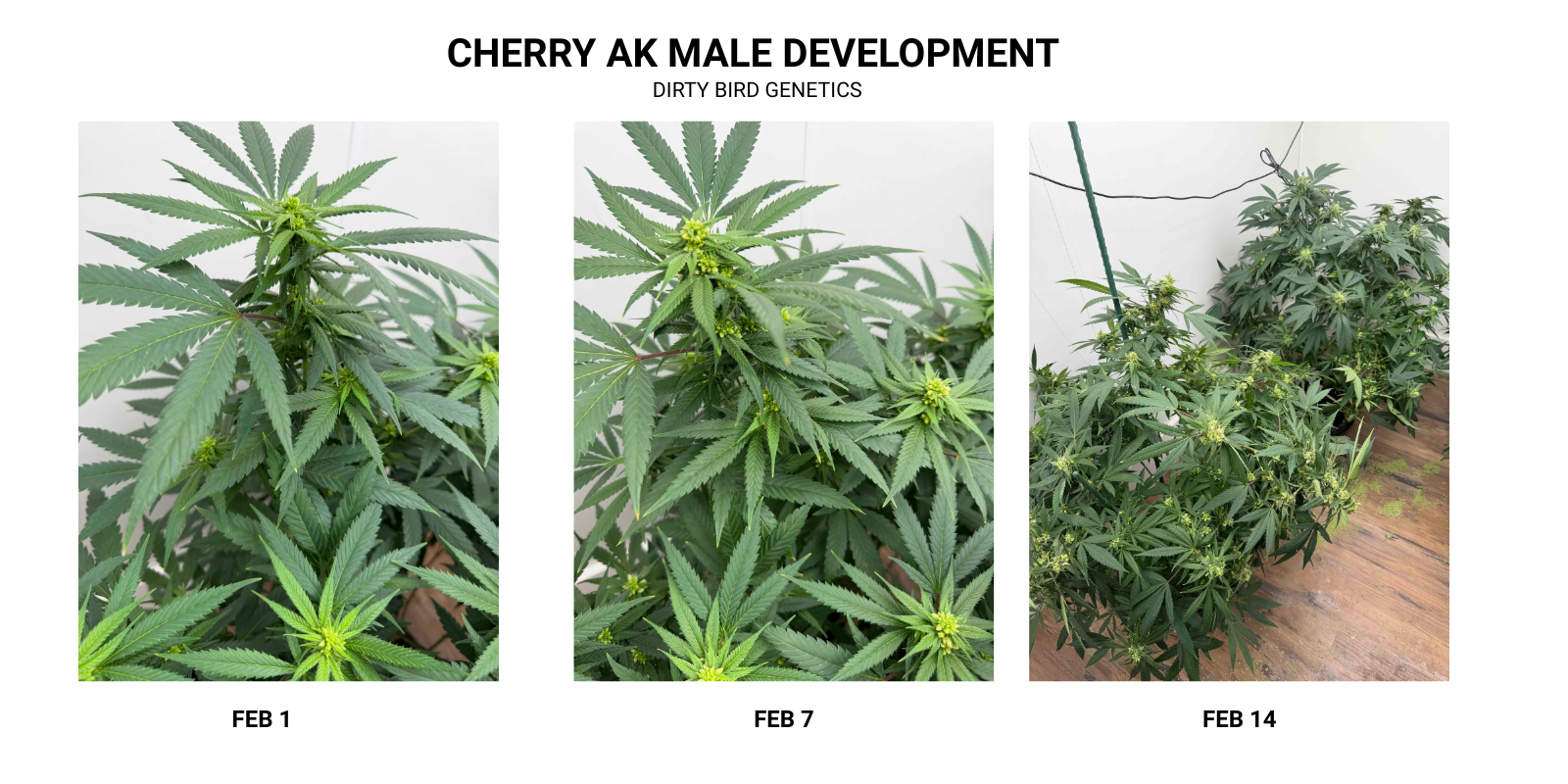
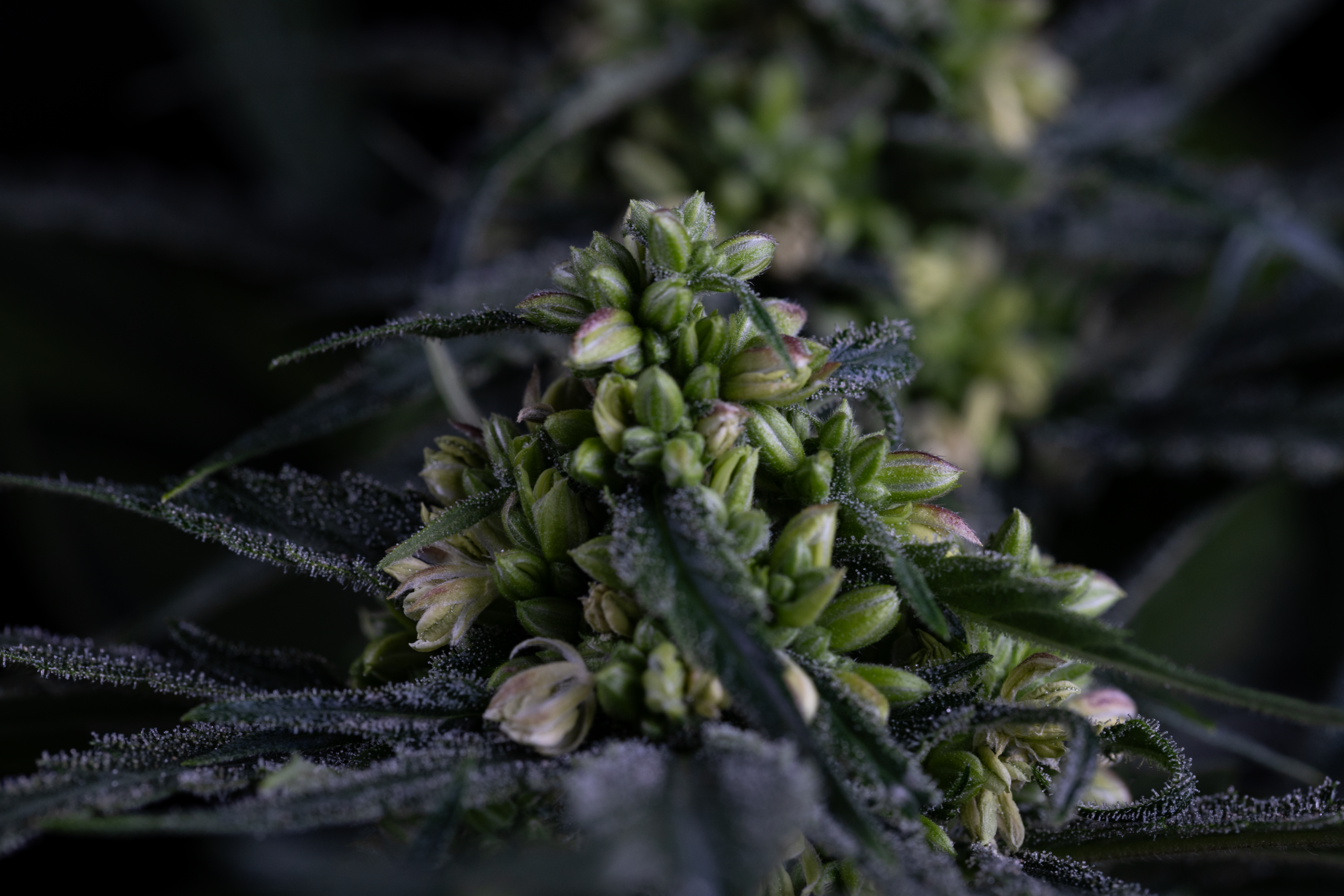
Male cannabis plants produce stamens which are composed of an anther and a filament. The filament is a cylindrical tube that holds the bulbous, ovoid anther up. The anther is the part of the male cannabis plant that produces pollen. Anthers will grow in the same spots as pistils would on a female cannabis plant but look much different. When first forming, male anthers look like a ball on a stick and then will elongate over time into a banana-like shape. If you see anthers on your plant and no stigmas you can be sure it is a male. If you are growing for flower yield and potency, you will want to remove and discard any males before they pollinate your females.
Anthers forming at the bud sites on this male cannabis plant. These banana or pod-like growths will eventually open and release pollen.
A close up of male anthers. These are also still young but will release pollen if not removed from the room. Unless of course youโre breeding, in which case let them grow!
A male cannabis plant showing mature anthers. (the banana or pod-like appendages). These are getting close to opening and releasing pollen.
Male plants arenโt useless and for some people, they are very important. Some growers keep their males to purposefully produce seed. The creation of many new strains is done this way. Many breeders โhuntโ their males to select traits they believe will be beneficial to the next generation just like they would โhuntโ (grow out many and select the best from that crop) female plants. They then remove the undesired males from their grow space and allow the chosen male(s) to pollinate a portion of or all their space. Some growers also wish to make seed to save for next yearโs crop.


Methods of Identifying Males and Females
The oldest way of checking to see if your โregโ plants are male or female is to โsex them.โ This refers to changing the light they receive to 12 hours of light and 12 hours of darkness to prompt the plant to begin making reproductive organs (i.e. pistils and stamens).ย
Some people will make this light change occur early in the growth process to see what characteristics the plant will express and then will take any females they want to grow and โre-veggingโ them or placing them back into a more light-heavy schedule (18hrs Light/6hrs dark, 20 hours light/ 4 hours darkness, etc.) to cease the promotion of flowering.
This allows the grower to see what sex their plants are and discard any males before continuing to veg out and then bloom the females to get the potent buds at final harvest.
This method has some drawbacks to it, namely the need to re-veg an entire plant or to take cuttings from all the plants you want to flower out, cloning them, and then sexing out the clones. This can be labor intensive and can also stress any female plants out with the switches in light schedule.
The stress endured by the females can translate, in some instances, into those females producing male and female parts when blooming out again for the second time.
This is also not always the most feasible method for outdoor growers who will have much more difficulty in precisely manipulating daily light schedules.
For many people who grow reg seed, they will flower out their entire crop and watch closely to identify and remove any males before any pollen is dropped. This avoids adding stress to all of your plants but also is time intensive and requires vigilance to ensure your crop is not seeded.
Fortunately, with advances in technology there is a fast and simple way to identify plant sex way before they get anywhere near large or old enough for their flowering stage.
Many commercial labs across the U.S. are now offering sex ID testing for as little as $20 per plant. Around 3 weeks after being planted, young plants are able to be tested. All that is usually required is a couple of small hole-punch sized pieces of leaf that is placed in a plastic bag, sealed, and then mailed to a lab for testing. Some labs require an entire fan leaf to determine sex but even this is a small amount of material to gather.
This option allows growers to very quickly determine male from female plants and saves a lot of time and resources from being wasted on any unwanted males.
We hope this guide has been helpful in identifying male and female cannabis plants. Remember to always check in on your grow to ensure any unwanted anthers donโt appear or are removed immediately. Happy harvest!
P: Parent Plants when beginning a cross. This is more of an arbitrary designation when beginning to breed a line to identify the two plants you started your project with. This will rarely be shown in this form on most commercial seed product. Many products that do include parentage will often cite โMotherโ and โFatherโ for parent plants.
F1: The first Filial generation. A cross of two unlike parent plants. Term used for regular breeding of a natural female and a natural male plant.
PFemale x PMale = F1
F2: The second Filial generation cross of two F1 progeny (offspring).
F1 (Female) x F1 (Male) = F2
F3: The third Filial generation cross of two F2progeny.
F2 (Female) x F2 (Male) = F3 and so on for successive generations.
IBL: Highly stable cross, typically F5 or greater, with very little genetic diversity in progeny.
R1: First generation cross of two unlike parents (same as F1) but indicates the pollen donor was female (feminized).
PFemale x PFemale Pollen Donor = R1
S1: โSelfedโ Generation 1. Ultimate form of inbreeding. A feminized cross of a single plant bred into itself. This could be done with a single source plant that has some of its nodes feminized with the rest left to develop female organs naturally. The feminized branches will grow anthers and pollinate the remaining natural female organs (ovules within the pistils) producing seed that inherits its genome from a single genetic source instead of from two different genetic sources. Selfing can also be done via cloning the source plant and making either the clone or the source plant the pollen donor and the other the pollen receiver or by doing the same procedure with two clones from the exact same source plant.
P Source x P Source / P Source x P Clone / P Clone x P Clone = S1
Bx: Back cross. Label used when progeny is crossed back into one of its parents.
F1 (Female) x PMale or PFemale x F1 (Male) = Bx1 (Backcross 1)
RBx: Reverse Back cross. Same as backcross but with a female pollen donor instead of a natural male pollen donor.
F1 (Female x PFemale PollenDonor or PFemale x F1 (Female Pollen Donor) = RBx1(Reverse Backcross 1)
With 20+ years of cultivation experience and over 250 unique varieties created SinCity Seeds is among the worlds most respected cannabis breeders. They stand behind their work and always offer a full satisfaction guarantee on all their products.
The NASC Cast Crew had the pleasure of sitting down with Don of Sin City Seeds. Listen to what he has to say below, and follow us on Vimeo for even more content!
Sticky Finger Seeds is a Cannabis genetic collective that specializes (takes pride) in growing and breeding heirloom and landrace cannabis genetics. Now closing in on five decades of cannabis farming and breeding cannabis enthusiast Will Grinnell has been seeking, trading, purchasing and collecting a variety of the best cannabis genetics possible, along with the Sticky Finger Seeds collective of heritage craft farmers and their seed collections.
The NASC Cast Crew had the pleasure of sitting down with Will of Sticky Finger Seeds. Listen to what he has to say below, and follow us on Vimeo for even more content!
Reg or regular seed is seed produced with a natural male pollen donor and a natural female cannabis plant. Fem or Feminized seed is produced with a female pollen donor and a natural female cannabis plant.
Regular seed can produce male (XY) and female (XX) plants. Either laboratory testing or growing some seeds out and sexing them can help you identify if they are male or female. Males obviously make pollen which, when hitting a stigma, traveling through the style then into the ovary on a female plant, will cause the females to create seed. This can easily ruin a crop if a grower is going for seedless flower which makes identifying plant sex very important early in the growing process.
There is nothing wrong with regular seeds. They can still produce amazing plants as long as theyโre tended to appropriately just like with plants from feminized seeds. The main difference is knowing youโll have to pop more seeds to account for any males you may have to get rid of if youโre going for seedless flower. Many people prefer regular seeds over feminized seeds for many reasons. One such reason is to breed their own strains and to create their own seed for next yearโs grow.
Feminized seeds produce 99.9% female seeds due to the pollen donor being female (XX). Since a female in these instances is made to create pollen there is no โYโ chromosome to pass along thus no natural males should be able to form from the seeds produced. This results in almost all the seeds from a feminized pollen donor (XX) and a natural female cannabis plant (XX) being female. This can save much time by cutting out the need to sex plants when planning for your particular grow space and harvest goals. Feminized seeds are preferred by many people as well for many reasons. One big reason being the time and money saved on growing out many possible males and sexing or testing them before discarding them.
Both regular and feminized seed can lead to plants that show hermaphroditism (male and female sex organs/ anthers and pistils on the same plant) if not cared for properly or if poor parental choices were made by the breeder during seed creation. It is important to regularly check on your plants to monitor for unwanted anthers and remove them or the entire plant before they pollinate the other females in the grow space.
Regular Seed
Feminized Seed
50% chance of male or female plant
Can exhibit hermaphroditism
Can produce amazing plants with high yields
99.9% Chance of female plant
Can exhibit hermaphroditism
Can produce amazing plants with high yields
Photoperiod vs AutoFlower (Photo vs Auto)
Photoperiod plants, or โPhotos,โ are cannabis plants that require a change in the amount of light they receive to trigger flowering. Generally 12 hours of light followed by 12 hours of darkness will prompt photoperiod plants to create their sex organs (pistils/buds for female plants and anthers for male plants) and grow their flowers. This is often called โ12/12โ or โ12/12 lighting.โ
Auto-flowering plants do not require a change in light schedule to begin flowering and will do so after a certain number of days after being potted. This is due to the underlying genetics in auto-flower varieties that allow them to trigger flowering without any change in light schedule required. Auto-flower plants are not good candidates for cloning as they have a short window of time in vegetative growth before they start flowering out. This means any cuts taken from the โmotherโ will still flower around the same time the mother would, making them poor choices for mother plants.
Some breeders have labeled particular strains as โFastโ or โFast Flower.โ This generally means the plant is still a photoperiod plant and will require a change in the amount of light/darkness it received to trigger flowering but that it will complete its flowering period much sooner than the average photoperiod plant.
Photoperiod
Auto-Flower
Requires change in light schedule to trigger flowering
Can be feminized or regular seed
Handles appropriate transplanting well.
Tolerance varies by strain
Good for cloning
Flowering triggered after a certain number of days regardless of light schedule
Can be feminized or regular seed
Does not handle transplanting very well
Bad for cloning
Regular and Feminized seeds can be either photoperiod or auto-flowering varieties
Examples:
A plant grown from a regular auto-flower seed would have a 50% chance of being male or female and would start flowering at a certain time after planting regardless of the amount of light it received.
A plant grown from a feminized auto-flower seed would have a 99.9% chance of being female and would start flowering at a certain time after planting regardless of the amount of light it received.
A plant grown from a regular photoperiod seed would have a 50% chance of being male or female and would require a change in the amount of light it receives to trigger flowering. (12 hrs light/12 hrs dark)
A plant grown from a feminized photoperiod seed would have a 99.9% chance of being female and would require a change in the amount of light it receives to trigger flowering (12 hrs light/12 hrs dark)
Mold and mildew negatively affect many kinds of wild and cultivated plants. Powdery mildew (PM) and Botrytis (Bud rot) are two of the most common fungi that damage and, sometimes, destroy cultivated crops.
Powdery Mildew
Powdery mildew is the collective term for several species of fungi that have similar presentation and cause similar negative health effects in plants. It usually presents as distinctive white, fuzzy or โpowderyโ patches on any above ground part of the plant (stems, leaves, stalks, petioles, buds, etc.). Sometimes it can appear like little spots of โflourโ on leaves or any other above-ground parts of the plant.
New shoots and lower/central leaves are commonly the initial sites of PM infection. Old leaves also have a high probability of getting initial PM infection due to their age and, most often, their position within the plantโs branches and other leaves.
Plants with a thick layer of leaf cover are also high risk for PM due to the density of plant material in a given volume which can cause a lack of proper air flow and create breeding grounds for powdery mildew deeper within the plantโs leaves and branches.
Often PM begins as a circular or oval patch that spreads quickly if not dealt with. If left untreated, PM will spread all over the plant and render the crop unfit for human consumption. PM can cause leaves to yellow and fall prematurely which negatively impacts the plantโs ability to photosynthesize the sugars it needs to live. If not dealt with quickly, PM can ruin whole crops as it spreads from plant to plant in your field, greenhouse, indoor facility/grow room, etc. which can take a serious emotional and financial toll on growers.
Powdery Mildew sites beginning near the center of a fan leaf. Note their circular shape and almost powdery appearance.
Another fan leaf showing powdery mildew sites, this time near the blade tips.
Botrytis/Bud Rot
Botrytis is another common pathogenic fungus found virtually everywhere plants are grown. Like Powdery mildew, Botrytis first appears as a white growth but quickly becomes brown or gray and can make buds and leaves appear โcrispyโ or over-dried. It can also sometimes make buds look webbed and slimy depending on the stage of infection. Botrytis is dangerous for humans and plant product containing this fungus should be considered toxic and unusable.
Botrytis can affect ANY part of the plant including the roots which makes it a very pervasive and difficult issue to treat. Botrytis will often affect new shoots as well as areas of the plant that do not get proper aeration such as dense buds or areas of high leaf coverage. Thick leaf layers and high relative humidities combined can make breeding grounds for this fungus just like they can for powdery mildew. Damaged plant stalks and leaves are also highly susceptible to PM and Botrytis infection. It is recommended to remove any petioles (leaf stems) still attached to stalks when defoliating plants during normal pruning. Petioles left over are highly susceptible to fungal infection and should be removed entirely from the plant if the leaf it was attached to is pruned.
Photo: Pong Pong/Shutterstock
White bud rot taking hold within the bud. Note the spider web-like texture.
Photo: Pong Pong/Shutterstock
A severely infected bud. Note the webbed texture and brown color of the bud rot. This bud will have to be removed before the infection spreads too far.
Photo: Pong Pong/Shutterstock
More exposed botrytis working its way up the young bud.
Photo: KilnKam/Shutterstock
Sometimes botrytis will make the bud look caky and dry. This bud will need to be removed from the area to prevent further spread of the mold to other plants.
Botrytis
Powdery Mildew
Dry or webbed texture
Begins white but quickly turns brown or gray
Affects ALL parts of plant (above and below ground)
Geometric pattern not similar across plants
Powdery or โflourโ like texture
White
Affects above ground parts of plant
Generally circular or ovoid (oval) patterning that spreads outward from center
Prevention & Treatment
It may sound obvious but the best way to protect your crop is to prevent mold outbreaks before they happen. Below are some tips on preventing powdery mildew and Botrytis in your grow space.
Discard all affected plant material outside of grow space ASAP
Destroy/Remove entire plant if mold infection is too wide spread
Change gloves or wash hands after removing affected plant material
Keep Plants Healthy
Avoid over or under feeding your plants as nutrient imbalances can cause serious stress which diminishes the plantโs ability to naturally fight off pests and fungal infections. When a plant is taking up the appropriate amount of nutrients and water, and when it produces healthy levels of sugars within itself, it is able to resist disease and infestation to a much higher degree, if not entirely. The healthier your plant is, the less work you have to do for a better yield.
Appropriate Light Penetration
Make sure your plants are getting good light penetration to decrease moldโs ability to infect lower bud sites, branches, and leaves. Mold does well in wet, dark conditions so increasing the light coverage on your plant will decrease moldโs ability to harm your crop. Be careful not to place your lights too close to the top of your plants or leaves as this can cause light burn which can stress the plant out.
There are various heights above the plant canopy that are optimal depending on type of light used (e.g. LED, MH, HPS, T5, etc.) and the technical specifications of any individual light. Keeping lights approximately 18 โ 24 inches above your plant canopy is usually a safe bet but again consult the manual or manufacturer website for the unique specifications and any recommendations that may be found for the specific light(s) youโre using.
Air Flow:
It is critical to have proper air flow in your grow to prevent pockets of stale air and humidity from building up within the foliage or on stems or soil. In indoor grow spaces, wall and floor fans can be used to create air flow. Be cautious with the power setting and how close the fans are to the plants. The air movement is critical to preventing mold but too much force from air on the leaves will damage their structure and can lead to deformation and eventual premature death of the leaves.
Some indoor grow rooms and many commercial facilities also use HVAC systems to help recycle air in their grow space. These systems help to prevent accumulation of stale air, pathogens, mold spores, and excess humidity as well as introduce fresh air and CO2. If you can keep your grow areaโs relative humidity below 60% (45% โ 55% RH is optimal for flowering) you will greatly decrease the chances of mold outbreak. Many detrimental fungi and bacteria have a harder time establishing in an area that has less than 60% RH. Mold outbreaks can still occur at below 60% RH if grow area cleanliness is not maintained but will be less severe and will grow more slowly than at higher RH levels. Keeping a lower RH can help growers have more time to spot and treat any fungal infections that occur.
In grow tents, intake and outtake fans are usually employed to help keep fresh air recycling into the tent and stale air/excess moisture out of the tent. Small, clip-on fans can often be placed on tent poles to help with air motion if you find the air in the tent is still too thick, humid, or stationary. Again, be cautious at what setting you put the fan(s) at and how close it is to the foliage. Again a relative humidity of less than 60% is preferable to reduce the potential of fungal infection
If growing outdoors, make sure your crop is planted in an area that gets good wind flowing through it. Check on the foliage, stems, buds (if in flower) and surrounding soil daily, or as often as you can, to monitor those areas of your plants for white, gray, or brown spots forming. Itโs also helpful to monitor for any pest damage/infestations and treat these appropriately as soon as possible.
Targeted Defoliation
Defoliation can improve air flow around your plant and can reduce the chance of mold outbreaks. It can also help the plant increase yields and potency by re-allocating energy from leaves that are older and/or may be shading out flower sites to flowers and newer leaves that are more efficient in photosynthesis (greener, more chlorophyll).
Defoliation requires some experience to get the hang of and must be approached with caution. Too much leaf removal can cause your plants stress which can harm yields and potency as well as lower the plantโs ability to fight off pests and fungal infections.
Defoliation is much more common in indoor grow spaces as leaves may not be receiving light evenly and thus some leaves may not contribute their maximum potential for photosynthesis. It still can sometimes be helpful when growing outdoors if your plant has a high leaf density thatโs preventing good air flow but isnโt as big of a concern usually as it may be for the indoor grower.
Many small leaves on the underside of the plant and within the plant structure on lower branches can be removed to improve air flow while removing less efficient leaves. Be cautious not to defoliate too many leaves at once or in one day. It can be helpful to remove some leaves every 3-7 days during later stages of vegetative growth and/or within the first 3 weeks of the flowering phase. Try to not remove more than a total of 10-20% of a single plantโs foliage to avoid stressing it out.
ALWAYS USE CLEAN/STERILIZED TOOLS WHEN REMOVING LEAVES!
This fact cannot be stressed enough as dirty cutting tools (scissors, razor, scalpel,) can lead to greater chances of infection from bacteria, mold, and plant viruses/viroids. 70% isopropyl alcohol is recommended for sterilizing cutting tools against bacteria, but a 10% solution of bleach is recommended for sterilizing cutting tools against mold spores, plant viruses and viroids as isopropyl will not kill viroids.
Try to fully remove petioles (leaf stem) when defoliating to avoid creating sites that are optimal for fungal infection. We recommend removing the leaf, cut at the base of the petiole where it connects to the plant stalk. Try not to twist, rip, pull, or otherwise tear at the leaves as this can cause wounds in the stem and leave behind pieces of leaf and petiole debris that act as sites for initial fungal infection.
Check out our defoliation guide for more precise information regarding defoliation techniques.
Plan Healthy Crop Density
It is important not to plant or place individual plants too close to one another. Appropriate spacing in your tent, grow room, facility, or outdoor field improves air flow and decreases the chances of fungal infection. It also helps to avoid moisture/humidity build up within and between plants.
Before stocking your grow area, plan ahead to choose the number of plants and the desired size of those plants appropriate for the space youโll be growing in. This will help prevent overcrowding and allow better air flow and light penetration to all of your plants.
Clean Grow Spaces in Between Harvests
Keeping your grow space clean and as plant debris free as you can is immensely helpful in preventing fungal infections. Clean floors, walls, and ceilings as well as any objects in the room in between harvests to eliminate any mold spores growing and keep new ones from gaining a foothold. There are many products that can be used to eliminate mold spores. A solution of 10% household bleach and 90% water is very effective in removing most mold spores. Distilled white or cleaning vinegar is also another easily obtainable option for cleaning grow spaces as it has a high acetic acid content which has antifungal properties. Vinegar is effective against many but not all types of mold spores.
If You Have PM or Bud Rot
Prune the affected parts of the plant if possible. If there is mold growth on leaves, remove the entire leaf and petiole (leaf stem) and put these gently into a plastic bag or other container. If removed with too much force you may inadvertently knock spores into the air which will travel to other parts of your plant or to other plants in the grow area. After youโre done removing affected leaves, quickly remove moldy leaf debris and throw away outside of the grow area, and outside of your home or facility if possible.
If mold is growing throughout a stalk or bud, removal of infected areas is necessary. A good rule of thumb is to prune a few inches below the infected site and remove all affected plant material.
There are some products available that are advertised as being able to clean finished bud from mold with little to no residual chemicals left in your flower after treatment. Due diligence to do your research on specific products that claim this is vital to ensure effective and non-toxic methods of cleaning bud if this is a strategy you wish to employ.
There are also many fungicides available commercially that work for vegging plants but many have potentially long lasting health effects so once again, do your research before introducing any new chemicals to your grow.
Neem Oil
A natural fungicide that has been used for many years is neem oil. Neem oil is a naturally occurring oil that comes from the seeds of the neem tree. Neem has been proven to have antifungal as well as anti-insecticidal properties and is not harmful to humans or pets. However, if you grow outdoors, be sure to not spray neem oil on plants bees may visit (flowers, vegetables, other pollen sources, etc.) as it can be harmful to them.
Copper Based Fungicides
Copper based fungicides are another non-systemic option for mold prevention and treatment. They are non-harmful to pets and humans and can be applied (if mixed in the appropriate ratio) without burning your cannabis plants. Copper based fungicides have shown great efficacy in killing mold spores and preventing their growth if applied correctly.
We do not recommend using any copper based fungicidal sprays outdoors as this can be harmful to earthworms and beneficial bacteria which are vital to soil health. However, if growing indoors without using living soil then copper fungicides can be a very effective treatment and preventative option for PM and botrytis. Copper fungicides are non-systemic and wonโt harm your cannabis plants if applied in the appropriate ratios which can be found in the product manual that comes with the fungicide.
Baking Soda
Baking soda is another way to organically deal with powdery mildew and mold. Mix half a teaspoon of baking soda per quarter of a gallon of water, put this solution into a sprayer and spray the affected leaves and stems of your plant. Baking soda is another non-systemic fungicide which means it will potentially need to be re-applied if the issue reoccurs but it also means your plant wonโt take it up within itself which is a very good thing when it comes time to enjoy your dried flower.
Do Your Research
No one wants to ingest fungicide when enjoying their bud so avoid using synthetic chemicals that are systemic and stay within the plant. Some fungicides wonโt flush out after the normal flushing period at the end of flower so be careful not to employ these chemicals as they are largely for ornamental crops and lawns that are not intended for ingestion by humans or animals. Always read the labels and warnings with any new product you introduce to your grow to keep yourself, others, and the environment safe.
Fungicide/Defoliation Not Working
We do recommend removing and destroying heavily affected plants in situations where defoliation and/or pruning are unable to appropriately remove fungal infection sites. Sometimes the spread of mold and mildew is so vast over the plantโs surface that it is safer to remove the plant entirely before the issue spreads to the rest of the room. Be sure to wear gloves while removing infected areas of plants or while removing whole plants and throw those gloves away before touching clean surfaces or other plants. This practice will limit the spread of mold spores which can destroy your crop quickly. If gloves arenโt available, wash your hands thoroughly as soon as possible to avoid further spread of any fungi.
Make sure to increase the ventilation to the grow space to keep mold from coming back and establishing a foothold.
Fungus and mildew are huge concerns for any grower whether they are a home or commercial grower. If left untreated it can destroy whole crops by negatively affecting plant health, diminishing yields, and rendering infected, untreated plant material hazardous for human consumption. With proper environmental conditions and adherence to best growing practices you can avoid the catastrophe of diminished yields and the loss of an entire crop. Always be cautious if utilizing any fungicidal treatment. Always read the labels and warnings on the product and do your research before applying anything new to your grow room or garden. We hope this introductory guide has been helpful and that you enjoy many great, mold-free harvests in the seasons to come!
Do you want to grow cannabis in a simple and convenient way? The Annaboto growing system will provide you with an experience that is fun and fairly hands-off. Crystal discusses her second harvest with the Annaboto.
Back in November of 2025, I started my second grow journey with the Annaboto grow system. I still heavily recommend the Annaboto as an option for new growers or anyone that feels like they are too busy to grow. You can learn more about my experience with the process of setting up and using this machine here.
The strain I chose for this grow was Alchemist's Apprentice by Night Owl Seeds. She is made up of a cross between Wizardโs Apprentice *Foxy Purps* x Chem 91 F4 Auto. From germination to harvest, she grew like a champ. The process was smooth and nothing challenging arose during her lifespan.
Below, there are three pictures that show the first three weeks of growth. She started out as a healthy seedling and seemed to grow fairly rapidly into vegetation.
The next three images below are showing where she stands at week 5 and week 6. Some of her leaves have gotten really big. During week 6, I topped the plant in hopes that she would grow a little more outward and produce more flower. I cut the stem between the fifth and sixth nodes. At this point, she was a luscious green color and very healthy.
The first sign of the flowering stage occurred during week 8. She really opened up and topping definitely created more bud sites. I started to defoliate here and there to create more open space for the light to hit the buds, especially the ones toward the bottom of the plant.
Harvest happened during week 14. I was very pleased with the results as the buds looked extremely chunky and coated in white. She had decent internodal spacing and was somewhat compact, only being about a foot and a half tall. She just finished drying and I will be trimming her soon, followed by letting her cure for a few weeks. I am very excited to smoke this one!
This concludes my second grow journey with the Annaboto. It's reputation for being convenient and easy to use definitely remains.
Disclaimer: Cannabis seeds are sold as souvenirs, and collectibles only. They contain 0% THC. It is imperative that you check your state and local laws before attempting to purchase seeds, and we are not liable for what you do with seeds after receiving them. The statements on this website and its products have not been evaluated by the Food and Drug Administration. These products are not intended to diagnose, treat, cure or prevent any disease. Consult your doctor before use. North Atlantic Seed Company assumes no legal responsibility for your actions once the product is in your possession and is not liable for any resulting issues, legal or otherwise, that may arise.
Are you 21 or older?
You must be 21+ to enter this site.
Sorry, you must be 21 or older to enter this site.