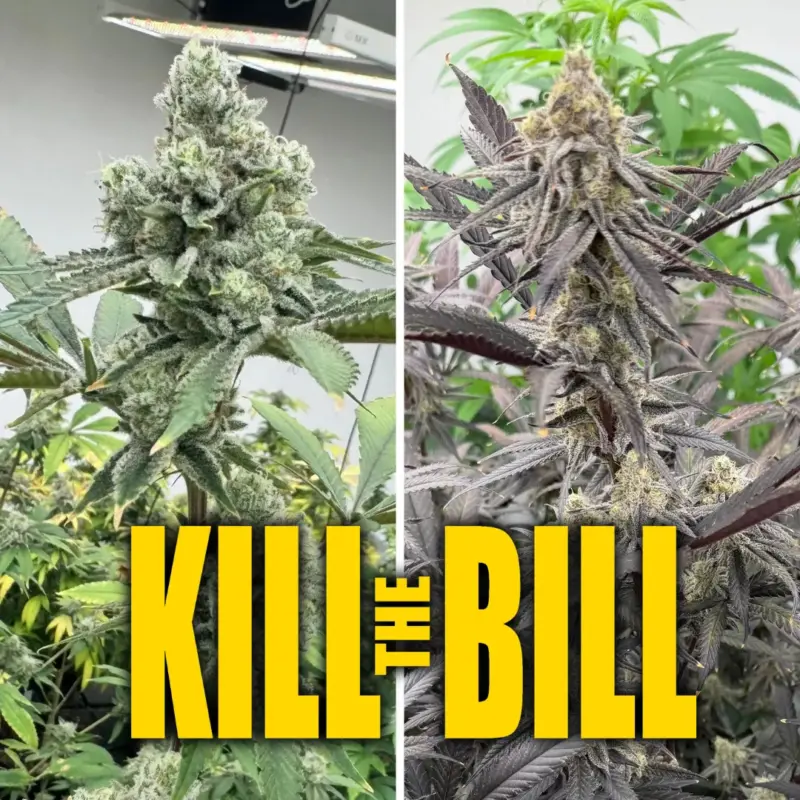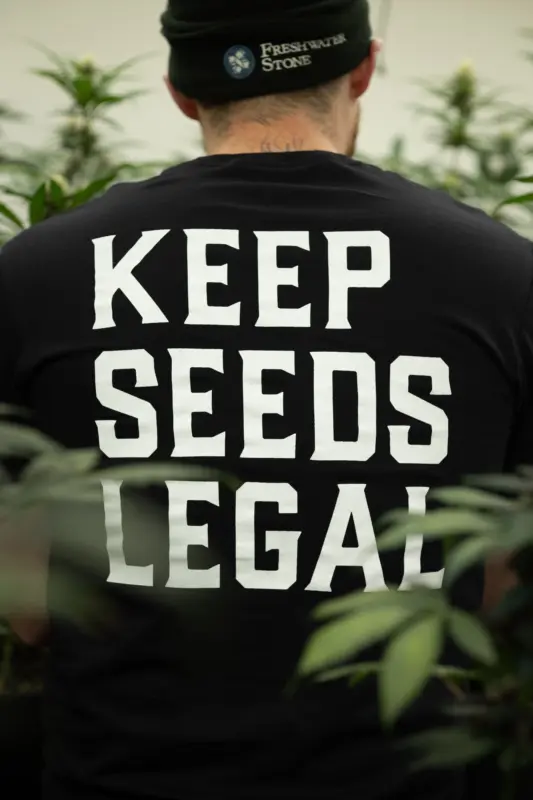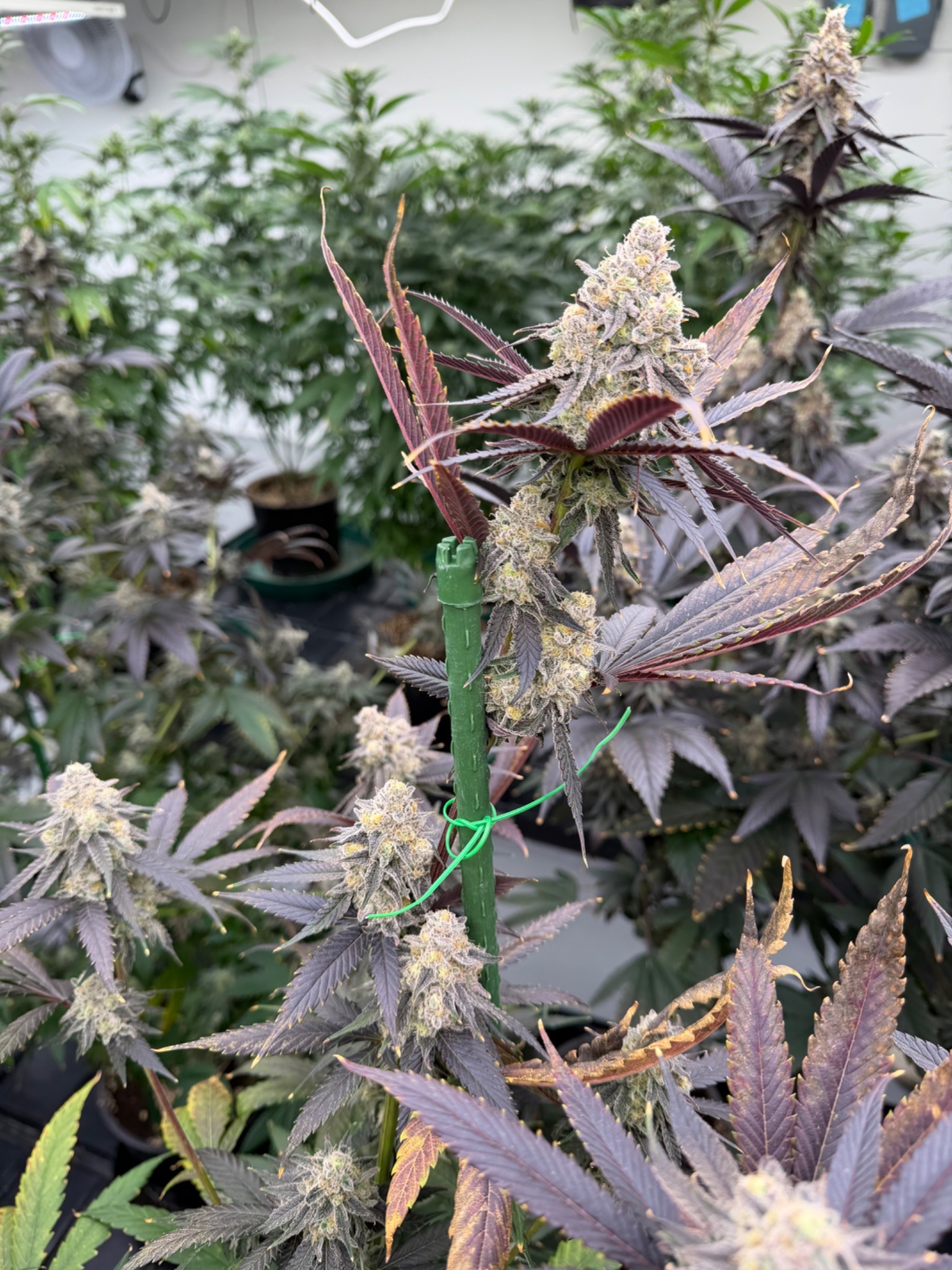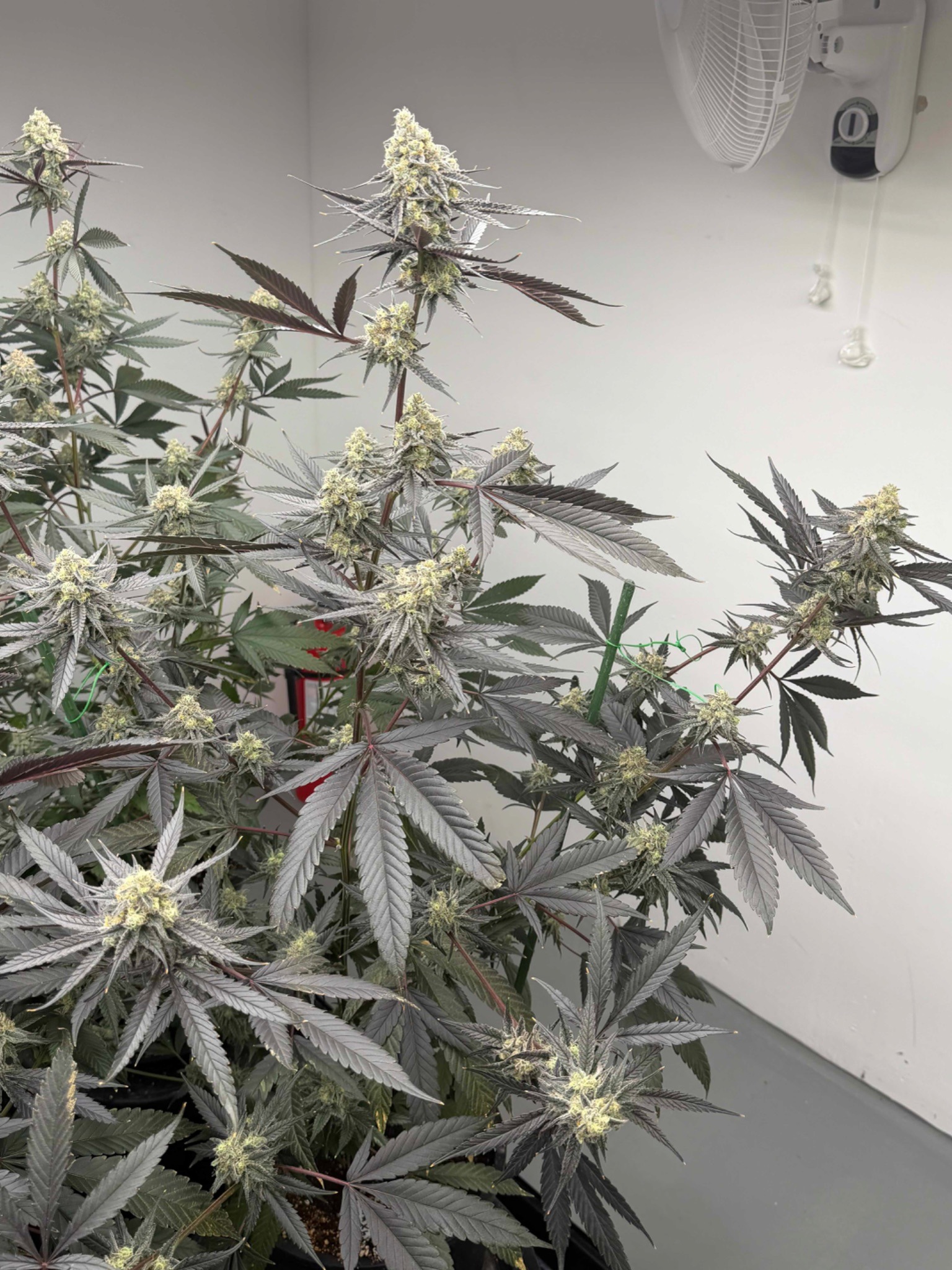
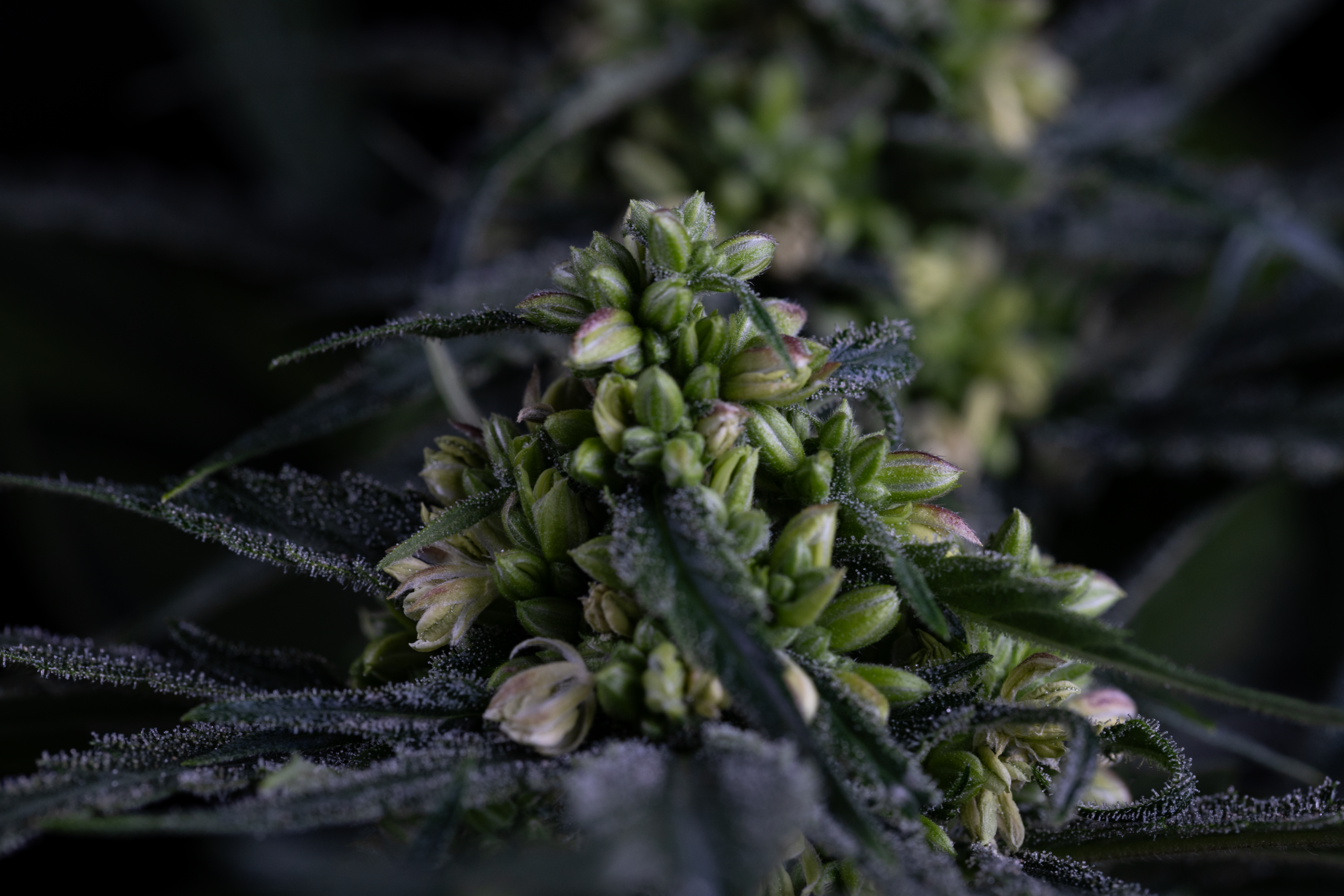
The Fight to Keep Cannabis Seeds Legal with North Atlantic Seed Co. by Beth Mathieu

Keep Seeds Legal - Proceeds Go Towards Preserving Seeds

In Nov 2025, a statute was passed in the FY2026 Agriculture Appropriations Act that will federally redefine and criminalize most cannabis seeds sold in the US by excluding them from the previous definition of hemp set forth in the 2018 Farm Bill. Set to take effect on Nov 12, 2026, seeds will become recognized as “cannabis” rather than “hemp” if the mother plant contains over 0.3% THC. 

This new statute – found in Sec 781, Exclusion C –undermines the definition of hemp as set forth by the 2018 Farm Bill, and it reverses the 2022 DEA ruling that effectively legalized cannabis seeds by clarifying the DEA’s operative definition of hemp as inclusive of cannabis seeds.

The 2018 Farm Bill defines hemp as any part of the cannabis sativa L plant, including the plant itself and the seeds thereof, that contain 0.3% THC or less on a dry weight basis. Cannabis seeds contain 0% THC, and are therefore federally recognized as hemp. 

The new statute, found in Sec 781, Exclusion C of the FY2026 Agriculture Appropriations Act, excludes seeds from the previous definition of hemp if the seeds were derived from a plant that contains more than 0.3% THC. This shifts the onus from the seed to the mother plant. 

As a result, legal interstate sale of cannabis seeds will no longer be permitted under federal law. Banking and payment processing will become inaccessible to cannabis seed businesses and breeders, and shipping carriers like USPS will no longer ship cannabis seeds. Despite containing 0% THC, cannabis seeds will become a Schedule III drug.  

NASC has been working hard behind the scenes to advocate for sensible changes to this statute before it takes effect this November 2026. By teaming up with industry leaders, attorneys, and politicians, we are hopeful we can get the job done. Now more than ever, we need to unite as a community to fund this effort, to educate our politicians and our peers, and to make our stories, our experiences, and our voices heard. 

This week, North Atlantic Seed will be launching the Keep Seeds Legal! Limited Series. With the help of our breeders and allies, we hope to raise money to fund this cause. 100% of proceeds from the sale of any items on this limited edition menu will go to the Keep Seeds Legal advocacy effort. If this is an issue you care about, please consider shopping from the KSL menu this season, and check back regularly as we hope to continue expanding upon the line with added breeders and genetics. 

In addition, you will find that you can make a donation at check out should you choose, and we plan to pair this with free seeds in order to give back to all of our amazing customers who donate to this important cause. 

If you are willing to reach out to your state US Representatives and Senators, here you will find a website called Democracy.io which simplifies and streamlines this process. Below are some helpful messaging points to lean into. We strongly encourage everyone to make this as personal as it can be, and to lean into the talking points and issues that matter most to your elected politicians. We recognize that doesn’t always align with what matters most to us as individuals or collectively as a community and industry; however, if we expect results, we have to speak the same language they are speaking, meet them where they are at, and attempt to resonate. 

Key Messaging Points: 

  1. We think the cannabis/hemp seed exclusion set forth in Sec 781(c)(1) of the FY2026 Agriculture Appropriations Act should be removed entirely from the bill. 
  2. Cannabis Sativa L seeds contain 0% THC, and they are not intoxicating. We feel they should be regulated the same way all seeds are regulated in the US–as an agricultural input. Cannabis seeds should not be lumped in with intoxicating end-products. Doing so unnecessarily overcomplicates an already complex regulatory issue by placing two very different and very nuanced things (agricultural inputs versus intoxicating substances) under the same regulatory umbrella, and categorized as equivalents as Schedule III controlled substances. 
  3. As written, we feel this law will inhibit economic growth, research, and innovation across multiple industries, from industrial hemp to medical research and science initiatives. This law effectively limits the gene pool necessary for innovation in breeding, an issue which is equally relevant to research communities as it is to the US industrial hemp industry. Much like any other crop, scientists require access to genetics in order to isolate and breed forward the desirable traits they are seeking, while breeding out undesirable traits. Beyond just that, genetic diversity is crucial to creating and innovating any vigorous, elite crop. 
  4. The US is well-positioned to be a world leader in the hemp genetics space if we can create a safe regulatory environment for businesses and scientists to innovate and thrive. This statute hamstrings the work we’ve done to set the US apart as trail blazers. There are businesses all over the world attempting to mimic the US’s hemp genetics in order to fulfill demand. Up to this point, it has been nearly impossible to do business outside of the country in the hemp genetics space due to an unclear and often contradictory regulatory framework. US Customs has seized millions of dollars of hemp seeds from US businesses who are 100% compliant with federal law. This bill now threatens our ability to do business and innovate within our own country as well, and we expect that to have a devastating effect on small businesses, their employees, and the state and federal economies that rely on the economic impact this industry has. 

By purchasing one of the following packs, you can help fund the legal future of cannabis seeds! Donation options also available at checkout!


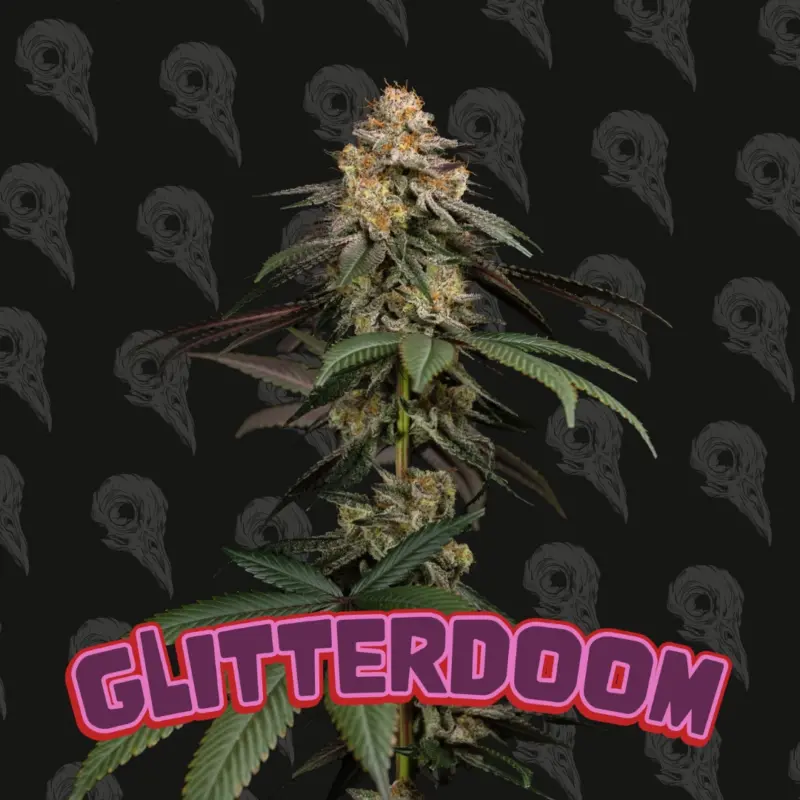
Keep Seeds Legal by Jim Riddle, Lambs Breath

Keep Seeds Legal - Proceeds Go Towards Preserving Seeds

In 2022, the DEA ruled that all cannabis seeds are "hemp" because the seeds themselves contain no THC. That ruling allowed for the legal interstate sale of cannabis seeds. USPS and other shippers began handling seeds. Banks and credit card processors started providing services to the cannabis seed sector. 

A new “hemp ban” passed by congress reverses the DEA ruling by removing cannabis seeds from the definition of "hemp” if the mother plant contained over 0.3% THC. 

While most of the hemp industry is focused on delaying or reversing the intoxicating hemp product ban, the seed issue gets little attention.

The cannabis seed sector and its supporters need to push for a narrow law change that either deletes the new seed definition, or that amends the law by requiring that all cannabis and hemp seeds be regulated under the Federal Seed Act, which is a truth-in-labeling law. 

If the Section 781(c)(1) of the law goes into effect in November 2026 as written, it will become illegal to ship cannabis seeds internationally and between states; USPS and other shippers will likely stop delivering seeds; banks and credit card processors may pull out of the seed market; and the future of legal cannabis genetics will be damaged.

As another breeder put it, “Lawful access to cannabis and hemp genetics matters for research, agriculture, education, medical study, preservation, and innovation."

Please contact your U.S. Senators and Representatives and ask them to delete or amend 781(c)(1) to keep cannabis seeds legal.

Contact your members of Congress here:

https://democracy.io/#!


By purchasing one of the following packs, you can help fund the legal future of cannabis seeds! Donation options also available at checkout!


Happy Valley Genetics Breeder Spotlight

Happy Valley Genetics shares 3 tips for new growers and their top recommendations!
Don't miss out on all the great deals from Happy Valley Genetics for Breeder of the Week!


3 TIPS FOR NEW GROWERS

For Autoflowers, focus on protecting your roots!
We can do this in two ways:
i. Start the seed in the pot you intend to finish in.
Minimizing transplants will also minimize stress to the taproot.
ii. If you let your plants get rootbound, they will go into flower too early.
If you’ve ever grown an auto and ended up with a little nug on a 8” stalk, this is probably why.

When you’re using liquid nutrients, don’t overdo it on the additives and boosters.
There are a lot of factors that contribute to bud size, density, smell, and aroma. Using 8 different PK boosters with 5 different sweeteners almost always does more harm than good.

There are so many variables we can change from run to run.
When we change multiple variables on each run it can be almost impossible to figure out what’s actually moving the needle in your garden. My recommendation for new growers is to be consistent in your garden and if you are going to switch things up, do it one variable at a time. This way when you see a positive change, you know exactly what led to it.


FAVORITE BREEDING PROJECT

My favorite project was our most recent round of releases with pollen from
our Super Lemon Haze IBL #119. It represented a lot of hard work and pheno hunting on our end.
We took a robust, stable, high THC SLH and hit it against our favorite production cuts from our vertical business. I personally like really gassy varieties and making hash.
Our SLH IBL #119 crosses check those boxes for me.
*These include the following varieties
Dowtown Haze, Haze Burger, Lemdawg, Lemon Prime, Lemon Smuggler, Permanent Haze, Sour Berry Shake and Super Belts.


STORY FROM THE GARDEN

This is an easy one to answer! On our first round of seeds, our Associate Director of Cultivation and I were taking pheno notes on roughly 120 GMOZ x End Game #3 crosses in week 9 of flower. We were up on step ladders with lights on going from plant to plant to checking for terps, structure, herms, and overall structure. I can remember being at the top of the bench when one of us said “these are on another level!” A few weeks later we were still struggling to come up with a name (surprisingly, this is one of the harder parts of releasing new varieties) when we just looked at each other and were like “what about Another Level?” Coincidentally, this is also one of my favorite varieties we have
released to date.


RECOMMENDATIONS FOR EVERY CATEGORY

Outdoor Recommendations

A cannabis plant with clusters of buds and leaves, Overtime (F), isolated on a black background.

Overtime (F)

High Yield Recommendations

Everglades OG Auto

Lemdawg Cannabis Seeds by Happy Valley Genetics

Lemdawg (F)

Beginner Friendly Recommendations

Easy Button Auto

Candy Games #25 Cannabis Seeds by Happy Valley Genetics

Candy Games #25 (F)

High Test (THC) Recommendations

A close-up of a Pineapple Diesel Auto against a black background.

Pineapple Diesel Auto

Haze Burger Cannabis Seeds by Happy Valley Genetics

Haze Burger (F)

Terpene Heavy Recommendations

Shortcut Auto by Happy Valley Genetics

Shortcut Auto

Close-up view of a single cannabis plant with dense buds and green leaves, resembling the pixelated artistry seen in Game Over (F)'s final moment against a black background.

Game Over (F)

Disease Resistant Recommendations

A close-up of a Pineapple Diesel Auto against a black background.

Pineapple Diesel Auto

lemon prime cannabis seeds by happy valley genetics

Lemon Prime (F)

Extract Recommendations

Everglades OG Auto

sour berry shake cannabis seeds by happy valley genetics

Sour Berry Shake (F)

Short Flowering Time (Under 8 Weeks) Recommendation

Close-up view of a single cannabis plant with dense buds and green leaves, resembling the pixelated artistry seen in Game Over (F)'s final moment against a black background.

Game Over (F)

Products by Category

Get Ready For Spring With NASC Commercial Cultivars!

Read further for advice about strain selection for your outdoor garden, including the new NASC Commercial Cultivars line.


Considerations For Outdoor Strain Selection

Flowering Time: A cannabis plant will likely not last through multiple frosts, so keep the flowering time in mind if you live somewhere that starts to experience colder temperatures in October. Late September-early October is a sweet spot for Northern and New England climates.

Resistance: Considering a strain's resistance could narrow down your options. Keep an eye out for strains that are resistant to common outdoor problems such as mold, mildew, septoria, and pests.

Seed Type: For the beginner grower, I would caution against putting regular seeds in your garden without sex testing. A burst pollen sack outside is infinitely more detrimental to other plants in stages of flower than a similar situation inside, simply due to natural winds and air movement. Check the sex sites of feminized plants as well.

For more details On preparing your outdoor garden, check out this post!


NASC COMMERCIAL CULTIVARS

The genetics you will find in NASC’s Commercial Cultivars line have been carefully selected by industry veterans for their overall commercial crop viability. This includes outdoor resilience and resistances, early finishing times, complex terpene profiles, high performing test results, extract performance, overall bag appeal, overall plant and flower morphology, dependability and stability. These are genetics that have been bred and tested in large commercial settings with the utmost integrity, and these are genetics that you can trust, at a price point that is reasonable.

Click the images below to learn more about each of these strains!


Check out more outdoor seed options here!

Products by Category


Happy Growing!

Male or Female? Identifying Cannabis Sex by Ben Morris

Cannabis plants are dioecious which means they can be male or female. The bud/flower and extracts people consume comes from female cannabis plants which produce cannabinoid rich trichomes. These trichomes house THCA (the precursor to THC) and other cannabinoids that have physical and mental effects when ingested. 

While male plants can produce THC, they are much less potent than females and are not desirable for consumption. Male plants also produce pollen that can cause female plants to create seeds. This is usually not desirable for most growers who are looking to maximize flower yield and potency. Once a female plant is pollinated, it will focus more of its energy and resources to creating those seeds rather than focusing on floral growth and trichome production which will end up affecting your final yield and lowering the potency of your crop.

If you’ve seen some seeds being advertised as “Reg” or “Regular” and others being advertised as “Fem” or “Feminized seeds” then you’ve probably wondered what the distinction is. (Get Fem seeds here)

A regular (reg) seed is made by a natural female cannabis plant being pollinated by a natural male cannabis plant. There is a 50/50 chance for each seed to be female or male from a batch of reg seeds. (Get Reg seeds here)

Feminized seeds are made by forcing a female cannabis plant to produce anthers through chemical means or through rodelization. Once a female plant produces anthers it is only capable of passing along X sex chromosomes so almost all the seeds from a batch of “fem” seed will be females. 

There is still an approximate 1% chance of chemically feminized seeds producing a male or producing plants with hermaphrodite traits (i.e. having both male and female parts on the same plant). This is because of evolutionary drives in the plant to reproduce which can sometimes overcome the feminization process.

This same concept applies to non-feminized plants as well since hermaphroditism is possible in any cannabis plant. Appropriate horticultural practices and careful breeding to lock in genetic material that produces desirable traits are required to greatly reduce your chances of finding male flowers (anthers) in your female plant.

FEMALES

Female cannabis flowers produce pistils. A pistil is the female reproductive organ of the plant and contains the stigma, style, and ovary. The stigmas are the small white hairs that come out of a female flower and are used by the plant to catch pollen and then transfer it down the style into the ovary where seeds are created. 

The presence of these emerging hairs indicate that your plant is a female and, when grown appropriately and depending on genetics, will produce dense, cannabinoid rich flowers. These stigmas will start to form out of bracts that are located at the axils or nodes of the plant. These are the areas where a leaf or new branch is growing out from the main (or apical) stalk of the plant. 

A female cannabis plant showing its slender, white stigmas growing from the bracts.
Another female cannabis plant with developing stigmas. The extra-long white hairs are hard to miss!
This is a female cannabis plant. Note the long, slender white hairs (stigmas) growing from the green bracts at the node (where the branch diverges from the main stalk).

MALES

Male cannabis plants produce stamens which are composed of an anther and a filament. The filament is a cylindrical tube that holds the bulbous, ovoid anther up. The anther is the part of the male cannabis plant that produces pollen. Anthers will grow in the same spots as pistils would on a female cannabis plant but look much different. When first forming, male anthers look like a ball on a stick and then will elongate over time into a banana-like shape. If you see anthers on your plant and no stigmas you can be sure it is a male. If you are growing for flower yield and potency, you will want to remove and discard any males before they pollinate your females. 

Anthers forming at the bud sites on this male cannabis plant. These banana or pod-like growths will eventually open and release pollen.
A close up of male anthers. These are also still young but will release pollen if not removed from the room. Unless of course you’re breeding, in which case let them grow!

A male cannabis plant showing mature anthers. (the banana or pod-like appendages). These are getting close to opening and releasing pollen.

Male plants aren’t useless and for some people, they are very important. Some growers keep their males to purposefully produce seed. The creation of many new strains is done this way. Many breeders “hunt” their males to select traits they believe will be beneficial to the next generation just like they would “hunt” (grow out many and select the best from that crop) female plants. They then remove the undesired males from their grow space and allow the chosen male(s) to pollinate a portion of or all their space. Some growers also wish to make seed to save for next year’s crop.

Methods of Identifying Males and Females

The oldest way of checking to see if your ‘reg’ plants are male or female is to “sex them.” This refers to changing the light they receive to 12 hours of light and 12 hours of darkness to prompt the plant to begin making reproductive organs (i.e. pistils and stamens). 

Some people will make this light change occur early in the growth process to see what characteristics the plant will express and then will take any females they want to grow and “re-vegging” them or placing them back into a more light-heavy schedule (18hrs Light/6hrs dark, 20 hours light/ 4 hours darkness, etc.) to cease the promotion of flowering. 

This allows the grower to see what sex their plants are and discard any males before continuing to veg out and then bloom the females to get the potent buds at final harvest. 

This method has some drawbacks to it, namely the need to re-veg an entire plant or to take cuttings from all the plants you want to flower out, cloning them, and then sexing out the clones. This can be labor intensive and can also stress any female plants out with the switches in light schedule. 

The stress endured by the females can translate, in some instances, into those females producing male and female parts when blooming out again for the second time. 

This is also not always the most feasible method for outdoor growers who will have much more difficulty in precisely manipulating daily light schedules.

 For many people who grow reg seed, they will flower out their entire crop and watch closely to identify and remove any males before any pollen is dropped. This avoids adding stress to all of your plants but also is time intensive and requires vigilance to ensure your crop is not seeded.

Fortunately, with advances in technology there is a fast and simple way to identify plant sex way before they get anywhere near large or old enough for their flowering stage. 

Many commercial labs across the U.S. are now offering sex ID testing for as little as $20 per plant. Around 3 weeks after being planted, young plants are able to be tested. All that is usually required is a couple of small hole-punch sized pieces of leaf that is placed in a plastic bag, sealed, and then mailed to a lab for testing. Some labs require an entire fan leaf to determine sex but even this is a small amount of material to gather. 

This option allows growers to very quickly determine male from female plants and saves a lot of time and resources from being wasted on any unwanted males.

We hope this guide has been helpful in identifying male and female cannabis plants. Remember to always check in on your grow to ensure any unwanted anthers don’t appear or are removed immediately. Happy harvest!


Translating Cannabis Labels by Ben Morris


P: Parent Plants when beginning a cross. This is more of an arbitrary designation when beginning to breed a line to identify the two plants you started your project with. This will rarely be shown in this form on most commercial seed product. Many products that do include parentage will often cite “Mother” and “Father” for parent plants.

F1: The first Filial generation. A cross of two unlike parent plants. Term used for regular breeding of a natural female and a natural male plant. 

      PFemale x PMale = F1

F2: The second Filial generation cross of two F1 progeny (offspring). 

       F1 (Female) x F1 (Male) = F2

F3: The third Filial generation cross of two F2progeny.

        F2 (Female) x F2 (Male) = F3 and so on for successive generations.

IBL: Highly stable cross, typically F5 or greater, with very little genetic diversity in progeny.

R1: First generation cross of two unlike parents (same as F1) but indicates the pollen donor was female (feminized). 

       PFemale x PFemale Pollen Donor = R1

S1:  “Selfed” Generation 1. Ultimate form of inbreeding. A feminized cross of a single plant bred into itself. This could be done with a single source plant that has some of its nodes feminized with the rest left to develop female organs naturally. The feminized branches will grow anthers and pollinate the remaining natural female organs (ovules within the pistils) producing seed that inherits its genome from a single genetic source instead of from two different genetic sources. Selfing can also be done via cloning the source plant and making either the clone or the source plant the pollen donor and the other the pollen receiver or by doing the same procedure with two clones from the exact same source plant.

P Source x P Source    /  P Source x P Clone    /  P Clone x P Clone = S1  

Bx:  Back cross. Label used when progeny is crossed back into one of its parents. 

   F1 (Female) x PMale  or  PFemale x F1 (Male) = Bx1 (Backcross 1)

RBx: Reverse Back cross. Same as backcross but with a female pollen donor instead of a natural male pollen donor. 

   F1 (Female x PFemale Pollen Donor  or  PFemale x F1 (Female Pollen Donor) = RBx1(Reverse Backcross 1)


HAPPY GROWING!

NASC Cast: Sin City Seeds

With 20+ years of cultivation experience and over 250 unique varieties created SinCity Seeds is among the worlds most respected cannabis breeders. They stand behind their work and always offer a full satisfaction guarantee on all their products.


The NASC Cast Crew had the pleasure of sitting down with Don of Sin City Seeds. Listen to what he has to say below, and follow us on Vimeo for even more content!


More from the NASC Cast:


Explore seeds from Sin City!


And as always, Happy Growing!!

NASC Cast: Sticky Finger Seeds

Sticky Finger Seeds is a Cannabis genetic collective that specializes (takes pride) in growing and breeding heirloom and landrace cannabis genetics. Now closing in on five decades of cannabis farming and breeding cannabis enthusiast Will Grinnell has been seeking, trading, purchasing and collecting a variety of the best cannabis genetics possible, along with the Sticky Finger Seeds collective of heritage craft farmers and their seed collections.


The NASC Cast Crew had the pleasure of sitting down with Will of Sticky Finger Seeds. Listen to what he has to say below, and follow us on Vimeo for even more content!


More from the NASC Cast:


Explore seeds from Sticky Finger!


And as always, Happy Growing!!

Cannabis Types Explained: Fem vs Reg / Photo vs Auto by Ben Morris

Regular vs Feminized (Reg vs Fem)

Reg or regular seed is seed produced with a natural male pollen donor and a natural female cannabis plant. Fem or Feminized seed is produced with a female pollen donor and a natural female cannabis plant.

Regular seed can produce male (XY) and female (XX) plants. Either laboratory testing or growing some seeds out and sexing them can help you identify if they are male or female. Males obviously make pollen which, when hitting a stigma, traveling through the style then into the ovary on a female plant, will cause the females to create seed. This can easily ruin a crop if a grower is going for seedless flower which makes identifying plant sex very important early in the growing process. 

There is nothing wrong with regular seeds. They can still produce amazing plants as long as they’re tended to appropriately just like with plants from feminized seeds. The main difference is knowing you’ll have to pop more seeds to account for any males you may have to get rid of if you’re going for seedless flower. Many people prefer regular seeds over feminized seeds for many reasons. One such reason is to breed their own strains and to create their own seed for next year’s grow.

Feminized seeds produce 99.9% female seeds due to the pollen donor being female (XX). Since a female in these instances is made to create pollen there is no ‘Y’ chromosome to pass along thus no natural males should be able to form from the seeds produced. This results in almost all the seeds from a feminized pollen donor (XX) and a natural female cannabis plant (XX) being female. This can save much time by cutting out the need to sex plants when planning for your particular grow space and harvest goals. Feminized seeds are preferred by many people as well for many reasons. One big reason being the time and money saved on growing out many possible males and sexing or testing them before discarding them. 

Both regular and feminized seed can lead to plants that show hermaphroditism (male and female sex organs/ anthers and pistils on the same plant) if not cared for properly or if poor parental choices were made by the breeder during seed creation. It is important to regularly check on your plants to monitor for unwanted anthers and remove them or the entire plant before they pollinate the other females in the grow space.

Regular SeedFeminized Seed
50% chance of male or female plant 

Can exhibit hermaphroditism  

Can produce amazing plants with high yields
99.9% Chance of female plant

Can exhibit hermaphroditism

Can produce amazing plants with high yields

Photoperiod vs AutoFlower (Photo vs Auto)

Photoperiod plants, or “Photos,” are cannabis plants that require a change in the amount of light they receive to trigger flowering. Generally 12 hours of light followed by 12 hours of darkness will prompt photoperiod plants to create their sex organs (pistils/buds for female plants and anthers for male plants) and grow their flowers. This is often called “12/12” or “12/12 lighting.”

Auto-flowering plants do not require a change in light schedule to begin flowering and will do so after a certain number of days after being potted. This is due to the underlying genetics in auto-flower varieties that allow them to trigger flowering without any change in light schedule required. Auto-flower plants are not good candidates for cloning as they have a short window of time in vegetative growth before they start flowering out. This means any cuts taken from the ‘mother’ will still flower around the same time the mother would, making them poor choices for mother plants.

Some breeders have labeled particular strains as “Fast” or ‘Fast Flower.” This generally means the plant is still a photoperiod plant and will require a change in the amount of light/darkness it received to trigger flowering but that it will complete its flowering period much sooner than the average photoperiod plant.

PhotoperiodAuto-Flower
Requires change in light schedule to trigger flowering

Can be feminized or regular seed

Handles appropriate transplanting well.

Tolerance varies by strain

Good for cloning
Flowering triggered after a certain number of days regardless of light schedule

Can be feminized or regular seed

Does not handle transplanting very well

Bad for cloning

Regular and Feminized seeds can be either photoperiod or auto-flowering varieties

Examples: 

A plant grown from a regular auto-flower seed would have a 50% chance of being male or female and would start flowering at a certain time after planting regardless of the amount of light it received. 

A plant grown from a feminized auto-flower seed would have a 99.9% chance of being female and would start flowering at a certain time after planting regardless of the amount of light it received.

A plant grown from a regular photoperiod seed would have a 50% chance of being male or female and would require a change in the amount of light it receives to trigger flowering. (12 hrs light/12 hrs dark)

A plant grown from a feminized photoperiod seed would have a 99.9% chance of being female and would require a change in the amount of light it receives to trigger flowering (12 hrs light/12 hrs dark)


HAPPY GROWING!
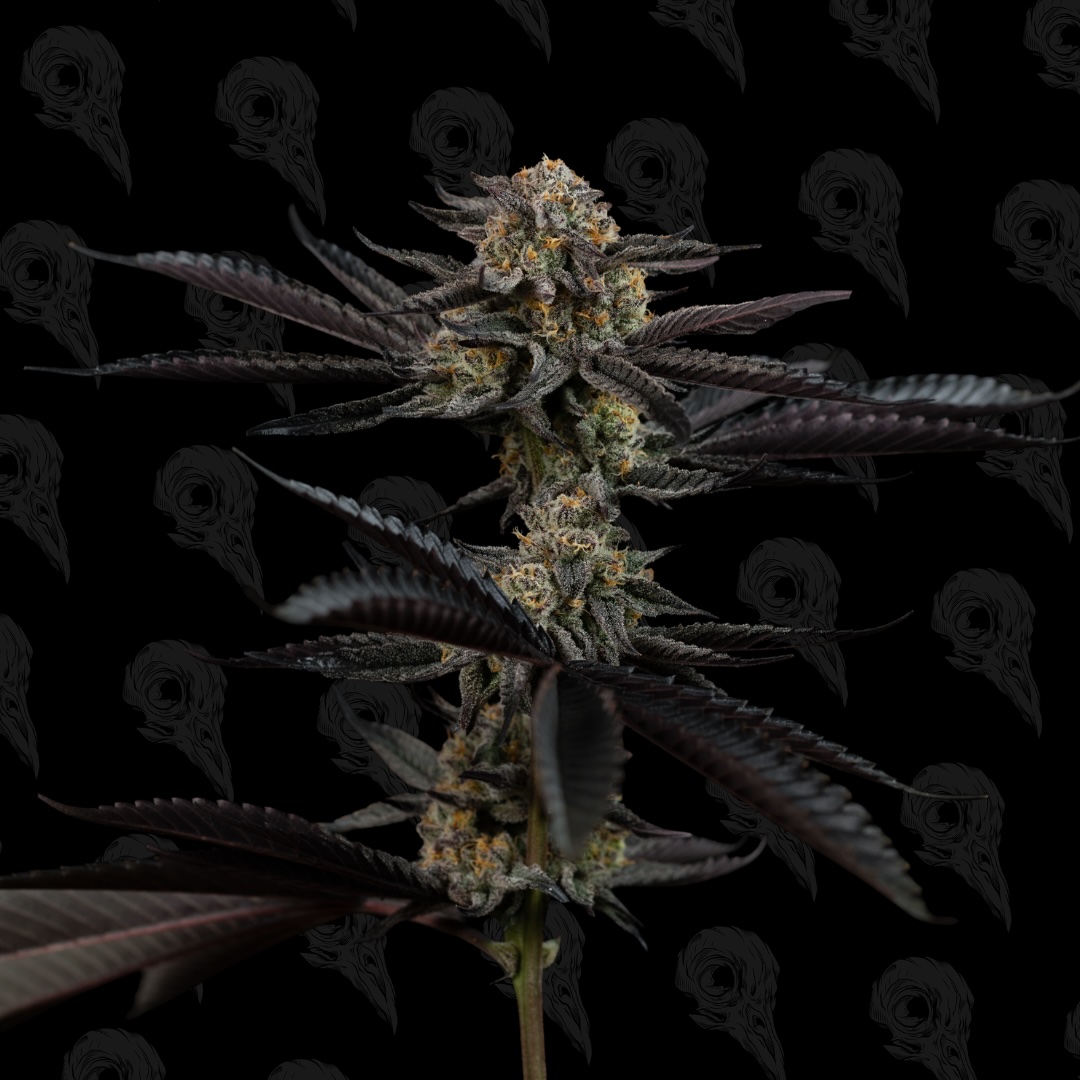
Powdery Mildew & Botrytis by Ben Morris

Mold and mildew negatively affect many kinds of wild and cultivated plants. Powdery mildew (PM) and Botrytis (Bud rot) are two of the most common fungi that damage and, sometimes, destroy cultivated crops.

Powdery Mildew

Powdery mildew is the collective term for several species of fungi that have similar presentation and cause similar negative health effects in plants. It usually presents as distinctive white, fuzzy or ‘powdery’ patches on any above ground part of the plant (stems, leaves, stalks, petioles, buds, etc.). Sometimes it can appear like little spots of “flour” on leaves or any other above-ground parts of the plant. 

New shoots and lower/central leaves are commonly the initial sites of PM infection. Old leaves also have a high probability of getting initial PM infection due to their age and, most often, their position within the plant’s branches and other leaves.

Plants with a thick layer of leaf cover are also high risk for PM due to the density of plant material in a given volume which can cause a lack of proper air flow and create breeding grounds for powdery mildew deeper within the plant’s leaves and branches.

Often PM begins as a circular or oval patch that spreads quickly if not dealt with. If left untreated, PM will spread all over the plant and render the crop unfit for human consumption. PM can cause leaves to yellow and fall prematurely which negatively impacts the plant’s ability to photosynthesize the sugars it needs to live. If not dealt with quickly, PM can ruin whole crops as it spreads from plant to plant in your field, greenhouse, indoor facility/grow room, etc. which can take a serious emotional and financial toll on growers.

Powdery Mildew sites beginning near the center of a fan leaf. Note their circular shape and almost powdery appearance.
Another fan leaf showing powdery mildew sites, this time near the blade tips.

Botrytis/Bud Rot

Botrytis is another common pathogenic fungus found virtually everywhere plants are grown. Like Powdery mildew, Botrytis first appears as a white growth but quickly becomes brown or gray and can make buds and leaves appear “crispy” or over-dried. It can also sometimes make buds look webbed and slimy depending on the stage of infection. Botrytis is dangerous for humans and plant product containing this fungus should be considered toxic and unusable. 

Botrytis can affect ANY part of the plant including the roots which makes it a very pervasive and difficult issue to treat. Botrytis will often affect new shoots as well as areas of the plant that do not get proper aeration such as dense buds or areas of high leaf coverage. Thick leaf layers and high relative humidities combined can make breeding grounds for this fungus just like they can for powdery mildew. Damaged plant stalks and leaves are also highly susceptible to PM and Botrytis infection. It is recommended to remove any petioles (leaf stems) still attached to stalks when defoliating plants during normal pruning. Petioles left over are highly susceptible to fungal infection and should be removed entirely from the plant if the leaf it was attached to is pruned.

Photo: Pong Pong/Shutterstock

White bud rot taking hold within the bud. Note the spider web-like texture.
Photo: Pong Pong/Shutterstock

A severely infected bud. Note the webbed texture and brown color of the bud rot. This bud will have to be removed before the infection spreads too far.
Photo: Pong Pong/Shutterstock

More exposed botrytis working its way up the young bud.
Photo: KilnKam/Shutterstock

Sometimes botrytis will make the bud look caky and dry. This bud will need to be removed from the area to prevent further spread of the mold to other plants.
BotrytisPowdery Mildew
Dry or webbed texture

Begins white but quickly turns brown or gray

Affects ALL parts of plant (above and below ground)

Geometric pattern not similar across plants
Powdery or ‘flour’ like texture

White

Affects above ground parts of plant

Generally circular or ovoid (oval) patterning that spreads outward from center

Prevention & Treatment

It may sound obvious but the best way to protect your crop is to prevent mold outbreaks before they happen. Below are some tips on preventing powdery mildew and Botrytis in your grow space.

PreventionTreatment
Keep Plants Healthy (Correct feeding)

Good light penetration

Good air flow/ventilation

Targeted defoliation

Clean/Sterilized cutting tools and work surfaces

Appropriate crop density

Monitor plants and room often to spot issues as they arise
Remove affected areas of plant

Increase ventilation to room

Discard all affected plant material outside of grow space ASAP

Destroy/Remove entire plant if mold infection is too wide spread

Change gloves or wash hands after removing affected plant material

Keep Plants Healthy

Avoid over or under feeding your plants as nutrient imbalances can cause serious stress which diminishes the plant’s ability to naturally fight off pests and fungal infections. When a plant is taking up the appropriate amount of nutrients and water, and when it produces healthy levels of sugars within itself, it is able to resist disease and infestation to a much higher degree, if not entirely. The healthier your plant is, the less work you have to do for a better yield.

Appropriate Light Penetration

Make sure your plants are getting good light penetration to decrease mold’s ability to infect lower bud sites, branches, and leaves. Mold does well in wet, dark conditions so increasing the light coverage on your plant will decrease mold’s ability to harm your crop. Be careful not to place your lights too close to the top of your plants or leaves as this can cause light burn which can stress the plant out. 

There are various heights above the plant canopy that are optimal depending on type of light used (e.g. LED, MH, HPS, T5, etc.) and the technical specifications of any individual light. Keeping lights approximately 18 – 24 inches above your plant canopy is usually a safe bet but again consult the manual or manufacturer website for the unique specifications and any recommendations that may be found for the specific light(s) you’re using. 

Air Flow:

It is critical to have proper air flow in your grow to prevent pockets of stale air and humidity from building up within the foliage or on stems or soil. In indoor grow spaces, wall and floor fans can be used to create air flow. Be cautious with the power setting and how close the fans are to the plants. The air movement is critical to preventing mold but too much force from air on the leaves will damage their structure and can lead to deformation and eventual premature death of the leaves.

Some indoor grow rooms and many commercial facilities also use HVAC systems to help recycle air in their grow space. These systems help to prevent accumulation of stale air, pathogens, mold spores, and excess humidity as well as introduce fresh air and CO2. If you can keep your grow area’s relative humidity below 60% (45% – 55% RH is optimal for flowering) you will greatly decrease the chances of mold outbreak. Many detrimental fungi and bacteria have a harder time establishing in an area that has less than 60% RH. Mold outbreaks can still occur at below 60% RH if grow area cleanliness is not maintained but will be less severe and will grow more slowly than at higher RH levels. Keeping a lower RH can help growers have more time to spot and treat any fungal infections that occur. 

In grow tents, intake and outtake fans are usually employed to help keep fresh air recycling into the tent and stale air/excess moisture out of the tent. Small, clip-on fans can often be placed on tent poles to help with air motion if you find the air in the tent is still too thick, humid, or stationary. Again, be cautious at what setting you put the fan(s) at and how close it is to the foliage. Again a relative humidity of less than 60% is preferable to reduce the potential of fungal infection

If growing outdoors, make sure your crop is planted in an area that gets good wind flowing through it. Check on the foliage, stems, buds (if in flower) and surrounding soil daily, or as often as you can, to monitor those areas of your plants for white, gray, or brown spots forming. It’s also helpful to monitor for any pest damage/infestations and treat these appropriately as soon as possible. 

Targeted Defoliation

Defoliation can improve air flow around your plant and can reduce the chance of mold outbreaks. It can also help the plant increase yields and potency by re-allocating energy from leaves that are older and/or may be shading out flower sites to flowers and newer leaves that are more efficient in photosynthesis (greener, more chlorophyll).

Defoliation requires some experience to get the hang of and must be approached with caution. Too much leaf removal can cause your plants stress which can harm yields and potency as well as lower the plant’s ability to fight off pests and fungal infections. 

Defoliation is much more common in indoor grow spaces as leaves may not be receiving light evenly and thus some leaves may not contribute their maximum potential for photosynthesis. It still can sometimes be helpful when growing outdoors if your plant has a high leaf density that’s preventing good air flow but isn’t as big of a concern usually as it may be for the indoor grower.

Many small leaves on the underside of the plant and within the plant structure on lower branches can be removed to improve air flow while removing less efficient leaves. Be cautious not to defoliate too many leaves at once or in one day. It can be helpful to remove some leaves every 3-7 days during later stages of vegetative growth and/or within the first 3 weeks of the flowering phase.  Try to not remove more than a total of 10-20% of a single plant’s foliage to avoid stressing it out. 

ALWAYS USE CLEAN/STERILIZED TOOLS WHEN REMOVING LEAVES!

This fact cannot be stressed enough as dirty cutting tools (scissors, razor, scalpel,) can lead to greater chances of infection from bacteria, mold, and plant viruses/viroids. 70% isopropyl alcohol is recommended for sterilizing cutting tools against bacteria, but a 10% solution of bleach is recommended for sterilizing cutting tools against mold spores, plant viruses and viroids as isopropyl will not kill viroids. 

Try to fully remove petioles (leaf stem) when defoliating to avoid creating sites that are optimal for fungal infection. We recommend removing the leaf, cut at the base of the petiole where it connects to the plant stalk. Try not to twist, rip, pull, or otherwise tear at the leaves as this can cause wounds in the stem and leave behind pieces of leaf and petiole debris that act as sites for initial fungal infection.

Check out our defoliation guide for more precise information regarding defoliation techniques.

Plan Healthy Crop Density

It is important not to plant or place individual plants too close to one another. Appropriate spacing in your tent, grow room, facility, or outdoor field improves air flow and decreases the chances of fungal infection. It also helps to avoid moisture/humidity build up within and between plants.

Before stocking your grow area, plan ahead to choose the number of plants and the desired size of those plants appropriate for the space you’ll be growing in. This will help prevent overcrowding and allow better air flow and light penetration to all of your plants.

Clean Grow Spaces in Between Harvests

Keeping your grow space clean and as plant debris free as you can is immensely helpful in preventing fungal infections. Clean floors, walls, and ceilings as well as any objects in the room in between harvests to eliminate any mold spores growing and keep new ones from gaining a foothold. There are many products that can be used to eliminate mold spores. A solution of 10% household bleach and 90% water is very effective in removing most mold spores. Distilled white or cleaning vinegar is also another easily obtainable option for cleaning grow spaces as it has a high acetic acid content which has antifungal properties. Vinegar is effective against many but not all types of mold spores.

If You Have PM or Bud Rot

 Prune the affected parts of the plant if possible. If there is mold growth on leaves, remove the entire leaf and petiole (leaf stem) and put these gently into a plastic bag or other container. If removed with too much force you may inadvertently knock spores into the air which will travel to other parts of your plant or to other plants in the grow area. After you’re done removing affected leaves, quickly remove moldy leaf debris and throw away outside of the grow area, and outside of your home or facility if possible. 

If mold is growing throughout a stalk or bud, removal of infected areas is necessary. A good rule of thumb is to prune a few inches below the infected site and remove all affected plant material. 

There are some products available that are advertised as being able to clean finished bud from mold with little to no residual chemicals left in your flower after treatment. Due diligence to do your research on specific products that claim this is vital to ensure effective and non-toxic methods of cleaning bud if this is a strategy you wish to employ.

There are also many fungicides available commercially that work for vegging plants but many have potentially long lasting health effects so once again, do your research before introducing any new chemicals to your grow. 

Neem Oil

A natural fungicide that has been used for many years is neem oil. Neem oil is a naturally occurring oil that  comes from the seeds of the neem tree. Neem has been proven to have antifungal as well as anti-insecticidal properties and is not harmful to humans or pets. However, if you grow outdoors, be sure to not spray neem oil on plants bees may visit (flowers, vegetables, other pollen sources, etc.) as it can be harmful to them.

Copper Based Fungicides

Copper based fungicides are another non-systemic option for mold prevention and treatment. They are non-harmful to pets and humans and can be applied (if mixed in the appropriate ratio) without burning your cannabis plants. Copper based fungicides have shown great efficacy in killing mold spores and preventing their growth if applied correctly.

We do not recommend using any copper based fungicidal sprays outdoors as this can be harmful to earthworms and beneficial bacteria which are vital to soil health. However, if growing indoors without using living soil then copper fungicides can be a very effective treatment and preventative option for PM and botrytis. Copper fungicides are non-systemic and won’t harm your cannabis plants if applied in the appropriate ratios which can be found in the product manual that comes with the fungicide.

Baking Soda

Baking soda is another way to organically deal with powdery mildew and mold. Mix half a teaspoon of baking soda per quarter of a gallon of water, put this solution into a sprayer and spray the affected leaves and stems of your plant. Baking soda is another non-systemic fungicide which means it will potentially need to be re-applied if the issue reoccurs but it also means your plant won’t take it up within itself which is a very good thing when it comes time to enjoy your dried flower. 

Do Your Research

No one wants to ingest fungicide when enjoying their bud so avoid using synthetic chemicals that are systemic and stay within the plant. Some fungicides won’t flush out after the normal flushing period at the end of flower so be careful not to employ these chemicals as they are largely for ornamental crops and lawns that are not intended for ingestion by humans or animals. Always read the labels and warnings with any new product you introduce to your grow to keep yourself, others, and the environment safe.

Fungicide/Defoliation Not Working

We do recommend removing and destroying heavily affected plants in situations where defoliation and/or pruning are unable to appropriately remove fungal infection sites. Sometimes the spread of mold and mildew is so vast over the plant’s surface that it is safer to remove the plant entirely before the issue spreads to the rest of the room. Be sure to wear gloves while removing infected areas of plants or while removing whole plants and throw those gloves away before touching clean surfaces or other plants. This practice will limit the spread of mold spores which can destroy your crop quickly.  If gloves aren’t available, wash your hands thoroughly as soon as possible to avoid further spread of any fungi.

Make sure to increase the ventilation to the grow space to keep mold from coming back and establishing a foothold. 

Fungus and mildew are huge concerns for any grower whether they are a home or commercial grower. If left untreated it can destroy whole crops by negatively affecting plant health, diminishing yields, and rendering infected, untreated plant material hazardous for human consumption.  With proper environmental conditions and adherence to best growing practices you can avoid the catastrophe of diminished yields and the loss of an entire crop. Always be cautious if utilizing any fungicidal treatment. Always read the labels and warnings on the product and do your research before applying anything new to your grow room or garden.  We hope this introductory guide has been helpful and that you enjoy many great, mold-free harvests in the seasons to come!


Happy Growing!

Annaboto Harvest: Alchemist’s Apprentice by Night Owl Seeds


Do you want to grow cannabis in a simple and convenient way? The Annaboto growing system will provide you with an experience that is fun and fairly hands-off. Crystal discusses her second harvest with the Annaboto.


Back in November of 2025, I started my second grow journey with the Annaboto grow system. I still heavily recommend the Annaboto as an option for new growers or anyone that feels like they are too busy to grow. You can learn more about my experience with the process of setting up and using this machine here.


The strain I chose for this grow was Alchemist's Apprentice by Night Owl Seeds. She is made up of a cross between Wizard’s Apprentice *Foxy Purps* x Chem 91 F4 Auto. From germination to harvest, she grew like a champ. The process was smooth and nothing challenging arose during her lifespan.


Below, there are three pictures that show the first three weeks of growth. She started out as a healthy seedling and seemed to grow fairly rapidly into vegetation.


The next three images below are showing where she stands at week 5 and week 6. Some of her leaves have gotten really big. During week 6, I topped the plant in hopes that she would grow a little more outward and produce more flower. I cut the stem between the fifth and sixth nodes. At this point, she was a luscious green color and very healthy.


The first sign of the flowering stage occurred during week 8. She really opened up and topping definitely created more bud sites. I started to defoliate here and there to create more open space for the light to hit the buds, especially the ones toward the bottom of the plant.


Harvest happened during week 14. I was very pleased with the results as the buds looked extremely chunky and coated in white. She had decent internodal spacing and was somewhat compact, only being about a foot and a half tall. She just finished drying and I will be trimming her soon, followed by letting her cure for a few weeks. I am very excited to smoke this one!


This concludes my second grow journey with the Annaboto. It's reputation for being convenient and easy to use definitely remains.


Check out the Annaboto here:


Check out more from Night Owl Seeds:


Happy Growing!

Dirty Bird Genetics Presents: VOLUME SERIES vs ALPHA SERIES vs TESTER by Beth Mathieu

blog featured image

Let's agree: the Dirty Bird Genetics family are nerds (in the most endearing way...obviously), so of course we would overthink things like pricing when it comes to assigning value to our genetics. Because we recently threw a new menu at you with the launch of our Alpha Series, we wanted to take a moment to explain where our heads are at when we are deciding which of the menu tiers a strain gets released into: 

ALL STRAINS ARE: 

  • Highly promising and exciting on multiple levels. 
  • Tested by a lab for cannabinoids and terpenes 
  • Grown out and tested indoors by yours truly. 
  • Herm-free unless specifically noted in the profile (which would be tremendously rare). 

VOLUME SERIES: Volume releases are reserved for the best of the best. What that means is very personal and it evolves with time as we learn and grow, and as our genetics become more and more refined.  If a cultivar is released in the Volume series, then you know that strain is some of our best work to-date. We have a very high level of confidence in these genetics, and that standard only grows month-to-month and year-over-year. At present, a strain released into the Volume series meets the following criteria: 

Test results for cannabinoids + terpenes came back very favorably. 

Morphologically stable and vigorous - We are looking for homogeneity here and will always speak to phenotypic variation within the strain descriptions. 

Expressed desirable traits such as well-proportioned internodal spacing and high calyx to leaf ratio. 

Terpene profile is ON POINT - complex, pungent, in your face. We are big fans of unique terpene profiles. 

Quality observed is consistently high-level in all of the seeds we tested. 

Yield is moderate-to-high 

Overall bag appeal and trichome coverage is high


ALPHA SERIES: The ALPHA Series is the newest addition to the Dirty Bird Genetics menu. As we’ve grown and evolved as breeders, our standards– like our genetics– have grown and evolved, too. We set a very high bar for our Volume series, and it’s a bar that is increasingly rising. Many of our favorite projects may miss that bar ever so slightly, for one silly reason or another, while still being truly phenomenal overall. The ALPHA Series is home to these genetics. It offers budget-friendly, high-end cultivars that go well above and beyond the genetics you can source at similar price points.

 Alpha Series strains meet all of the same criteria as the Volume series, but one thing likely gave us pause. For example, the Apple Peelz (Sex Melon x Bad Apple) is one of our favorite boutique strains to-date, but 10 days into flowering we threw out two plants in the test run that had really serrated, arugula-like foliage (like the Brunch “arugula cut”) because we needed to save space. The project finished phenomenally, but because we weren’t able to see how that phenotype finished, we felt we couldn’t release it into the Volume series. This series will definitely be maximum bang for your buck! 


TESTERS: Let me first say, it was probably unwise to name the Tester series, “Testers.” One might assume we haven’t grown these out when in fact we have. The Tester series is home to the projects that we see a lot of potential in and think people would enjoy, but that missed the mark in a meaningful-enough way that we cannot justify releasing it as an Alpha or a Volume release. This might include long internodal spacing, too much phenotypic variation, or foliage that is denser than we prefer. Many of these projects are good enough to continue breeding forward, or working into other projects. Testers are released at a price point that is super affordable for any grower, but the quality is good enough that we think even the connoisseurs would find loads of keepers here. Some of our favorite cuts ever have come from Tester series genetics. 


Shop Dirty Bird Genetics here!


As Always, Happy Growing!

NASC Cast: Solfire Gardens

Solfire Gardens, a Pacific Northwest seed company where passion meets biology, innovation intertwines with tradition, and selection creates the extraordinary. Their genesis dates back to 2015, when their founder, a dedicated University of Washington biology student from Seattle, decided to cultivate an institution out of his sheer fascination for pheno hunting and the world of seeds.


The NASC Cast Crew had the pleasure of sitting down with Sol of Solfire Gardens. Listen to what he has to say below, and follow us on Vimeo for even more content!


More from the NASC Cast:


Explore seeds from Solfire Gardens!


And as always, Happy Growing!!

The Making of the Black Goliath Auto

Dirty Bird Genetics Celebrates the Launch of their first Autoflower 

By: Beth Mathieu, owner of Dirty Bird Genetics

Dirty Bird Genetics Alpha Series - Black Goliath Auto Fem is available Friday, February 13th! This release is limited to 100 packs so don't miss out!

Black Goliath Alpha Series Cannabis Seeds by Dirty Bird Genetics

Dirty Bird’s release of the Black Goliath Auto marks a very special occasion for our team as the proud launch of our first-ever autoflower strain. At the time of this drop (Feb 2026), our autoflower program is 18 months in the making, and it’s still in its infancy all things considered. We anticipated that we would work most strains for several generations before achieving the stability we were looking for in order to release them. But out of the 100 auto breeding projects we’ve done over the past 18 months at Dirty Bird, the Black Goliath Auto (Anvil F7 x Sour Gorilla) genetics stood out enough to become not just a tester drop, but an elevated Alpha Series drop. In deciding to release these, we tested three cohorts of the F1 seeds, and we were able to observe about 75 plants total. We wanted to be sure of these genetics before letting them out into the wild, and at this time, we feel the strain has more than proven itself. 

The Black Goliath is one of those strains that will stand out in any garden due to its dark purple flower (the photos do not do it justice), incredible, dense yields, and a terpene profile that ranges from pine to skunk to cherry chapstick. For an F1, the stability and homogeneity of the Black Goliath is quite remarkable. We credit this, in large part, to the Anvil F7 powerhouse mother we selected to breed with (a heartfelt shout out to Gnome!). The Anvil F7, a wildly stable IBL by all accounts, is your classic indica: it’s short and stout with a strong central cola, solid purple flower, and bright green foliage. The Anvil definitely brought its A-game to this cross, lending to the low PVI, the dark purple (almost black) flowers, the high density, above-average yields, and the elongated central cola. 

Black Goliath Auto on day 31 looking super consistent
Anvil Auto - photo credit to Gnome 

The Sour Gorilla, on the other hand, brought the sugar and the terps to the cross, and it helped stretch out the otherwise super-compact structure of the Anvil. The Sour Gorilla mother that we used in this creation is our own cross of Humboldt’s Sour Apple Auto x Fastbud’s Strawberry Gorilla Auto. The Sour Gorilla Auto is wonderfully sugary and appley, and it grows like a typical hybrid of medium height and density. 

Sour Gorilla Auto (Sour Apple x Strawberry Gorilla) by Dirty Bird Genetics

Combined, the Black Goliath’s Anvil F7 x Sour Gorilla lineage came together wonderfully. In looking at the pictures below, you’ll see that this is strain with very strong central colas. In the spirit of experimentation, we topped 10 plants just to see, but the untopped plants definitely outshined them. I will note that we test all of our autos exclusively in three gallon pots, and I do expect that in a larger pot size, this strain would have done very well topped because the plants do create a very even canopy. Play around with topping if you’re into that, and if you’re not, this is going to be a great set-it-and-forget-it morphology. 

Overall, we are really proud of this creation and excited for you to grow it at home and give us your feedback. These seeds are very limited. We were only able to release 100 (3) packs. That said, we will be continuing to work these genetics forward,  and we are really looking forward to bringing you more in the near future as we continue to perfect this great cultivar. 

As always, Happy Growing! 

Beth + Team Dirty Bird 


More Dirty Bird Genetics Articles


Shop Dirty Bird Genetics

Breeder Spotlight: Mephisto Genetics

Mephisto Genetics shares 3 tips for new growers, an update about their recent trip (and win!) at the American Autoflower Cup and their top recommendations! Don't miss out on all the great deals from Mephisto Genetics for Breeder of the Week!

Mephisto Discord Giveaway

3 TIPS FOR NEW GROWERS

Pick a growing style that works for you

The very first step new growers will take when beginning to grow autoflowers is choosing a growing style. There are many ways to successfully grow, and each system will have its own unique benefits and limitations. Prior to germinating their first seeds, new growers will want to choose whether they will be growing indoors, outdoors, or under mixed lighting. They will need to also select a growing medium, as well as a watering style and nutrient regiment. To ensure a successful grow, it is imperative that new growers research and select a system that works best within their own unique parameters and preferences. 

Source genetics that both meet your preferences and work best in your chosen system

When selecting genetics, new growers will want to source varietals that first and foremost meet their individual preferences. This may include strain lineage, flavor profile, effect, THC%, etc… However it’s also important to select varietals that work best within a chosen system. For example, certain strains will grow smaller, while others grow larger. Some are better for indoor growing while others work well for outdoor growing. Some strains are heavier feeders while others are lighter feeders. Once a system is chosen, new growers can select genetics that work best within them to strengthen the odds of having a successful first run. 

Familiarize yourself with how to dial in environmental and lighting needs for your plants. 

Autoflowers grow best within an optimal environmental range. The three pillars of this include temperature, humidity, and light. To dial in temperature and humidity, growers should familiarize themselves with Vapor Pressure Deficit (VPD). To understand how much light a plant will need within a day, growers should familiarize themselves with Daily Light Integral (DLI). Lastly, proper airflow is imperative to regulating the environment of a garden. It prevents unfavorable microclimates by moving new air in and taking old air out. 


MEPHISTO GENETICS x AMERICAN AUTOFLOWER CUP

January 2026 marked the 4th annual American Autoflower Cup, and this year our team made it out to Los Angeles, CA in full force! To celebrate our community, the Mephisto Genetics team hosted a meet & greet at The Woods in West Hollywood.  Here, the MG team were able to connect with close members of our community. This included a few of our esteemed testers. Being able to connect face to face with our testers in an environment where we could open jars, calibrate our palates to one another, and intelligibly discuss flavor profiles and derive aromatic notes was priceless. The ambiance inside of The Woods garden lounge made the perfect backdrop to this epic meetup of growers and testers. 

505 Headbanger just won Highest THC Autoflower 2026 at the American Autoflower Cup and North Atlantic Seed Co. is offering it with auto carts over $35 this week! This unreleased strain is sure to be a huge hit!

See all the American Autoflower Cup Winners HERE: https://americanautoflowercup.com/

Mephisto 505 Headbanger Sitewide Special Banner

MOST POPULAR RECOMMENDATIONS FROM MEPHISTO GENETICS

Outdoor: Alien vs. Triangle / Beary Berry Punch

Alien vs. Triangle

Beary Berry Punch

Beginner Friendly: Sour Stomper / Grape Crush

Sour Stomper

Short Grow Cycle: Mango Runtz / 24 Carat

Mango Runtz

24 Carat

Resistance to Disease: Canna Cheese 1:1 / 3 Bears OG

3 Bears OG

High Yield: Old School Blues / HubbaBubbaHaze

Old School Blues

HubbaBubbaHaze

High THC: 505 Headbanger / Double Grape

505 Headbanger

Double Grape

Terpene Heavy: Guava Fig / Sundae Thumper

Guava Fig

Sundae Thumper

Extract: 4 Assed Monkey / Gelauto #33 

4 Assed Monkey

Gelauto #33

NASC Cast: Twenty20 Mendocino

Twenty20 Mendocino has always taken the difficult path, the right path, the path less traveled. Their objective will never be to sell the most seeds, but to create the finest product. This is not a race and their goal isn’t to win; their goal is to stand the test of time and maintain pride and craftsmanship in everything they do. As sure as the sun will rise, they pledge to never release seeds to the public that have not been grown, tested, and approved by us. In a world of rapid-fire releases, social media hype and whimsical market demands, they promise to create our own path, march to the beat of their own drum, and always put quality over quantity.


The NASC Cast Crew had the pleasure of sitting down with Aaron of Twenty20 Mendocino. Listen to what he has to say below, and follow us on Vimeo for even more content!


More from the NASC Cast:


Explore more seeds from Twenty20 Mendocino!

Twenty20 Jan 2026 Drop
Twenty20 Speakeasy Series

And as always, Happy Growing!!

Smoke Report: Omaha Jazz by Seed & Soil


At NASC, we take a lot of pride in being a Maine business and we are lucky enough to have a couple of Maine breeders on our menu, such as Seed & Soil. For this smoke session, we tried their Omaha Jazz, a strain with an interesting history and a very desirable effect. Read on to learn about our experiences!


When I got my baggy of Omaha Jazz, I immediately opened it to take a whiff. I was taken aback by this big, pungently sweet and citrus aroma. It reminded me of fruit, sunlight, and warmer days, which is the complete opposite of the current, frigid Maine-winter. In addition to a memorable aroma, I loved the way this one made me feel. It is balanced, functional, long-lasting, and a total mood-booster. I felt physically loose, mentally calm, alert, and happy. I can see this being a great strain for laid-back creative and social activities. Morning usage put a pep in my step while doing tasks and it pushed me out of a grumpy slump and into bliss. I am always in complete awe of strains that possess the magic to lift my mood like this and Omaha Jazz succeeded.  
- Crystal


Omaha Jazz has a sweet, smoky aroma that gives a powerful high. It burns slowly so you can really relax while you smoke and enjoy the ritual. It’s been said to have an “unmistakable perfume” which is absolutely true. This “Sweet Jazz” inspiration strain smells good as it burns. It’ll leave you feeling relaxed but still alert, so it’s great for chilling on the couch watching a show (and probably enjoying a few snacks, let’s be honest.) The effects last several hours so it’ll last you through a chill evening into a restful sleep! Definitely recommend!
- Mariah


Check out the NASC Cast interview featuring Ben of Seed & Soil!


And As Always, Happy Growing!

How Do Color, Shape, + Size Affect Seed Germination?

Results: Seed Color/Shape Viability Test

By Ben Morris / Head Breeder, Dirty Bird Genetics

To test whether a seed’s size, color and/or shape influences its ability to germinate, we tested 50 seeds of various sizes, colors, and shapes. All seeds were placed in distilled water and separated into five solocup shot glasses based on their size, shape, and color. We germ-tested 10 seeds in each of the following five categories: Large-Dark, Small-Dark, Large-White, Small-White, and Dark-Odd Shaped (meaning not elliptic as most cannabis seeds are). All seeds were stored in their respective shot glasses, placed in a box together, and left in an environment with low to no light, minimal air flow, approximately 60% ambient relative humidity, and at a temperature of approximately 75 degrees Fahrenheit. The seeds were observed on day 3, day 5, and day 8 to determine germination rates and progress.

Disclaimer: As a disclaimer, I would like to state that this was a preliminary test of seed viability with a very small population size. For conclusions that are statistically significant, more testing will need to occur with larger population sizes. This is by no means a definitive test of seed viability but rather a preliminary inquiry into this issue. This test was mainly to show that seeds with lighter colored to white seed coats, as well as abnormally shaped seeds, and smaller seeds can still be viable.

Day 1:

The 10 seeds of each category are laid out before being placed in germinating cups.

From Left to Right: Odd Shaped, Small-White, Large-White, Small-Dark, Large-Dark.

The 10 seeds of each category in the germinating cups as seen from above.


Day 3 Germination Results:

After 3 days the seeds were laid out on a background for observation of germination progress. The images below show the results found. The white seeds from both the small and the large categories turned a darker color after 3 days in the water in the cups, but these are the same seeds of those categories as shown in the first image of all the seeds in this study.

The Large-Dark seeds showed 8/10 seeds with the radicle exposed after 3 days.

The Small-Dark seeds showed 10/10 seeds with the radicle exposed after 3 days. The lesser amount of seed coat on the Small-Dark seeds may have allowed faster imbibition (taking up of water by the seed).

The Large-White seeds showed 7/10 with exposed radicles after 3 days.

The Small-White seeds showed 2/10 with exposed radicles after 3 days.

The Odd-Shaped seeds showed all 10/10 radicles exposed after 3 days. One seed appears to have 2 radicles coming from a single seed coat. This is most likely due to 2 zygotes forming within the plant ovary very shortly after pollination or due to 2 seeds fusing as they formed.


Day 5 Germination Results:

After another few days in the dark and in the distilled water the seeds were again taken out and observed. Below are images of the results on day 5 of this experiment.

All 10/10 Large-Dark seeds are now showing exposed radicles after 5 days.

  All 10/10 Small-Dark seeds continue to show exposed radicles after 5 days.

Large-White seeds are showing 7/10 exposed radicles after 5 days.   

Although difficult to see, 3/10 Small-White seeds are now showing exposed radicles after 5 days.

After 5 days, 10/10 Odd-Shaped seeds are still showing exposed radicles. One of the “twin” radicles broke off of one of the Odd-Shaped seeds. The first seed all the way to the left of the image does have an exposed radicle but its slightly darker color makes it difficult to see. Once zoomed in, anyone can see that a small, discolored radicle is exposed.


Day 8 Germination Results:

After 8 days total the seeds were observed for a final time to see the results pictured below.

After 8 days, 10/10 Large-Dark seeds show exposed radicles.       

     After 8 days 10/10 Small-Dark seeds show exposed radicles and 3/10 even show cotyledon.

After 8 days 7/10 Large-White seeds showed exposed radicles.   

       After 8 days 3/10 Small-White seeds showed exposed radicles.

All 10/10 Odd-Shaped seeds are still showing exposed radicles after 8 days.


RESULTS:

Preliminary Conclusion:

  • Many shapes, colors and sizes of seeds can be viable. 
  • Dark seeds have the best germination rates, regardless of whether they are small or large. 
  • White seeds are significantly more viable if they are larger. Small white seeds performed poorly in this germination test. 
  • Seed shape has no affect on viability. 
  • Using our germination method, seed viability was determined and unchanged by Day 5. 

Based on the limited results of this preliminary study, many shapes/colors/sizes of seeds can still be viable. They don’t all have to be large and dark colored although having a dark colored seed coat does seem to have a positive correlation with germination viability. It also seems that a larger seed may have a better chance of germinating as seen in the results between the Large-White and Small-White seeds with the Large-White having a 70% germination rate and the Small-White only having a 30% germination rate.  From the limited results of this simple experiment, it appears that seed shape didn’t affect germination rates with the Odd-Shaped seeds having 100% germination just like the seeds in the Large-Dark and Small-Dark categories.

One parameter not reflected in these results is the pressure with which you can apply to a seed to test viability. Lightly (very lightly) pinching a seed between your thumb and pointer finger and seeing if the seed deflates or pops can be a relatively reliable method of determining germination viability. Just a light pressure should give the kinetic feedback to know that the seed is “solid” and probably will germinate or will deflate/pop the seed and thus that seed was not viable. One thing many people seem to do is apply too much pressure to seeds when they check in this way. Again, light pressure is all that is required. One does not need to squeeze as hard as they can as this can give false results since enough pressure can pop any seed regardless of viability.

For more info on how we germinate, please see our Germination Guide here.


As Always, Happy Growing!

Subcool Seeds: Notes From the Breeder

Subcool shares 3 tips for new growers, their favorite breeding project & a story!

BREEDER OF THE WEEK NASC JOURNAL FEATURE


BREEDER INTRO:

Subcool Seeds is dedicated to continuing Subcool’s legacy, bringing his legendary strains to a new generation of growers.


3 TIPS FOR NEW GROWERS:

1. Start Simple & Learn the Plant

New growers often try to do too much too fast. Pick a solid medium, a proven feeding plan, and give the plant time to show you what it needs. Healthy cannabis communicates clearly — leaf color, posture, and growth rate will tell you far more than any chart ever will.

“Strong roots and steady growth matter more than chasing perfection.”


2. Don’t Overlove Your Plants

Overwatering, overfeeding, and constant adjustments are some of the most common beginner mistakes. Cannabis prefers consistency. Let the medium dry properly between waterings, feed lightly, and avoid changing multiple variables at once.

“Less intervention usually leads to better results.”

3. Genetics Matter — Choose Wisely

Starting with quality genetics sets the foundation for success. Stable, well-worked lines are more forgiving, express better traits, and help new growers learn without unnecessary frustration. A great grow starts long before the seed ever hits the soil.

“Good genetics won’t fix every mistake, but they’ll forgive many of them.”


FAVORITE BREEDING PROJECT

That’s a tough one for us because the honest answer is we don’t really have a single favorite.

Right now, our focus is on preserving and continuing the iconic cultivars Subcool spent his career creating and championing. Each project carries its own history, personality, and purpose. Some are about flavor, some about structure, some about balance and some are simply about keeping something special from being lost to time.

At the same time, we’re thoughtfully bringing these genetics from 2012, into 2025, and beyond. Sub’s work was truly ahead of its time, so our goal isn’t to reinvent it; it’s to let it keep speaking in today’s market. That means carefully selecting for louder terpene expression, improved resin production, and extract-friendly traits, while maintaining the character, soul, and integrity that made these strains iconic in the first place.

If there’s a “favorite,” it’s the process itself: honoring the original work, selecting with intention, and ensuring these genetics remain available, true, and accessible for future growers. Every preservation project is a reminder that great genetics don’t just happen; they’re built, protected, and passed forward.

Sub always said the plants would tell you what mattered and we listen. Our favorite projects are the ones that protect his legacy: preserving the cultivars he believed in, refining them with care, and carrying them forward without losing what made them special.


BREEDER OUTRO: A STORY, TO CLOSE

It’s honestly impossible to narrow it down to one story. Some of our favorite moments weren’t about a single smoke sesh, but about the rooms we were lucky enough to be in. We’ve shared joints, laughs, and long conversations with some true legends of the plant; Subcool, Kyle Kushman, Mr. Soul, OG Raskal, Ross (one of the creators of GG4), and many others who helped shape modern cannabis. What stands out most isn’t just who was there, but the energy: growers swapping stories, debating terps, laughing about failures, and passing knowledge the same way it always has; one bowl at a time. Those moments remind us that cannabis has always been about community, curiosity, and respect for the plant and the people who came before us. That spirit is something we try to carry into our garden every single day.


MOST POPULAR NASC RECOMMENDATION CATEGORIES


AND AS ALWAYS, HAPPY GROWING!
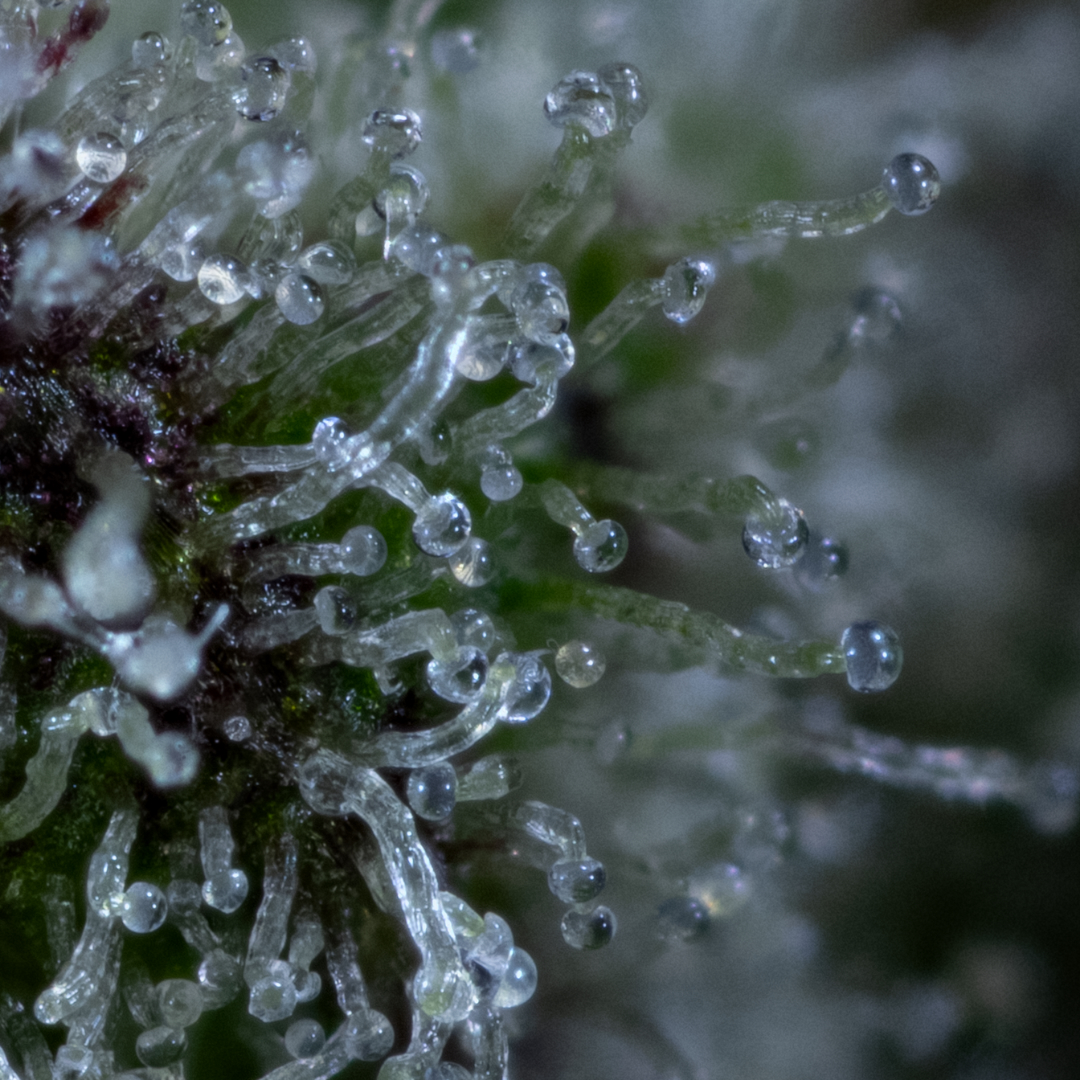

Top 5 Ethos Strains of 2025 at NASC

Changing the ethos of cannabis, with commercial boutique innovations, game-changing genetics, mind-opening insights and the best possible products, Ethos uses science and data to apply the best practices, make the most effective combinations and produce winners time and again. Offering the most elite, most efficient cultivars – from F1s to IBLs and Alpha Fems to autoflowers – Ethos Genetics, founded by Colin Gordon, is based in Colorado, USA. Colin and his team work to produce quality in their products as well as their contributions to the greater community. ETHOS is raising expectations.

In 2025, Ethos dropped some new strains like Banana Jealousy IBL Auto, Lemon Whhip Haze IBL, Liqueur R1, Cherry Pie OG S1, and more! They offered a variety of freebies as well! Below, you'll find the top five strains by Ethos at NASC.
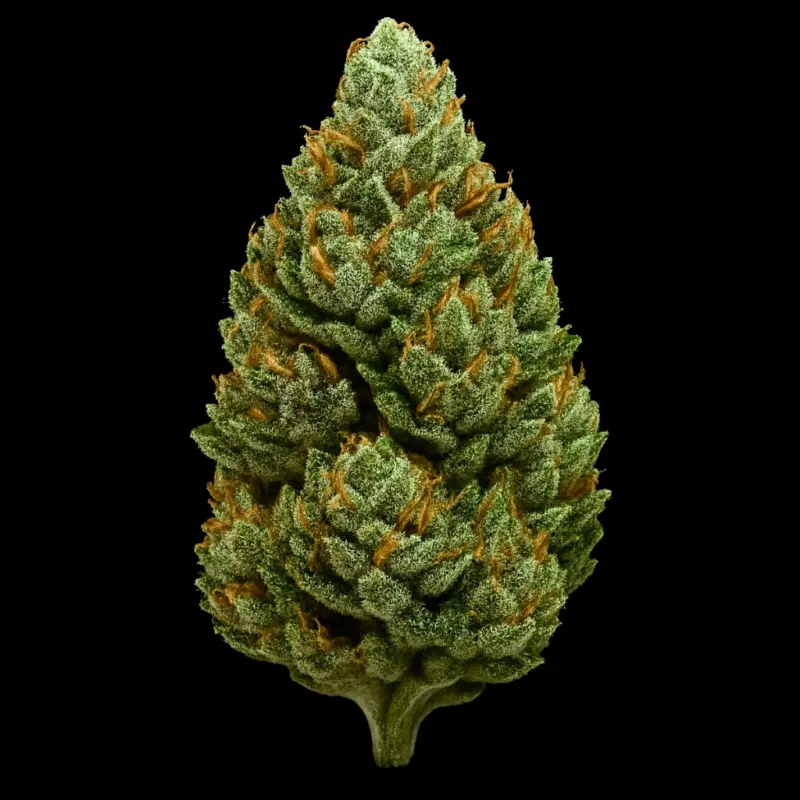
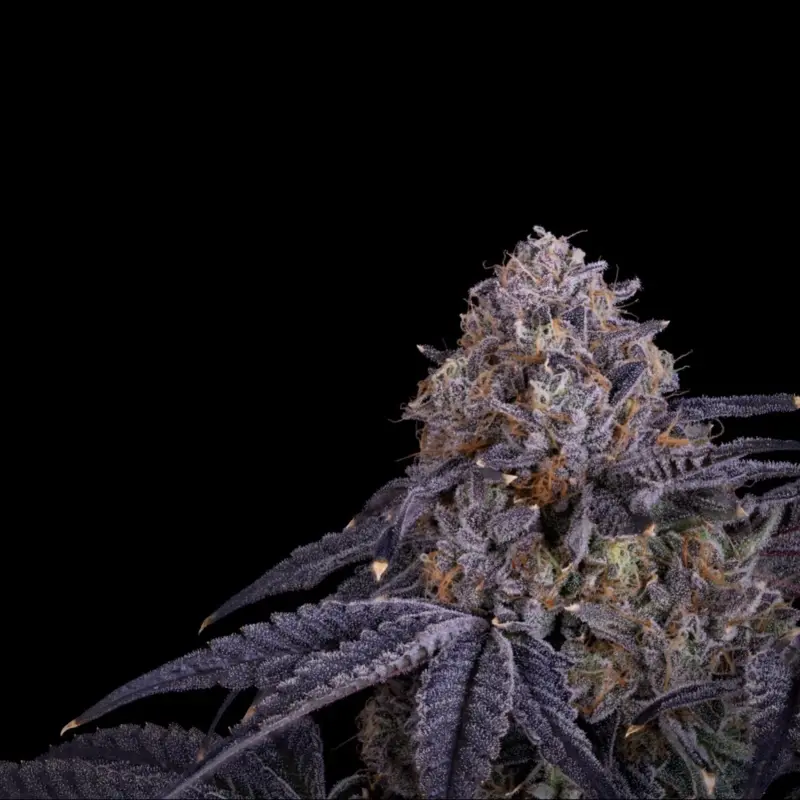


MANDARIN COOKIES V2


Mandarin Cookies V2 grows like a champion and can put out very colorful and flavorful flowers. The V2 version has added even more citrus along with the always-welcome gasoline by moving away from the Forum Cut into a much chunkier, OG-Kush-heavy version named Ethos Cookie #12. 


PLANET OF THE GRAPES RBX


Planet of the Grapes is made to produce and is extremely high in both cannabinoid and terpene percentages. Heavy flower yields are easy to get on this low-maintenance, medium-height, strong, lateral plant. She tests and extracts huge in usable oils! Her aroma is only outdone by her flavor: sharp grapes, sweet citrus and the signature musky, greasy flavor of Chem D. Acrid aromas like propane and "hooch" accompany the more citrusy pheno. You can expect intense, heavy, classic “Indica” effects. 


CHERRY GAR-SEE-YA R1


This is not your typical compact, leafy cherry variety. Cherry Gar-See-Ya R1 stacks chunky, baseball-sized nugs from top to bottom. She is easily trained, beginner friendly, and loves growing outdoors


10TH PLANET R1


10TH Planet R1 leans to the heavy side, with intense, classic “hybrid” effects. Journey into an otherworldly blend of grape, citrus, gasoline and thick, skunky spice. Chunky, large and dense flowers give phenomenal yields in any system or space. 


CRESCENDO RBX1


Crescendo RBx1 is medium-tall with some stretch. Sour, gassy and citrus flowers are crushingly strong! She is beginner friendly and is a high yielder!


Shop for more Ethos strains here!

Top 5 Barney’s Farm Strains of 2025 at NASC

With nearly 30 years of expertise, Barney’s Farm continues to innovate, offering high-quality outdoor cannabis seeds, as well as strains suited for indoor, greenhouse, and hydroponic cultivation. Their commitment to excellence and continuous development of new genetics ensures that growers of all types can find the perfect seeds for their needs.

In 2025, Barney's Farm dropped some new strains like Cherry Poppers, Cookie Casket, Insane OG, Hindu Kush, Skunk #1, Super Boof, and more! They offered a variety of freebies as well! Below, you'll find the top five strains by Barney's Farm at NASC.


ACAPULCO GOLD


Like the original namesake, the Acapulco Gold flowers with fat colas, flecked with beautiful reddish-brown calyx, each covered with beautiful crystals of THC. The smoke has an intense fruit-cocktail flavor that lingers for hours. This is a sativa dominant strain that offers a long-lasting high, balancing relaxing stress reduction with a real upbeat effect.


MIMOSA X ORANGE PUNCH


Mimosa x Orange Punch is a colourful Cali strain that everyone can succeed with! It is a dream to grow for a beginner, yet can produce extreme concentrations of THC. Once dried and cured, the buds have a delicious citrus, candy, and orange flavor. It gives a complete sense of euphoria and happiness to generate a truly uplifting sensation.


PINEAPPLE EXPRESS


Pineapple Express is a wonderfully flavorful and truly legendary 60% sativa-leaning hybrid, powered by a myrcene-dominant terpene profile with a genetic heritage pedigree that speaks for itself. It is naturally highly resistant to molds and diseases and does not require any special skills to grow. The taste and aromas of are distinctly tropical with fresh-cut pineapple, tropical fruit, and mango with undertones of cedar and spice. The smoky aromas are distinctively funky and skunky.


RUNTZ MUFFIN


Runtz Muffin features a sweet and fruity profile with citrus notes. This strain offers a relaxing and euphoric experience, accompanied by a gentle body high.


gorilla z - barneys

GORILLA Z


Gorilla Z is characterized by a sweet, fruity terpene profile with chocolate undertones. Provides relaxing and mood-enhancing effects.


Shop for more Barney's Farm strains here!

Top 5 Fast Buds Strains of 2025 at NASC

Fast Buds is a leading cannabis seed bank that specializes in producing top-quality autoflowering cannabis strains. With over 12 years of experience, Fast Buds is a pioneer of autoflowering genetics. As the first major American autoflower breeder, Fast Buds quickly made a name for itself. Their latest innovations have been breaking worldwide THC level records for autoflowering strains, further solidifying their reputation for excellence. 

In 2025, Fast Buds released new auto strains like Frostbanger, Z-up, and Purple Haze, as well as a line of feminized photoperiod options and a variety of freebies. Below, you'll find the top five strains by Fast Buds at NASC.


PURPLE LEMONADE AUTO


Purple Lemonade Auto provides a complex high made up of subtle Sativa kicks and light body-stoned sensations. Zestful flavors are sweetened by a strong sugary seasoning making it the ideal sweet-tooth strain.


GORILLA COOKIES AUTO


Gorilla Cookies Auto grows extremely big, chunky, and dense buds with a beautiful mix of dark and light shades of green with bright orange hairs giving her quite the bag appeal. It has a synergetic high, perfect for the end of the day, especially after a long day of work.


BLUE DREAM AUTO


Blue Dream Auto is one of our most stimulating strains that gives an intense head high before mellowing out into a relaxing body high -- perfect for afternoon tokes. You won't be crashed on the couch. With citrus notes that are combined with the berry and earth note, the final flavor is mouth-watering, with a hint of pine or cedar and a tart sweetness as the soothing, happy vibes take grip.


BANANA PURPLE PUNCH AUTO


With Banana Purple Punch Auto, you can expect a candy-like terpene profile with an overwhelming ripe banana taste, deliciously complemented by a fruity background that leaves your mouth tasting as if you’ve just eaten a bag of delicious gummy bears. After a couple of hits, the pleasant head high slowly turns into a powerful long-lasting sedative effect that feels like it's melting your whole body.


BLACKBERRY AUTO


Blackberry Auto seeds produce plants with a powerful bouquet of flavors, including spicy, sweet, fruity, wild berries, and pine. Expect lots of relaxation, but don't expect to get off the couch. The effects kick off with a buzzing cerebral stimulation followed by a smooth yet rapid period of relaxation.


Shop for more Fast Buds strains here!

Contact Us

Email:
[email protected]

Mailing Address:
PO Box 2724
Waterville, ME 04903

Frequently Asked Questions

Customer Service:
Mon. to Fri.: 9am to 4pm EST

Shipping:
Monday – Friday


Disclaimer: Cannabis seeds are sold as souvenirs, and collectibles only. They contain 0% THC. It is imperative that you check your state and local laws before attempting to purchase seeds, and we are not liable for what you do with seeds after receiving them. The statements on this website and its products have not been evaluated by the Food and Drug Administration. These products are not intended to diagnose, treat, cure or prevent any disease. Consult your doctor before use. North Atlantic Seed Company assumes no legal responsibility for your actions once the product is in your possession and is not liable for any resulting issues, legal or otherwise, that may arise.