Original Interview Article HERE

[Dirty Bird Team]
Introduction:
Earlier this month, Simply Nuggets had the pleasure of sitting down with two of the people behind one of the most respected names to come out of Maine’s cannabis scene in the last decade: Beth Mathieu, owner of North Atlantic Seed Co., Maine Clone Company, and Dirty Bird Genetics, and Joe, who runs the day-to-day of Dirty Bird’s autoflower breeding program.
Beth built her business from the ground up starting as a caregiver back in 2012, and Dirty Bird — the breeding arm of that world — officially launched its seed line in 2023 after nearly a decade of pheno-hunting and culling genetics.
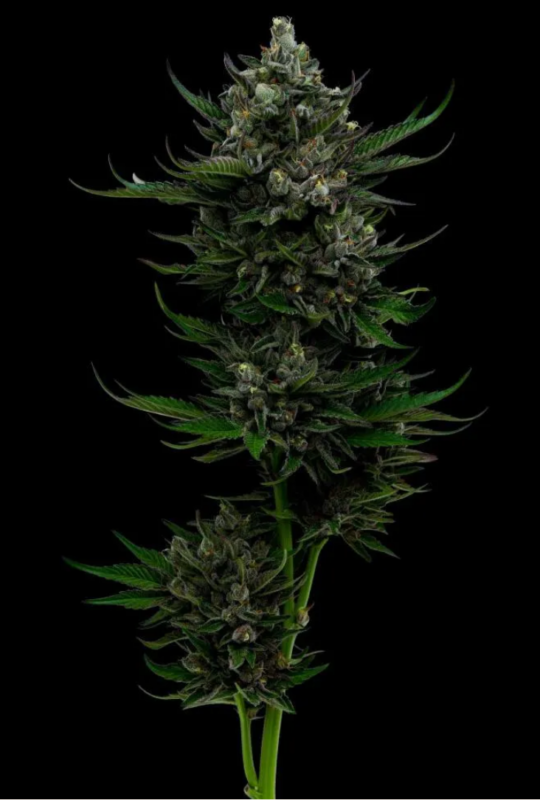
The autoflower side of the operation is newer and still scaling: Dirty Bird’s first-ever auto release, Black Goliath Auto, dropped in early 2026 after about a year and a half of development, and the line has since grown to dozens of strains in testing. Joe’s the one steering that program day to day.
This is a partnership interview — NASC & Dirty Bird are joining the Autoflower Network community, and this piece is meant to introduce them properly: who they are, how they got here, and what they’re building next.
Part One: Beth Mathieu — Owner, Maine Clone Company, North Atlantic Seed Co. & Dirty Bird Genetics

[MJ Biz Conn 2024: Crystal, Beth, Jess]
1. You started out as a caregiver back in 2012, and before that you were writing for a college newspaper. Do you see a throughline between those two chapters and the person running three companies today?
Definitely! Caregiving in the early days of medical cannabis in Maine has very direct connections to the work I do now, and everything really built on that foundation in an organic way. Even before I started working in the cannabis industry, it was in college that I first started growing and learning the tricks of the trade in apartment closets and tents as I’m sure many people can relate to. It was an interesting time to get into the hobby. I watched the local cannabis culture evolve from Mexican-imported “brick weed” to high-end, locally grown indoor quite quickly. Grow shops started to crop up and a community quickly followed. It was love at first sight, and even though I struggled my way through my first several grows, I was so happy and so engaged by the hobby of it all. When I graduated college, I went on to work a miserable desk job just long enough to save up a downpayment for a house, and the day I closed on my house, I quit my job and officially embarked on this next phase of life working for myself in the cannabis industry.
2. Maine Clone Company, then North Atlantic Seed Co., then Dirty Bird — each one seems to have grown out of the last. At what point did you realize a clone company needed to become a seed bank, and a seed bank needed its own breeding program?

[Beth in the garden]
Having the opportunity to try new genetics has always been the most intriguing part of growing cannabis. As a collector, I started saving my favorite mother plants almost immediately, and within a couple of years, my basement was full of over 100 of my favorite strains. It certainly wasn’t the most economical way to caregive, but it was reflexive–something I had a passion for.
About five years into my career, the medical scene here in Maine was growing more crowded by the day. It dawned on me one day that there may be a niche here that I could explore with all of these mother plants I’d collected, and that perhaps that would set me apart enough to give me staying power. On a whim, I opened Maine Clone Company. It happened that fast. I stumbled my way through building a website (not a good one, but a functional one) and became one of the first people to sell clones professionally to patients and caregivers in the state of Maine. I suspect that because I got in early, the business really took off. It grew so much faster than I expected it to. It wasn’t too long before I hired two of my best friends from college–first Siobhann (aka Doc Skunch) and then Ben (aka head breeder of Dirty Bird) to help me run the clone operation.
As the years went on, another lightbulb moment hit me (If you know me, you know I get a lot of these). Why not sell seeds, too? Seeds go hand-in-hand with clones. At this point in time, breeders were beginning to crop up here in the US, competing with the well-established European market. These were breeders that I admired so much, and I was already growing their work so I had a really good pulse on the quality of their work. Slowly, I started reaching out and trying to form relationships with these breeders one-by-one. It was really invigorating and exciting when I would hear back and receive a yes. I will never forget the moment that Ethos emailed me back saying that they were willing to work with me. And honestly, it was that pick up that really changed the trajectory of my businesses and my life. Ethos was on fire and really gaining steam quickly, and I was one of the few lucky enough to sell their seeds at this critical point in time for the industry.
At that time, my seed menu was still very modest and it was all being sold under the Maine Clone Company name and website. Back then, I manually took every order that came in via text and email, and I was hand packaging and shipping every package myself. There is one moment that will always stand out to me in July of 2018 when I was 9 months pregnant with my son. The heat was brutal on this particular day, and I was running up and down the stairs of my basement potting and prepping the 250 clones that I would be hand-delivering that day, breaking only long enough to throw up in the trashcan and check my phone for the seed orders that were coming in. In this moment I knew that something had to give because it had quickly become too much to manage. Over the next 6 months, I built the first iteration of the North Atlantic Seed Co website which would help me to automate all the things I had been doing manually up to this point. I also hired my first employee for NASC and officially separated the seed business from Maine Clone Company.
As North Atlantic Seed Co. grew, my interest in genetics continued to grow with it. Eventually, in 2019 I purchased a big 10,000 sq foot building so that we could finally move Maine Clone and North Atlantic out of my house. Just about as soon as we dialed that grow in, and with all the additional space, myself and the MCC crew (which had expanded to a group of 4) started building out small breeding rooms and experimenting with the holy grail: breeding. At first, it was purely in the spirit of innovation and curiosity, but before long, a new vision started to emerge, and with it Dirty Bird Genetics was formed.
This is where everything really came together. The trifecta of businesses all made so much sense, working in perfect harmony. By this time, we had pheno-hunted thousands of strains, and the best 100 still occupied a home in the Maine Clone Company garden. We were now working hand-in-hand with all of these incredible breeders at NASC which afforded us unique access to invaluable recommendations and the best genetics in the world. We knew that our collection of mother plants was one of the most special that existed, and given our deep creativity, and our interest and background in science and genetics, breeding only seemed right. And it was.
After years of breeding, we finally opened the doors to Dirty Bird Genetics in 2023. Dirty Bird is the true culmination of everything that came before, and it’s truly my pride and joy and my connection to the place where this all started: the garden.
3. Dirty Bird spent years pheno-hunting and collecting before you ever released a seed. What made you finally decide the genetics were ready, and was there a specific plant or cross that told you “this is the one”?

[Brunch F1]
Yes, I had been collecting and pheno-hunting genetics for over a decade when Dirty Bird was founded, and we had some truly special mother plants that we were sitting on. We knew we had a very solid foundation to breed upon, but the reality is, you don’t actually know what those genetics are made of until you start breeding and testing them in that context. This is what consumed us for the first several years, long before the name Dirty Bird Genetics was in the public ethos. We tested many dozens of our own crosses before things really started to take shape. Between Ben and myself, we had extremely high standards and we were not going to release something that was half-baked or subpar. The Brunch happened to be the first strain we bred that we felt confident releasing, but it was only one strain, and we wanted at least six in order to launch, so we kept working and we kept learning the craft and experiencing our genetics in a this new light. Eventually, in October 2023, we launched Dirty Bird Genetics with a menu of six strains, including three of our flagship strains that we continue to develop to this day: The Brunch, Sour Lime Haze, and Dirty Mimosa.
4. Between running NASC’s day-to-day, keeping Maine Clone Company going, and now steering Dirty Bird’s breeding direction, how do you decide where your own attention goes? Is there a part of the business you wish you had more time for?

[NECANN Chicago 2024]
If there was one thing that I wish I had more time for now-a-days, it would always involve breeding and being in the garden hands-on with the plants. It is incredibly grounding, therapeutic, and creatively stimulating.
While I no longer care for the plants day-to-day, it’s always been top priority to stay connected to the grow. To this day I remain very involved in our breeding programs and selection processes at Dirty Bird despite the handful that NASC has become, and honestly, I think NASC is all the better for it.
Currently, I work one day a week in the garden at Dirty Bird/MCC, and I also spend a lot of time outside of the grow managing the logistics: writing strain profiles, naming strains, working with marketing, etc. On Thursdays when I work at Dirty Bird, we always start with a quick team meeting so that we can catch up, review incoming test results, and make selections. Afterwards we head straight into the grow as a team and we do our weekly walkthrough. This always takes the better part of the day. We start with photoperiods and we end with autoflowers, going room by room and examining every plant and project. Currently we have seven breeding rooms that range in size, two breeding tents, and a huge mother room where we keep over 100 mother plants that supply both Maine Clone and Dirty Bird. Our weekly walkthrough gives everyone on the team an opportunity to see what we are working on and stay connected to the program. We ask questions, make observations, and I always take detailed notes and loads of pictures. Ben, Joe and Sarah also collect data and take notes in their day-to-day for their respective programs, and when it’s time for a release, it all comes together.
Dirty Bird is a tight team and they’ve been with me longer than anyone. They each have a role that they play in managing the plants and the breeding programs. Joe is the newest addition to our team, and auto breeding is our newest venture. Joe came to us as a referral from Ben, and has been a mutual acquaintance for years. He is the longtime drummer for a band that he, Ben and JP (our photographer + videographer) are all a part of. With no prior breeding experience and an eagerness to learn and to step out of his comfort zone, Joe seamlessly evolved into his role, closely mentored by both myself and by Ben.
5. You’ve talked about Dirty Bird growing out of a group of women in the industry building something for themselves and each other. What does that actually look like day to day and how has building this as a women-led, family-and-friend run operation shaped the decisions you make that other companies might not?

[Field Day at the Lake 2026]
When I tell people that Dirty Bird Genetics and NASC are entirely run by family and friends, they typically look at me like I’m insane. Most people couldn’t dream of working with 30 of their closest friends and family members. Ninety-nine percent of the time, it’s a recipe for disaster, and I can totally see why.
For us though, it is everything. Our workplace is built upon trust and heart, and it’s incredibly important to us that we take care of each other, our community and our customers.
I truly believe this is what has set us apart in this increasingly crowded industry. We have a very special team (of men and women – shout out to our wonderful men). They are loyal, hardworking, invested in their jobs and in each other. We have fun at work, laugh a lot, and care so much. That kind of company culture is priceless, and I’d like to think it’s infectious.
When you run a business, it is far too easy to get caught up in the money, the competition, and the power, and as a result you begin to overlook the glue that holds it all together: the employees, the community, and the customers. Maintaining that perspective is so important and honestly, probably the best advice I could ever give someone just starting out on this journey.
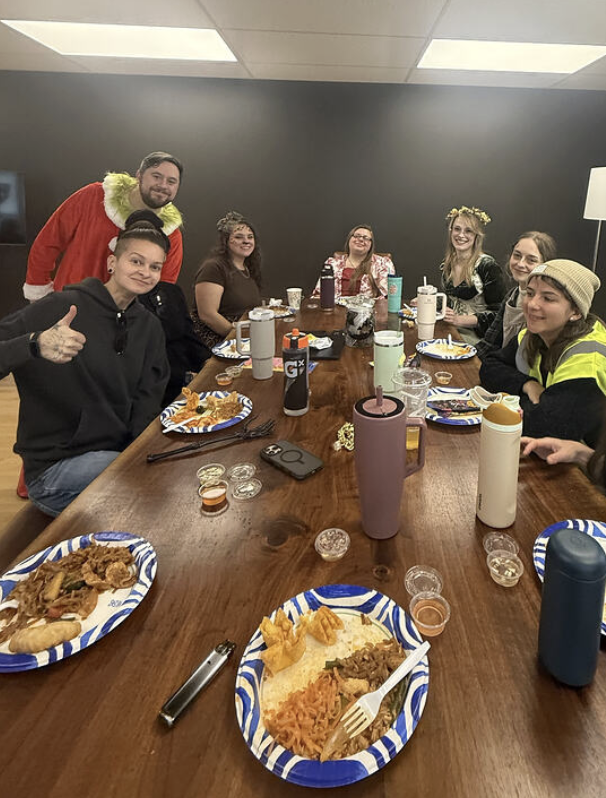
What does this look like in the day-to-day? It looks like really big, often-distracting meetings; working in gaggles on the porch in the summer, and in the winter, leaving early because your kid is sick but knowing that your co-workers have your back. It looks like field days, swimming in the lake, afternoon walks down the road, seizing any excuse for a potluck, kids tearing up the office, sharing your lunch with the person who forgot theirs, fair wages, as much PTO as we can muster, and so much more. It’s not always perfect, but it works, and I’d love to see more business owners embracing this style of leadership.
[Halloween Potluck 2025]
6. Looking at where Dirty Bird’s genetics collection stands today versus where it started, what are you most proud of — and what’s still missing that you’re chasing?
Oh my gosh, it’s mindblowing how far we’ve come in the last five years. Every single time I am working with the plants at Dirty Bird, I am taken by this, and it’s often hard to wipe the shit eating grin off my face.
As you breed forward your genetics and become familiar with them and their combining potential on a much deeper level, you gain the ability to make better decisions, and every part of the job becomes more predictable. This is something we are experiencing now in our photoperiod breeding program. Our projects are increasingly stronger, more stable, and more predictable. Terpenes have been a significant focal point for us since the beginning, and we’ve made tremendous strides forward over the last 18 months. Nowadays, every single photo we release is virtually guaranteed to knock it out of the park in terms of terpenes, and we are so invigorated by the unique profiles we’ve encountered along the way.
Our autoflower breeding program is a few years younger than our photo program, so we are now going through the same discovery process and growing pains that we experienced with photoperiods at the beginning. In the past six months in particular, we’ve made tremendous gains and I’ve seen everything starting to click into place. I always love an opportunity to learn and explore something new and creative, and auto breeding is so unique compared to photoperiod breeding. Dialing in our workflows and learning the ins-and-outs of autos has been really exciting and energizing. Continuing to develop our auto lines is definitely the thing I’m most excited to continue pursuing.

[Ben in the Garden]
7. Autos have historically had a reputation for being the less glamorous, less respected side of breeding compared to photoperiod work. Why did Dirty Bird decide to go all-in on building out an auto line, and why was Joe the right person to lead it?
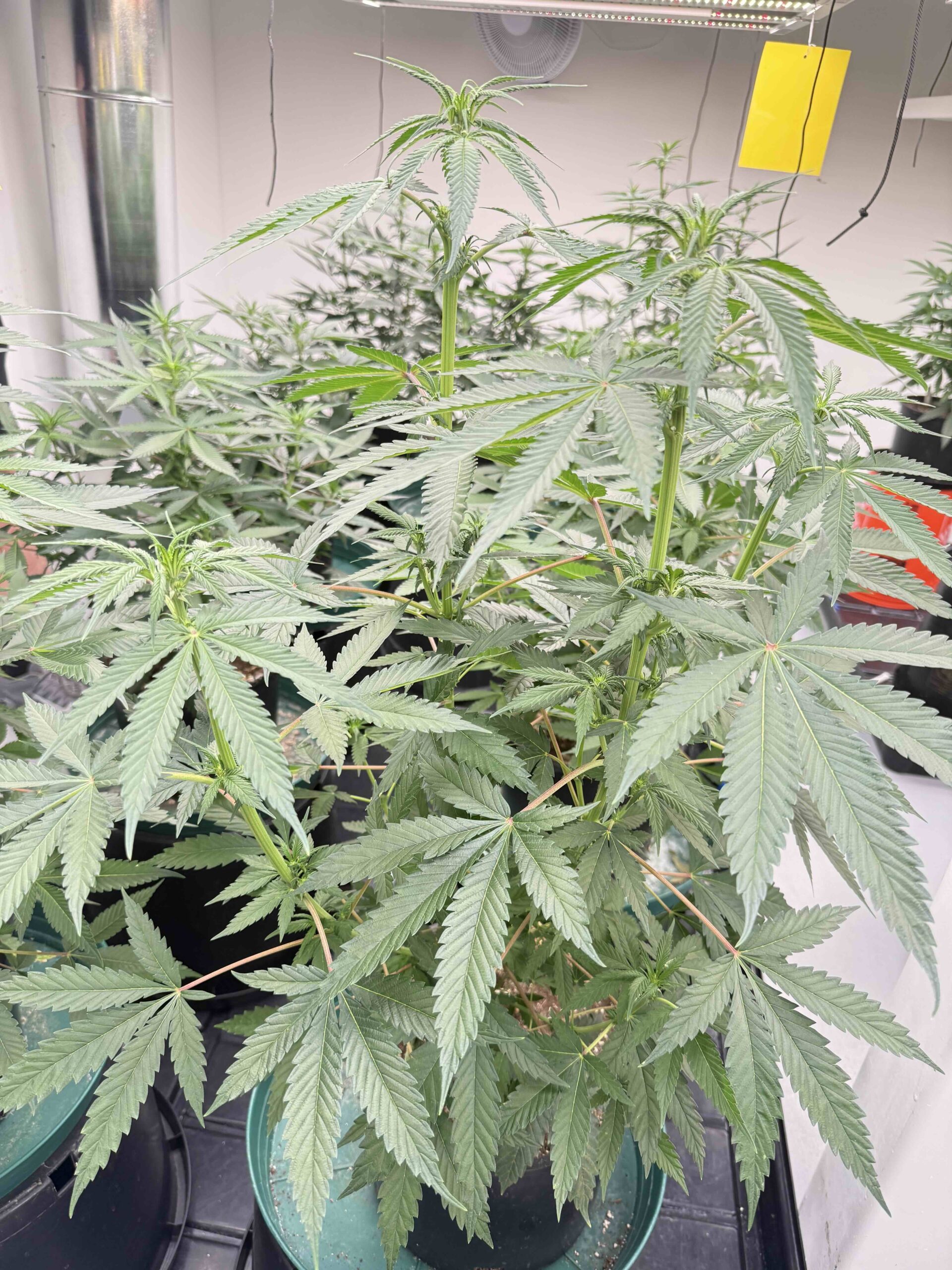
At NASC we’ve been able to see a growing trend moving towards autoflowers, and we like a challenge. The breeding process for autos is so different from what we are accustomed to because you cannot keep mother plants. This changes everything, and it has been really fun to explore and build something new from the ground up again.
Autos make a lot of sense for a lot of people, and they have come such a long way in the past decade thanks to all of the incredible breeders that have made this their craft. They are so much newer than photoperiods, but with every year that passes, the auto gene pool matures into something increasingly refined, more potent, more terpy, and more stable. It baffles me that auto breeding would be less respected than photo breeding. It’s like the new frontier, and if anything, that should be respected and it should stoke curiosity.
Joe was really the person that made autos feasible for Dirty Bird because we wouldn’t have had the manpower to do justice to this huge new project otherwise. To us it’s an asset to have someone like Joe come in with no prior breeding experience. He has a good head on his shoulders, he learns quickly, he has a genuine interest in the work. I value these things so much more than industry experience. All of this has enabled myself and the rest of the team to learn alongside Joe, and it has kept us very close to the project which is where we want to be. If there is one thing we all have in common, it’s that we love to learn.
8. What’s actually different about breeding for autoflower stability versus photoperiod — what are you selecting for in an auto pheno that wouldn’t matter as much on the photo side?

[Doc Skunch + Christy in the Garden]
The approach to breeding autoflowers is very different from photoperiods, and that boils down to one thing: You cannot keep auto cuts indefinitely. With photoperiods, you have the ability to select parents that have all of the traits you are looking for, and you can go back to breed with genetic replicas of those plants anytime. You simply cannot do this with autos.
By nature, autoflowering plants are going to flower whether you like it or not, so you cannot keep clones or mother plants. This forces you to make breeding selections when the plants have barely even started to flower. The approach is entirely different. Breeding forward for uniformity and stability becomes very critical, otherwise you’re shooting in the dark. Secondly, it means that you must always reverse and pollinate many more plants than you actually need so that you can cull the losers and select your winners when the plants have matured enough to make those judgement calls. It’s difficult to determine the terpenes, the color, the yield, or the potency of a plant that is 4 weeks old, but this is the age that you need to pollinate the plants if you wish to make seeds. This is why we chose to work from a pool of plants versus a single plant like you would in most photo breeding programs. One perk of autos is that they are much faster to breed forward generationally, and all of the selections we make are done live. This means that we are able to move a new cultivar forward generationally speaking (from F1 to F2 to F3 and so on) significantly faster than you can with a photo plant.
9. Of everything currently in the works in the auto program, what are you most excited about — the cross or line you’d want the AFN community to keep an eye on?
Honestly, there are so many projects that have me excited. The first project that really stood out, and one that continues to excite me, would be the Sour Strudel Auto. We are currently hunting two F3 generations of the Sour Strudel in addition to a backcross we made, and we will make plans for the line once we’ve seen our options.
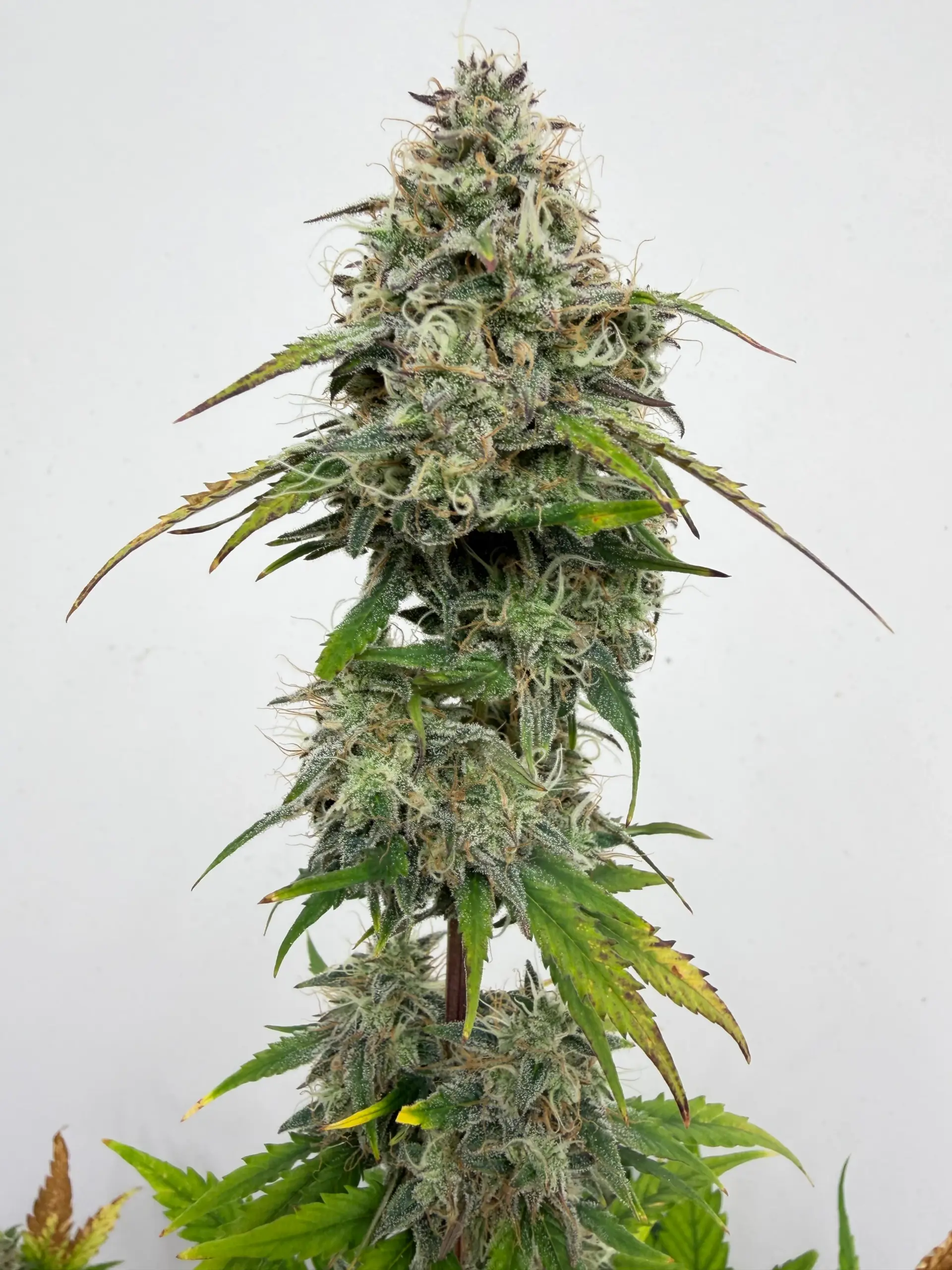
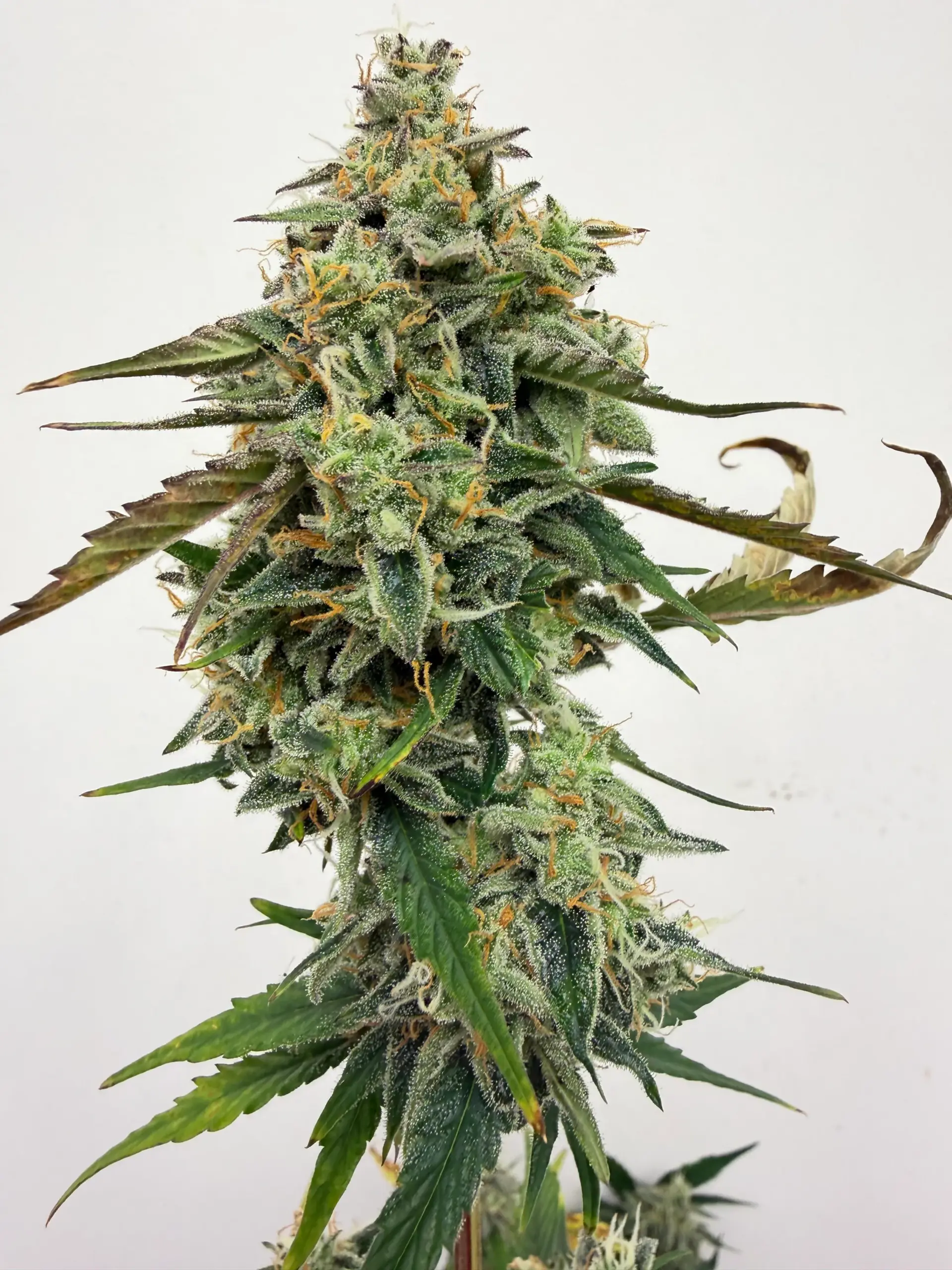
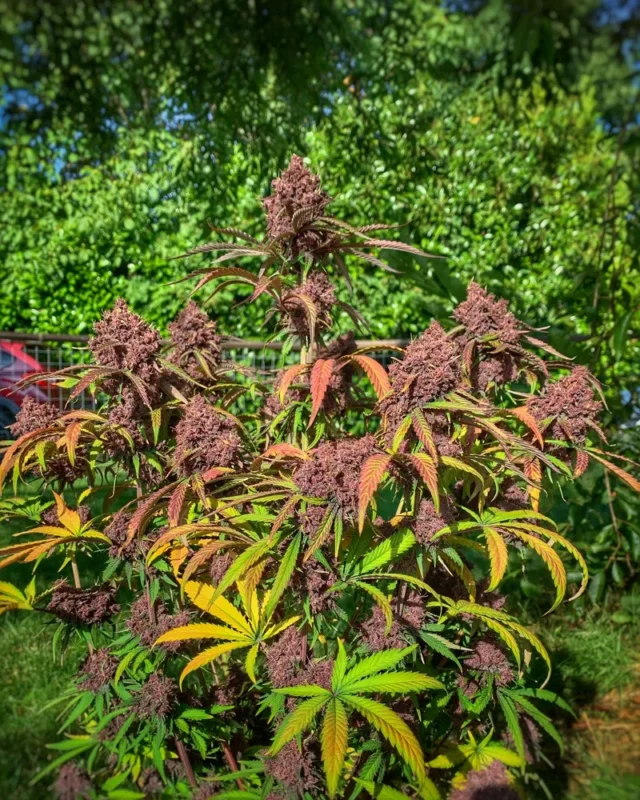
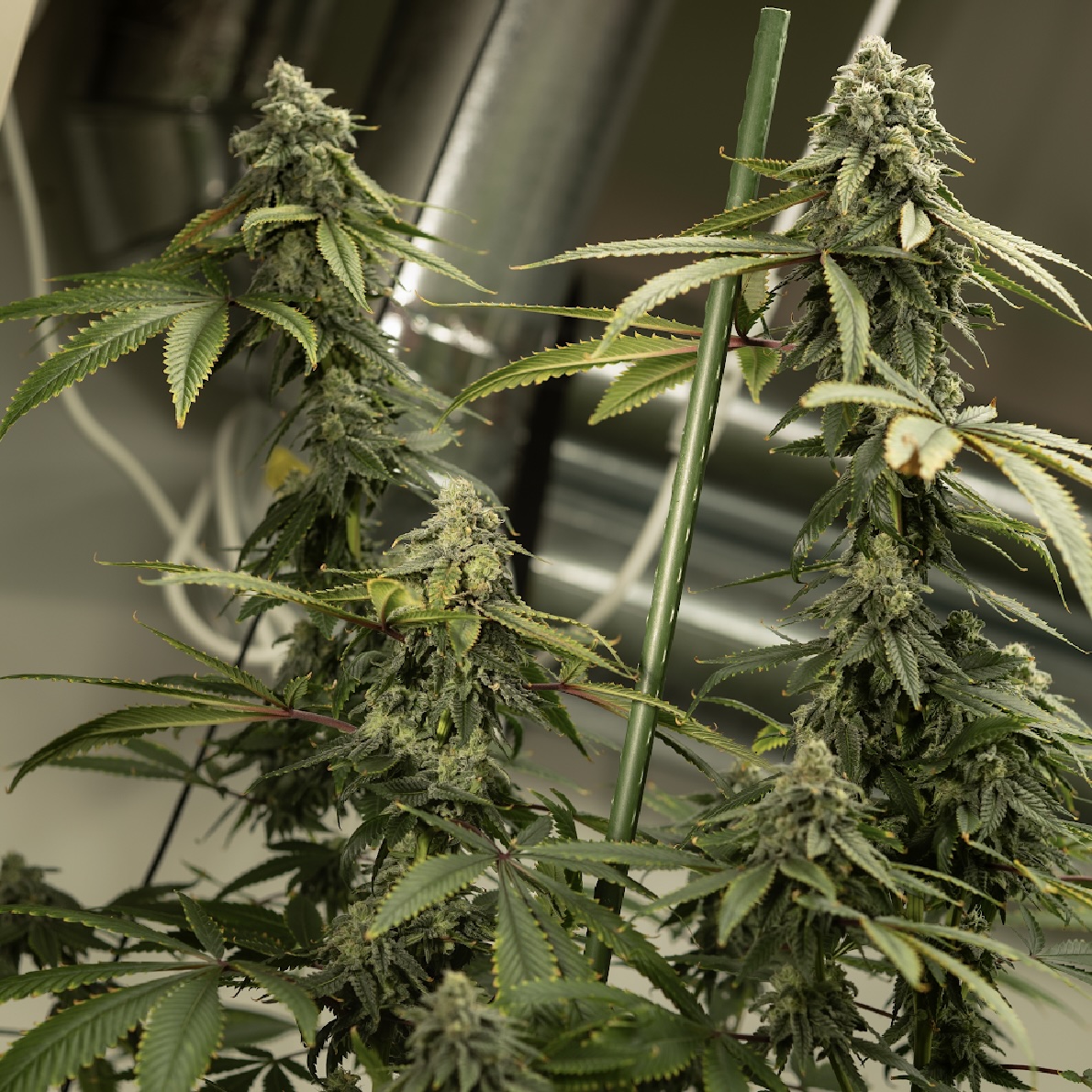
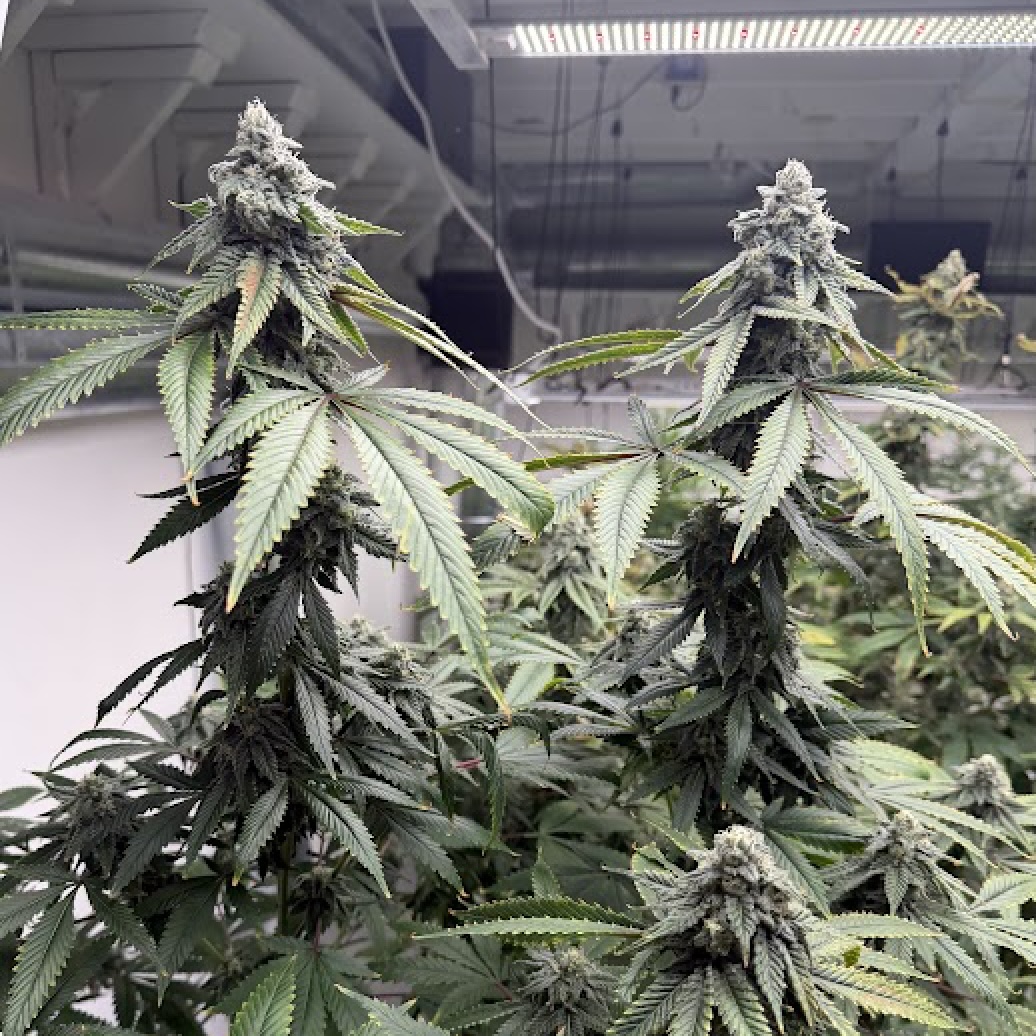
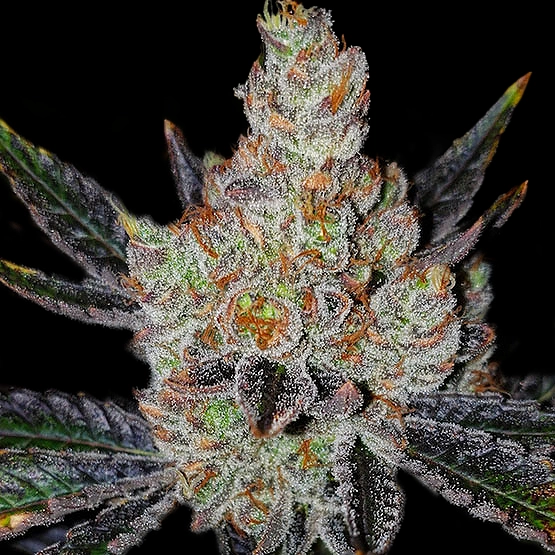
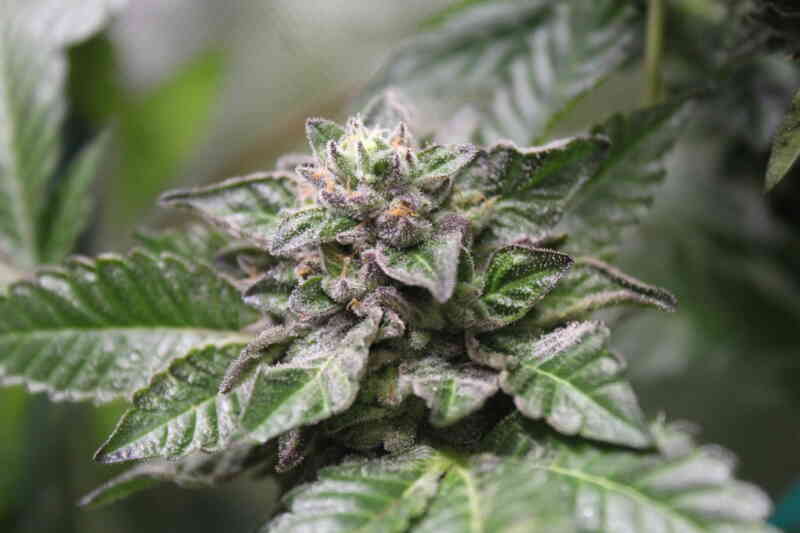
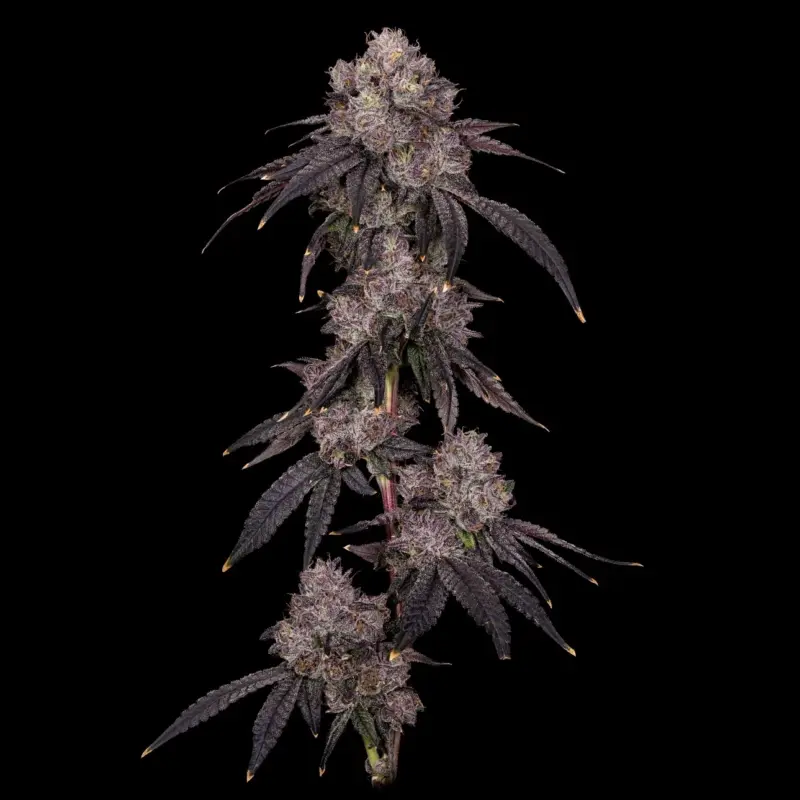
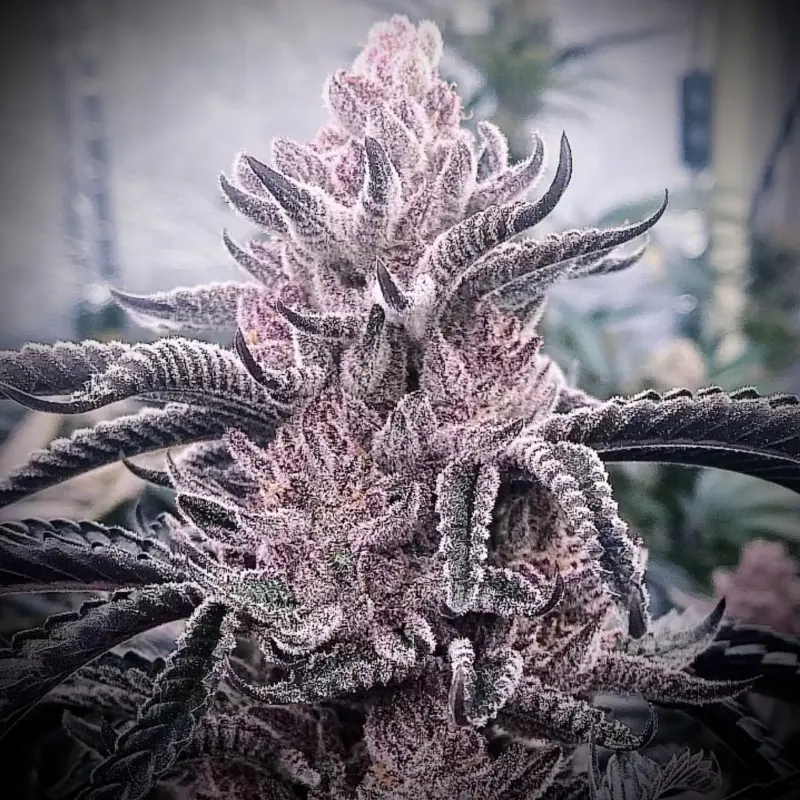
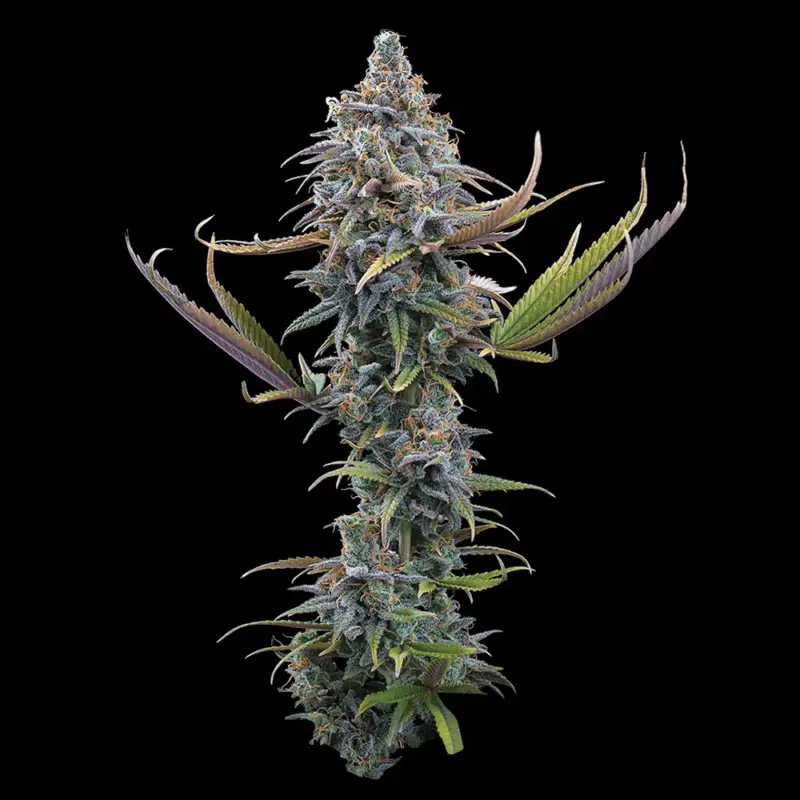
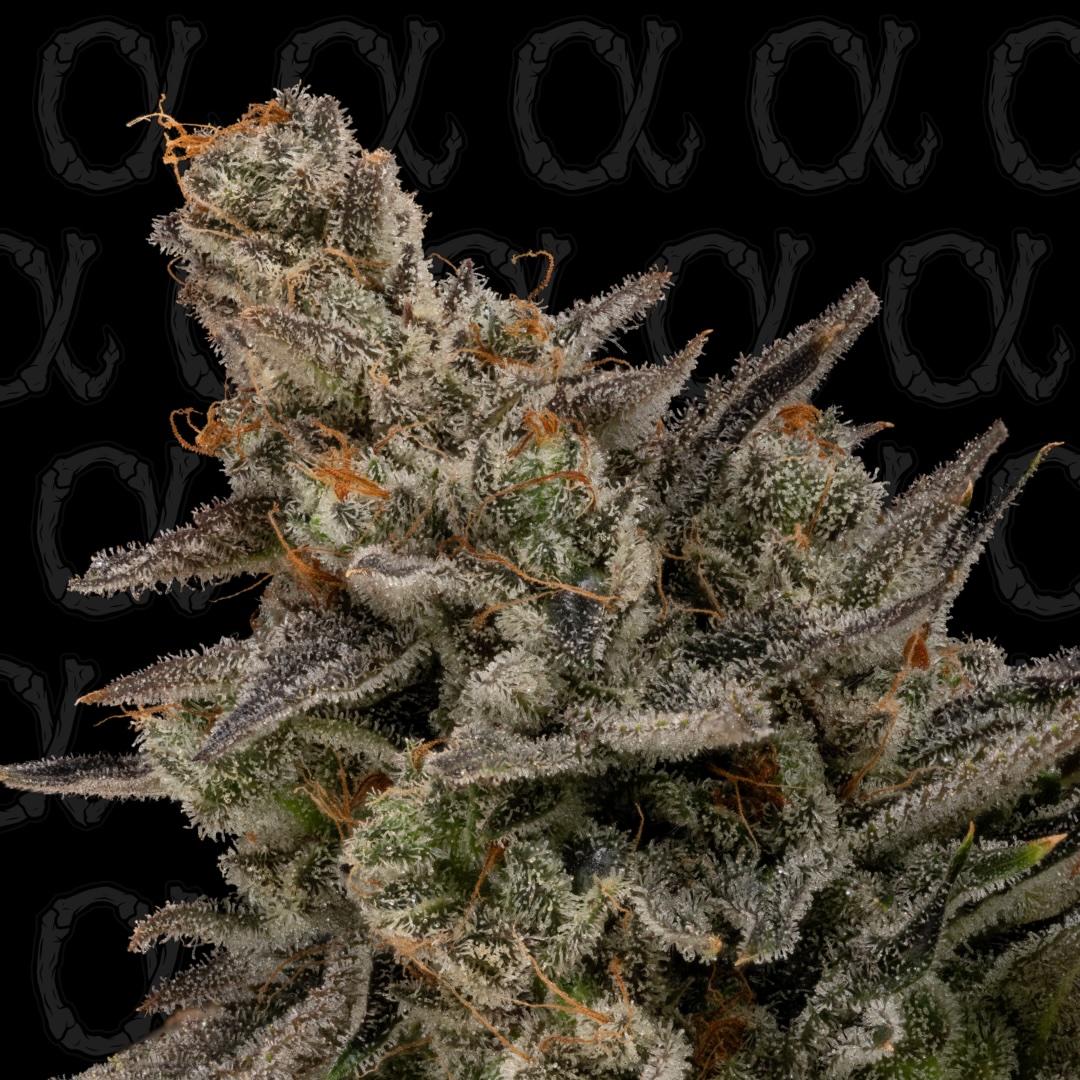
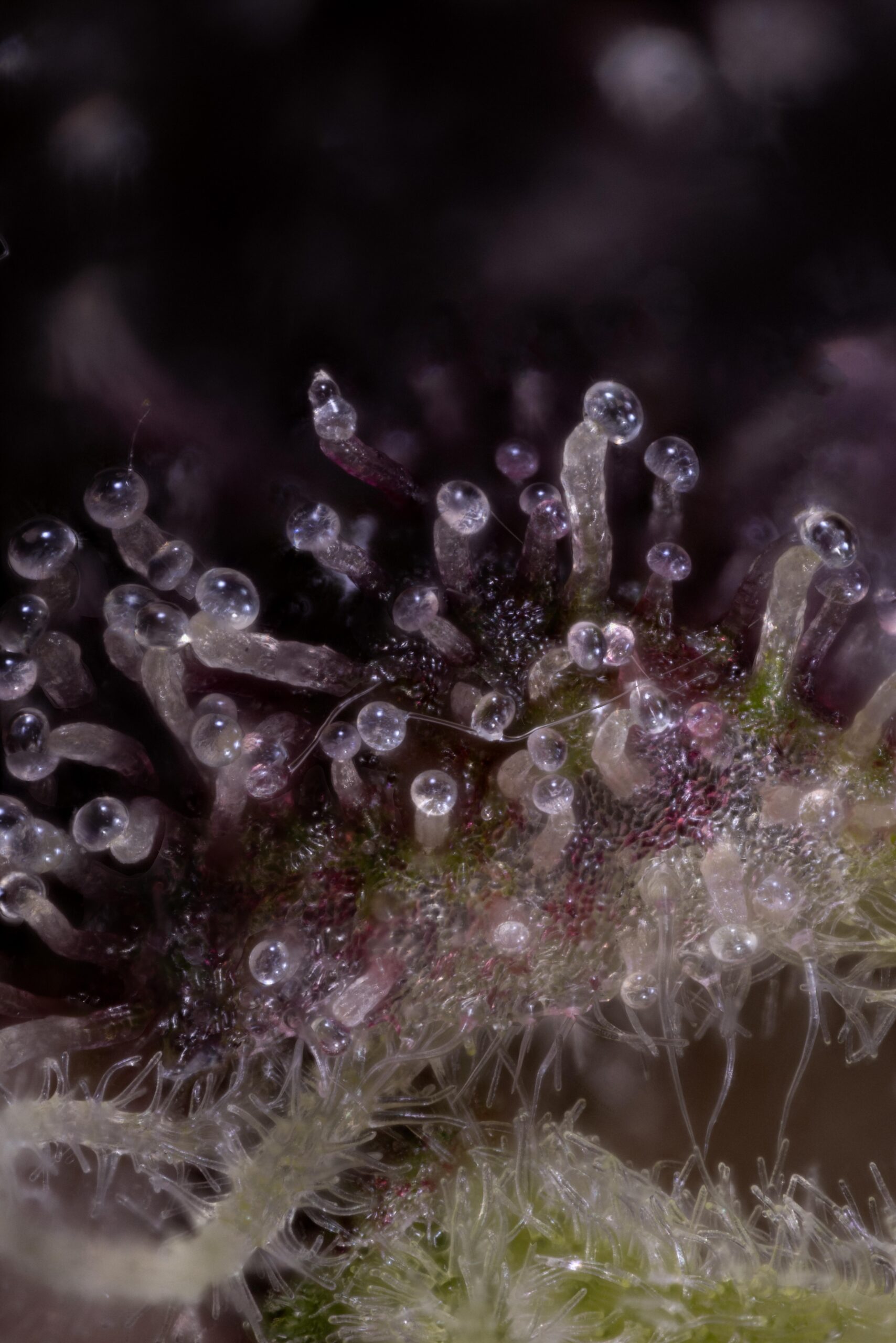
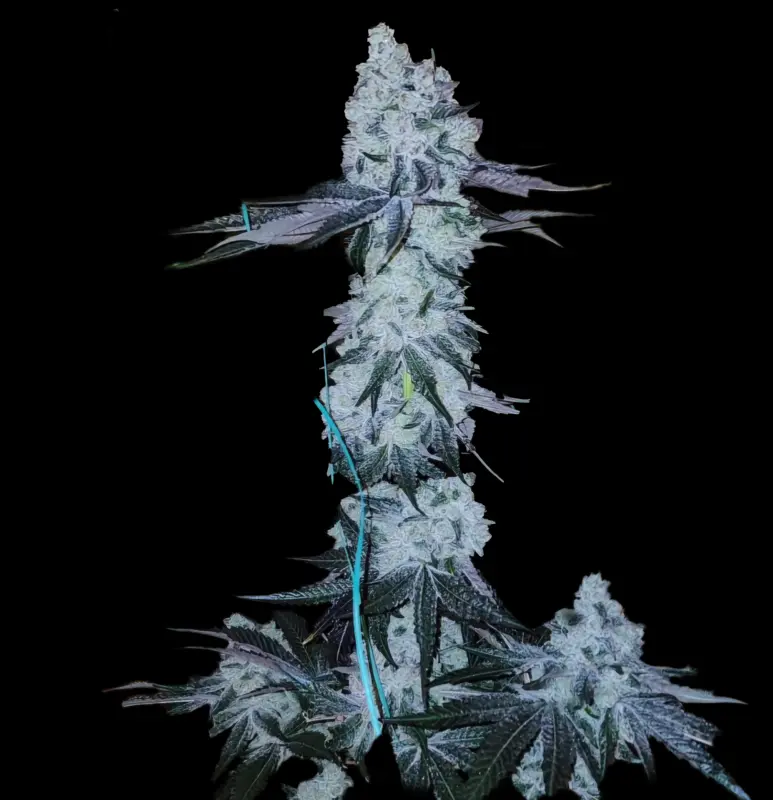
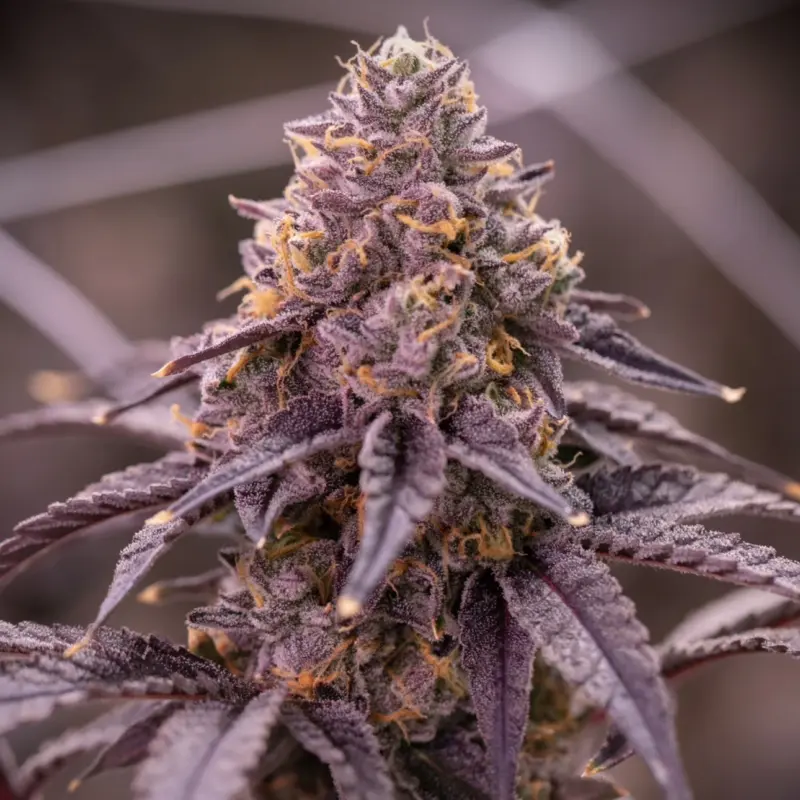
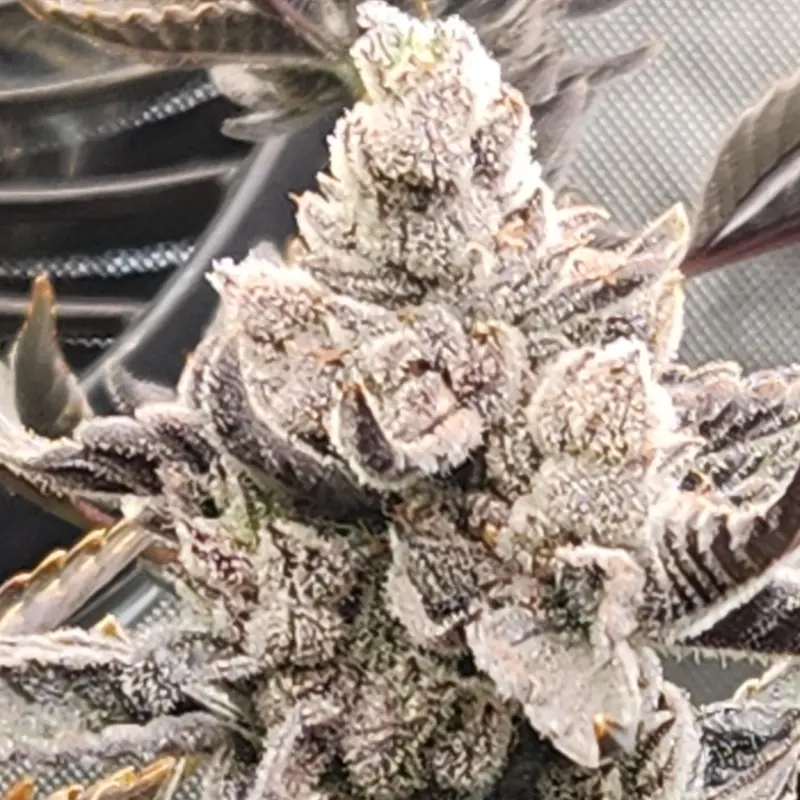
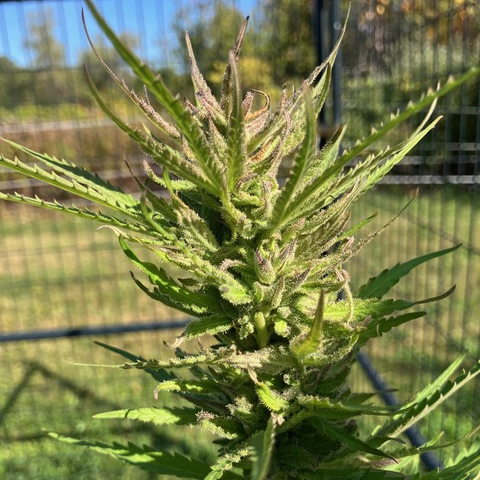
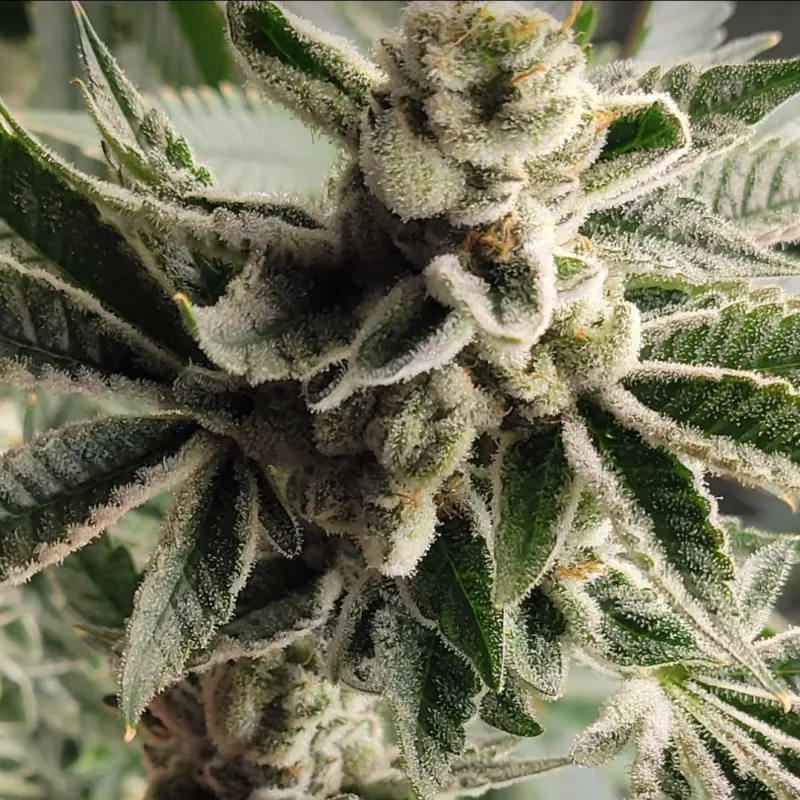
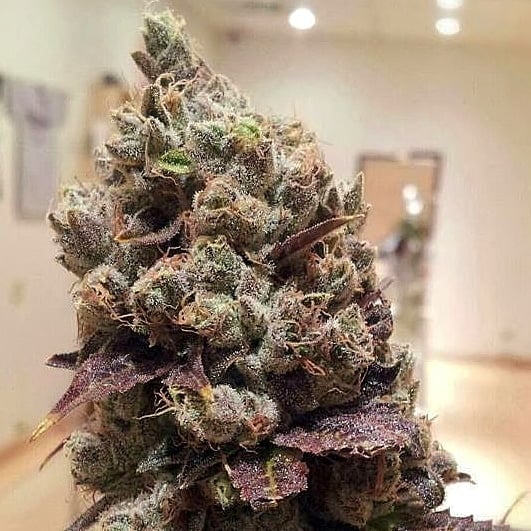
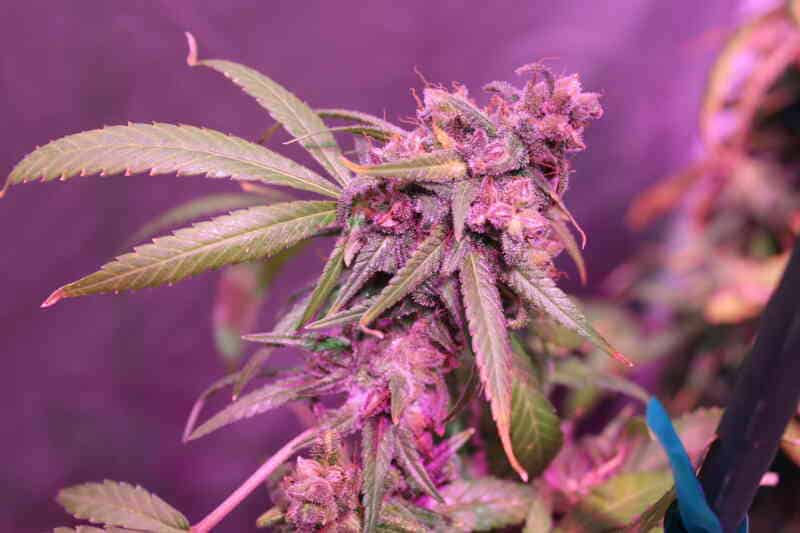
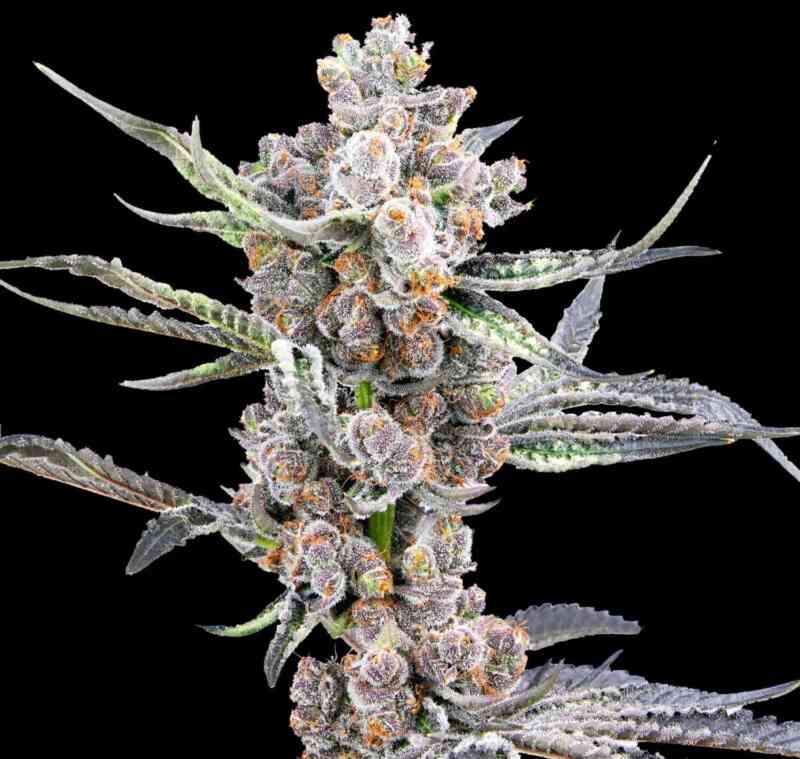
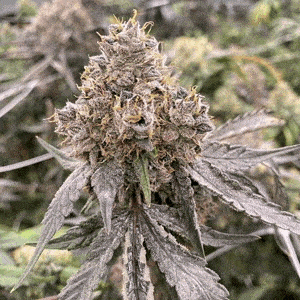
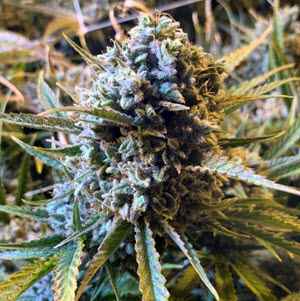
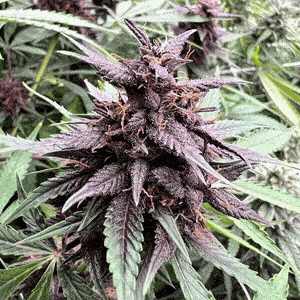
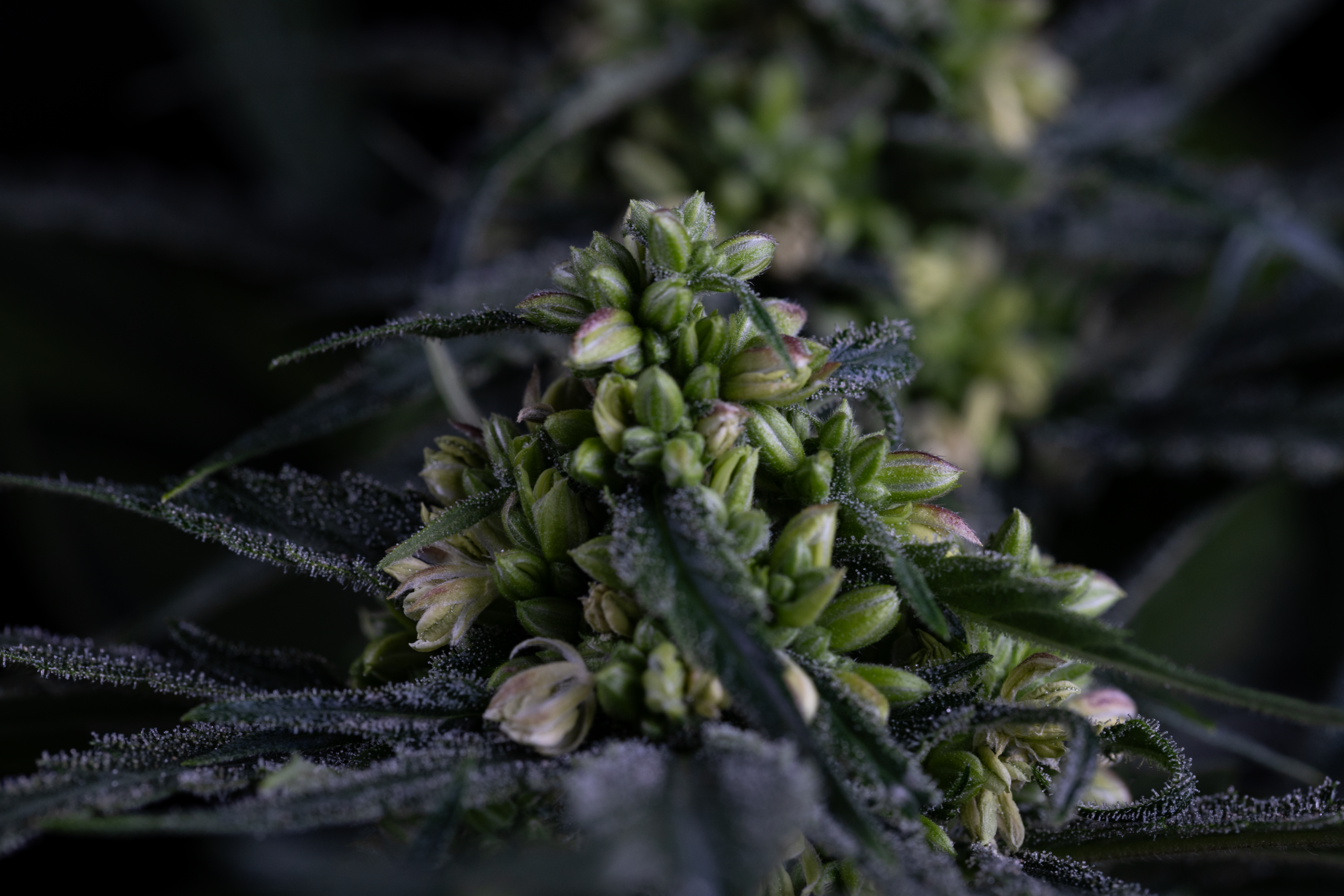
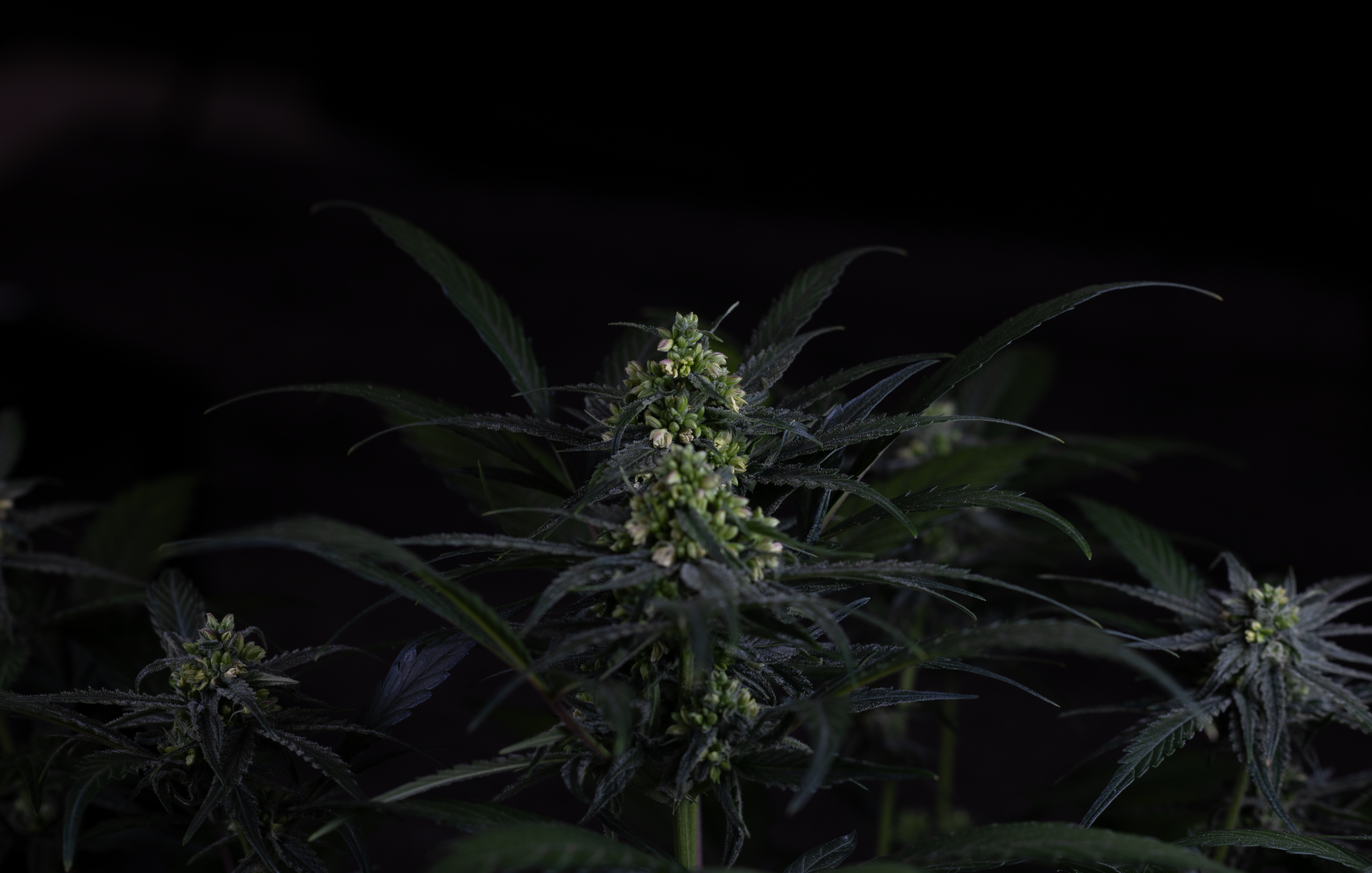
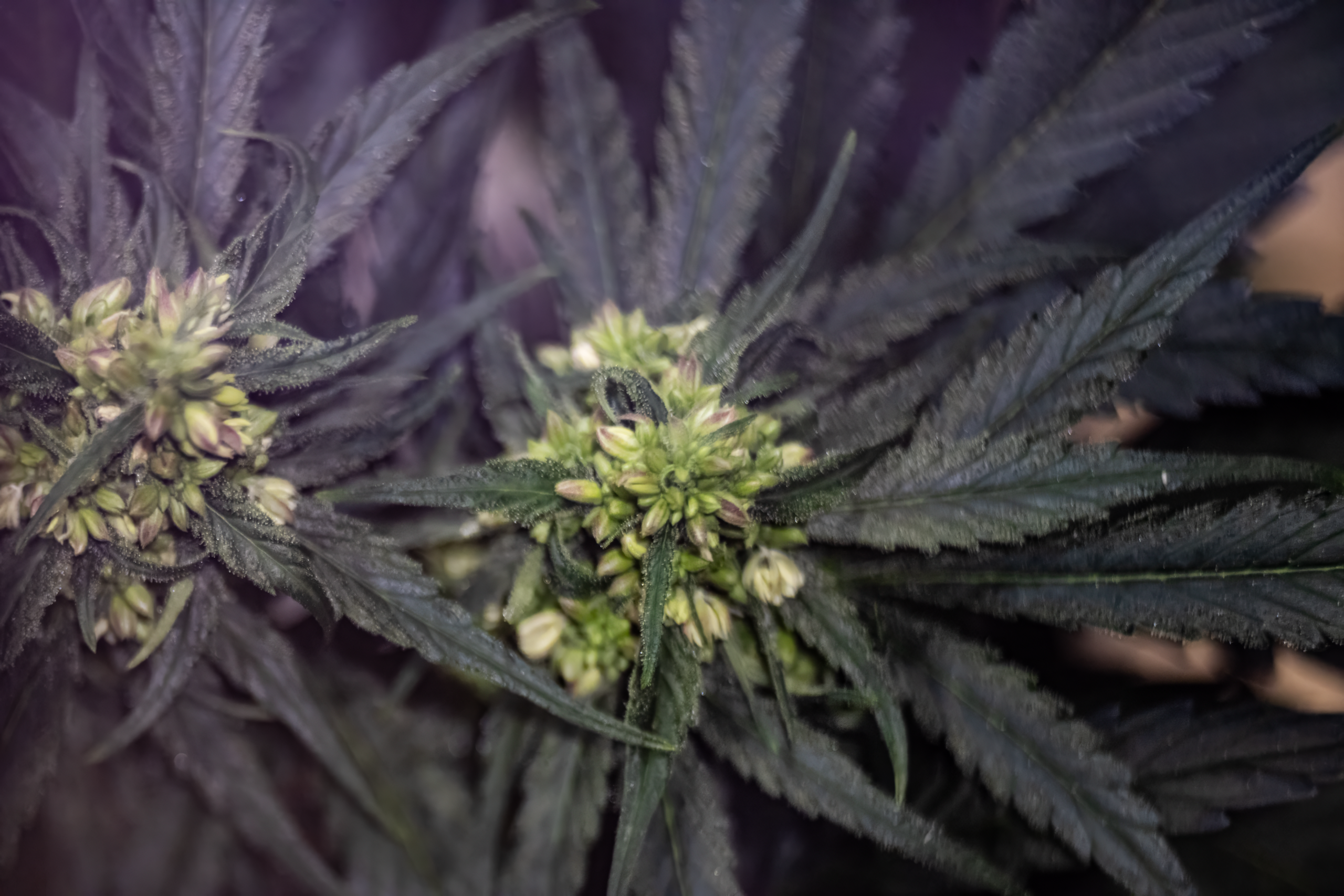
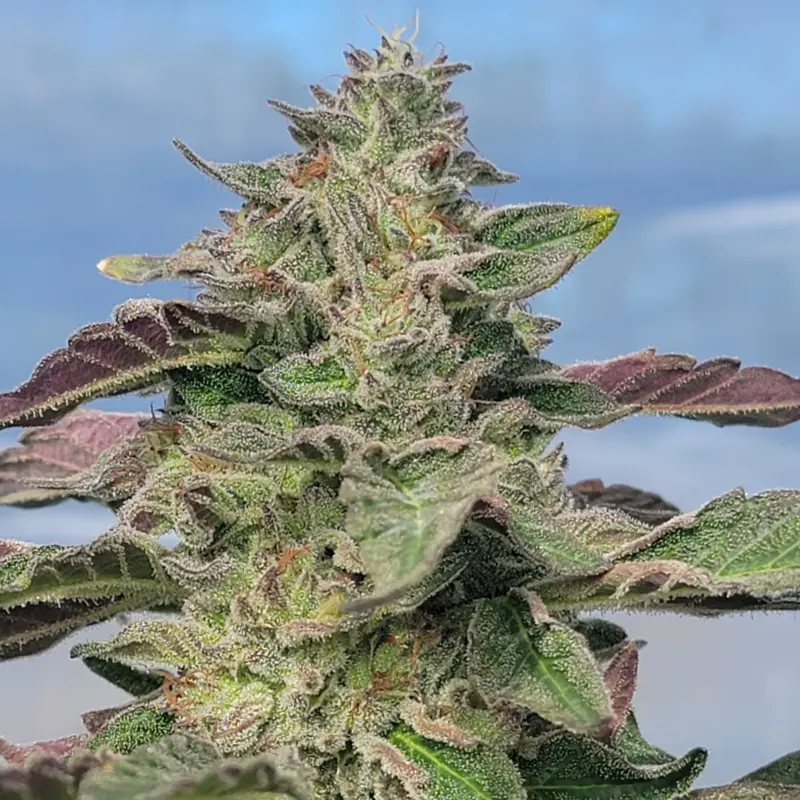
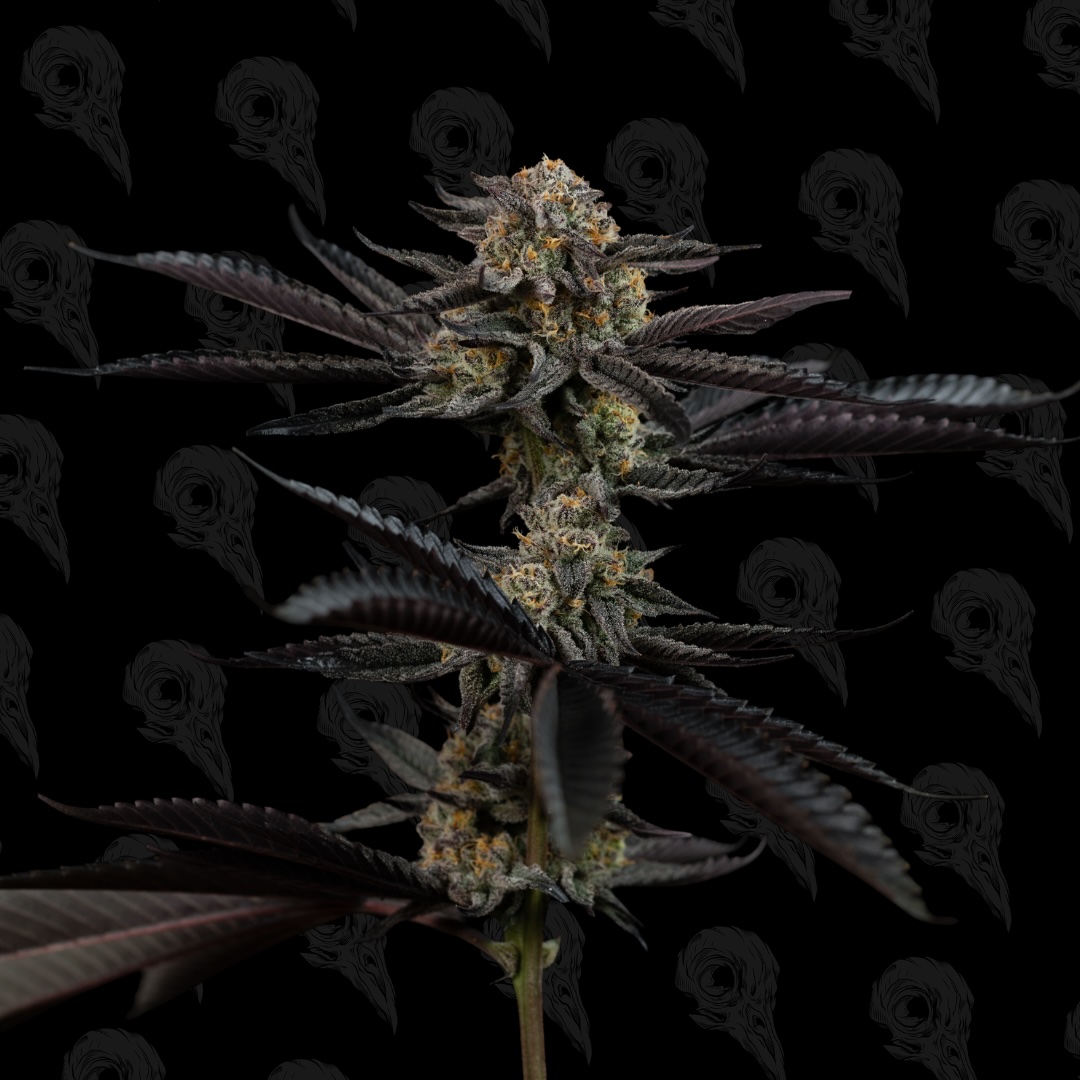
There are so many reasons to love this strain, but to name a few: The trichome accumulation is unmatched and truly incredible; the terpenes–which we are still locking in–are a great balance of sweet and sour; the coloring of the flower, at its best, is the most vibrant purple I’ve ever seen–an insane contrast to the thick white stigmas and the slender (equally vibrant) green foliage; and the morphology of the plant is truly special. Some may have heard me talking about this already, but the Sour Strudel has given us this incredibly unique lateral pheno that we’ve had a lot of fun playing with. It’s something we’ve never seen before in photos or autos. The lateral pheno–which we are breeding forward in a separate, more experimental project–does not have one dominant cola. Left totally untopped and untouched, it naturally splits off and creates multiple colas which reach up like purple arms forming one even canopy. It’s so neat to see this pheno naturally occurring in every generation we’ve bred. In our F2 seed lots, it occurred in about 50% of plants, so you’re almost guaranteed a plant with this trait if you pop a pack of seeds.

[Lateral Sour Strudel]
Some other projects that stand out as really special right now: Star Fists Auto, Heavy Metal Breath Auto, Cursed Coast Auto, Mint Lemonade auto, Gas Berry Auto, and some of the newer, unreleased crosses that we are testing like the unnamed Sour Strudel F2b2 x Gas Berry Auto.
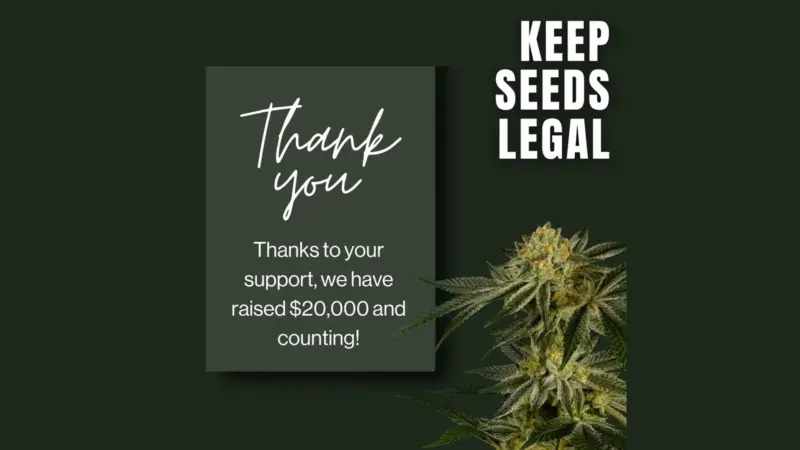
10. You’re one of the loudest voices right now fighting the federal reclassification set to hit in November, and you’ve been building out ASIGA (American Seed Innovation & Growth Alliance) to organize the industry’s response. For growers and customers who aren’t following the legislative side closely, what’s actually at stake for them if this law takes effect, and what can they do right now to help?
Yes, 2026 has been quite a whirlwind with all of the upcoming legislative changes. I’m not one to scare easily, but this has definitely been a huge thing for us and for me personally this year.
The seed industry is one of the few multi-billion dollar industries that does not have a presence in DC, let alone a unified voice of influence. And it’s understandable why: it’s one of the few industries that has remained grassroots, and I think we can all appreciate that. But because we’ve been off doing our own thing, outside of the public eye, this new statute dubbed the “hemp ban” was able to slide through last November 2025 with no prior industry consultation, no due diligence, and with very little industry awareness. I think it took most of us by surprise.
What’s at stake? Everything, really. This new statute–Sec 781(1)(c) of the FY2026 Appropriations Act–which now goes into effect on Dec 11, 2026 will supercede the 2018 Farm Bill by making cannabis/hemp seeds federally illegal if they come from a parent plant that contains more than 0.3% THC. How regulators plan to determine this is still very unclear, but nonetheless, this new law stands to threaten every arm of the cannabis/hemp, medical, and industrial hemp industries. Shipping seeds over state lines will be illegal. Banks and payment processors will shut down our accounts making it impossible to do business, especially for ecommerce businesses like our own. Really, it stands to uproot virtually everything that our industry and home growers have built and have come to rely on over the last decade.
Quickly after this law passed, I got together with a couple of industry leaders and we started to take action. I am very proud of the strides we’ve made, and I’m happy to say that nearly every US legislator that we’ve spoken with has agreed that this law will cost a fortune to regulate, it will shut down thousands of small US businesses, it will restrict access to genetics across the board, and it does not solve any problems; it creates problems. I am very hopeful that our legislators will right this wrong, but right now it’s a bit of a waiting game. We have to find a piece of legislation to get our technical amendment into, and Congress is passing less legislation now than ever in the history of the US. All we can do is to keep moving forward, educating ourselves and our legislators in the meantime.
For anyone who would like to help, I would suggest reaching out to your state’s US Representatives and Senators and letting them know, as respectfully as possible, how this law affects your life and your community. If you own a business that depends on seeds, that’s all the more reason to contact your legislators. We want to make this a non-controversial, science-backed issue that has a very simple and logical fix: to strike the one sentence exclusion about hemp seeds from Sec 781(1)(c) of the 2026 Appropriations Act. Some talking points include:
- Cannabis/hemp seeds are a non-intoxicating, agricultural input.
- We already regulate consumable cannabis, so what do we gain by adding more cumbersome regulations that will make it harder for small businesses to thrive.
- This new law will necessitate the development of a costly, labor intensive traceback program at a time when our government has bigger fish fry and is in more debt than ever. Not only that, it’s going to be incredibly costly and nearly impossible to maintain and regulate.
- Restricting access to genetics does not just impact the recreational and home grow markets, it also impacts the industrial hemp industry, the medical and wellness industry, the food industry, and research and science communities.
- The US is in the position to be a world leader in the development and innovation of hemp genetics. This law will change that.
Here is a great website you can use to find the contact information for your local US legislators: Democracy.io - Contact Members of Congress
If you’d like to donate to the cause, we have a Go Fund Me set up on the ASIGA website: Fundraiser for ASIGA Alliance by Tom R : Save American Hemp & Cannabis Genetics — Deadline Nov 12
You can stay up to date on ASIGA by visiting our website or following us on LinkedIn:
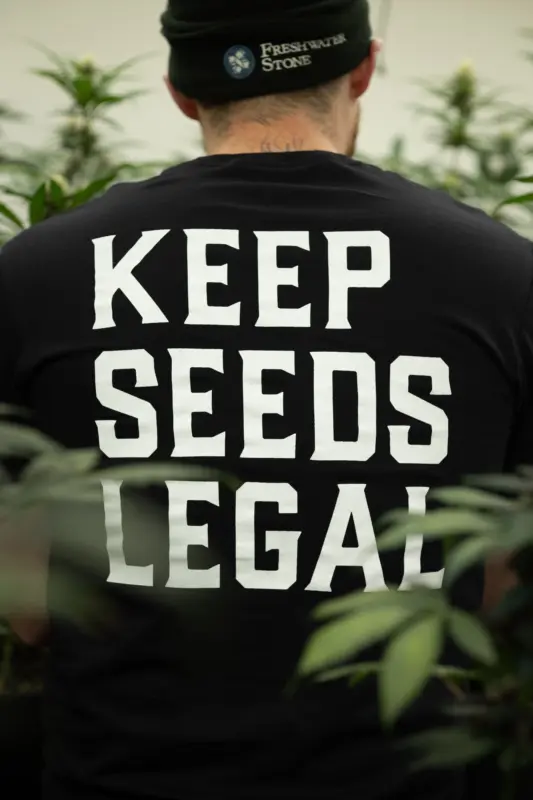
And lastly, NASC will be continuing to take donations to the Keep Seeds Legal campaign at checkout, and we have a menu of breeder-donated seeds available which you’ll find in our breeder menu. All proceeds go directly to ASIGA.
Part Two: Joe — Autoflower Breeding Program Lead, Dirty Bird Genetics.

1. How did you first get into growing and breeding? Was there a moment or a plant early on that made you realize this was going to be more than a hobby, or made you fall in love?
My growing and breeding journey both started at Dirty Bird Genetics about three years ago, actually! I was brought on to learn the basics and to help around the shop where ever needed.
While my previous work was in the granite industry, my appreciation and enthusiasm for cannabis, light background in forest resources, and strong working relationships with established Dirty Bird employees helped get me in the door.
During that first year I was gaining hands-on experience with every step of the photoperiod breeding process. From the first day I was feeling at home with the plants. Surrounded by shelves of clones, a sea of green in every room to observe and tend to. From seed to harvest, it simply brings a lot of joy to work with plants. A while into my first year is when the talk of the autoflower program came up. This is where the passion and interest started to compound. This is where it went from hands on to “how far can I take this?” It is in that, the creating of projects where I really developed my love for growing and breeding specifically. Searching for desirable and unique traits to capture and move forwards is where a lot of the excitement comes from.
2. What brought you into the Dirty Bird fold specifically, and how did you end up being the one running the autoflower program day to day?

[MJ Biz Con 2024]
I accidentally already touched on this a bit in my first response, but what brought me to Dirty Bird was simply me needing a change of work. It just so happened that my friend Ben had mentioned how they were looking for help where he worked.
He got me connected with Beth, and a few months later I got in! It started with learning all the basics, watering, general maintenance and such. After learning things like plant reversal, pollen collection and pollination, I was definitely gaining the skills to take on more.
Late into that first year is when the autoflower program came into the conversation. The opportunity ultimately landed in my hands! While I still had (and have) plenty to learn, my ability to plan and manage projects alongside the photoperiod operations has helped the autoflower program take flight!
3. Black Goliath Auto was the program’s first release after roughly a year and a half of development. What did that early stretch look like, and what did you learn from it that’s shaped how you’re approaching the strains that have followed?

That first stretch in development was full of many learning experiences, as I’m sure one can imagine. Dialing in the environmental conditions to get consistent results was huge.
Then after that foundation was set, it was on to creating a pollen bank to work with. One of our early, promising reversals was the strawberry gorilla, and so we worked that into a bunch of plants to start collecting observations and data on the offspring.
As we approached the time of the Black Goliath, we had already found and reversed a promising cross in the sour apple x strawberry gorilla. I had a group of Anvil (by Gnome Genetics) plants growing for observation and decided to hit one of them with that “sour gorilla” pollen, looking to marry in the dark purple and lush vegetation of the Anvil with the dense trichomes and fragrance of the sour gorilla. A couple months later we were very happy to find that it was our most stable cross yet. That is to say, it was extremely uniform in all of its traits.
Seeing that result has definitely shaped my process and expectations. Specifically, when planning ahead I always make sure to have a few groups of new strains to observe while pushing planned projects forward. This way there is always room for a little unplanned magic.
4. What does your selection process look like when you breed autos? What are you selecting for?

[Ben showing off a seed harvest]
With the autos, I’m always looking for distinctly strong traits attached to strong foundational characteristics.
For example, super strong terpene profiles and high trichome density are my favorite traits. But I need to also see things like proper flower density, flower stacking, and overall morphological sturdiness to want to push a plant forward.
So when growing a new strain I start with at least 8 and up to 16 plants. This way I can watch them week to week and observe any phenotypic differences.
By time they get to week 7 I’ve seen enough to evaluate their consistency and traits to determine if they are worth the time to breed with. By this time I also have a very good idea of the strain and if it is worth rerunning to reverse for pollen collection.
So to be more specific, the selection process starts around week 3 when the plants start to ramp up in growth. On a weekly basis and as a team, we tour the grow rooms and make note of what interests us.
As the plants hit their heavy flowering stage we make our final judgments and selections on what is worth moving forward. Those selections revolve around the overall appearance and vigor of the single plant and its cohort.
As mentioned before, the terpenes and trichomes are obviously a large factor, whether sweet, sour and sticky, or spicy, funky and gritty. Dense flowers, interesting and vibrant colors. They all play a variable role in the selection process, but it is absolutely essential that all these boxes are filled in some manner.
5. Of everything currently in the works in the auto program, what are you most excited about — the cross or line you’d want the AFN community to keep an eye on?
This is an exciting question as there have been a few projects recently that are really starting to feel like unique and outstanding strains.
If I were to answer this a few months back, I would have answered Sour Strudel easily, as they are absolute trichome machines. Sweet, sour, candy and apple scents, purple and green phenotypes and a great potential to stack. A line we have worked forward a few generations and into other crosses.
But! Recently I have found through another unplanned project our “Star Fists,” the pineapple runts x purple lemonade.

This line is definitely worth keeping your eyes on as it checks all the boxes. Where it shines is in its size and form. Large to hulking buds, great stacking, and uniform growth across each plant. Hints of purple in the calyxes, and range of smells from durban and spice to tropical fruits. It is truly a beautiful plant.
6. For home growers who want to try pheno-hunting or basic breeding with autos themselves, what’s the one piece of practical advice you’d give them before they start?
I would say to start with a replicable process. Make sure that you are as dialed in as possible to be able to determine outliers in your grow. Start with at least 4 plants of the same strain to get a decent idea of any variation or potential. Most importantly, take notes! As we won’t be taking any clones of autos, taking notes and creating that repeatable work flow is vital in making sure your breeding decisions matter.
In closing I would just like to say that I’m extremely happy to be involved in the Autoflower Network. When I first started working with autoflowers, the AFN quickly became my go to forum to seek knowledge and information. While I always browsed silently without much interaction, it was apparent that the AFN was full of passionate growers and breeders who are willing to share their experiences for the love of it. It was a little daunting to step up to the plate knowing that everything I’m working with is based on the hard work and dedication of breeders past and present. That being said, it is the passion I observed here that has given me the confidence to step and fully participate in this line of work.
Where to find them -
@Beth_DirtyBirdxNASC
@DirtyBird_Joe
@MattNASC
@NASC_Jaden
@NASC_Crystal
Dirty Bird Genetics
North Atlantic Seed
Maine Clone Company
NASC Instagram
Dirty Birds Genetics Instagram
 CBD Balance I (R)-10%$45.00
 Class Clown (R)-10%$54.00
 Breeder's Choice (R)-10%$54.00
 Santa Sesh (R)-10%$54.00
 Respect (R)-10%$54.00
 Irie Tristar (R)-10%$54.00
 CBD Balance II (R)-10%$45.00
 Breadfruit (R)-10%$54.00
 Lamb's Breath Seeds - Irie Select (R)-10%$54.00